

Sell Stars, Build Culture, Win Trophies
With Amorim looking to cut Rashford, we look at transfers where managers took bold action, wielding the axe on big names they saw as cultural roadblocks—resetting team dynamics and steering their clubs back to success.
⚔️🏆
[A THREAD]
With Amorim looking to cut Rashford, we look at transfers where managers took bold action, wielding the axe on big names they saw as cultural roadblocks—resetting team dynamics and steering their clubs back to success.
⚔️🏆
[A THREAD]

Pep Guardiola's Cultural Reset: The Birth of Tiki-Taka and the Rise of Messi
Ronaldinho, a Ballon d’Or winner, was a magician on the pitch but had fallen victim to complacency and off-field distractions. His brilliance was now overshadowed by late-night parties and waning fitness. Deco, an equally gifted playmaker, was also seen as emblematic of the squad’s fading focus. Guardiola’s decision to part ways with both was met with skepticism. How could Barcelona survive, let alone thrive, without these talismans?
But for Pep, their exits weren’t just tactical—they were symbolic. Their departures sent a message that no one was bigger than the team and that a new era would prioritise discipline and hard work over reputation.
In their place, Guardiola turned to players who embodied humility and dedication. Chief among them was a young Lionel Messi, whose prodigious talent was matched by an unassuming demeanor. Alongside Messi, other homegrown talents like Xavi Hernández, Andrés Iniesta, and Sergio Busquets formed the backbone of the team. These players weren’t just technically gifted; they were steeped in the club’s philosophy, having been groomed at La Masia, Barcelona’s famed academy.
This new group of “choirboys,” weren’t about the flash of the individual but the harmony of the collective. Under Guardiola’s guidance, they would come to redefine football itself.
Guardiola’s cultural overhaul bore fruit almost immediately. In his first season, Barcelona won an unprecedented treble: La Liga, the Copa del Rey, and the UEFA Champions League. Their style of play was mesmerising, dismantling opponents with precision and fluidity. Ronaldinho and Deco’s brilliance was soon a distant memory, eclipsed by the systemic dominance of Guardiola’s tiki-taka machine.
More importantly, Guardiola had re-established Barcelona’s identity. The club became synonymous with elegance, discipline, and a commitment to nurturing homegrown talent.
Ronaldinho, a Ballon d’Or winner, was a magician on the pitch but had fallen victim to complacency and off-field distractions. His brilliance was now overshadowed by late-night parties and waning fitness. Deco, an equally gifted playmaker, was also seen as emblematic of the squad’s fading focus. Guardiola’s decision to part ways with both was met with skepticism. How could Barcelona survive, let alone thrive, without these talismans?
But for Pep, their exits weren’t just tactical—they were symbolic. Their departures sent a message that no one was bigger than the team and that a new era would prioritise discipline and hard work over reputation.
In their place, Guardiola turned to players who embodied humility and dedication. Chief among them was a young Lionel Messi, whose prodigious talent was matched by an unassuming demeanor. Alongside Messi, other homegrown talents like Xavi Hernández, Andrés Iniesta, and Sergio Busquets formed the backbone of the team. These players weren’t just technically gifted; they were steeped in the club’s philosophy, having been groomed at La Masia, Barcelona’s famed academy.
This new group of “choirboys,” weren’t about the flash of the individual but the harmony of the collective. Under Guardiola’s guidance, they would come to redefine football itself.
Guardiola’s cultural overhaul bore fruit almost immediately. In his first season, Barcelona won an unprecedented treble: La Liga, the Copa del Rey, and the UEFA Champions League. Their style of play was mesmerising, dismantling opponents with precision and fluidity. Ronaldinho and Deco’s brilliance was soon a distant memory, eclipsed by the systemic dominance of Guardiola’s tiki-taka machine.
More importantly, Guardiola had re-established Barcelona’s identity. The club became synonymous with elegance, discipline, and a commitment to nurturing homegrown talent.

Sir Alex Ferguson’s Drinking Revolution: Selling McGrath and Whiteside
By common consensus, the turning point came with a Mark Robins header against Nottingham Forest at the City Ground on Jan 7, 1990.
Within Old Trafford, however, the recollection is different. The Robins goal provided a launch-pad but, according to Bryan Robson, the boil had actually been lanced six months earlier, during summer of 1989.
“When the manager sold Paul McGrath and Norman Whiteside, he was getting rid of big fans’ favourites and it was a really big decision,” Robson recalls.
“A lot has been said about the manager not being happy with their lifestyle, but I think the major factor with both Norman and Paul was their injuries and the manager felt he couldn’t rely on their fitness anymore.
“What the manager proved by selling Norman and Big Paul, however, was that he would take the tough decisions, no matter how big or popular the player. He has since proved that time and time again. He knows that you cannot allow cracks to develop and affect a dressing room, so he will make the big calls and that’s why he has been so successful over 25 years.”
The cultural reset initiated by Ferguson began to bear fruit in the early 1990s. The 1990 FA Cup victory, often credited with saving Ferguson’s job, was the first major success of the new era. It marked a turning point for the club, instilling belief and laying the groundwork for the dominance that would follow.
United went on to win their first league title in 26 years in 1993, ushering in an era of unprecedented success under Ferguson. The tough decisions of the late 1980s, including the sales of McGrath and Whiteside, proved instrumental in creating the culture that underpinned this golden age.
By common consensus, the turning point came with a Mark Robins header against Nottingham Forest at the City Ground on Jan 7, 1990.
Within Old Trafford, however, the recollection is different. The Robins goal provided a launch-pad but, according to Bryan Robson, the boil had actually been lanced six months earlier, during summer of 1989.
“When the manager sold Paul McGrath and Norman Whiteside, he was getting rid of big fans’ favourites and it was a really big decision,” Robson recalls.
“A lot has been said about the manager not being happy with their lifestyle, but I think the major factor with both Norman and Paul was their injuries and the manager felt he couldn’t rely on their fitness anymore.
“What the manager proved by selling Norman and Big Paul, however, was that he would take the tough decisions, no matter how big or popular the player. He has since proved that time and time again. He knows that you cannot allow cracks to develop and affect a dressing room, so he will make the big calls and that’s why he has been so successful over 25 years.”
The cultural reset initiated by Ferguson began to bear fruit in the early 1990s. The 1990 FA Cup victory, often credited with saving Ferguson’s job, was the first major success of the new era. It marked a turning point for the club, instilling belief and laying the groundwork for the dominance that would follow.
United went on to win their first league title in 26 years in 1993, ushering in an era of unprecedented success under Ferguson. The tough decisions of the late 1980s, including the sales of McGrath and Whiteside, proved instrumental in creating the culture that underpinned this golden age.

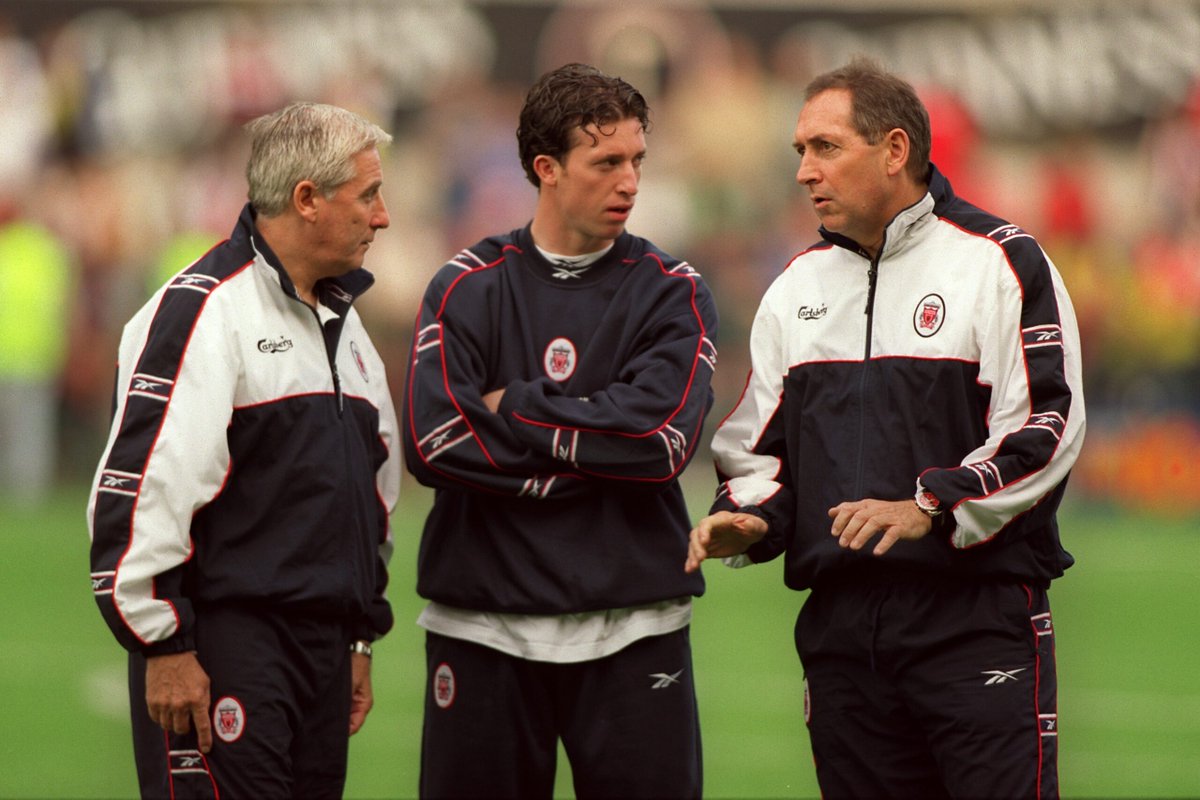
Houllier saying goodbye to the Spice Boys
The Spice Boys epitomised the 1990s footballer lifestyle—fashionable, marketable, and charismatic, but often inconsistent on the pitch. Liverpool’s 1996 FA Cup final defeat to Manchester United was a case in point. The players arrived at Wembley in cream Armani suits, a decision that overshadowed their performance in a dull 1-0 loss.
This image of style over substance became a metaphor for Liverpool’s struggles: undeniably talented but lacking the grit and focus needed to reclaim their former glory. Gérard Houllier recognized that a cultural overhaul was essential if Liverpool were to become winners again.
Houllier wasted no time in asserting his authority. Key departures during his tenure included the likes of Steve McManaman - the heartbeat of Roy Evans' side, who left for Real Madrid on a free transfer in 1999, and Paul Ince, whose leadership style clashed with Houllier’s vision. Even Robbie Fowler, a fan favorite and one of Liverpool’s greatest-ever goal scorers, was eventually sold to Leeds United in 2001.
These moves were not just about clearing out big personalities; they were symbolic. Houllier wanted a team built on discipline, hard work, and tactical cohesion—qualities he felt the Spice Boys era lacked.
In place of the outgoing stars, Houllier assembled a squad of committed professionals. He brought in players like Sami Hyypiä and Dietmar Hamann, who embodied the discipline and reliability he craved. Houllier also invested in young talents like Steven Gerrard, who would go on to become the face of the new Liverpool.
Crucially, Houllier modernised the club’s approach, from training methods to diet and fitness regimes, aligning Liverpool with the demands of modern football. He instilled a sense of accountability and professionalism that had been missing during the Spice Boys era.
Houllier’s changes bore fruit in the 2000-01 season, one of the most successful in Liverpool’s modern history. The club completed a historic treble, winning the FA Cup, League Cup, and UEFA Cup. The victories were a testament to the new culture Houllier had cultivated: one where hard work and discipline took precedence over flashiness.
Houllier’s cultural revolution set the stage for the success Liverpool would later achieve under Rafael Benítez and Jürgen Klopp
The Spice Boys epitomised the 1990s footballer lifestyle—fashionable, marketable, and charismatic, but often inconsistent on the pitch. Liverpool’s 1996 FA Cup final defeat to Manchester United was a case in point. The players arrived at Wembley in cream Armani suits, a decision that overshadowed their performance in a dull 1-0 loss.
This image of style over substance became a metaphor for Liverpool’s struggles: undeniably talented but lacking the grit and focus needed to reclaim their former glory. Gérard Houllier recognized that a cultural overhaul was essential if Liverpool were to become winners again.
Houllier wasted no time in asserting his authority. Key departures during his tenure included the likes of Steve McManaman - the heartbeat of Roy Evans' side, who left for Real Madrid on a free transfer in 1999, and Paul Ince, whose leadership style clashed with Houllier’s vision. Even Robbie Fowler, a fan favorite and one of Liverpool’s greatest-ever goal scorers, was eventually sold to Leeds United in 2001.
These moves were not just about clearing out big personalities; they were symbolic. Houllier wanted a team built on discipline, hard work, and tactical cohesion—qualities he felt the Spice Boys era lacked.
In place of the outgoing stars, Houllier assembled a squad of committed professionals. He brought in players like Sami Hyypiä and Dietmar Hamann, who embodied the discipline and reliability he craved. Houllier also invested in young talents like Steven Gerrard, who would go on to become the face of the new Liverpool.
Crucially, Houllier modernised the club’s approach, from training methods to diet and fitness regimes, aligning Liverpool with the demands of modern football. He instilled a sense of accountability and professionalism that had been missing during the Spice Boys era.
Houllier’s changes bore fruit in the 2000-01 season, one of the most successful in Liverpool’s modern history. The club completed a historic treble, winning the FA Cup, League Cup, and UEFA Cup. The victories were a testament to the new culture Houllier had cultivated: one where hard work and discipline took precedence over flashiness.
Houllier’s cultural revolution set the stage for the success Liverpool would later achieve under Rafael Benítez and Jürgen Klopp
Getting rid of the 'Guvnor'
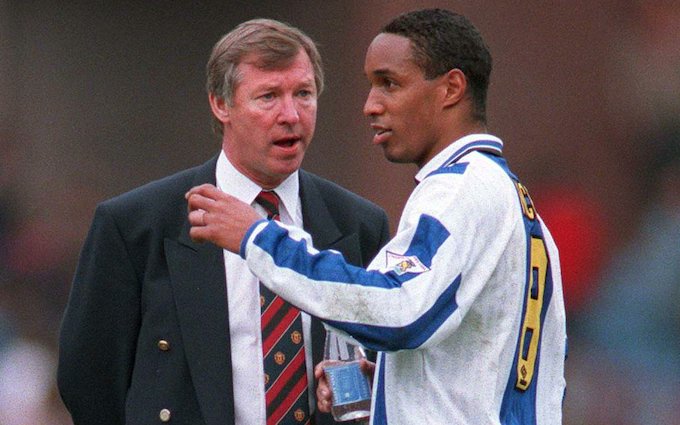
By the summer of 1995, Manchester United was at a crossroads. Despite winning two league titles and a domestic double under Sir Alex Ferguson, the club faced growing tension behind the scenes. One of the biggest figures in the dressing room was Paul Ince, self-styled as "The Guvnor," a combative midfielder who symbolised United’s grit and aggression in the early 1990s.
However, for Ferguson, Ince’s larger-than-life personality had become a liability. His outspoken nature, public comments, and perceived distractions off the pitch clashed with the disciplined, team-first ethos Ferguson wanted to instill. In a move that shocked fans and pundits alike, Ferguson sold Ince to Inter Milan in 1995, a decision that signaled a new chapter for United.
Ince wasn’t the only big name to depart in the summer of 1995. Mark Hughes and Andrei Kanchelskis were also moved on as Ferguson reshaped the squad. The exits of such high-profile players created uncertainty, but Ferguson had a plan: to promote youth and build a team that reflected his values.
The emergence of the "Class of ’92" provided the perfect opportunity. Players like Paul Scholes, Nicky Butt, David Beckham, and Gary Neville were ready to step up, and Ferguson believed their hunger and humility would invigorate the squad.
Selling Ince was as much about making a statement as it was about footballing necessity. It sent a clear message that no player, regardless of their stature, was bigger than the club.
The decision to sell Ince, along with Hughes and Kanchelskis, was met with widespread skepticism. Critics accused Ferguson of dismantling a title-winning side, and pundits predicted United would struggle in the 1995-96 season. Alan Hansen famously declared, "You can’t win anything with kids," summing up the doubts surrounding Ferguson’s gamble.
Ferguson’s bold decisions were vindicated almost immediately. The young players he promoted thrived under his guidance, and United completed a domestic double in the 1995-96 season, winning the Premier League and FA Cup. The youthful energy of the Class of ’92, combined with the leadership of senior figures like Eric Cantona and Peter Schmeichel, proved the doubters wrong.
Ince, meanwhile, enjoyed a solid spell at Inter Milan before returning to England with Liverpool. While he continued to perform at a high level, his departure from United marked the end of an era—and the beginning of a new one.
By the summer of 1995, Manchester United was at a crossroads. Despite winning two league titles and a domestic double under Sir Alex Ferguson, the club faced growing tension behind the scenes. One of the biggest figures in the dressing room was Paul Ince, self-styled as "The Guvnor," a combative midfielder who symbolised United’s grit and aggression in the early 1990s.
However, for Ferguson, Ince’s larger-than-life personality had become a liability. His outspoken nature, public comments, and perceived distractions off the pitch clashed with the disciplined, team-first ethos Ferguson wanted to instill. In a move that shocked fans and pundits alike, Ferguson sold Ince to Inter Milan in 1995, a decision that signaled a new chapter for United.
Ince wasn’t the only big name to depart in the summer of 1995. Mark Hughes and Andrei Kanchelskis were also moved on as Ferguson reshaped the squad. The exits of such high-profile players created uncertainty, but Ferguson had a plan: to promote youth and build a team that reflected his values.
The emergence of the "Class of ’92" provided the perfect opportunity. Players like Paul Scholes, Nicky Butt, David Beckham, and Gary Neville were ready to step up, and Ferguson believed their hunger and humility would invigorate the squad.
Selling Ince was as much about making a statement as it was about footballing necessity. It sent a clear message that no player, regardless of their stature, was bigger than the club.
The decision to sell Ince, along with Hughes and Kanchelskis, was met with widespread skepticism. Critics accused Ferguson of dismantling a title-winning side, and pundits predicted United would struggle in the 1995-96 season. Alan Hansen famously declared, "You can’t win anything with kids," summing up the doubts surrounding Ferguson’s gamble.
Ferguson’s bold decisions were vindicated almost immediately. The young players he promoted thrived under his guidance, and United completed a domestic double in the 1995-96 season, winning the Premier League and FA Cup. The youthful energy of the Class of ’92, combined with the leadership of senior figures like Eric Cantona and Peter Schmeichel, proved the doubters wrong.
Ince, meanwhile, enjoyed a solid spell at Inter Milan before returning to England with Liverpool. While he continued to perform at a high level, his departure from United marked the end of an era—and the beginning of a new one.
Arteta's Arsenal - Work Ethic Over Luxury Goods...
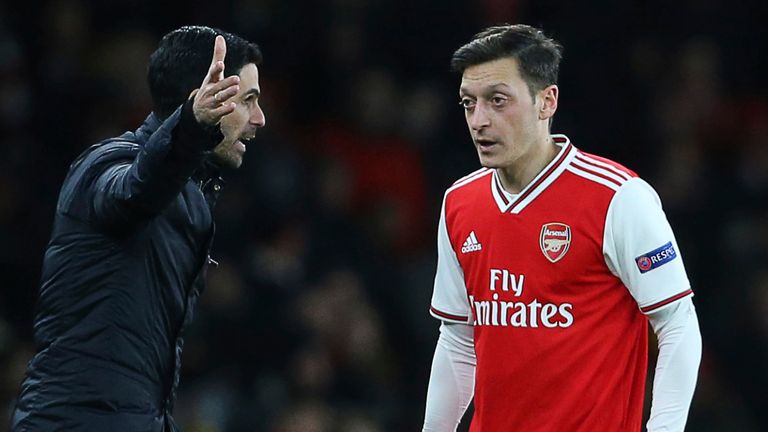
Arsenal had spent years drifting further from their peak under Wenger. By the time Arteta arrived, the team had become a patchwork of highly paid stars and promising youngsters, but the collective lacked direction. Dressing-room leaks, inconsistent performances, and questions about commitment plagued the club, and Arteta knew the only way forward was a complete reset.
By 2020, Mesut Özil was Arsenal’s highest-paid player but a peripheral figure under Arteta. Once lauded for his creativity and vision, Özil’s influence had waned, and his lack of defensive work rate became a liability in Arteta’s pressing system.
Arteta’s response was decisive. Özil was frozen out, omitted from Arsenal’s Premier League and Europa League squads in the 2020-21 season. The decision divided fans—some viewed Özil as a scapegoat, while others applauded Arteta’s no-nonsense approach.
In January 2021, Arsenal terminated Özil’s contract, allowing him to join Fenerbahçe. The move symbolised Arteta’s willingness to part ways with high-profile players who no longer fit his plans.
Aubameyang’s relationship with Arsenal began as a dream. Signed in January 2018, he quickly became the club’s talisman, winning the Golden Boot and leading the team to FA Cup glory in 2020. Arteta even entrusted him with the captaincy.
However, Aubameyang’s form dipped after signing a lucrative new contract in 2020, and his professionalism came into question. Repeated breaches of discipline—including lateness to training and a high-profile incident where he missed a team meeting before a match—put him at odds with Arteta’s strict standards.
In December 2021, Arteta stripped Aubameyang of the captaincy and dropped him from the squad. The fallout was swift and public, culminating in the striker’s departure to Barcelona in January 2022. It was a bold move by Arteta, sending a clear message that no player was bigger than the team, even if it meant losing a key goal-scorer.
Arteta’s willingness to part ways with Özil, Aubameyang, and Lacazette marked a turning point for Arsenal. In their place, he built a squad centered around young, hungry players like Bukayo Saka and Martin Ødegaard. These players embodied the values Arteta wanted to instill: discipline, humility, and a relentless desire to improve.
Whilst some would argue it has not led to major silverware, Arteta’s cultural reset has IMO paid dividends. Arsenal have become genuine title contenders again, more importantly, the team’s mentality has shifted—they now embody the resilience and togetherness that had been missing for years.
Arsenal had spent years drifting further from their peak under Wenger. By the time Arteta arrived, the team had become a patchwork of highly paid stars and promising youngsters, but the collective lacked direction. Dressing-room leaks, inconsistent performances, and questions about commitment plagued the club, and Arteta knew the only way forward was a complete reset.
By 2020, Mesut Özil was Arsenal’s highest-paid player but a peripheral figure under Arteta. Once lauded for his creativity and vision, Özil’s influence had waned, and his lack of defensive work rate became a liability in Arteta’s pressing system.
Arteta’s response was decisive. Özil was frozen out, omitted from Arsenal’s Premier League and Europa League squads in the 2020-21 season. The decision divided fans—some viewed Özil as a scapegoat, while others applauded Arteta’s no-nonsense approach.
In January 2021, Arsenal terminated Özil’s contract, allowing him to join Fenerbahçe. The move symbolised Arteta’s willingness to part ways with high-profile players who no longer fit his plans.
Aubameyang’s relationship with Arsenal began as a dream. Signed in January 2018, he quickly became the club’s talisman, winning the Golden Boot and leading the team to FA Cup glory in 2020. Arteta even entrusted him with the captaincy.
However, Aubameyang’s form dipped after signing a lucrative new contract in 2020, and his professionalism came into question. Repeated breaches of discipline—including lateness to training and a high-profile incident where he missed a team meeting before a match—put him at odds with Arteta’s strict standards.
In December 2021, Arteta stripped Aubameyang of the captaincy and dropped him from the squad. The fallout was swift and public, culminating in the striker’s departure to Barcelona in January 2022. It was a bold move by Arteta, sending a clear message that no player was bigger than the team, even if it meant losing a key goal-scorer.
Arteta’s willingness to part ways with Özil, Aubameyang, and Lacazette marked a turning point for Arsenal. In their place, he built a squad centered around young, hungry players like Bukayo Saka and Martin Ødegaard. These players embodied the values Arteta wanted to instill: discipline, humility, and a relentless desire to improve.
Whilst some would argue it has not led to major silverware, Arteta’s cultural reset has IMO paid dividends. Arsenal have become genuine title contenders again, more importantly, the team’s mentality has shifted—they now embody the resilience and togetherness that had been missing for years.
Goodbye Golden-Balls...
The summer of 2003 marked the end of one of the most iconic player-manager relationships in football history. David Beckham, Manchester United’s golden boy and global superstar, left Old Trafford for Real Madrid in a £25 million move. For Sir Alex Ferguson, it was not just a footballing decision but a cultural one—a statement about the values he wanted to uphold at Manchester United.
While Beckham’s exit shocked fans, it epitomised Ferguson’s unwavering commitment to maintaining control and prioritizing the team over any individual.
Ferguson and Beckham shared great success together. The academy graduate was a key figure in United’s dominance during the late 1990s and early 2000s, playing a starring role in the famous treble-winning season of 1998-99. With his pinpoint crosses, deadly free kicks, and tireless work rate, Beckham embodied United’s attacking style under Ferguson.
However, as Beckham’s fame grew, his focus appeared to shift. His high-profile marriage to Victoria Adams (Posh Spice) thrust him into the global spotlight, turning him into a celebrity as much as a footballer. Ferguson grew increasingly frustrated, believing Beckham’s off-pitch commitments were detracting from his dedication to the game.
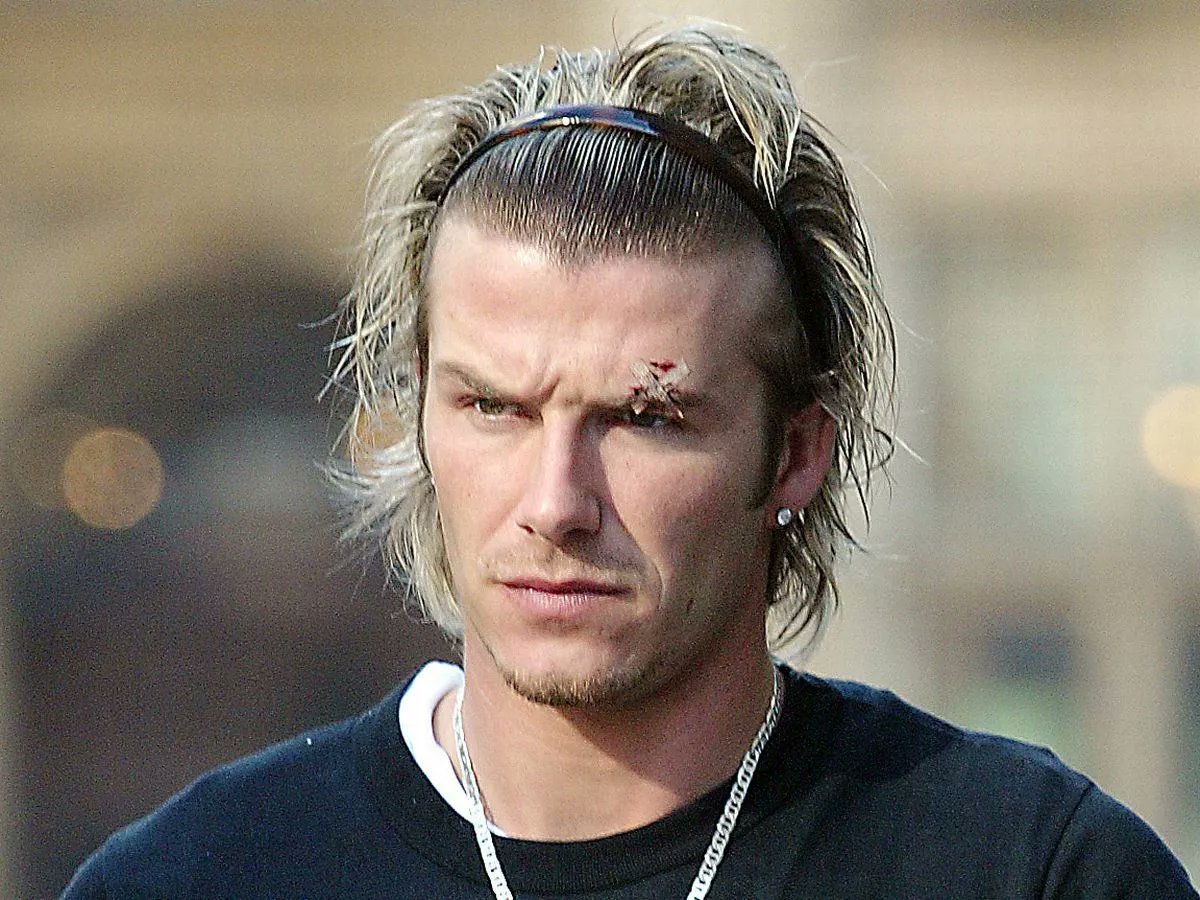
Tensions boiled over during the 2002-03 season. After a disappointing FA Cup defeat to Arsenal, Ferguson famously kicked a boot in the dressing room that struck Beckham above the eye, leaving him with a cut that made headlines worldwide. The incident symbolized their fractured relationship and highlighted Ferguson’s frustration with a player he once trusted implicitly.
United’s post-Beckham era was not without its challenges. The team went three years without a league title as Ferguson rebuilt his squad. However, his faith in young talent and his unwavering principles paid off. By 2006, United were back at the top, with players like Cristiano Ronaldo, Wayne Rooney, and Nemanja Vidić forming the backbone of another dominant side.
Beckham, meanwhile, enjoyed success in Spain but never again reached the heights he achieved at United.
The summer of 2003 marked the end of one of the most iconic player-manager relationships in football history. David Beckham, Manchester United’s golden boy and global superstar, left Old Trafford for Real Madrid in a £25 million move. For Sir Alex Ferguson, it was not just a footballing decision but a cultural one—a statement about the values he wanted to uphold at Manchester United.
While Beckham’s exit shocked fans, it epitomised Ferguson’s unwavering commitment to maintaining control and prioritizing the team over any individual.
Ferguson and Beckham shared great success together. The academy graduate was a key figure in United’s dominance during the late 1990s and early 2000s, playing a starring role in the famous treble-winning season of 1998-99. With his pinpoint crosses, deadly free kicks, and tireless work rate, Beckham embodied United’s attacking style under Ferguson.
However, as Beckham’s fame grew, his focus appeared to shift. His high-profile marriage to Victoria Adams (Posh Spice) thrust him into the global spotlight, turning him into a celebrity as much as a footballer. Ferguson grew increasingly frustrated, believing Beckham’s off-pitch commitments were detracting from his dedication to the game.
Tensions boiled over during the 2002-03 season. After a disappointing FA Cup defeat to Arsenal, Ferguson famously kicked a boot in the dressing room that struck Beckham above the eye, leaving him with a cut that made headlines worldwide. The incident symbolized their fractured relationship and highlighted Ferguson’s frustration with a player he once trusted implicitly.
United’s post-Beckham era was not without its challenges. The team went three years without a league title as Ferguson rebuilt his squad. However, his faith in young talent and his unwavering principles paid off. By 2006, United were back at the top, with players like Cristiano Ronaldo, Wayne Rooney, and Nemanja Vidić forming the backbone of another dominant side.
Beckham, meanwhile, enjoyed success in Spain but never again reached the heights he achieved at United.
Mourinho Destroys Galactico Culture...
When José Mourinho arrived at Real Madrid in 2010, he inherited a club that, despite its financial power and star-studded lineup, was struggling with internal disharmony and a lack of consistent success. Real Madrid had not won a league title since 2008, and the club's culture, in the eyes of many, was a reflection of its unbalanced mix of egos and older stars who were holding the team back from reaching its full potential.
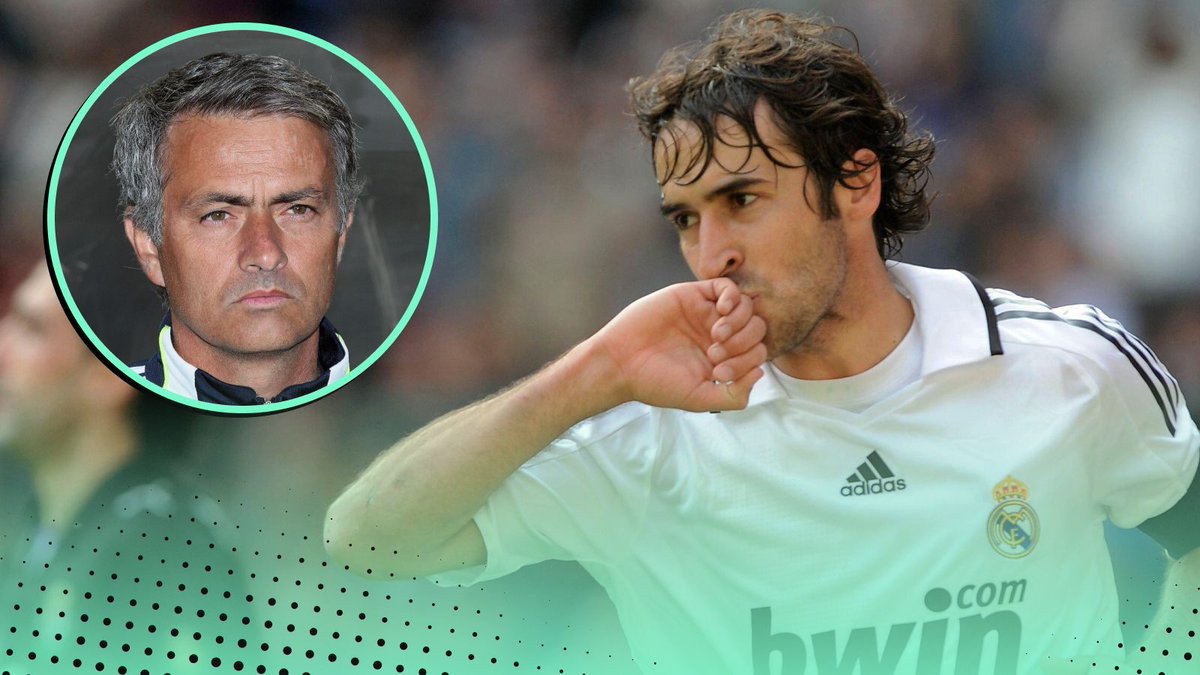
One of the most significant and symbolic moves Mourinho made during his tenure was the decision to phase out club legend Raúl González, one of the most iconic players in the club’s history.
Mourinho wanted to instill a new culture within the team. This meant a focus on younger, more disciplined players who could adapt to Mourinho’s demanding tactical system, based on work ethic, team unity, and relentless pressing.
While Raúl’s departure was emotional for many fans and players, it was a necessary part of Mourinho’s vision to rejuvenate Real Madrid. The club soon saw the benefits of his changes. Under Mourinho, Real Madrid went on to win Copa del Rey in 2011 and break Barcelona’s dominance in La Liga by winning the 2011-2012 league title with a record 100 points.
Mourinho’s tenure also marked a period of stronger team unity, with fewer distractions from the press and fewer issues with internal divisions. He cultivated a squad that was built on discipline and consistency, with players like Xabi Alonso, Sergio Ramos forming the backbone of his team. The departure of Raúl and later Casillas, though difficult, signified the end of an era and the beginning of a new phase for the club, one that was no longer reliant on past heroes but focused on future success.
This cultural shift was one of the key factors that allowed Real Madrid to compete at the highest level under Mourinho and beyond, eventually leading to their Champions League victories in the years that followed.
When José Mourinho arrived at Real Madrid in 2010, he inherited a club that, despite its financial power and star-studded lineup, was struggling with internal disharmony and a lack of consistent success. Real Madrid had not won a league title since 2008, and the club's culture, in the eyes of many, was a reflection of its unbalanced mix of egos and older stars who were holding the team back from reaching its full potential.
One of the most significant and symbolic moves Mourinho made during his tenure was the decision to phase out club legend Raúl González, one of the most iconic players in the club’s history.
Mourinho wanted to instill a new culture within the team. This meant a focus on younger, more disciplined players who could adapt to Mourinho’s demanding tactical system, based on work ethic, team unity, and relentless pressing.
While Raúl’s departure was emotional for many fans and players, it was a necessary part of Mourinho’s vision to rejuvenate Real Madrid. The club soon saw the benefits of his changes. Under Mourinho, Real Madrid went on to win Copa del Rey in 2011 and break Barcelona’s dominance in La Liga by winning the 2011-2012 league title with a record 100 points.
Mourinho’s tenure also marked a period of stronger team unity, with fewer distractions from the press and fewer issues with internal divisions. He cultivated a squad that was built on discipline and consistency, with players like Xabi Alonso, Sergio Ramos forming the backbone of his team. The departure of Raúl and later Casillas, though difficult, signified the end of an era and the beginning of a new phase for the club, one that was no longer reliant on past heroes but focused on future success.
This cultural shift was one of the key factors that allowed Real Madrid to compete at the highest level under Mourinho and beyond, eventually leading to their Champions League victories in the years that followed.
If you enjoyed reading this, don't forget to drop us a follow and check out our other content...
♦️Patreon (Exclusive Videos): patreon.com
♦️YouTube:
@PythagorasinBoots" target="_blank" rel="noopener" onclick="event.stopPropagation()">youtube.com
♦️Professional Services (Agency/Analytics/Scouting(:
pythagorasinboots.com
♦️Patreon (Exclusive Videos): patreon.com
♦️YouTube:
@PythagorasinBoots" target="_blank" rel="noopener" onclick="event.stopPropagation()">youtube.com
♦️Professional Services (Agency/Analytics/Scouting(:
pythagorasinboots.com

youtube.com/@PythagorasinB…
Pythagoras in Boots
In-depth 'honest' tactical, topical and classical breakdowns of the beautiful game from a different...

patreon.com/c/pythagorasin…
Get more from Pythagoras In Boots on Patreon
creating Football Analysis Content (Youtube | Podcast | Articles

pythagorasinboots.com
Pythagoras in Boots - Football Analysis & Football Agents
We provide comprehensive football services, including football analysis, player representation, spor...
Loading suggestions...