

𝗦𝗲𝗲𝗱 𝗢𝗶𝗹𝘀 𝗘𝘅𝗽𝗹𝗮𝗶𝗻𝗲𝗱
Why you shouldn't be using Refined oil aka Seed oil.
THREAD 👇
Why you shouldn't be using Refined oil aka Seed oil.
THREAD 👇
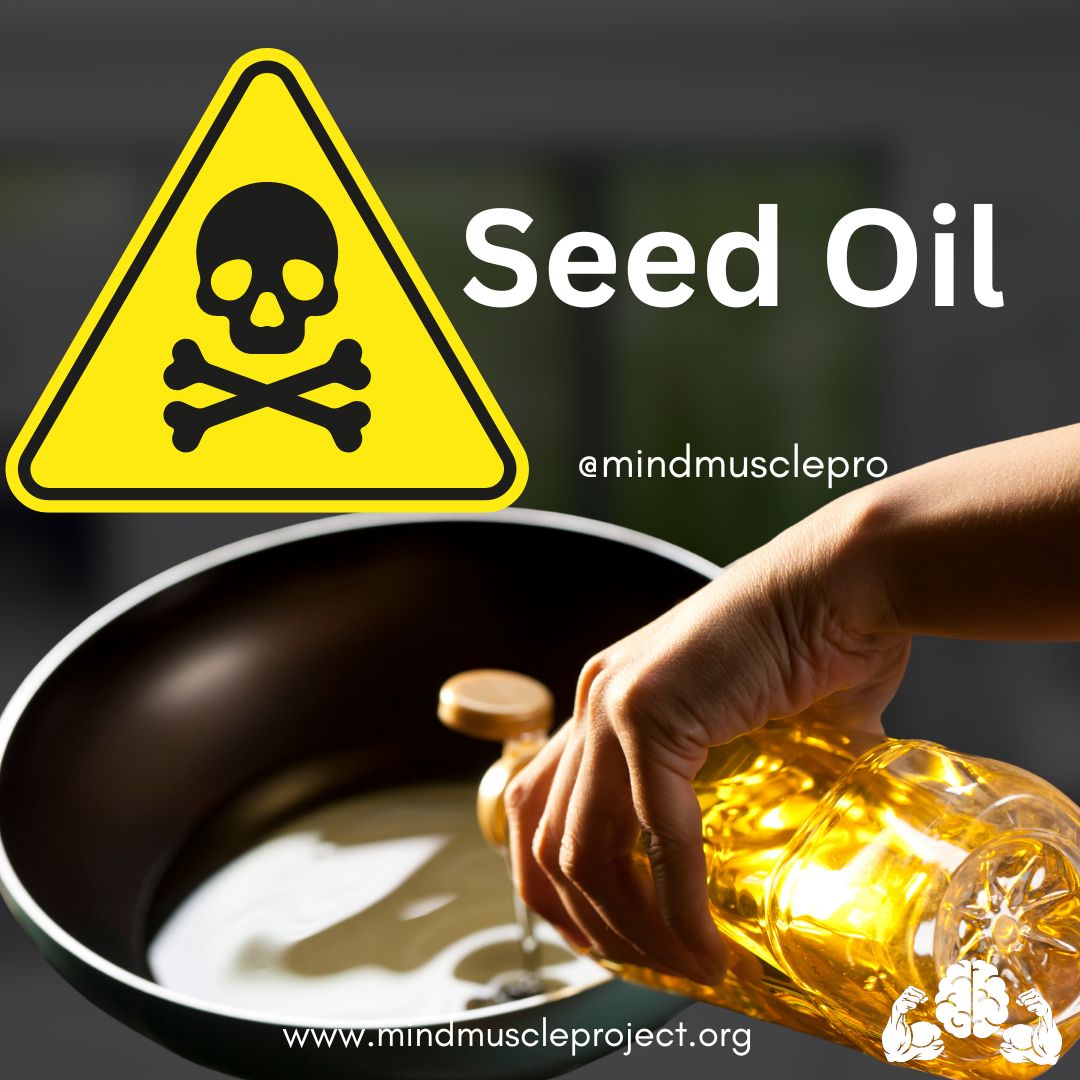
𝗩𝗲𝗴𝗲𝘁𝗮𝗯𝗹𝗲 𝗢𝗶𝗹 𝘃𝘀 𝗦𝗲𝗲𝗱 𝗢𝗶𝗹
🔵 Vegetable Oils are oils that are of plant origin.
🔵 Seed oils are a type of vegetable oil, but not the only kind.
🔵 The terms are used interchangeably but they are not same.
🔵 Vegetable Oils are oils that are of plant origin.
🔵 Seed oils are a type of vegetable oil, but not the only kind.
🔵 The terms are used interchangeably but they are not same.

𝗛𝗼𝘄 𝗮𝗿𝗲 𝗦𝗲𝗲𝗱 𝗢𝗶𝗹𝘀 𝗽𝗿𝗼𝗱𝘂𝗰𝗲𝗱?
🔵 Refined cooking oils come from seeds & nuts like rapeseed, sunflower seed etc. & it’s not as simple as crushing bunch of seeds together to obtain oil.
🔵 In fact, what you’ll get from crushing seeds is a slimy mud like paste.
🔵 Refined cooking oils come from seeds & nuts like rapeseed, sunflower seed etc. & it’s not as simple as crushing bunch of seeds together to obtain oil.
🔵 In fact, what you’ll get from crushing seeds is a slimy mud like paste.
🔵 Lots of Processing is involved in converting that into the oil you see in the supermarket.
🔵 First the seeds are ground into a coarse paste, which is then mechanically pressed to extract some oil.
🔵 First the seeds are ground into a coarse paste, which is then mechanically pressed to extract some oil.
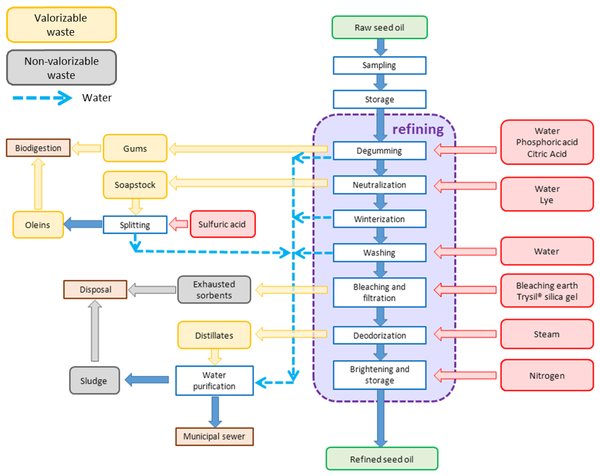
🔵 But oil can’t fully extracted this way. So they use a solvent like hexane to extract the remaining oil.
🔵 Then this oil is boiled to filter out & recover the solvent.
🔵 To remove the color & bitterness, the oil is then treated with an alkali like sodium hydroxide.
🔵 Then this oil is boiled to filter out & recover the solvent.
🔵 To remove the color & bitterness, the oil is then treated with an alkali like sodium hydroxide.
🔵 Then there is Degumming, Bleaching, Deoderising before you get the final product.
youtu.be
youtu.be
🔵 Traditionally humans have always used Animal fats like Lard, butter, ghee & cold pressed fruit oils like olive & coconut oil for cooking.
🔵 What makes these fats different from seed oils is that these contain mostly Saturated fatty acids, with very less Unsaturated fats.
🔵 What makes these fats different from seed oils is that these contain mostly Saturated fatty acids, with very less Unsaturated fats.
𝗖𝗵𝗲𝗺𝗶𝘀𝘁𝗿𝘆
🔵 Saturated fats are those fat molecules with no Double bonds in the carbon chain.
🔵 In such molecules, maximum Hydrogen atoms have already attached to the carbon chain & these is no room for more hydrogen or any other atom to get attached.
🔵 Saturated fats are those fat molecules with no Double bonds in the carbon chain.
🔵 In such molecules, maximum Hydrogen atoms have already attached to the carbon chain & these is no room for more hydrogen or any other atom to get attached.
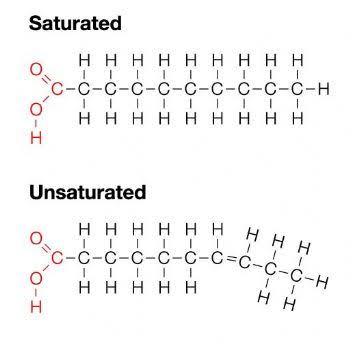
🔵 For this reason, they are very stable.
🔵 Unsaturated fats on the other hand are those fat molecules with double bonds in the carbon chain.
🔵 If there is only one double bond in the chain, then it is called Mono Unsaturated fatty acids (also called Oleic acid).
🔵 Unsaturated fats on the other hand are those fat molecules with double bonds in the carbon chain.
🔵 If there is only one double bond in the chain, then it is called Mono Unsaturated fatty acids (also called Oleic acid).
🔵 They are slightly more reactive than Saturated fats, but still very stable. Olive oil is high in these.
🔵 If there are multiple double bonds in the carbon chain, then it is called Poly unsaturated fatty acids (PUFA) or Linoeic acid.
🔵 If there are multiple double bonds in the carbon chain, then it is called Poly unsaturated fatty acids (PUFA) or Linoeic acid.
🔵 These molecules are highly reactive & hence very unstable.
🔵 Every double bond in the chain is a potential opportunity for other atoms to get attached to. This is why natural fats don’t go rancid easily as opposed to Seed oils which go rancid very quickly.
🔵 Every double bond in the chain is a potential opportunity for other atoms to get attached to. This is why natural fats don’t go rancid easily as opposed to Seed oils which go rancid very quickly.
🔵 You can find that Saturated fats are solid at room temperature.
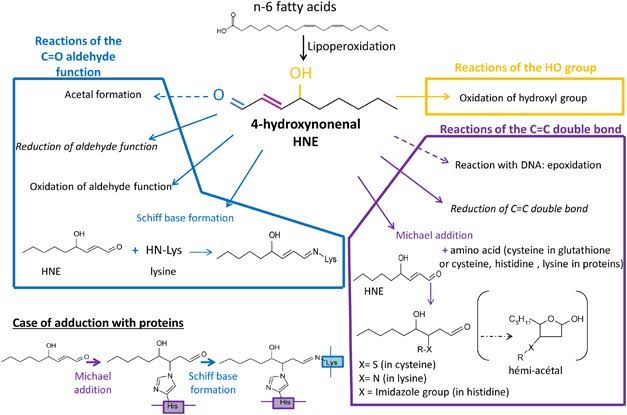
🔵 When exposed to oxygen or heat, these PUFAs convert to harmful toxins such as aldehydes (like 4 HNE), which are very harmful for the body.
🔵 When exposed to oxygen or heat, these PUFAs convert to harmful toxins such as aldehydes (like 4 HNE), which are very harmful for the body.
𝗢𝗺𝗲𝗴𝗮 𝟯 & 𝗢𝗺𝗲𝗴𝗮 𝟲
🔵 Two terms that are synonymous with Oils are Omega 3 & Omega 6.
🔵 Both Omega 3 & Omega 6 are types of PUFA. They cannot be produced by your body & it is essential that you get them through your diet.
🔵 Two terms that are synonymous with Oils are Omega 3 & Omega 6.
🔵 Both Omega 3 & Omega 6 are types of PUFA. They cannot be produced by your body & it is essential that you get them through your diet.
🔵 But the body requires a balance between these fats.
🔵 Traditionally Humans have always consumed Omega 6 to Omega 3 in a certain ratio (1:1 to 2:1).
🔵 But with the coming of Ultra processed foods & seed oils now tht ratio is way off (as high as 30:1)
🔵 Traditionally Humans have always consumed Omega 6 to Omega 3 in a certain ratio (1:1 to 2:1).
🔵 But with the coming of Ultra processed foods & seed oils now tht ratio is way off (as high as 30:1)
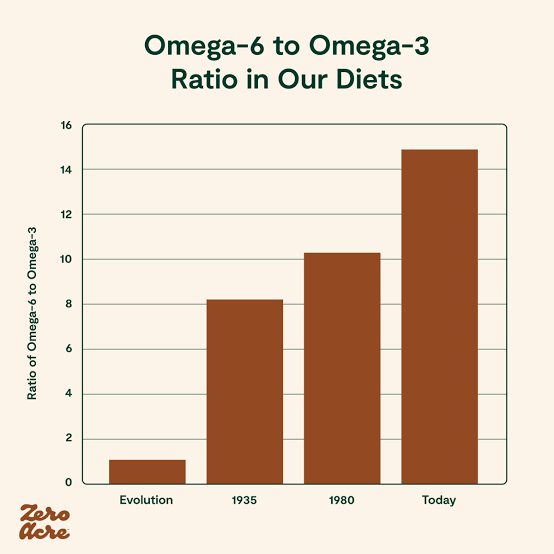
🔵 High Omega 6:Omega 3 ratio causes major inflammation in the body & many illnesses in the body.
𝗪𝗵𝗶𝗰𝗵 𝗼𝗶𝗹𝘀 𝗮𝗿𝗲 𝗴𝗼𝗼𝗱 𝗳𝗼𝗿 𝗰𝗼𝗻𝘀𝘂𝗺𝗽𝘁𝗶𝗼𝗻?
🔵 Animal fats & Traditionally extracted Oils are the best cooking oils.
🔵 Some good options include
✅ Tallow
✅ Ghee
✅ Butter
✅ Coconut oil
✅ Extra Virgin Olive Oil
✅ Avocado Oil
🔵 Animal fats & Traditionally extracted Oils are the best cooking oils.
🔵 Some good options include
✅ Tallow
✅ Ghee
✅ Butter
✅ Coconut oil
✅ Extra Virgin Olive Oil
✅ Avocado Oil
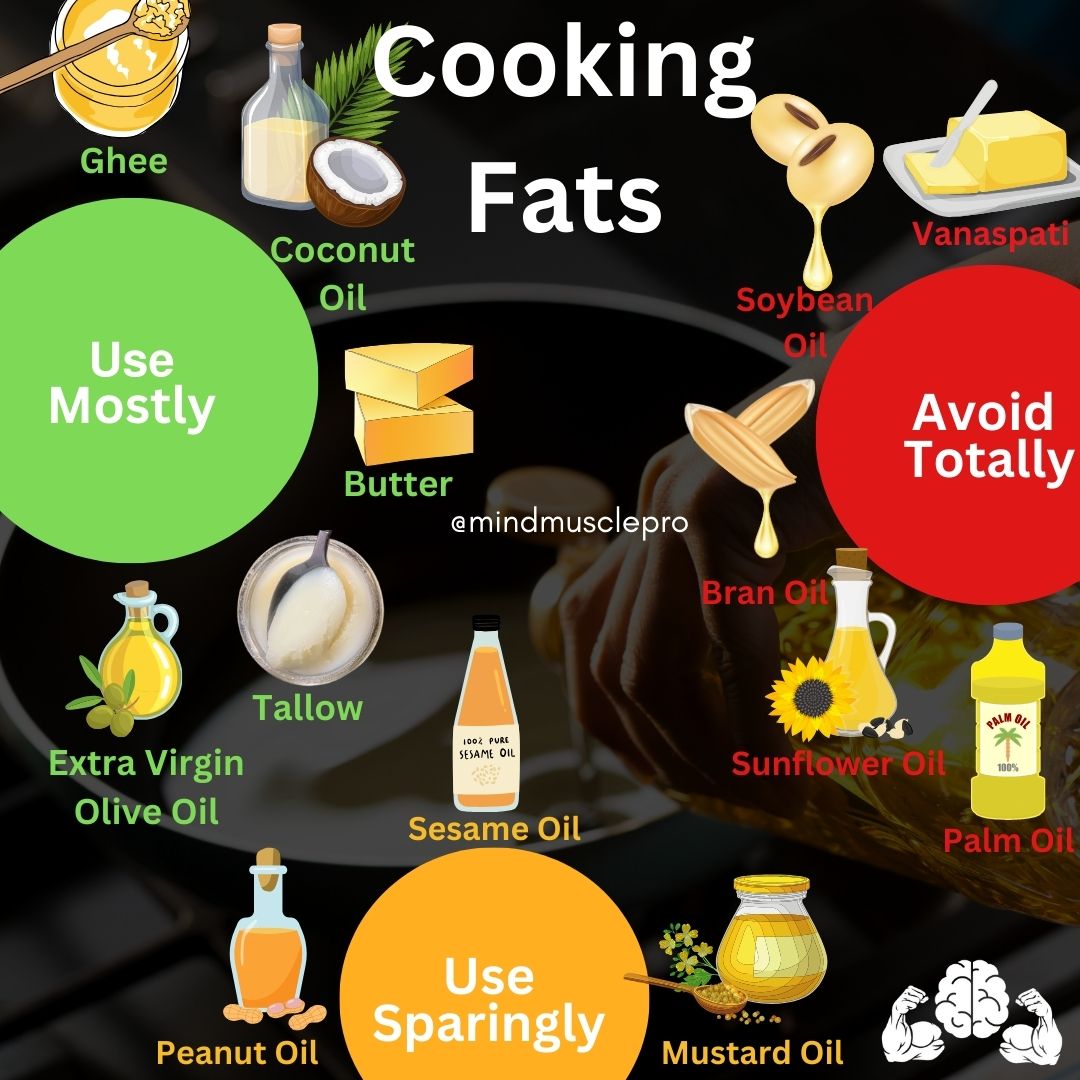
🔵 Cold Pressed Seed Oils are much better than Refined Oils, but not ideal, so if using use sparingly.
🔵 Avocado Oil is often found to be adulterated with other cheaper oils. So need to look out for good brands.
🔵 Avocado Oil is often found to be adulterated with other cheaper oils. So need to look out for good brands.
𝗧𝗿𝗮𝗻𝘀 𝗳𝗮𝘁
🔵 Liquid oil is not suitable for large scale food production, so the food industry needed solid spreadable
fats (like Butter) for their application.
🔵 So for that, liquid seed oils
are converted to solid fats, using a chemical process called Hydrogenation.
🔵 Liquid oil is not suitable for large scale food production, so the food industry needed solid spreadable
fats (like Butter) for their application.
🔵 So for that, liquid seed oils
are converted to solid fats, using a chemical process called Hydrogenation.

🔵 Basically they bubble hydrogen gas through the
Unsaturated seed oils in the presence of a catalyst to remove some of the double bonds & saturate them.
🔵 This process extends the shelf life & turns oil to semi solid.
Unsaturated seed oils in the presence of a catalyst to remove some of the double bonds & saturate them.
🔵 This process extends the shelf life & turns oil to semi solid.
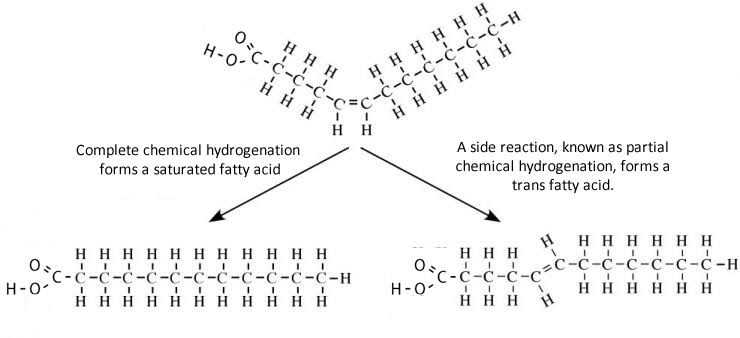
🔵 In most cases the oils are only partially
hydrogenated. Full hydrogenation leads to a waxy solid fat which is not spreadable.
🔵 The problem with partial hydrogenation is that it changes the molecular
orientation of fats & creates something called Trans fats as a by-product.
hydrogenated. Full hydrogenation leads to a waxy solid fat which is not spreadable.
🔵 The problem with partial hydrogenation is that it changes the molecular
orientation of fats & creates something called Trans fats as a by-product.
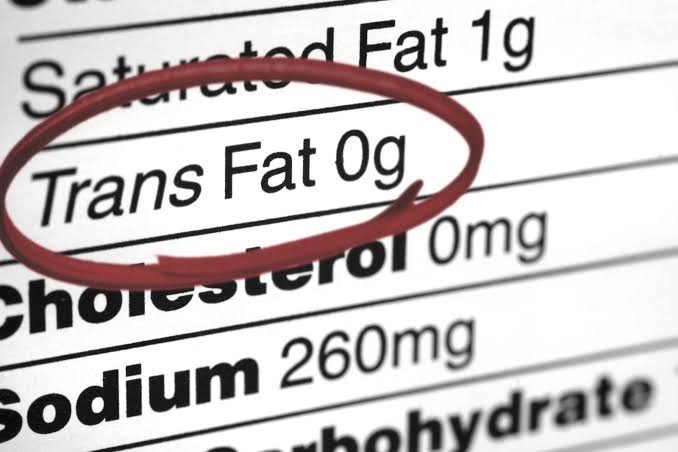
🔵 These are known to be
extremely harmful for health. FDA has brought regulations to restrict trans fat to 0.5gms per serving.
🔵 What this means is that any less 0.5gms Trans fat can be labelled as Trans fat free or Trans fat 0g.
extremely harmful for health. FDA has brought regulations to restrict trans fat to 0.5gms per serving.
🔵 What this means is that any less 0.5gms Trans fat can be labelled as Trans fat free or Trans fat 0g.
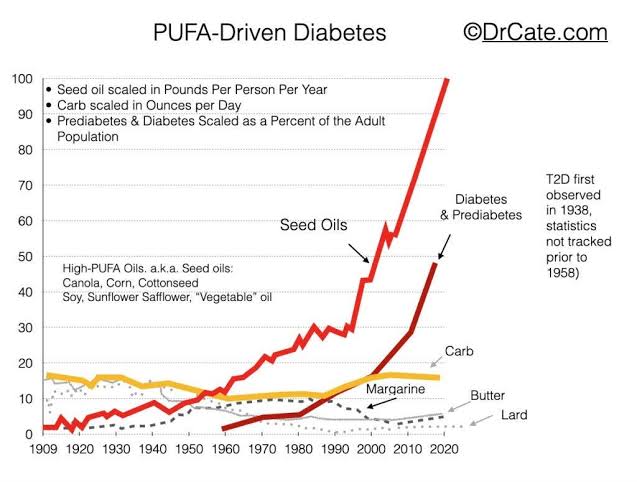
The correlation between rise of Seed Oils consumption & rise of Heart disease, Diabetes etc cannot be denied. The numbers speak for themselves.

Loading suggestions...