

BUTTERNUT FARMING
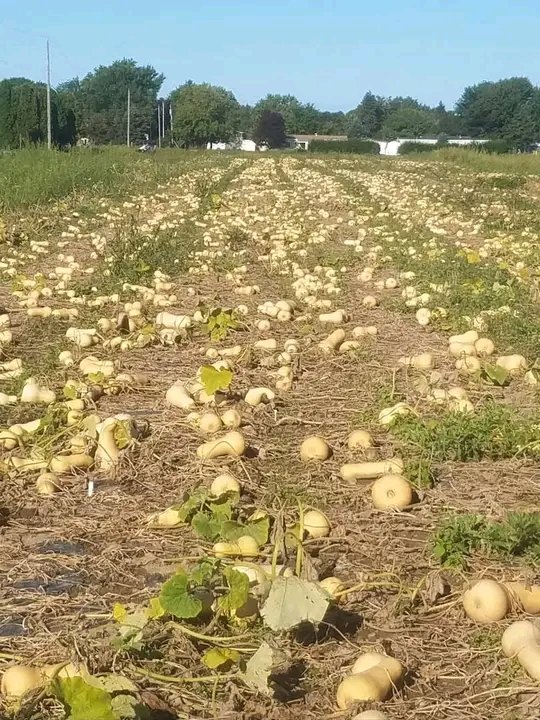
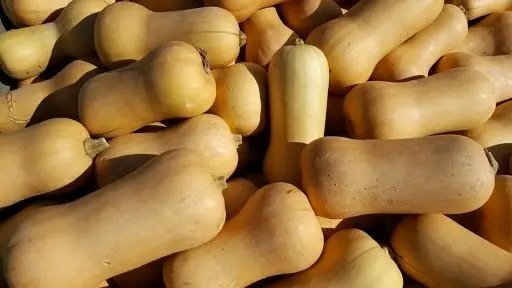
Butternut is a moist flesh squash that grows on a vine. It is among the common varieties of winter squash.
Butternut can be used as an additive to stews, diets, soups and salads. Its seeds can also be roasted and used as snacks.
Butternut is a moist flesh squash that grows on a vine. It is among the common varieties of winter squash.
Butternut can be used as an additive to stews, diets, soups and salads. Its seeds can also be roasted and used as snacks.

Nutritional benefits of butternut
· It is an excellent source of dietary fibre which can play an important role in improving digestion.
· Butternut seeds are good sources of proteins (dried seeds).
· It is a rich source of vitamins A and C.
· Contains minerals such as
· It is an excellent source of dietary fibre which can play an important role in improving digestion.
· Butternut seeds are good sources of proteins (dried seeds).
· It is a rich source of vitamins A and C.
· Contains minerals such as
potassium and manganese
Varieties
· Waltham
· Atlas F1
· Early butternut F1
· Agronaut hybrid
· Autumn glow.
· Sunset
#Ecological requirements
Altitude:Ranging from 0-1700.
Rainfall:Above 500 per annum.
Soil:Well drained rich in organic matter with PH ranging from 5.5-7.5
Varieties
· Waltham
· Atlas F1
· Early butternut F1
· Agronaut hybrid
· Autumn glow.
· Sunset
#Ecological requirements
Altitude:Ranging from 0-1700.
Rainfall:Above 500 per annum.
Soil:Well drained rich in organic matter with PH ranging from 5.5-7.5
Temperature:should range from 21⁰C-28⁰C
Land preparation
* Land should be ploughed and prepared early enough.
* Holes should be deeply dug, about 30cm deep and an approximate spacing of 1metre.
* You can make use of organic manure, which can be mixed with
Land preparation
* Land should be ploughed and prepared early enough.
* Holes should be deeply dug, about 30cm deep and an approximate spacing of 1metre.
* You can make use of organic manure, which can be mixed with
soil and placed inside the holes. One seed is enough for each and every hole.
* Fertilisers that can be used include DAP during planting, CAN during top-dressing and foliar during flowering.
* You should also look out for pests and diseases that might
* Fertilisers that can be used include DAP during planting, CAN during top-dressing and foliar during flowering.
* You should also look out for pests and diseases that might
affect your farm. You can use insecticides and fungicides such as dynamec, brigade etc. Pests and diseases need to be controlled as early as possible so as to yield maximum returns.
Planting
Dig holes 30cm wide at a spacing of 1m by 1m, add 10kg of well decomposed
Planting
Dig holes 30cm wide at a spacing of 1m by 1m, add 10kg of well decomposed
organic manure inside the holes and mix thoroughly with the soil. Plant one seed per hole at the onset of rains or grow under irrigation.
Fertilizer Application
Basal method 10g per hole DAP during planting, 10g CAN during top-dressing 3 weeks after planting then repeated 6
Fertilizer Application
Basal method 10g per hole DAP during planting, 10g CAN during top-dressing 3 weeks after planting then repeated 6
weeks later. Apply foliar fertilizer during flowering and fruiting phase
Pest management
Melon fly: Bury infested fruits deep in the soil, use systemic insecticides e.g., Alpha 10EC
**Thrips:** Spray using suitable insecticide e.g., Dynamec.
**White fly:** Spray using suitable
Pest management
Melon fly: Bury infested fruits deep in the soil, use systemic insecticides e.g., Alpha 10EC
**Thrips:** Spray using suitable insecticide e.g., Dynamec.
**White fly:** Spray using suitable
insecticide e.g Brigade.
**Leaf miner:** Spray using suitable insecticide e.g Decis.
Pest management
Powdery mildew: Spray using suitable fungicide e.g score, Ortiva or Thiovit jet
Downy mildew: Practice crop rotation, destroy infested crop materials, proper
**Leaf miner:** Spray using suitable insecticide e.g Decis.
Pest management
Powdery mildew: Spray using suitable fungicide e.g score, Ortiva or Thiovit jet
Downy mildew: Practice crop rotation, destroy infested crop materials, proper
spacing to avoid spread from plant to plant, spray with suitable fungicide e.g Ridomil gold.
Harvesting
Butternut mature after 75-90 days from planting. However, it depends on the variety. A variety like Waltham takes 85-100 days to mature.
Harvesting
Butternut mature after 75-90 days from planting. However, it depends on the variety. A variety like Waltham takes 85-100 days to mature.
Yield ranges from 20-40 tons per hectare depending on variety and crop management. Place harvested fruits on straw or dry grass to avoid discoloration by soil.
Loading suggestions...