

Raw Milk used to be a delicacy.
Now, it's illegal.
Here's the story:
Now, it's illegal.
Here's the story:
In 1911, Charles Sanford Porter penned the book called "Milk Diet as a Remedy For Chronic Disease".
In his book, he illustrates the benefits of a pure, raw milk only diet initiated by a short fasting period that included some fruit consumption.
forgottenbooks.com
In his book, he illustrates the benefits of a pure, raw milk only diet initiated by a short fasting period that included some fruit consumption.
forgottenbooks.com
Porter claimed that "disease can only be cured by, and through, the blood, and its circulation in the living parts of the body."
Porter found milk to be curative for patients with chronic disease, diabetes, cancer, low & high blood pressure.
He wasn't alone in his thinking.
Porter found milk to be curative for patients with chronic disease, diabetes, cancer, low & high blood pressure.
He wasn't alone in his thinking.
In 1913, a man wrote to Porter.
He used a milk diet for 42 years due to a constriction of his food pipe stopping him from eating.
He wrote: "I believe I have gotten along better than the man who eats....My health is good, in fact I have never been ill in bed in 42 years".
He used a milk diet for 42 years due to a constriction of his food pipe stopping him from eating.
He wrote: "I believe I have gotten along better than the man who eats....My health is good, in fact I have never been ill in bed in 42 years".
In 1929, J.E. Crewe, MD wrote an essay called "The Milk Cure: Real Milk Cures Many Diseases".
He wrote about patients curing complications with:
- Cardiac disease
- Hypertension
- Tuberculosis
- Psoriasis
- Diabetes
- Fatigue
- Anemia
And more.
realmilk.com
He wrote about patients curing complications with:
- Cardiac disease
- Hypertension
- Tuberculosis
- Psoriasis
- Diabetes
- Fatigue
- Anemia
And more.
realmilk.com

J.E. Crewe, MD was no slouch physician.
He founded the Mayo Clinic, treated and cured thousands of patients.
He wrote of a patient going from 325 to 284lbs in two weeks, while her blood pressure reduced from 220 to 170.
All on a gallon of pure, raw milk per day.
He founded the Mayo Clinic, treated and cured thousands of patients.
He wrote of a patient going from 325 to 284lbs in two weeks, while her blood pressure reduced from 220 to 170.
All on a gallon of pure, raw milk per day.

In his writing, Crewe references William Osler, MD.
Osler described "milk as being nothing more than white blood", given its similar properties.
Given raw milk's complete nutrient profile, it's possible to survive on solely, or mostly, milk.
Many civilizations did.
Osler described "milk as being nothing more than white blood", given its similar properties.
Given raw milk's complete nutrient profile, it's possible to survive on solely, or mostly, milk.
Many civilizations did.
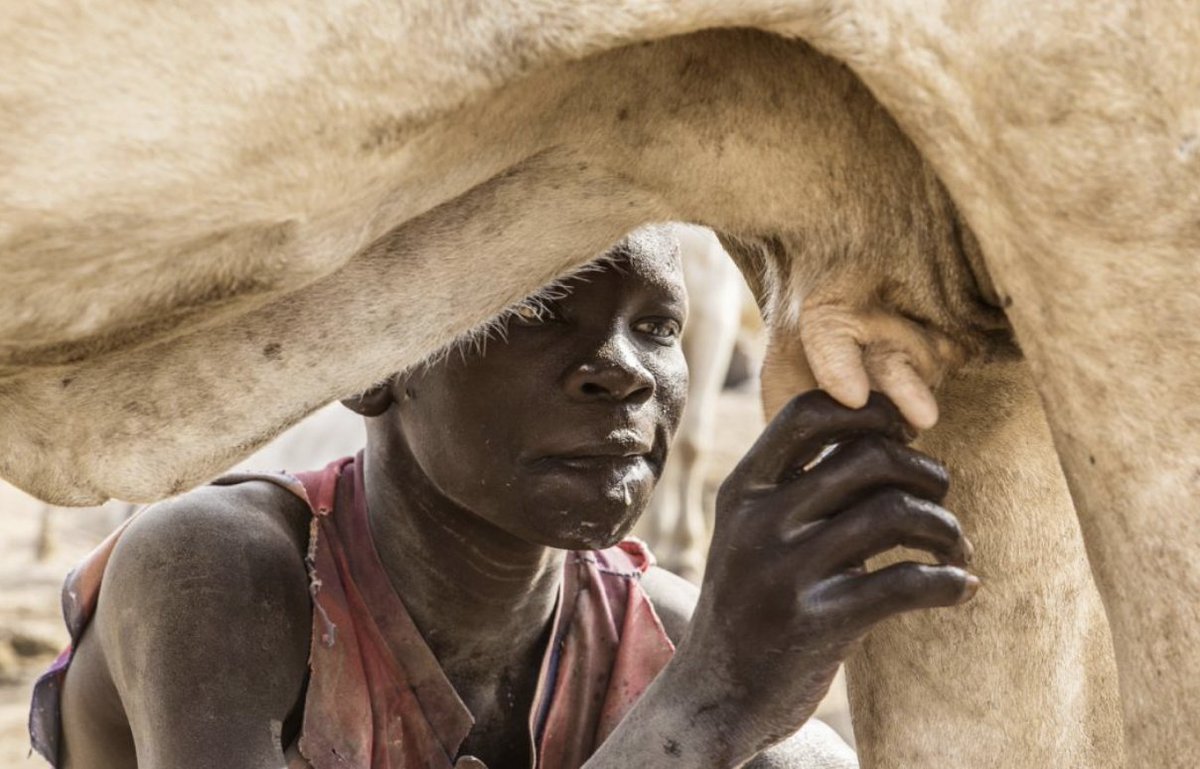
Civilizations from Ancient Hebrew, the Vedic of India, Hindus, Greeks, Egyptians, and Romans:
In different localities, beliefs, and through different time periods, all praised the sacred essence of cows and the milk they provided.
In different localities, beliefs, and through different time periods, all praised the sacred essence of cows and the milk they provided.
In mythology, Zeus took refuge in Crete when his father Saturn planned to slay him.
Legend has it, Zeus, the god of gods, nourished himself on milk and honey before gaining strength to confront his father.
Legend has it, Zeus, the god of gods, nourished himself on milk and honey before gaining strength to confront his father.

In Ancient Egypt, the people depicted the Taurus, the bull, in the constellations who's zodiac represented the heavens as a cow with a full udder.
The cow was also a goddess named Hathor, which guarded the fertility of land by making the Nile overflow to bring productive soil.
The cow was also a goddess named Hathor, which guarded the fertility of land by making the Nile overflow to bring productive soil.
Moses led the Hebrews out of bondage in Egypt.
It led to the development of a tribes and eventually Hycos, or shepherd kings. These nomadic people conquered Egypt for ~200 years from the time of 1700 BC.
The lives of these people were udderly fascinating.
It led to the development of a tribes and eventually Hycos, or shepherd kings. These nomadic people conquered Egypt for ~200 years from the time of 1700 BC.
The lives of these people were udderly fascinating.
They lived in herds of people.
They moved from place to place in tents to find pastures for their cattle with no real hierarchy.
They lived a simple, laborious life in absolute freedom. Others were "conscious of their strength and jealous of their independence".
They moved from place to place in tents to find pastures for their cattle with no real hierarchy.
They lived a simple, laborious life in absolute freedom. Others were "conscious of their strength and jealous of their independence".
Galen, the court physician of Rome, wrote about a man who lived for more than a hundred years on milk alone.
Galen was a Greek working in Rome and his writing around medicine are often referenced as some of the formative texts around medicine in the 12th century.
Galen was a Greek working in Rome and his writing around medicine are often referenced as some of the formative texts around medicine in the 12th century.
Even Shakespeare in the 16th century made positive associations with milk through his writing, with expressions like:
"Milk of human kindness"
"Adversity's sweet milk, philosophy"
"One sweet word of thee, honey, and milk, and sugar"
"Milk of human kindness"
"Adversity's sweet milk, philosophy"
"One sweet word of thee, honey, and milk, and sugar"
These historical references create a certain reverence towards milk and cows.
The doctors like Porter, Crewe, and Osler seemingly share this divine nature of pure, raw milk when it comes to curing patients in the early 1900s.
But, what do you hear about pure milk today?
The doctors like Porter, Crewe, and Osler seemingly share this divine nature of pure, raw milk when it comes to curing patients in the early 1900s.
But, what do you hear about pure milk today?
The CDC has written extensively on the dangers of raw milk.
"Can drinking raw milk hurt me or my family? Yes."
"Raw milk can carry harmful bacteria."
"From 1993 to 2012...144 hospitalizations" were reported from the consumption of raw milk.
cdc.gov
"Can drinking raw milk hurt me or my family? Yes."
"Raw milk can carry harmful bacteria."
"From 1993 to 2012...144 hospitalizations" were reported from the consumption of raw milk.
cdc.gov

In 2011, the FDA posted a piece on raw milk:
"Raw milk does not cure lactose intolerance"
"Raw milk does not treat asthma and allergy"
"There are no beneficial bacteria in raw milk for gastrointestinal health"
cont'd
fda.gov
"Raw milk does not cure lactose intolerance"
"Raw milk does not treat asthma and allergy"
"There are no beneficial bacteria in raw milk for gastrointestinal health"
cont'd
fda.gov

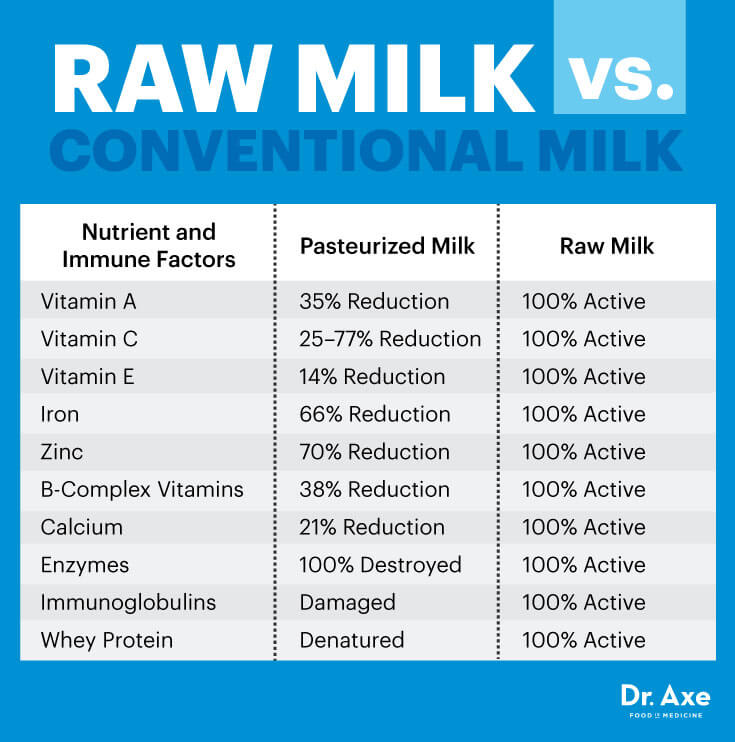
"Raw milk is not an immune system building food and is particularly unsafe for children"
"There are no immunoglobulins in raw milk that enhance the human immune system"
"Raw milk is not nutritionally superior to pasteurized milk"
"Pasteurized milk is safer than raw milk"
"There are no immunoglobulins in raw milk that enhance the human immune system"
"Raw milk is not nutritionally superior to pasteurized milk"
"Pasteurized milk is safer than raw milk"
For some comedic relief, these are the same people telling you to dip your pizza in chocolate:
Like any topic, you should invite a healthy dose of skepticism when presented with information you aren't sure about.
For instance, why would a nourishing food like raw milk not be fit for human consumption?
History tells us milk was regarded as a delicacy. What changed?
For instance, why would a nourishing food like raw milk not be fit for human consumption?
History tells us milk was regarded as a delicacy. What changed?
If food produced by mothers at birth is harmful for consumption, should we be pasteurizing mother's milk?
Or is it because it comes from a different species?
Is it the actual raw milk or the production process that makes it "unsafe"?
Or is it because it comes from a different species?
Is it the actual raw milk or the production process that makes it "unsafe"?
The history of raw milk is worth understanding before you make your conclusions.
In my next post, I am going to expand on the history of pasteurization and how it became common practice.
It may be hard to imagine, but pre-1890 all milk was consumed in its natural state.
In my next post, I am going to expand on the history of pasteurization and how it became common practice.
It may be hard to imagine, but pre-1890 all milk was consumed in its natural state.
If you want more resources on this topic, I highly recommend reading "The Untold Story of Milk" - much of the information in this thread is attributed to the work found in this book:
amazon.com
amazon.com
For a great conversation on the topic, check out our podcast with .@JoshRainerGold who joined us on The Meat Mafia Podcast for Episode #24:
anchor.fm
anchor.fm
@JoshRainerGold Here's a clip from the episode if you aren't ready to commit to the full thing:

@JoshRainerGold If you are interested in learning more about this topic:
✅ RT and LIKE the first Tweet in this thread.
Give The Meat Mafia a follow on Twitter: @CarniClemenza and @MrSollozzo.
Follow our Newsletter as well where we plan to discuss these topics:
the-meat-mafia.ghost.io
✅ RT and LIKE the first Tweet in this thread.
Give The Meat Mafia a follow on Twitter: @CarniClemenza and @MrSollozzo.
Follow our Newsletter as well where we plan to discuss these topics:
the-meat-mafia.ghost.io
Loading suggestions...