

1/
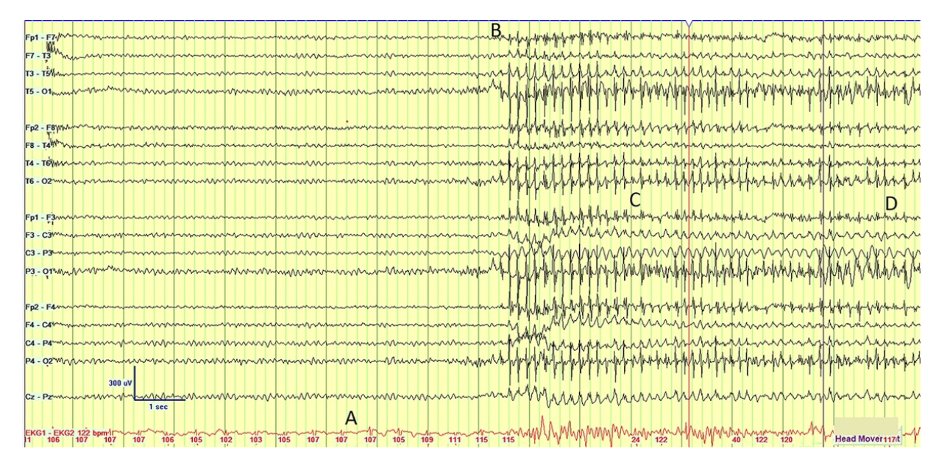
A 37 yo W is in the ED after an event of unresponsiveness. She’s had a 3y h/o eye fluttering, stuttering, head shaking, bilateral arm jerking movements, and unresponsiveness.
She is now back to baseline. An EEG is obtained and captures an event. What do you think is going on? x.com
A 37 yo W is in the ED after an event of unresponsiveness. She’s had a 3y h/o eye fluttering, stuttering, head shaking, bilateral arm jerking movements, and unresponsiveness.
She is now back to baseline. An EEG is obtained and captures an event. What do you think is going on? x.com
vote
3/
EEG demonstrates a normal awake background and then sudden onset rhythmic artifact that correlated with head movement observed on the video.
Which would be consistent with a non epileptic event.
EEG demonstrates a normal awake background and then sudden onset rhythmic artifact that correlated with head movement observed on the video.
Which would be consistent with a non epileptic event.
4/
Nonepilepic Events (NEEs) describes nonepileptic seizures, dissociative seizures, functional seizures or psychogentic nonepileptic seizures
➡️Incidence: ~1.4 to 4.9/100,000 per year
➡️clear female predominance.
➡️ common in general neurology and epilepsy practices
Nonepilepic Events (NEEs) describes nonepileptic seizures, dissociative seizures, functional seizures or psychogentic nonepileptic seizures
➡️Incidence: ~1.4 to 4.9/100,000 per year
➡️clear female predominance.
➡️ common in general neurology and epilepsy practices
5/
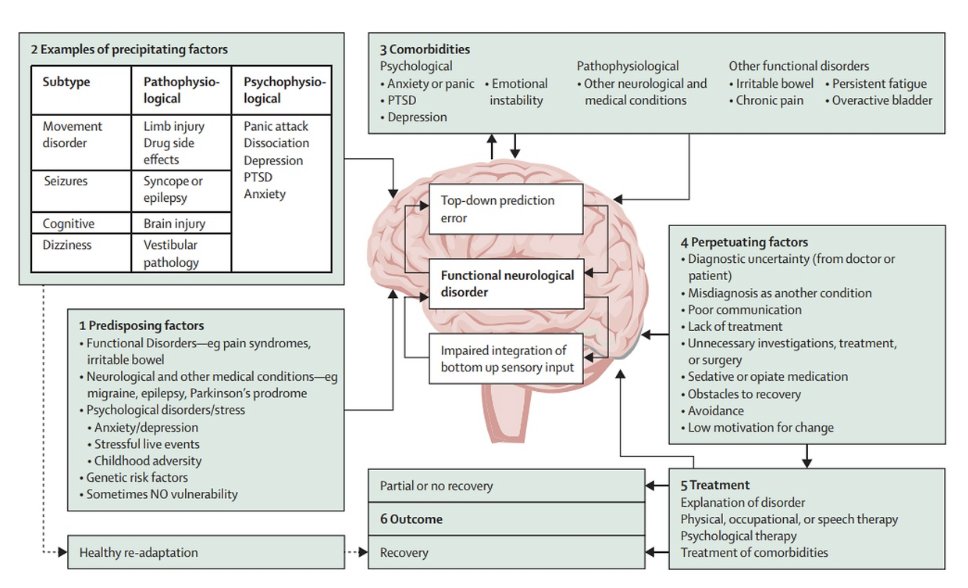
The neurocircuitry of FND, including NEE, is thought to impact the circuits between regions involved in emotional processing and motor planning, such as the amygdala and the dorsolateral prefrontal cortex. x.com
The neurocircuitry of FND, including NEE, is thought to impact the circuits between regions involved in emotional processing and motor planning, such as the amygdala and the dorsolateral prefrontal cortex. x.com
6/
It’s important to recognize that NEE and epilepsy can coexist!
EMU / EEG monitoring can be extremely helpful in event capture. In this case, catching a stereotyped event and confirming no ictal correlate can be helpful in directing treatment.
It’s important to recognize that NEE and epilepsy can coexist!
EMU / EEG monitoring can be extremely helpful in event capture. In this case, catching a stereotyped event and confirming no ictal correlate can be helpful in directing treatment.
7/
For NEE, treatment is stopping ASM and a multidisplinary approach with behavioral health and psychotherapy as needed.
Its critical to recognize the co-existance of trauma, PTSD, and anxiety and depression. Addressing these conditions may help reduce the frequency of NEE.
For NEE, treatment is stopping ASM and a multidisplinary approach with behavioral health and psychotherapy as needed.
Its critical to recognize the co-existance of trauma, PTSD, and anxiety and depression. Addressing these conditions may help reduce the frequency of NEE.
8/
We can really help these patients!!
Reducing or stopping antiseizure medications is linked to
- decreased NEE frequency and duration
- potential therapeutic benefits
- improved patient and physician acceptance of the diagnosis
We can really help these patients!!
Reducing or stopping antiseizure medications is linked to
- decreased NEE frequency and duration
- potential therapeutic benefits
- improved patient and physician acceptance of the diagnosis
9/
Open communication is 🔑
Communicating the diagnosis of NEE is beneficial in reducing the severity of the condition and the excess use of health care services such as emergency department visits and hospitalizations.
Open communication is 🔑
Communicating the diagnosis of NEE is beneficial in reducing the severity of the condition and the excess use of health care services such as emergency department visits and hospitalizations.
10/
A multi displinary approach and resources for mental health can dramatically improve the QOL for these patients!
Psychoeducation can provide patients with tools to promote behavioral changes, agency, and self-efficacy.
A multi displinary approach and resources for mental health can dramatically improve the QOL for these patients!
Psychoeducation can provide patients with tools to promote behavioral changes, agency, and self-efficacy.
11/
For more on how the historical context, disease mechanisms, and treatment check out this article by Drs Patron and Bermeo-Ovalle!
journals.lww.com
For more on how the historical context, disease mechanisms, and treatment check out this article by Drs Patron and Bermeo-Ovalle!
journals.lww.com

Loading suggestions...