

Nitin Gadkari said he can fix all of India’s road problems—except Bengaluru’s traffic
And this comes from the man who built 90,000 km of highways in just 10 yrs!
The Crazy Part? At peak hrs, you can literally walk faster than your car
THREAD: How to fix Bengaluru’s nightmare🧵 x.com
And this comes from the man who built 90,000 km of highways in just 10 yrs!
The Crazy Part? At peak hrs, you can literally walk faster than your car
THREAD: How to fix Bengaluru’s nightmare🧵 x.com
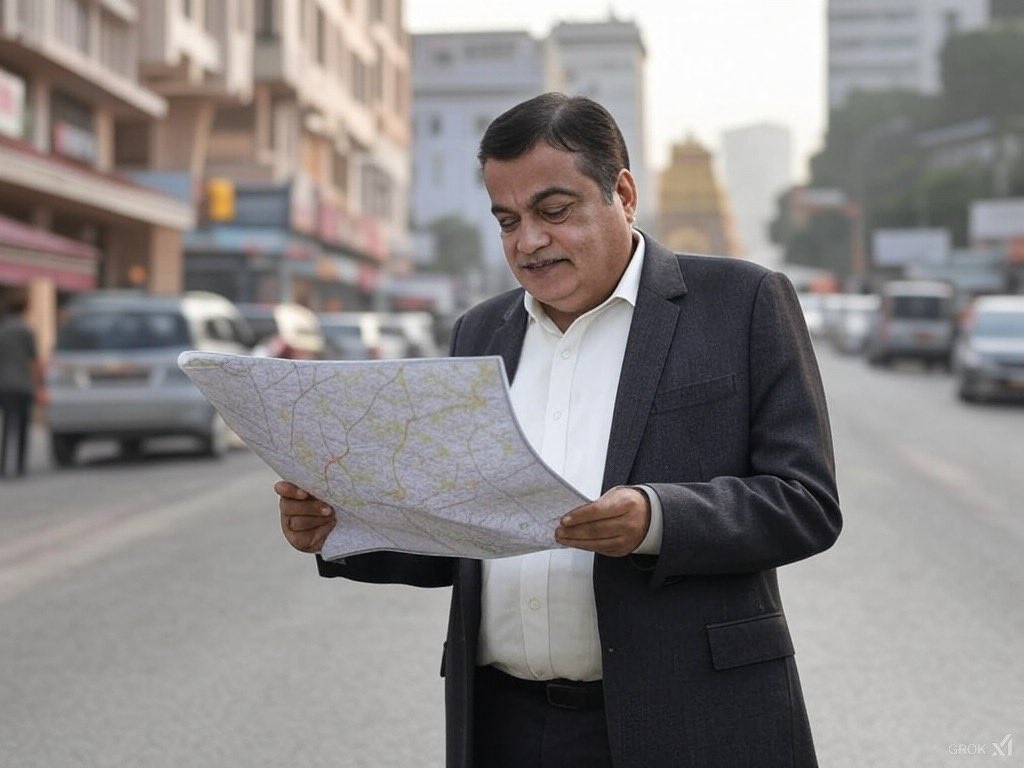
Ever tried reaching Bengaluru Airport from Manyata Tech Park at 6 PM?
You might as well check in for tomorrow’s flight. x.com
You might as well check in for tomorrow’s flight. x.com

Bengaluru’s traffic isn’t just bad—it’s an engineering paradox.
Its population density is lower than Chandigarh (9,500/km² vs. 6,000/km²), yet its infrastructure struggles to keep up.
Its population density is lower than Chandigarh (9,500/km² vs. 6,000/km²), yet its infrastructure struggles to keep up.
The cost? ₹20,000 crore is lost annually to traffic jams— that’s twice the cost of Delhi Metro’s 1st phase.
You see, traffic isn’t just about too many cars—it’s a coordination problem.
Ever been stuck at a signal where the first car moves, then the next, then the next…
You see, traffic isn’t just about too many cars—it’s a coordination problem.
Ever been stuck at a signal where the first car moves, then the next, then the next…
…and by the time it’s your turn, the light turns red?
That’s because humans can’t accelerate simultaneously.
Slow reactions → Bottlenecks → Gridlocks
That’s because humans can’t accelerate simultaneously.
Slow reactions → Bottlenecks → Gridlocks
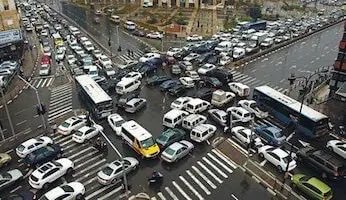
Pretty clear that
More Intersections = More Traffic
That’s why big flyovers, highways and expressways seem to work (in theory):
✅ No stopping
✅ No intersections
✅ No coordination issues
But there’s a catch:
More Intersections = More Traffic
That’s why big flyovers, highways and expressways seem to work (in theory):
✅ No stopping
✅ No intersections
✅ No coordination issues
But there’s a catch:
Ever been stuck for hours, expecting a crash ahead, only to find… nothing?
That’s because traffic moves like a snake.
One driver slams the brakes, everyone follows, and boom—traffic jam that won’t quit.
And on a ring road, a single slowdown can create a never-ending loop.
That’s because traffic moves like a snake.
One driver slams the brakes, everyone follows, and boom—traffic jam that won’t quit.
And on a ring road, a single slowdown can create a never-ending loop.
That’s why we need to stop relying on flyovers as they don’t fix traffic, just shift bottlenecks elsewhere.
Flyovers don’t fix traffic—they just move the bottlenecks elsewhere.
And most of these bottlenecks are caused by private vehicles.
Flyovers don’t fix traffic—they just move the bottlenecks elsewhere.
And most of these bottlenecks are caused by private vehicles.
Bengaluru has over 1 crore private vehicles that take up 80% of road space but transport only 10% of the population.
So why aren’t people switching to public transport?
Because it isn’t built to work as one system
Take Namma Metro for example:
So why aren’t people switching to public transport?
Because it isn’t built to work as one system
Take Namma Metro for example:
A 76km network might sound like progress, but for a city of 1.4 crore people, is it really enough?
Compare it with other metros:
Delhi Metro: 395km
Mumbai Metro (planned): 300+km
Bengaluru Metro: only 76 km operational
That’s why people have no choice but to hit roads.
Compare it with other metros:
Delhi Metro: 395km
Mumbai Metro (planned): 300+km
Bengaluru Metro: only 76 km operational
That’s why people have no choice but to hit roads.
One of the biggest sufferers of this broken system?
Electronic City.
Bengaluru’s IT powerhouse, is choked by traffic.
Hosur Road, its lifeline, carries far more vehicles than it was ever built for.
Electronic City.
Bengaluru’s IT powerhouse, is choked by traffic.
Hosur Road, its lifeline, carries far more vehicles than it was ever built for.
The Yellow Line Metro, the one that’s supposed to ease this burden, is still under construction.
And so, for now, the only option is the road.
Result? Bengaluru’s traffic speeds have plunged from 40 km/h to 9 km/h—slower than a bicycle.
And so, for now, the only option is the road.
Result? Bengaluru’s traffic speeds have plunged from 40 km/h to 9 km/h—slower than a bicycle.
The Yellow Line Metro, the one that’s supposed to ease this burden, is still under construction.
And so, for now, the only option is the road.
Result? Bengaluru’s traffic speeds have plunged from 40 km/h to 9 km/h—slower than a bicycle.
And so, for now, the only option is the road.
Result? Bengaluru’s traffic speeds have plunged from 40 km/h to 9 km/h—slower than a bicycle.
The silver lining? The Metro is expanding.
In the next five years, it will grow from 77 km to 220 km, and daily ridership is expected to triple from 7.5 lakh to 22.5 lakh.
But the real challenge isn’t just expansion—it’s accessibility.
You step off the Metro, but what next? x.com
In the next five years, it will grow from 77 km to 220 km, and daily ridership is expected to triple from 7.5 lakh to 22.5 lakh.
But the real challenge isn’t just expansion—it’s accessibility.
You step off the Metro, but what next? x.com
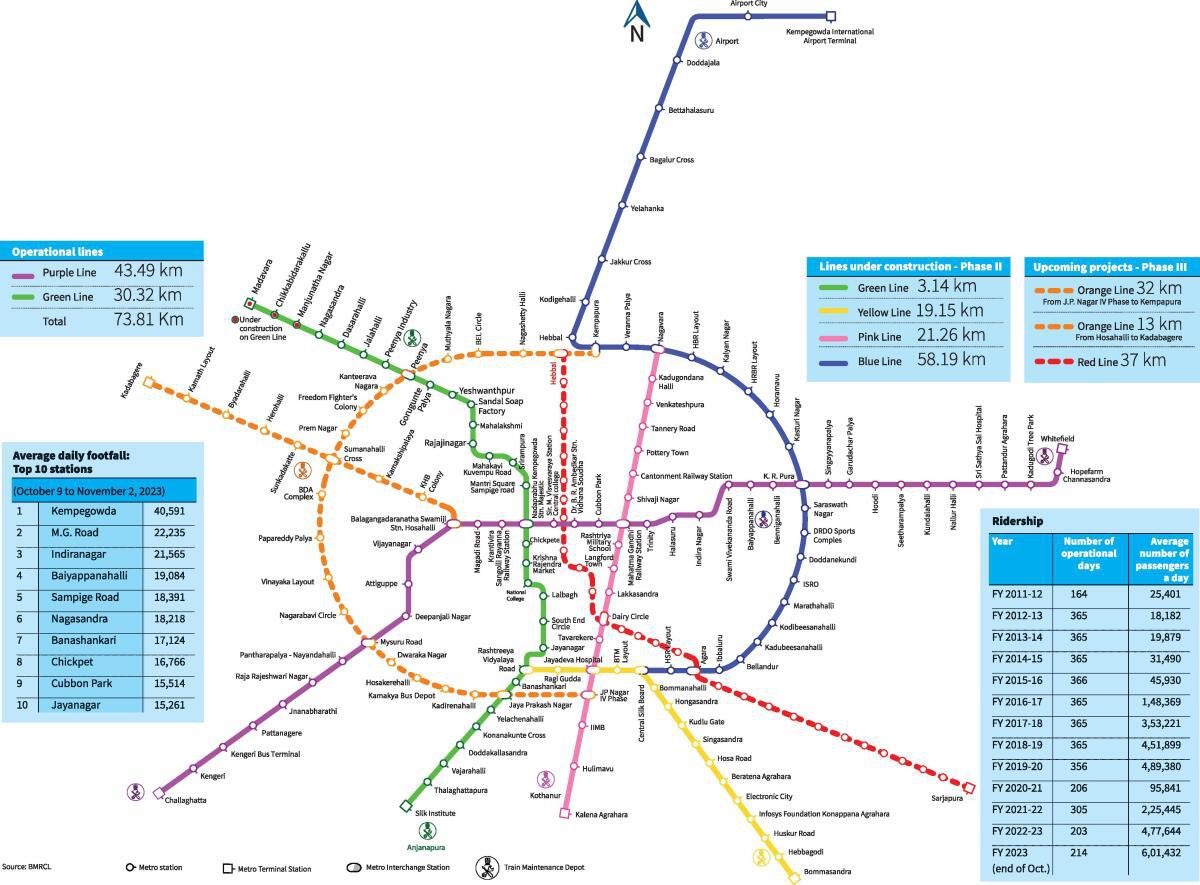
A techie commuting to Whitefield via the Purple Line still has to walk 2-3 km to reach the office.
Why? Because the station isn’t linked to the business districts properly.
No reliable feeder buses, no seamless connection.
Why? Because the station isn’t linked to the business districts properly.
No reliable feeder buses, no seamless connection.
A well-planned public transport system works as one network.
But in Bengaluru, the Metro, buses, & rail are disconnected.
If you take the Metro & then a BMTC bus? You need 2 separate tickets.
In London, a single Oyster Card works for the Underground, buses, & suburban trains. x.com
But in Bengaluru, the Metro, buses, & rail are disconnected.
If you take the Metro & then a BMTC bus? You need 2 separate tickets.
In London, a single Oyster Card works for the Underground, buses, & suburban trains. x.com

Imagine stepping off the Metro and not having to fumble for another ticket to catch a bus or a suburban train—because one pass works for everything.
No more guessing when the next bus will arrive, because real-time updates tell you exactly when it’s coming.
No more guessing when the next bus will arrive, because real-time updates tell you exactly when it’s coming.
And wouldn’t it be great if BMTC buses didn’t just run on their own schedule but actually synced with Metro arrivals so you’re not stuck waiting?
Sounds simple, right?
Shouldn’t the Silicon Valley of India already have this?
Sounds simple, right?
Shouldn’t the Silicon Valley of India already have this?
If Bengaluru’s Metro is set to lead the way, Suburban Rail can be the game-changer that takes it to the next level.
Integrate them right, and this could be Bengaluru’s Namo Bharat moment—a true breakthrough in urban mobility.
Integrate them right, and this could be Bengaluru’s Namo Bharat moment—a true breakthrough in urban mobility.
Delhi’s Meerut RRTS (Namo Bharat) has changed the game—a 3-hour commute is now just mere minutes- enabling reverse migration, decentralising of opportunities and distribution of wealth. x.com
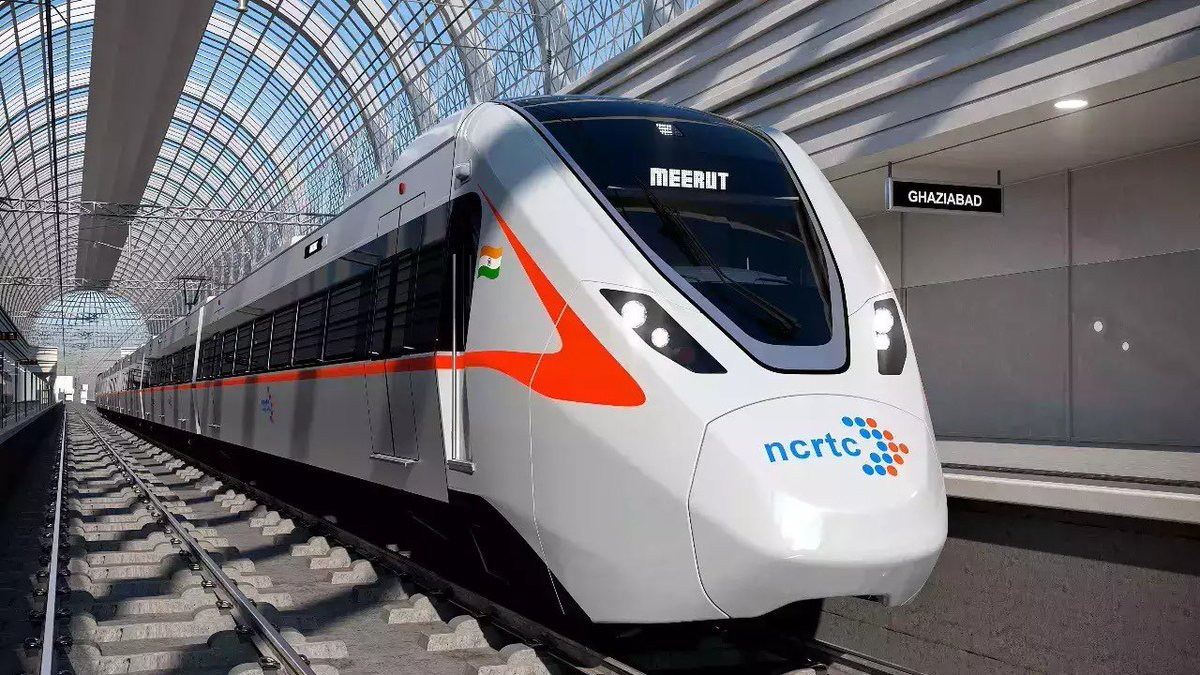
People can live in smaller towns while still working in the city, easing pressure on urban roads.
Bengaluru’s 148-km Suburban Rail could do the same.
With 10 lakh daily passengers, it has the potential to fix traffic only if it seamlessly connects with the Metro. x.com
Bengaluru’s 148-km Suburban Rail could do the same.
With 10 lakh daily passengers, it has the potential to fix traffic only if it seamlessly connects with the Metro. x.com
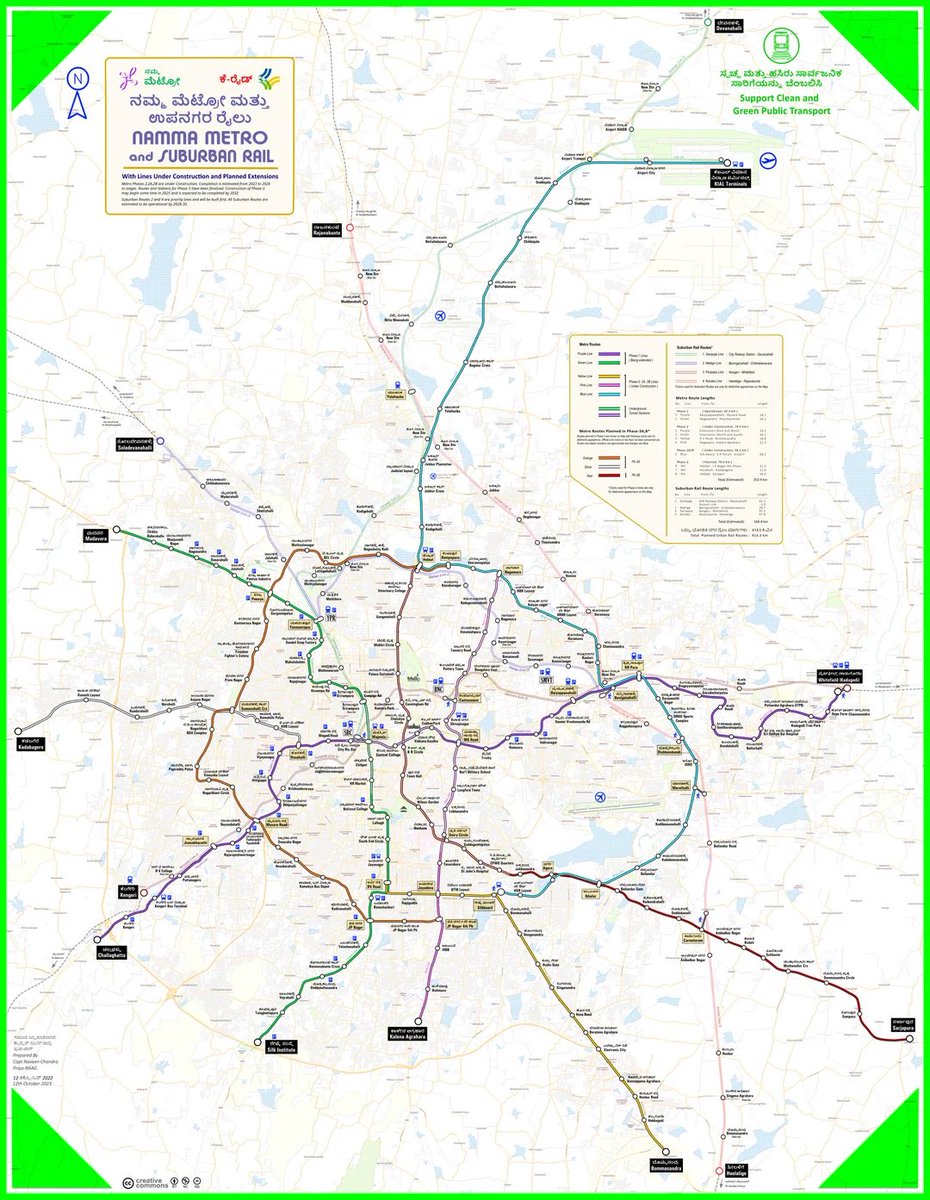
Instead of fixing these core issues, tunnel roads have become Bengaluru’s latest obsession.
Imagine cruising through underground tunnels instead of getting stuck at Silk Board—sounds tempting, right?
Imagine cruising through underground tunnels instead of getting stuck at Silk Board—sounds tempting, right?
But here’s the reality check:
Unlike Delhi’s soft alluvial soil, Bengaluru sits on hard rock, making tunnel digging slow, expensive, & environmentally risky.
Worse, it could disrupt the fragile groundwater table, adding another layer of trouble to an already overburdened city.
Unlike Delhi’s soft alluvial soil, Bengaluru sits on hard rock, making tunnel digging slow, expensive, & environmentally risky.
Worse, it could disrupt the fragile groundwater table, adding another layer of trouble to an already overburdened city.
Experts like Prof. Ashish Verma (IISc) states: “Fix public transport. Focus on Mass Rapid Transit Systems (MRTS).”
Instead of investing in costly, car-centric tunnel roads, Bengaluru needs a fully integrated Metro, Suburban Rail, & BMTC network
—that’s efficient & accessible.
Instead of investing in costly, car-centric tunnel roads, Bengaluru needs a fully integrated Metro, Suburban Rail, & BMTC network
—that’s efficient & accessible.
Bengaluru’s traffic isn’t just bad—it’s badly planned.
Take Outer Ring Road (ORR).
It was supposed to divert traffic away from the city, but instead, it turned into an IT corridor choked with 5 lakh vehicles daily heading to Whitefield, Marathahalli, and Sarjapur.
Take Outer Ring Road (ORR).
It was supposed to divert traffic away from the city, but instead, it turned into an IT corridor choked with 5 lakh vehicles daily heading to Whitefield, Marathahalli, and Sarjapur.
The very road meant to reduce congestion became Bengaluru’s biggest bottleneck.
The real issue? We don’t plan for the future.
By the time new roads are built, they’re already overloaded.
Worse, we never finish what we start.
The real issue? We don’t plan for the future.
By the time new roads are built, they’re already overloaded.
Worse, we never finish what we start.
The Peripheral Ring Road (PRR) was supposed to complement Outer Ring Road (ORR)
—a circular highway that would let heavy vehicles and through-traffic bypass the city altogether.
As Bengaluru’s radial road structure forces all traffic toward the city center.
—a circular highway that would let heavy vehicles and through-traffic bypass the city altogether.
As Bengaluru’s radial road structure forces all traffic toward the city center.
If PRR is about keeping through-traffic out of Bengaluru, Satellite Town Ring Road (STRR) is about reshaping where the city grows
It was meant to enable decentralised growth, just like Bengaluru’s Suburb Rail
—by connecting towns like Devanahalli & Hoskote
It was meant to enable decentralised growth, just like Bengaluru’s Suburb Rail
—by connecting towns like Devanahalli & Hoskote
And now for a more fundamental solution:
Bengaluru’s traffic won’t improve unless jobs stop piling up in the same few areas.
Decentralised growth is a necessity.
Right now, Whitefield, Electronic City, ORR, and Manyata Tech Park handle most of the city’s IT jobs.
Bengaluru’s traffic won’t improve unless jobs stop piling up in the same few areas.
Decentralised growth is a necessity.
Right now, Whitefield, Electronic City, ORR, and Manyata Tech Park handle most of the city’s IT jobs.
That means lakhs of people moving in the same direction every morning and back again in the evening.
The result? Unbearable congestion.
Bengaluru needs to push companies beyond the Outer Ring Road, just like Japan spread its business hubs across cities.
The result? Unbearable congestion.
Bengaluru needs to push companies beyond the Outer Ring Road, just like Japan spread its business hubs across cities.
Give them tax breaks, better infrastructure, and office spaces in Tumakuru, Hoskote, and Devanahalli.
Make these areas proper IT and business hubs, with great connectivity, so people don’t have to waste hours commuting. x.com
Make these areas proper IT and business hubs, with great connectivity, so people don’t have to waste hours commuting. x.com
With better integration, smarter planning, and completed projects, Bengaluru can finally turn the tide.
If you made it this far, tell us: What’s the WORST Bengaluru traffic experience you’ve had? 👇
If you made it this far, tell us: What’s the WORST Bengaluru traffic experience you’ve had? 👇
If you liked this read, do RePost🔄 the 1st post and follow us @FinFloww for such reads every Monday, Wednesday and Friday!
Get our WhatsApp newsletter: whatsapp.com

Subscribe to WHAT THE FLOWW?, our weekly email newsletter where we dive deeper into such concepts: FinFloww.bio.link

Loading suggestions...