

China's approval of the construction of the world's largest dam on the Brahmaputra River, with an estimated cost of $137 billion, has significant implications for regional geopolitics, environmental sustainability, and water resource management.
1. Project Overview
1.1. Dam Specifications
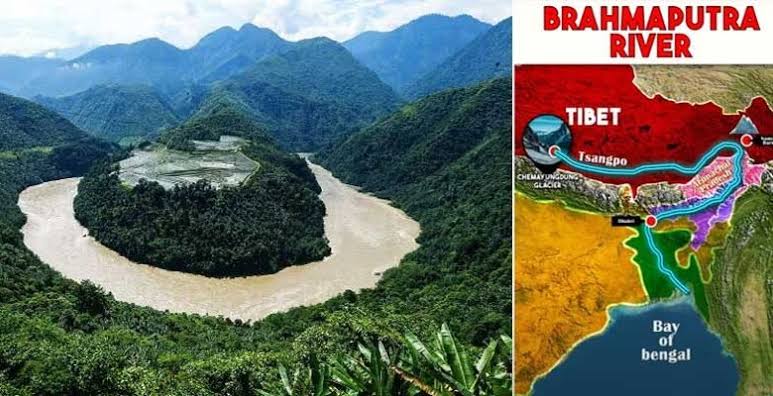
- Location: The dam is to be constructed at a gorge in Tibet where the Yarlung Zangbo River (the Tibetan name for the Brahmaputra) makes a sharp U-turn before flowing into Arunachal Pradesh, India, and subsequently into Bangladesh.
- Capacity: Expected to generate approximately 300 billion kilowatt-hours of electricity annually, sufficient to power around 300 million people. This capacity surpasses that of China's Three Gorges Dam, currently the largest in the world.
1.2. Financial Aspects
- Investment: The total cost is projected to exceed one trillion yuan (approximately $137 billion), making it the largest infrastructure project globally. This investment dwarfs previous projects, including China's own Three Gorges Dam.
- Revenue Generation: The project is expected to generate approximately 20 billion yuan ($3 billion) annually for the Tibet Autonomous Region.
1.3. Engineering Challenges
- Geological Conditions: The dam's construction site is located in a seismically active region, raising concerns about safety during earthquakes. The Tibetan plateau experiences frequent seismic activity due to its position above tectonic plates.
- Hydrological Engineering: To tap into the river’s hydropower potential, the project requires drilling four to six tunnels, each approximately 20 km long, through the Namcha Barwa mountain to divert half of the river’s flow.
1. Project Overview
1.1. Dam Specifications
- Location: The dam is to be constructed at a gorge in Tibet where the Yarlung Zangbo River (the Tibetan name for the Brahmaputra) makes a sharp U-turn before flowing into Arunachal Pradesh, India, and subsequently into Bangladesh.
- Capacity: Expected to generate approximately 300 billion kilowatt-hours of electricity annually, sufficient to power around 300 million people. This capacity surpasses that of China's Three Gorges Dam, currently the largest in the world.
1.2. Financial Aspects
- Investment: The total cost is projected to exceed one trillion yuan (approximately $137 billion), making it the largest infrastructure project globally. This investment dwarfs previous projects, including China's own Three Gorges Dam.
- Revenue Generation: The project is expected to generate approximately 20 billion yuan ($3 billion) annually for the Tibet Autonomous Region.
1.3. Engineering Challenges
- Geological Conditions: The dam's construction site is located in a seismically active region, raising concerns about safety during earthquakes. The Tibetan plateau experiences frequent seismic activity due to its position above tectonic plates.
- Hydrological Engineering: To tap into the river’s hydropower potential, the project requires drilling four to six tunnels, each approximately 20 km long, through the Namcha Barwa mountain to divert half of the river’s flow.
2. Historical Context
2.1. Brahmaputra River Significance
- Geography: The Brahmaputra is one of Asia's major rivers, originating in Tibet and flowing through India and Bangladesh, supporting over 130 million people across its basin.
- Historical Tensions: The river has been a source of conflict due to its transboundary nature and lack of formal water-sharing agreements between China, India, and Bangladesh.
2.2. Previous Infrastructure Developments
- Chinese Dams: Earlier projects like the Zangmu Dam have raised concerns about China's unilateral control over water resources without adequate communication with downstream countries.
- India's Response: India has initiated its own dam projects in Arunachal Pradesh to mitigate potential impacts from Chinese infrastructure developments.
3. Present Implications
3.1. Geopolitical Concerns
- Water Control: The dam empowers China to regulate water flow, raising fears in India and Bangladesh about potential flooding or water scarcity during conflicts. The sheer size of the dam allows China to release large volumes of water, potentially flooding border areas during hostilities.
3.2. Environmental Impact
- Ecosystem Disruption: Large-scale dam construction poses risks to local ecosystems and biodiversity in the Brahmaputra basin. Changes in sediment flow can affect fish populations and riverine habitats.
- Seismic Risks: Given the region's seismic activity, there are concerns regarding the structural integrity of such a massive infrastructure project during earthquakes.
3.3. Economic Factors
- Hydropower Development: While the dam promises significant energy generation, it may also divert resources from local communities who depend on the river for agriculture and fishing.
2.1. Brahmaputra River Significance
- Geography: The Brahmaputra is one of Asia's major rivers, originating in Tibet and flowing through India and Bangladesh, supporting over 130 million people across its basin.
- Historical Tensions: The river has been a source of conflict due to its transboundary nature and lack of formal water-sharing agreements between China, India, and Bangladesh.
2.2. Previous Infrastructure Developments
- Chinese Dams: Earlier projects like the Zangmu Dam have raised concerns about China's unilateral control over water resources without adequate communication with downstream countries.
- India's Response: India has initiated its own dam projects in Arunachal Pradesh to mitigate potential impacts from Chinese infrastructure developments.
3. Present Implications
3.1. Geopolitical Concerns
- Water Control: The dam empowers China to regulate water flow, raising fears in India and Bangladesh about potential flooding or water scarcity during conflicts. The sheer size of the dam allows China to release large volumes of water, potentially flooding border areas during hostilities.
3.2. Environmental Impact
- Ecosystem Disruption: Large-scale dam construction poses risks to local ecosystems and biodiversity in the Brahmaputra basin. Changes in sediment flow can affect fish populations and riverine habitats.
- Seismic Risks: Given the region's seismic activity, there are concerns regarding the structural integrity of such a massive infrastructure project during earthquakes.
3.3. Economic Factors
- Hydropower Development: While the dam promises significant energy generation, it may also divert resources from local communities who depend on the river for agriculture and fishing.
4. Future Considerations
4.1. Water Resource Management
- Cooperation vs Conflict: The absence of a multilateral water-sharing agreement could lead to increased tensions; however, there is potential for cooperation through shared management strategies.
- Impact on Agriculture: Changes in water flow patterns could adversely affect agricultural productivity in downstream regions of India and Bangladesh.
4.2. Strategic Responses by India
- Infrastructure Projects: India is likely to accelerate its own dam projects on the Brahmaputra as a countermeasure against Chinese developments.
- Diplomatic Engagements: Strengthening diplomatic ties with Bangladesh and other neighboring countries may be crucial for managing shared water resources effectively.
4.3. Long-term Regional Stability
- Potential for Conflict: As both nations continue to develop their respective infrastructures along the river, the risk of conflict over water resources remains high.
- Need for Institutional Frameworks: Establishing formal agreements for data sharing and cooperative management of transboundary rivers is essential for long-term stability in South Asia.
4.1. Water Resource Management
- Cooperation vs Conflict: The absence of a multilateral water-sharing agreement could lead to increased tensions; however, there is potential for cooperation through shared management strategies.
- Impact on Agriculture: Changes in water flow patterns could adversely affect agricultural productivity in downstream regions of India and Bangladesh.
4.2. Strategic Responses by India
- Infrastructure Projects: India is likely to accelerate its own dam projects on the Brahmaputra as a countermeasure against Chinese developments.
- Diplomatic Engagements: Strengthening diplomatic ties with Bangladesh and other neighboring countries may be crucial for managing shared water resources effectively.
4.3. Long-term Regional Stability
- Potential for Conflict: As both nations continue to develop their respective infrastructures along the river, the risk of conflict over water resources remains high.
- Need for Institutional Frameworks: Establishing formal agreements for data sharing and cooperative management of transboundary rivers is essential for long-term stability in South Asia.
5. Historical Agreements and Mechanisms
5.1. Expert Level Mechanism (ELM)
- Established in 2006, this mechanism facilitates discussions between India and China regarding transboundary rivers, including hydrological data sharing during flood seasons.
5.2. Recent Diplomatic Engagements
- In December 2024, discussions between Indian National Security Advisor Ajit Doval and Chinese Foreign Minister Wang Yi emphasized cross-border cooperation on data sharing related to transboundary rivers.
Conclusion
The approval of the world's largest dam on the Brahmaputra River by China represents a significant shift in regional dynamics with far-reaching implications for India and Bangladesh. As both nations navigate this complex landscape, proactive measures—ranging from infrastructure development to diplomatic engagement—will be critical in mitigating risks associated with water resource management and ensuring sustainable development in this vital region.
5.1. Expert Level Mechanism (ELM)
- Established in 2006, this mechanism facilitates discussions between India and China regarding transboundary rivers, including hydrological data sharing during flood seasons.
5.2. Recent Diplomatic Engagements
- In December 2024, discussions between Indian National Security Advisor Ajit Doval and Chinese Foreign Minister Wang Yi emphasized cross-border cooperation on data sharing related to transboundary rivers.
Conclusion
The approval of the world's largest dam on the Brahmaputra River by China represents a significant shift in regional dynamics with far-reaching implications for India and Bangladesh. As both nations navigate this complex landscape, proactive measures—ranging from infrastructure development to diplomatic engagement—will be critical in mitigating risks associated with water resource management and ensuring sustainable development in this vital region.
Loading suggestions...