

IUCN Red List Update 2024: Key Species Status Changes
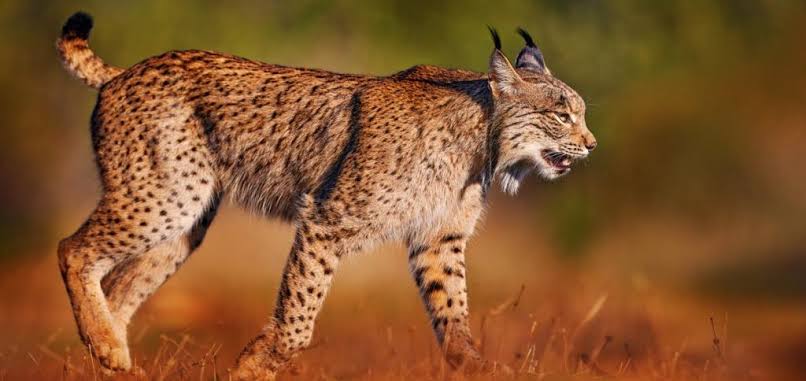
Iberian Lynx (Lynx pardinus)
- Status change: Endangered to Vulnerable
- Population increase:
- 2002: 94 individuals
- 2022: 648 mature individuals
- 2024: Over 2,000 total (including young)
- Conservation success factors:
- Habitat restoration of Mediterranean scrub and forest
- Prey (European rabbit) population management
- Genetic diversity expansion through translocations
- Ex-situ breeding programs
- Reintroduction of over 400 individuals since 2010
- Remaining threats:
- Fluctuations in European rabbit population
- Diseases from domestic cats
- Poaching and road kills
- Climate change-related habitat alterations
Iberian Lynx (Lynx pardinus)
- Status change: Endangered to Vulnerable
- Population increase:
- 2002: 94 individuals
- 2022: 648 mature individuals
- 2024: Over 2,000 total (including young)
- Conservation success factors:
- Habitat restoration of Mediterranean scrub and forest
- Prey (European rabbit) population management
- Genetic diversity expansion through translocations
- Ex-situ breeding programs
- Reintroduction of over 400 individuals since 2010
- Remaining threats:
- Fluctuations in European rabbit population
- Diseases from domestic cats
- Poaching and road kills
- Climate change-related habitat alterations
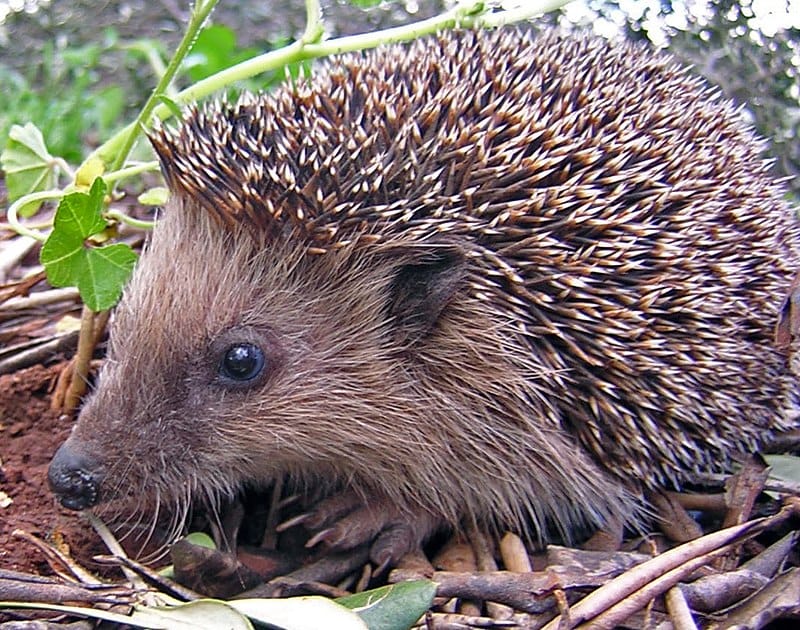
Western European Hedgehog (Erinaceus europaeus)
- Status change: Least Concern to Near Threatened
- Population decline: 30% over the past decade in many areas
- Threats:
- Habitat fragmentation due to urban development
- Agricultural intensification
- Road infrastructure
- Pesticide use
- Poorly managed gardens
- Status change: Least Concern to Near Threatened
- Population decline: 30% over the past decade in many areas
- Threats:
- Habitat fragmentation due to urban development
- Agricultural intensification
- Road infrastructure
- Pesticide use
- Poorly managed gardens
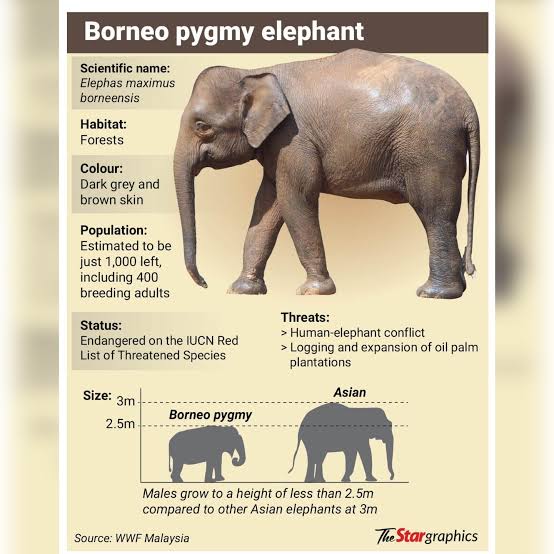
Bornean Elephant (Elephas maximus borneensis)
- New listing: Endangered
- Population: Approximately 1,000 individuals
- Threats:
- Habitat loss (60% in the last 40 years)
- Human-wildlife conflict
- Poaching
- Exposure to agrochemicals
- Conservation importance:
- Keystone species for rainforest health
- Smallest living elephant subspecies
- New listing: Endangered
- Population: Approximately 1,000 individuals
- Threats:
- Habitat loss (60% in the last 40 years)
- Human-wildlife conflict
- Poaching
- Exposure to agrochemicals
- Conservation importance:
- Keystone species for rainforest health
- Smallest living elephant subspecies
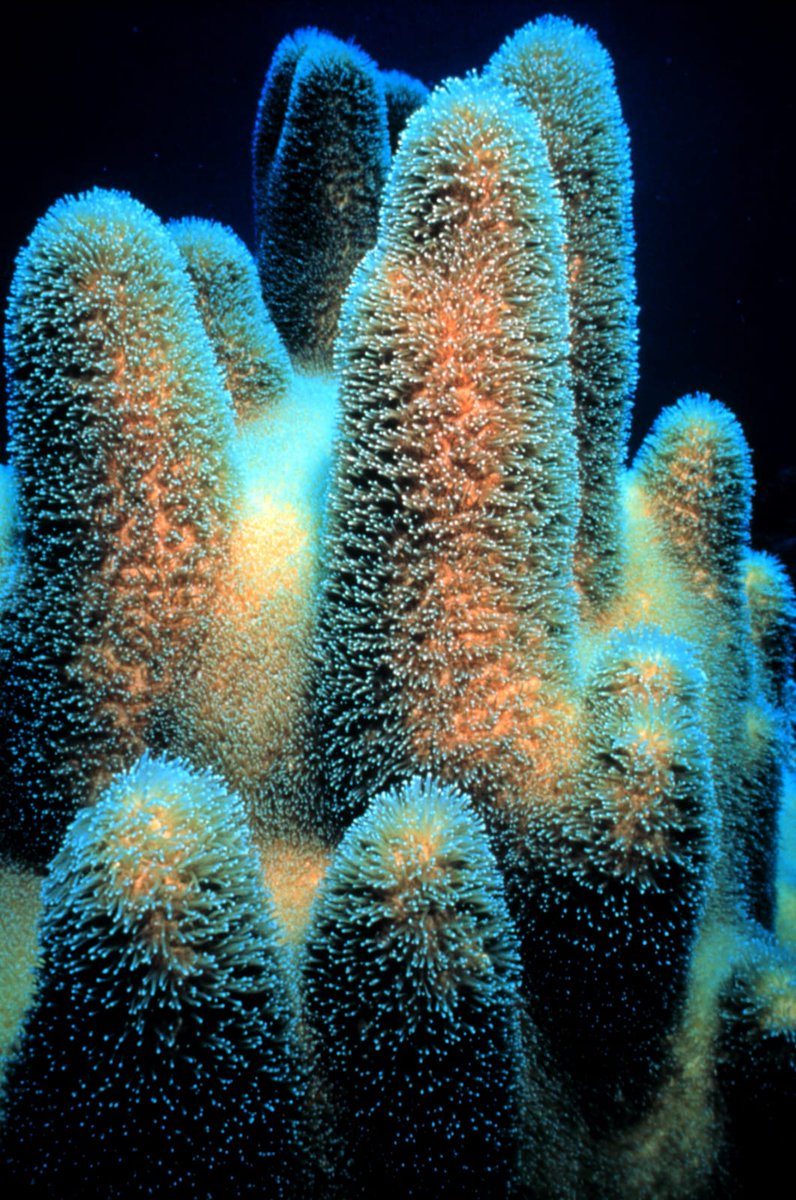
Pillar Coral (Dendrogyra cylindrus)
- Status change: Vulnerable to Critically Endangered
- Population decline: Over 80% across most of its range since 1990
- Threats:
- Climate change-induced bleaching
- Pollution (antibiotics, fertilizers, sewage)
- Stony Coral Tissue Loss Disease
- Overfishing
- Conservation challenges:
- Low recruitment and survival rates of juveniles
- Vulnerability to hurricanes and tropical storms
- Status change: Vulnerable to Critically Endangered
- Population decline: Over 80% across most of its range since 1990
- Threats:
- Climate change-induced bleaching
- Pollution (antibiotics, fertilizers, sewage)
- Stony Coral Tissue Loss Disease
- Overfishing
- Conservation challenges:
- Low recruitment and survival rates of juveniles
- Vulnerability to hurricanes and tropical storms
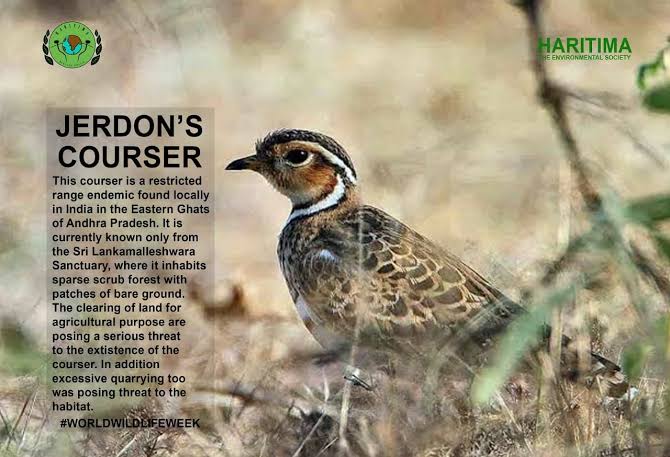
Jerdon's Courser (Rhinoptilus bitorquatus)
- Status: Critically Endangered (last assessed in 2016)
- Population: Estimated 50-249 individuals
- Threats:
- Habitat loss in the Eastern Ghats of India
- Agricultural expansion
- Overgrazing
- Conservation efforts:
- Creation of wildlife sanctuaries (Sri Lankamaleswara and Sri Penusula Narasimha)
- Designation as a priority species in India's National Wildlife Action Plan
## Global Biodiversity Conservation Trends
Tree Species
- 38% of world's trees at risk of extinction
- 16,425 out of 47,282 assessed species threatened
- Trees account for over 25% of species on the IUCN Red List
- Threatened tree species outnumber all threatened birds, mammals, reptiles, and amphibians combined
- Tree species at risk in 192 countries worldwide
Copiapoa Cacti in Chile
- 82% of species at risk of extinction (up from 55% in 2013)
- Threats:
- Illegal trade amplified by social media
- Climate change-induced drought
- Conservation challenges:
- Increased accessibility to habitat due to road and housing expansion
Reptiles in Canary Islands and Ibiza
- Gran Canaria giant lizard: Critically Endangered (previously Least Concern)
- Gran Canaria skink: Endangered (previously Least Concern)
- Ibiza wall lizard: Endangered (previously Near Threatened)
- Primary threat: Invasive predator species (California kingsnake and horseshoe whip snake)
## Conservation Strategies and Initiatives
In-situ Conservation
- Protected areas: National parks, wildlife sanctuaries, biosphere reserves
- Ecological corridors for habitat connectivity
Ex-situ Conservation
- Methods: Zoos, botanical gardens, gene banks
- Importance: Preserves genetic diversity, supports breeding programs
International Agreements
- Convention on Biological Diversity (CBD)
- Convention on International Trade in Endangered Species (CITES)
National Initiatives
- India's National Biodiversity Action Plan
- Project Tiger, Project Elephant, Project Snow Leopard
Technological Advancements
- Satellite tracking for wildlife monitoring
- DNA analysis for population studies
- Artificial intelligence in species identification
Future Challenges and Opportunities
### Climate Change Adaptation
- Developing resilient ecosystems
- Assisted migration of species
Sustainable Development
- Balancing conservation with economic growth
- Promoting eco-tourism and sustainable resource use
Genetic Conservation
- Cryopreservation of endangered species' genetic material
- Gene editing technologies for conservation
Public Awareness and Education
- Citizen science initiatives
- Integration of biodiversity education in curricula
Policy and Legislation
- Strengthening wildlife protection laws
- Implementing stricter penalties for poaching and illegal trade
- Status: Critically Endangered (last assessed in 2016)
- Population: Estimated 50-249 individuals
- Threats:
- Habitat loss in the Eastern Ghats of India
- Agricultural expansion
- Overgrazing
- Conservation efforts:
- Creation of wildlife sanctuaries (Sri Lankamaleswara and Sri Penusula Narasimha)
- Designation as a priority species in India's National Wildlife Action Plan
## Global Biodiversity Conservation Trends
Tree Species
- 38% of world's trees at risk of extinction
- 16,425 out of 47,282 assessed species threatened
- Trees account for over 25% of species on the IUCN Red List
- Threatened tree species outnumber all threatened birds, mammals, reptiles, and amphibians combined
- Tree species at risk in 192 countries worldwide
Copiapoa Cacti in Chile
- 82% of species at risk of extinction (up from 55% in 2013)
- Threats:
- Illegal trade amplified by social media
- Climate change-induced drought
- Conservation challenges:
- Increased accessibility to habitat due to road and housing expansion
Reptiles in Canary Islands and Ibiza
- Gran Canaria giant lizard: Critically Endangered (previously Least Concern)
- Gran Canaria skink: Endangered (previously Least Concern)
- Ibiza wall lizard: Endangered (previously Near Threatened)
- Primary threat: Invasive predator species (California kingsnake and horseshoe whip snake)
## Conservation Strategies and Initiatives
In-situ Conservation
- Protected areas: National parks, wildlife sanctuaries, biosphere reserves
- Ecological corridors for habitat connectivity
Ex-situ Conservation
- Methods: Zoos, botanical gardens, gene banks
- Importance: Preserves genetic diversity, supports breeding programs
International Agreements
- Convention on Biological Diversity (CBD)
- Convention on International Trade in Endangered Species (CITES)
National Initiatives
- India's National Biodiversity Action Plan
- Project Tiger, Project Elephant, Project Snow Leopard
Technological Advancements
- Satellite tracking for wildlife monitoring
- DNA analysis for population studies
- Artificial intelligence in species identification
Future Challenges and Opportunities
### Climate Change Adaptation
- Developing resilient ecosystems
- Assisted migration of species
Sustainable Development
- Balancing conservation with economic growth
- Promoting eco-tourism and sustainable resource use
Genetic Conservation
- Cryopreservation of endangered species' genetic material
- Gene editing technologies for conservation
Public Awareness and Education
- Citizen science initiatives
- Integration of biodiversity education in curricula
Policy and Legislation
- Strengthening wildlife protection laws
- Implementing stricter penalties for poaching and illegal trade
Conclusion
The 2024 IUCN Red List update underscores the ongoing challenges in global biodiversity conservation. While success stories like the Iberian Lynx demonstrate the effectiveness of concerted conservation efforts, the decline of species such as the Western European Hedgehog highlights the need for continued vigilance and action. As we move forward, integrating conservation strategies with sustainable development goals, leveraging technological advancements, and fostering international cooperation will be crucial in safeguarding the planet's biodiversity for future generations.
The IUCN Red List now includes 166,061 species, of which 46,337 are threatened with extinction. This surpasses the Barometer of Life goal to assess 160,000 species, marking a significant milestone in global biodiversity assessment efforts. The continued expansion and refinement of the Red List will be essential for informing conservation priorities and guiding effective action to protect the world's most vulnerable species and ecosystems.
The 2024 IUCN Red List update underscores the ongoing challenges in global biodiversity conservation. While success stories like the Iberian Lynx demonstrate the effectiveness of concerted conservation efforts, the decline of species such as the Western European Hedgehog highlights the need for continued vigilance and action. As we move forward, integrating conservation strategies with sustainable development goals, leveraging technological advancements, and fostering international cooperation will be crucial in safeguarding the planet's biodiversity for future generations.
The IUCN Red List now includes 166,061 species, of which 46,337 are threatened with extinction. This surpasses the Barometer of Life goal to assess 160,000 species, marking a significant milestone in global biodiversity assessment efforts. The continued expansion and refinement of the Red List will be essential for informing conservation priorities and guiding effective action to protect the world's most vulnerable species and ecosystems.
Loading suggestions...