

In 2000, Mahindra was on the verge of being wiped out of the SUV market
Everyone told them to stick to tractors as Indians would never have the know-how to build SUVs
Mahindra SHOCKED them by building the most selling SUV ever—SCORPIO
THREAD: How M&M became global SUV giant🧵 x.com
Everyone told them to stick to tractors as Indians would never have the know-how to build SUVs
Mahindra SHOCKED them by building the most selling SUV ever—SCORPIO
THREAD: How M&M became global SUV giant🧵 x.com
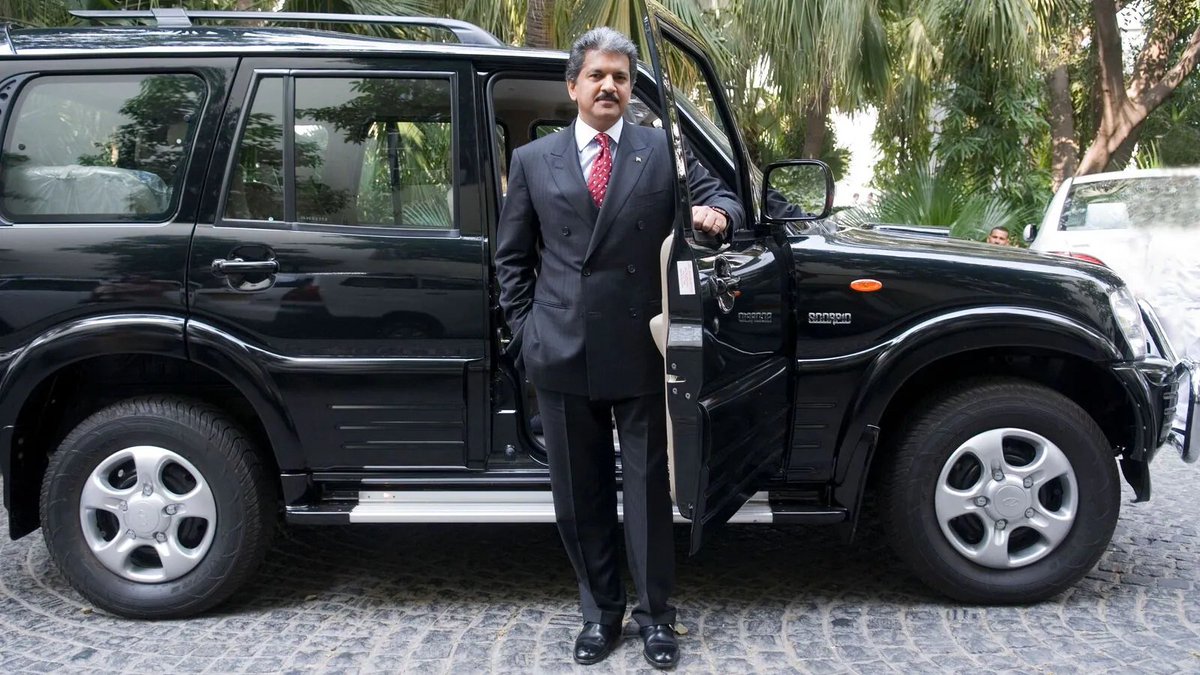
Before the 1990s, Mahindra was an automobile assembly company, manufacturing Willys Jeeps with minor modifications for the Indian market.
Rugged? Yes.
Innovative? Not quite.
Then came 1990—a turning point for India’s auto industry. x.com
Rugged? Yes.
Innovative? Not quite.
Then came 1990—a turning point for India’s auto industry. x.com
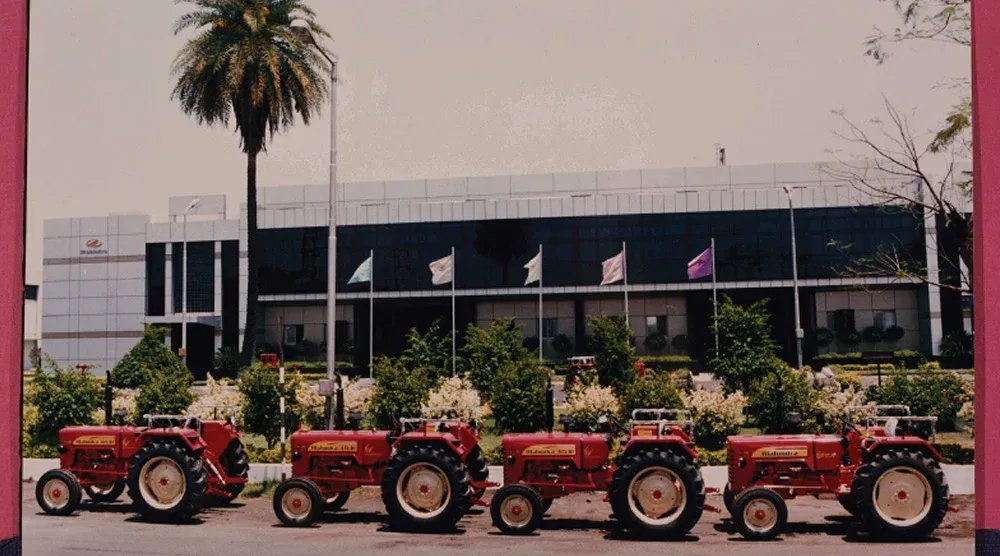
Economic liberalization exposed Indian consumers to global brands–now they too desired stylish, high-performance vehicles.
So, Mahindra which was known for tough utility vehicles suddenly found itself outdated.
Unable to compete with global giants, x.com
So, Mahindra which was known for tough utility vehicles suddenly found itself outdated.
Unable to compete with global giants, x.com

Mahindra was on the brink of irrelevance by 1996.
To survive, they had to move beyond assembling vehicles and start creating—not just for India but for the global market.
Leveraging its cost advantage, the company tapped into the growing demand for affordable,
To survive, they had to move beyond assembling vehicles and start creating—not just for India but for the global market.
Leveraging its cost advantage, the company tapped into the growing demand for affordable,
rugged SUVs in regions like Africa and Southeast Asia.
However, competing globally wasn’t easy as giants like Toyota and Ford brought with them 50 to 100 of experience and technical know-how.
Mahindra—a newcomer to modern car-making– lacked this foundation.
However, competing globally wasn’t easy as giants like Toyota and Ford brought with them 50 to 100 of experience and technical know-how.
Mahindra—a newcomer to modern car-making– lacked this foundation.
Yet, it embarked on a journey to create India’s first global SUV– Project Scorpio.
Under the visionary leadership of Pawan Goenka, a former General Motors engineer with expertise in automotive R&D, alongside Anand Mahindra, the company partnered with global experts. x.com
Under the visionary leadership of Pawan Goenka, a former General Motors engineer with expertise in automotive R&D, alongside Anand Mahindra, the company partnered with global experts. x.com
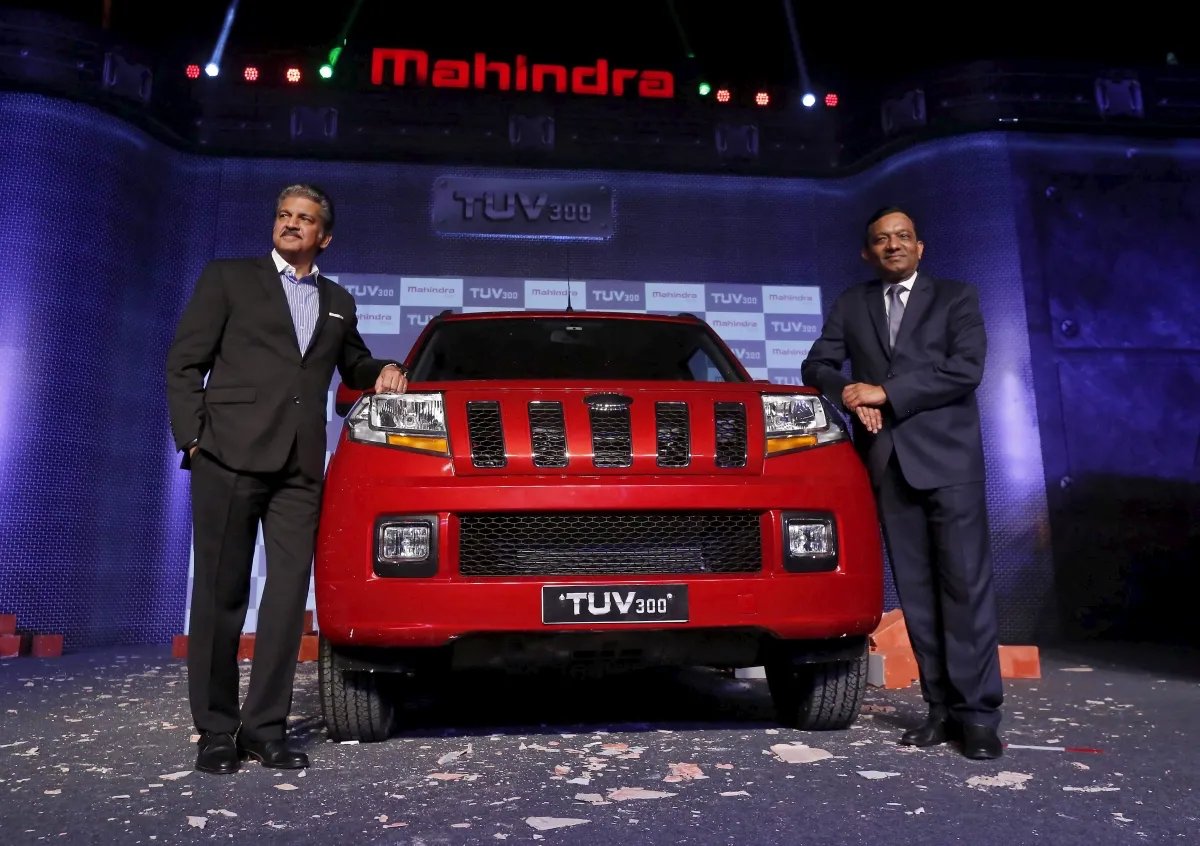
👉 AVL (Austria) for engine development
👉 Ricardo (UK) for transmissions
👉 Italian design talent to shape their vision.
So as you can see instead of outsourcing everything, Mahindra’s in-house engineers worked closely with global suppliers,
👉 Ricardo (UK) for transmissions
👉 Italian design talent to shape their vision.
So as you can see instead of outsourcing everything, Mahindra’s in-house engineers worked closely with global suppliers,
learning and innovating throughout the process.
Their goal? To build an SUV with global standards—styling, performance, and safety—while maintaining affordability for the Indian market.
So, for 6 years, Mahindra’s team worked tirelessly often with limited resources.
Their goal? To build an SUV with global standards—styling, performance, and safety—while maintaining affordability for the Indian market.
So, for 6 years, Mahindra’s team worked tirelessly often with limited resources.
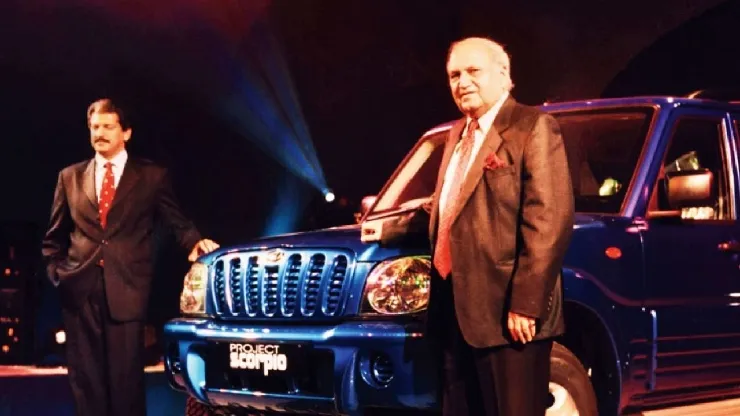
In 2002, Mahindra unveiled the Scorpio—a bold, rugged, and modern SUV that instantly resonated with Indian consumers, becoming a massive hit.
But why did an SUV with limited everyday practicality gain such immense popularity in India? x.com
But why did an SUV with limited everyday practicality gain such immense popularity in India? x.com
The answer is simple– in India, cars are not just necessities—they are status symbols, a way to showcase class and identity.
Mahindra perfectly tapped into this psychology, positioning SUVs as aspirational vehicles.
For ex- a sedan might offer comfort and sophistication,
Mahindra perfectly tapped into this psychology, positioning SUVs as aspirational vehicles.
For ex- a sedan might offer comfort and sophistication,
but driving a Thar gives an entirely different experience—commanding the road with a rugged, adventurous persona.
After all, it’s not just about the vehicle– but the aura that it creates.
So, with its success, Scorpio soon became synonymous with SUVs.
After all, it’s not just about the vehicle– but the aura that it creates.
So, with its success, Scorpio soon became synonymous with SUVs.
After Scorpio, Mahindra carried its rich legacy of rugged jeeps forward with Thar, which later became a cult favourite.
The Thar offered the perfect blend for Indian consumers—combining toughness with elegance, making it ‘the car’ they can proudly flaunt.
The Thar offered the perfect blend for Indian consumers—combining toughness with elegance, making it ‘the car’ they can proudly flaunt.
Following this, crossovers like the XUV 500, and XUV 700 emerged, which were intended to bridge the gap between SUVs and sedans.
But like SUVs, they too became symbols of style, class, and prestige, rather than true utility.
Modern crossovers focus more on aesthetics, luxury, x.com
But like SUVs, they too became symbols of style, class, and prestige, rather than true utility.
Modern crossovers focus more on aesthetics, luxury, x.com
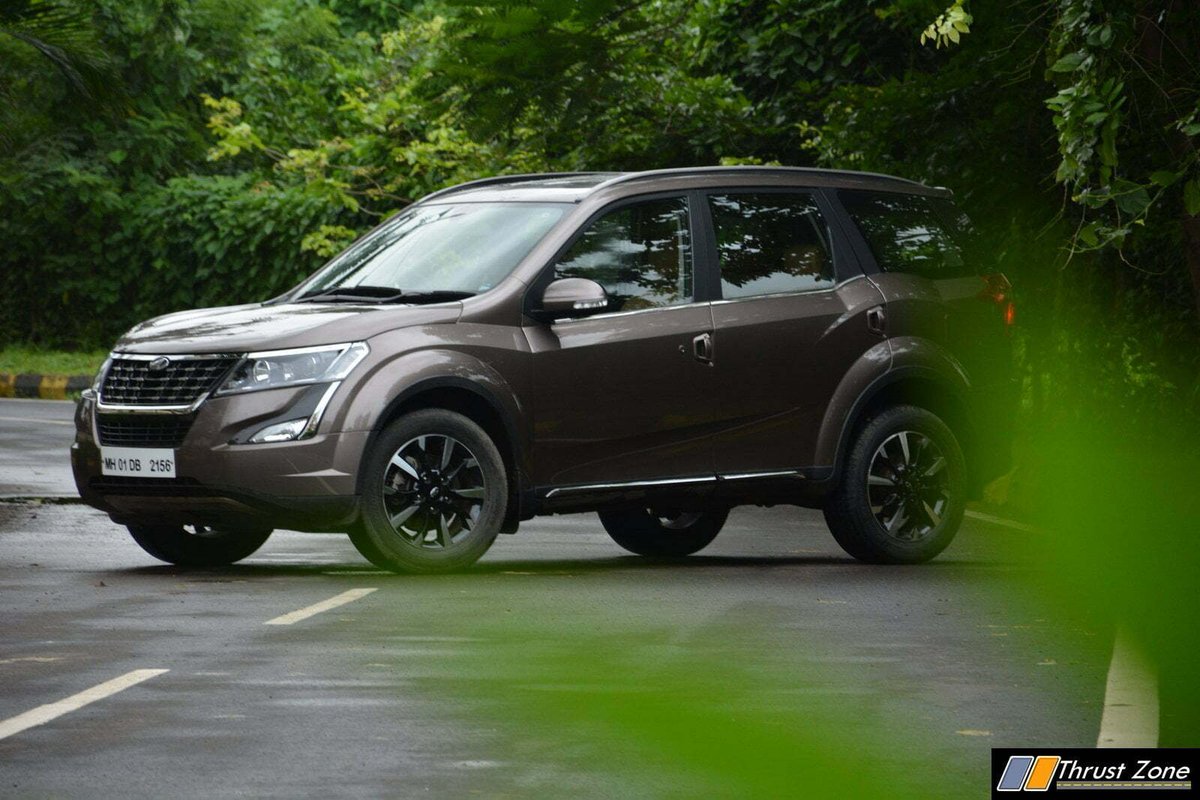
and comfort, appealing to those who value status and design over extensive practicality.
This shift highlights how consumers increasingly prioritise design, features, and performance.
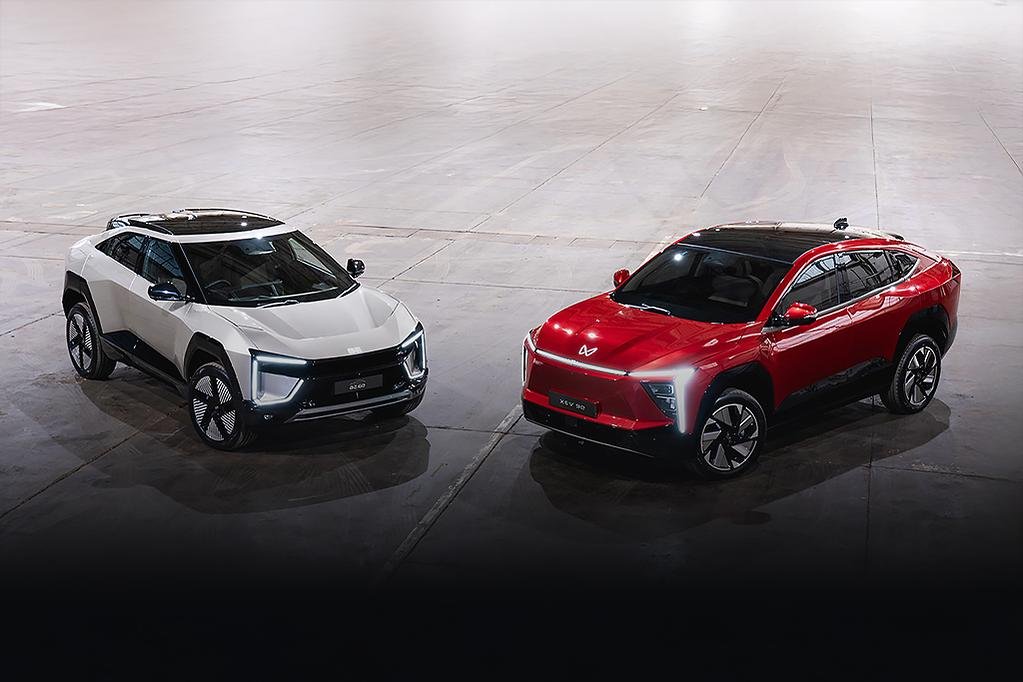
Mahindra has also entered the EV market with XUV400 and recently launched BE 6e and XEV 9e. x.com
This shift highlights how consumers increasingly prioritise design, features, and performance.
Mahindra has also entered the EV market with XUV400 and recently launched BE 6e and XEV 9e. x.com
So, what sets Mahindra apart is its ability to adapt and evolve.
Their innovation, combined with a deep understanding of consumer needs, has positioned them as a leader in the automotive industry.
Their innovation, combined with a deep understanding of consumer needs, has positioned them as a leader in the automotive industry.
And they’ve proved that Indian automakers can create world-class, aspirational products–giving stiff competition to even the best players.
From a Jeep assembler to a global SUV powerhouse, Mahindra’s journey is a testament to resilience and adaptation—one that is far from over.
From a Jeep assembler to a global SUV powerhouse, Mahindra’s journey is a testament to resilience and adaptation—one that is far from over.
If you liked this read, do RePost🔄 the 1st post
and follow us @FinFloww for such reads every Monday, Wednesday and Friday!
and follow us @FinFloww for such reads every Monday, Wednesday and Friday!
Get our WhatsApp newsletter: whatsapp.com

Subscribe to WHAT THE FLOWW?, our weekly email newsletter where we dive deeper into such concepts: FinFloww.bio.link

Loading suggestions...