

PM Modi is making India a manufacturing power to go toe to toe with China
But Economist Raghuram Rajan, who was also RBI’s former governor,
believes India is making a grave mistake!
THREAD: Here's why he might be right🧵 x.com
But Economist Raghuram Rajan, who was also RBI’s former governor,
believes India is making a grave mistake!
THREAD: Here's why he might be right🧵 x.com
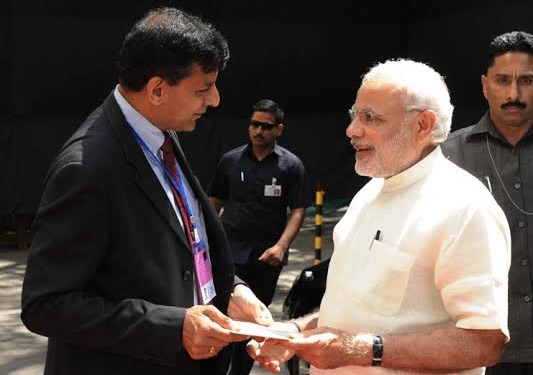
Dr. Rajan questioned the logic behind pouring massive subsidies into industries like chip manufacturing, which requires high initial investments & gives long-term payoffs.
This has brought the long-standing debate between prioritizing manufacturing or services to forefront.
This has brought the long-standing debate between prioritizing manufacturing or services to forefront.
Normally, economies transition from agriculture to industry & then to services.
But India’s journey has remained unique, as it jumped directly from agriculture to services.
Here’s why it happened:
But India’s journey has remained unique, as it jumped directly from agriculture to services.
Here’s why it happened:
👉Economic Reforms (1991) opened global markets, boosting sectors like IT, & BPO
👉English speaking workforce made India a global leader in IT outsourcing
👉Poor infrastructure and complex land acquisition laws hindered industrial growth. x.com
👉English speaking workforce made India a global leader in IT outsourcing
👉Poor infrastructure and complex land acquisition laws hindered industrial growth. x.com
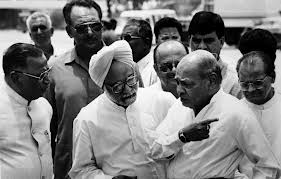
👉Urbanization created a strong demand for services like banking, healthcare, and retail.
And most importantly due to a lack of continuity in policies.
Since manufacturing ecosystem can’t be built without strong political support and long-term policies,
And most importantly due to a lack of continuity in policies.
Since manufacturing ecosystem can’t be built without strong political support and long-term policies,
political instability in India has remained a major issue making it harder for policies to stay consistent.
To compare, China opened its economy in 1978, and it succeeded because of its more centralized and a stable govt.
To compare, China opened its economy in 1978, and it succeeded because of its more centralized and a stable govt.
China’s manufacturing industry was the 1st to welcome foreign investors, offering competitive prices and a well-organized system.
The Result?
China is the world's largest manufacturing hub— ‘‘the world's factory’’ with 31.6% of the total global manufacturing output.
The Result?
China is the world's largest manufacturing hub— ‘‘the world's factory’’ with 31.6% of the total global manufacturing output.
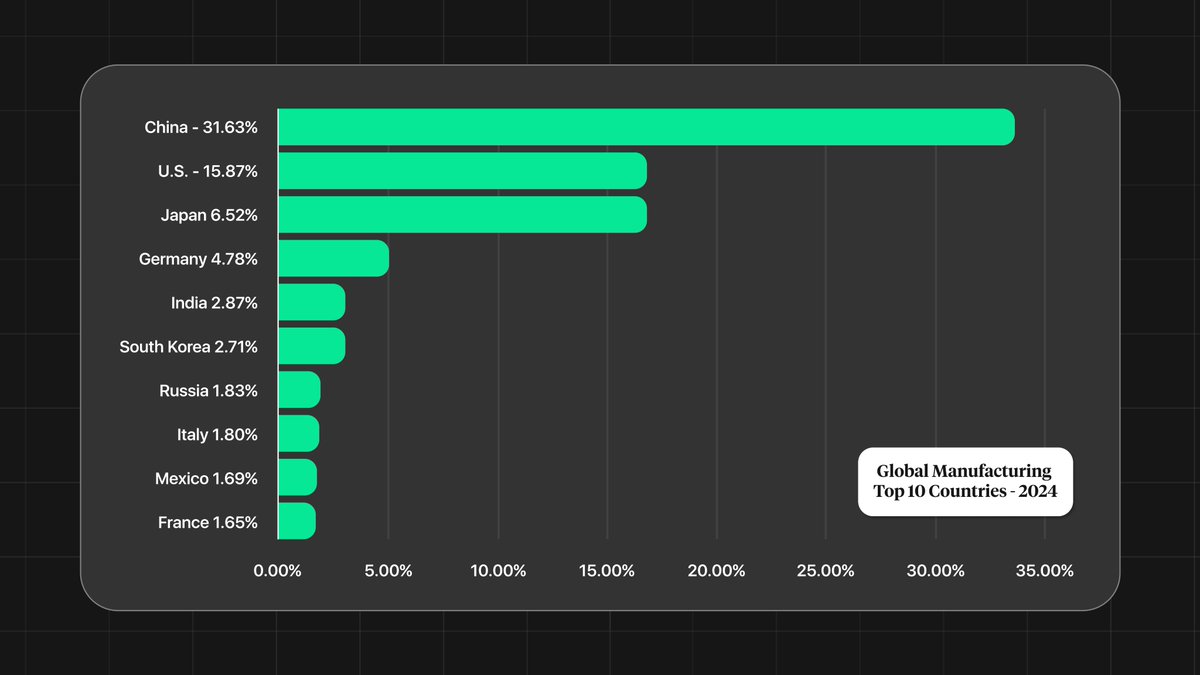
Not only this, manufacturing in China contributes 27% of its GDP, while in India, it's just 17%.
Also, most of us think that the potential of manufacturing sector is limited to job creation especially in a country like India which has a large labor force with varying skills.
Also, most of us think that the potential of manufacturing sector is limited to job creation especially in a country like India which has a large labor force with varying skills.
But boosting manufacturing goes beyond job creation and brings numerous benefits that shape a country’s economic trajectory.
1️⃣Manufacturing diversifies the economy, making it more resilient during recessions.
Unlike the service sector, which is vulnerable to fluctuations,
1️⃣Manufacturing diversifies the economy, making it more resilient during recessions.
Unlike the service sector, which is vulnerable to fluctuations,
manufacturing remains stable, as essential goods are always in demand, while services like hospitality suffer more.
2️⃣Investing in manufacturing in non-metro areas can help bridge the income gap between urban & rural areas by creating jobs & improving local infrastructure.
2️⃣Investing in manufacturing in non-metro areas can help bridge the income gap between urban & rural areas by creating jobs & improving local infrastructure.
If more number of small & medium-sized manufacturing units are established in rural or semi-urban areas,
where IT or finance services are scarce, fewer people will move to metropolitan cities. x.com
where IT or finance services are scarce, fewer people will move to metropolitan cities. x.com

When opportunities are spread evenly across different areas & not just concentrated in big cities, wealth distribution also becomes balanced.
Migration for work should be a choice, not something people are forced to do.
Migration for work should be a choice, not something people are forced to do.
3️⃣Reduced import dependence is another advantage of boosting manufacturing.
By producing locally, India can achieve self-sufficiency in critical sectors like defense, & electronics, minimizing vulnerabilities to global supply chain disruptions & strengthening national security.
By producing locally, India can achieve self-sufficiency in critical sectors like defense, & electronics, minimizing vulnerabilities to global supply chain disruptions & strengthening national security.
4️⃣Manufacturing isn’t just about making products—it drives innovation and boosts R&D, which spills over into other sectors.
5️⃣Generation of indirect jobs by manufacturing in supply chains, logistics, & services is another benefit of manufacturing.
5️⃣Generation of indirect jobs by manufacturing in supply chains, logistics, & services is another benefit of manufacturing.
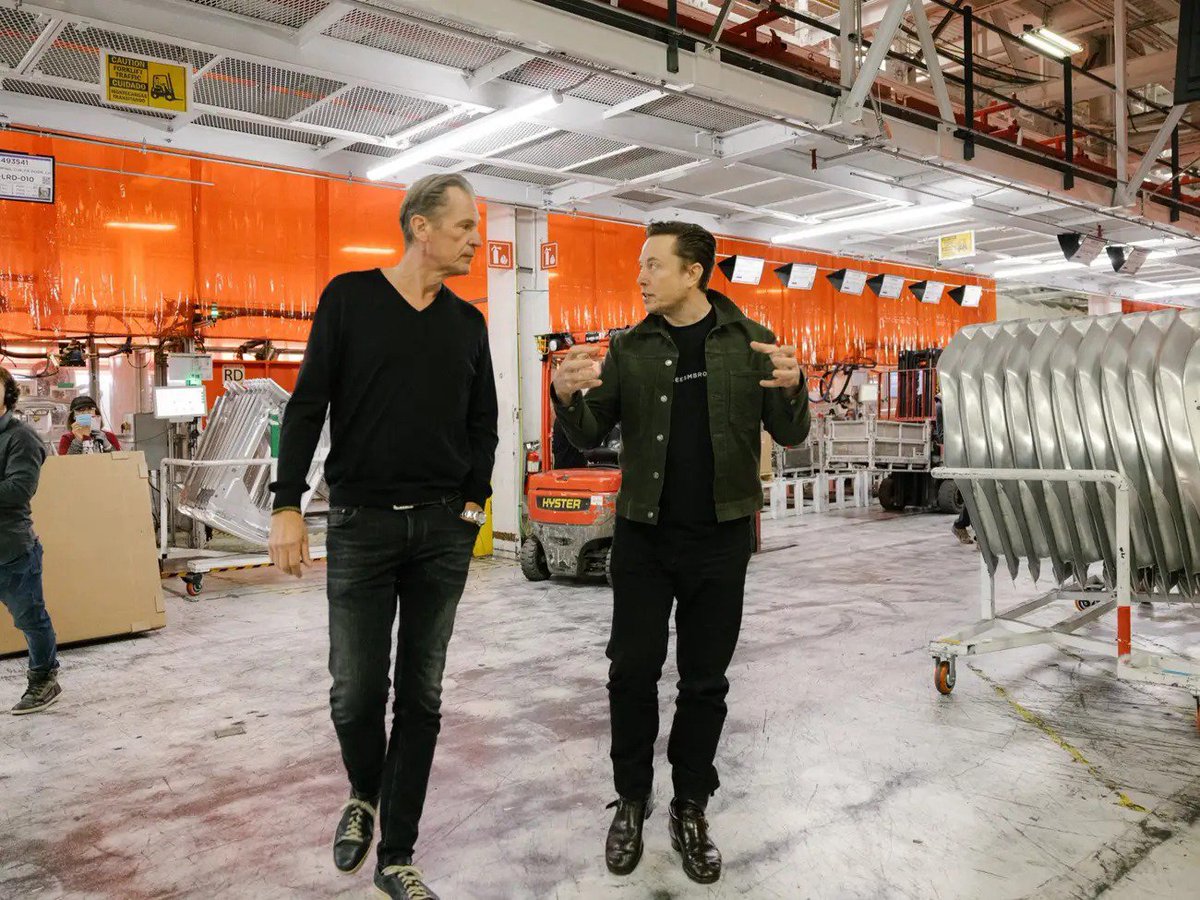
Elon Musk advocates "ground-up" manufacturing.
In Tesla’s Gigafactories, multiple stages of production, like battery manufacturing and car assembly is all done within the company leading to rapid innovation & reduces dependency on external suppliers. x.com
In Tesla’s Gigafactories, multiple stages of production, like battery manufacturing and car assembly is all done within the company leading to rapid innovation & reduces dependency on external suppliers. x.com
Even Donald Trump’s "Make in America" initiative boosts domestic production by implementing policies like higher tariffs to reduce dependence on imports, especially from China.
With initiatives like Make in India, Atmanirbhar Bharat, and the PLI schemes, the focus was clear:
With initiatives like Make in India, Atmanirbhar Bharat, and the PLI schemes, the focus was clear:
to boost domestic manufacturing,
attract global investments and create job opportunities for millions.
Over time, these efforts have already begun to show tangible results, helping India move closer to becoming a manufacturing powerhouse in a competitive global market.
attract global investments and create job opportunities for millions.
Over time, these efforts have already begun to show tangible results, helping India move closer to becoming a manufacturing powerhouse in a competitive global market.
But here is the twist….
This growth came with a heavy price.
Heavy subsidies for manufacturing have often sidelined critical areas like education and R&D,
that could be used to boost the service sector—India’s strength. x.com
This growth came with a heavy price.
Heavy subsidies for manufacturing have often sidelined critical areas like education and R&D,
that could be used to boost the service sector—India’s strength. x.com
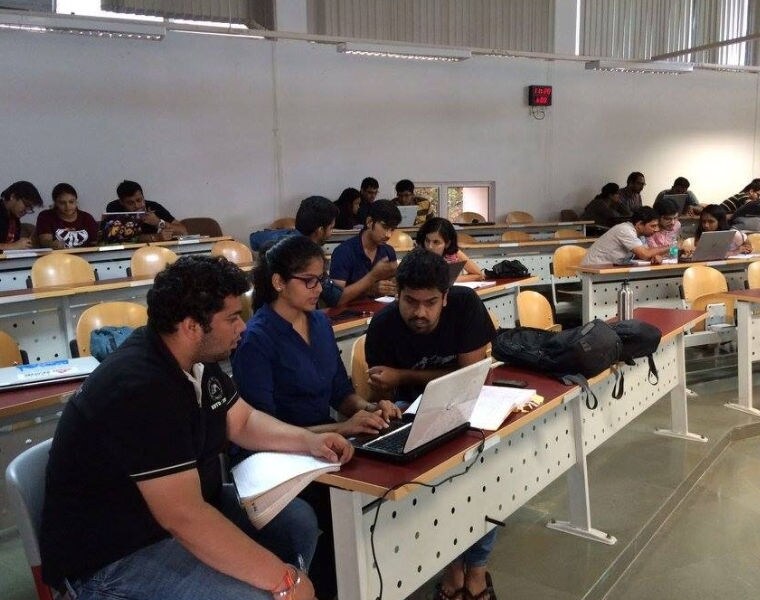
In the words of Dr. Rajan, ‘focusing heavily on manufacturing could be India's Achilles heel.’
On the other hand service sector, which accounts for 55% of the GDP, have driven much of India’s growth.
Contribution to GDP by sector in India.
On the other hand service sector, which accounts for 55% of the GDP, have driven much of India’s growth.
Contribution to GDP by sector in India.
From thriving startups to outsourcing giants, services have become the backbone of the India.
But despite being India’s strength, we lack on many fronts that stops us from full potential like:
👉 low investment on R&D
👉 lack of innovation & originality
👉 unemployability x.com
But despite being India’s strength, we lack on many fronts that stops us from full potential like:
👉 low investment on R&D
👉 lack of innovation & originality
👉 unemployability x.com
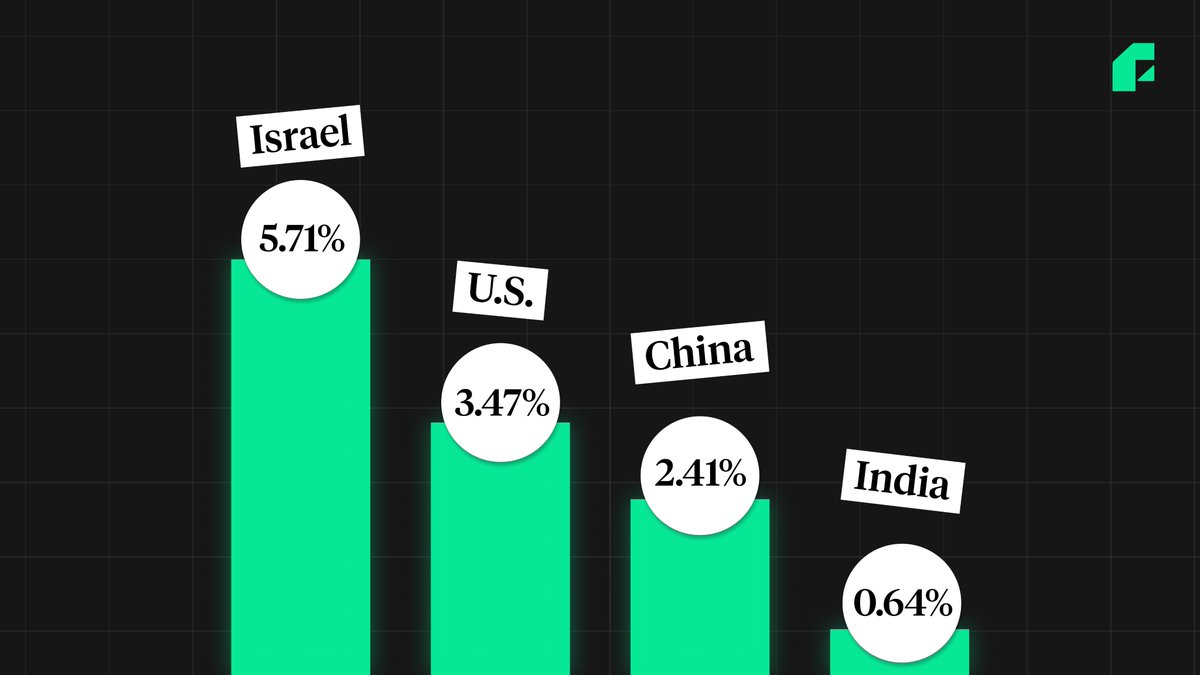
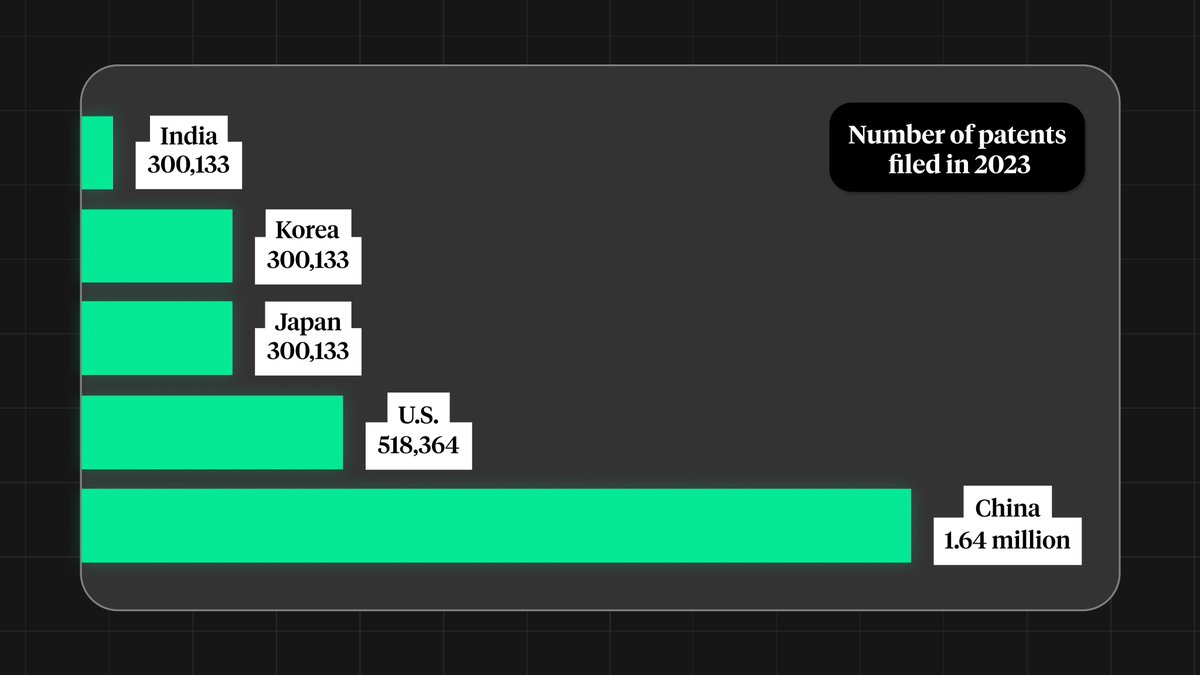
India needs to build intellectual property, much like the major economies such as the U.S. do.
Instead of just being a ‘labour supplier’ country.
What we need right now is to build India’s 'Apples' and ‘Microsoft’—companies that can create products for the world. x.com
Instead of just being a ‘labour supplier’ country.
What we need right now is to build India’s 'Apples' and ‘Microsoft’—companies that can create products for the world. x.com
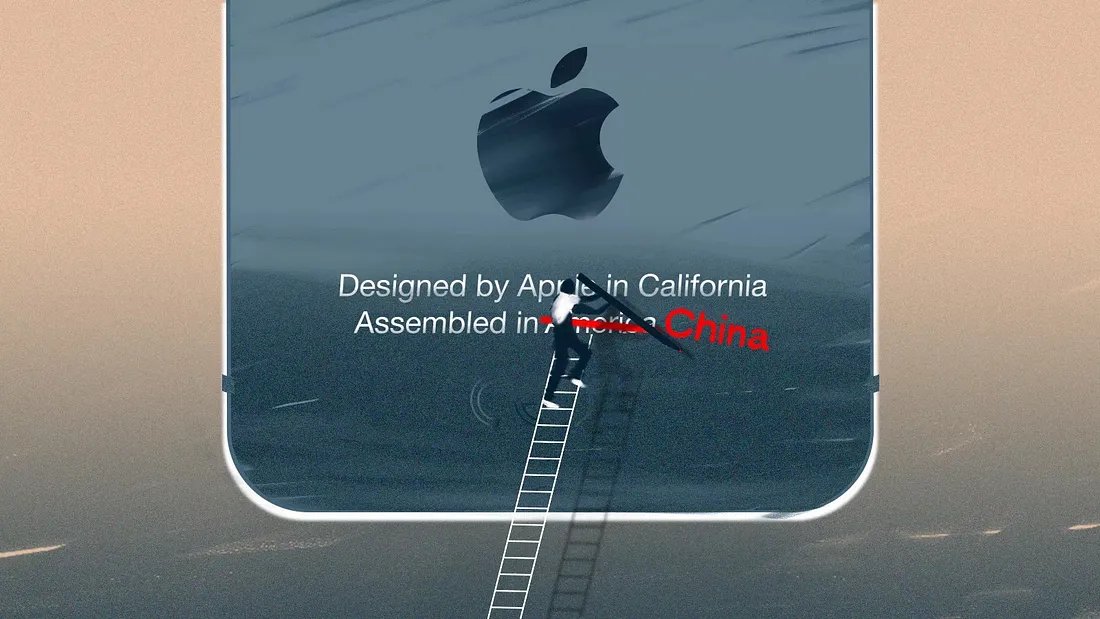
Just like Apple, which proudly states 'Designed in California,' instead of ‘Made in California’ but outsources its manufacturing,
India should focus on designing and creating globally recognized products. x.com
India should focus on designing and creating globally recognized products. x.com
So, is India making a mistake by focusing too much on manufacturing?
The answer is ‘No.’
Just like we need to diversify our investment portfolio to protect our money from market volatility, an economy can’t afford to rely too heavily on one sector.
The answer is ‘No.’
Just like we need to diversify our investment portfolio to protect our money from market volatility, an economy can’t afford to rely too heavily on one sector.
Imagine if countries we currently rely on for imports stop trading with us.
Like what happened during the Indo-Pak War of 1965-when India was dependent on food grains from U.S.,
but U.S. sided with Pak, leading to Green Revolution, making us self-sufficient in food production.
Like what happened during the Indo-Pak War of 1965-when India was dependent on food grains from U.S.,
but U.S. sided with Pak, leading to Green Revolution, making us self-sufficient in food production.
Similarly, manufacturing is key to self-reliance.
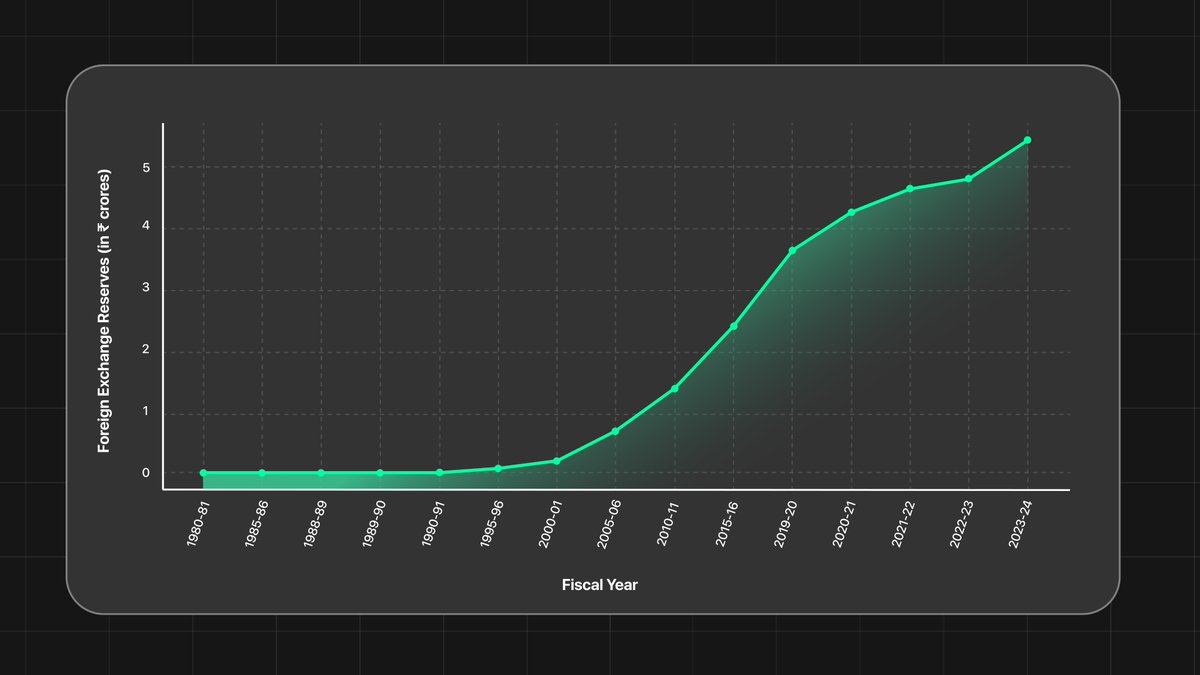
Also, the manufacturing base strengthens the trade balance and contributes to foreign exchange reserves. x.com
Also, the manufacturing base strengthens the trade balance and contributes to foreign exchange reserves. x.com
So, Who is right? Our PM or Former RBI Governor
Honestly, both have a point.
If services help climb the ladder, manufacturing forms a solid foundation.
So, the manufacturing sector aims to create advanced, high-quality products rather than just assembling.
Honestly, both have a point.
If services help climb the ladder, manufacturing forms a solid foundation.
So, the manufacturing sector aims to create advanced, high-quality products rather than just assembling.
While there is also an urgent need to invest in human capital to equip people with the skills that
match the demands of modern industries
as well as to create the next Indian Apple and Microsoft!
match the demands of modern industries
as well as to create the next Indian Apple and Microsoft!
If you liked this read, do RePost🔄the 1st post and follow us @FinFloww for such reads every Monday, Wednesday and Friday!
Join the 35891 people who read our WhatsApp newsletter daily: whatsapp.com
Subscribe to WHAT THE FLOWW?, our weekly email newsletter where we dive deeper into such concepts: FinFloww.bio.link

Loading suggestions...