

Test cricket is doing better than T20s!
But when T20 is so short & thrilling and Test is long & boring, then how is it still thriving?
The Crazy Part? 2023’s India-Australia BGT Tests had 5M avg. minute viewers, while T20s had only 1-2M!
THREAD: here’s why this is happening 🧵 x.com
But when T20 is so short & thrilling and Test is long & boring, then how is it still thriving?
The Crazy Part? 2023’s India-Australia BGT Tests had 5M avg. minute viewers, while T20s had only 1-2M!
THREAD: here’s why this is happening 🧵 x.com
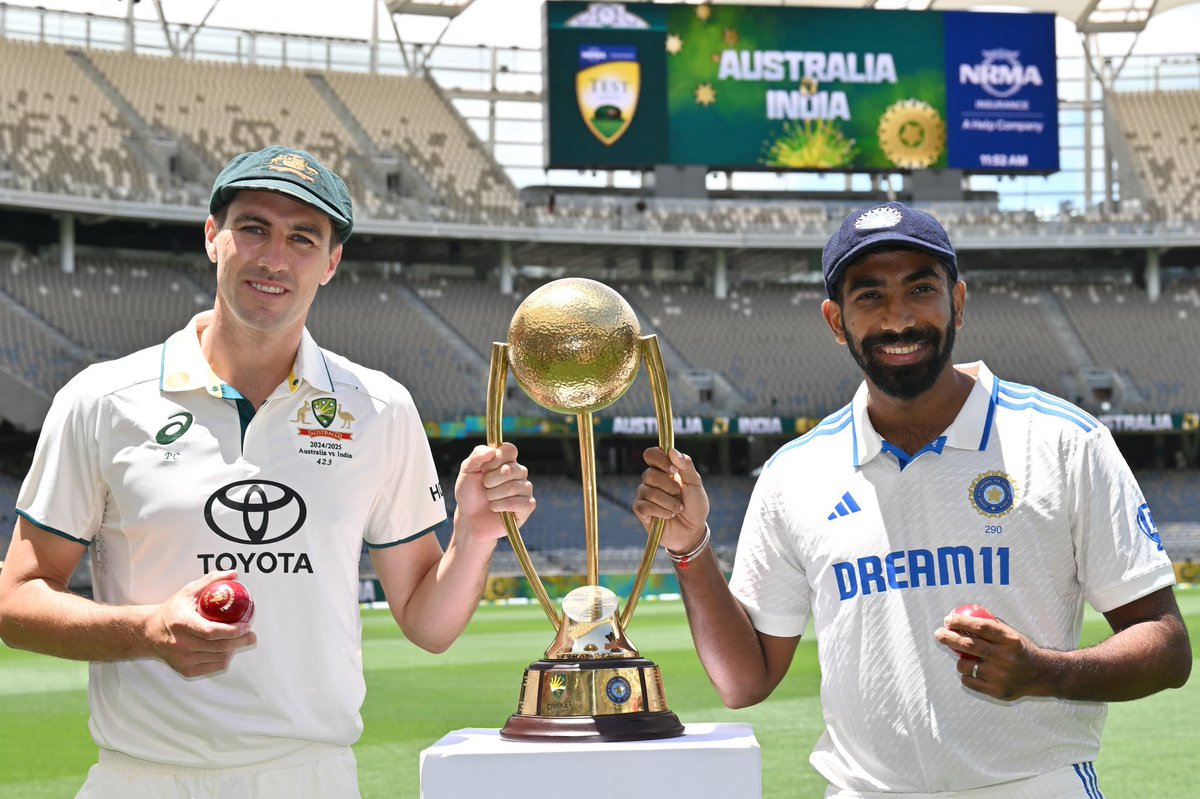
A lot of people around us talk about how “Test Cricket is dying.”
And yet, all we see around is the hype around a 5-match series with 5 days each against Australia in Australia. x.com
And yet, all we see around is the hype around a 5-match series with 5 days each against Australia in Australia. x.com
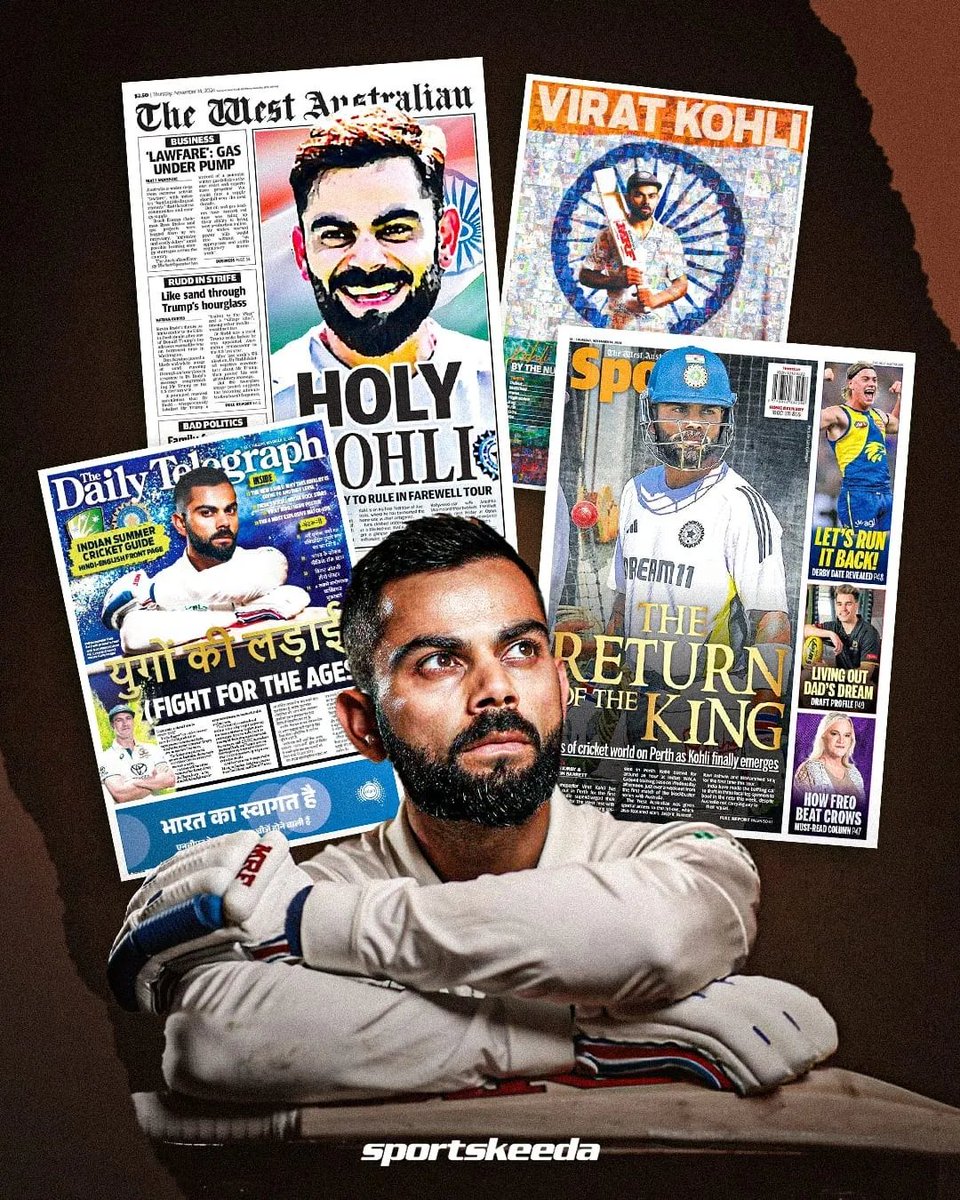
In fact, the last BGT played in Australia, was reported as the most-watched Test series ever in Australia, with a 54% increase in viewership compared to the 2018-19 BGT.
All that with Indian Team missing key players like Virat and Rohit in most matches. x.com
All that with Indian Team missing key players like Virat and Rohit in most matches. x.com
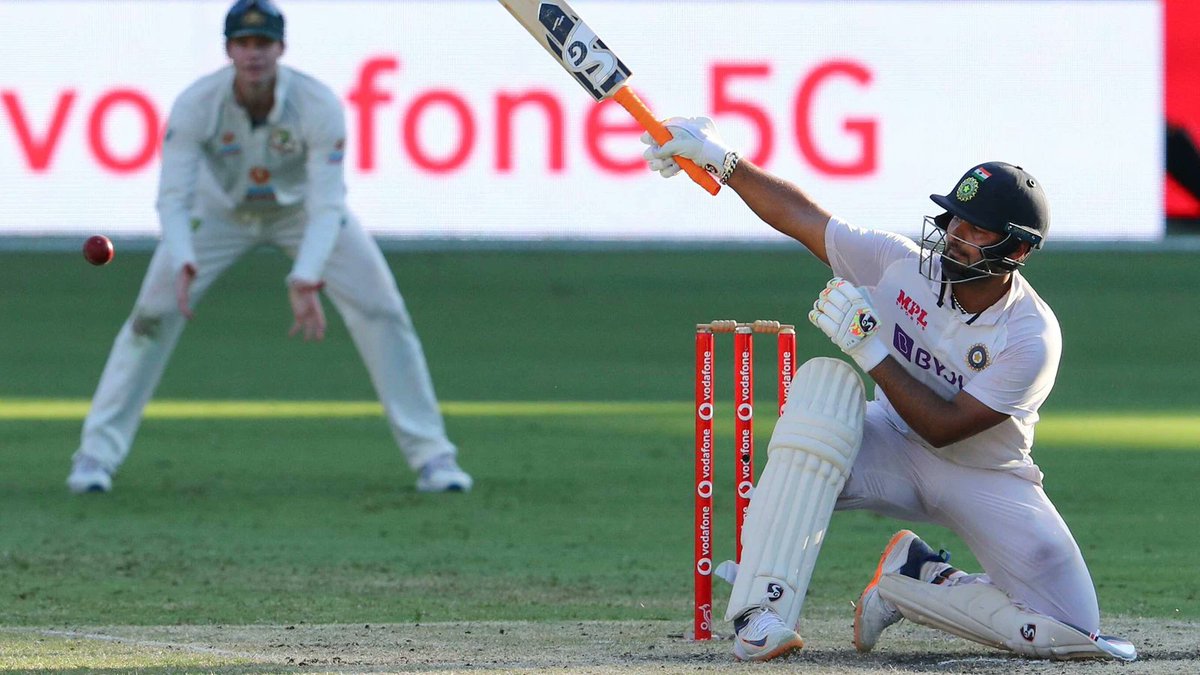
We need to understand that Test Cricket is treated like fine wine by those who have a taste for it.
Patience isn’t expected from today’s audience, but surprisingly, there are still many who are not drawn to fast-paced entertainment. x.com
Patience isn’t expected from today’s audience, but surprisingly, there are still many who are not drawn to fast-paced entertainment. x.com

Yeah, the bish-bash-boosh cricket is great in T20s, but there’s another audience that craves the nuances of the game—the technicalities, the strategies, the patience— which are brushed-off in the fastest format.
Not everyone’s into it, but those who are, are deeply committed. x.com
Not everyone’s into it, but those who are, are deeply committed. x.com

Most people don’t realize how long-form content still remains relevant and how it’s deeply tied to human behavior.
This misunderstanding often stems from linear thinking.
If you look closely, you’ll notice that there are mainly two ways people consume anything right now:
This misunderstanding often stems from linear thinking.
If you look closely, you’ll notice that there are mainly two ways people consume anything right now:
Either it’s intent-based — with total concentration.
This could be something like your special Friday movie night or a T20 match you know will wrap up in 3 hours.
Then there’s passive watching, where you’re might be scrolling on X, while the content plays in the background.
This could be something like your special Friday movie night or a T20 match you know will wrap up in 3 hours.
Then there’s passive watching, where you’re might be scrolling on X, while the content plays in the background.
That’s exactly what a long-form, slow-paced Netflix series or a Test match typically caters to.
The majority of the younger generation might not be as attached to Test cricket as they are to T20s, but that’s a matter of taste.
And tastes change.
The majority of the younger generation might not be as attached to Test cricket as they are to T20s, but that’s a matter of taste.
And tastes change.
As you grow in maturity, you start appreciating subtleties.
In your teenage years & 20s, McDonald’s is something you love, but as you grow in life, you like fine dine more.
When you were younger, you might have preferred a light-hearted comedy like Hera Pheri.
In your teenage years & 20s, McDonald’s is something you love, but as you grow in life, you like fine dine more.
When you were younger, you might have preferred a light-hearted comedy like Hera Pheri.
But as your interests grew and tastes evolved, you might still enjoy a light-hearted cracker, but you’d appreciate an Imtiaz Ali film even more. x.com

Test cricket is something passed down from fathers to their sons and daughters.
It is a legacy.
From the outside, a 5-day match might seem boring.
But once you start watching, you understand how basic limited-format cricket can be.
The thrill here isn’t just in the chase.
It is a legacy.
From the outside, a 5-day match might seem boring.
But once you start watching, you understand how basic limited-format cricket can be.
The thrill here isn’t just in the chase.
There’s a lot of sophistication associated with Test cricket, & that’s what makes it so exquisite.
It’s a status symbol to signal taste for the purest form of the game.
So, what’s happening is — the fact that it’s not a massy thing is also what brings it quality attention.
It’s a status symbol to signal taste for the purest form of the game.
So, what’s happening is — the fact that it’s not a massy thing is also what brings it quality attention.
That’s what the Australian & English cricket boards have done well.
They’ve made Test cricket, especially for major series like the Border-Gavaskar Trophy, a very well-curated and anticipated product.
The problem with Indian cricket is—they are selling everything to everyone.
They’ve made Test cricket, especially for major series like the Border-Gavaskar Trophy, a very well-curated and anticipated product.
The problem with Indian cricket is—they are selling everything to everyone.
For a long time, Virat Kohli has been shouting his lungs out, urging the BCCI to have just 4-5 Test centres in major cities, so that cricket can be played in a consistent manner there.
Just like it is in Australia and England. x.com
Just like it is in Australia and England. x.com

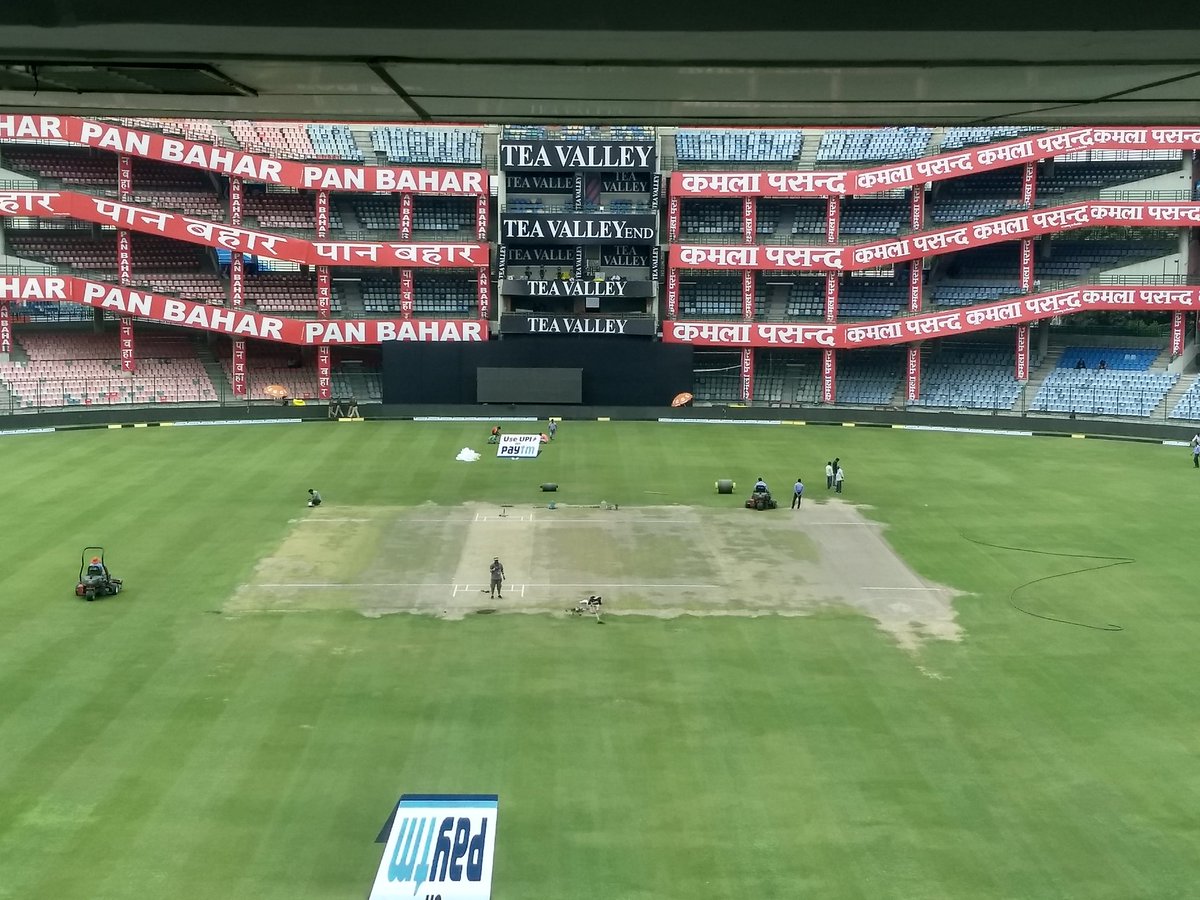
In India, Test cricket is being marketed to B-cities, where the audience typically has more time than people in major cities.
That’s why you’ll see a lot of FMCG brands & Pan Masala brands advertising during Test matches. x.com
That’s why you’ll see a lot of FMCG brands & Pan Masala brands advertising during Test matches. x.com
Australia & England, on the other hand, have successfully built that "fine wine" aura around Test cricket.
They’ve been able to position the product as a limited event where only the best of the best cricket is played.
Cricket that is not commercialized.
Cricket that is pure. x.com
They’ve been able to position the product as a limited event where only the best of the best cricket is played.
Cricket that is not commercialized.
Cricket that is pure. x.com
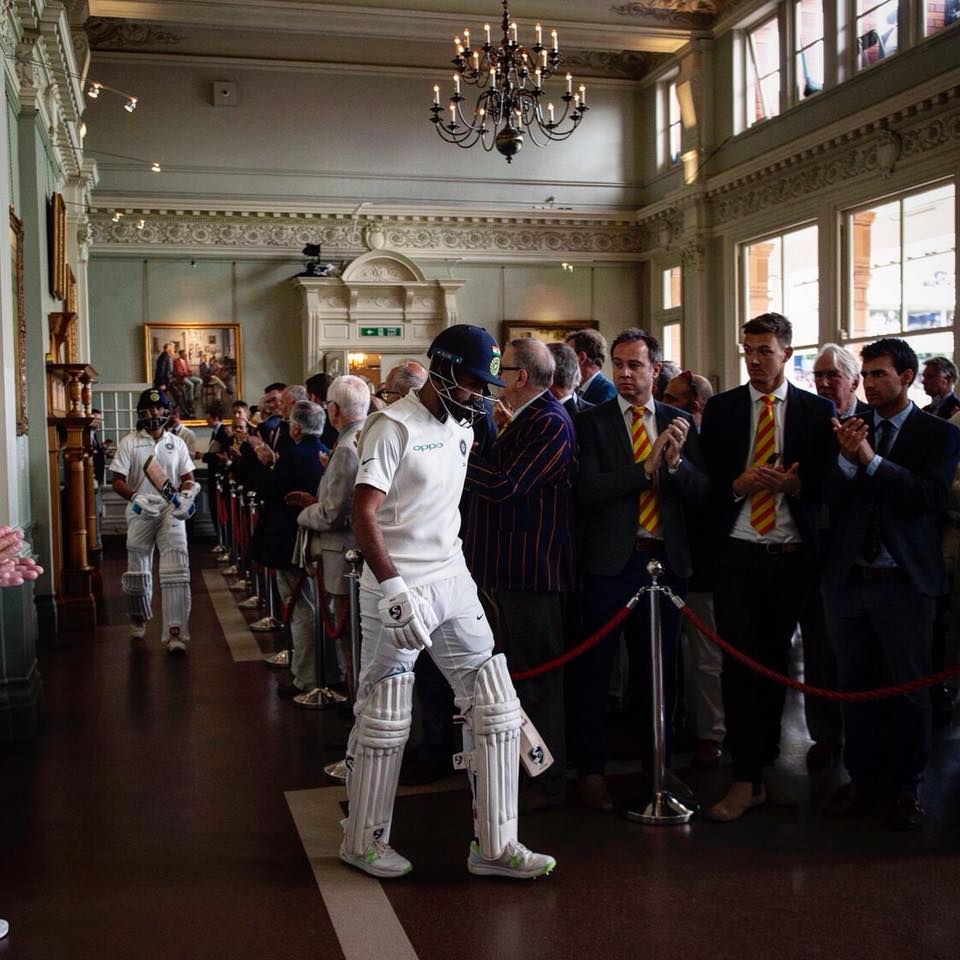

And they’ve leveraged the fact that "not everyone likes it" to create a sense of exclusivity around it.
Especially when the big 3 nations compete with each other.
And that’s why we believe Test cricket can even be more profitable than its counterparts, especially in India.
Especially when the big 3 nations compete with each other.
And that’s why we believe Test cricket can even be more profitable than its counterparts, especially in India.
You see, even though cricket is loved passionately in India, Indians don’t allocate as much money towards it.
You’ll hardly find normal families buying a lot of bats, balls, boots, or merchandise.
Even when they do buy merchandise, a large part of it is fake.
You’ll hardly find normal families buying a lot of bats, balls, boots, or merchandise.
Even when they do buy merchandise, a large part of it is fake.
So, the only major way to actually monetize the sport is by selling attention.
If we can position Test cricket as something for the purists, the elite, that’s when many more aspirants will want to get a piece of it.
If we can position Test cricket as something for the purists, the elite, that’s when many more aspirants will want to get a piece of it.
You’d also be able to create many more products and memorable, curated experiences around this subtle exclusivity, similar to Wimbledon, that can be purchased by these people.
And that’s what brings in more revenue. x.com
And that’s what brings in more revenue. x.com

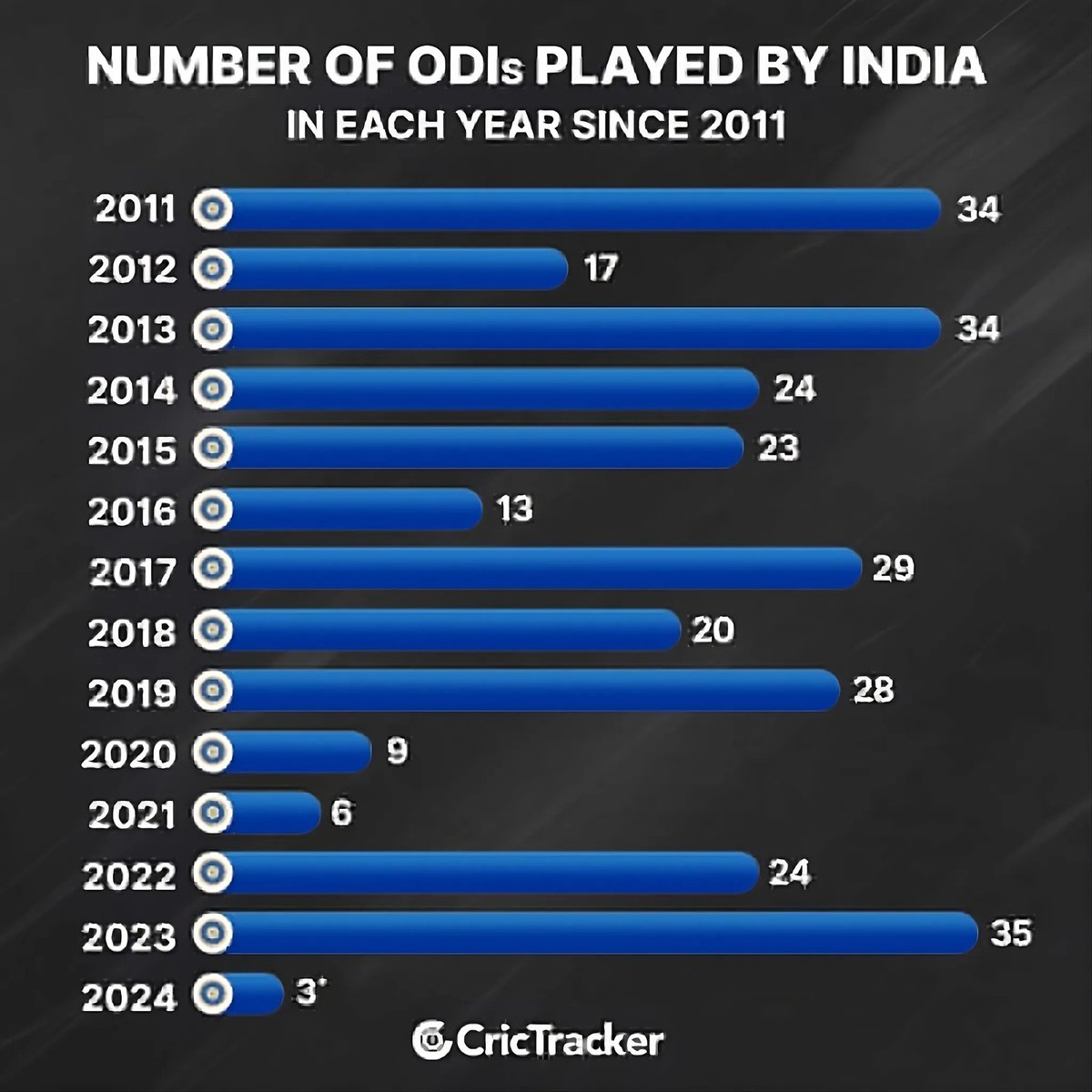
Can you see how, apart from World Cup years, there are barely any ODIs being played now?
With the rise of franchise cricket throughout the year, players have become busier.
Most of them love playing Tests, while T20Is are less demanding, x.com
With the rise of franchise cricket throughout the year, players have become busier.
Most of them love playing Tests, while T20Is are less demanding, x.com
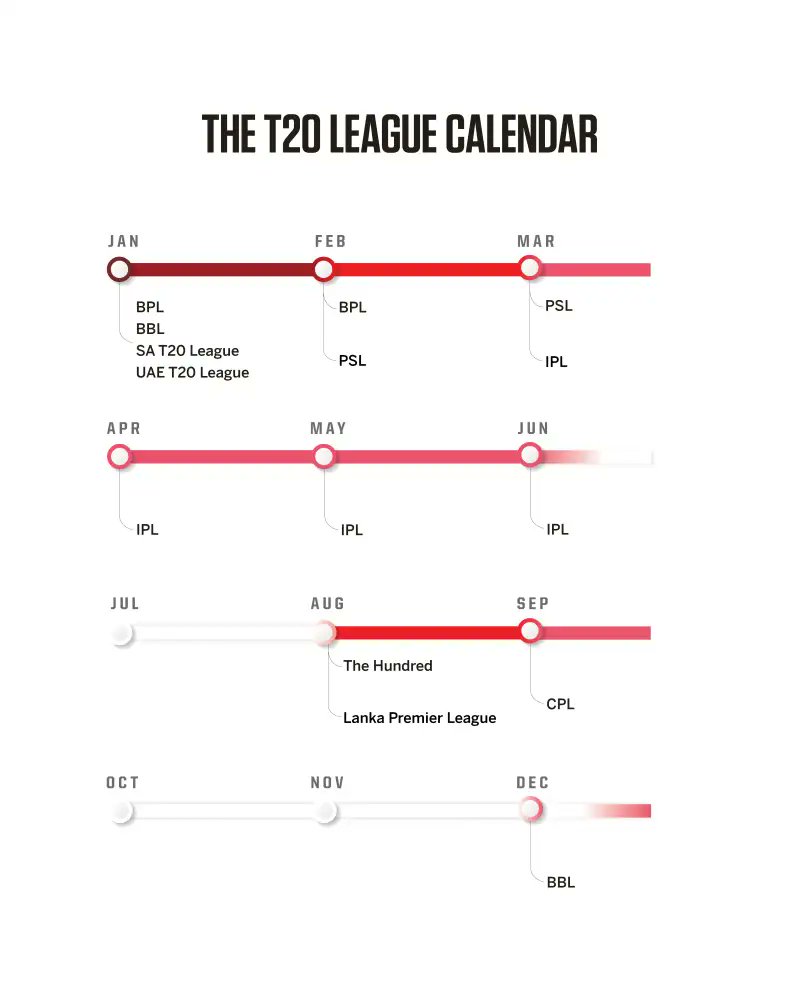
so there has to be a middle ground where one format takes the hit.
And since ODIs don’t evoke the same passion as Test cricket, you’ll likely see ODI cricket becoming a World Cup-to-World Cup event only.
And since ODIs don’t evoke the same passion as Test cricket, you’ll likely see ODI cricket becoming a World Cup-to-World Cup event only.
If you liked this read, do RePost🔄 the 1st post
and follow us @FinFloww for such reads every Monday, Wednesday and Friday!
and follow us @FinFloww for such reads every Monday, Wednesday and Friday!
Join the 35445 people who read our WhatsApp Newsletter daily: whatsapp.com

Subscribe to WHAT THE FLOWW?, our weekly email newsletter where we dive deeper into such concepts: FinFloww.bio.link

Loading suggestions...