
In 2022, Namma Yatri was launched to save Bengalureans from Ola & Uber
Everyone thought it’d fail with its 0% commission for drivers, unlike Ola & Uber’s 40%
But to everyone’s SHOCK, Namma Yatri grabbed 25% of their market share in just 2 yrs!
THREAD: The rise of Namma Yatri🧵
Everyone thought it’d fail with its 0% commission for drivers, unlike Ola & Uber’s 40%
But to everyone’s SHOCK, Namma Yatri grabbed 25% of their market share in just 2 yrs!
THREAD: The rise of Namma Yatri🧵

Auto rickshaws, a critical source of livelihood for over 3M drivers & an affordable mode of transportation for the masses, serve as a lifeline for urban communities.
However, operating in a highly fragmented & poorly regulated industry, drivers’ earnings are often inconsistent,
However, operating in a highly fragmented & poorly regulated industry, drivers’ earnings are often inconsistent,
— largely dependent on demand, fuel costs and growing competition from app-based services.
Being signed up with platforms like Ola & Uber, drivers don’t get to take home the full fare earned from each ride as these platforms charge a commission of 20-30% on their earnings.
Being signed up with platforms like Ola & Uber, drivers don’t get to take home the full fare earned from each ride as these platforms charge a commission of 20-30% on their earnings.
Moreover, traditional passenger-centric models impose several restrictions on drivers, including penalties for rejecting rides or rigid fare structures.
Drivers often face pressure to accept rides under unfavorable conditions, such as low fares during non-peak hours
Drivers often face pressure to accept rides under unfavorable conditions, such as low fares during non-peak hours
or distant rides that result in minimal earnings.
Now to address these issues, Namma Yatri was built with driver-centric approach.
Launched in 2022, it now operates in Bengaluru, Mysuru, Kochi, Kolkata, Asansol-Durgapur, Siliguri, Hyderabad, Chennai and Delhi.
Now to address these issues, Namma Yatri was built with driver-centric approach.
Launched in 2022, it now operates in Bengaluru, Mysuru, Kochi, Kolkata, Asansol-Durgapur, Siliguri, Hyderabad, Chennai and Delhi.
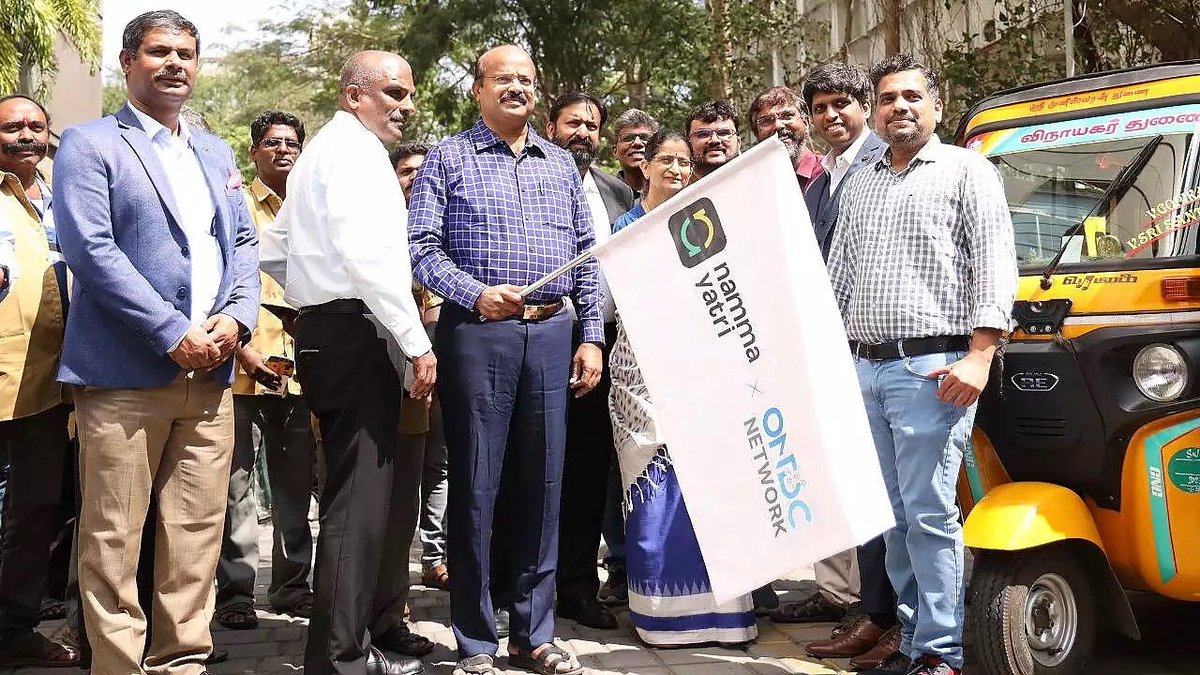
The app was developed based on direct input from the auto drivers, who are regularly invited for in-depth discussions about the app’s utility & features.
The product was built with the first principle of product “Build for Yourself”.
The product was built with the first principle of product “Build for Yourself”.
To fundamentally understand the drivers’ needs & pain points, they bought a few auto-rickshaws and started ferrying customers themselves.
By driving autos & interacting with customers, they became the part of experience and faced daily realities of both — drivers & passengers.
By driving autos & interacting with customers, they became the part of experience and faced daily realities of both — drivers & passengers.
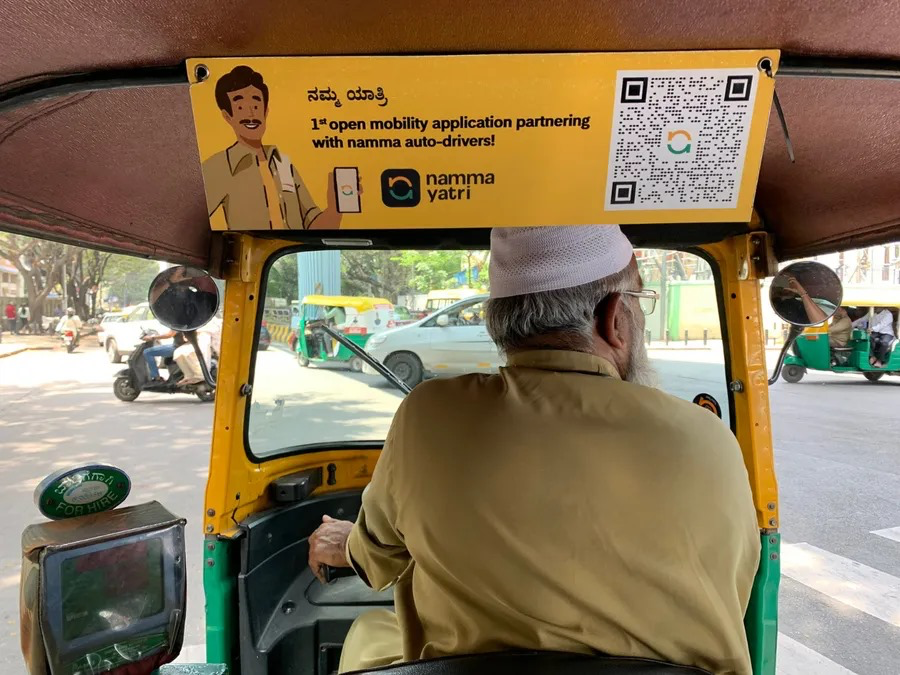
They gathered first-hand feedback on issues like navigation, payment processes & fare calculations and finally came up with the model of zero-commission.
They introduced a flexible pricing model addressing concerns raised by the drivers’ union, offering drivers two options:
They introduced a flexible pricing model addressing concerns raised by the drivers’ union, offering drivers two options:
» a Rs.25 daily subscription for unlimited trips or
» Rs.3.5 per ride, with no charges after 10 trips.
These cost structures are allowing drivers to have predictable daily expenses, making it easier to budget and manage their earnings.
» Rs.3.5 per ride, with no charges after 10 trips.
These cost structures are allowing drivers to have predictable daily expenses, making it easier to budget and manage their earnings.
But by charging a daily subscription fee of Rs.25-35, Namma Yatri earns just 1.66%-2.33% of a drivers daily income (assuming a driver earns Rs.1500/day),
— which is significantly lower than the 20% commission charged by traditional ride-hailing platforms.
— which is significantly lower than the 20% commission charged by traditional ride-hailing platforms.
That’s why a question comes to mind — are these margins enough to cover the network’s cost?
Well, this technologically sustainable startup is operating with Cost Minimization as one of their primary objectives.
Well, this technologically sustainable startup is operating with Cost Minimization as one of their primary objectives.
There are 4 key costs: Team, Maps, Servers and Marketing.
So to keep the expenses low, they kept their tech team lean by borrowing engineers from their parent co., Juspay.
They also switched from Google Maps to Open Street Maps in order to reduce API costs.
So to keep the expenses low, they kept their tech team lean by borrowing engineers from their parent co., Juspay.
They also switched from Google Maps to Open Street Maps in order to reduce API costs.
They’re efficiently scaling their business and effectively utilizing Public Digital Infrastructure to reduce their Mapping costs to Rs.2/ride, compared to other ride-hailing co.s who are typically spending Rs.12-15/ride.
For marketing, they’re focusing on leveraging driver loyalty to spur network effects.
The co. believes that by developing a product correctly, ensuring drivers are satisfied and feel a sense of belonging within your community, they won’t see you just as a rent-seeking platform.
The co. believes that by developing a product correctly, ensuring drivers are satisfied and feel a sense of belonging within your community, they won’t see you just as a rent-seeking platform.
That’s where the network-effect begins. Positive word-of-mouth increases visibility & lead to more organic growth, reducing the need for extensive marketing efforts.
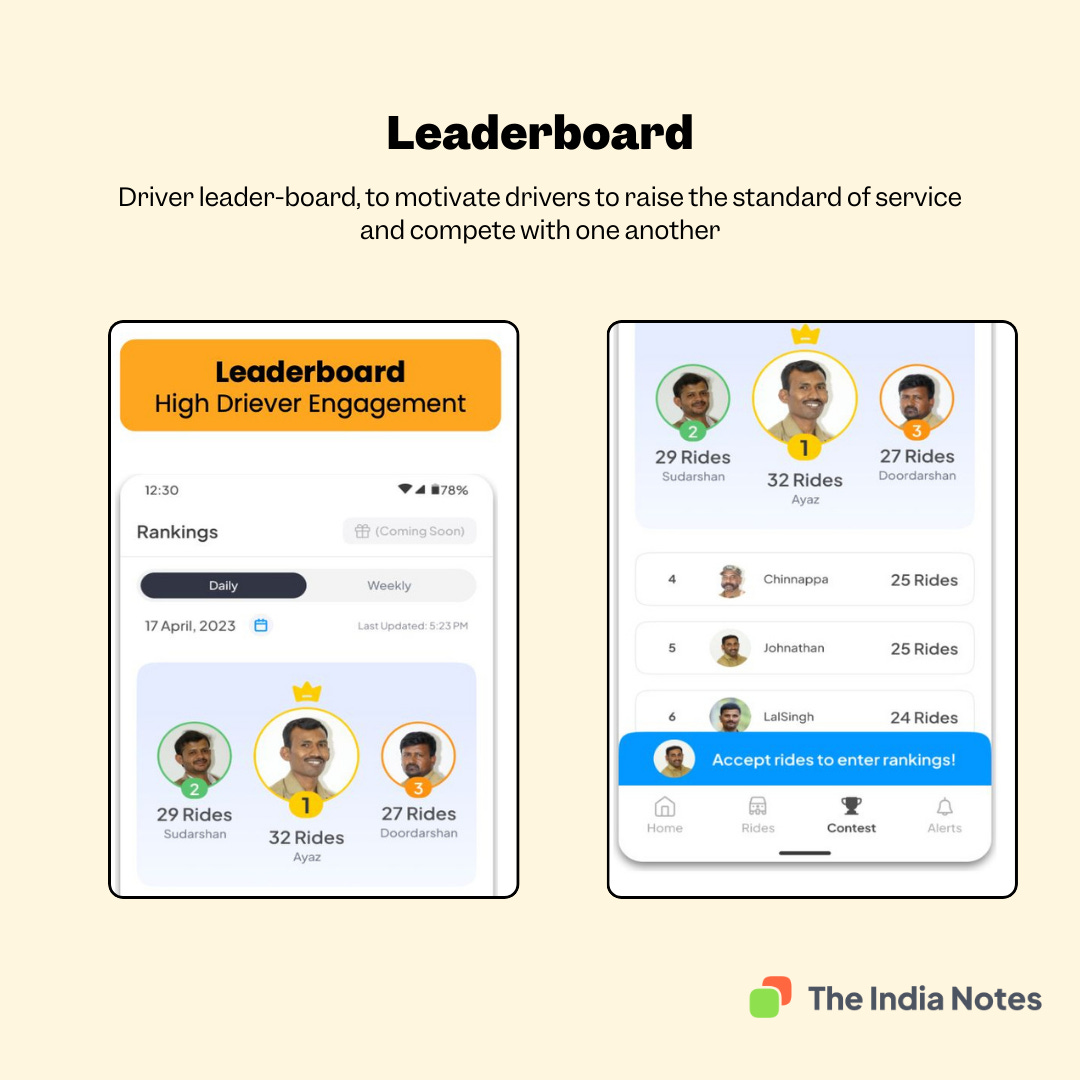
They also created leadership board based on the rides conducted per day, to encourage the drivers to drive more.
They also created leadership board based on the rides conducted per day, to encourage the drivers to drive more.
Now by going to the roots of the driver’s issue, they feel that the customer’s pain point of Lack of Transparency could be solved too.
They're doing it by developing the app on the Beckn Protocol, an open-source system designed to make it easier for apps & services to connect
They're doing it by developing the app on the Beckn Protocol, an open-source system designed to make it easier for apps & services to connect
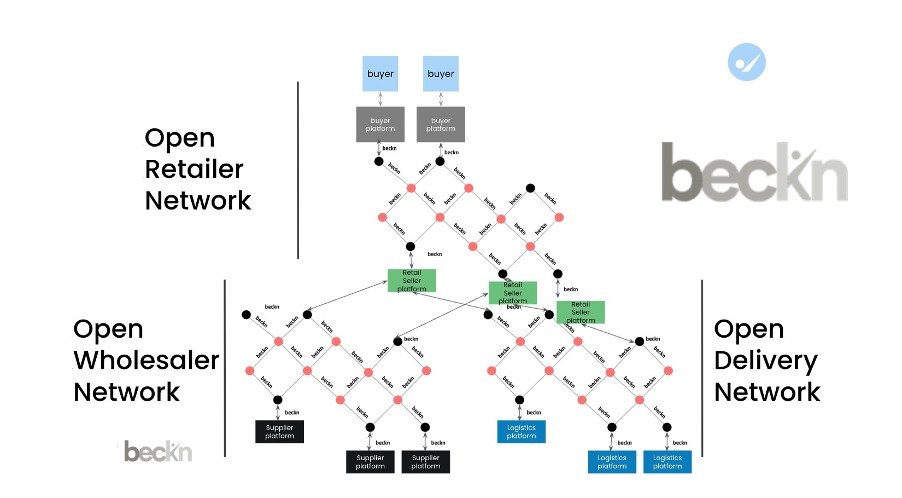
It works like a common language for apps, businesses & services, enabling them to share information without the need for a central controller.
By using this protocol, the app allows drivers & customers to connect directly, enhancing transparency
By using this protocol, the app allows drivers & customers to connect directly, enhancing transparency
— by providing full visibility into pricing, active rides, customer searches and drivers’ earnings.
This approach eliminates hidden fees or commissions, and foster trust.
This approach eliminates hidden fees or commissions, and foster trust.
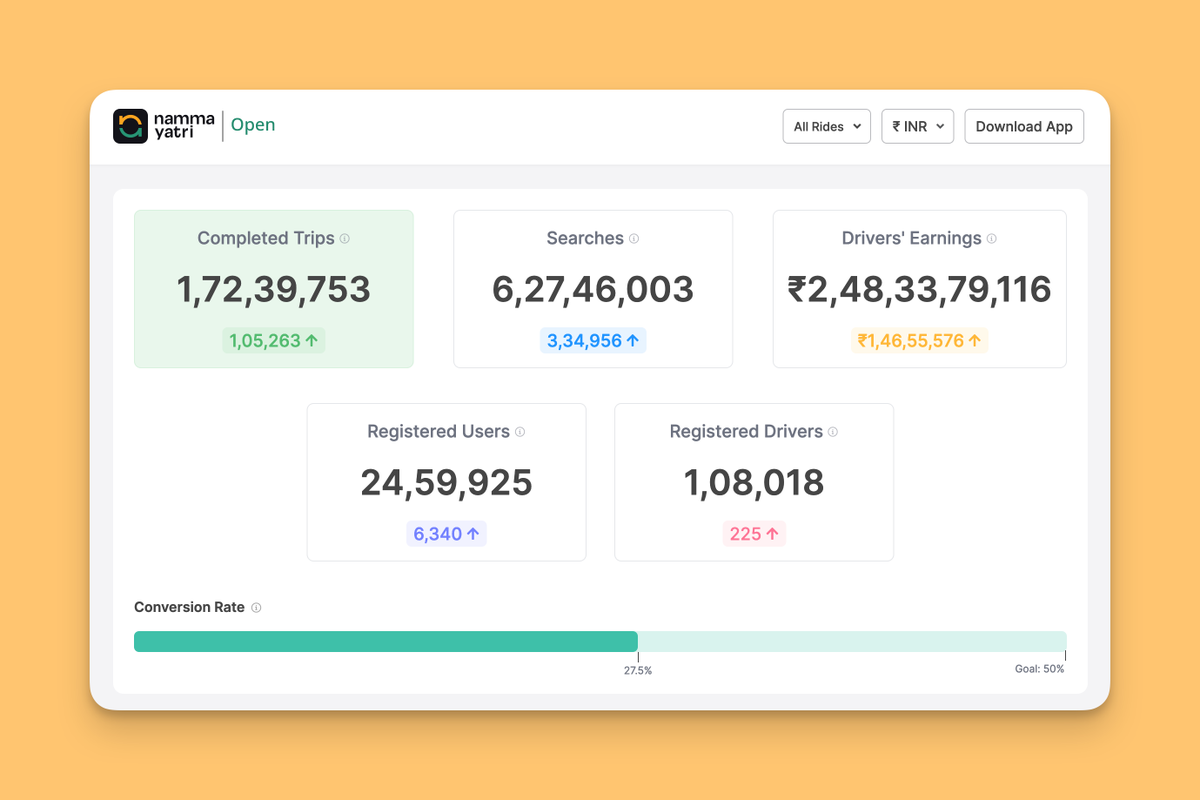
Additionally, by leveraging a standardized integration protocol instead of building an expensive proprietary systems, it significantly reduced its development & maintenance costs.
Their commitment doesn’t stop here.
Their commitment doesn’t stop here.
To make their services more inclusive, they partnered-up with EnAble NGO, launching the “Purple Rides” Program to support individuals with disabilities.
Through this initiative, around 1,500 drivers have been trained to provide assistance during thousands of rides.
Through this initiative, around 1,500 drivers have been trained to provide assistance during thousands of rides.

Users can disclose their disabilities on their app profiles, which then provides additional features such as “talkback” for the visually impaired and call disabling for those with hearing impairments.
They’re also exploring options like
» EV’s and
» Carbon Offset Programs
They’re also exploring options like
» EV’s and
» Carbon Offset Programs
to put emphasis on environmental sustainability.
Namma Yatri is defining the norms of urban commuting by engaging with the local drivers, building a strong local community, and tailoring services to meet the unique needs of each city.
Namma Yatri is defining the norms of urban commuting by engaging with the local drivers, building a strong local community, and tailoring services to meet the unique needs of each city.
They launched Yatri App in Kochi and Yatri Sathi App in Kolkata with Bengal Taxi Association for city’s cab drivers.
They have since transferred the management of these operations to the respective state govts.
They have since transferred the management of these operations to the respective state govts.
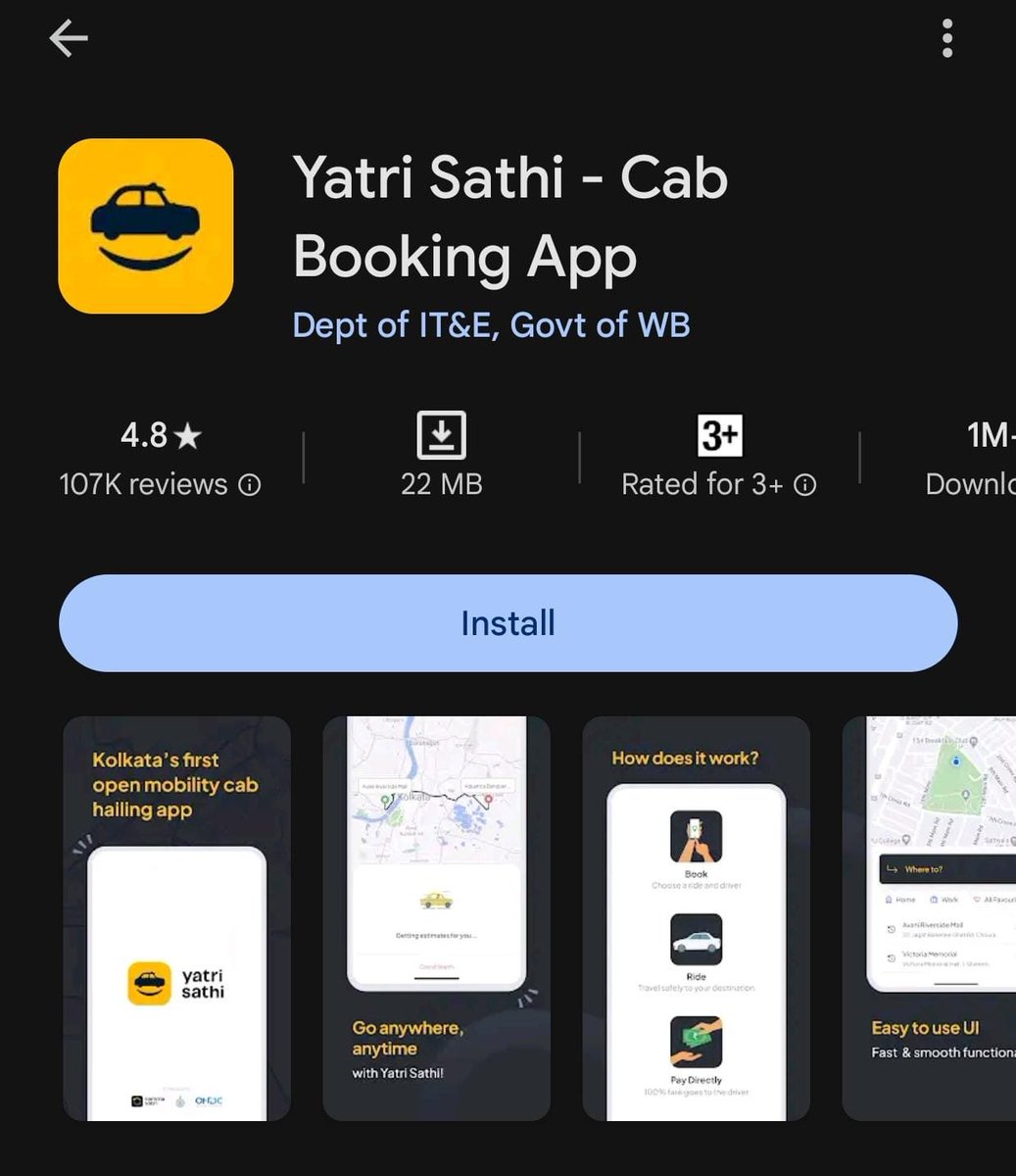
They have created goodwill among unions like Bengaluru’s Auto Rickshaw Drivers’ Union and regulators like Bengal Govt,
but they have to form partnerships with Transit Operators such as metro and buses for the last-mile connectivity.
but they have to form partnerships with Transit Operators such as metro and buses for the last-mile connectivity.
If you liked this read, do RePost🔄the 1st post and follow us @FinFloww for such reads every Monday, Wednesday and Friday!
Join the 30214 who read our WhatsApp Newsletter every other day: whatsapp.com

Subscribe to WHAT THE FLOWW?, our weekly email newsletter where we dive deeper into such concepts: soshals.app

Loading suggestions...