

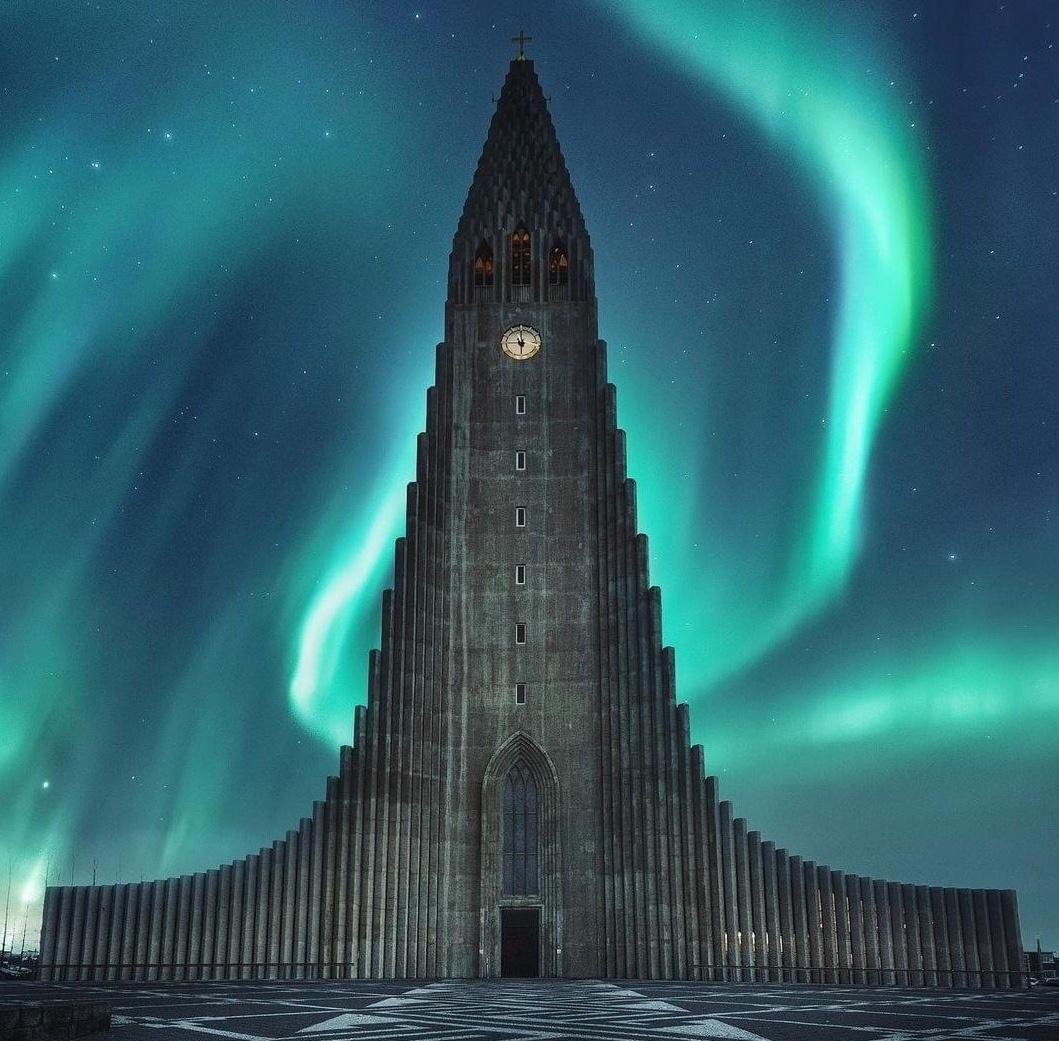
This is Hallgrímskirkja in Reykjavík, Iceland.
And it's the perfect example of an unusual architectural style called Expressionism...
And it's the perfect example of an unusual architectural style called Expressionism...
This is about architecture — but the story begins with art.
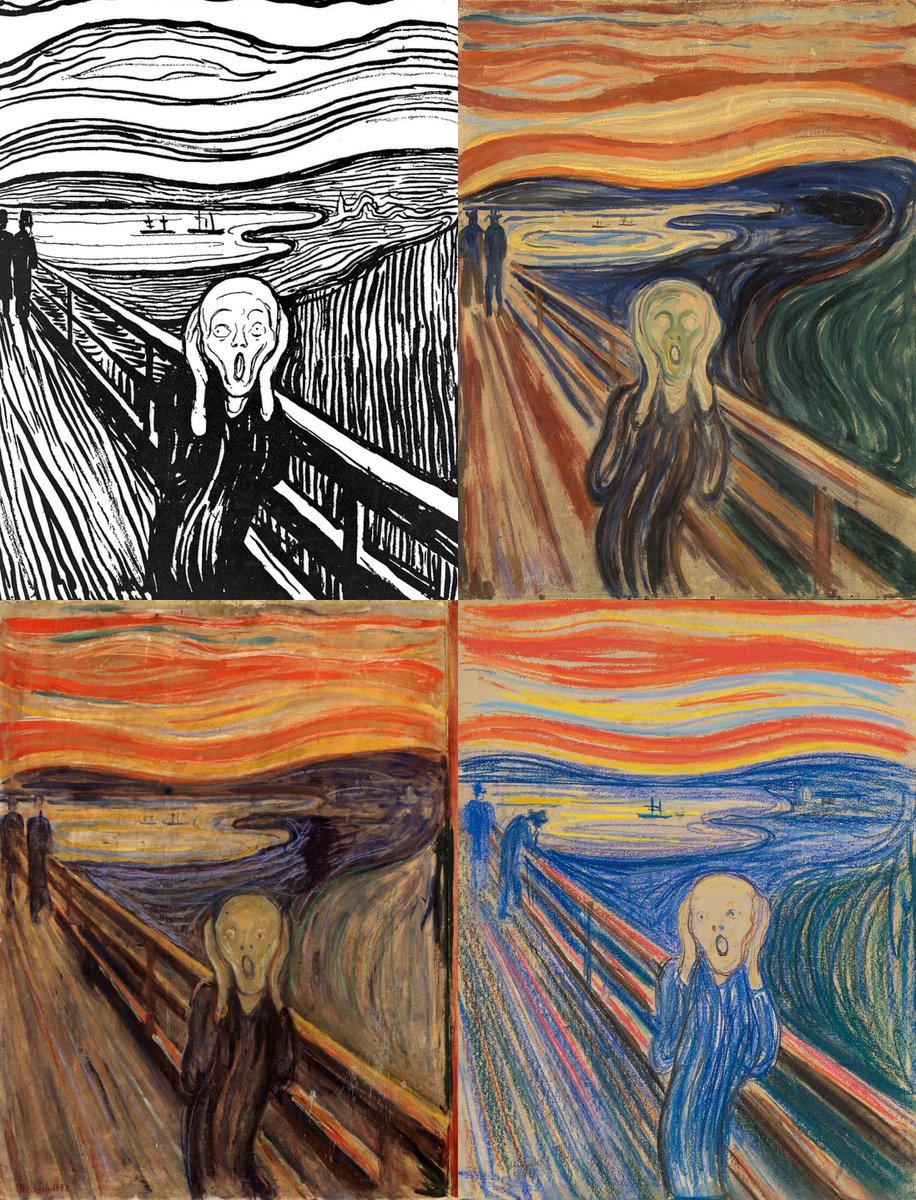
The Scream by Edvard Munch (of which he made several versions) is probably the most famous example of Expressionism in art.
Expressionism was about painting how the world *felt* rather than how it *looked*.
The Scream by Edvard Munch (of which he made several versions) is probably the most famous example of Expressionism in art.
Expressionism was about painting how the world *felt* rather than how it *looked*.
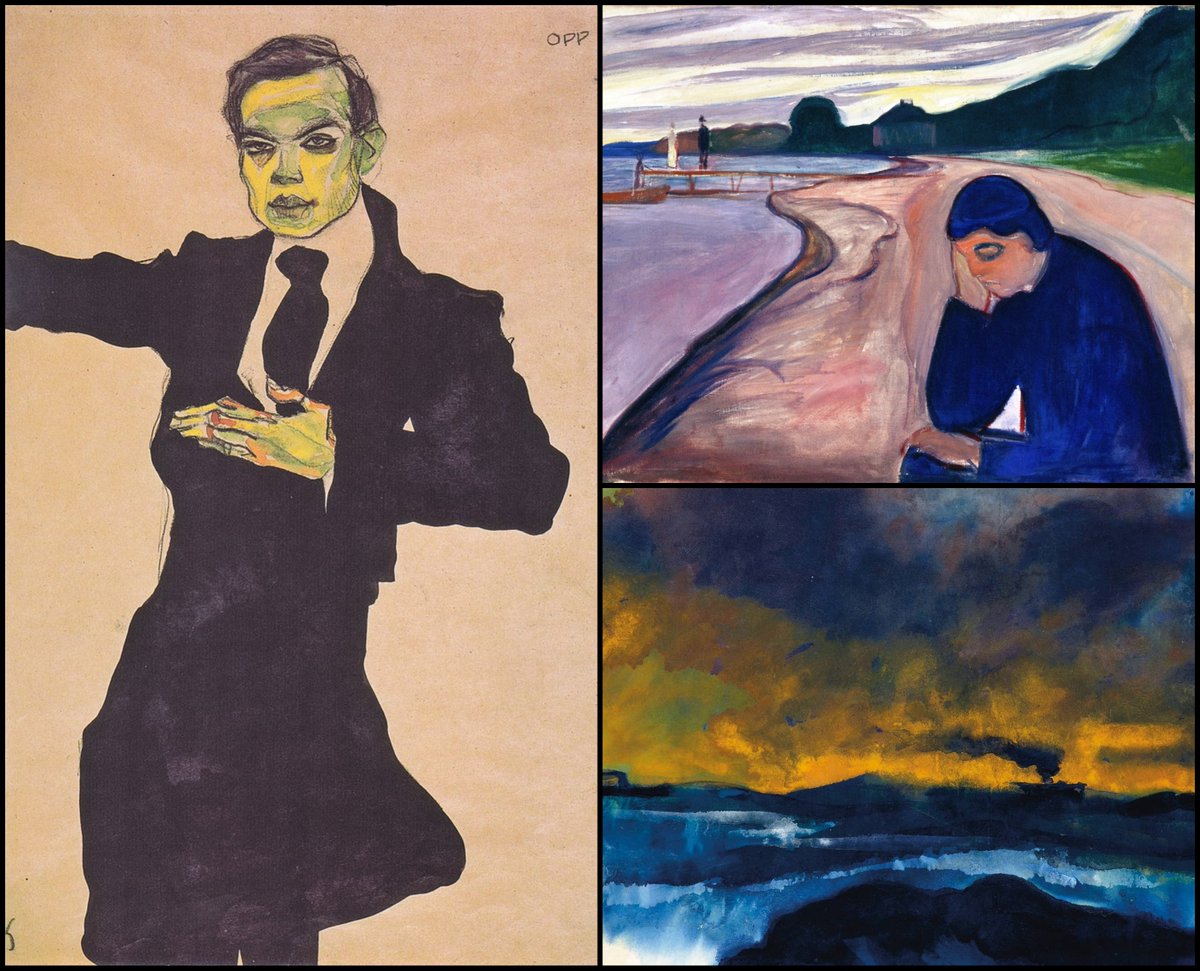
Hence Expressionist art — which first appeared in the 1890s and really came to life in the 1920s — was defined by unnaturally vivid colours and unrealistic shapes.
Everything is dramatic, restless, and colourful.
Art as pure emotion rather than outward appearance.
Everything is dramatic, restless, and colourful.
Art as pure emotion rather than outward appearance.
So, in brief, that's Expressionism as a philosophy — but how does it relate to architecture?
Imagine yourself in the 19th century.
All architecture is Neoclassical, Neo-Gothic, Neo-Byzantine, Neo-Baroque... it's all inspired by the past, directly based on historical styles.
Imagine yourself in the 19th century.
All architecture is Neoclassical, Neo-Gothic, Neo-Byzantine, Neo-Baroque... it's all inspired by the past, directly based on historical styles.
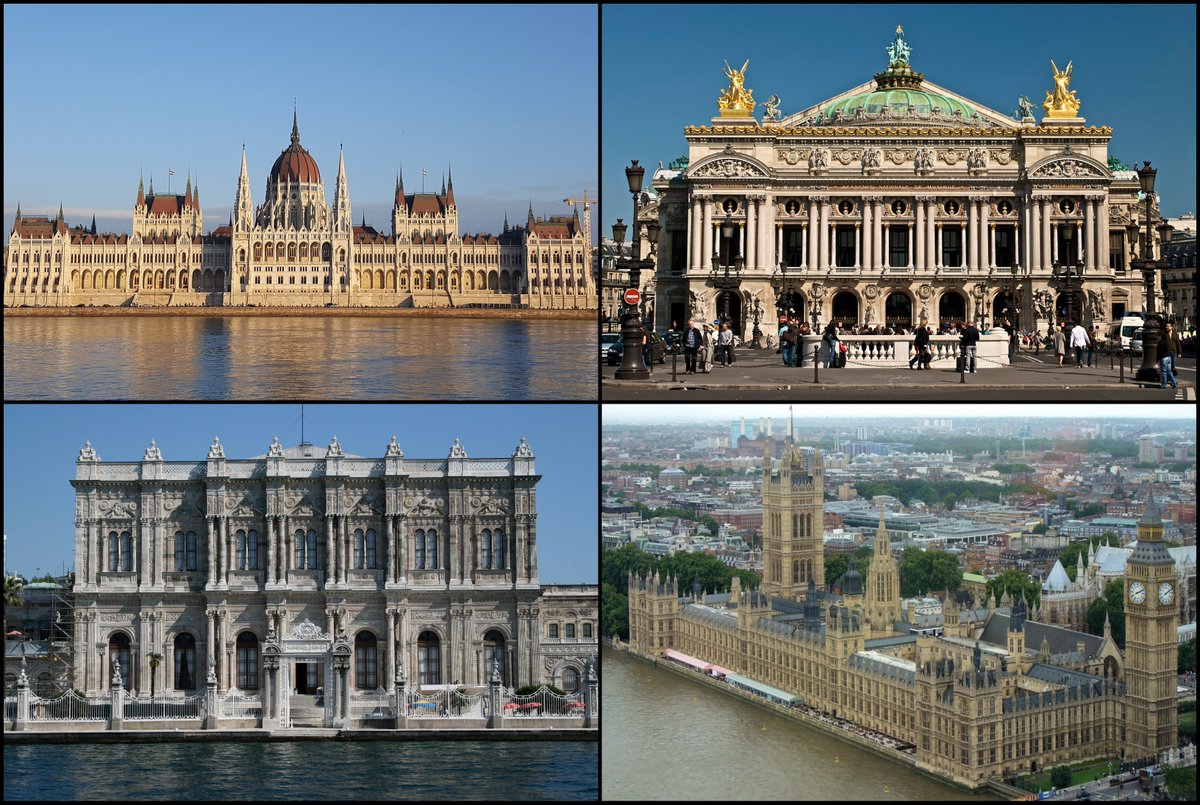
That sort of architecture was called Historicism, and the first revolt against it was Art Nouveau — literally, in French, "New Art".
It emerged in Belgium in the 1890s and soon swept the world with its flowing forms, elegant lines, and sumptuous decorations:
It emerged in Belgium in the 1890s and soon swept the world with its flowing forms, elegant lines, and sumptuous decorations:
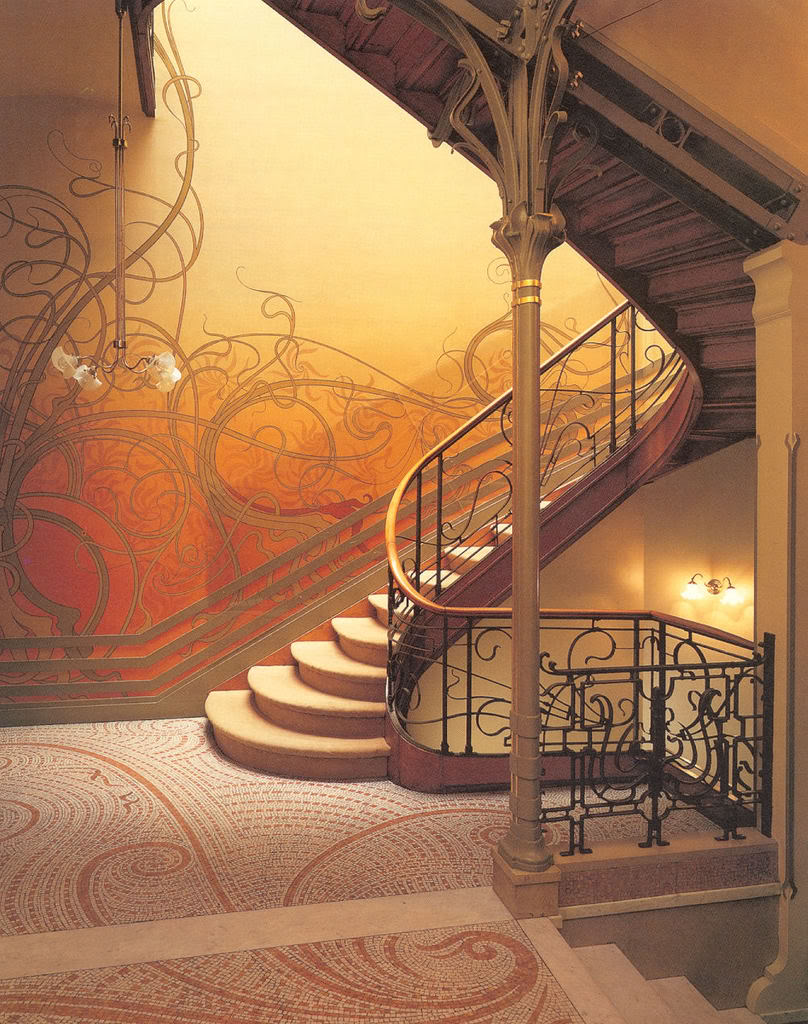
But the world was changing: industrialisation, globalisation, population growth, and new inventions like cars and radio coming thick and fast.
So an alternative new style emerged in Vienna, led by a man called Adolf Loos — what we would now loosely call Modern Architecture:
So an alternative new style emerged in Vienna, led by a man called Adolf Loos — what we would now loosely call Modern Architecture:
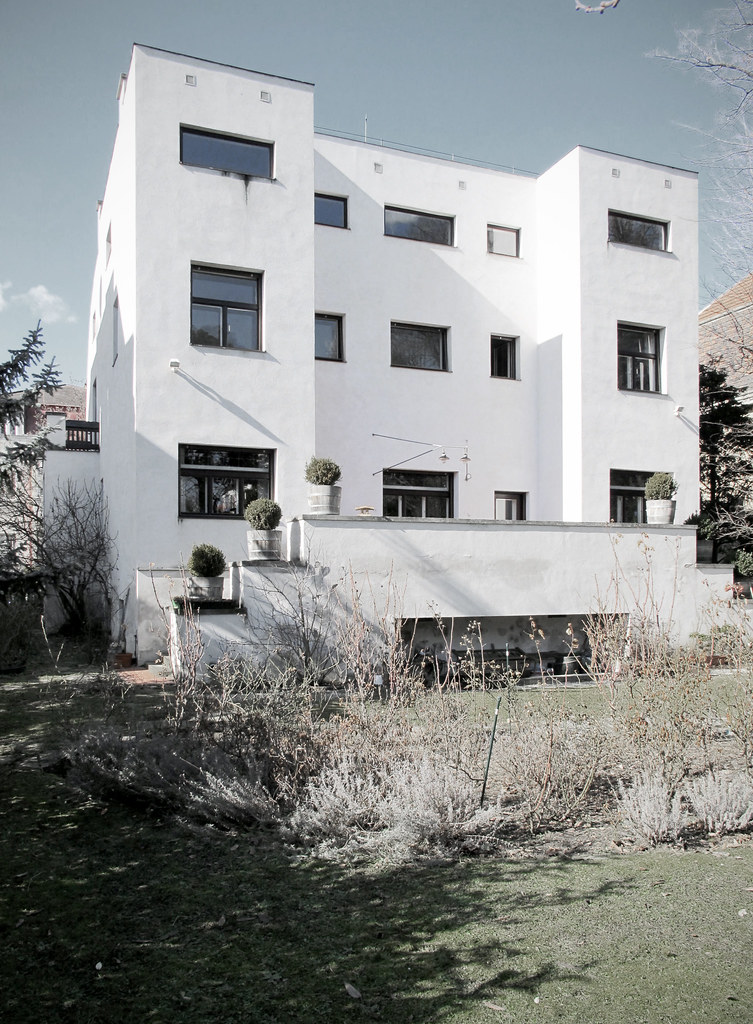
This sort of undecorated architecture, made up of simple geometry and straight lines, would later come to be known as the "International Style".
In the 1920s it was promoted by the Bauhaus School of Design in Germany, and by famous architects like Mies and Le Corbusier.
In the 1920s it was promoted by the Bauhaus School of Design in Germany, and by famous architects like Mies and Le Corbusier.
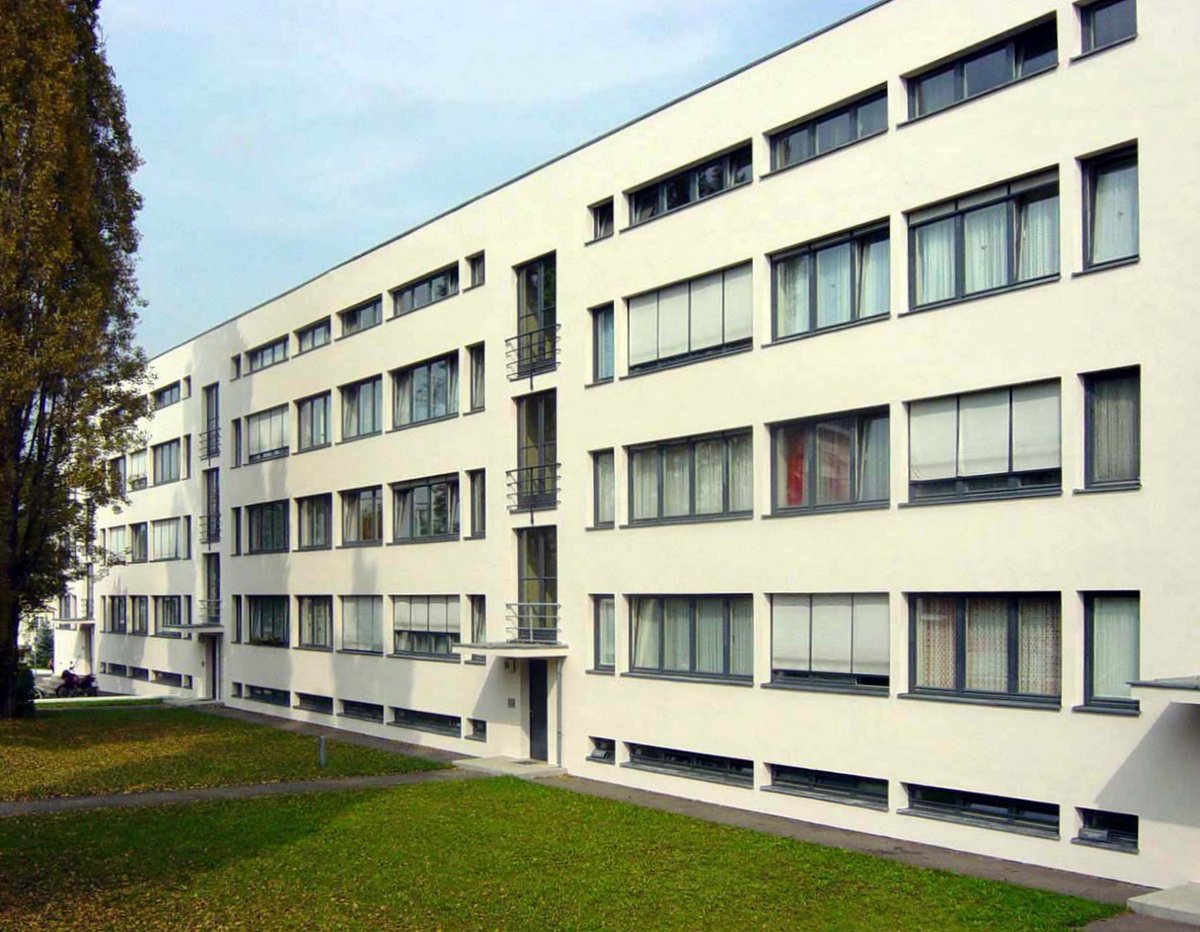
Enter Expressionism.
It had appeared before WWI as certain architects realised the world was heading toward a purely functional style.
They wanted to express the emotional, elemental, and stranger side of humanity in architecture — embodied by the Einstein Tower, from 1921.
It had appeared before WWI as certain architects realised the world was heading toward a purely functional style.
They wanted to express the emotional, elemental, and stranger side of humanity in architecture — embodied by the Einstein Tower, from 1921.
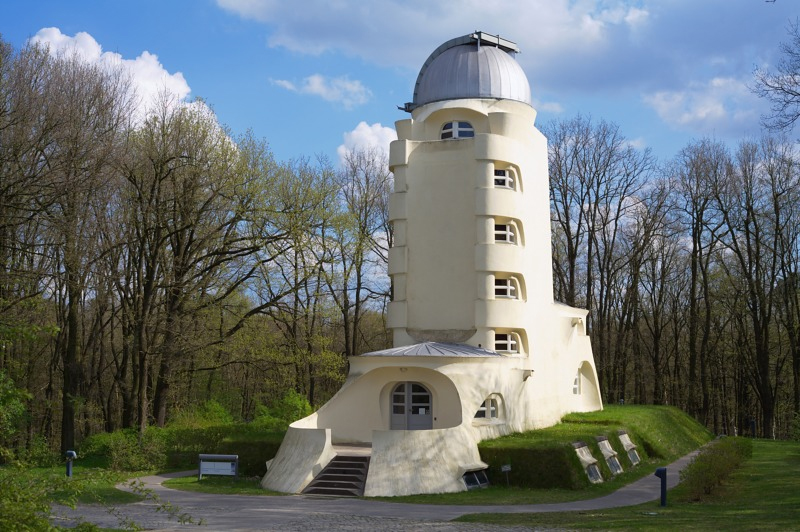
In some sense Expressionism started as a subgenre of Art Nouveau — but as time went on it became much more politically charged, more idealistic, and more experimental.
Bruno Taut's Glass Paviliion, for an exhibition in 1914, is one of the most famous early examples:
Bruno Taut's Glass Paviliion, for an exhibition in 1914, is one of the most famous early examples:
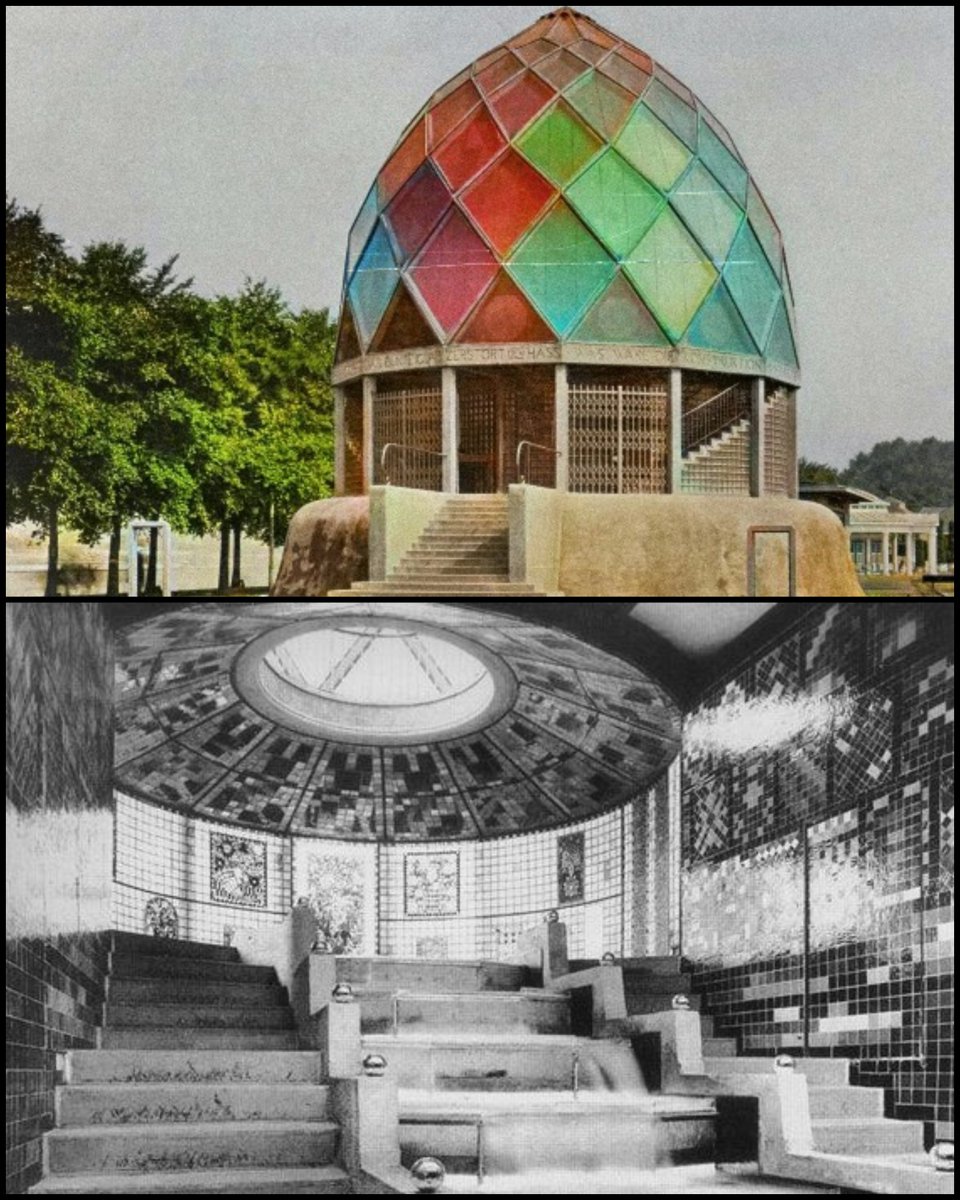
In 1917 Bruno Taut published a sort of treatise called "Alpine Architecture", in which he imagined strange and fantastical cities filled with crystalline towers.
This was his vision of a peaceful future.
Because Expressionism was, at heart, a utopian architectural style.
This was his vision of a peaceful future.
Because Expressionism was, at heart, a utopian architectural style.
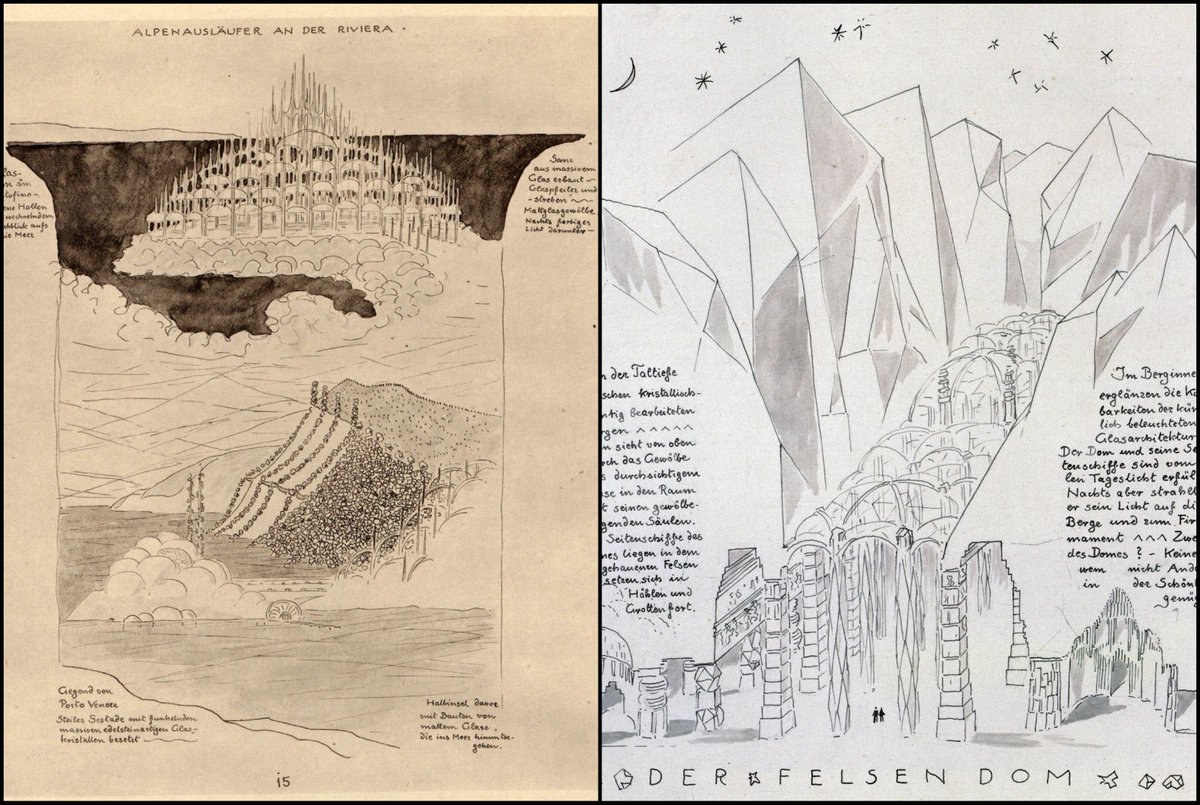
Buildings as works of abstract art, with unusual curves or mineralesque shapes, often asymmetrical.
Expressionist architecture was always slightly strange, almost unsettling.
Radical, experimental, dramatic — and opposed to the plain geometry of the International Style.
Expressionist architecture was always slightly strange, almost unsettling.
Radical, experimental, dramatic — and opposed to the plain geometry of the International Style.
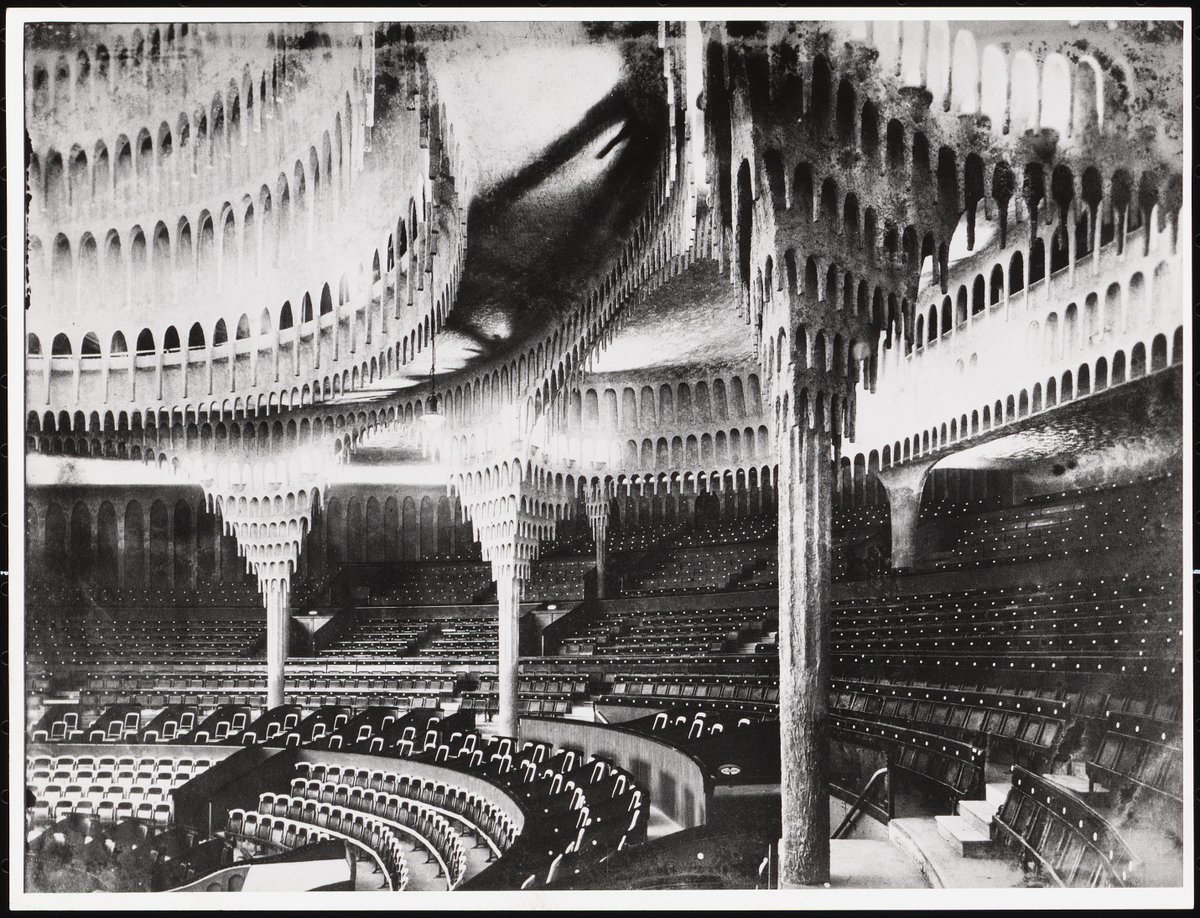
One of the most extreme examples of Expressionist interior design was the Great Theatre in Berlin, renovated by Hans Poelzig in 1919.
Its design was inspired by muqarnas, a form of honeycomb-like vault decoration unique to Islamic architecture.
Its design was inspired by muqarnas, a form of honeycomb-like vault decoration unique to Islamic architecture.
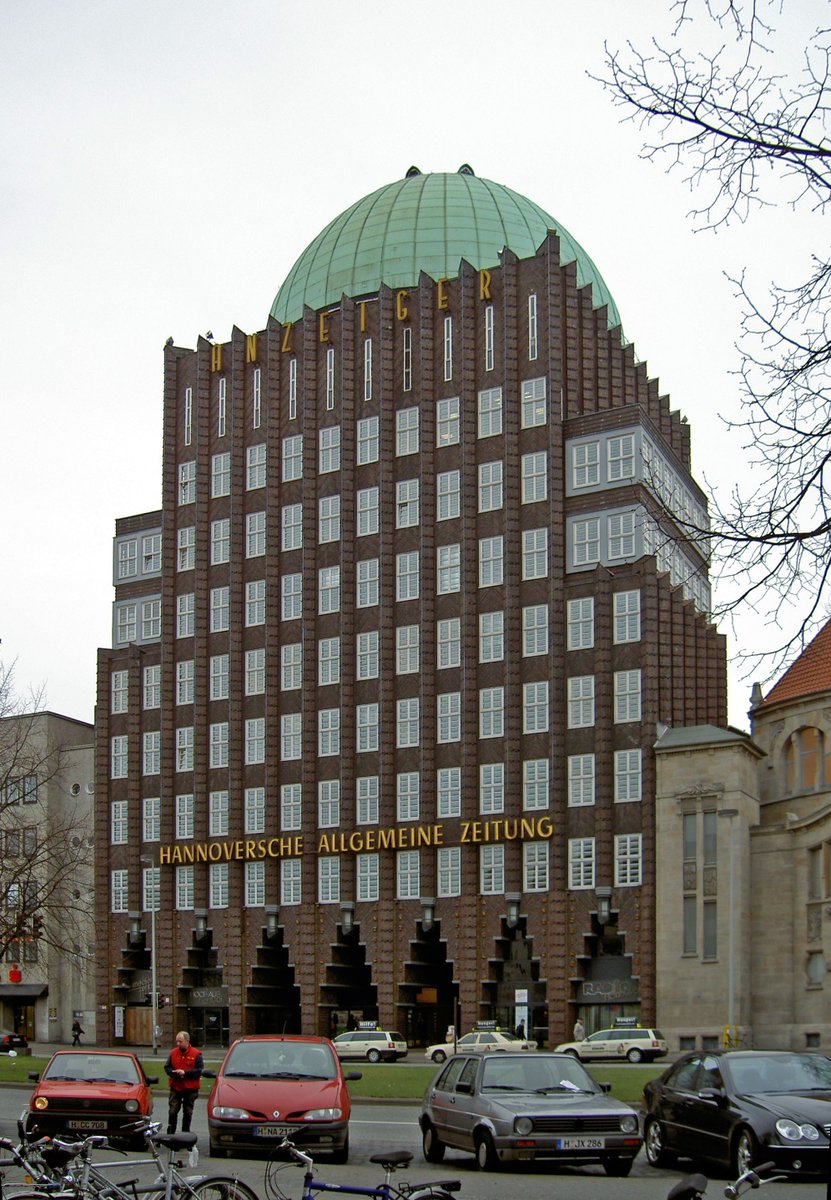
Jagged lines — similar to those found in many Expressionist paintings — were a common feature of Expressionist architecture.
It's hardly comforting or welcoming design, but nor was it supposed to be; this architecture's purpose was to reflect primordial human emotion.
It's hardly comforting or welcoming design, but nor was it supposed to be; this architecture's purpose was to reflect primordial human emotion.
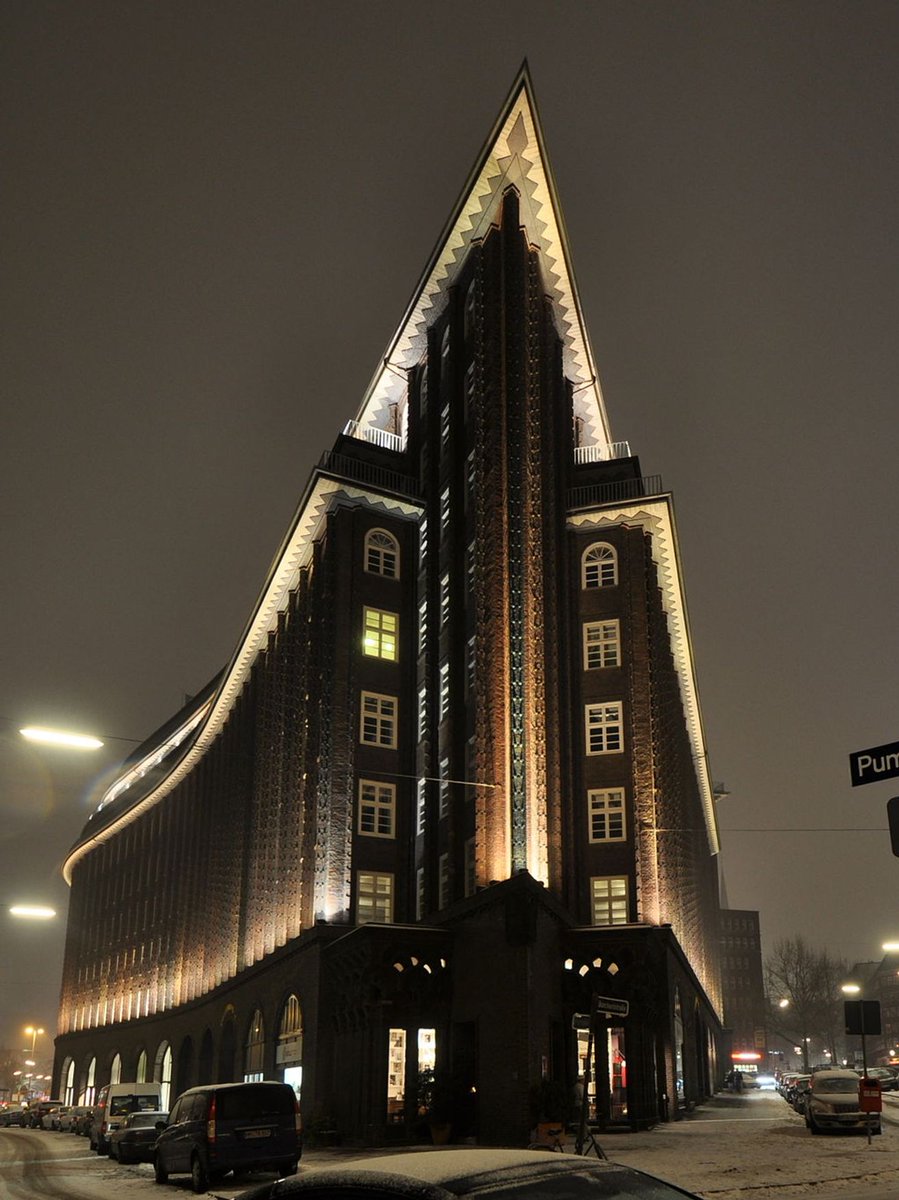
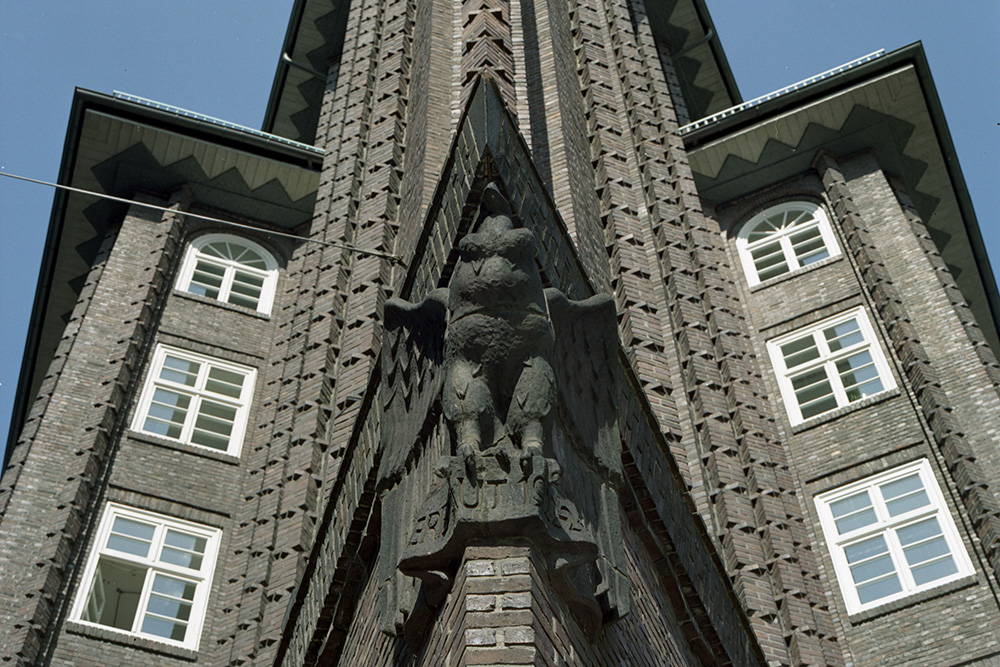
Consider the famous Chilehaus in Hamburg, designed by Fritz Höger and completed in 1924.
It's a perfect example of Brick Expressionism, and really for Expressionist architecture as a whole.
The entire building almost seems like a shadow cast by some menacing machine.
It's a perfect example of Brick Expressionism, and really for Expressionist architecture as a whole.
The entire building almost seems like a shadow cast by some menacing machine.
And then there's something like Grundtvig's Church in Copenhagen, Denmark, from 1940.
Notice the clear influence from Gothic Architecture, as though its Medieval motifs have been abstracted and modernised.
Notice the clear influence from Gothic Architecture, as though its Medieval motifs have been abstracted and modernised.
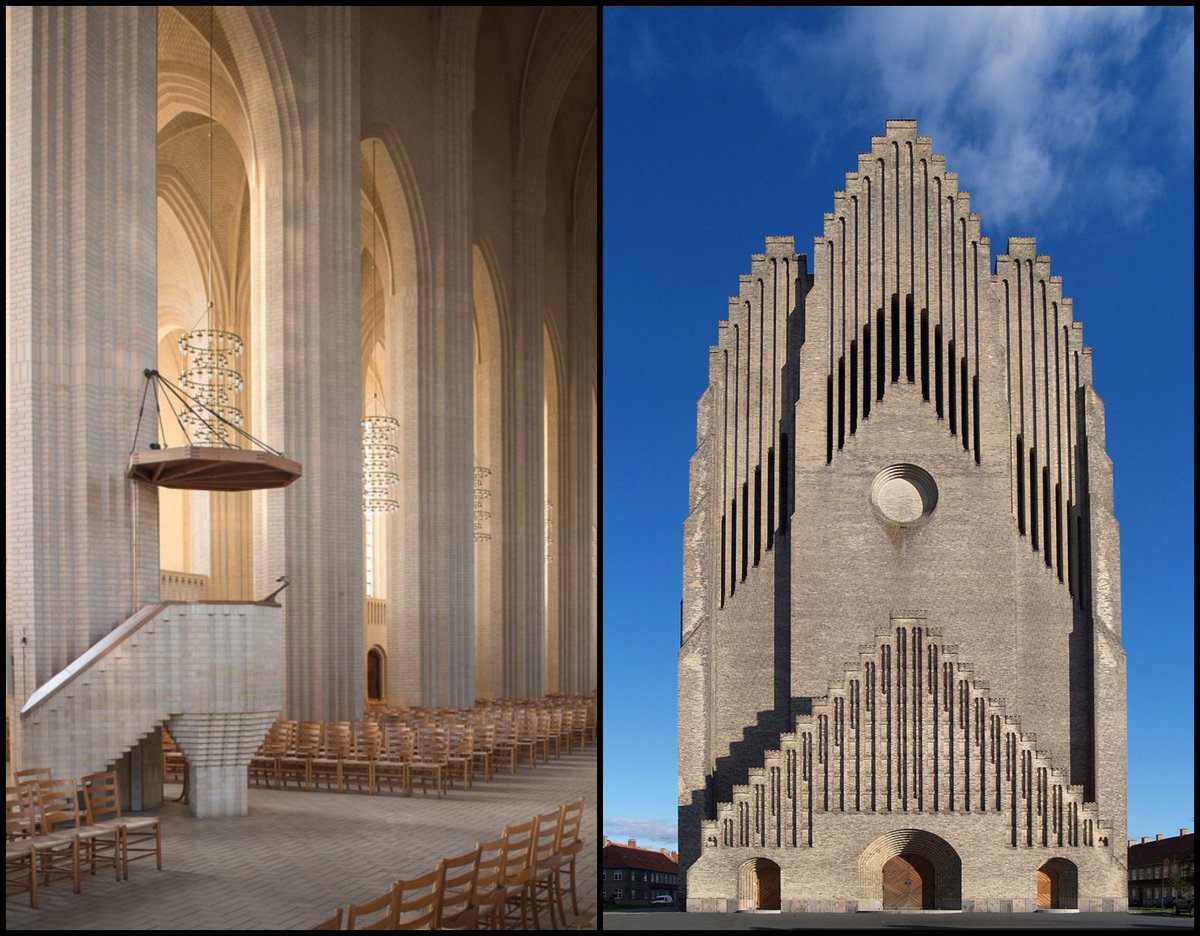
Gothic Architecture, with its pointed arches and soaring arcades, was a major influence on Expressionism in general.
Those who favoured the International Style, meanwhile, preferred Classical Architecture.
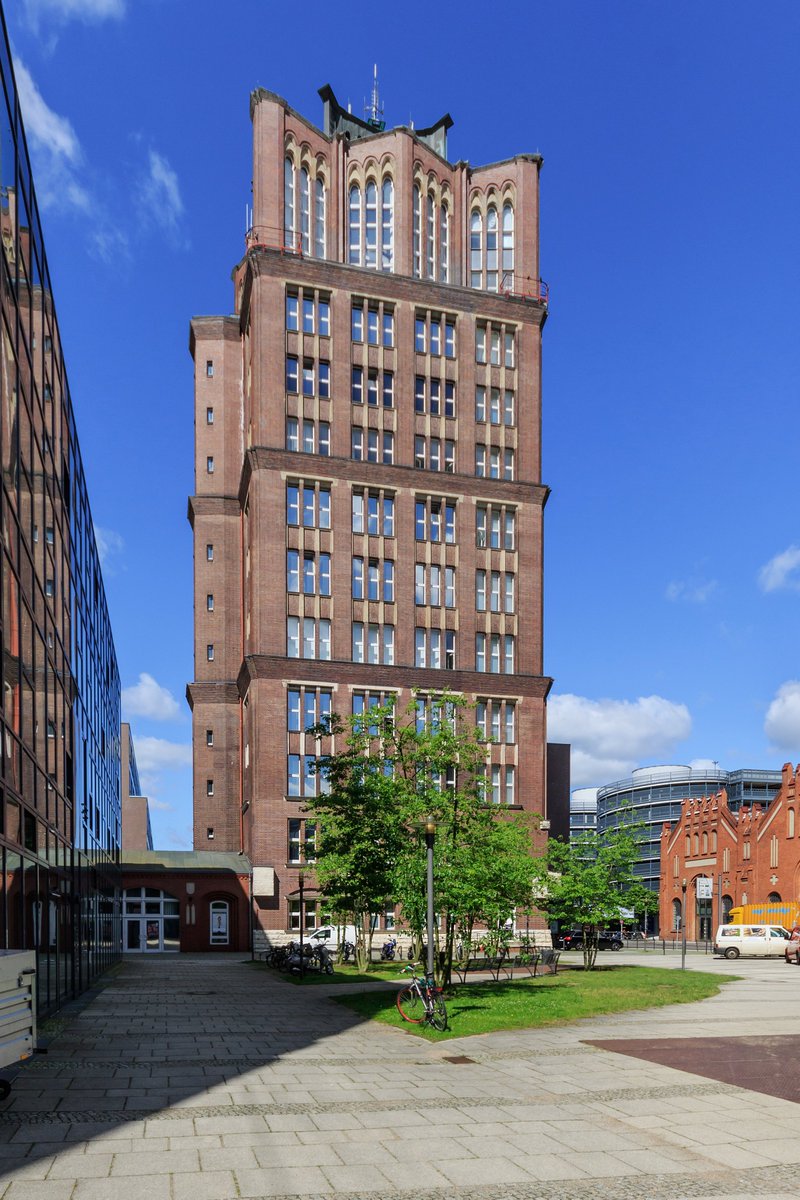
Consider Peter Behrens' cathedralesque Hoechst AG Building, from 1924.
Those who favoured the International Style, meanwhile, preferred Classical Architecture.
Consider Peter Behrens' cathedralesque Hoechst AG Building, from 1924.

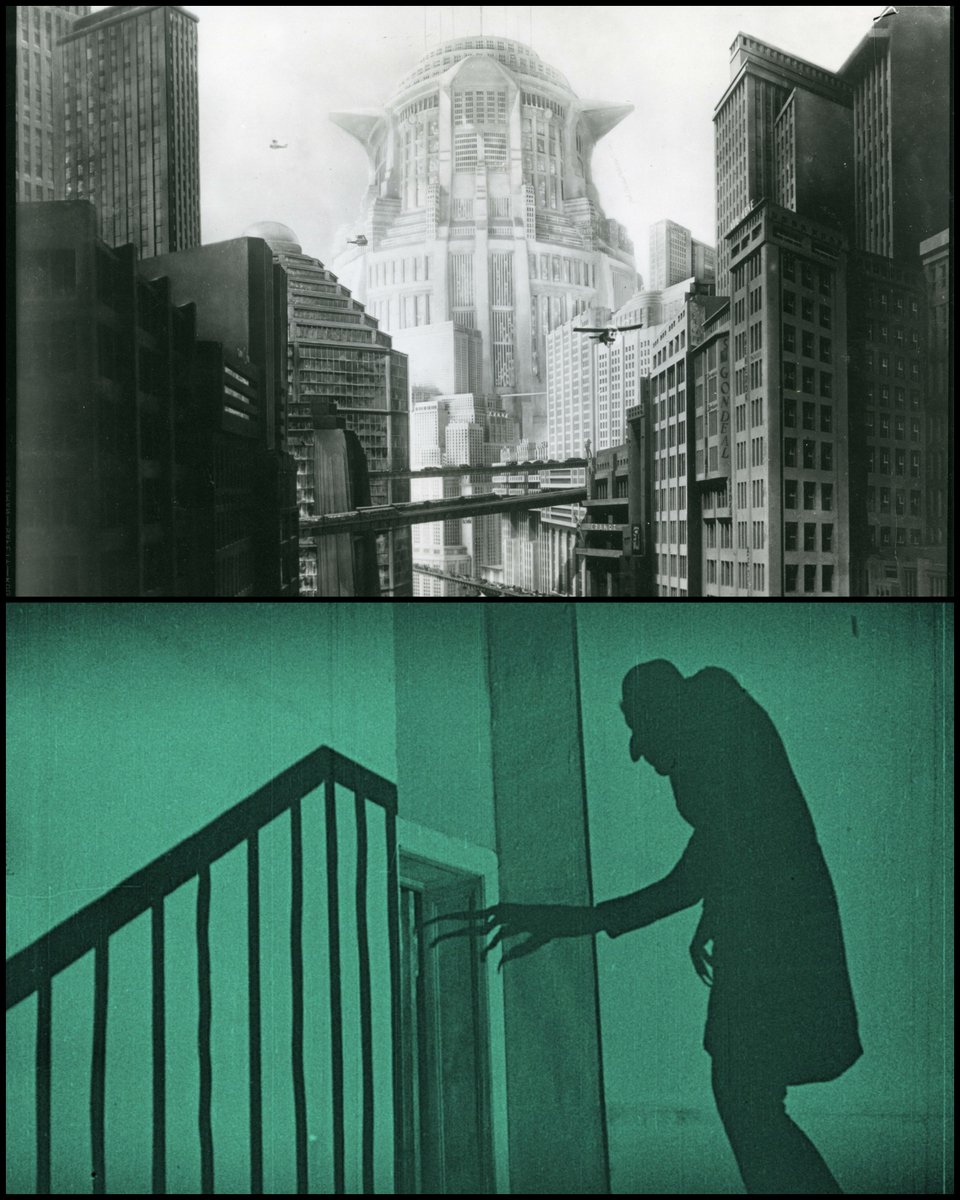
In so many ways Expressionist Architecture was the perfect match for Expressionist cinema, which dominated Germany in the 1920s.
Think of films like Nosferatu, The Cabinet of Dr Cagliari, or Metropolis.
Dramatic, unsettling, shadowy, frightening, and startlingly new.
Think of films like Nosferatu, The Cabinet of Dr Cagliari, or Metropolis.
Dramatic, unsettling, shadowy, frightening, and startlingly new.
And so Expressionism is best thought of as an approach to design rather than a strictly or clearly defined style.
Dutch Expressionism, also known as the Amsterdam School, was one of its subgenres.
This is De Dageraad, designed by Piet Kramer and Michel de Klerk, opened in 1923.
Dutch Expressionism, also known as the Amsterdam School, was one of its subgenres.
This is De Dageraad, designed by Piet Kramer and Michel de Klerk, opened in 1923.
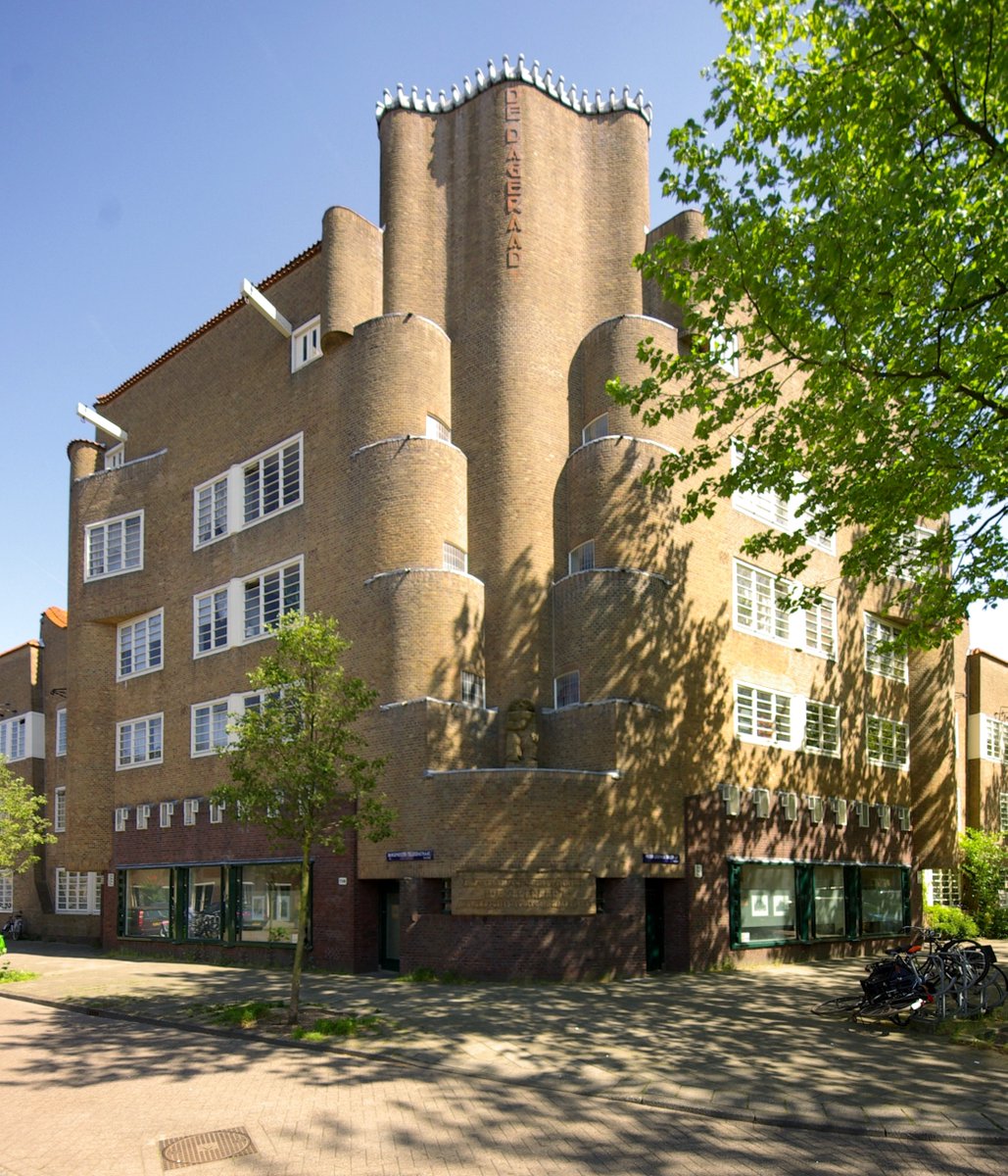
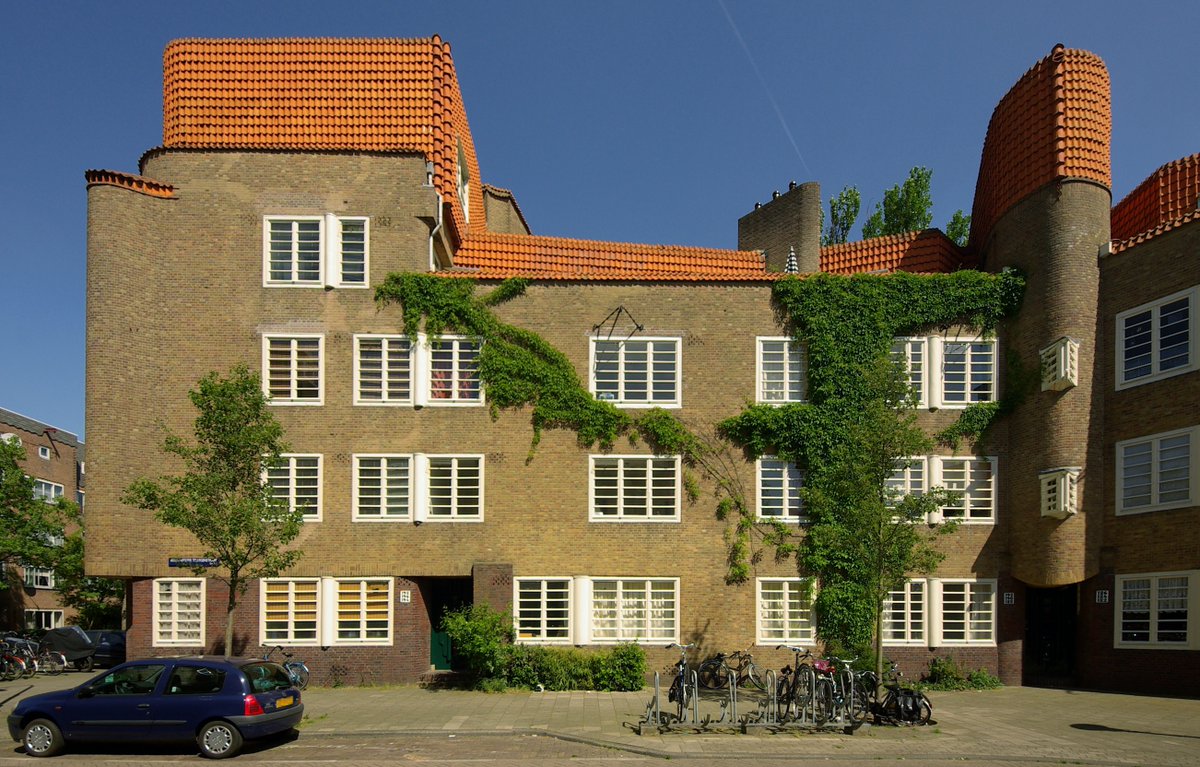
The Amsterdam School was about bringing the principles of Expressionism to a more domestic setting — to houses and apartments.
It is rather less striking, less unsettling than those other works of Expressionism... but subtly strange nonetheless.
It is rather less striking, less unsettling than those other works of Expressionism... but subtly strange nonetheless.
Still, Expressionism was a fringe architectural movement and it could not last.
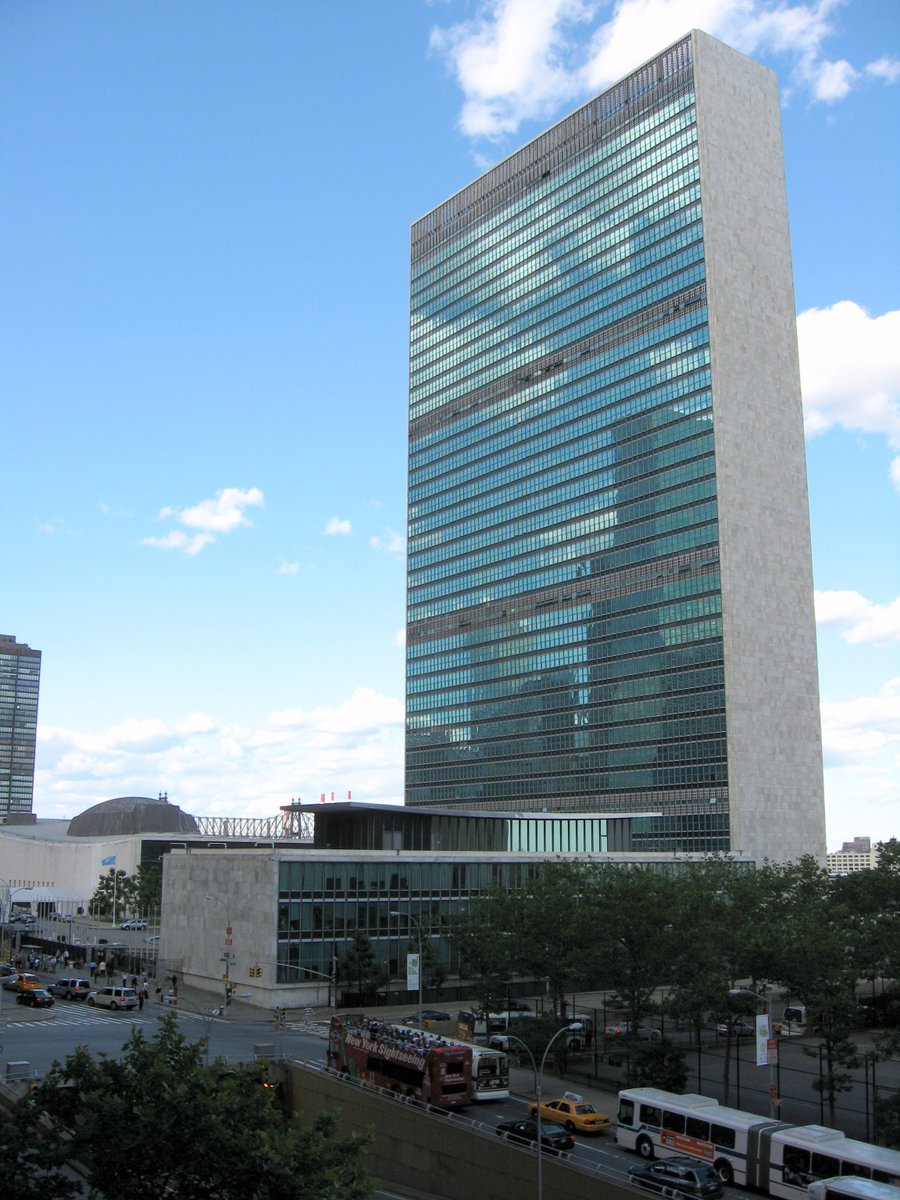
As the 1920s wore on it was deserted by its former supporters, who turned instead to the International Style — which then became the global default after WWII.
Think of the UN Headquarters.
As the 1920s wore on it was deserted by its former supporters, who turned instead to the International Style — which then became the global default after WWII.
Think of the UN Headquarters.
Expressionism did have something of a revival after the Second World War, however, particularly influencing Brutalism and its notoriously bold shapes.
And, of course, the extraordinary Hallgrímskirkja in Iceland was only completed in the 1980s.
And, of course, the extraordinary Hallgrímskirkja in Iceland was only completed in the 1980s.

And its influence has only grown, slowly but surely, over the decades.
Think of Sydney Opera House, completed in 1973, a landmark building that symbolised the world moving away from the simple rectangles of the International Style and toward the unusual shapes of Expressionism.
Think of Sydney Opera House, completed in 1973, a landmark building that symbolised the world moving away from the simple rectangles of the International Style and toward the unusual shapes of Expressionism.

Since then pretty much every city in the world has been given some sort of unusually-shaped "icon" building, from the Gherkin in London to Bilbao's Guggenheim.
And these Expressionist principles have now filtered down to bridges, airports, schools, and train stations.
And these Expressionist principles have now filtered down to bridges, airports, schools, and train stations.

So, in some ways, those dreamlike drawings by Bruno Taut do not look so fantastical now.
Whereas it was Le Corbusier whose monolithic urban design shaped the whole world after WWII, in recent decades the world has taken a surprisingly Expressionistic turn.
Whereas it was Le Corbusier whose monolithic urban design shaped the whole world after WWII, in recent decades the world has taken a surprisingly Expressionistic turn.
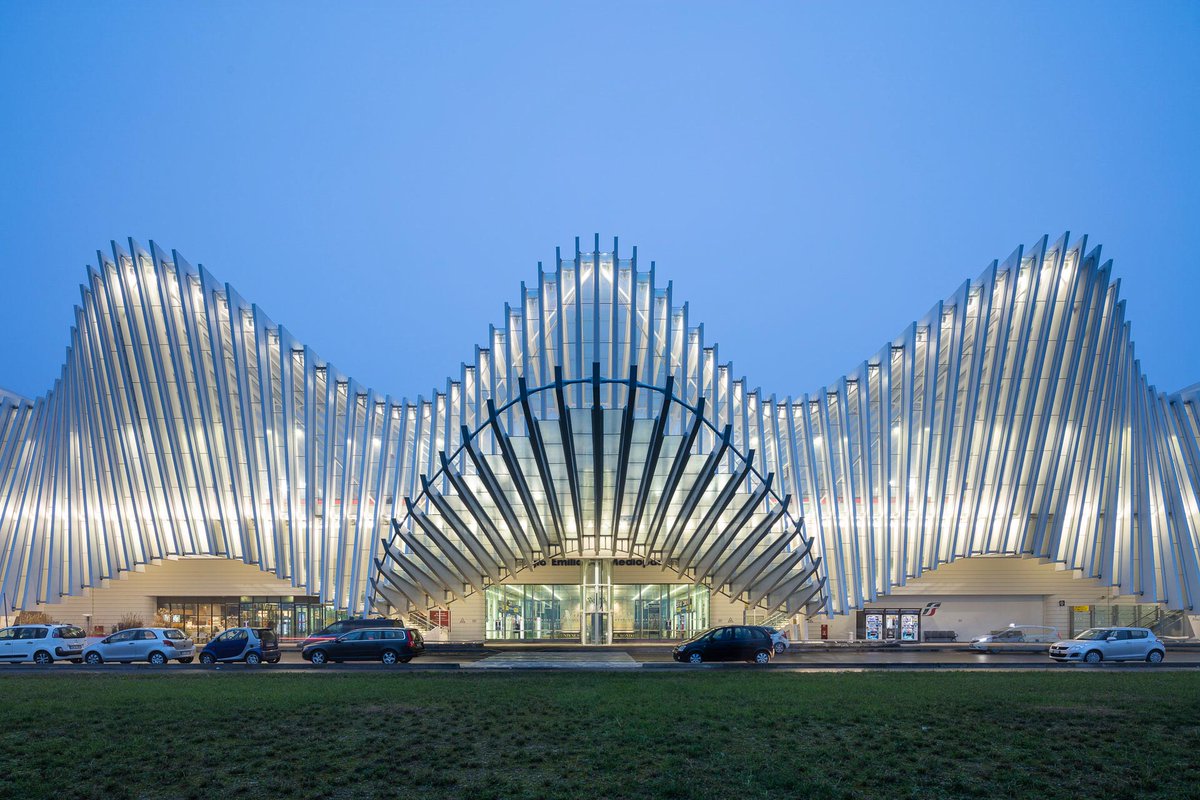
But pure Expressionism as it existed in the 1920s — expressing in jagged brick the strange anxieties and wild hopes of a generation betrayed by war and caught up in a changing world — has faded away, replaced by our more playful modern Expressionism of steel and glass.
Loading suggestions...