

EBITDA is one of the most controversial financial metric ever
But it’s still a popular metric that many companies use
Here are ten things you need to know about EBITDA:
But it’s still a popular metric that many companies use
Here are ten things you need to know about EBITDA:
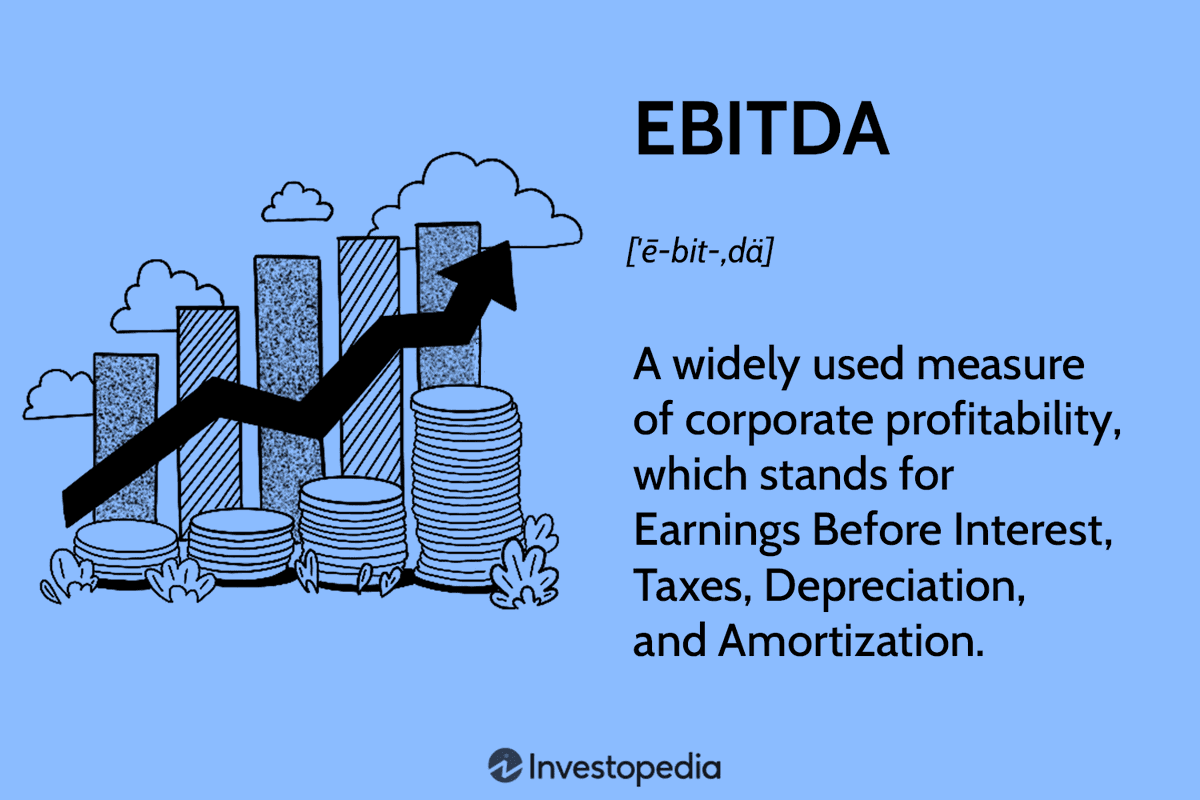
1. What is EBITDA?
EBITDA stands for Earnings Before Interest, Taxes, Depreciation, and Amortization. It’s a measure of a company’s profitability, excluding certain expenses.
EBITDA stands for Earnings Before Interest, Taxes, Depreciation, and Amortization. It’s a measure of a company’s profitability, excluding certain expenses.
2. Why Use EBITDA?
EBITDA helps investors focus on a company's core operating performance by removing the impact of financial decisions, tax strategies, and non-cash expenses.
EBITDA helps investors focus on a company's core operating performance by removing the impact of financial decisions, tax strategies, and non-cash expenses.

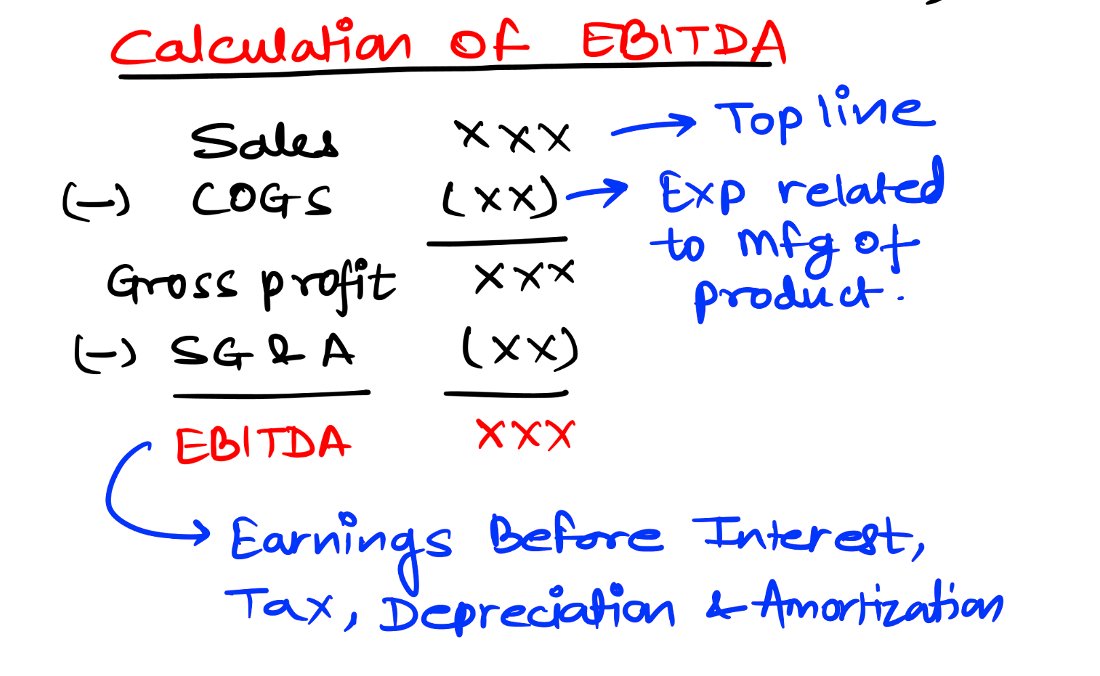
3. How to Calculate EBITDA
EBITDA = Sales – Cost of Goods Sold – Selling, General & Administrative Expenses:
EBITDA = Sales – Cost of Goods Sold – Selling, General & Administrative Expenses:
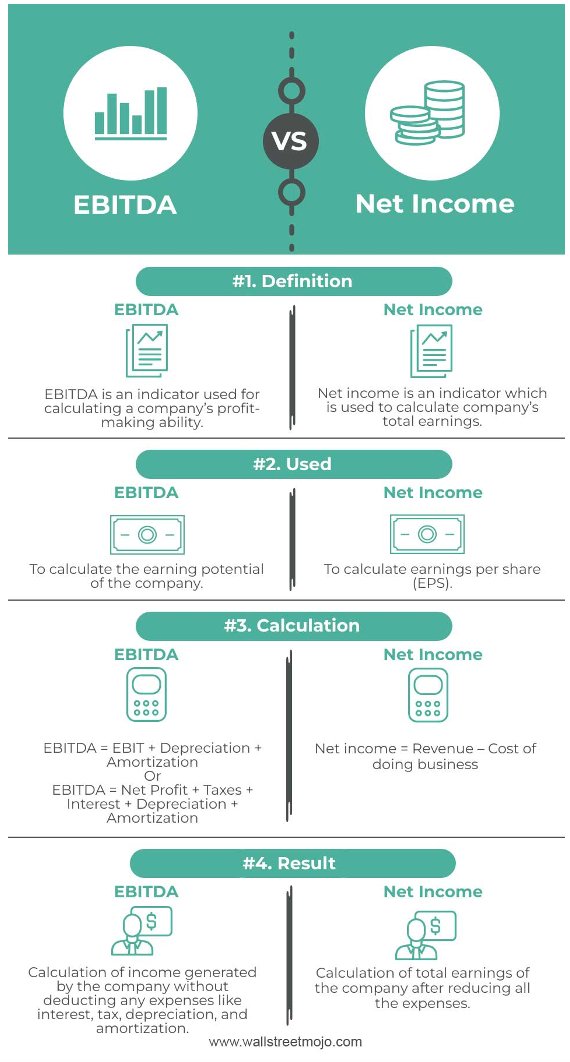
4. EBITDA vs. Net Income
While net income shows the company's profit after all expenses, EBITDA focuses on operational profitability, ignoring financing and accounting decisions.
While net income shows the company's profit after all expenses, EBITDA focuses on operational profitability, ignoring financing and accounting decisions.
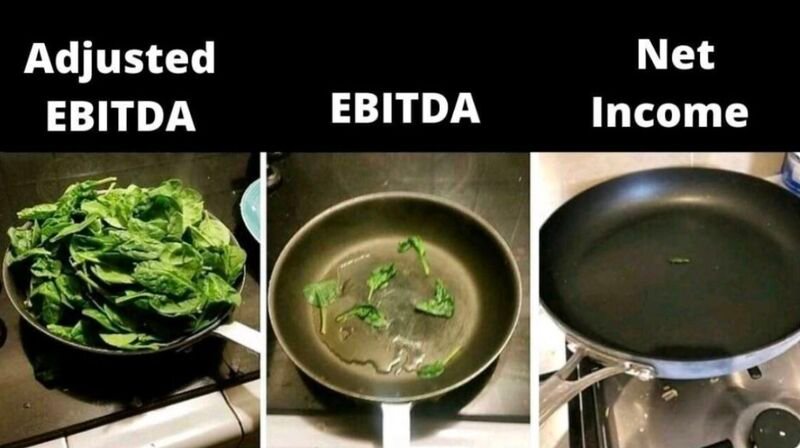
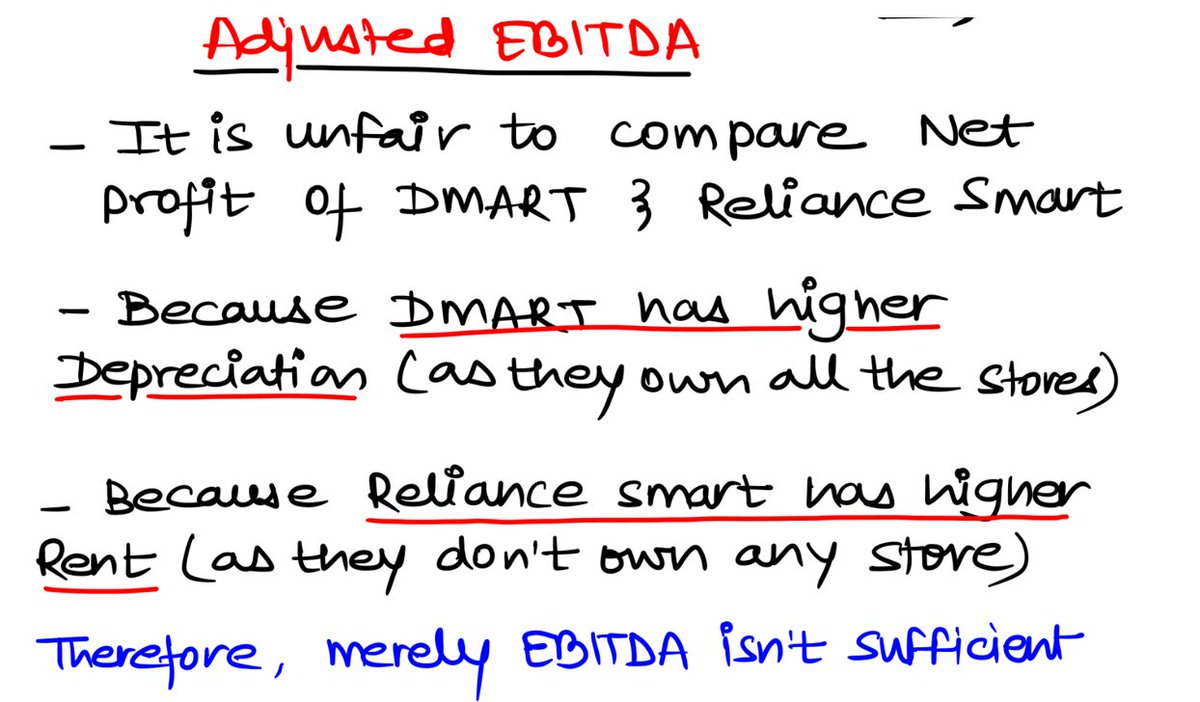
5. Understanding Adjusted EBITDA
Adjusted EBITDA further refines EBITDA by excluding unusual or non-recurring expenses.
This can include restructuring costs, legal fees, or one-time charges.
Adjusted EBITDA further refines EBITDA by excluding unusual or non-recurring expenses.
This can include restructuring costs, legal fees, or one-time charges.

6. When to Use Adjusted EBITDA
Adjusted EBITDA gives a clearer picture of ongoing performance, making it useful for analyzing companies with significant one-time events or irregular expenses.
Adjusted EBITDA gives a clearer picture of ongoing performance, making it useful for analyzing companies with significant one-time events or irregular expenses.
7. EBITDA as a Valuation Tool
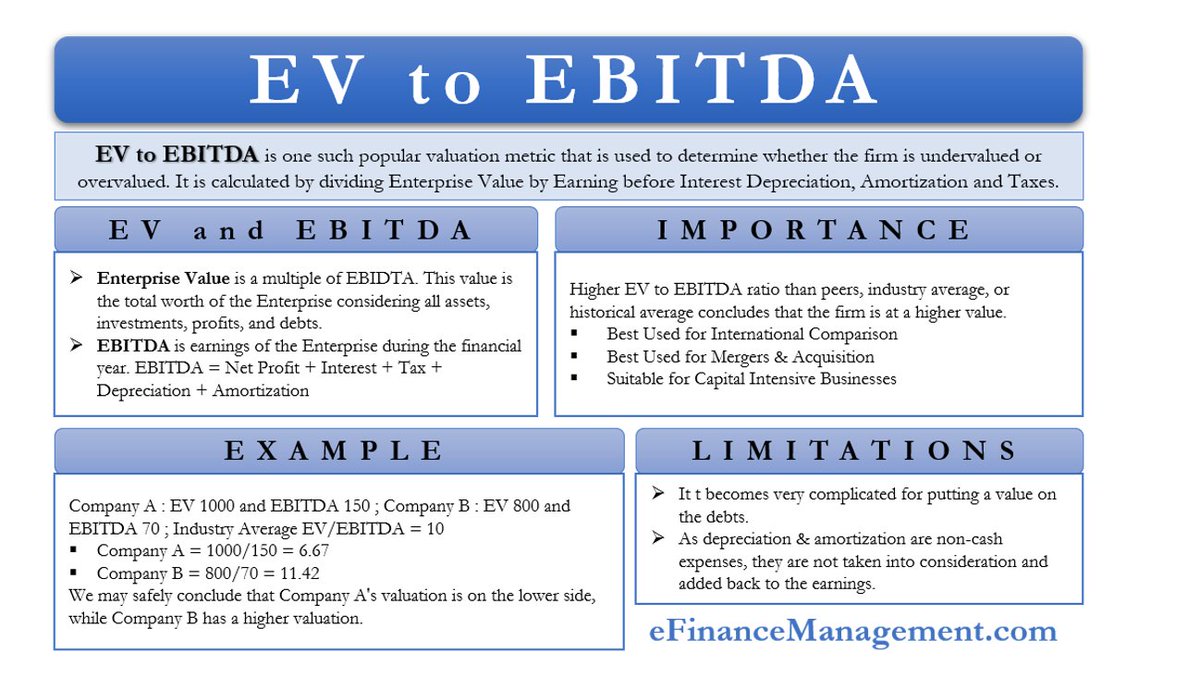
Investors often use EBITDA to compare companies across industries, as it strips away financing and accounting differences that can distort profitability comparisons.
EBITDA/Enterprise Value is a popular multiple:
Investors often use EBITDA to compare companies across industries, as it strips away financing and accounting differences that can distort profitability comparisons.
EBITDA/Enterprise Value is a popular multiple:
8. EBITDA Margin
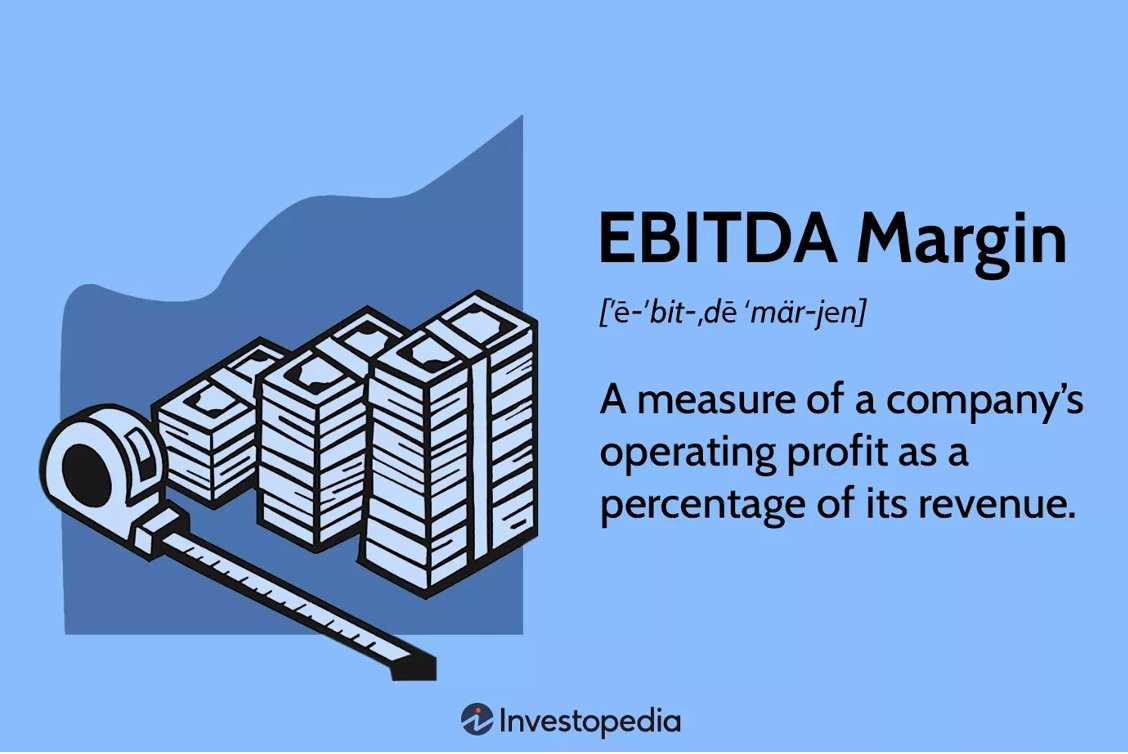
EBITDA Margin = EBITDA / Revenue
This ratio helps assess a company’s efficiency by showing how much of its revenue is turned into EBITDA. A higher margin indicates better profitability.
EBITDA Margin = EBITDA / Revenue
This ratio helps assess a company’s efficiency by showing how much of its revenue is turned into EBITDA. A higher margin indicates better profitability.
9. Limitations of EBITDA
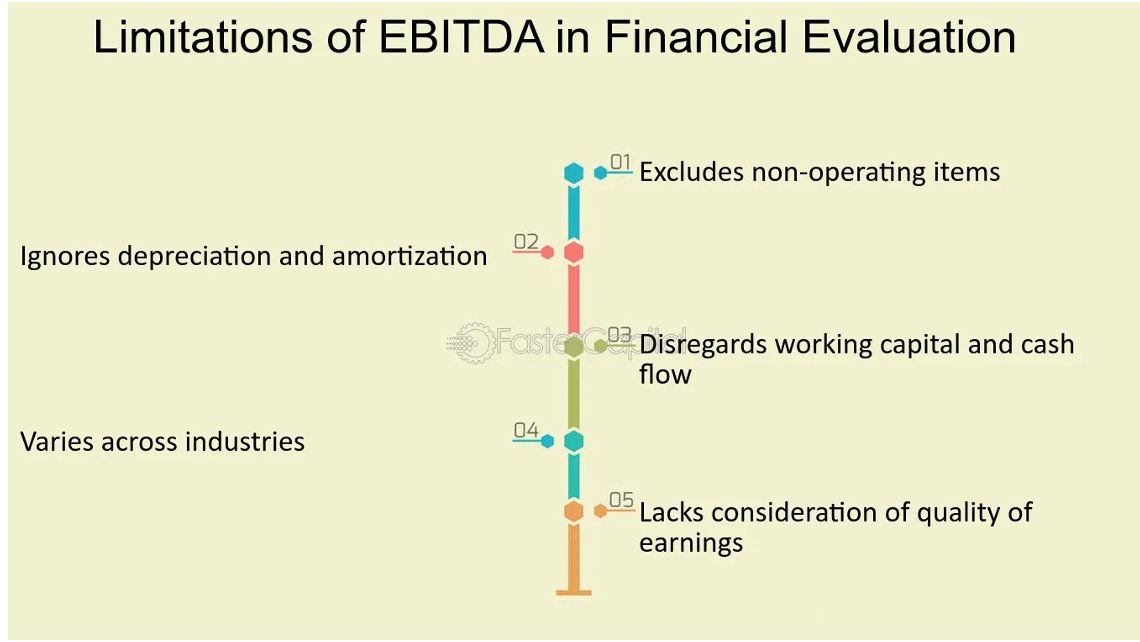
EBITDA ignores debt, interest payments, and capital expenditures, which can be significant.
It’s important to use EBITDA alongside other metrics for a full financial picture.
EBITDA ignores debt, interest payments, and capital expenditures, which can be significant.
It’s important to use EBITDA alongside other metrics for a full financial picture.
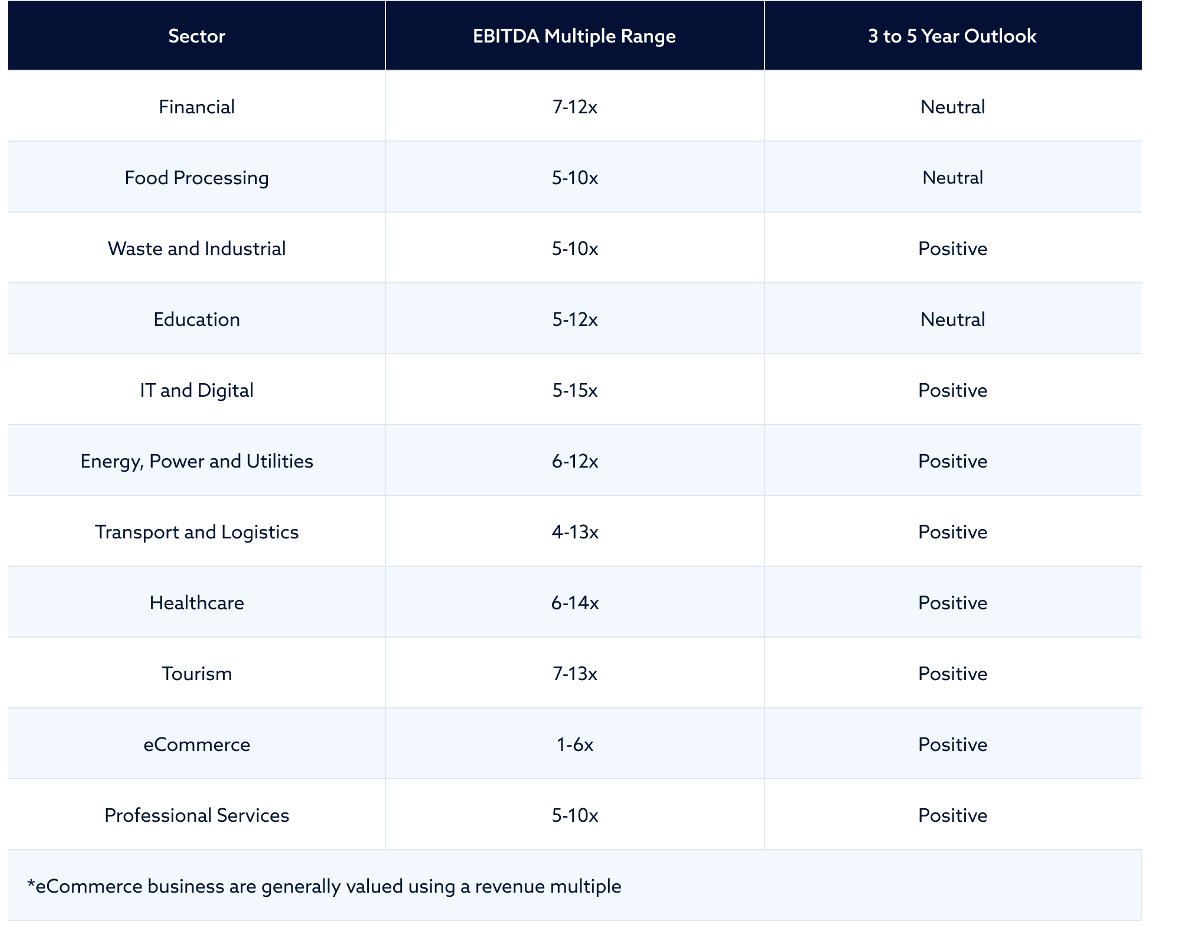
10. EBITDA in Different Industries
Some industries rely more on EBITDA due to their capital-intensive nature (e.g., telecommunications or utilities), where depreciation and interest expenses can distort profitability.
Some industries rely more on EBITDA due to their capital-intensive nature (e.g., telecommunications or utilities), where depreciation and interest expenses can distort profitability.
That's it for today.
Did you like this?
Grab my free Financial Analysis course here: compounding-quality.ck.page
Did you like this?
Grab my free Financial Analysis course here: compounding-quality.ck.page

Loading suggestions...