

358 years ago today the Great Fire of London finally came to an end.
The city had been destroyed — and it was rebuilt in a very strange way.
This is the story of what makes London's urban design so unique...
The city had been destroyed — and it was rebuilt in a very strange way.
This is the story of what makes London's urban design so unique...
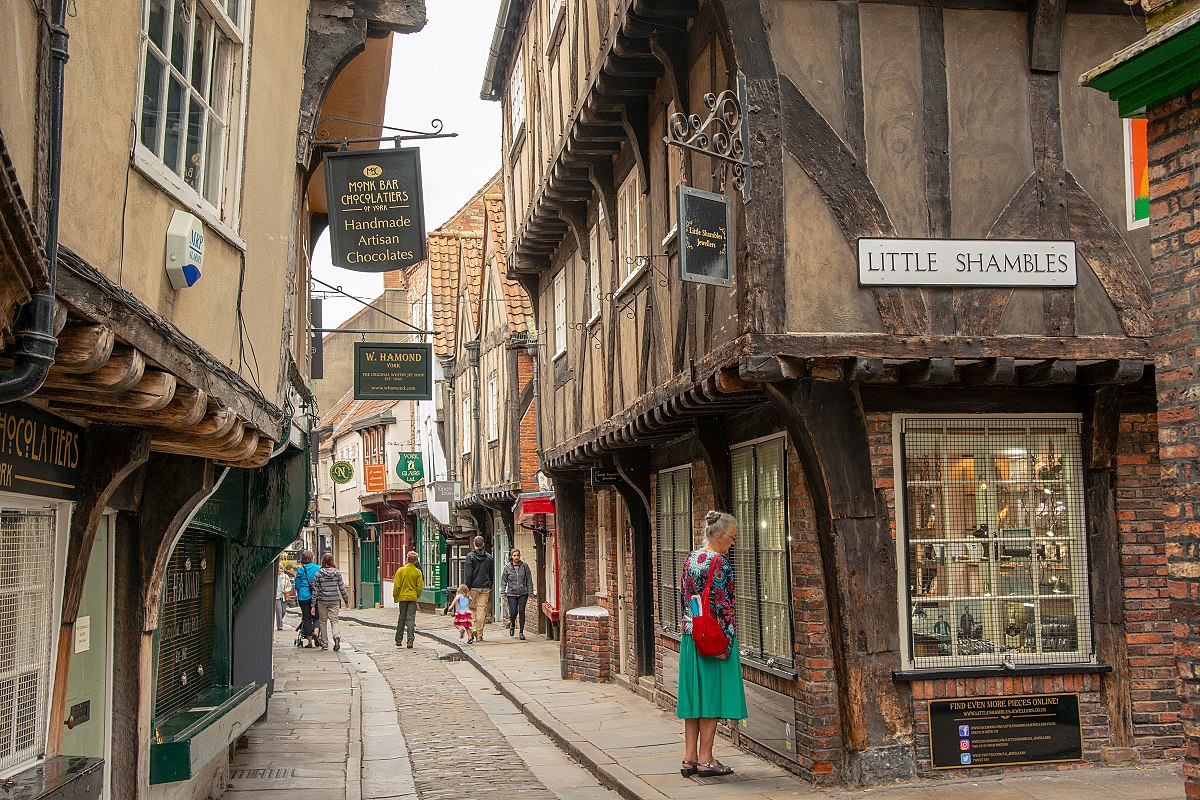
London is strange.
It has a confusing Medieval layout with winding streets and narrow lanes... but with very little Medieval architecture.
Just compare it to other cities like York or Durham, full of Gothic towers and timber-framed houses.
It has a confusing Medieval layout with winding streets and narrow lanes... but with very little Medieval architecture.
Just compare it to other cities like York or Durham, full of Gothic towers and timber-framed houses.
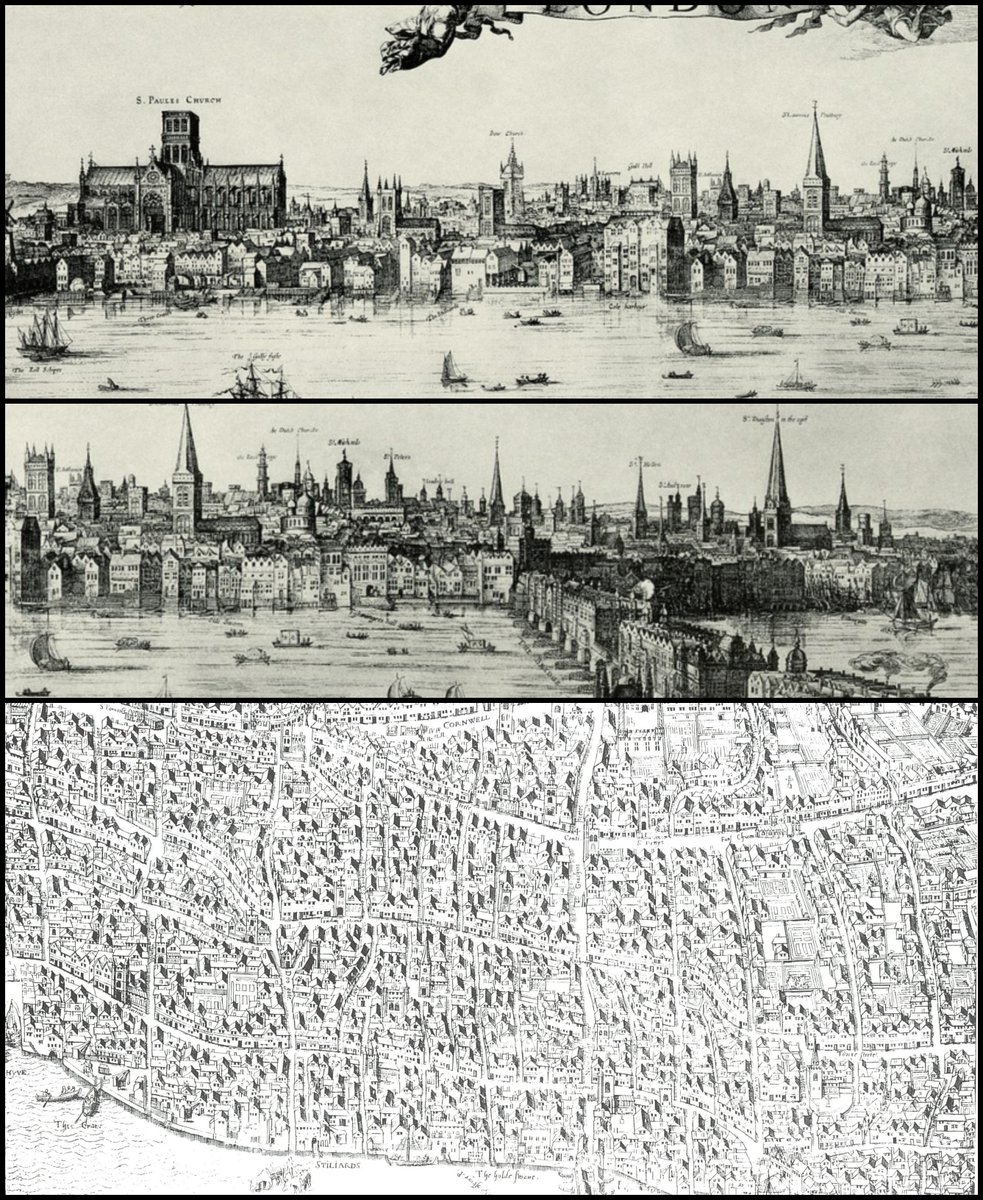
Well, in the 17th century London was a bustling Medieval city with a population of nearly 400,000.
Contemporary maps and engravings show what it was like.
Wooden buildings crowded together, thatched roofs, narrow streets, winding lanes, and endless Gothic spires.
Contemporary maps and engravings show what it was like.
Wooden buildings crowded together, thatched roofs, narrow streets, winding lanes, and endless Gothic spires.
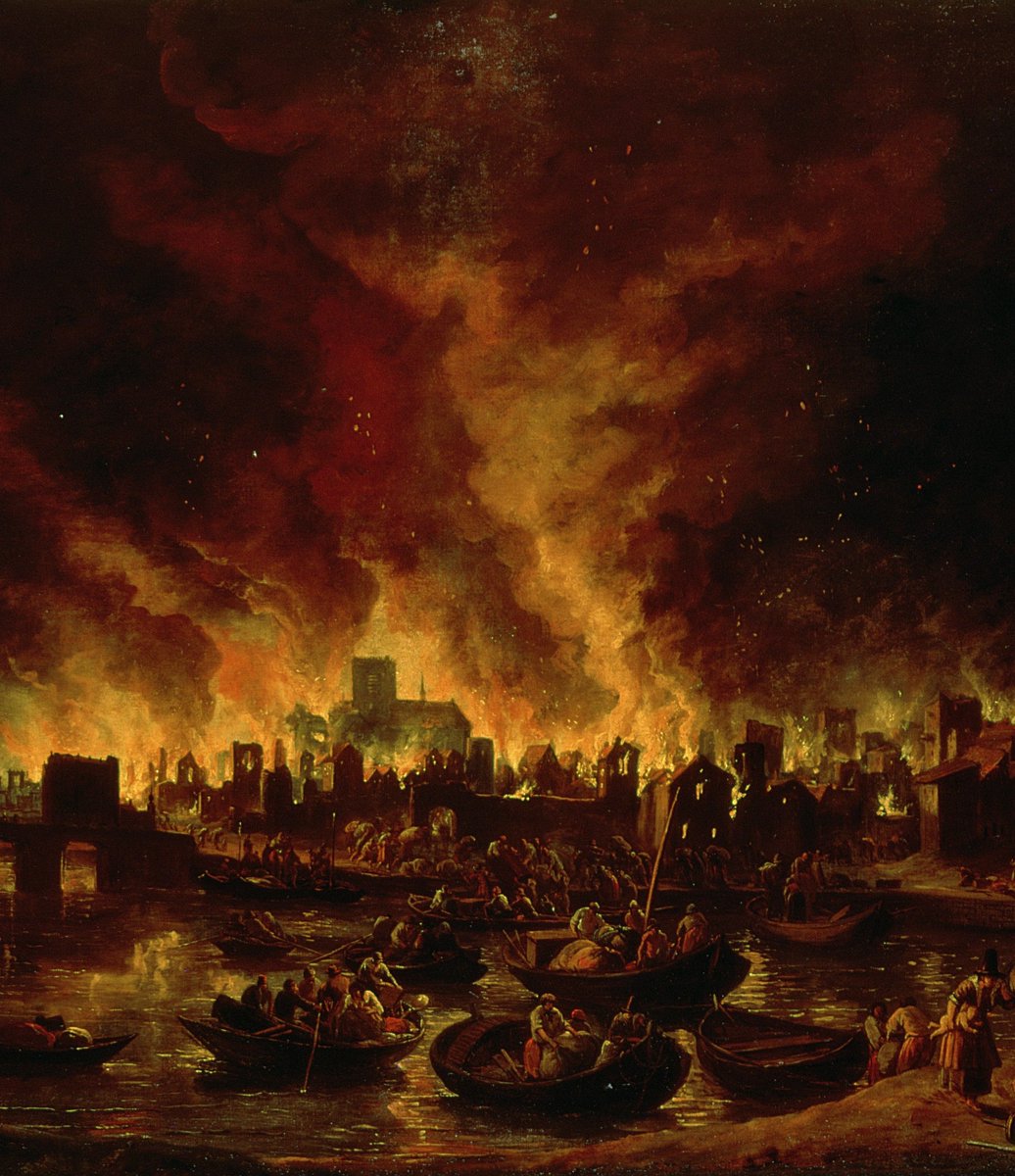
But just after midnight on the 2nd September 1666 a fire broke out in a bakery on Pudding Lane.
That was in the east of the city, close to the Tower of London.
Strong winds sent it roaring westward, ripping right through the heart of Medieval London.
That was in the east of the city, close to the Tower of London.
Strong winds sent it roaring westward, ripping right through the heart of Medieval London.

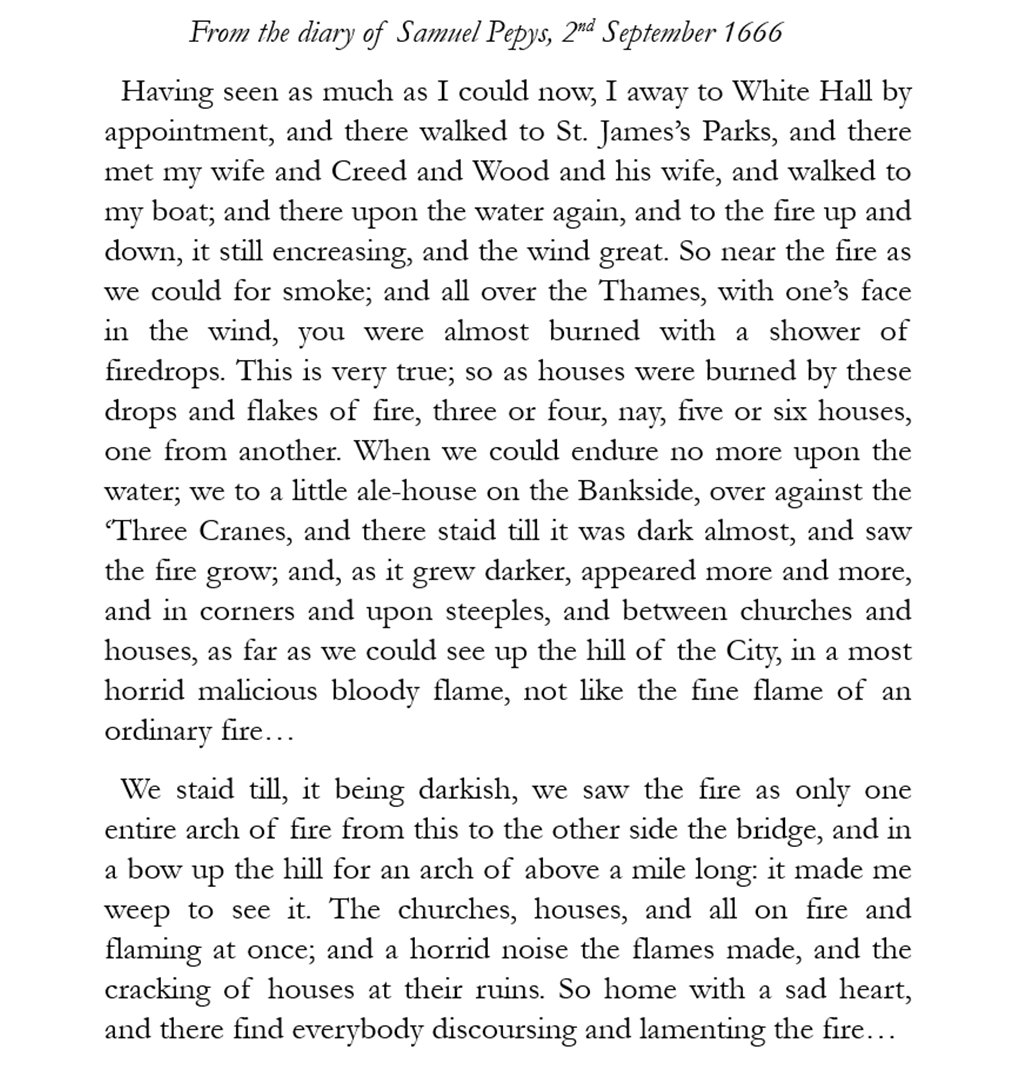
Samuel Pepys, a civil servant and Londoner, wrote an eyewitness account of the Great Fire in his diary:
Fires were frequent and people were used to dealing with them — by demolishing buildings around a fire to stop its spread.
But strong winds, a dry summer, and a delayed response from the authorities meant this one got completely out of control.
People fled across the river.
But strong winds, a dry summer, and a delayed response from the authorities meant this one got completely out of control.
People fled across the river.

Three days later the fires were finally quelled... and London had been laid waste.
At least ten thousand buildings had been destroyed, including nearly one hundred churches — although, miraculously, only six people died.
This map shows the extent of the destruction:
At least ten thousand buildings had been destroyed, including nearly one hundred churches — although, miraculously, only six people died.
This map shows the extent of the destruction:

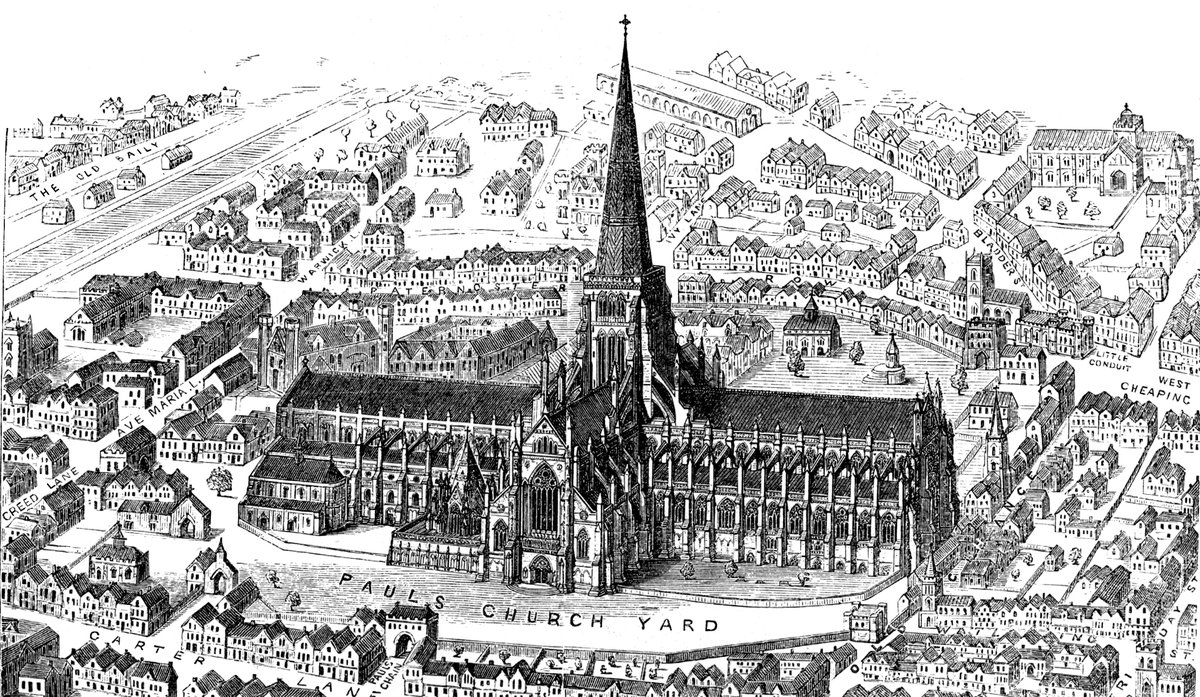
The biggest casualty was St Paul's, a Gothic cathedral dating back to the 11th century which had been undergoing a Neoclassical "renovation" at the time.
It was deemed beyond repair and demolished.
It was deemed beyond repair and demolished.
A handful of Medieval buildings survived, most notably the Tower of London, and about two thirds of the city had not been affected.
But, by and large, the centuries-old heart of Medieval London had disappeared in just three days.
But, by and large, the centuries-old heart of Medieval London had disappeared in just three days.

So London needed rebuilding.
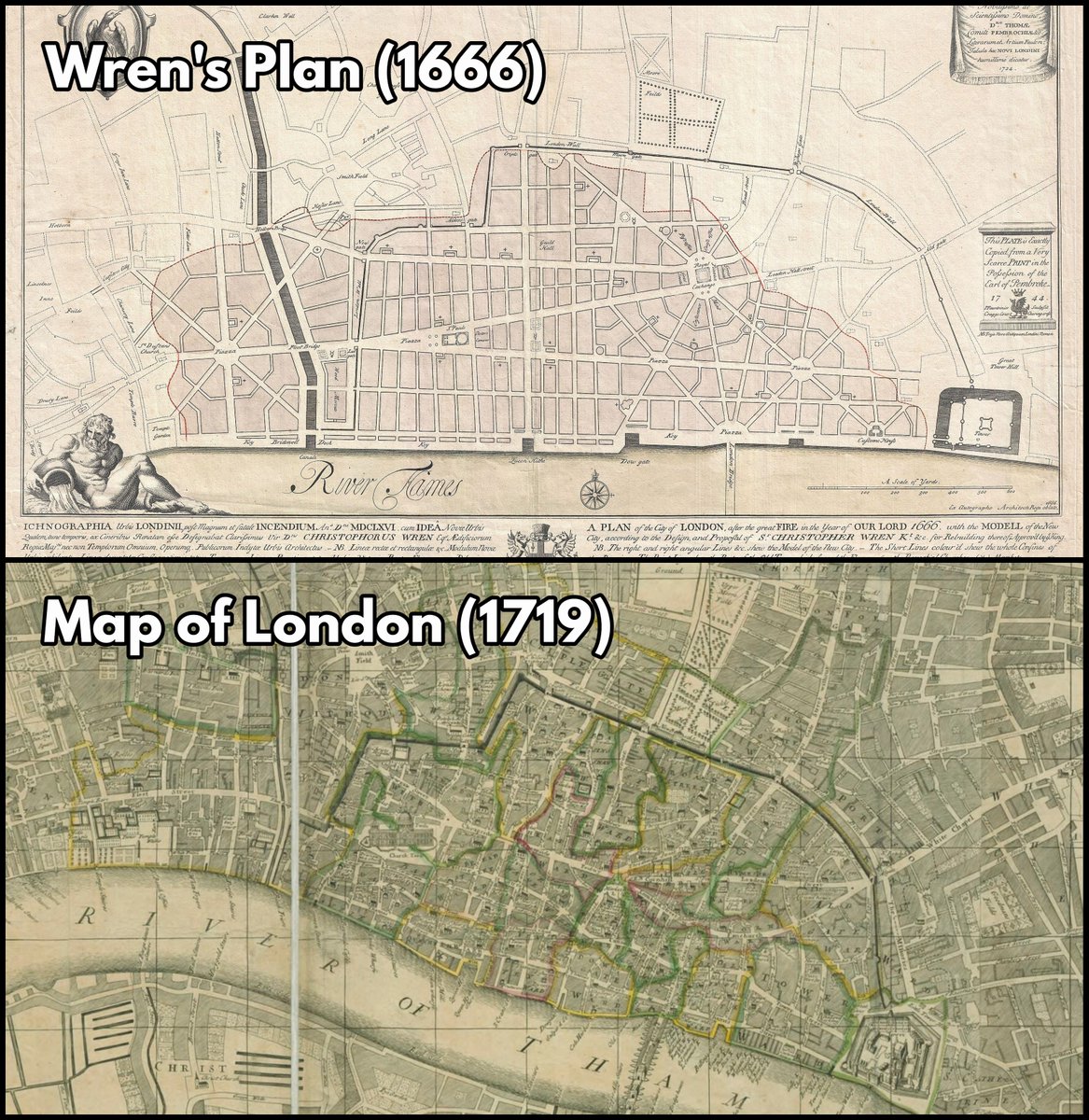
Plans were soon submitted by the likes of Christopher Wren and John Evelyn, among others.
These would have given London an entirely new layout: wide boulevards, large squares, and an ordered grid instead of its Medieval labyrinth.
Plans were soon submitted by the likes of Christopher Wren and John Evelyn, among others.
These would have given London an entirely new layout: wide boulevards, large squares, and an ordered grid instead of its Medieval labyrinth.

This was long before systematic studies of urban topography, public health, traffic circulation, and suchlike.
"Urban planning" as we think of it now was still a nascent science — Wren's plan was ahead of its time and would have made London a far grander city than it is today.
"Urban planning" as we think of it now was still a nascent science — Wren's plan was ahead of its time and would have made London a far grander city than it is today.
But the plans were not adopted, largely because of the need to rebuild quickly and disputes between landowners and tenants.
So London was reconstructed according to the old plan... thus retaining its Medieval mess of narrow lanes and winding streets.
So London was reconstructed according to the old plan... thus retaining its Medieval mess of narrow lanes and winding streets.
But if its plan was largely Medieval, the appearance of this new London was not.
Because the city was rebuilt with Neoclassical and Baroque rather than Gothic architecture.
Round arches, classical orders, pediments, and porticos rose from the ashes.
Because the city was rebuilt with Neoclassical and Baroque rather than Gothic architecture.
Round arches, classical orders, pediments, and porticos rose from the ashes.

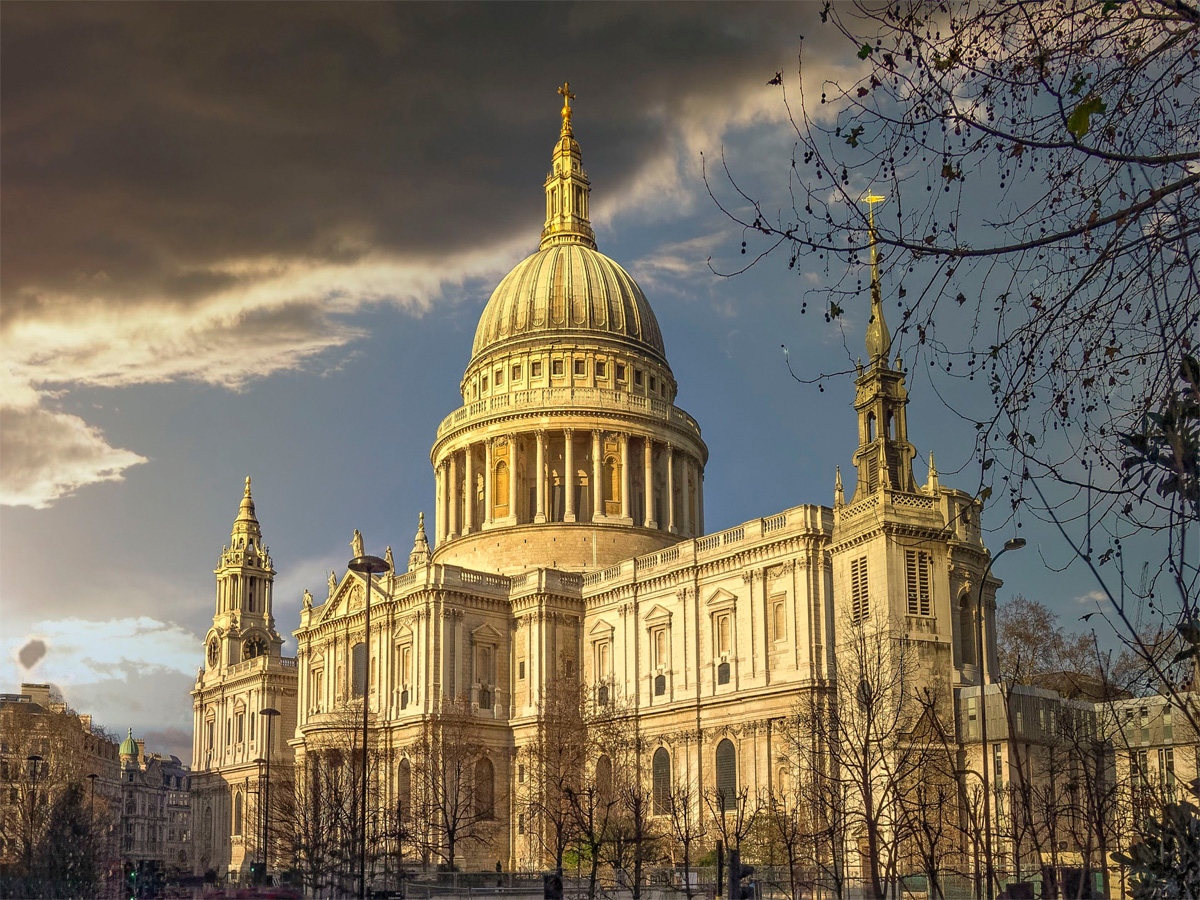
And the centrepiece was the new St Paul's Cathedral, designed by Christopher Wren.
Its colossal dome and monumental façade were inspired by St Peter's in Rome.
A neoclassical building that embodied London's new architectural identity.
Its colossal dome and monumental façade were inspired by St Peter's in Rome.
A neoclassical building that embodied London's new architectural identity.
New fire-safety regulations were also introduced.
Buildings had to be faced with brick rather than wood, thatched roofs were forbidden, and restrictions were placed on the height and plot-size of new buildings.
A muddled city of timbers had become a regulated city of bricks.
Buildings had to be faced with brick rather than wood, thatched roofs were forbidden, and restrictions were placed on the height and plot-size of new buildings.
A muddled city of timbers had become a regulated city of bricks.

So that's why London looks the way it does — Medieval planning mixed with neoclassical design.
The Great Fire came too late for London to be rebuilt with Medieval architecture, but too soon for the large-scale urban renovations of cities like Paris or Barcelona.
The Great Fire came too late for London to be rebuilt with Medieval architecture, but too soon for the large-scale urban renovations of cities like Paris or Barcelona.
That original construction boom snowballed into a process of relentless modernisation that has never ceased.
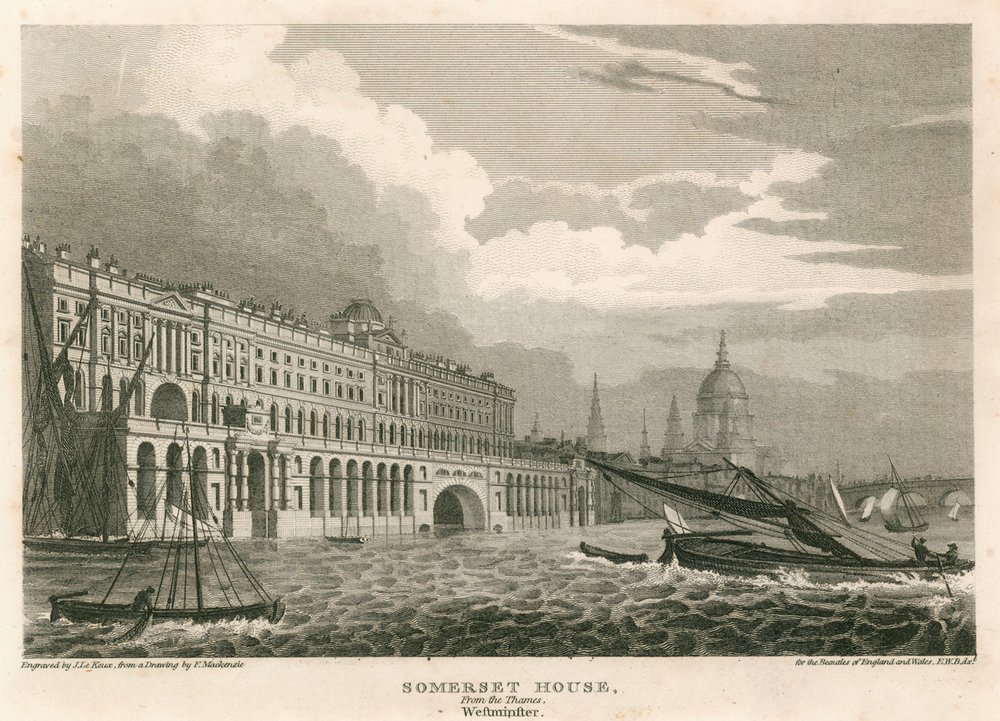
London was soon filled with more and more neoclassical architecture, with more residential squares and ever-grander new developments like Somerset House.
London was soon filled with more and more neoclassical architecture, with more residential squares and ever-grander new developments like Somerset House.
So neoclassical architecture remained in fashion for another century and a half after the Great Fire, albeit with an increasingly simple design philosophy.
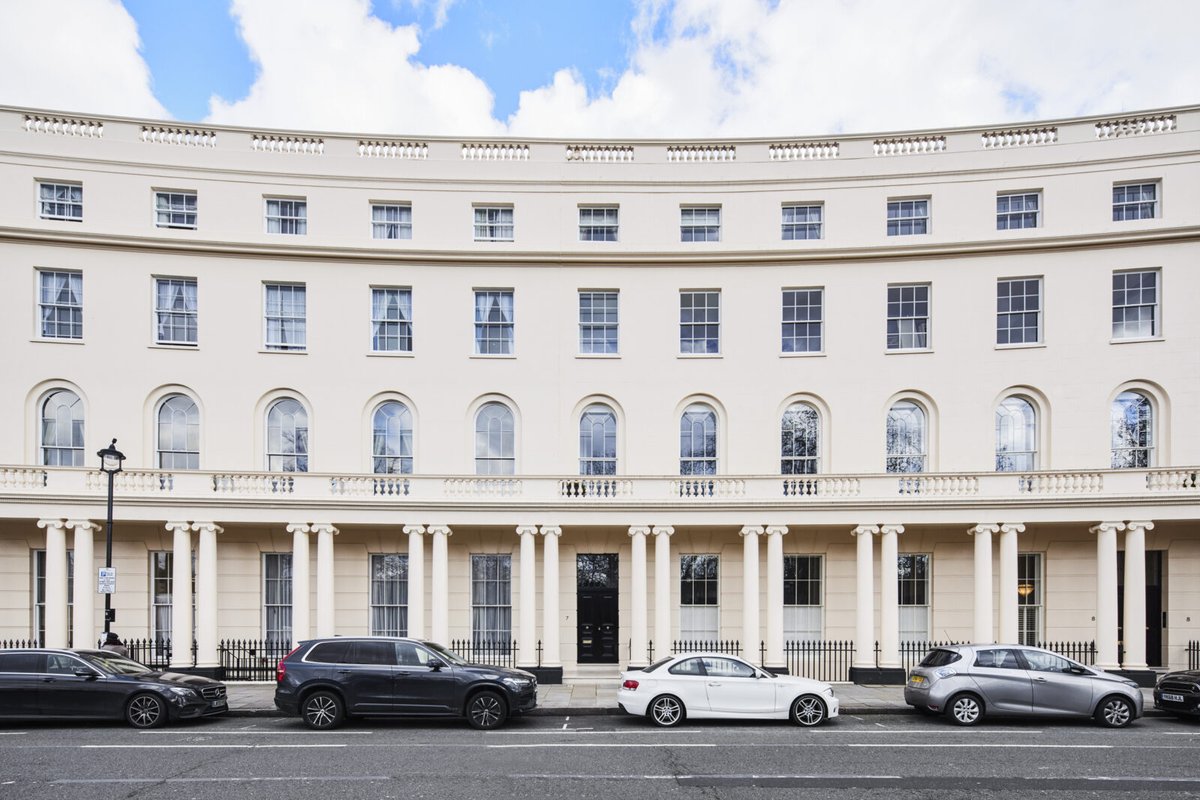
A good example is something like the famous Park Crescent, from 1821 — harmonious Georgian architecture at its finest.
A good example is something like the famous Park Crescent, from 1821 — harmonious Georgian architecture at its finest.
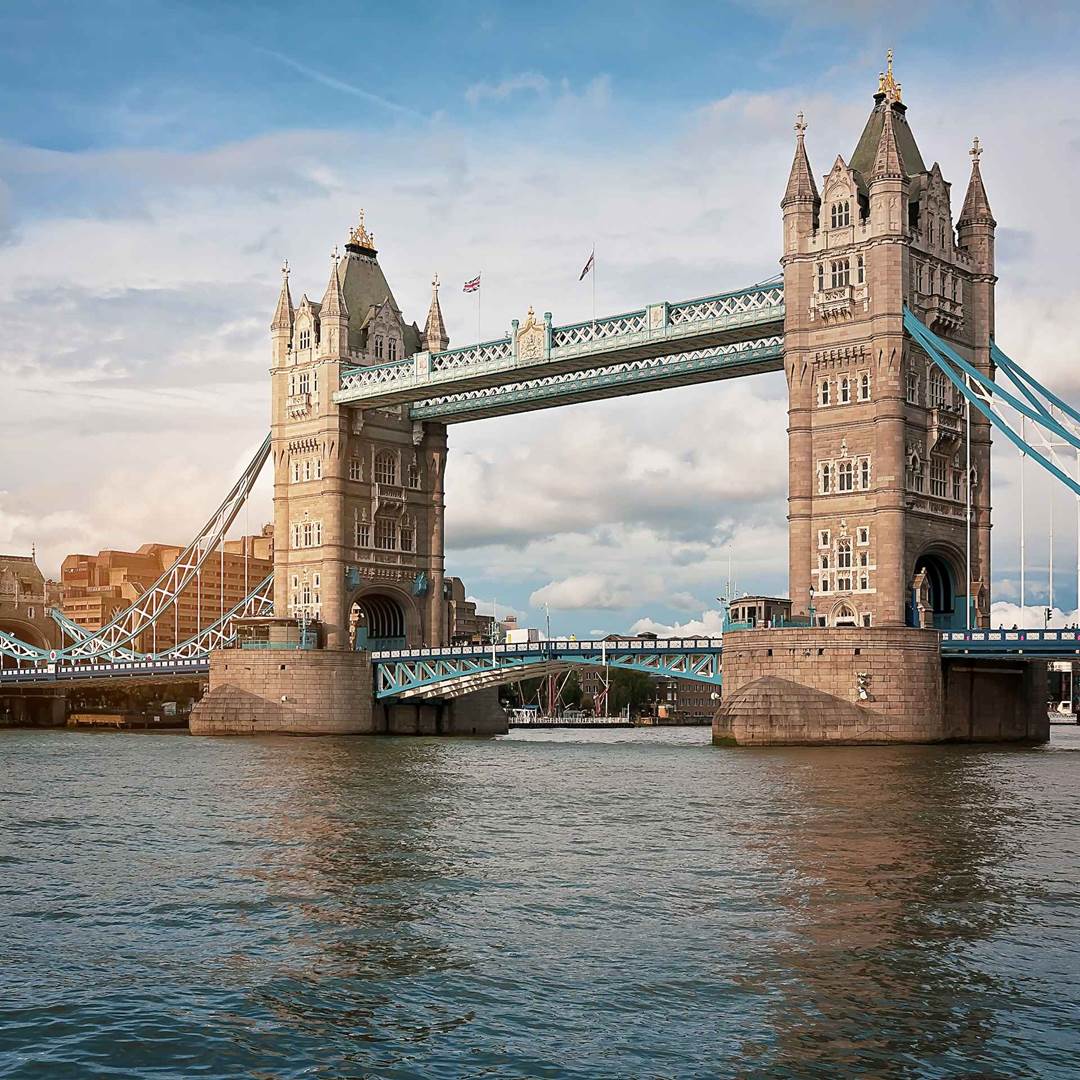
Though, as the 19th century progressed, the Gothic Revival burst into life.
After centuries of slumber, London was once again filled with pointed arches, timber frames, flying buttresses, and gargoyles.
These swings in fashion explain London's lack of architectural coherence.
After centuries of slumber, London was once again filled with pointed arches, timber frames, flying buttresses, and gargoyles.
These swings in fashion explain London's lack of architectural coherence.
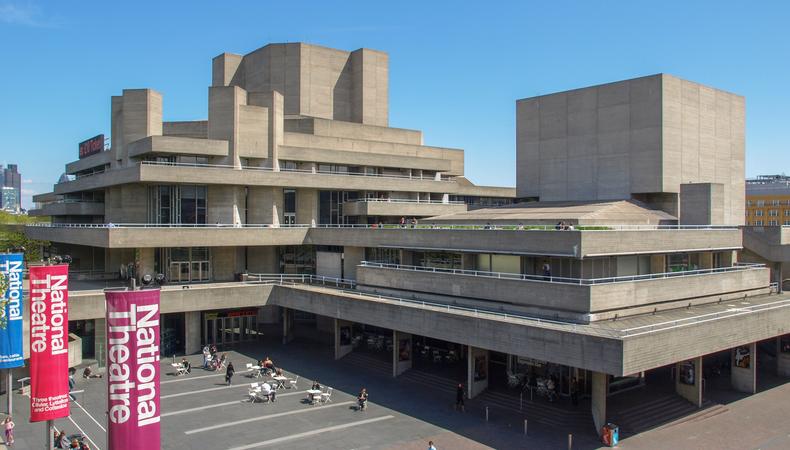
Another major wave of construction came after the Second World War, when swathes of London had been destroyed by bombs and needed rebuilding.
Tower blocks emerged from the rubble — along with experimental works of modern architecture like the National Theatre.
Tower blocks emerged from the rubble — along with experimental works of modern architecture like the National Theatre.
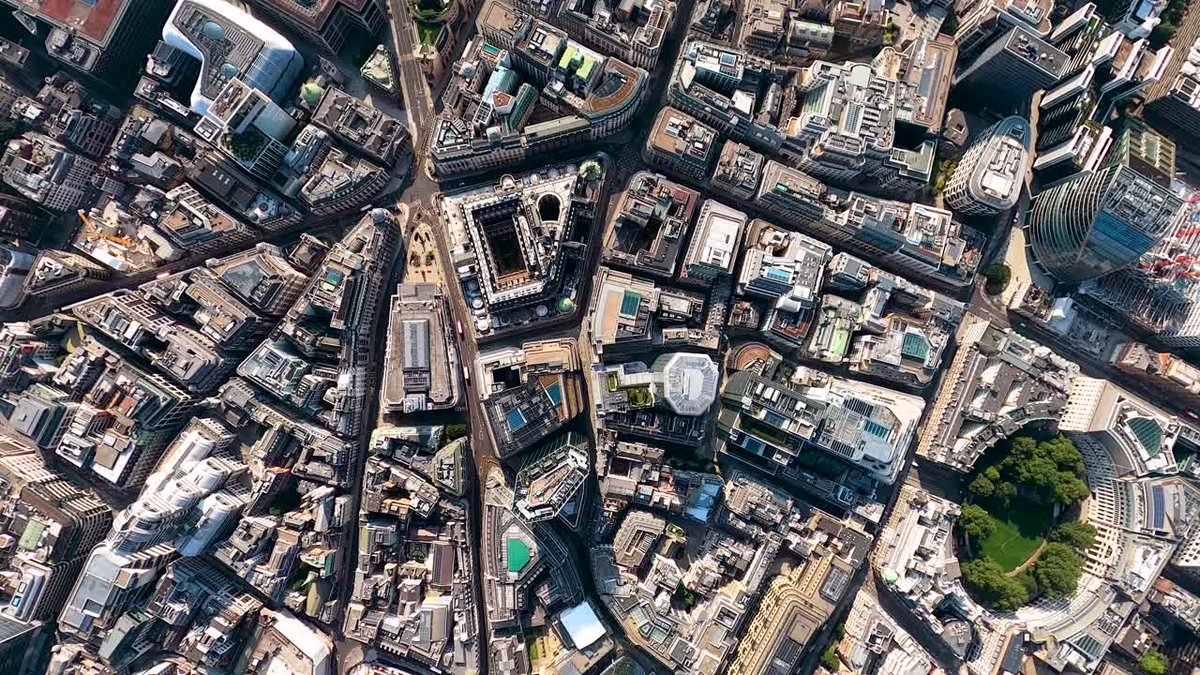
Since the 90s London's broader cityscape has been transformed again, this time thanks to a boom in skyscraper construction.
This is another urban feature that makes London unlike other European cities — and only adds to its unique smorgasbord of architecture and urban planning.
This is another urban feature that makes London unlike other European cities — and only adds to its unique smorgasbord of architecture and urban planning.

So London is strange — it has a Medieval layout but little Medieval architecture, filled instead with Neoclassical terraces, Neo-Gothic halls, Brutalist estates, and glass skyscrapers.
And it all began 358 years ago with how the city was rebuilt after the Great Fire.
And it all began 358 years ago with how the city was rebuilt after the Great Fire.
Loading suggestions...