

1/ Haematological Manifestations of HIV...a thread 🧵
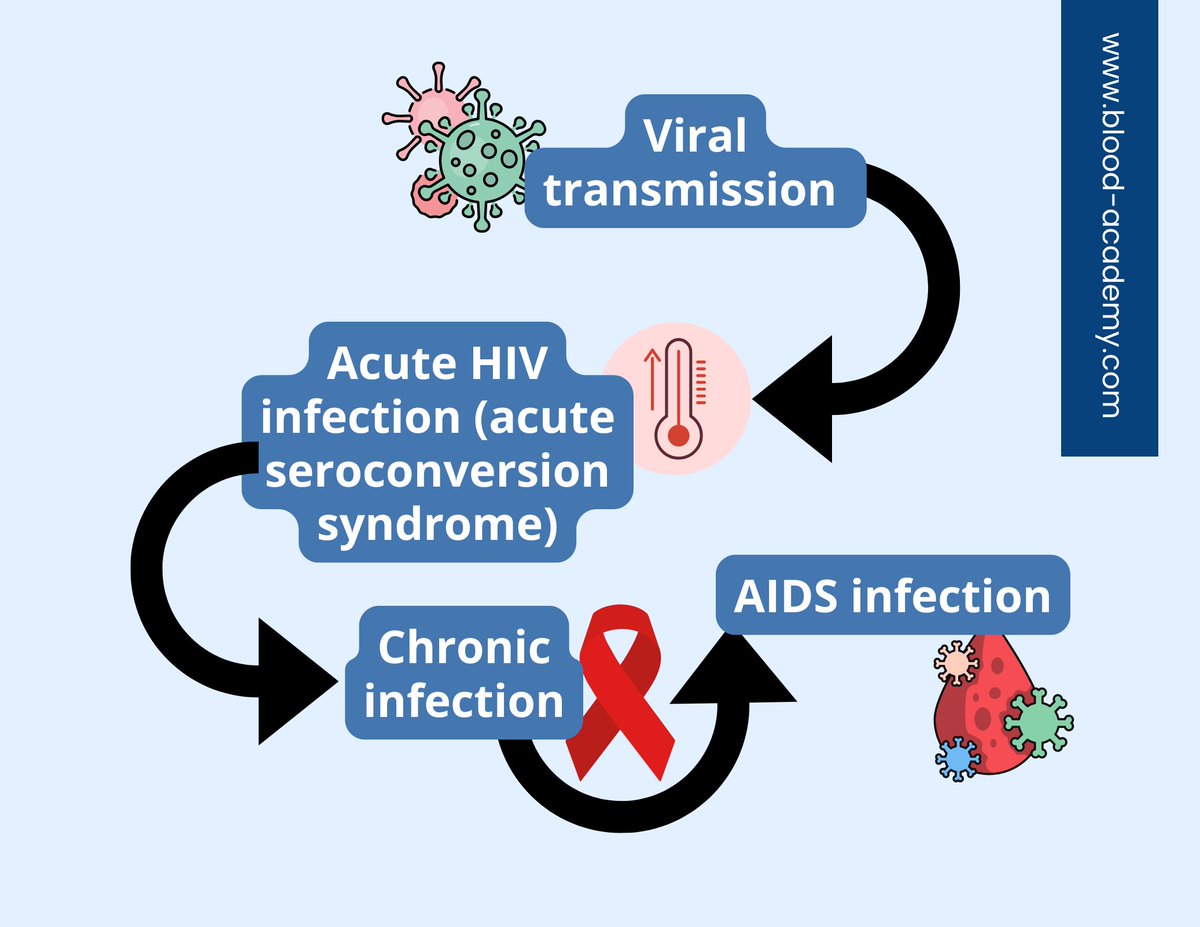
2/ HIV belongs to the Lentivirus family (HIV-1, HIV-2). AIDS represents the most severe clinical manifestation of chronic HIV infection, reflecting significant CD4 depletion.
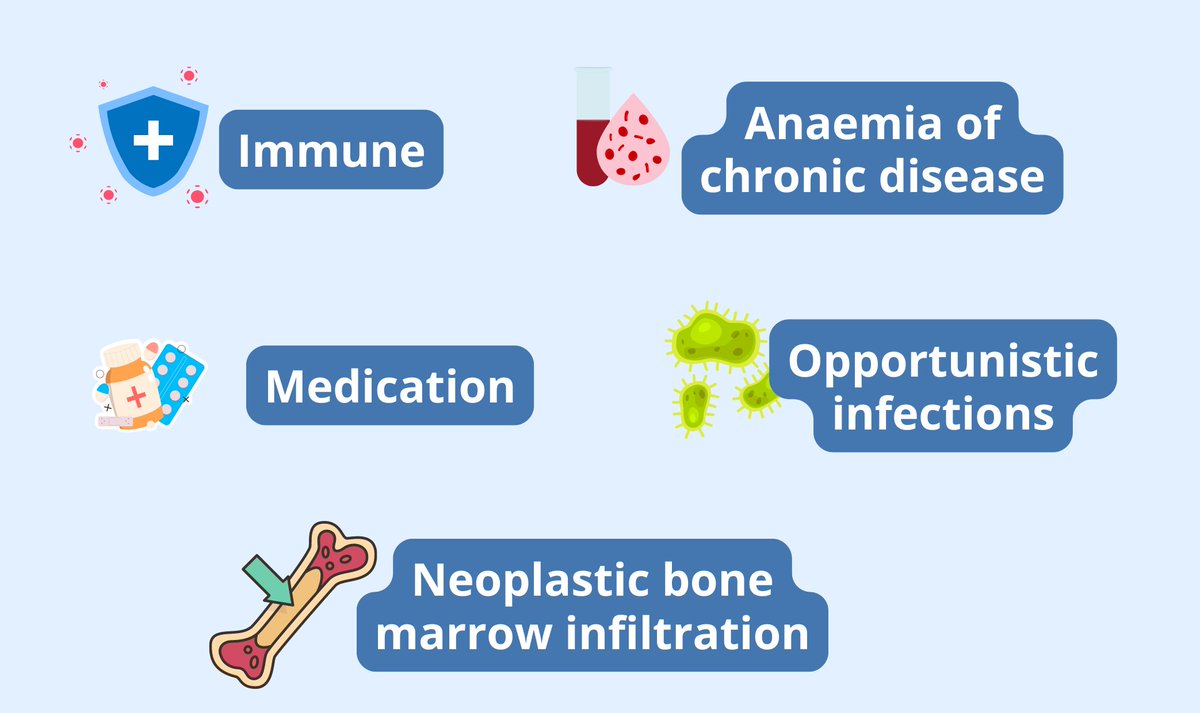
3/ Cytopenias in HIV are caused by a range of factors: immune system impacts, anaemia of chronic disease, medications, opportunistic infections, and neoplastic bone marrow infiltration.
4/ Anaemia and lymphopenia are commonly seen in the chronic phase. Neutropenia can occur, especially due to antiretroviral therapy. Thrombocytopenia can also be seen in the acute phase. Cytopenias often worsen as AIDS progresses.
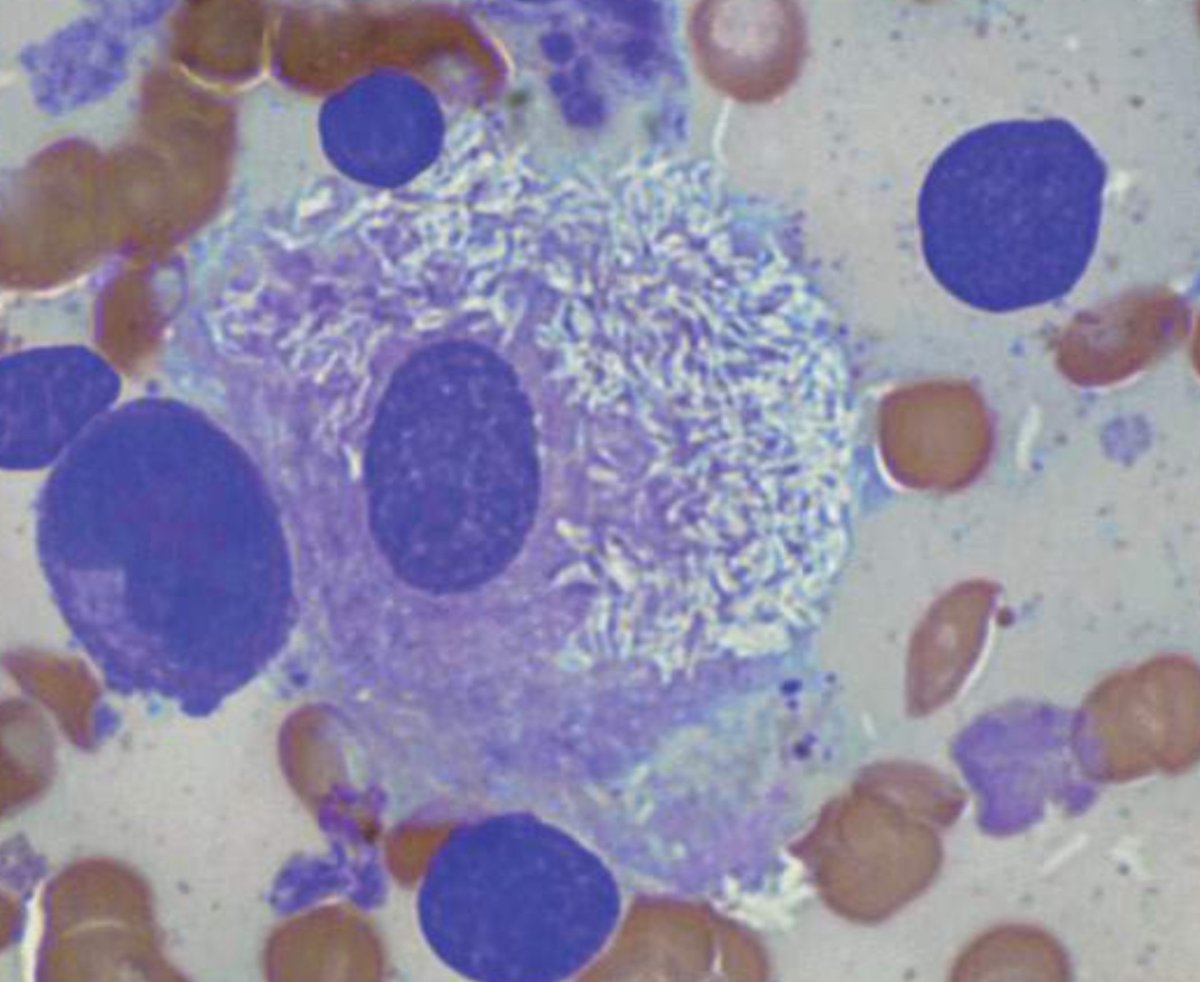
5/ Bone marrow manifestations in HIV can include opportunistic infections like atypical mycobacteria (see image), cryptococcus, leishmaniasis, and histoplasmosis.
Image reference: Bain, 2019
Image reference: Bain, 2019
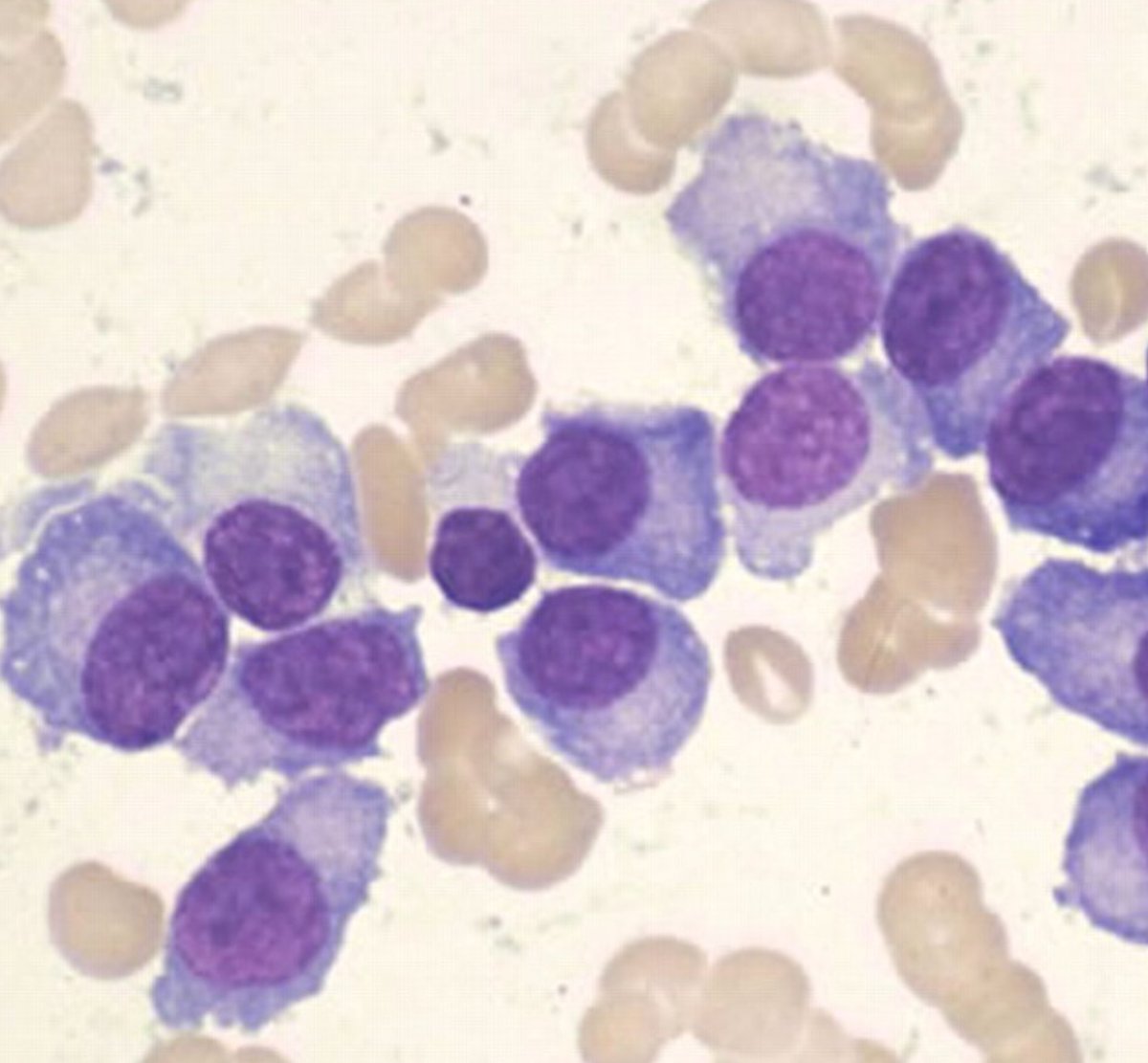
6/ Also in the bone marrow, reactive increases in polyclonal plasma cells are common in HIV patients. Some may also develop a paraprotein.
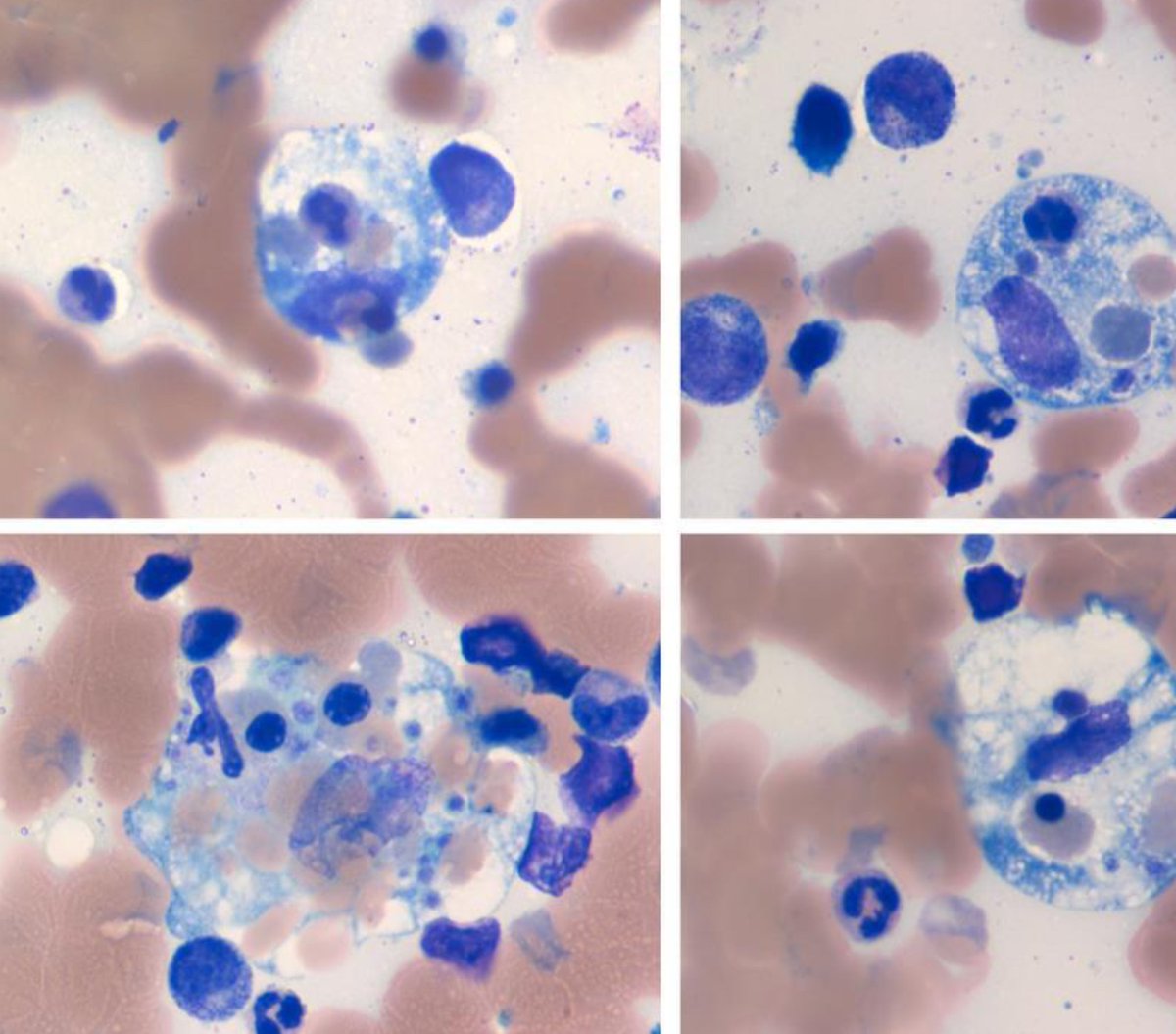
7/ HIV is also a known cause of haemophagocytic syndrome, a severe condition where the body's immune cells start attacking its own tissues.
Image reference: ASH image bank
Image reference: ASH image bank
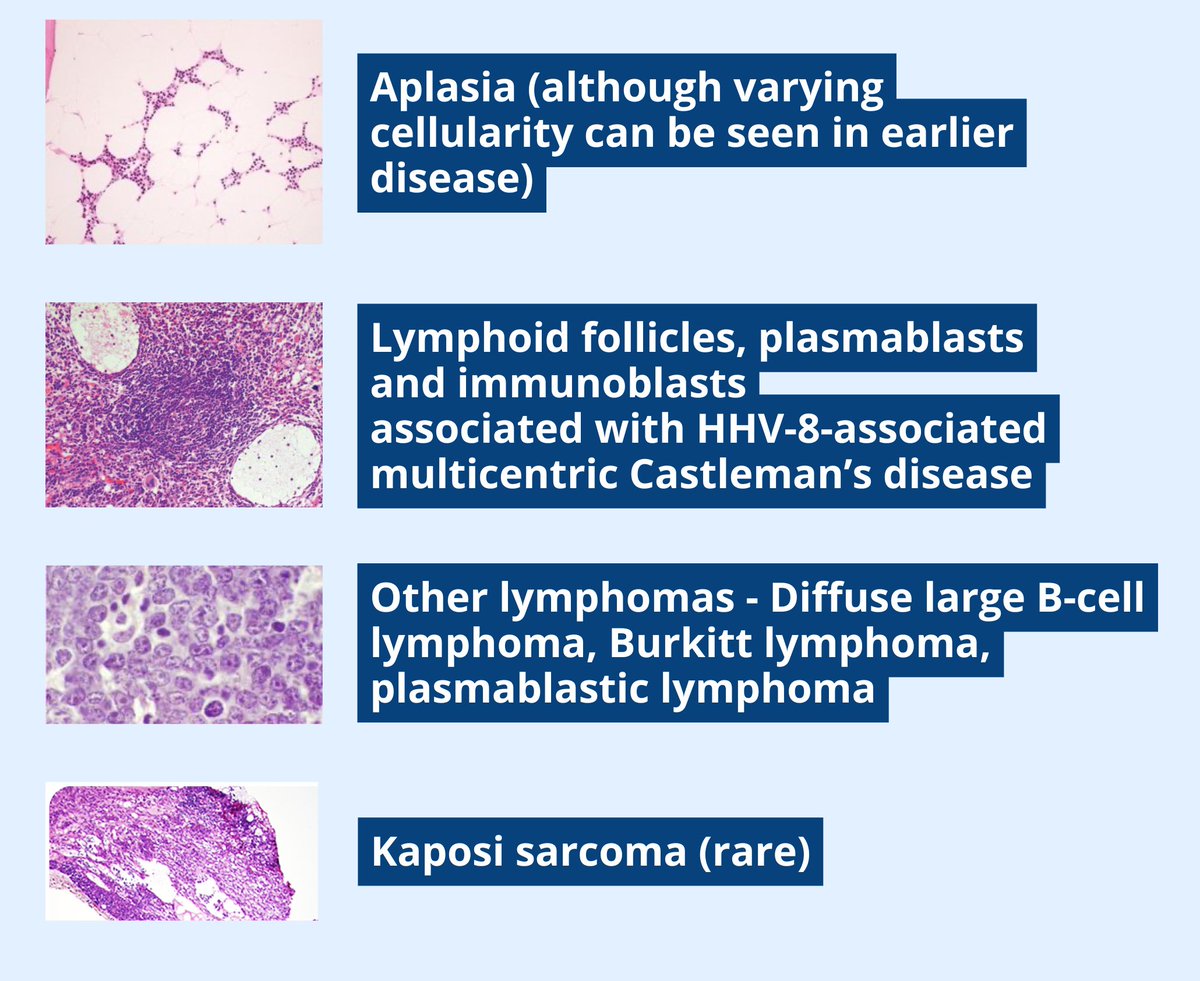
8/ In advanced HIV disease, bone marrow manifestations can include aplasia, lymphoid follicles associated with HHV-8 multicentric Castleman disease, and lymphomas such as DLBCL and Burkitt lymphoma. Kaposi sarcoma is rare but possible.
Image reference: ASH image bank
Image reference: ASH image bank
9/ IMPORTANT - It is essential to screen for HIV in any patient with unexplained cytopenia, as these could be early signs of HIV-related complications.
10/ Want to learn more about blood morphology and its role in diagnosing conditions like HIV? Check out our Essential Blood Cell Morphology course, with 25% off and free global shipping!
𝗘𝗻𝗿𝗼𝗹 𝘁𝗼𝗱𝗮𝘆 👉bit.ly
𝗘𝗻𝗿𝗼𝗹 𝘁𝗼𝗱𝗮𝘆 👉bit.ly

Loading suggestions...