

Nykaa is more profitable than Amazon in India
But when Nykaa ideally should’ve never survived against the $1.86 TRILLION behemoth
Then how did the operationally expensive Nykaa become profitable & Amazon couldn’t?
THREAD: Why Nykaa works in India but Amazon doesn’t 🧵
But when Nykaa ideally should’ve never survived against the $1.86 TRILLION behemoth
Then how did the operationally expensive Nykaa become profitable & Amazon couldn’t?
THREAD: Why Nykaa works in India but Amazon doesn’t 🧵
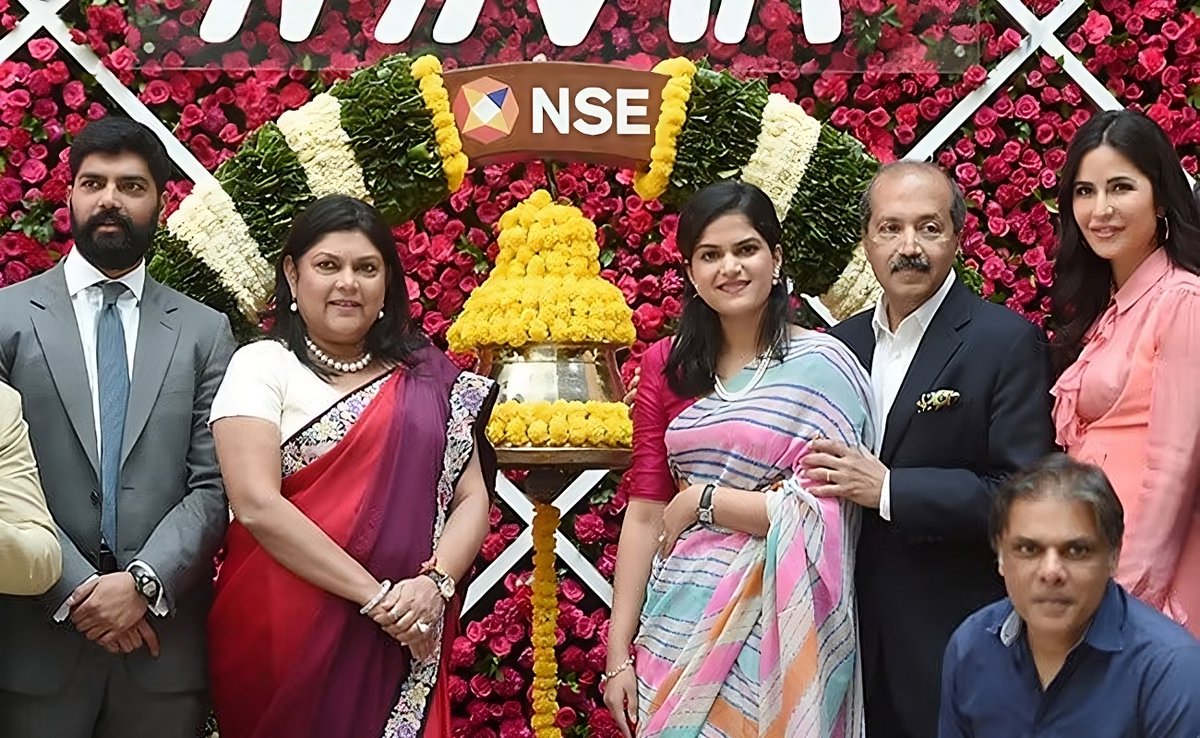
Since Amazon serves all sectors for the most value for money, it has always been difficult for Indian start-ups to make it big in the e-commerce space.
In fact, many well-funded companies like Snapdeal and Shopclues fell prey to the graveyard of e-commerce in India.
In fact, many well-funded companies like Snapdeal and Shopclues fell prey to the graveyard of e-commerce in India.
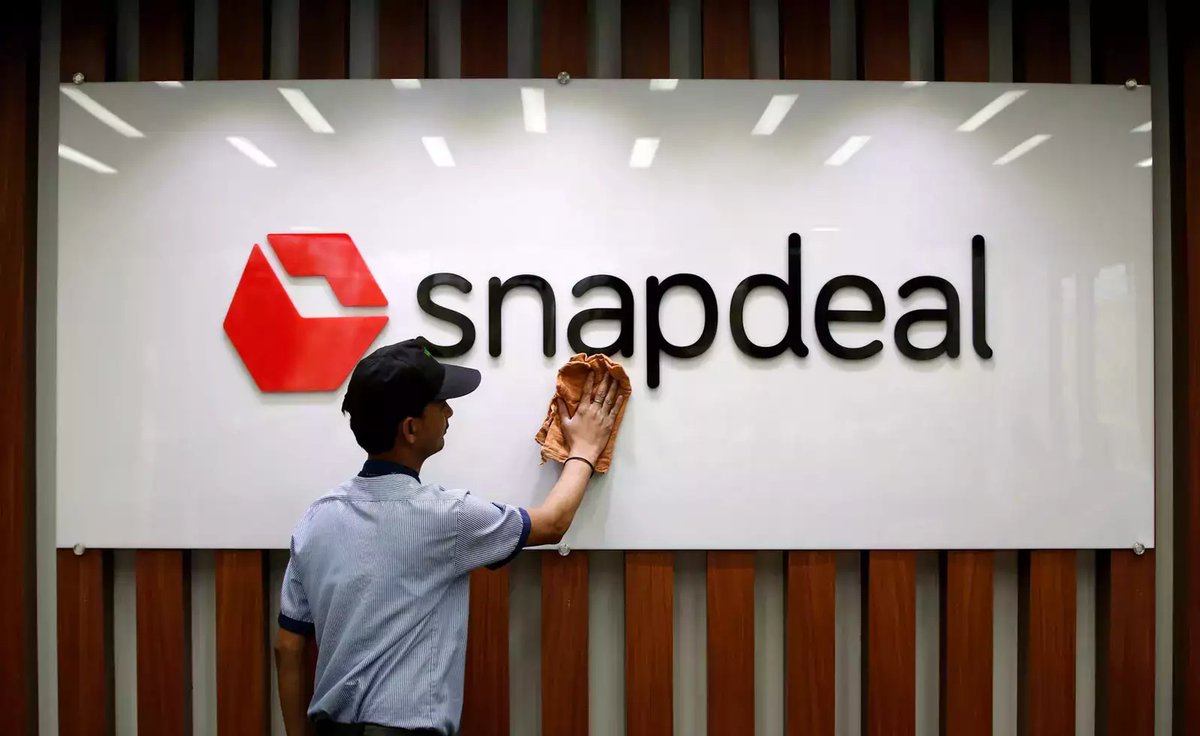
Ideally, Nykaa should never have worked.
But it beat all odds to become a successful Indian e-commerce company.
The reason for its success? Trust.
— If you ask any woman, she’d tell you she trusts Nykaa more than Amazon or Flipkart.
But it beat all odds to become a successful Indian e-commerce company.
The reason for its success? Trust.
— If you ask any woman, she’d tell you she trusts Nykaa more than Amazon or Flipkart.
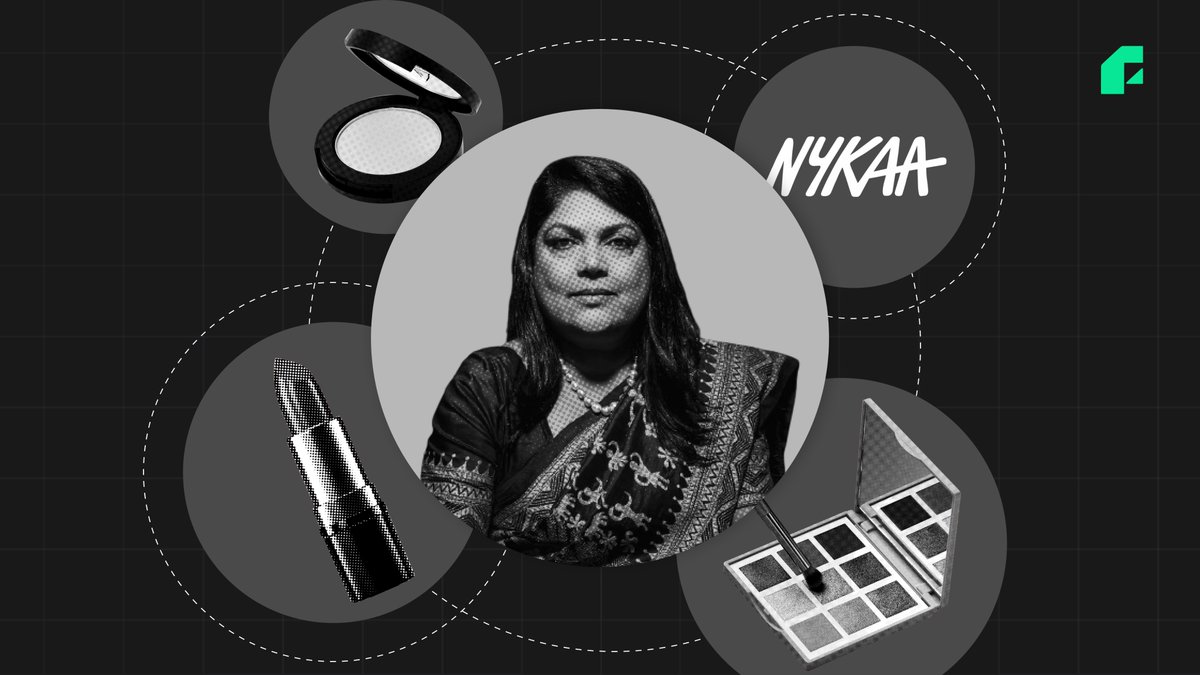
See, our country had a massive trust deficit in the online retail sector.
Giants like Amazon and Flipkart were initially focused on convincing Indian consumers about e-commerce by offering better deals and providing excellent customer support.
It was a fight for the basics.
Giants like Amazon and Flipkart were initially focused on convincing Indian consumers about e-commerce by offering better deals and providing excellent customer support.
It was a fight for the basics.
What they mastered were logistics, delivery, and most importantly, the price.
But what Amazon was late to understand was that its product is not just the delivery, it is the end-to-end experience including the final item.
But what Amazon was late to understand was that its product is not just the delivery, it is the end-to-end experience including the final item.

Amazon has a history of delivering compromised or even wrong products.
This means that the fundamental issue with Amazon’s business model is the absence of quality assurance.
Now even if the customer support is quick to resolve this, the damage to reputation is already done.
This means that the fundamental issue with Amazon’s business model is the absence of quality assurance.
Now even if the customer support is quick to resolve this, the damage to reputation is already done.
So what’s stopping Amazon from ensuring quality? Their business model.
E-commerce platforms in India can run on 2 models:
1️⃣ The marketplace model connects buyers & sellers on the platform
2️⃣ The inventory model where the platform buys inventory from brands & sells directly.
E-commerce platforms in India can run on 2 models:
1️⃣ The marketplace model connects buyers & sellers on the platform
2️⃣ The inventory model where the platform buys inventory from brands & sells directly.

Since Amazon is just a facilitator between buyers & customers, it can only assure the quality of service offered but not the final product delivered.
Another problem that Amazon faces is that the Indian FDI policy permits 100% Foreign Direct Investment under the automatic route
Another problem that Amazon faces is that the Indian FDI policy permits 100% Foreign Direct Investment under the automatic route
—only in the marketplace model of e-commerce.
This caveat opened up the door for a domestic player like Nykaa to leverage the inventory model.
Nykaa’s model puts it in direct control of the service, product, & customer interaction. It allows for standardization & trust.
This caveat opened up the door for a domestic player like Nykaa to leverage the inventory model.
Nykaa’s model puts it in direct control of the service, product, & customer interaction. It allows for standardization & trust.
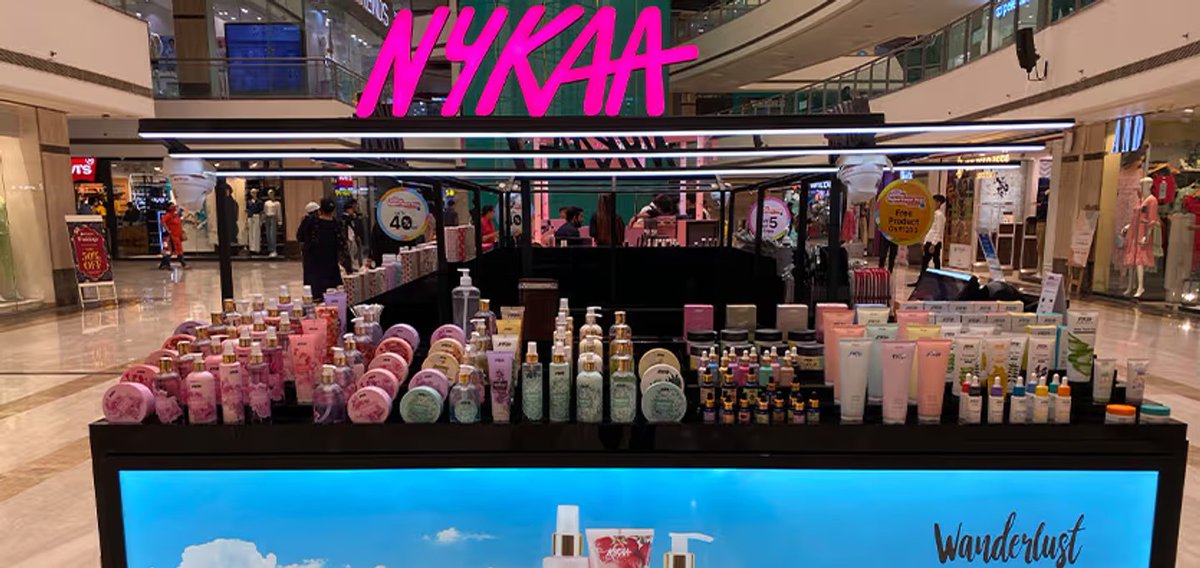
Fundamentally, Nykaa was always a brand, not just a platform. Its focus had always been acquiring a community, not just customers.
Buyers who associate with a brand are more likely to make purchases than buyers who do not relate to it.
Ordering from Nykaa just ‘feels’ nicer!
Buyers who associate with a brand are more likely to make purchases than buyers who do not relate to it.
Ordering from Nykaa just ‘feels’ nicer!
How Nykaa did this is through its beauty community
—the ‘Nykaa Network’.
Further, it introduced a loyalty program ‘Nykaa Privé’ which awards customers based on spending.
Now, customers had a reason to return to Nykaa—they trusted this company & earned reward points in return.
—the ‘Nykaa Network’.
Further, it introduced a loyalty program ‘Nykaa Privé’ which awards customers based on spending.
Now, customers had a reason to return to Nykaa—they trusted this company & earned reward points in return.

But Nykaa soon sensed a desire for famous international brands in the Indian market.
So, it onboarded hard-to-access international brands like Fenty Beauty & Charlotte Tilbury.
Now if a customer wants anything, no matter how local or global, Nykaa is the obvious choice!
So, it onboarded hard-to-access international brands like Fenty Beauty & Charlotte Tilbury.
Now if a customer wants anything, no matter how local or global, Nykaa is the obvious choice!

But why stop when you can add a bit of glamour to a beauty business and see magic unravel?
In an interesting move, Nykaa exclusively collaborated with famous Indian celebs like Katrina Kaif & Masaba Gupta to launch successful brands like ‘Kay Beauty’ & ‘Lovechild’.
In an interesting move, Nykaa exclusively collaborated with famous Indian celebs like Katrina Kaif & Masaba Gupta to launch successful brands like ‘Kay Beauty’ & ‘Lovechild’.
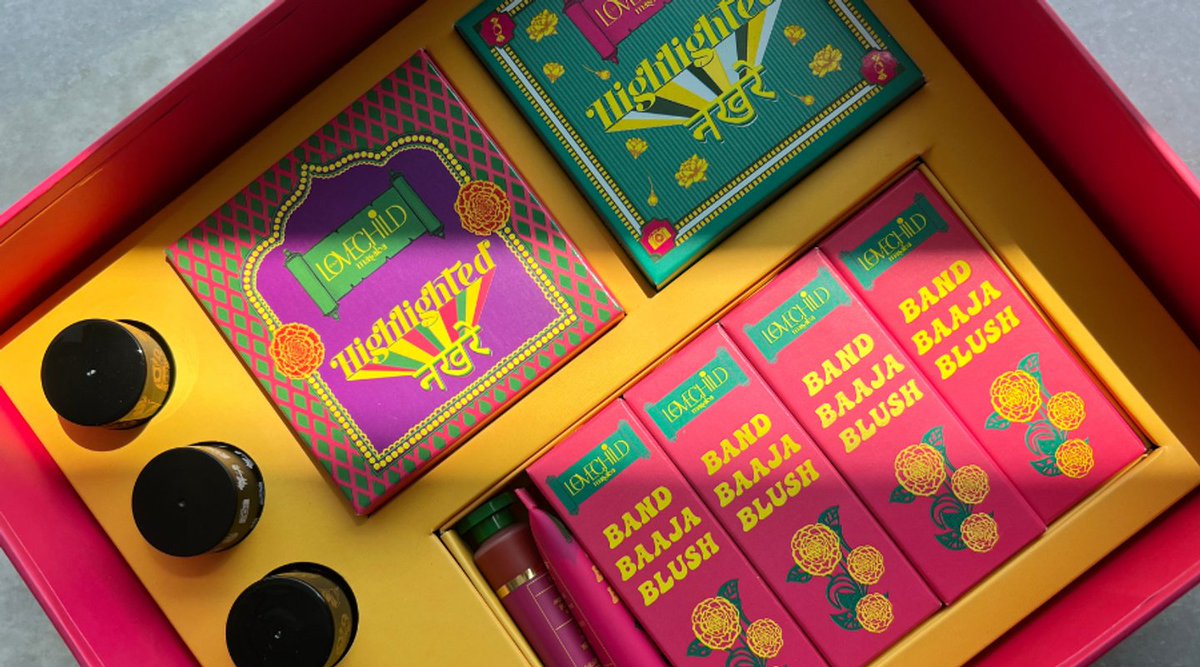

Association with such familiar names made people trust Nykaa even more.
Once Nykaa had cemented its position as the frontrunner in the BPC category with no real competition, the obvious next move was to expand into adjacent categories so it launched Nykaa Fashion & Nykaa Man.
Once Nykaa had cemented its position as the frontrunner in the BPC category with no real competition, the obvious next move was to expand into adjacent categories so it launched Nykaa Fashion & Nykaa Man.

But interestingly, Nykaa made sure to develop its other brands as standalone businesses separate from the main platform.
This was in stark contrast to Amazon — which famously brands itself an ‘everything store’.
Why did Nykaa do this?
This was in stark contrast to Amazon — which famously brands itself an ‘everything store’.
Why did Nykaa do this?
See, Amazon’s versatility of products worked in India as it entered the market as an internationally established entity.
However, the concept of a ‘super app’ is otherwise unpopular among Indian consumers.
However, the concept of a ‘super app’ is otherwise unpopular among Indian consumers.
But interestingly, Nykaa developed its other brands as standalone businesses separate from the main platform.
This was in stark contrast to Amazon—which famously brands itself an ‘everything store’.
Why did Nykaa do this?
See, Amazon’s versatility of products worked in India
This was in stark contrast to Amazon—which famously brands itself an ‘everything store’.
Why did Nykaa do this?
See, Amazon’s versatility of products worked in India
—as it entered the market as an internationally established entity.
However, the concept of a ‘super app’ is otherwise unpopular among Indian consumers.
Nykaa understood that Indian consumers trust only a handful of brands but also prefer specialized apps for specific purposes
However, the concept of a ‘super app’ is otherwise unpopular among Indian consumers.
Nykaa understood that Indian consumers trust only a handful of brands but also prefer specialized apps for specific purposes
—so while the Nykaa name stays, the platforms for different sectors need to be separate.
The popular belief is that a brand specializing in a particular sector is more credible than a ‘jack of all trades’.
So, Nykaa made no compromise on the brand identity as a beauty platform.
The popular belief is that a brand specializing in a particular sector is more credible than a ‘jack of all trades’.
So, Nykaa made no compromise on the brand identity as a beauty platform.
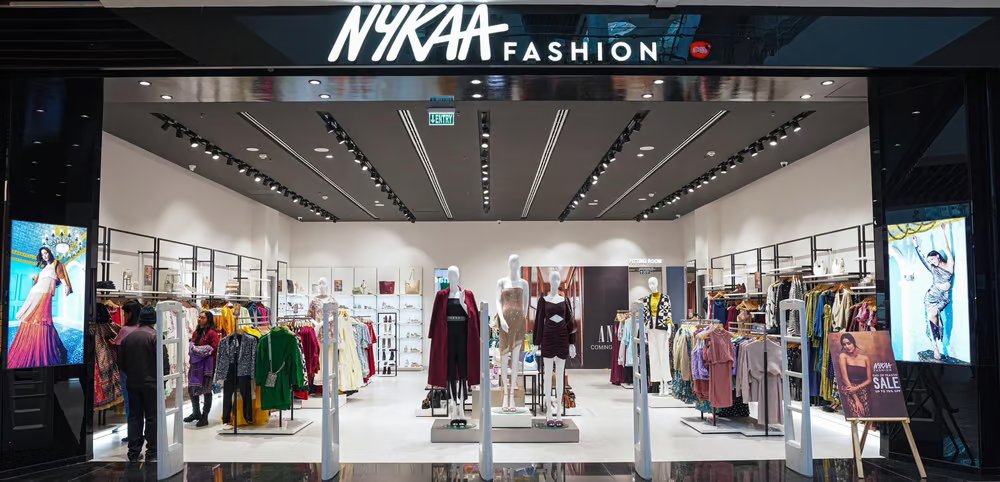
This is apparent in its branding & even its website whose user interface creates a more engaging & relatable shopping experience compared to the more generalized interfaces of Amazon & Flipkart.
This is how Nykaa beat e-commerce giants to reign in the Beauty & Skincare sector.
This is how Nykaa beat e-commerce giants to reign in the Beauty & Skincare sector.
If you liked this read, do RePost🔄the 1st post and follow us @FinFloww for such reads every Monday, Wednesday and Friday!
Join the 30007 members who read our WhatsApp newsletter every other day: whatsapp.com
Subscribe to WHAT THE FLOWW?, our weekly email newsletter where we dive deeper into such concepts: soshals.app

Loading suggestions...