

In 2014, a pilot ditched his airlines job to build his startup — Noise
9 yrs later, it has become the market leader beating Aman Gupta’s boAt
The CRAZY part? Noise did a whopping ₹1426 cr in FY23 without raising a single dime from investors
THREAD: How Noise is making noise🧵
9 yrs later, it has become the market leader beating Aman Gupta’s boAt
The CRAZY part? Noise did a whopping ₹1426 cr in FY23 without raising a single dime from investors
THREAD: How Noise is making noise🧵
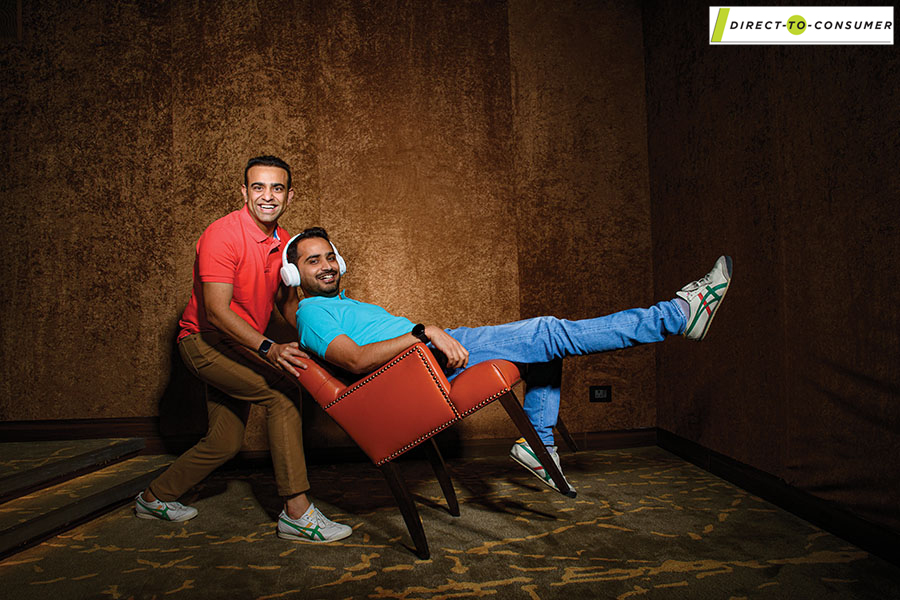
Gaurav Khatri did his commercial pilot training in the Philippines but decided that he wants to be an entrepreneur instead.
So in 2014, when the consumer electronics segments for smartphones, smartphone covers and other accessories were booming on Flipkart and Amazon India,
So in 2014, when the consumer electronics segments for smartphones, smartphone covers and other accessories were booming on Flipkart and Amazon India,
He and his cousin Amit Khatri ventured into the smartphone accessories market, rolled out Noise, and started selling smartphone covers and accessories.
This was easiest for them because it was a lifestyle product and Amit had in depth knowledge and experience in handling lifestyle products and international clients.
He used to work as a supply chain partner with international brands like H&M, Next, & Calvin Klein.
He used to work as a supply chain partner with international brands like H&M, Next, & Calvin Klein.
Within 2 years, Noise became the biggest player in the smartphone accessory market.
But by 2017, a lot of other players had entered the market of smartphone covers and without a unique selling point,
Noise started getting lost in the noise.
But by 2017, a lot of other players had entered the market of smartphone covers and without a unique selling point,
Noise started getting lost in the noise.
Also, the average selling price of phone covers were dropping like crazy.
And it was becoming more of an unorganized market where phone covers became a simple commodity.
Noise was still profitable, but this sudden shift made them realize what Noise was missing — a brand.
And it was becoming more of an unorganized market where phone covers became a simple commodity.
Noise was still profitable, but this sudden shift made them realize what Noise was missing — a brand.
So, by the end of 2017, the duo exited the accessories business and started looking for a segment where the entry barrier was high and a brand could be built.
And they found their answer in TWS — True Wireless Stereo.
And they found their answer in TWS — True Wireless Stereo.
Being in the mobile accessories business, the brothers were aware that wireless audible products, smartwatches, and products associated with the smartphone connected ecosystem were selling like crazy!
These products were consumer-friendly and the millennials and GenZ found it convenient as they could use it while on the go!
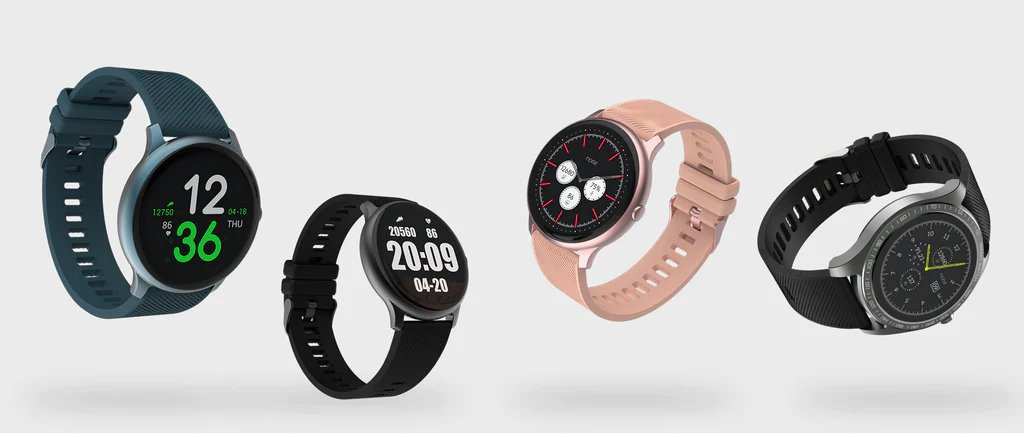
So in 2018, they launched their new products — a smartwatch and wireless earbuds.
So in 2018, they launched their new products — a smartwatch and wireless earbuds.
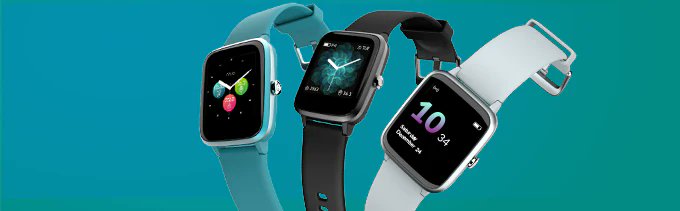
The watch was successful and quickly became one of the most popular products in India.
Today, Noise has become the biggest player in the Indian smartwatch segment and ranks 4th among the global players.
Today, Noise has become the biggest player in the Indian smartwatch segment and ranks 4th among the global players.
In FY23, Noise made ₹1,426 crore in revenue, marking a record growth of over 80% year-on-year revenue.
There’s a saying in the startup culture that ‘hardware is hard’.
But Noise is a completely bootstrapped hardware business 👀
Hardware is expensive to build, complex to produce, and has to be perfect from the beginning.
But Noise is a completely bootstrapped hardware business 👀
Hardware is expensive to build, complex to produce, and has to be perfect from the beginning.
There is too much work and risk involved in designing, developing, and delivering a successful hardware solution.
Hardware startups also need to spend a lot of money on development, user testing, and large scale production.
Hardware startups also need to spend a lot of money on development, user testing, and large scale production.
And with such a high cost, bootstrapping a hardware startup becomes even more difficult.
The brothers had to invest their savings of ₹7.18 crore just to start the company.
The brothers had to invest their savings of ₹7.18 crore just to start the company.
But even after investing a lot of money, building a successful hardware startup is difficult because it requires you to build two successful companies
— a hardware company and a software company.
— a hardware company and a software company.
That’s because every hardware solution also includes software.
Take smartwatches for example.
All the data that the hardware collects has to go through a software to make sense out of it.
Take smartwatches for example.
All the data that the hardware collects has to go through a software to make sense out of it.
This means that along with all the trials and errors that are hardware-specific,
hardware startups also have to enjoy the trials and errors that software companies experience.
hardware startups also have to enjoy the trials and errors that software companies experience.
Noise used to design its products in-house and outsource manufacturing to third-party vendors in China and Taiwan.
But this year, they decided to partner with third party vendors in India and moved 90% of their production to India to capitalize on the government’s PLI scheme.
But this year, they decided to partner with third party vendors in India and moved 90% of their production to India to capitalize on the government’s PLI scheme.
The PLI scheme for Large Scale Electronics Manufacturing offers incentives to boost domestic manufacturing and attract large investments in mobile phone manufacturing and specified electronic components, including Assembly, Testing, Marking and Packaging (ATMP) units.
Noise has now shipped over 3 million ‘Made in India’ smartwatches.
It has always been a profitable startup from the start.
It never needed to raise a dime till now.
And there are certain factors that have helped Noise to make that happen:
It has always been a profitable startup from the start.
It never needed to raise a dime till now.
And there are certain factors that have helped Noise to make that happen:
1️⃣ Customer is their No.1 Priority
Being a D2C brand, they constantly talk to their customers to understand what their needs are.
They implement consumer feedback in their new product designs and bring in a lot of innovation, providing customers with a better experience.
Being a D2C brand, they constantly talk to their customers to understand what their needs are.
They implement consumer feedback in their new product designs and bring in a lot of innovation, providing customers with a better experience.
In fact, Noise cuts its margins to some extent, but does not compromise on the quality of packaging, customer support, etc.
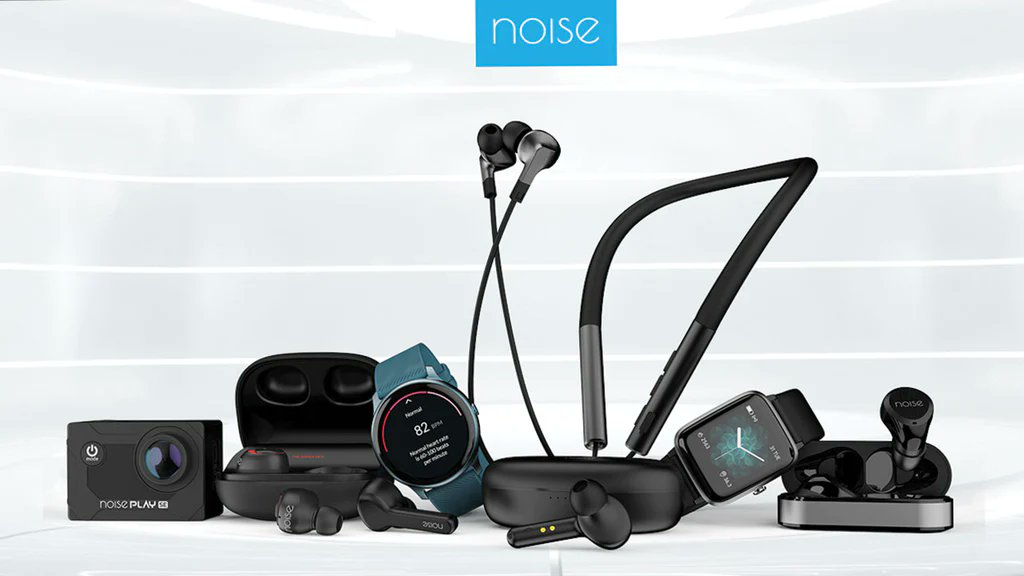
2️⃣ Diversification Noise has diversified its product range to include fitness trackers, bluetooth speakers, and noise-canceling headsets.
2️⃣ Diversification Noise has diversified its product range to include fitness trackers, bluetooth speakers, and noise-canceling headsets.
3️⃣ Influencer Marketing
They utilise influencers to create buzz around their products.
They have run many campaigns over the years to build brand awareness and reach the customer base.
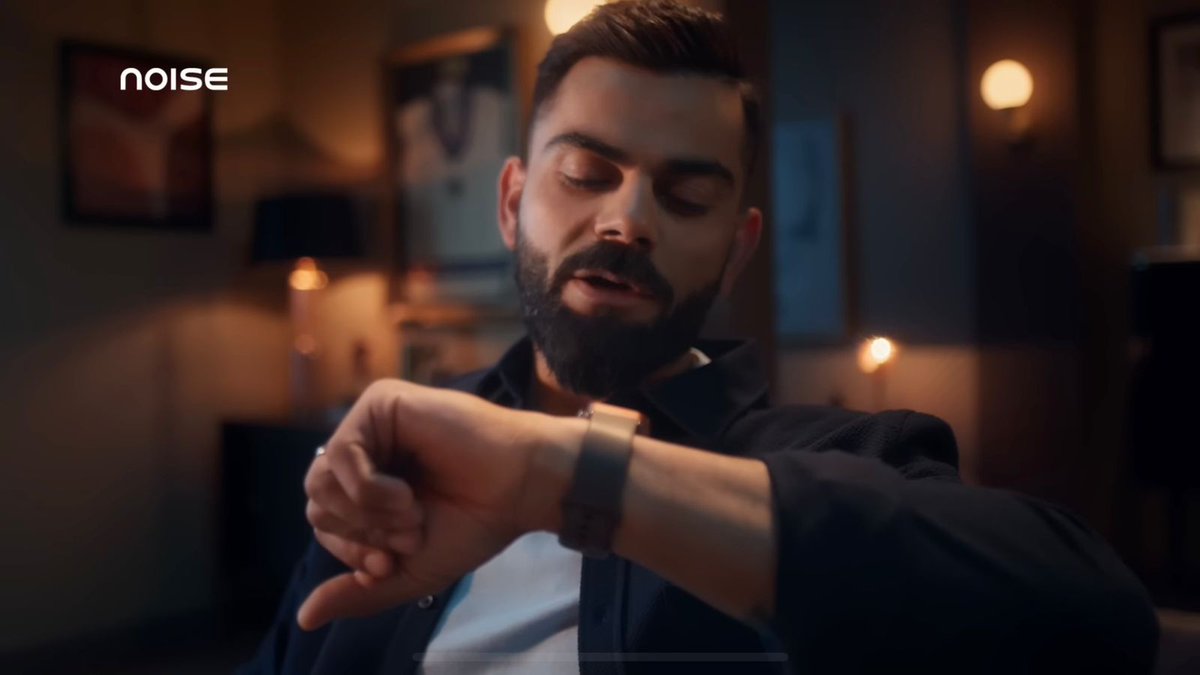
Noise also does sports marketing and has Virat Kohli as a brand ambassador.
They utilise influencers to create buzz around their products.
They have run many campaigns over the years to build brand awareness and reach the customer base.
Noise also does sports marketing and has Virat Kohli as a brand ambassador.
4️⃣ Focus on Sustainability
Noise has always been a company that focuses on its customers.
They constantly innovate and expand their product range to make sure their consumers are satisfied.
This helps to ensure the sustainability of their business.
Noise has always been a company that focuses on its customers.
They constantly innovate and expand their product range to make sure their consumers are satisfied.
This helps to ensure the sustainability of their business.
In 2020, when wristbands started going out of fashion and were being replaced by smartwatches,
Noise was quick to capture that segment.
It added the features that were available in wristbands to its smartwatches and placed it at the right price segment.
Noise was quick to capture that segment.
It added the features that were available in wristbands to its smartwatches and placed it at the right price segment.
They also launched a smart eyewear with features like Motion Estimation, Motion Compensation, Mic for calling, magnetic charging, and hands free voice control
— to offer style, comfort, and a unique audio experience.
— to offer style, comfort, and a unique audio experience.
As a brand, Noise wanted to build an Indian brand that they can take to the global market
— and they are doing just that.
— and they are doing just that.
If you liked this read, do RePost🔄 the 1st post and follow us @FinFloww for such reads every Monday, Wednesday and Friday!
Join the 28107 members who read our WhatsApp newsletter every other day: whatsapp.com
Subscribe to WHAT THE FLOWW?, our weekly email newsletter where we dive deeper into such concepts: soshals.app
Loading suggestions...