

A brief introduction to the Nagara Style of Hindu Temple Architecture🧵:
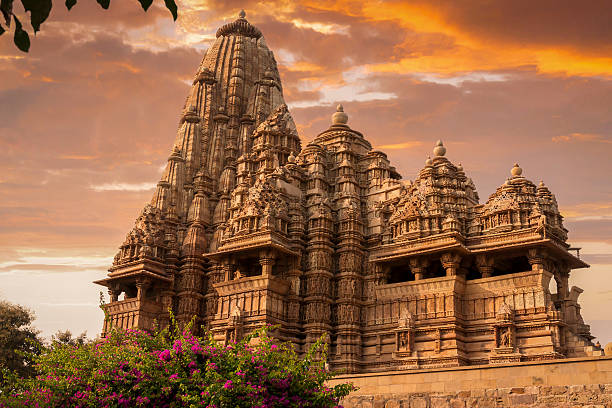
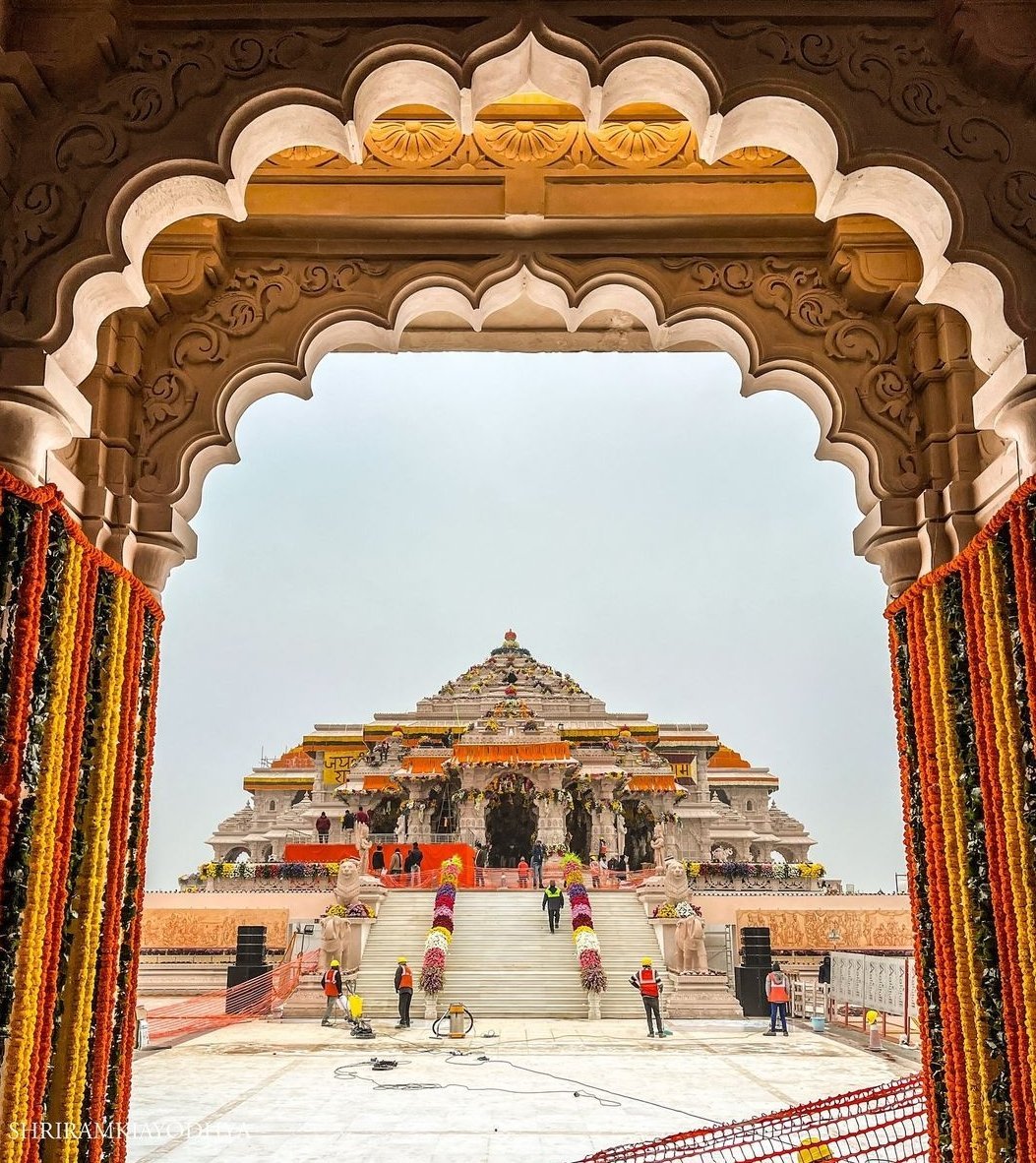
Nagara style of architecture emerged around the 5th century during the late gupta period and later got divided into various schools of architecture like the chandelas, solankis, chalukyas or the kalinga school.
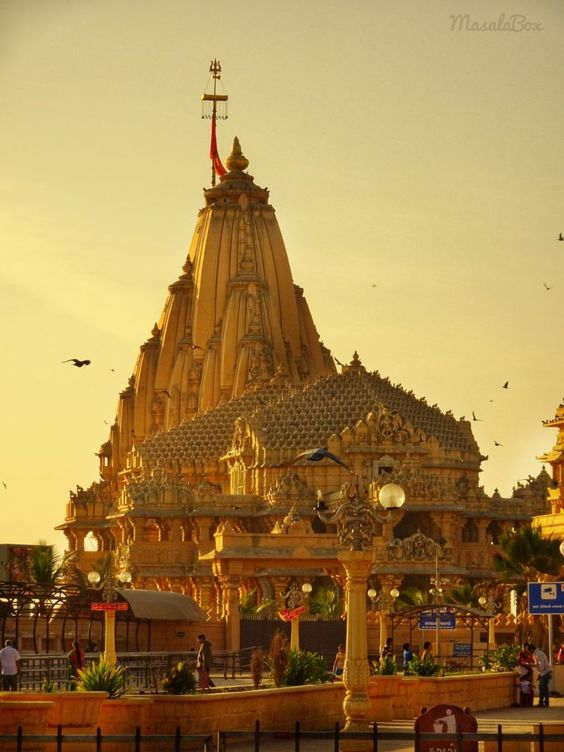

Nagara style as mentioned in the Shilpa- Shastras (an indian treatise of architecture) is mostly prevalent in the north India.
It includes the shikhara (main tower), Garbagriha (sanctum), one or more mandapas (halls) and a pradakshina patha (the circumbulatory path)..
It includes the shikhara (main tower), Garbagriha (sanctum), one or more mandapas (halls) and a pradakshina patha (the circumbulatory path)..
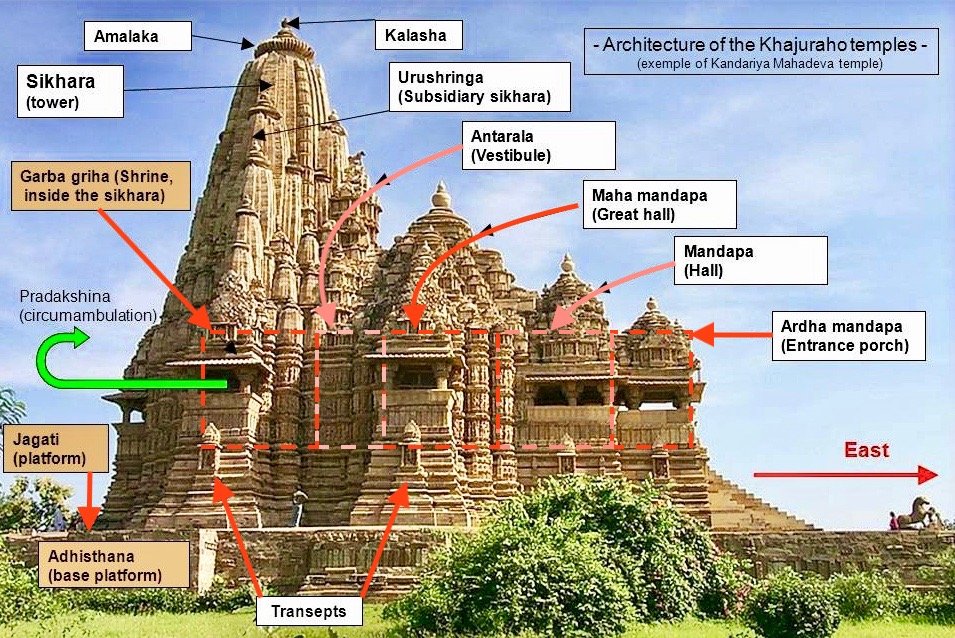
Now let's see each of them one by one:
1. The Shikhara (Main tower): Shikhara is the tallest part of any temple, usually curvilinear in outline and tapers towards the top. It terminates into the Kalasha which sits on the top of shikhara.
1. The Shikhara (Main tower): Shikhara is the tallest part of any temple, usually curvilinear in outline and tapers towards the top. It terminates into the Kalasha which sits on the top of shikhara.
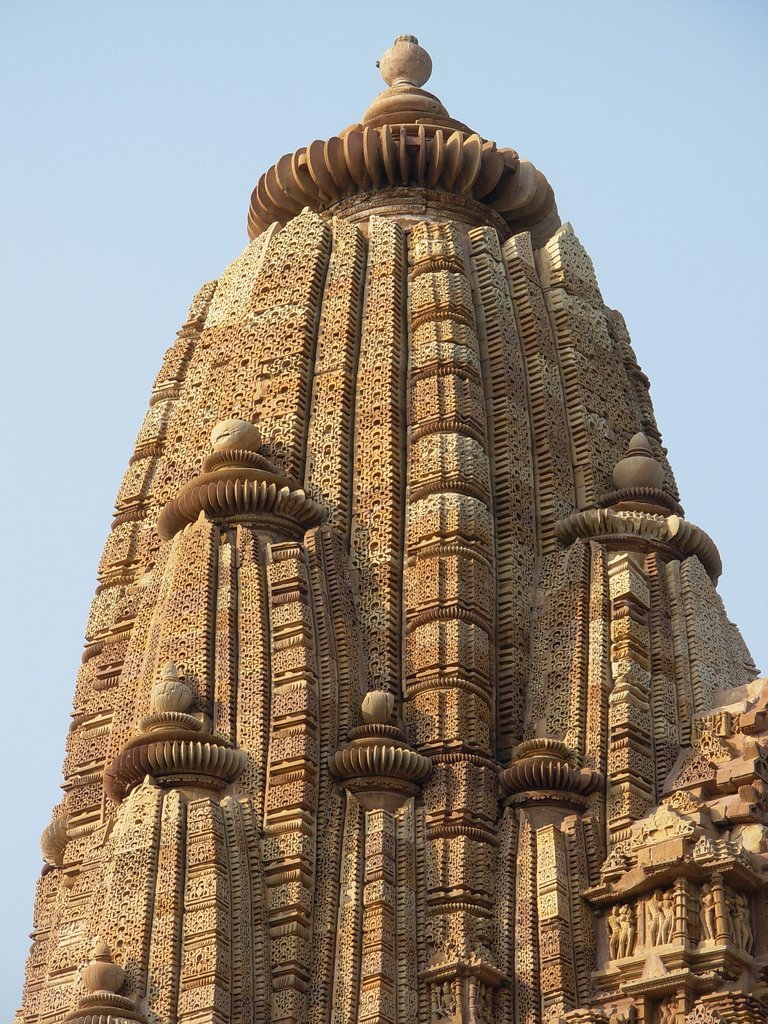
2. Mandapa (The hall): Mandapa are of various types, maha mandapa (the main hall), mandapa (general hall) or the ardha mandapam.
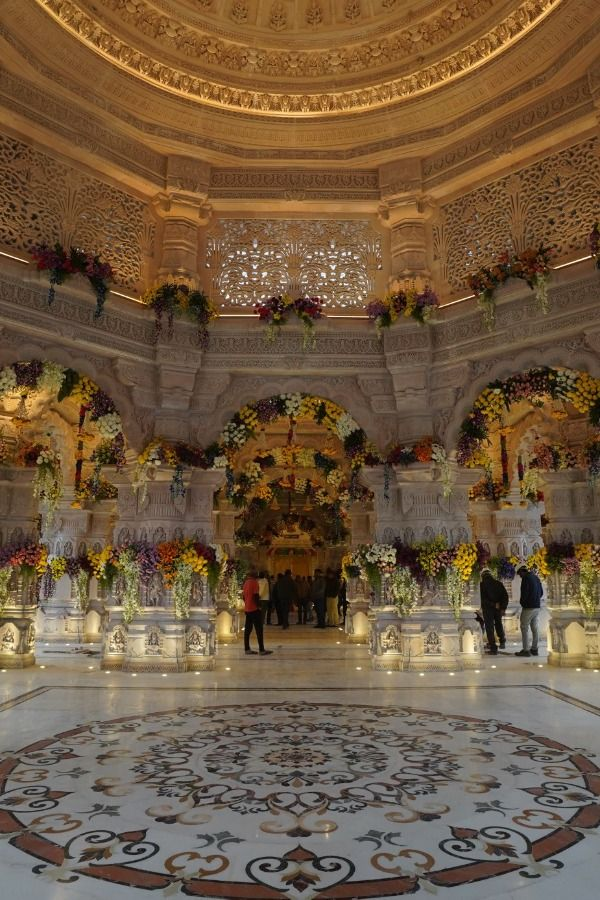
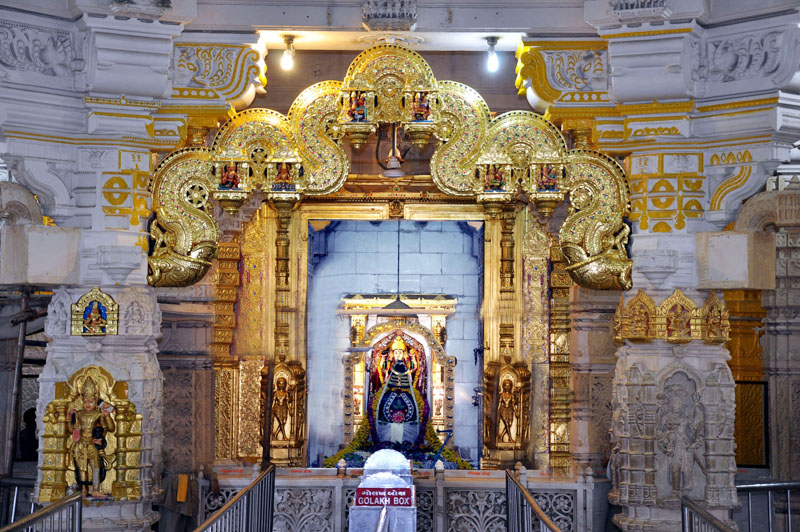
3. Garbagriha (sanctum-sanctorum): Garbagriha is center where the main deity resides. It is situated just below the towering shikhara.
The entrance to garbagriha is decorated with ornate and intricately carved pillars and doors.
The entrance to garbagriha is decorated with ornate and intricately carved pillars and doors.
4. Pradakshina (the circumbulatory path): Parikrama paths through which the devotees move in a clockwise direction, around the sanctum where the deity is enshrined.
It is usually situated on the most outer side of the temple.
It is usually situated on the most outer side of the temple.
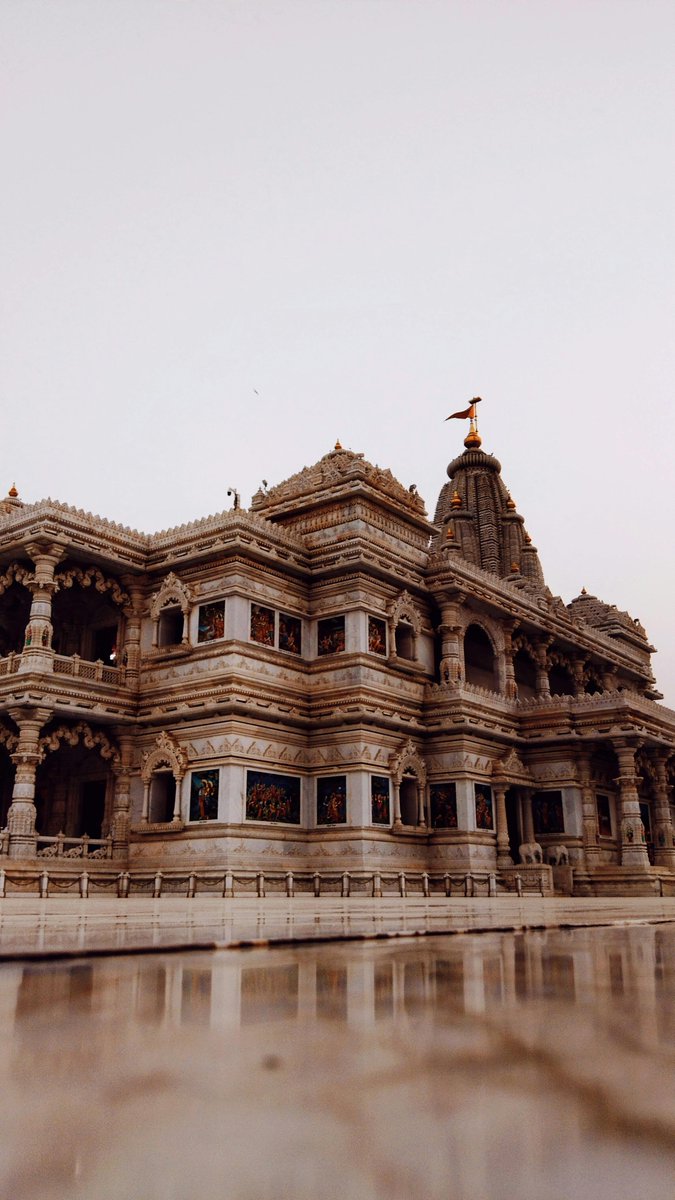
The base on which temple stands is called the jagati over which is constructed a small platform called pitha and above this is adhisthana which forms the base for the construction of structure of the temple.
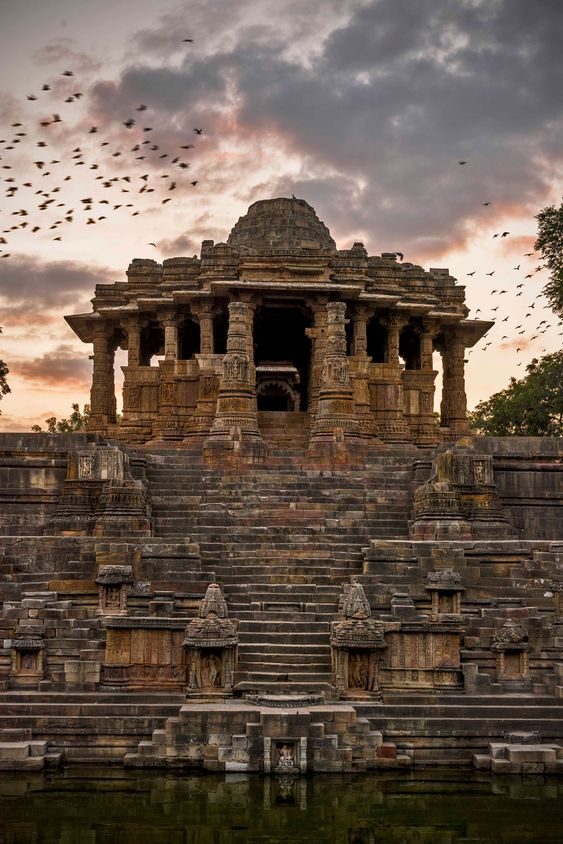
This was a just basic intro to the nagara style of architecture.
There are much intricacies involved as it is place where the deity resides. They were always an integral part of hindu culture & also stands as the grandeur of our civilization.
Lets keep building more of them!
There are much intricacies involved as it is place where the deity resides. They were always an integral part of hindu culture & also stands as the grandeur of our civilization.
Lets keep building more of them!
Loading suggestions...