

Researchers discover new T cells and genes related to immune disorders!
➡️ Researchers from Japan & Italy have discovered several rare types of helper T cells that are associated with immune disorders such as multiple sclerosis, rheumatoid arthritis, and even asthma. 1/
➡️ Researchers from Japan & Italy have discovered several rare types of helper T cells that are associated with immune disorders such as multiple sclerosis, rheumatoid arthritis, and even asthma. 1/
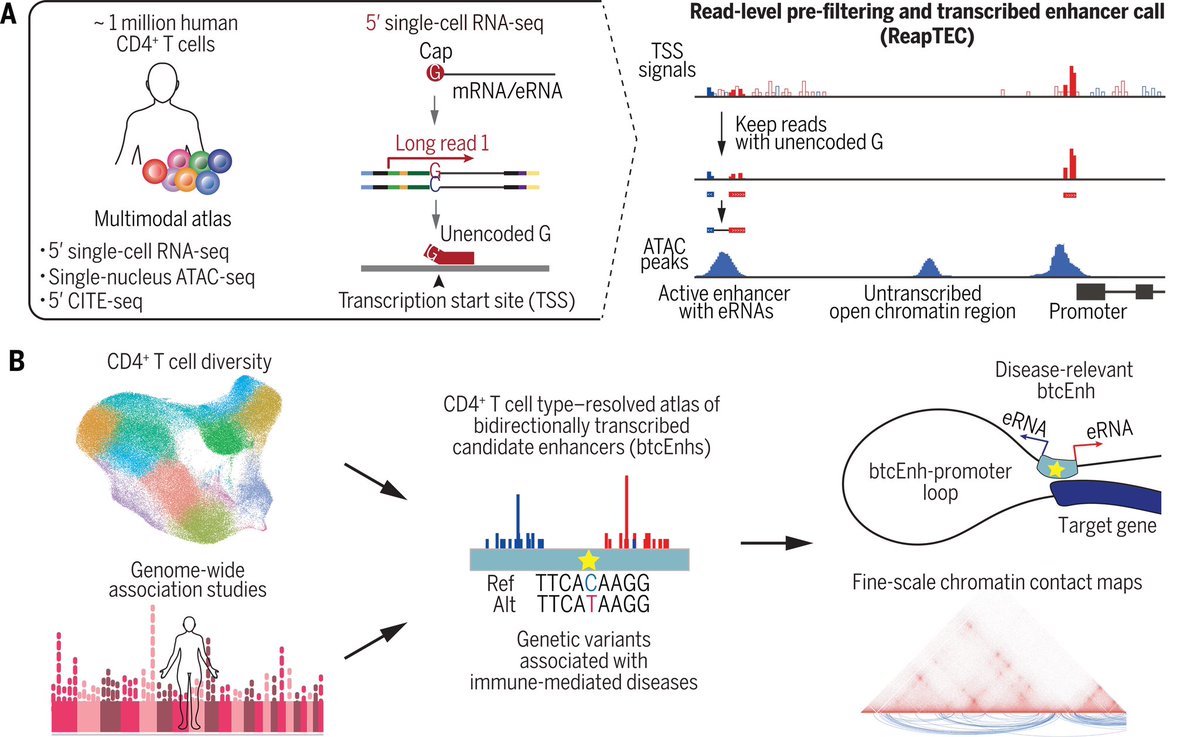
This is made possible by a newly developed technology—#ReapTEC, which identified genetic enhancers in rare T cell subtypes that are linked to specific immune disorders. The new T cell atlas should help in the development of new drug therapies for immune-mediated diseases. 2/
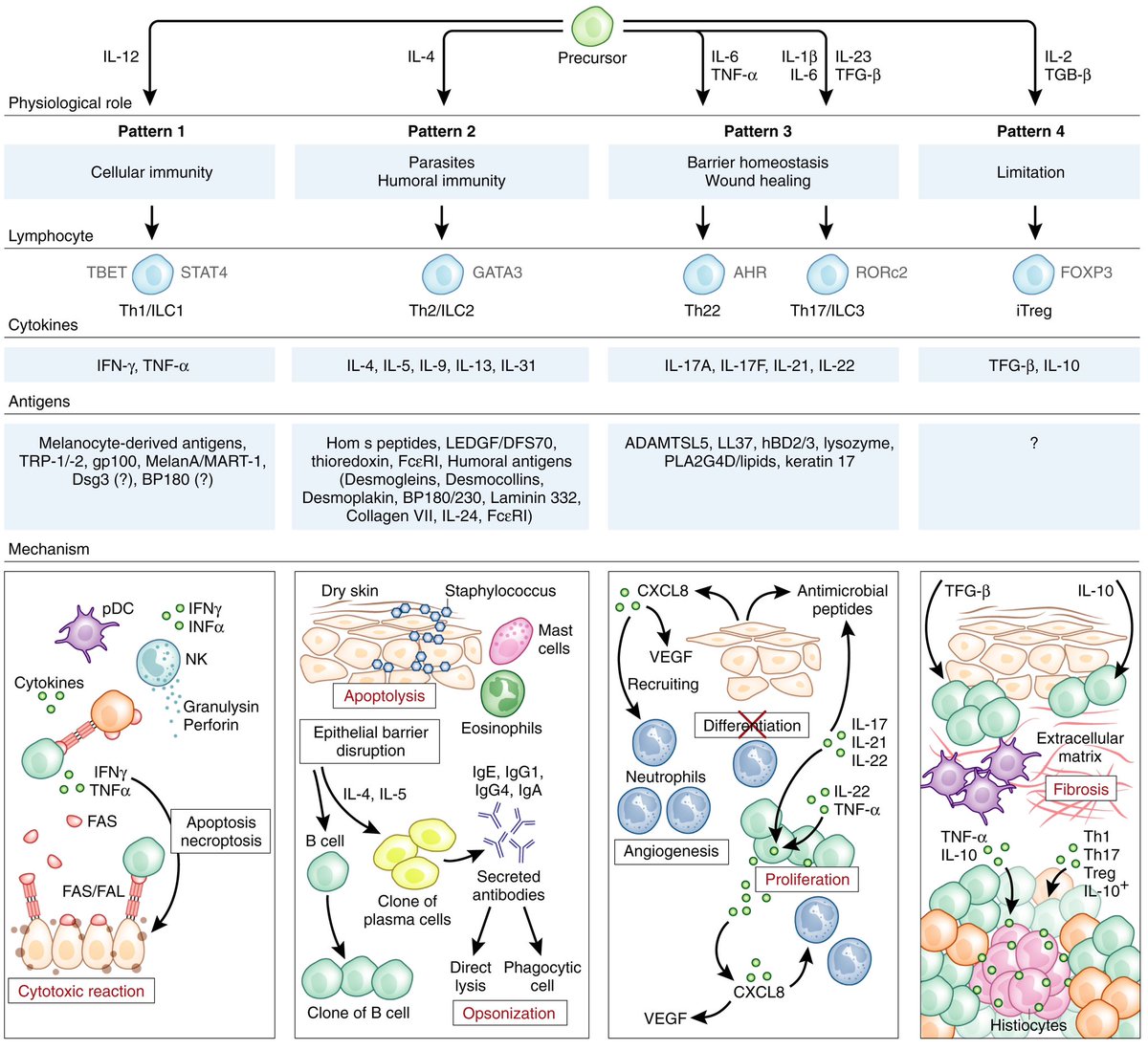
Helper T cells make up a large part of the immune system. They recognize pathogens & regulate the immune response. Many immune-mediated diseases are caused by abnormal T cell function. In autoimmune diseases they mistakenly attack parts of the body as if they were pathogens. 3/
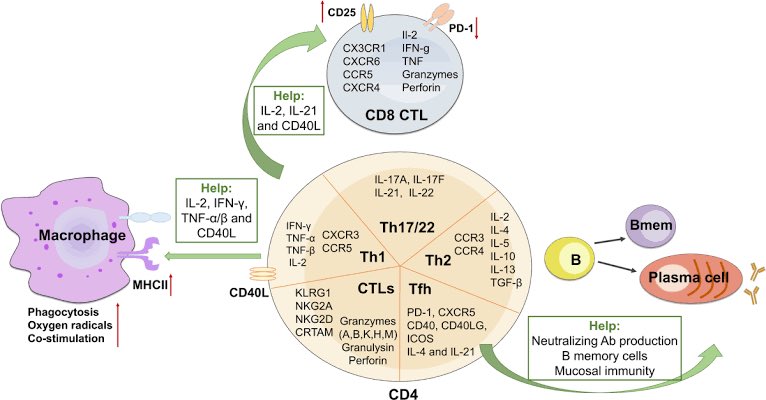
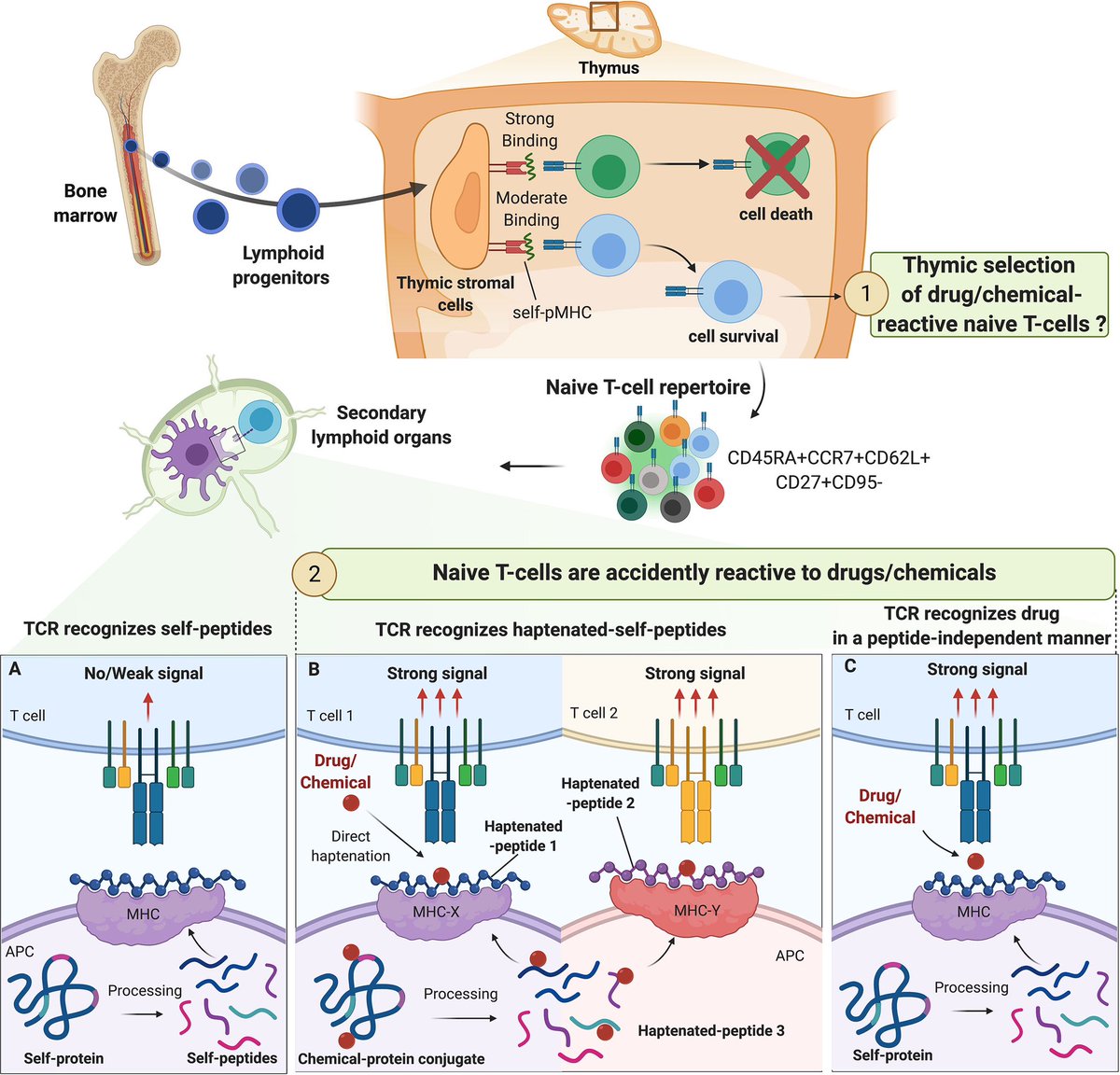
In the case of allergies, T cells overreact to harmless substances in the environment like pollen. We know of several common T cells, but recent studies have shown that rare and specialized types of T cells exist, and they might be related to immune-mediated diseases. 4/
Within all cells, including T cells, there are regions of DNA called "enhancers." This DNA does not code for proteins. Instead, it codes for small pieces of RNA, and enhances the expression of other genes. 5/
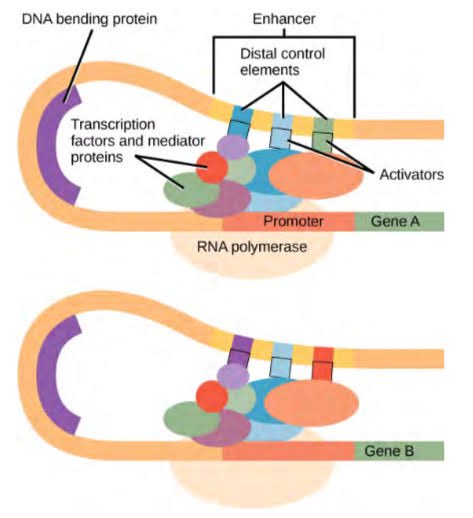
Variations in T cell enhancer DNA therefore lead to differences in gene expression, and this can affect how T cells function. Some enhancers are bidirectional, which means that both strands of the DNA are used as templates for enhancer RNA. 6/
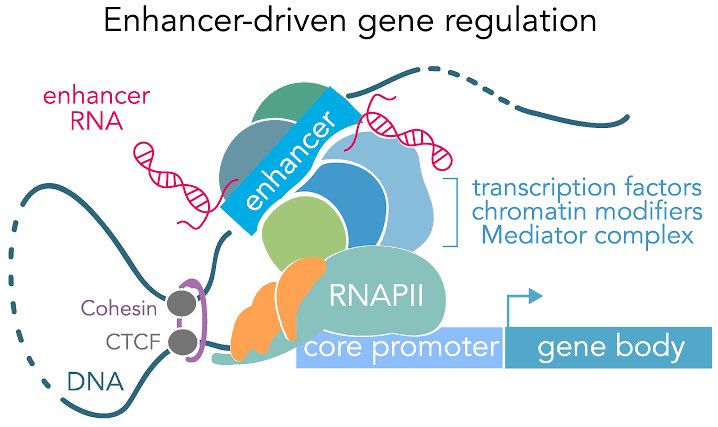
The researchers develop the new ReapTEC technology and look for connections between bidirectional T cell enhancers and immune diseases. 7/
After analyzing about a million human T cells, they found several groups of rare T cell types, accounting for less than 5% of the total. Applying ReapTEC to these cells identified almost 63,000 active bidirectional enhancers. 8/
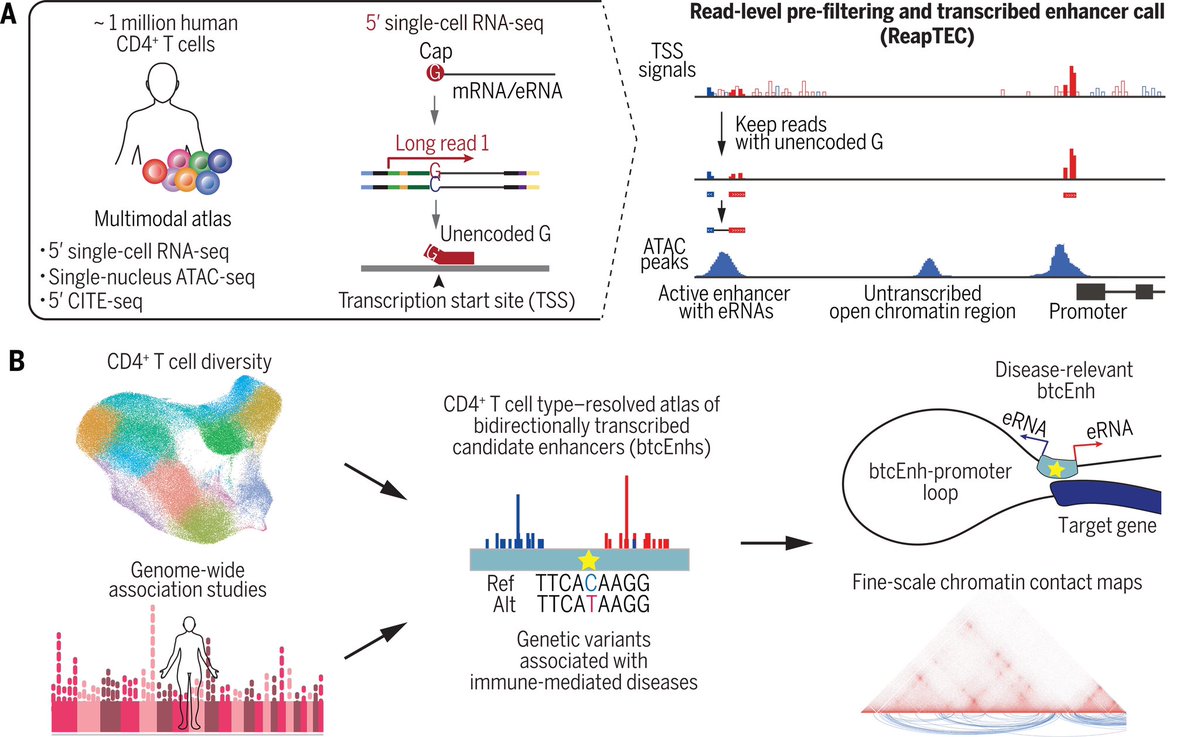
To determine whether any of these enhancers are related to immune diseases, they turned to genome-wide association studies(GWAS), which have reported numerous genetic variants, called single-nucleotide polymorphisms, that are related to various immune diseases. 9/
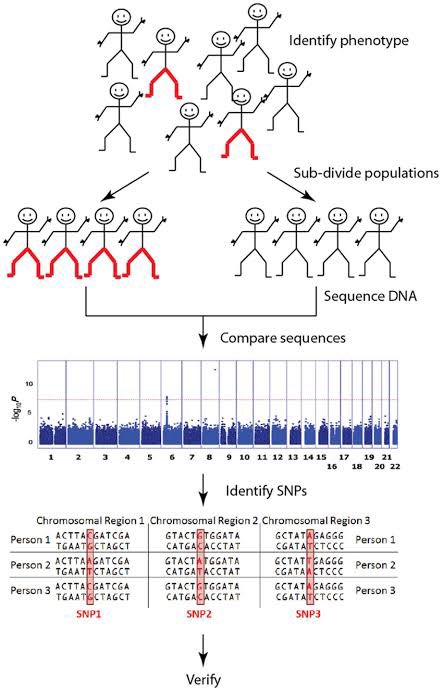
When the researchers combined the GWAS data with the results of their ReapTEC analysis, they found that genetic variants for immune-mediated diseases were often located within the bidirectional enhancer DNA of the rare T cells that they had identified. 10/
In contrast, genetic variants for neurological diseases did not show a similar pattern, meaning that the bidirectional enhancers in these rare T cells are related specifically to immune-mediated diseases. 11/
Going even deeper into the data, the researchers were able to show that individual enhancers in certain rare T cells are related to specific immune diseases. 12/
Overall, among the 63,000 bidirectional enhancers, they were able to identify 606 that included single-nucleotide polymorphisms related to 18 immune-mediated diseases. 13/
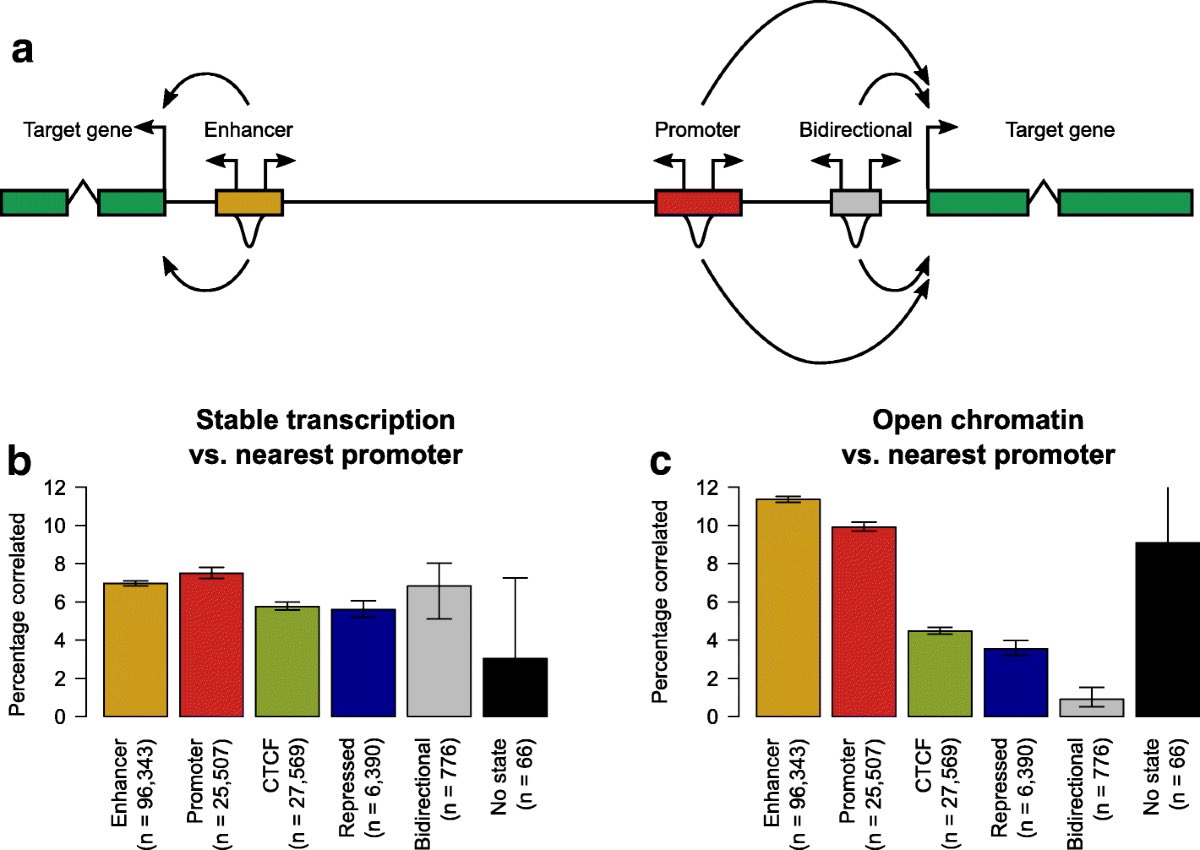
They were able to identify some genes that are the targets of these disease-related enhancers. Such as, when they activated an enhancer that contained a genetic variant related to inflammatory bowel disease, the resulting enhancer RNA triggered upregulation of the IL7R gene 14/
In the short-term, the researchers have developed a new genomics method that can be used by experts around the world.
Using this method, they discovered new types of helper T cells as well as genes related to immune disorders. 15/
Using this method, they discovered new types of helper T cells as well as genes related to immune disorders. 15/
They hope that this knowledge will lead to a better understanding of the genetic mechanisms underlying human immune-mediated diseases. 16/
In the long-term, the researchers believe follow-up experiments will be able to identify new molecules that can be used to treat immune-mediated diseases. 17/17
science.org
science.org

Loading suggestions...