

An important amendment by the Central Govt regarding Maternity Rules 👶🏻
Has wide Sociological implications ❤️
A thread 🧵
Has wide Sociological implications ❤️
A thread 🧵
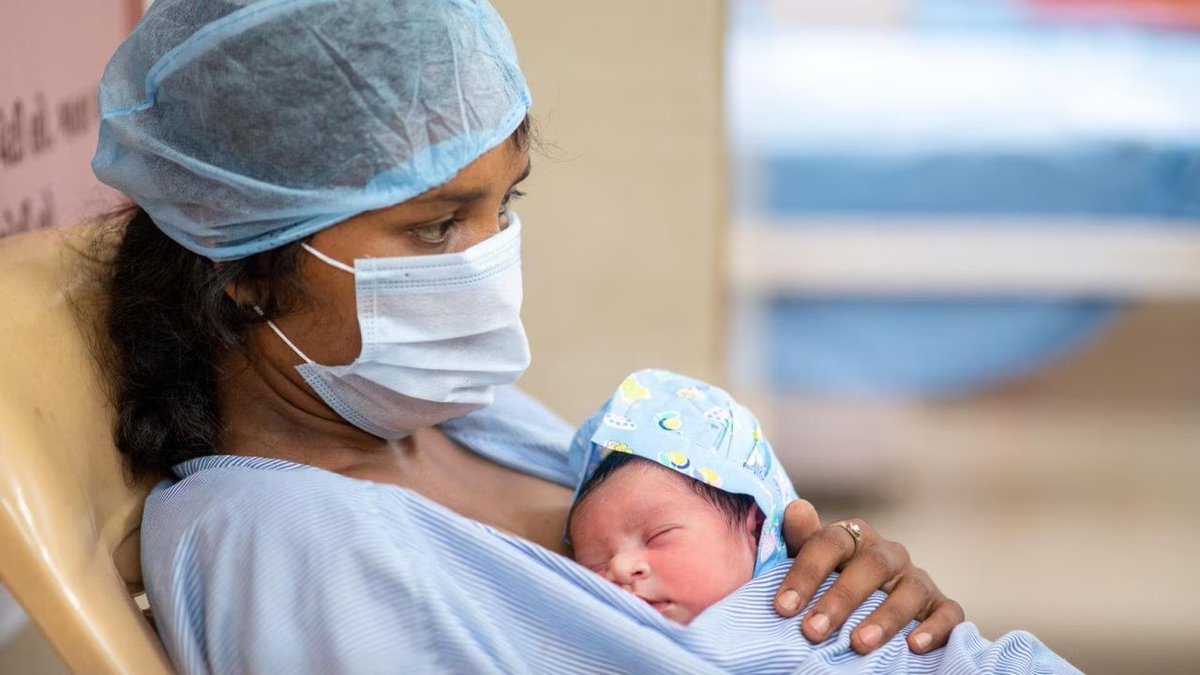
The recent amendment to the Central Civil Services (Leave) Rules, 1972, allowing women government employees to take 180 days of maternity leave for children born through surrogacy, represents a significant sociological shift.
This policy change reflects broader social transformations concerning family structures, gender roles, and reproductive technologies.
This policy change reflects broader social transformations concerning family structures, gender roles, and reproductive technologies.

Shifts in Family Structures
The traditional notion of the family unit has evolved significantly over the past few decades. Increasingly diverse family structures, including those formed through surrogacy, are now recognized.
Talcott Parsons' theory of the nuclear family as a functional unit is being challenged by the rise of diverse family forms.
The policy change supports an inclusive approach toward family forms, promoting equality and acknowledging the legitimacy and rights of non-traditional families.
The traditional notion of the family unit has evolved significantly over the past few decades. Increasingly diverse family structures, including those formed through surrogacy, are now recognized.
Talcott Parsons' theory of the nuclear family as a functional unit is being challenged by the rise of diverse family forms.
The policy change supports an inclusive approach toward family forms, promoting equality and acknowledging the legitimacy and rights of non-traditional families.

Gender Roles and Work-Life Balance
Ann Oakley's work on the sociology of housework highlights the traditional burden placed on women for childcare and domestic duties.
Furthermore, the provision of paternity leave for commissioning fathers reflects a progressive understanding of shared parenting responsibilities, encouraging a more egalitarian division of childcare duties between men and women. This aligns with Judith Butler's theory of gender performativity, which emphasizes that gender roles are socially constructed and can be reshaped.
Ann Oakley's work on the sociology of housework highlights the traditional burden placed on women for childcare and domestic duties.
Furthermore, the provision of paternity leave for commissioning fathers reflects a progressive understanding of shared parenting responsibilities, encouraging a more egalitarian division of childcare duties between men and women. This aligns with Judith Butler's theory of gender performativity, which emphasizes that gender roles are socially constructed and can be reshaped.

Reproductive Technologies and Rights
The advent of reproductive technologies, such as surrogacy, has expanded reproductive choices for individuals and couples.
Michel Foucault’s concept of biopower can be applied here to understand how states regulate bodies and reproductive rights. The amended rules represent a step towards ensuring that the legal and social systems keep pace with technological advancements.
The advent of reproductive technologies, such as surrogacy, has expanded reproductive choices for individuals and couples.
Michel Foucault’s concept of biopower can be applied here to understand how states regulate bodies and reproductive rights. The amended rules represent a step towards ensuring that the legal and social systems keep pace with technological advancements.

Policy Implications and Future Directions
The policy implications of these amendments are profound. They set a precedent for other sectors and private organizations to follow, promoting inclusivity and equality in the workplace.
The sociological theories of Anthony Giddens on the transformation of intimacy highlight how personal relationships and family structures have become more fluid, necessitating adaptive social policies.
Don't forget to 🔖 this thread for Sociology Mains preparation
The policy implications of these amendments are profound. They set a precedent for other sectors and private organizations to follow, promoting inclusivity and equality in the workplace.
The sociological theories of Anthony Giddens on the transformation of intimacy highlight how personal relationships and family structures have become more fluid, necessitating adaptive social policies.
Don't forget to 🔖 this thread for Sociology Mains preparation

Bookmark the thread for Sociological perspective.
If you are looking for personalised guidance for Sociology, DM me your name and number and I will get back to you!
❤️ Like and Share
x.com
If you are looking for personalised guidance for Sociology, DM me your name and number and I will get back to you!
❤️ Like and Share
x.com
Loading suggestions...