
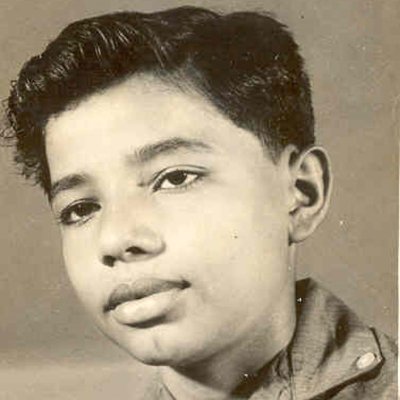
In his own words, @narendramodi has described the Emergency as an unexpected opportunity (Aapda Mein Avsar) that allowed him to work with leaders and organizations across the political spectrum, exposing him to diverse ideologies and viewpoints.
The story of the Emergency, however, did not begin on June 25, 1975, when it was imposed. Student-led agitations against the corruption of the Congress Party were sweeping across the entire nation, and Gujarat was no exception.
In 1974, during the Navnirman Andolan in Gujarat, Narendra Modi witnessed firsthand the power of students' voices in effecting change in the nation. As a Yuva Pracharak of the RSS, he was deputed to the Akhil Bharatiya Vidyarthi Parishad to voice the youth movement through his fiery speeches.
जब कर्तव्य ने पुकारा तो कदम कदम बढ़ गये
जब गूंज उठा नारा 'भारत माँ की जय'
तब जीवन का मोह छोड़ प्राण पुष्प चढ़ गये
कदम कदम बढ़ गये
टोलियाँ की टोलियाँ जब चल पड़ी यौवन की
तो चौखट चरमरा गये सिंहासन हिल गये
प्रजातंत्र के पहरेदार सारे भेदभाव तोड़
सारे अभिनिवेश छोड़, मंजिलों पर मिल गये
चुनौती की हर पंक्ति को सब एक साथ पढ़ गये
कदम कदम बढ़ गये
सारा देश बोल उठा जयप्रकाश जिंदाबाद
तो दहल उठे तानाशाह
भृकुटियां तन गई
लाठियाँ बरस पड़ी सीनों पर माथे पर
[Excerpts from a poem about the Navnirman movement in the pages of Narendra Modi's personal diary]
#DarkDaysOfEmergency
The story of the Emergency, however, did not begin on June 25, 1975, when it was imposed. Student-led agitations against the corruption of the Congress Party were sweeping across the entire nation, and Gujarat was no exception.
In 1974, during the Navnirman Andolan in Gujarat, Narendra Modi witnessed firsthand the power of students' voices in effecting change in the nation. As a Yuva Pracharak of the RSS, he was deputed to the Akhil Bharatiya Vidyarthi Parishad to voice the youth movement through his fiery speeches.
जब कर्तव्य ने पुकारा तो कदम कदम बढ़ गये
जब गूंज उठा नारा 'भारत माँ की जय'
तब जीवन का मोह छोड़ प्राण पुष्प चढ़ गये
कदम कदम बढ़ गये
टोलियाँ की टोलियाँ जब चल पड़ी यौवन की
तो चौखट चरमरा गये सिंहासन हिल गये
प्रजातंत्र के पहरेदार सारे भेदभाव तोड़
सारे अभिनिवेश छोड़, मंजिलों पर मिल गये
चुनौती की हर पंक्ति को सब एक साथ पढ़ गये
कदम कदम बढ़ गये
सारा देश बोल उठा जयप्रकाश जिंदाबाद
तो दहल उठे तानाशाह
भृकुटियां तन गई
लाठियाँ बरस पड़ी सीनों पर माथे पर
[Excerpts from a poem about the Navnirman movement in the pages of Narendra Modi's personal diary]
#DarkDaysOfEmergency


Once the Emergency was imposed, @narendramodi joined the protests against it. At a time when censorship was at its peak, Modi and other volunteers organized meetings and took on the responsibility of disseminating underground literature. At that time, he worked closely with senior RSS leaders like Nath Zagda and Vasant Gajendragadkar.
Because of tight security, dissemination of information was a challenge. However, Narendra Modi devised a unique solution: he loaded materials related to the Constitution, laws, and Congress government's excesses onto trains departing from Gujarat to other states. This helped deliver messages to remote places with less risk of detection.
After the RSS was forced to go underground, the Gujarat Lok Sangharsh Samiti was established. At age 25, he swiftly ascended to the position of its General Secretary within three years. Through his articles and correspondence, Modi was instrumental in sustaining the revolt against the Congress government, even during the most challenging periods when key movement leaders were unjustly arrested under the MISA Act.
He actively reached out to individuals abroad, sending them underground publications and urging them to publish these materials to amplify international resistance. In one correspondence, there was discussion about collecting paper cuttings of Narendra Modi's articles from publications like the Gujarat Newsletter and Sadhana Patrika, along with other underground literature and prints, intending to broadcast them on platforms like the BBC.
[Excerpt from Emergency-era correspondence sourced from Narendra Modi's personal archive (content blurred intentionally)].
#DarkDaysOfEmergency
Because of tight security, dissemination of information was a challenge. However, Narendra Modi devised a unique solution: he loaded materials related to the Constitution, laws, and Congress government's excesses onto trains departing from Gujarat to other states. This helped deliver messages to remote places with less risk of detection.
After the RSS was forced to go underground, the Gujarat Lok Sangharsh Samiti was established. At age 25, he swiftly ascended to the position of its General Secretary within three years. Through his articles and correspondence, Modi was instrumental in sustaining the revolt against the Congress government, even during the most challenging periods when key movement leaders were unjustly arrested under the MISA Act.
He actively reached out to individuals abroad, sending them underground publications and urging them to publish these materials to amplify international resistance. In one correspondence, there was discussion about collecting paper cuttings of Narendra Modi's articles from publications like the Gujarat Newsletter and Sadhana Patrika, along with other underground literature and prints, intending to broadcast them on platforms like the BBC.
[Excerpt from Emergency-era correspondence sourced from Narendra Modi's personal archive (content blurred intentionally)].
#DarkDaysOfEmergency


Narendra Modi's colleagues abroad sent photocopies of 'Satyavani' and other newspapers published internationally that featured articles opposing the #DarkDaysOfEmergency. He would ensure copies of those materials were prepared and then deliver them to the jails. Additionally, underground magazines from Gujarat and Gujarati publications critical of the Emergency, such as 'Sadhana', 'Bhumiputra', and 'Sadhana' (in Marathi), were also distributed inside jails. Remarkably, an underground newspaper was regularly published from Yerwada jail in Maharashtra.
Like other Satyagrahis, @narendramodi adopted various disguises to evade detection. His disguises were so effective that even long-time acquaintances failed to recognize him. He dressed as a Swamiji in saffron attire and even as a Sikh wearing a turban. On one occasion, he successfully deceived authorities at a jail to deliver an important document.
Like other Satyagrahis, @narendramodi adopted various disguises to evade detection. His disguises were so effective that even long-time acquaintances failed to recognize him. He dressed as a Swamiji in saffron attire and even as a Sikh wearing a turban. On one occasion, he successfully deceived authorities at a jail to deliver an important document.


After the Emergency was lifted in 1977, @narendramodi's activism and leadership during that tumultuous period started to gain recognition.
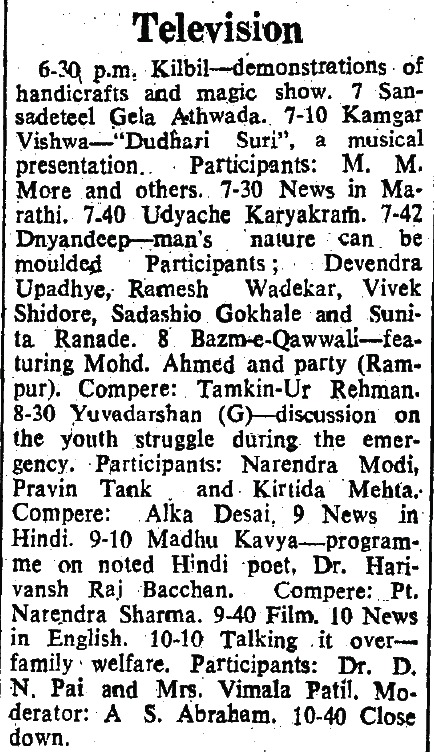
In the same year, Modi was invited to Mumbai to participate in a discussion about the youth's resistance efforts during the #DarkDaysOfEmergency. For his contribution to the program, Modi received Rs 250!
[Television programme schedule as published in 1977]
In the same year, Modi was invited to Mumbai to participate in a discussion about the youth's resistance efforts during the #DarkDaysOfEmergency. For his contribution to the program, Modi received Rs 250!
[Television programme schedule as published in 1977]
In recognition of his fighting spirit and organizational work during the #DarkDaysOfEmergency, Narendra Modi was appointed the 'Sambhag Pracharak' of South and Central Gujarat. He was also entrusted with the important task of preparing the official articles of the RSS during the Emergency.
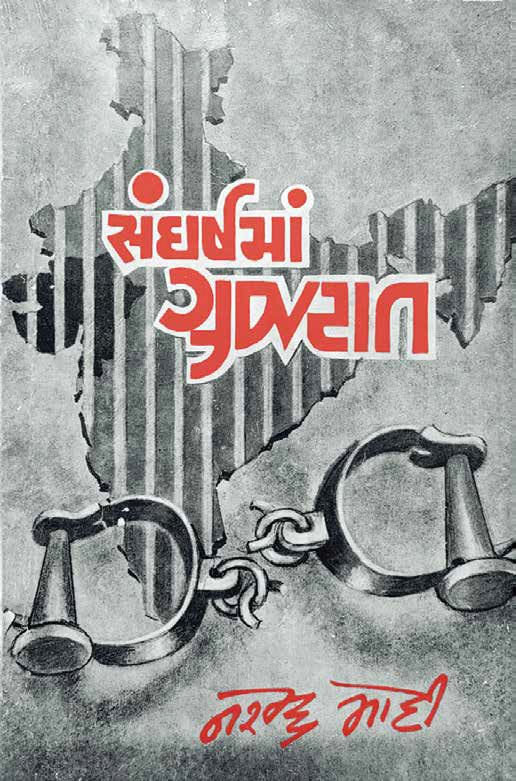
In 1978, @narendramodi authored his first book, 'Sangharsh Ma Gujarat', a memoir of his experiences as a leader in the underground movement against the Emergency in Gujarat.
Remarkably, Modi completed writing the book in just 23 days, sustaining himself solely on lemon water while abstaining from solid food.
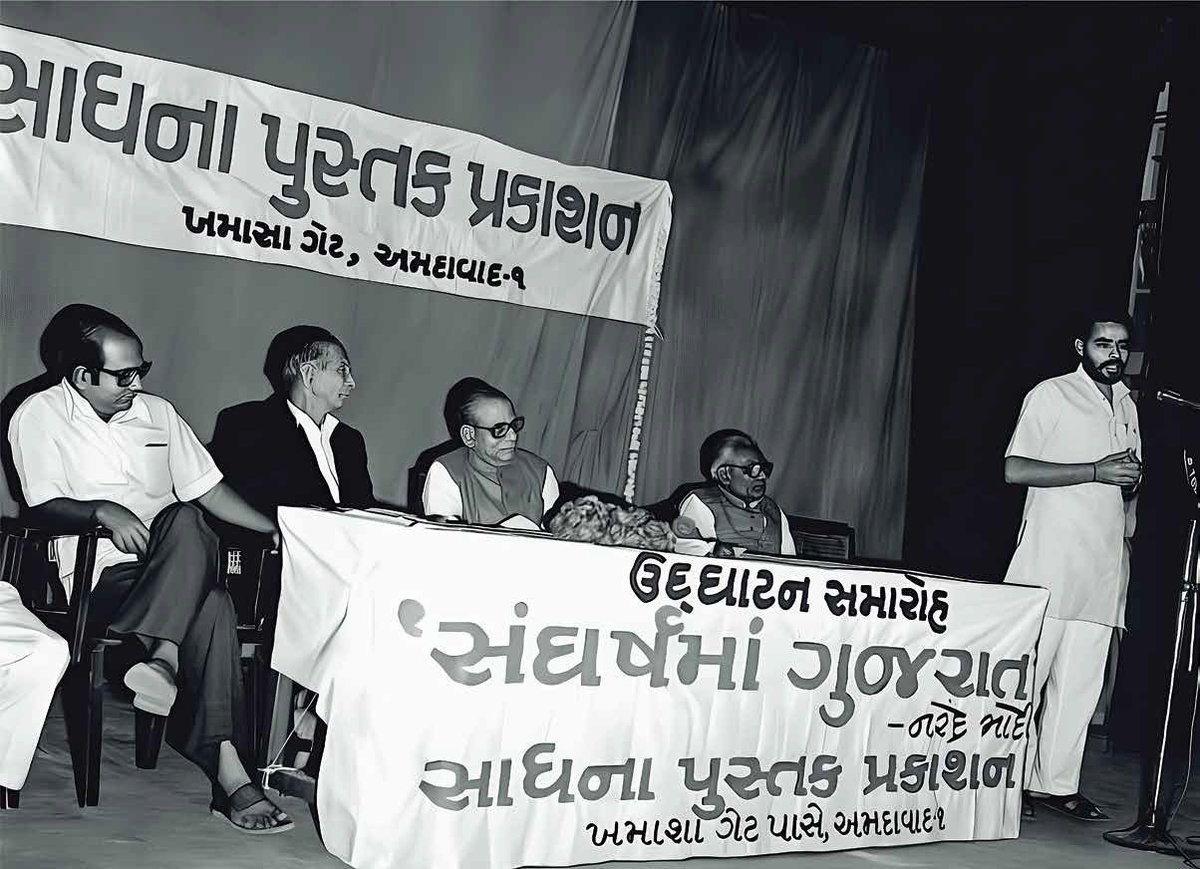
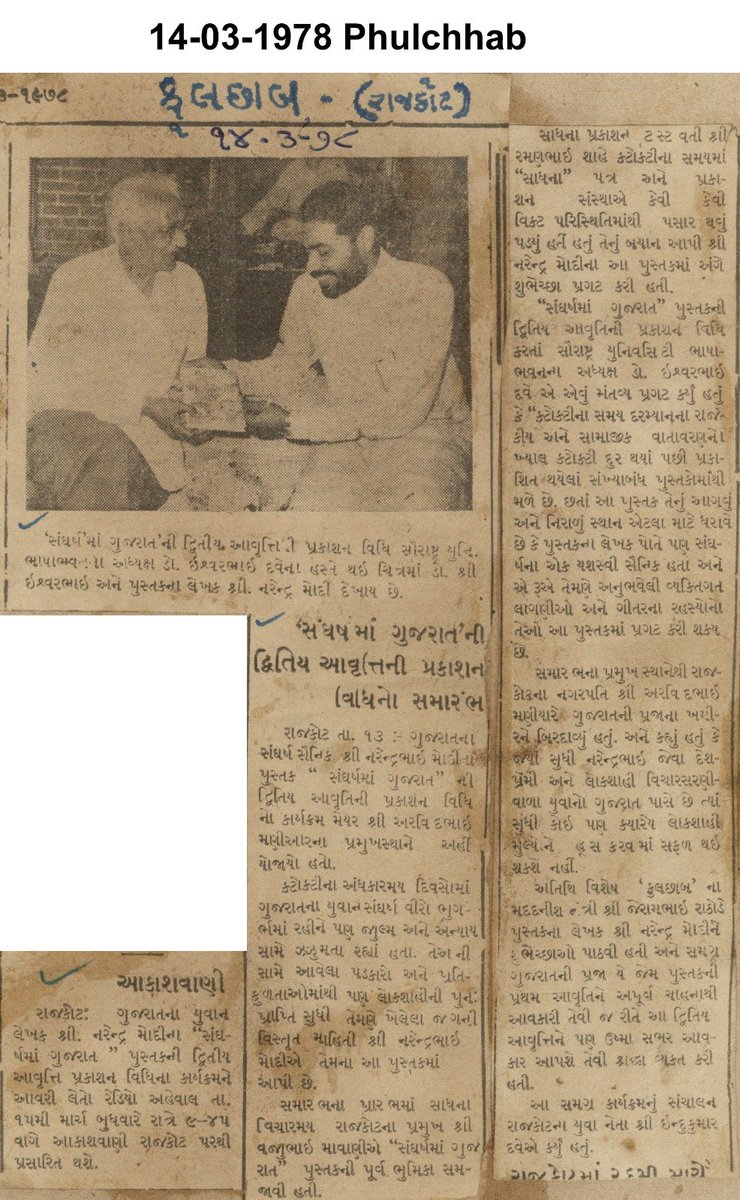
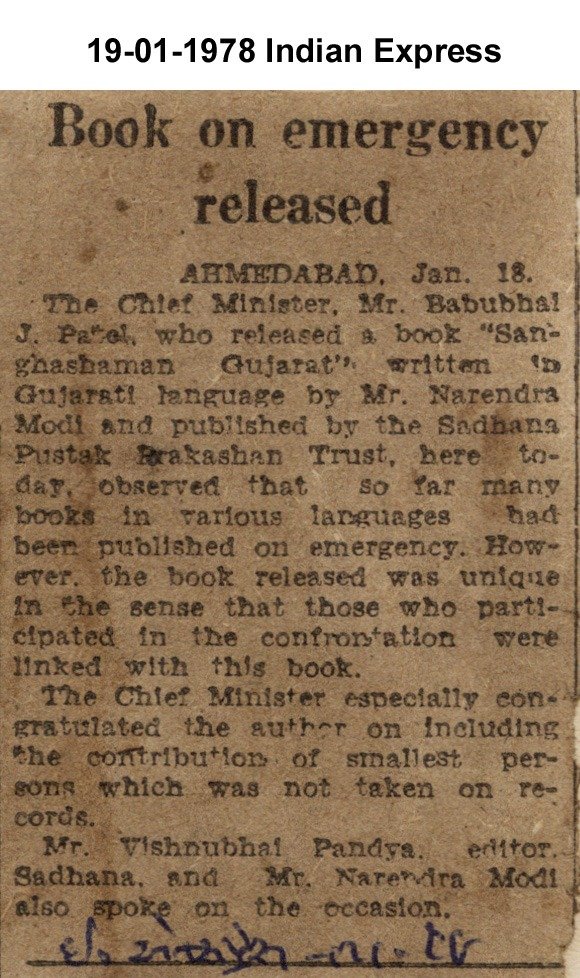
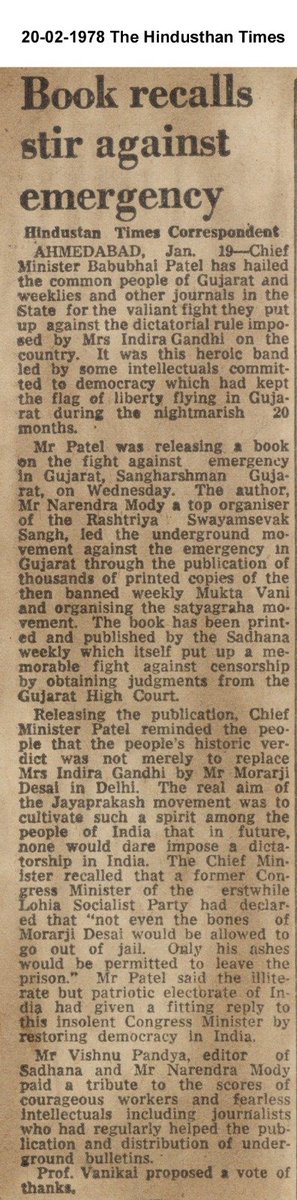
The book was launched by Babubhai Jasbhai Patel, the Chief Minister of Gujarat, and published by Sadhana Weekly, which had itself fought against censorship and obtained judgments from the Gujarat High Court.
During the launch ceremony, Narendra Modi, then 27 years old, expressed gratitude to the courageous workers, intellectuals, and journalists who had played crucial roles in producing and distributing underground bulletins and literature during the Emergency.
'Sangharsh Ma Gujarat' is a significant memoir chronicling the experiences during the Emergency period and documenting the collective resistance to it.
In 1978, @narendramodi authored his first book, 'Sangharsh Ma Gujarat', a memoir of his experiences as a leader in the underground movement against the Emergency in Gujarat.
Remarkably, Modi completed writing the book in just 23 days, sustaining himself solely on lemon water while abstaining from solid food.
The book was launched by Babubhai Jasbhai Patel, the Chief Minister of Gujarat, and published by Sadhana Weekly, which had itself fought against censorship and obtained judgments from the Gujarat High Court.
During the launch ceremony, Narendra Modi, then 27 years old, expressed gratitude to the courageous workers, intellectuals, and journalists who had played crucial roles in producing and distributing underground bulletins and literature during the Emergency.
'Sangharsh Ma Gujarat' is a significant memoir chronicling the experiences during the Emergency period and documenting the collective resistance to it.
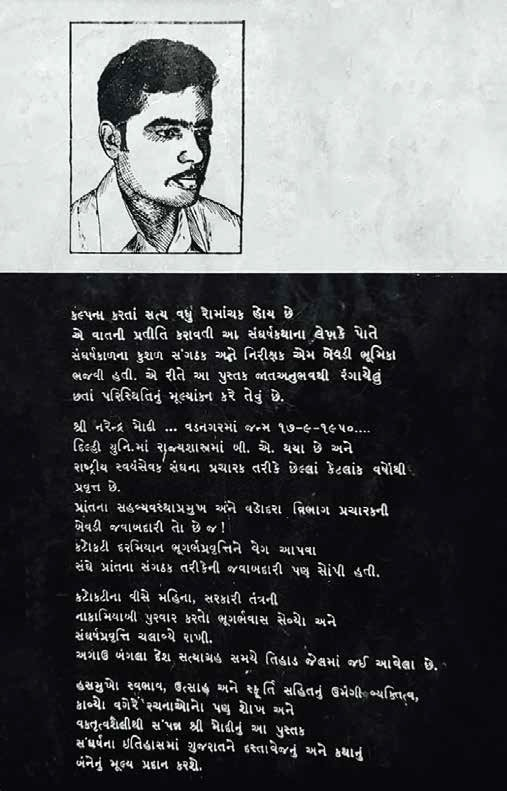
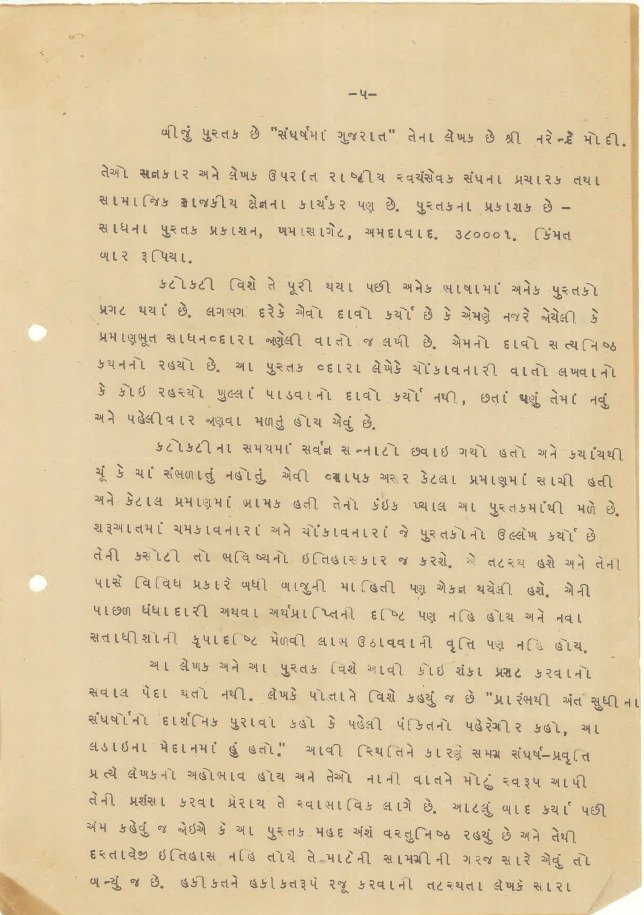
'Sangharsh Ma Gujarat' was well received and widely acknowledged for its objective coverage of the #DarkDaysOfEmergency. A review of the book was broadcast on Aakashvani, the national public radio broadcaster of India, from Vadodara and Mumbai.
"Several books have been published in many languages about the Emergency crisis since it ended. Almost everyone has claimed they have written only what they have seen or heard from standard sources. The author of this supplement does not claim to write shocking stories or reveal new truths, but it contains something new and something that is being discovered for the first time..."
[Extracts from the book review broadcast from Aakashvani, Mumbai in 1978]
"Several books have been published in many languages about the Emergency crisis since it ended. Almost everyone has claimed they have written only what they have seen or heard from standard sources. The author of this supplement does not claim to write shocking stories or reveal new truths, but it contains something new and something that is being discovered for the first time..."
[Extracts from the book review broadcast from Aakashvani, Mumbai in 1978]

Several prominent newspapers, including the Gujarati daily Phulchhab and national English papers like the Hindustan Times and the Indian Express, featured reviews and covered the book's launch.
[Newspaper cuttings from the launch of the book Sangharsh Ma Gujarat]
#DarkDaysOfEmergency
[Newspaper cuttings from the launch of the book Sangharsh Ma Gujarat]
#DarkDaysOfEmergency
Narendra Modi also received several personal letters reviewing his book and praising his monumental and unique effort. Among those letters was one that stood out as particularly special.
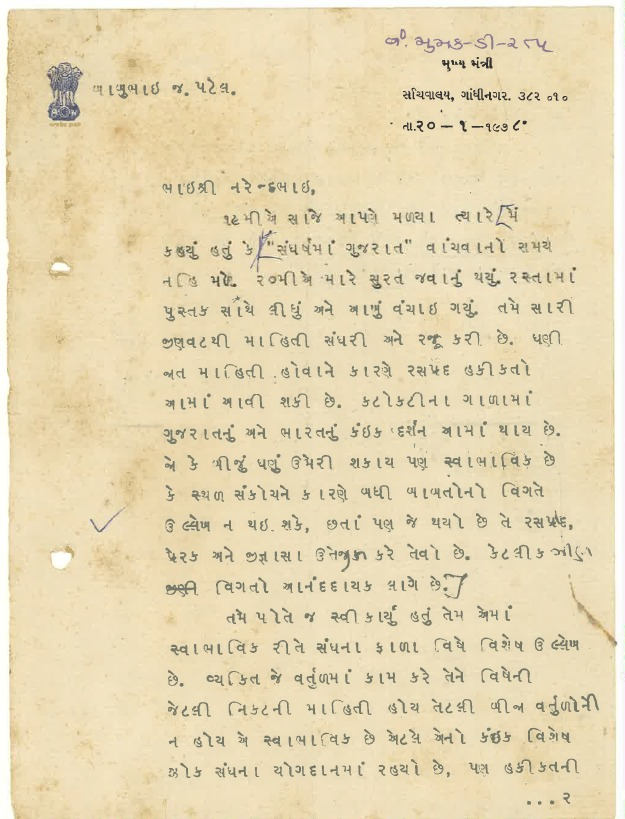
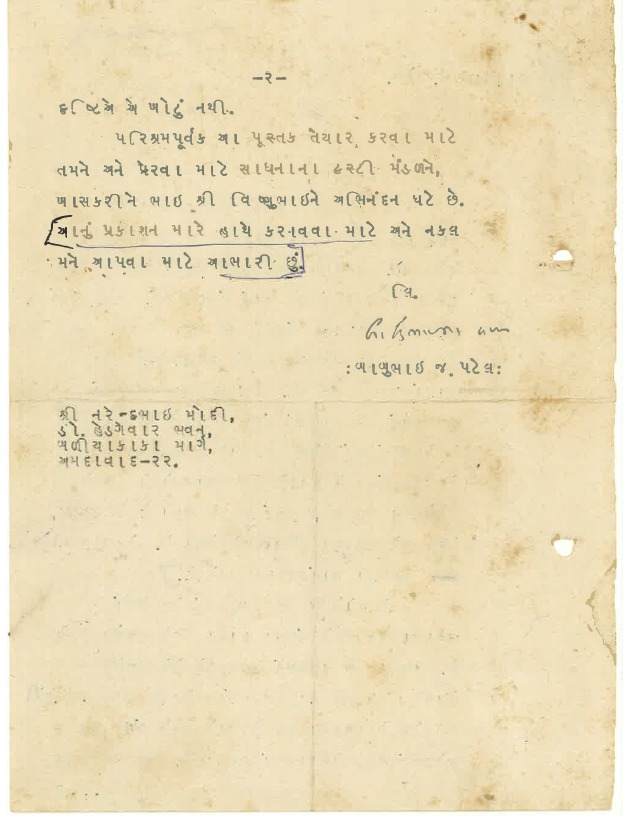
Just two days after attending the book's launch, the sitting Chief Minister, Babubhai Jasbhai Patel, sent a letter to Narendra Modi praising the book for its "wealth of information" and objective approach to the subject matter. Patel also thanked @narendramodi for painstakingly compiling a variety of information about the #DarkDaysOfEmergency
[Letter addressed to Narendra Modi from Babubhai Jasbhai Patel, then Chief Minister of Gujarat]
Just two days after attending the book's launch, the sitting Chief Minister, Babubhai Jasbhai Patel, sent a letter to Narendra Modi praising the book for its "wealth of information" and objective approach to the subject matter. Patel also thanked @narendramodi for painstakingly compiling a variety of information about the #DarkDaysOfEmergency
[Letter addressed to Narendra Modi from Babubhai Jasbhai Patel, then Chief Minister of Gujarat]
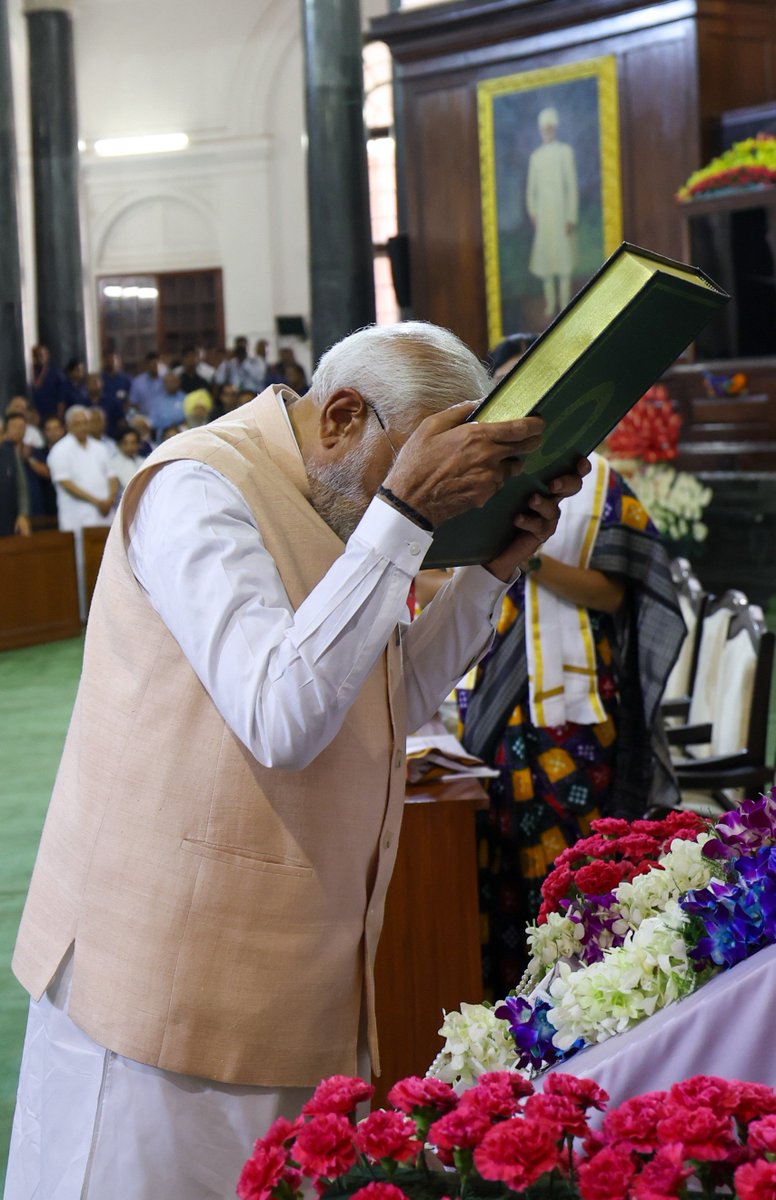
@narendramodi Fifty years later, as the current Prime Minister of India, @narendramodi continues to remind both current and future generations about the 'black spot' cast on India's democracy by the Congress during the #DarkDaysOfEmergency, vowing never to allow it to happen again.
Loading suggestions...