

India is half the size of the US and yet, India has only 1 timezone while the US has 6
And we are losing 4.1 billion dollars every year due to this
The crazy part? Before Independence, India used to have 3 time zones
THREAD: Why India needs more timezones 🧵
And we are losing 4.1 billion dollars every year due to this
The crazy part? Before Independence, India used to have 3 time zones
THREAD: Why India needs more timezones 🧵
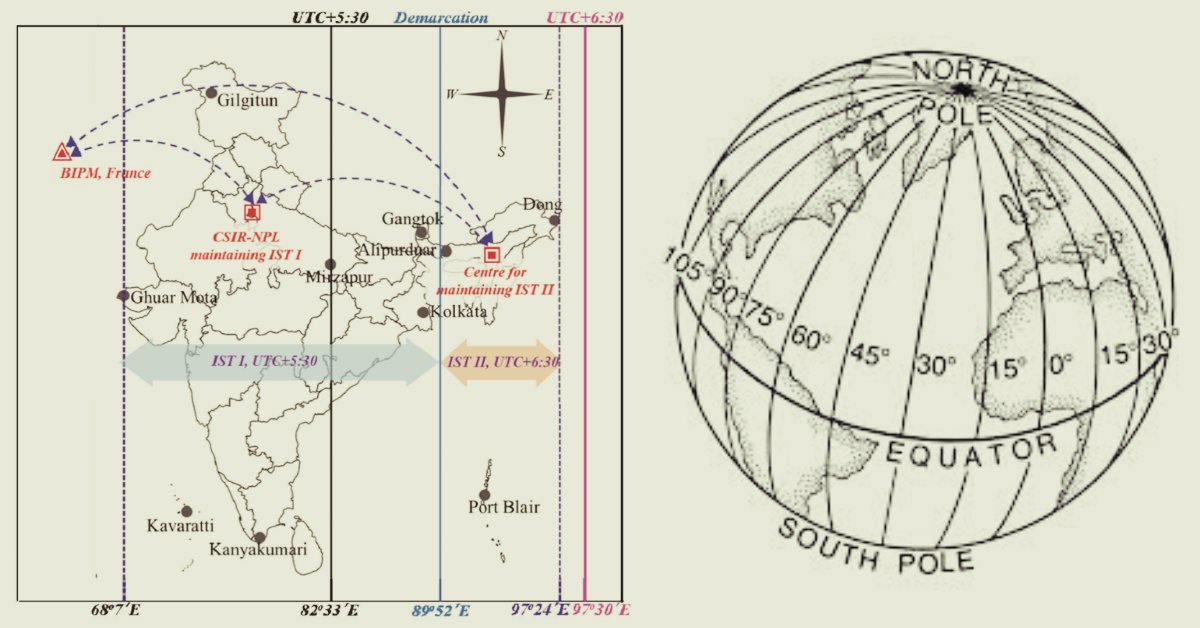
Before Independence India had 3 time zones. Bombay Time, Calcutta Time, and Madras Time.
Bombay Time and Calcutta Time were used to help traders make use of the daylight.
The Madras Time was set up so that Railway companies could follow one time zone.
Bombay Time and Calcutta Time were used to help traders make use of the daylight.
The Madras Time was set up so that Railway companies could follow one time zone.

But after Independence the government established IST as the single time zone for the whole country.
The Central Observatory was moved from Chennai (Madras Time) to a location at Shankargarh Fort in Prayagraj, so that it would be as close to UTC+05:30 as possible.
The Central Observatory was moved from Chennai (Madras Time) to a location at Shankargarh Fort in Prayagraj, so that it would be as close to UTC+05:30 as possible.

But this created a problem as all institutions across India now follow only the Indian Standard Time, even though the sunset & sunrise time vary from East to West.
For ex, in summers, the sun rises at 6:30am & sets around 7pm in Gujarat, the school & offices run between 9am-7pm
For ex, in summers, the sun rises at 6:30am & sets around 7pm in Gujarat, the school & offices run between 9am-7pm
For them, this is an ideal setup as their body clock is aligned with the daily solar cycle.
But in north-eastern states like Arunachal Pradesh, the sun rises 90 minutes early around 5am & sets by 5:30pm, but the schools & offices run between the same time (9-7) for them as well.
But in north-eastern states like Arunachal Pradesh, the sun rises 90 minutes early around 5am & sets by 5:30pm, but the schools & offices run between the same time (9-7) for them as well.
This way, for the north-eastern states,
- Early morning natural light is wasted.
- Extra electricity is consumed to keep the institutions running after 5 pm.
- People’s ability to sleep with respect to the daily solar cycle gets compromised.
- Early morning natural light is wasted.
- Extra electricity is consumed to keep the institutions running after 5 pm.
- People’s ability to sleep with respect to the daily solar cycle gets compromised.
India incurs annual human capital costs of $4.1 billion (₹29,000 crore) or 0.2% of nominal GDP due to a single time zone.
Advancing to IST-I and IST-II with a difference of an hour would result in annual savings of 2.7 billion units of electricity in all Indian states together.
Advancing to IST-I and IST-II with a difference of an hour would result in annual savings of 2.7 billion units of electricity in all Indian states together.
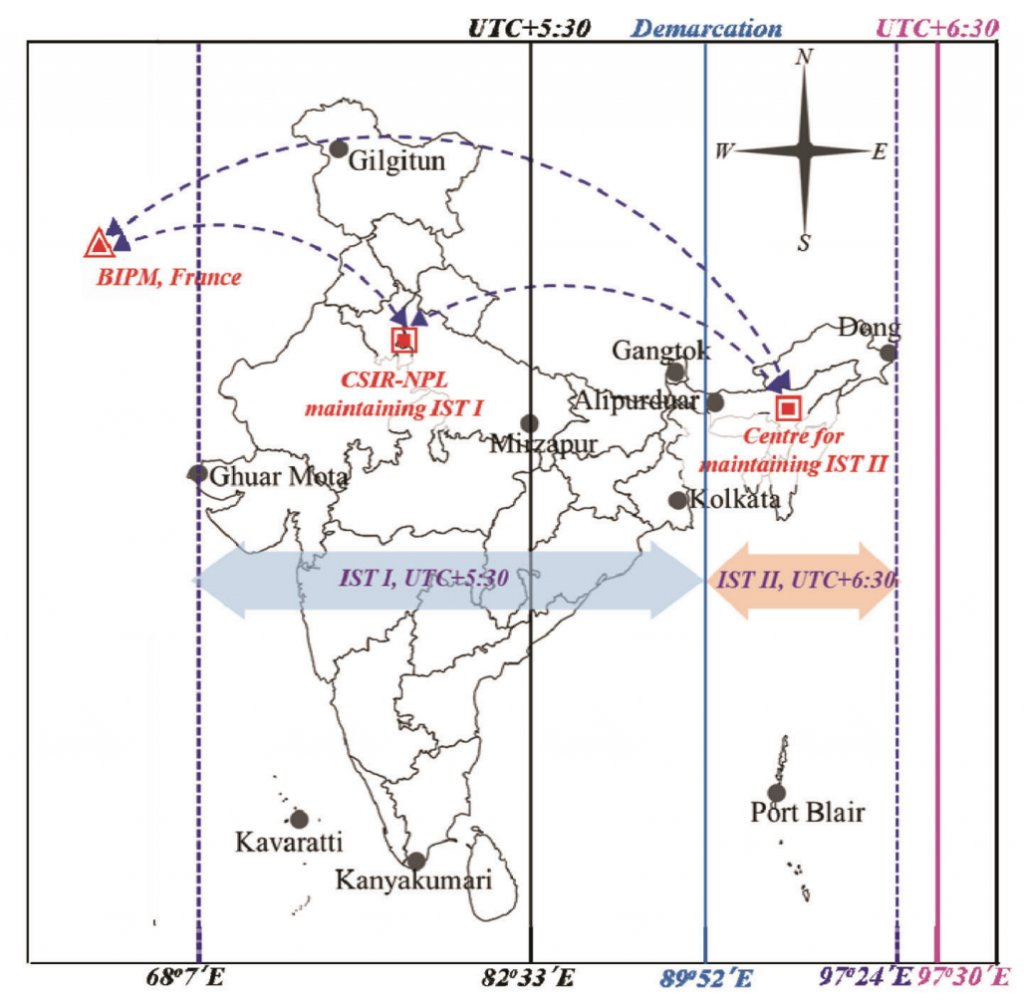
And besides saving electricity, we would also have healthier and happier people who follow their circadian rhythm. Who wake up and go to bed with the sun.
So, why hasn’t the government implemented it already?
Well, they have tried and also changed time zones when needed.
So, why hasn’t the government implemented it already?
Well, they have tried and also changed time zones when needed.
👉 In 1980s, a team of researchers proposed having two or three time zones to conserve energy.
The binary system that they proposed involved a return to British–era time zones.
Obviously, the proposal was rejected.
The binary system that they proposed involved a return to British–era time zones.
Obviously, the proposal was rejected.
👉 In 2001, the government established a committee under the Ministry of Science and Technology to see if there’s a need for multiple time zones and daylight saving.
The findings were presented to the parliament in 2004 and it did not recommend changes to the unified system, stating that —
‘the prime meridian was chosen with reference to a central station, and that the expanse of the Indian State was not large.’
‘the prime meridian was chosen with reference to a central station, and that the expanse of the Indian State was not large.’
Well, India’s east to west distance is more than 2,933 kms, and covers over 29 degrees of longitude, which ideally calls for the two time zones setup.
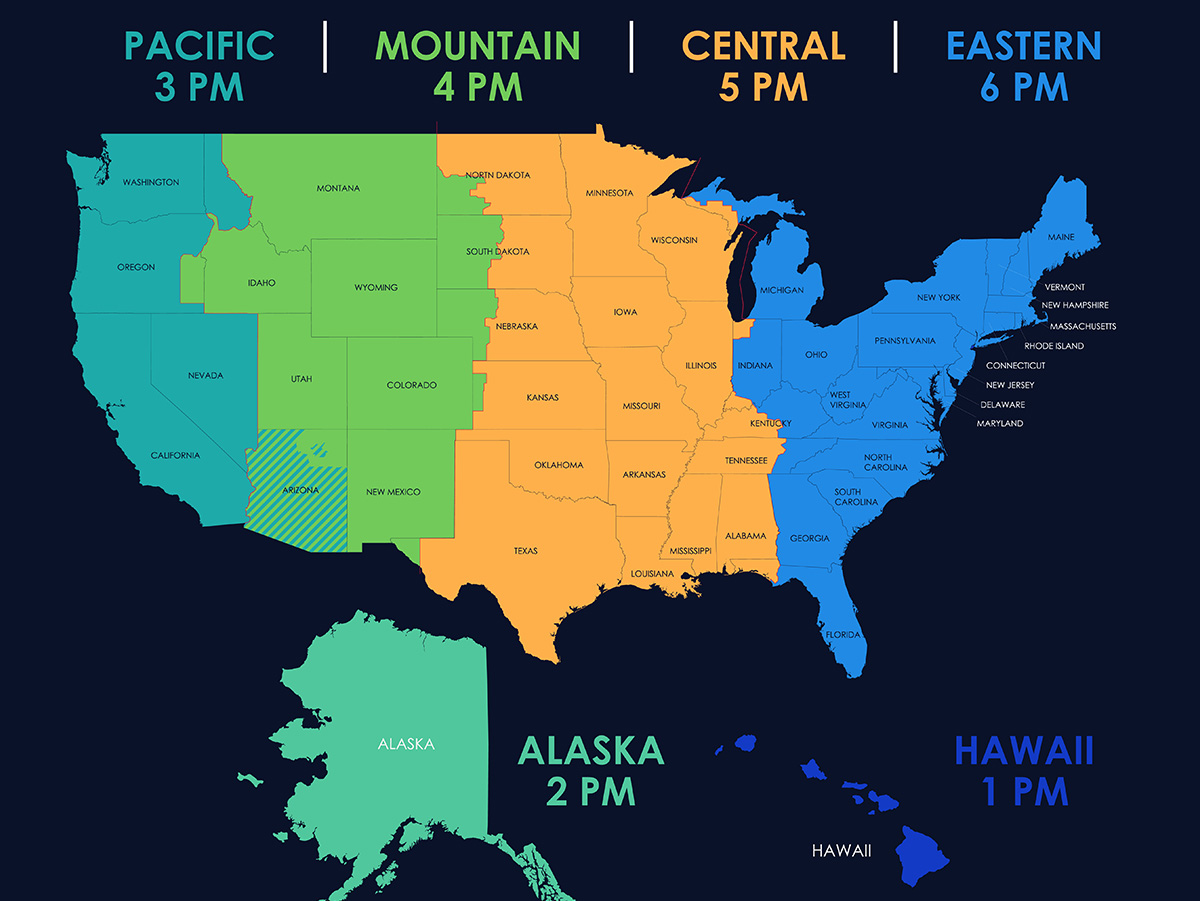
For better understanding, you can think of the US that spans over 4,800 km from east to west and is divided into six time zones!
For better understanding, you can think of the US that spans over 4,800 km from east to west and is divided into six time zones!
Another concern was railway accidents as someone would need to reset time at every crossing from one time zone to another.
But can’t we have a separate time zone for railways? After all, time zones first came into existence for railways.
But can’t we have a separate time zone for railways? After all, time zones first came into existence for railways.
Even though the government has consistently refused to have multiple time zones, provisions in labour laws such as the Plantations Labour Act, 1951 allow the Central and State governments to define and set the local time for a particular industrial area.
For example, in Assam, tea gardens follow a separate time zone, known as the Chaibagaan or Bagan time (‘Tea Garden Time’), which is one hour ahead of IST.
Every Fall and Winter, in countries like the US & UK people move their watches forward by an hour from the standard time to make better use of daylight.
This is called Daylight Saving Time (DST).
This is called Daylight Saving Time (DST).
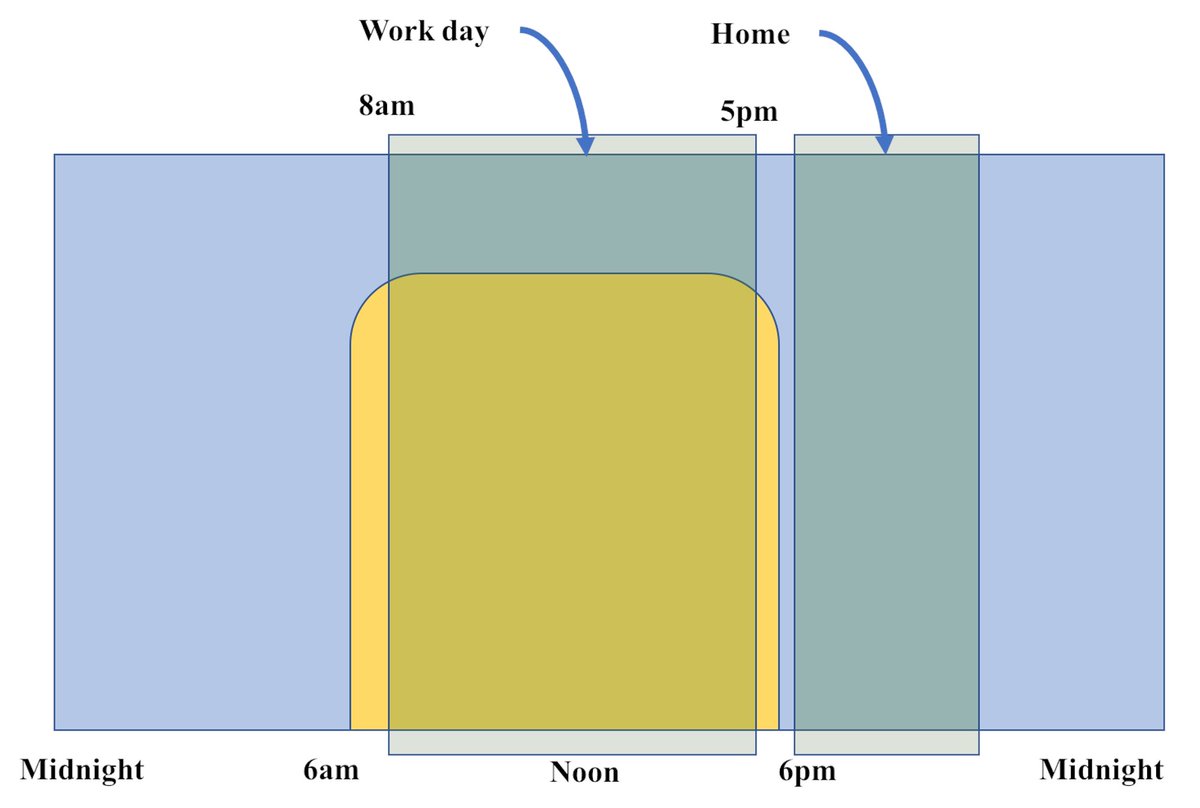
When the sun rises early, there is wasted daylight — as people are more likely to be active in the evening.

The DST shifts the time in such a way that more hours of daylight are available in the evening — so that energy is conserved.
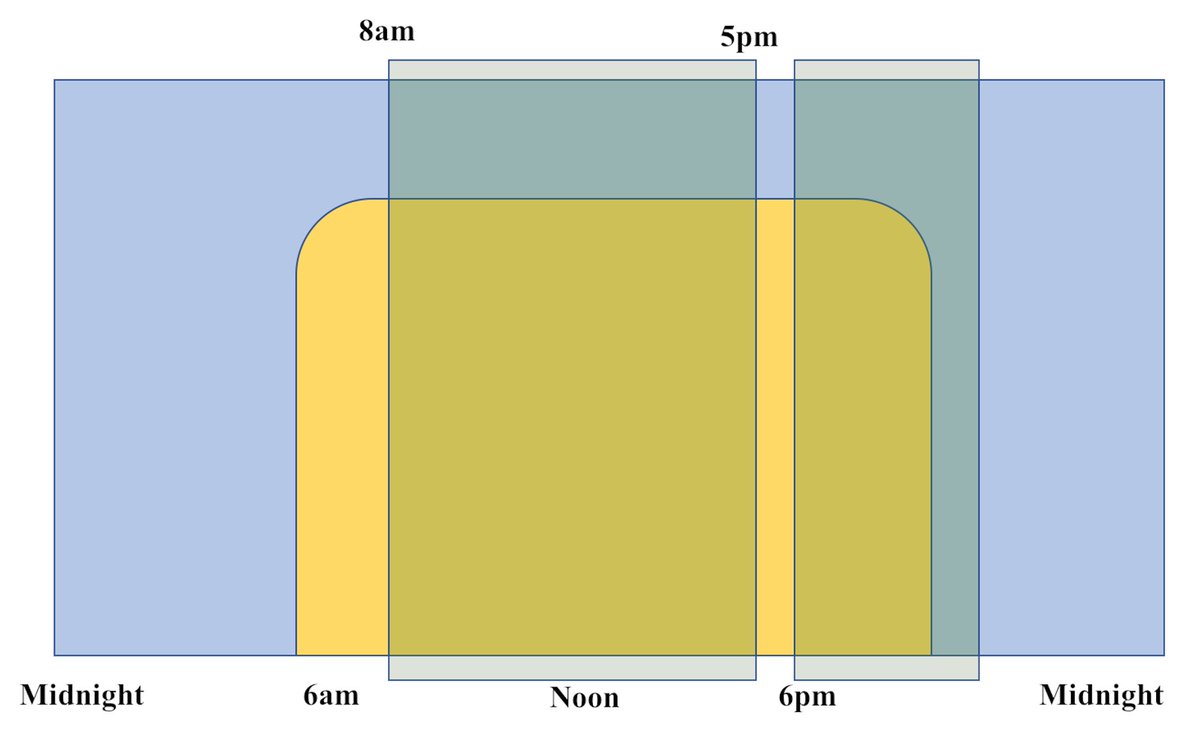
India doesn’t observe DST like other countries but it did during the Indo-China War (1962) and Indo-Pakistani Wars (1965, 1971) so that civilian energy consumption can be reduced.
India's decision to adopt a single time zone after Independence was a conscious one.
India's decision to adopt a single time zone after Independence was a conscious one.
IST was established so that we can have a unified front and all the states & provinces can run on the same time zone.
It was also done to avoid confusion as a significant portion of our population was illiterate at the time.
But that is no longer the case.
It was also done to avoid confusion as a significant portion of our population was illiterate at the time.
But that is no longer the case.
We are losing more by having a single time zone. Countries with more than one time zone like the US, UK and Australia have gained a lot economically from commerce across time zones.
It allows people to develop healthier eating, sleeping & work habits which pays in the long run.
It allows people to develop healthier eating, sleeping & work habits which pays in the long run.
You might not believe it, but humanity is losing over $600 billion globally just because we are not sleeping properly.
And that’s a shit ton of money.
We will cover the how of it in one of our next reads.
And that’s a shit ton of money.
We will cover the how of it in one of our next reads.
If you liked this read do RePost the first tweet/post 🔄
and follow us @FinFloww for more such reads every Monday, Wednesday, and Friday!
and follow us @FinFloww for more such reads every Monday, Wednesday, and Friday!
Join 25021 people who read such stories daily on our WhatsApp Newsletter:
whatsapp.com
whatsapp.com

Subscribe to WHAT THE FLOWW?, our weekly email newsletter where we dive deeper into such concepts: soshals.app

Loading suggestions...