

In 2008, SpaceX changed the world as a private startup by launching cheap rockets
But now India’s Agnikul is making them even cheaper using 3D printing!
The crazy part? They just launched world’s 1st 3D-printed rocket engine!
THREAD: How Agnikul is becoming SpaceX of India🧵
But now India’s Agnikul is making them even cheaper using 3D printing!
The crazy part? They just launched world’s 1st 3D-printed rocket engine!
THREAD: How Agnikul is becoming SpaceX of India🧵

Cheaper rockets were a dream for America until Elon & the gang proved to the world that it could be possible.
Meanwhile, in India, ISRO was also slowly creating a local ecosystem for cheaper space equipment suppliers without even realizing it.
Meanwhile, in India, ISRO was also slowly creating a local ecosystem for cheaper space equipment suppliers without even realizing it.
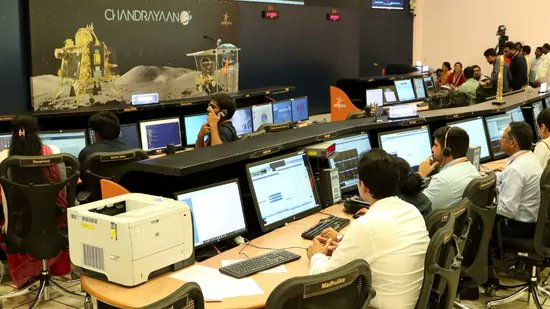
So, now we know that there's clearly a global demand for this & that because of our price advantage, we are in the best position to make it big in the space sector.
For these reasons, many Indian space-tech start-ups have cropped up in the country.
Agnikul is a special one tho!
For these reasons, many Indian space-tech start-ups have cropped up in the country.
Agnikul is a special one tho!
Initially, they figured out a big gap in the space market —
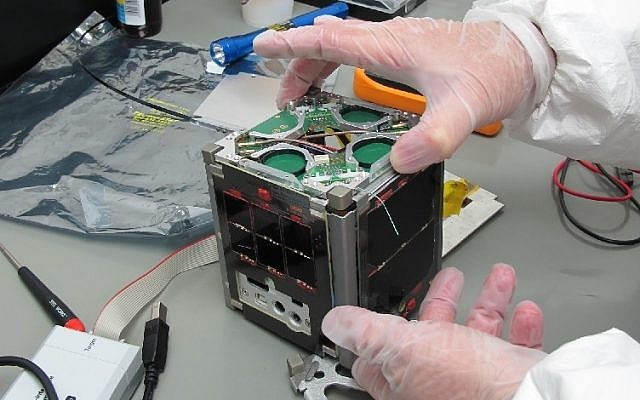
While satellites have become smaller, rockets are still big.
It makes no sense to spend so much on big rockets that deliver the same value that a smaller one easily can.
While satellites have become smaller, rockets are still big.
It makes no sense to spend so much on big rockets that deliver the same value that a smaller one easily can.
And it also reduces efficiency in the service the clients are getting.
Typically a client who wants their satellite in space has to wait several months to a year or so for the launch date of the rocket.
Agnikul can do that within 2 weeks!
Typically a client who wants their satellite in space has to wait several months to a year or so for the launch date of the rocket.
Agnikul can do that within 2 weeks!
Think about SpaceX and other space agencies like a train and Agnikul like a taxi.
The train makes you wait until everyone joins in from the station, but a taxi makes you sit and starts the journey.
That’s it.
That’s the difference between the two.
The train makes you wait until everyone joins in from the station, but a taxi makes you sit and starts the journey.
That’s it.
That’s the difference between the two.
Agnikul sends satellites to space on demand — you can book a launch and send any satellite into space within 2 weeks.
They are a space company trying to solve for the end customer and bringing so much efficiency in the complicated process of sending a satellite to space,
They are a space company trying to solve for the end customer and bringing so much efficiency in the complicated process of sending a satellite to space,
that no company or country thinks beyond Agnikul when looking for a launch.
They want to make launching satellites to the lower earth orbit as easy as booking a taxi on UBER or OLA.
It should take it where you want and from where you want within record time.
They want to make launching satellites to the lower earth orbit as easy as booking a taxi on UBER or OLA.
It should take it where you want and from where you want within record time.
Take a look at their website
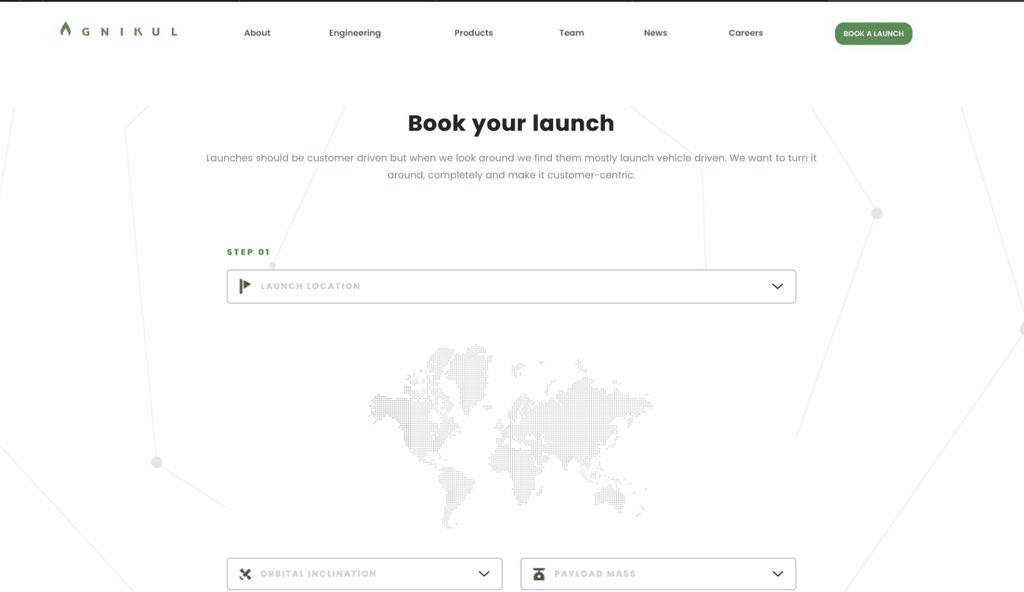
It is literally like booking our Dunzo or Borzo order 😭 But do you understand how amazing this is?
How easy Agnikul is making it for your to send your payload to space and imagine the kind of demand they must be having that they had to make the process so seamless.
How easy Agnikul is making it for your to send your payload to space and imagine the kind of demand they must be having that they had to make the process so seamless.
As a private space startup, you need to be as good in business as you’re with the science and product part of the company.
And Agnikul is a master in that.
They saw that the demand for Lower Earth Orbit satellites is rising, so it will become a $19.8 billion market by 2026.
And Agnikul is a master in that.
They saw that the demand for Lower Earth Orbit satellites is rising, so it will become a $19.8 billion market by 2026.
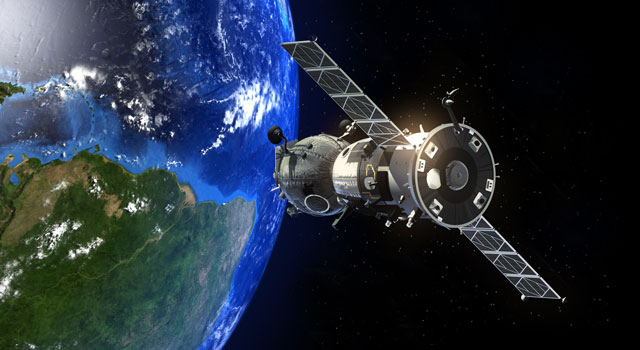
But existing space companies are not able to serve this demand with their big rockets.
The fact that they are building this from India with such a great ecosystem already set up gives them a unique price advantage to bridge that gap and capitalize on it.
The fact that they are building this from India with such a great ecosystem already set up gives them a unique price advantage to bridge that gap and capitalize on it.
Their revenue model is simple: clients want their satellite to be in space & Agnikul will charge them per kg of their payload.
They understood that this industry is all about cost optimization.
Lowering the cost of launch will help increase margins & offer competitive pricing.
They understood that this industry is all about cost optimization.
Lowering the cost of launch will help increase margins & offer competitive pricing.
But there’s something very unique about Agnikul — their rocket engine
— Agnilet.
Agnilet is the world’s first fully 3d printed rocket engine.
The whole unit is one piece of hardware with no extra parts.
— Agnilet.
Agnilet is the world’s first fully 3d printed rocket engine.
The whole unit is one piece of hardware with no extra parts.

Usually, when you have to manufacture different parts of the engine, the cost of production increases because you need various machines and whatnot.
Agnikul’s 3D printing has completely eliminated those costs.
And their assembly process is also very complex.
Agnikul’s 3D printing has completely eliminated those costs.
And their assembly process is also very complex.
But that also is taken care of when 3D printing comes into the picture.
And this directly solves the problem of other costs associated with launching satellites into space as well!
With the tech they have right now, they can easily customize the engine based on payload demand.
And this directly solves the problem of other costs associated with launching satellites into space as well!
With the tech they have right now, they can easily customize the engine based on payload demand.
3D printing helps them make the design very flexible so that they can use this technology to optimize for cost.
They can scale up or down depending on the payload and requirements of the mission.
What a superpower 3D printing is!
They can scale up or down depending on the payload and requirements of the mission.
What a superpower 3D printing is!
Agnikul is among the pioneers of the many space-tech startups opening up in India.
Behind the sudden spark in space interest in India is a newly formed entity called IN-SPACe (or Indian National Space Promotion and Authorisation Centre).
Behind the sudden spark in space interest in India is a newly formed entity called IN-SPACe (or Indian National Space Promotion and Authorisation Centre).
It was created to promote and regulate India’s private space sector so that it can grow by itself by using the ecosystem built by ISRO and take it further in terms of technology and serve the newly shooting space demand that was impossible to be met by ISRO.
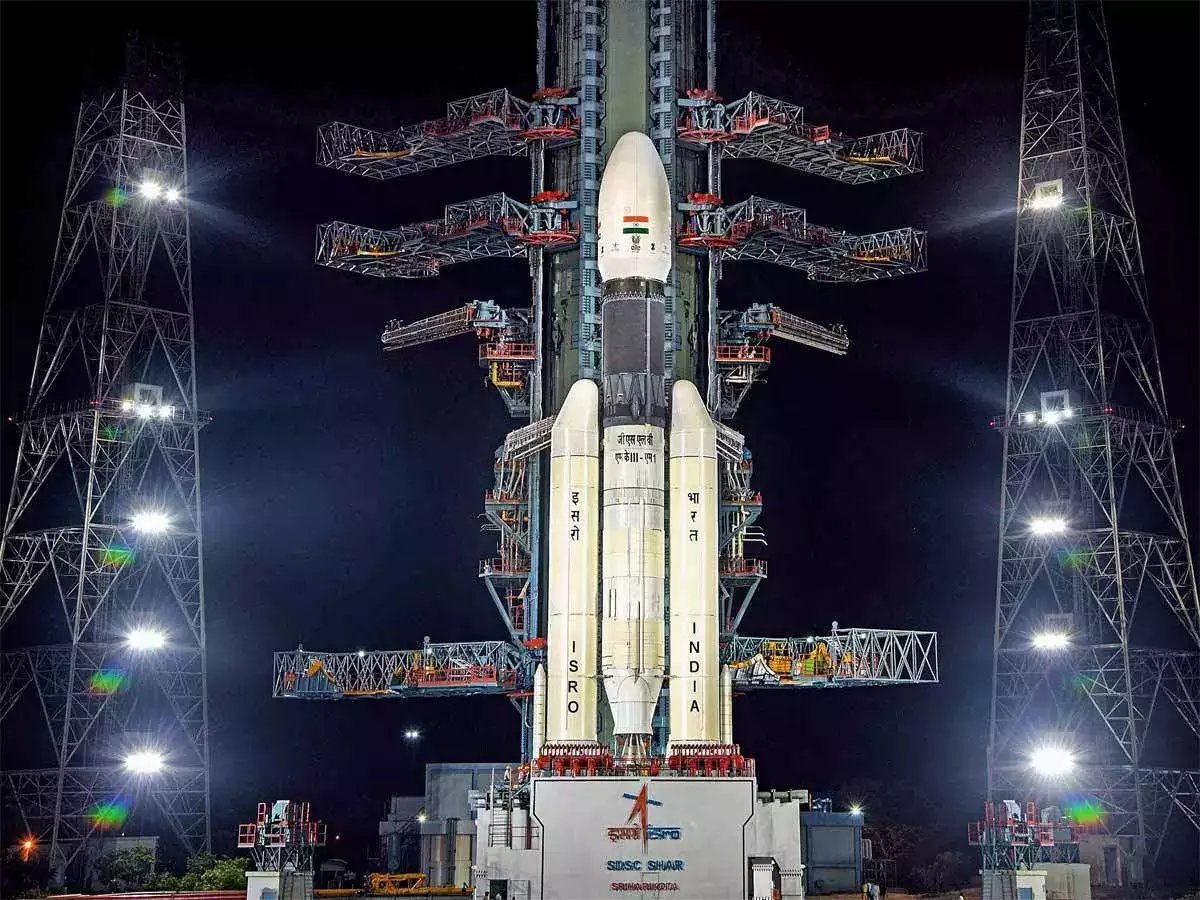
We’ll cover everything about IN-SPACe in depth in a thread in the coming weeks.
When the world is looking towards big-big satellite launches,
the real business opportunity is in smaller satellite launches.
When the world is looking towards big-big satellite launches,
the real business opportunity is in smaller satellite launches.
Agnikul inaugurated India’s first launchpad designed by a private player.
It was built by ISRO & IN-SPACe at Sriharikota.
It was built by ISRO & IN-SPACe at Sriharikota.
If you liked this read, do ReTweet🔄 the 1st tweet
and follow us @FinFloww
for more such reads every Monday, Wednesday and Friday!
and follow us @FinFloww
for more such reads every Monday, Wednesday and Friday!
Join 24339 people who read such stories daily on their WhatsApp:
whatsapp.com
whatsapp.com

Subscribe to WHAT THE FLOWW?, our weekly email newsletter where we dive deeper into such concepts: soshals.app

Loading suggestions...