

Until 1970, Europe dominated the shipbreaking market
But because it’s one of the most dangerous jobs, they dumped it on Asians
The crazy part? India now accounts for 50% of global shipbreaking activity
THREAD: What makes India the most profitable destination for shipbreaking🧵
But because it’s one of the most dangerous jobs, they dumped it on Asians
The crazy part? India now accounts for 50% of global shipbreaking activity
THREAD: What makes India the most profitable destination for shipbreaking🧵
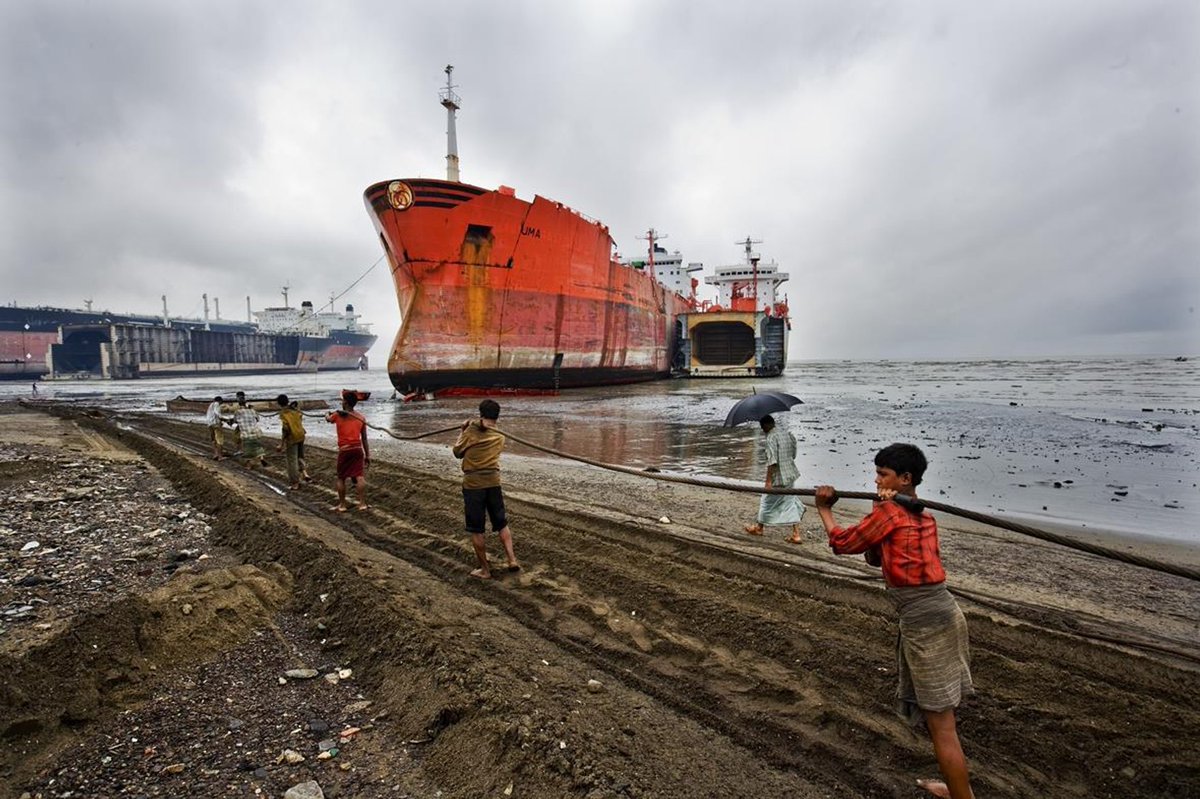
Ships, the silent giants & guardians of our civilization, connect our entire planet & shape the course of our world.
From raw materials to finished goods, from refugees to medical supplies
— these vessels traverse the oceans & weave the intricate web of international commerce.
From raw materials to finished goods, from refugees to medical supplies
— these vessels traverse the oceans & weave the intricate web of international commerce.
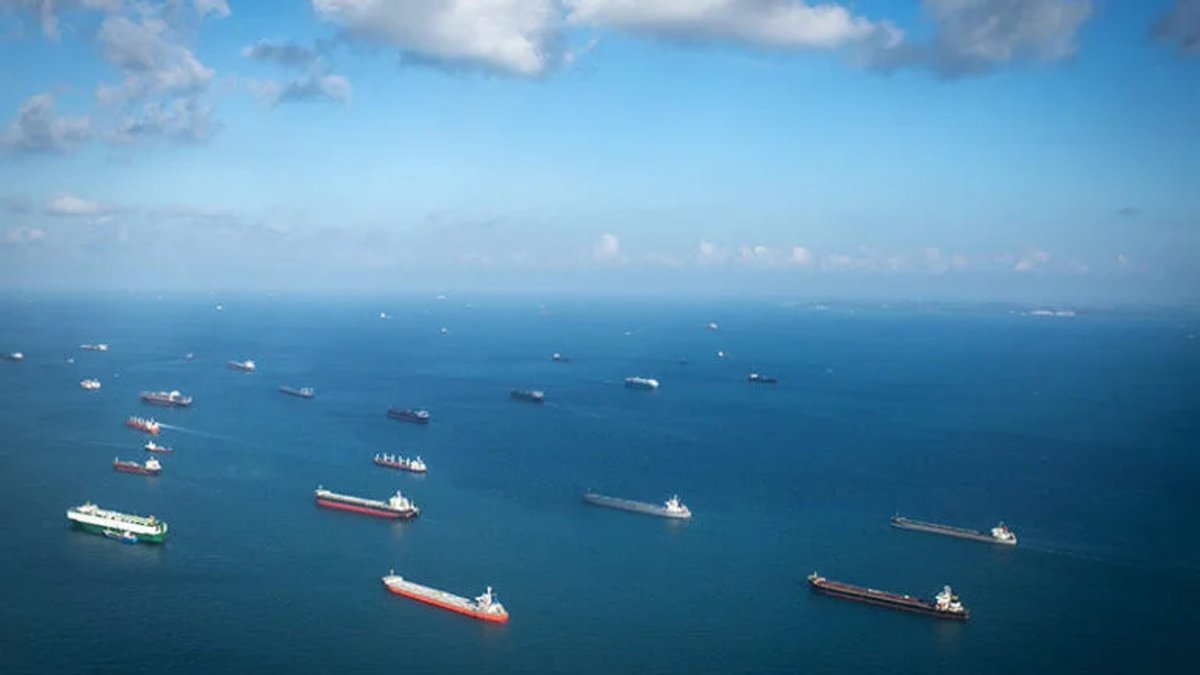
All kinds of ships like container vessels, cruise liners, & aircraft carriers are constructed using highly harmful materials, including asbestos, lead, mercury, & PCBs.
If released during dismantling, these toxic substances pose significant long-term risks
If released during dismantling, these toxic substances pose significant long-term risks
— to both environmental & human health, potentially causing cancer & severe damage to marine life.
That’s why they’re supposed to be dismantled using environmentally responsible & safe practices
— in dry docks with specialized machinery.
That’s why they’re supposed to be dismantled using environmentally responsible & safe practices
— in dry docks with specialized machinery.

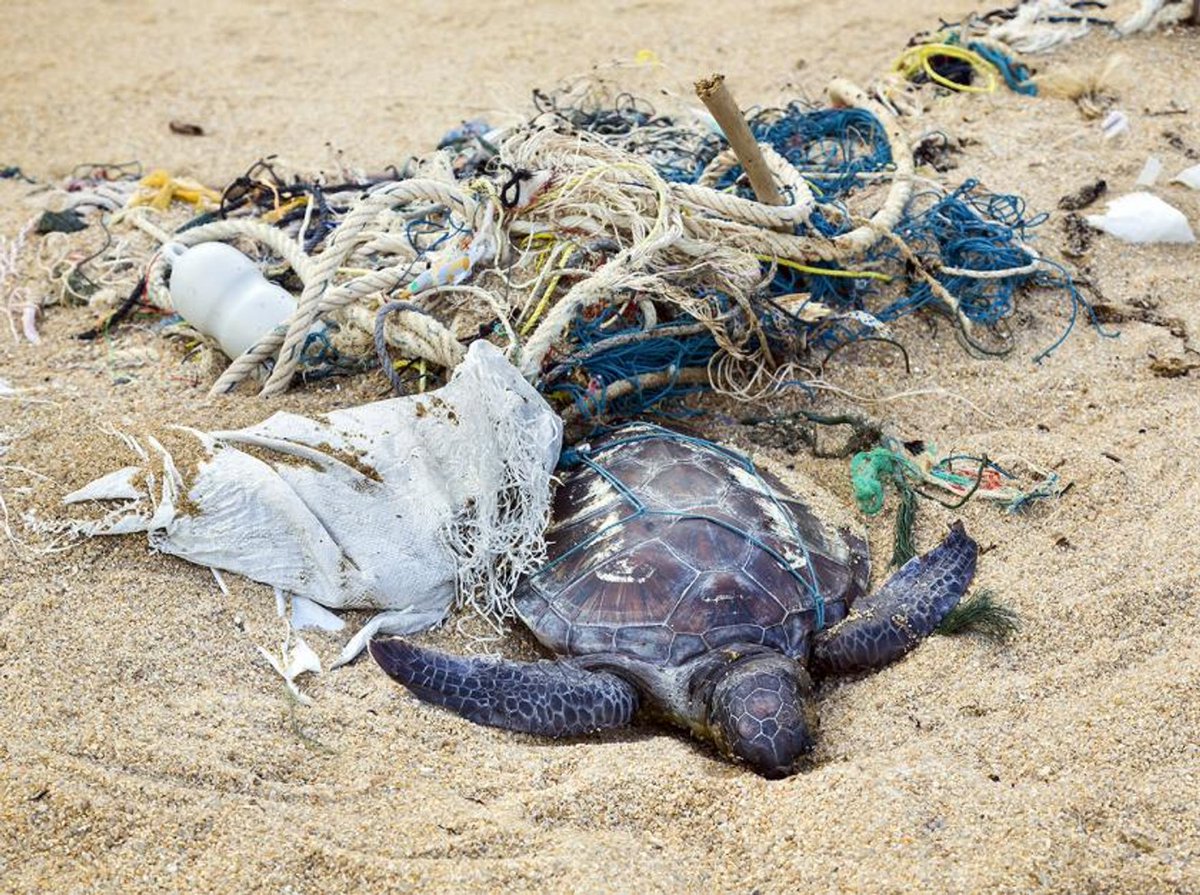
Until 1970s, shipbreaking was primarily concentrated in several industrialized nations such as the US, UK, & Germany.
However, in the 1980s, this industry largely shifted to the South-eastern part of the world, majorly due to the following two reasons:
However, in the 1980s, this industry largely shifted to the South-eastern part of the world, majorly due to the following two reasons:
1️⃣ Strict Regulations: In most of the western nations, the environmental & safety regulations are far more stringent compared to many eastern nations.
They mandate higher standards for waste disposal, worker safety, & pollution control, leading to increased compliance costs.
They mandate higher standards for waste disposal, worker safety, & pollution control, leading to increased compliance costs.
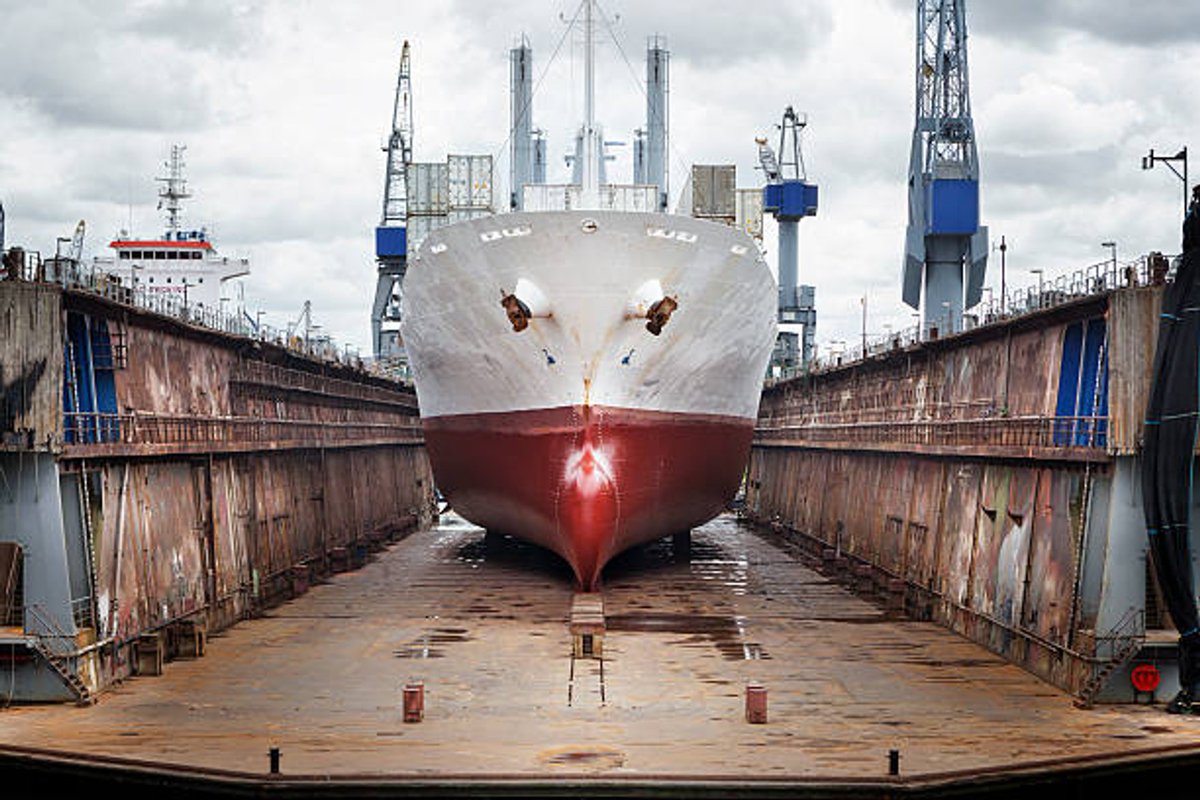
2️⃣ High Cost: Advanced machinery & tech for fully mechanized operations comes with a substantial cost.
So it become unfeasible for these countries to compete with regions where manual labor is prevalent.
So it become unfeasible for these countries to compete with regions where manual labor is prevalent.
Now let’s witness these lower-cost-manual-operations in the shipbreaking yards of Alang.
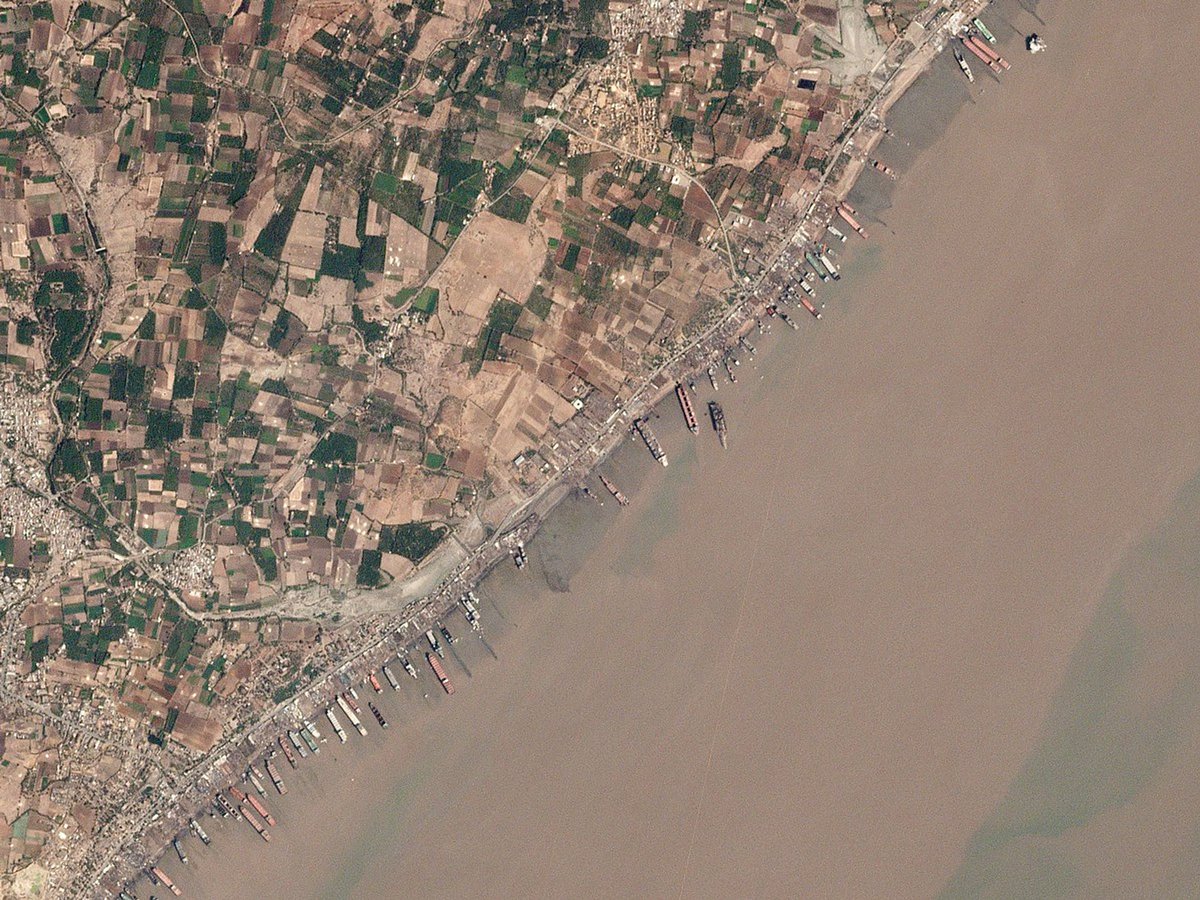
Alang is a small town situated in the Gulf of Khambhat, Gujarat, which has the biggest shipbreaking yard of the world.
The geography of Alang makes it ideal for shipbreaking.
Alang is a small town situated in the Gulf of Khambhat, Gujarat, which has the biggest shipbreaking yard of the world.
The geography of Alang makes it ideal for shipbreaking.

The beach is low and tides are as high as 10 meters.
This facilitates the beaching method, where ships are driven onto the shore during high tide for dismantling scraps,
— making it relatively cheaper but also more dangerous than the dry dock method.
This facilitates the beaching method, where ships are driven onto the shore during high tide for dismantling scraps,
— making it relatively cheaper but also more dangerous than the dry dock method.
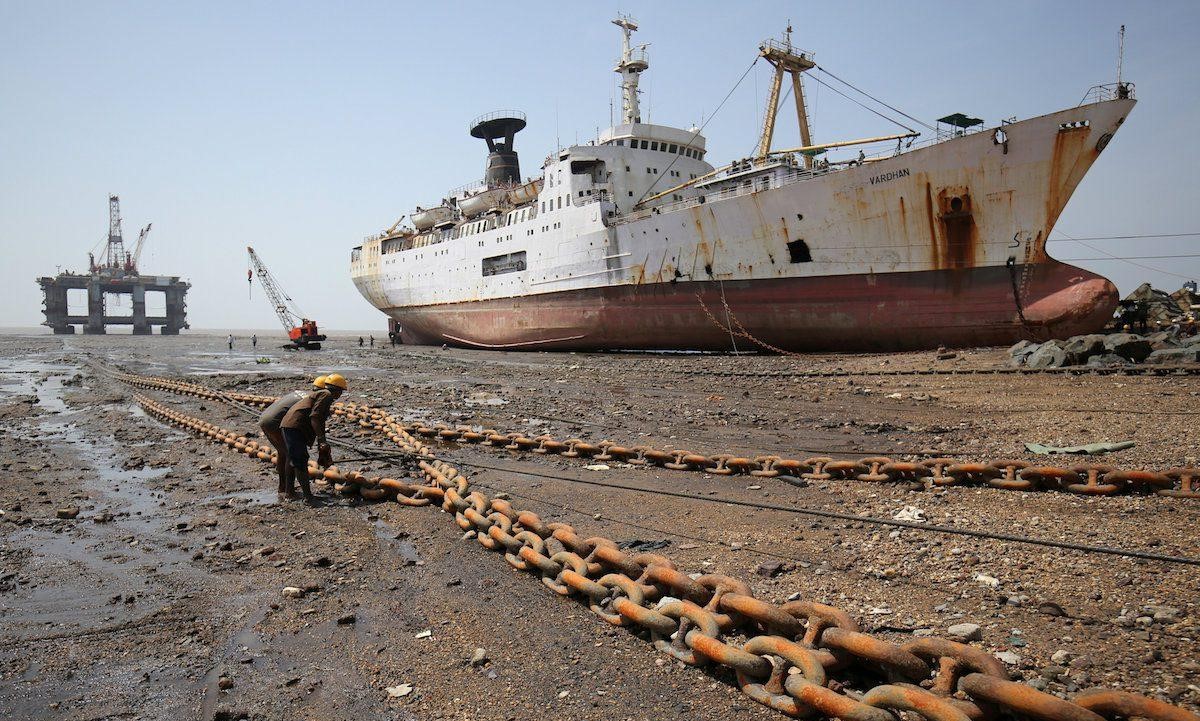
Not only does it pollute the beaches & seawater and threaten the marine environment,
— but the ships are torn apart with basic tools in hand by thousands of migrant workers.
Without enough protective gear, they face numerous risks such as fire explosions & falling steel plates.
— but the ships are torn apart with basic tools in hand by thousands of migrant workers.
Without enough protective gear, they face numerous risks such as fire explosions & falling steel plates.

Many workers described using socks as gloves to avoid burns while cutting through molten steel, wrapping shirts around their mouths to avoid inhaling toxic fumes, and carrying chunks of steel barefoot.
This is the reason why the shipbreaking industry is flourishing in Alang.
This is the reason why the shipbreaking industry is flourishing in Alang.
Because the shipbreakers prioritize high scrap prices at the cost of human lives and the environment.
After examining the entirety of this scenarios, 2 questions come to mind.
After examining the entirety of this scenarios, 2 questions come to mind.
First, despite being aware of the substantial socio-economic costs for these developing nations, why do shipping companies send their old vessels to these yards?
The answer is simple: MORE MONEY
Yards like Alang pay a lot more for these old vessels compared to safer facilities.
The answer is simple: MORE MONEY
Yards like Alang pay a lot more for these old vessels compared to safer facilities.
This is because being safe costs money.
These yards often overlook fair wages, proper working equipment, & environmentally responsible ways for disposal of hazardous materials,
— which allows them to save on these costs and offer more money after selling the scraps.
These yards often overlook fair wages, proper working equipment, & environmentally responsible ways for disposal of hazardous materials,
— which allows them to save on these costs and offer more money after selling the scraps.
Secondly, what’s in it for the shipyard owners? And why has no concrete action been taken against them?
This industry presents a very lucrative opportunity for a country like ours, where there is a thriving market for scrapped metals.
This industry presents a very lucrative opportunity for a country like ours, where there is a thriving market for scrapped metals.
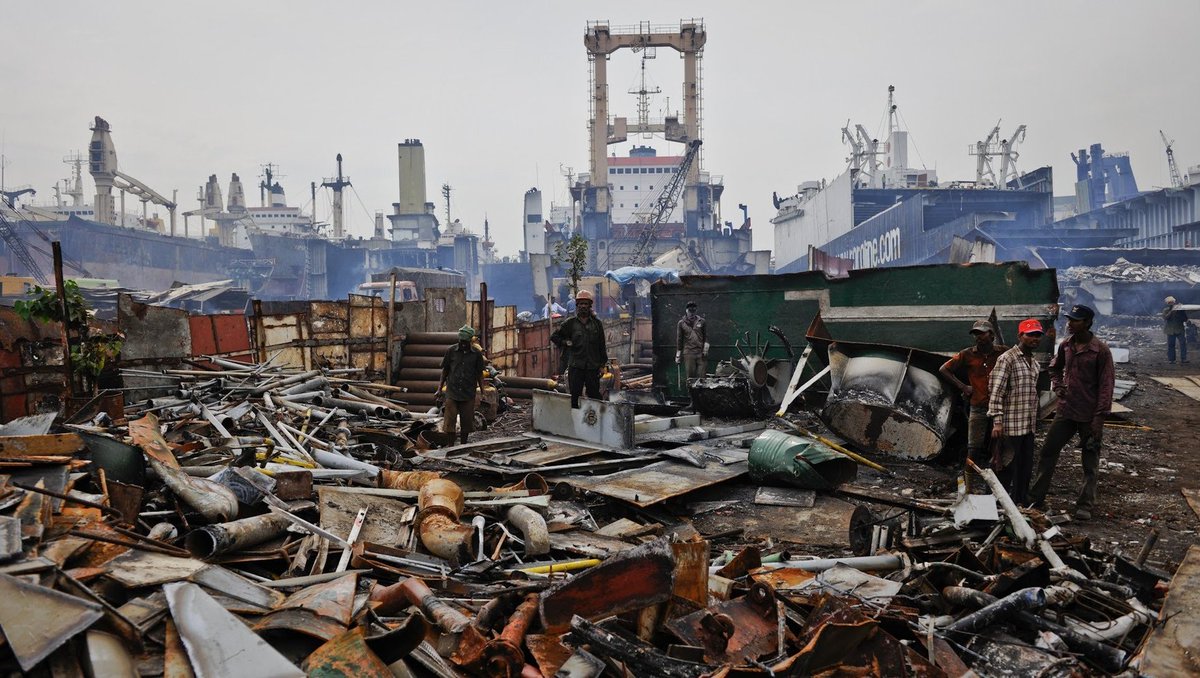
It also generates a significant revenue for Gujarat by producing considerable quantities for re-rollable steel.
This contributes approx 15% of our nation’s total steel output, providing a sustainable substitute to the non-renewable iron ore commonly utilized in steel production.
This contributes approx 15% of our nation’s total steel output, providing a sustainable substitute to the non-renewable iron ore commonly utilized in steel production.
This is the reason why no government has taken a very concrete step to shut down these yards and their operations.
Often times, this industry is also called a green industry, simply because it’s recycling ships!!!
Often times, this industry is also called a green industry, simply because it’s recycling ships!!!
This sector also serves as a valuable supply source for second hand goods including onboard machinery, equipment, pumps, pipes, valves, furniture, fittings, fixtures, & other scrap materials.
Now do you know that most of the EU nations are engaging in highly illegal practices & breaking multiple international laws, like the BASEL Convention,
— which is actually fueling the boom of our country’s scrapped steel business?
— which is actually fueling the boom of our country’s scrapped steel business?

The BASEL Convention prohibits the transfer of hazardous waste from EU or OECD countries to other nations, aiming to prevent affluent nations from dumping their waste in less developed regions.
This unfolds in 2 distinct manners:
This unfolds in 2 distinct manners:

1️⃣ No initial declaration of the ship as waste
It’s mandatory for EU shipping co.s to declare their ships as waste when they leave port and send them to EU authorized facilities.
In order to to tackle this rule, co.s have found a loophole.
It’s mandatory for EU shipping co.s to declare their ships as waste when they leave port and send them to EU authorized facilities.
In order to to tackle this rule, co.s have found a loophole.
They declare operations & their vessels’ destination upon departure from port and cross their country’s waters.
Subsequently, these vessels are directed to nation like ours, and left here for dismantling.
Subsequently, these vessels are directed to nation like ours, and left here for dismantling.
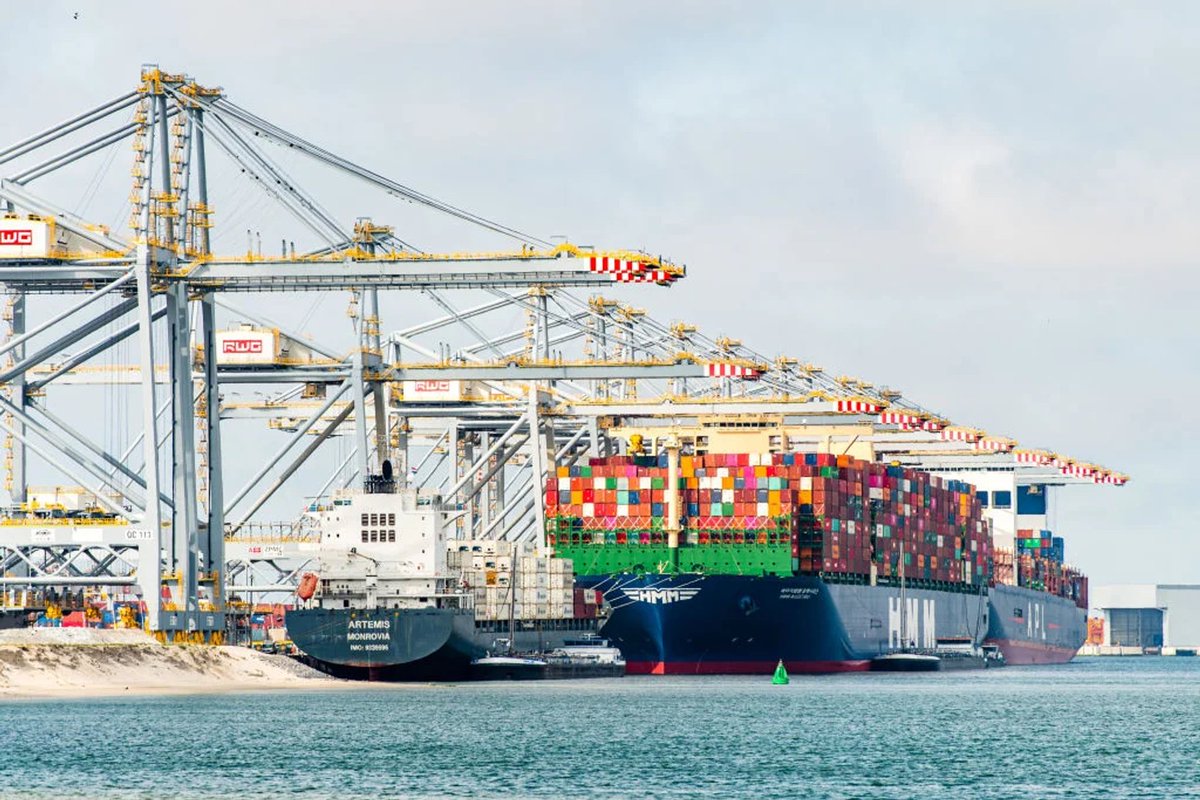
2️⃣ Changing the country’s flag
EU regulations mandate that their ships should bear their flags and must undergo recycling at EU-approved facilities.
So to avoid this requirement, shipping co.s sell their vessels to intermediaries known as "cash buyers",
EU regulations mandate that their ships should bear their flags and must undergo recycling at EU-approved facilities.
So to avoid this requirement, shipping co.s sell their vessels to intermediaries known as "cash buyers",
— who alter its name, flag, & registered owner.
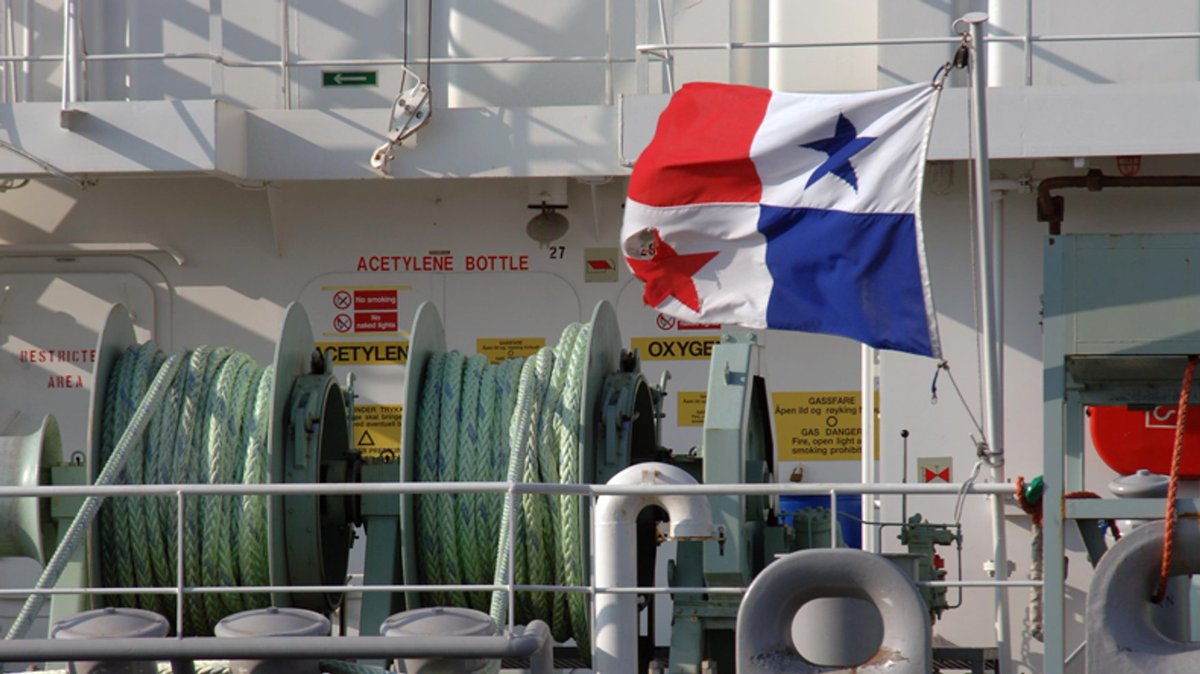
They typically engage with private agencies of countries like Panama, Liberia, & the Marshall Islands, where maritime laws are lenient.
So, these ships navigate international waters with flags different from their original ones.
They typically engage with private agencies of countries like Panama, Liberia, & the Marshall Islands, where maritime laws are lenient.
So, these ships navigate international waters with flags different from their original ones.
If you liked this read, do RePost🔄 the 1st post
and follow us @FinFloww for such reads every Monday, Wednesday and Friday!
and follow us @FinFloww for such reads every Monday, Wednesday and Friday!
Join the 23,512 members who read to our WhatsApp newsletter every other day:
whatsapp.com
whatsapp.com
Subscribe to WHAT THE FLOWW?, our email newsletter where we dive deeper into such concepts: soshals.app

Loading suggestions...