

1/10
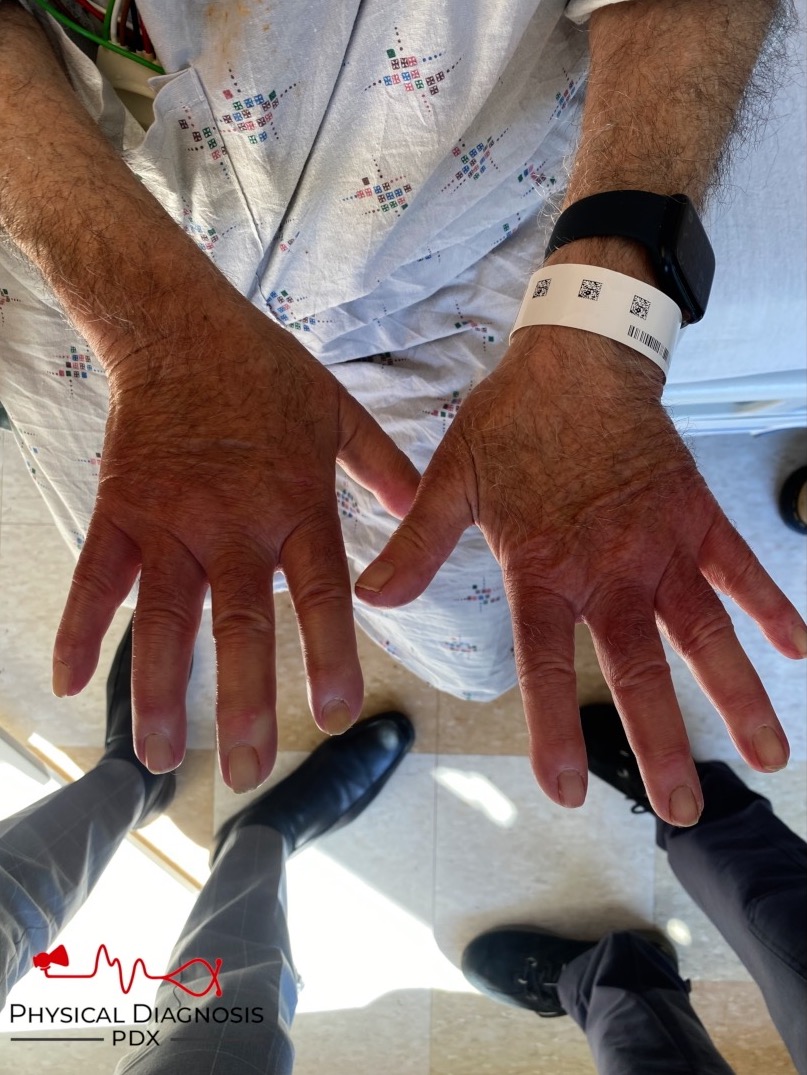
A 76 y/o man presents with swallowing difficulty.
So why are we looking at his hands?
A 76 y/o man presents with swallowing difficulty.
So why are we looking at his hands?
2/10
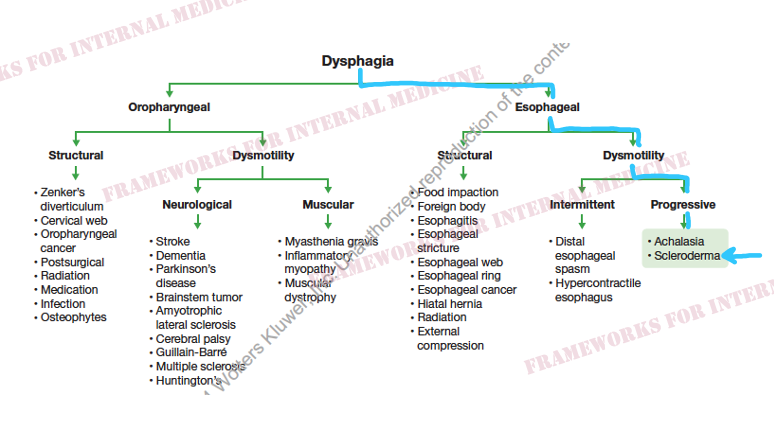
What’s your approach to dysphagia?
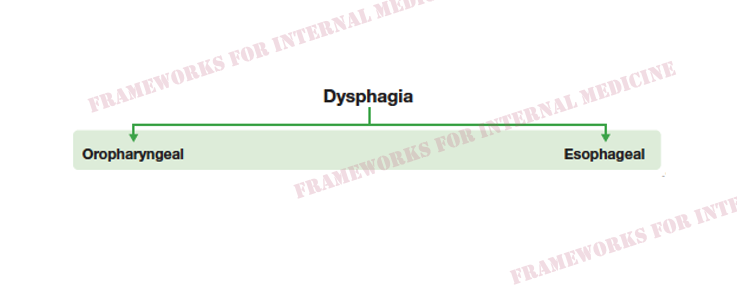
The first thing we want to determine is whether dysphagia is oropharyngeal or esophageal.
What’s your approach to dysphagia?
The first thing we want to determine is whether dysphagia is oropharyngeal or esophageal.
3/10
The patient not have trouble initiating a swallow and there is no choking, coughing, or drooling. Food material seems to get stuck in the middle of his chest.
These features point away from oropharyngeal dysphagia and toward esophageal dysphagia.
The patient not have trouble initiating a swallow and there is no choking, coughing, or drooling. Food material seems to get stuck in the middle of his chest.
These features point away from oropharyngeal dysphagia and toward esophageal dysphagia.

4/10
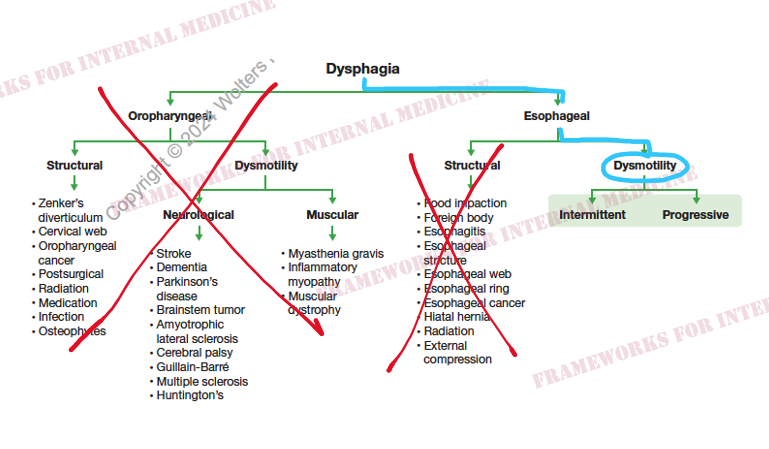
Next we want to use the history to determine if there is a structural or motility issue. The patient has had trouble swallowing both solids and liquids from the onset of symptoms.
This suggests a motility disorder.
Next we want to use the history to determine if there is a structural or motility issue. The patient has had trouble swallowing both solids and liquids from the onset of symptoms.
This suggests a motility disorder.
5/10
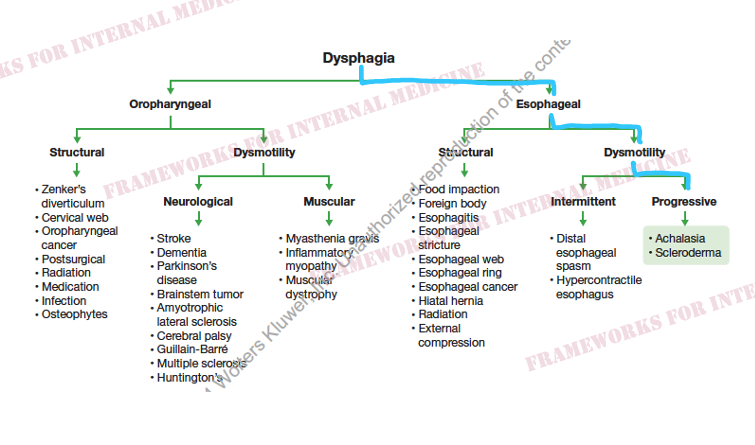
Symptoms have been progressive over a period of months.
So are we dealing with achalasia or scleroderma?
Symptoms have been progressive over a period of months.
So are we dealing with achalasia or scleroderma?
6/10
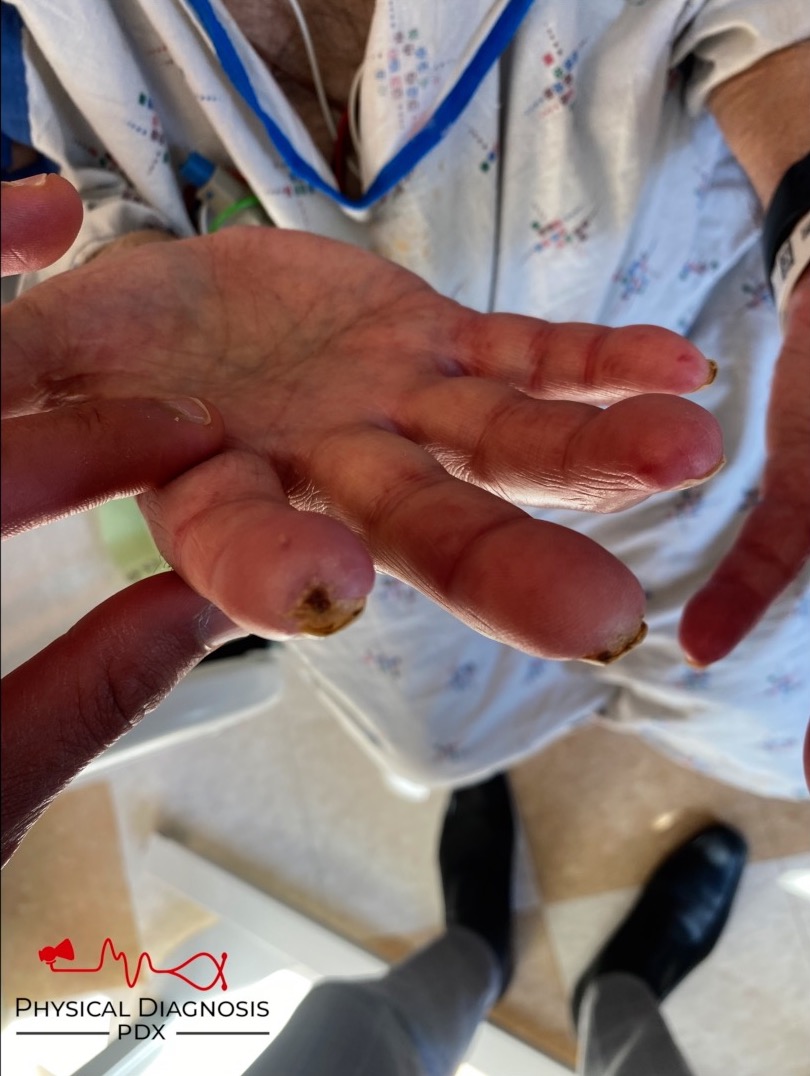
Let’s take a closer look at the hands to help answer this question.
Evidence of digital ulcerations provides a clue.
Let’s take a closer look at the hands to help answer this question.
Evidence of digital ulcerations provides a clue.
7/10
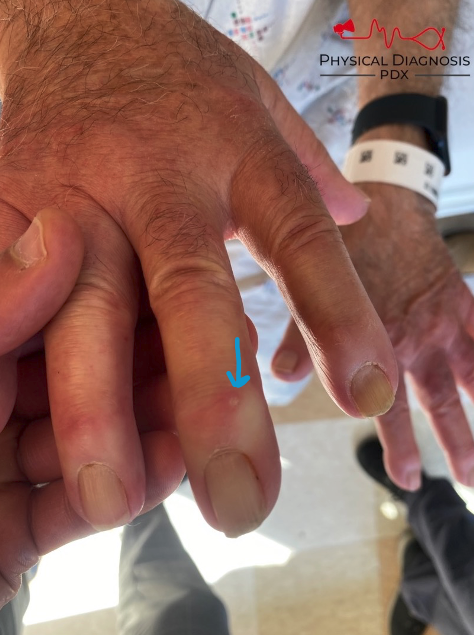
You notice a small white nodule near the distal interphalangeal joint of the middle finger, seen below.
What is this?
You notice a small white nodule near the distal interphalangeal joint of the middle finger, seen below.
What is this?
8/10
You also notice small erythematous lesions on the fingers. They blanch when compressed.
What are these called?
You also notice small erythematous lesions on the fingers. They blanch when compressed.
What are these called?

9/10
History and physical exam lead you to the diagnosis of scleroderma (systemic sclerosis).
History and physical exam lead you to the diagnosis of scleroderma (systemic sclerosis).
10/10
Dysphagia is one of 8 new chapters in Frameworks for Internal Medicine 2nd Edition, set to be released this summer.
Dysphagia is one of 8 new chapters in Frameworks for Internal Medicine 2nd Edition, set to be released this summer.
Loading suggestions...