

In 1974, a supermarket worker QUIT his job when he was asked to wear a tie
Later on, he went on to revolutionize Japanese clothing by making casuals the norm
And ended up becoming the RICHEST MAN IN JAPAN!
THREAD: Here’s how he built UNIQLO🧵
Later on, he went on to revolutionize Japanese clothing by making casuals the norm
And ended up becoming the RICHEST MAN IN JAPAN!
THREAD: Here’s how he built UNIQLO🧵

The initial life of Tadashi was just like any one of us.
He graduated from college, but he didn't want to work with his father in his suit & tie stitching store.
So, he took a job in a supermarket.
But he didn't like it there, so he resigned and joined his father's business.
He graduated from college, but he didn't want to work with his father in his suit & tie stitching store.
So, he took a job in a supermarket.
But he didn't like it there, so he resigned and joined his father's business.
He faced difficulties there too, but enjoyed his line of work and while working for his father, he found his passion of
— selling clothes.
He came up with some big ideas and after taking over his father's business, he established his first branch of Unique Clothing Warehouse.
— selling clothes.
He came up with some big ideas and after taking over his father's business, he established his first branch of Unique Clothing Warehouse.
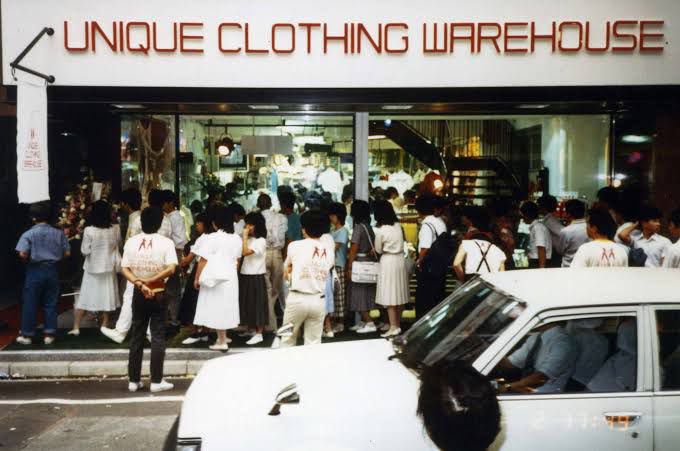
Tadashi identified an underserved market in Japan: CASUAL CLOTHES.
In 1960-70s, Japan was facing high economic growth and people were turning to high-priced designer clothes.
But no one realized the need for timeless affordable clothes
— that fit all and provide max comfort.
In 1960-70s, Japan was facing high economic growth and people were turning to high-priced designer clothes.
But no one realized the need for timeless affordable clothes
— that fit all and provide max comfort.
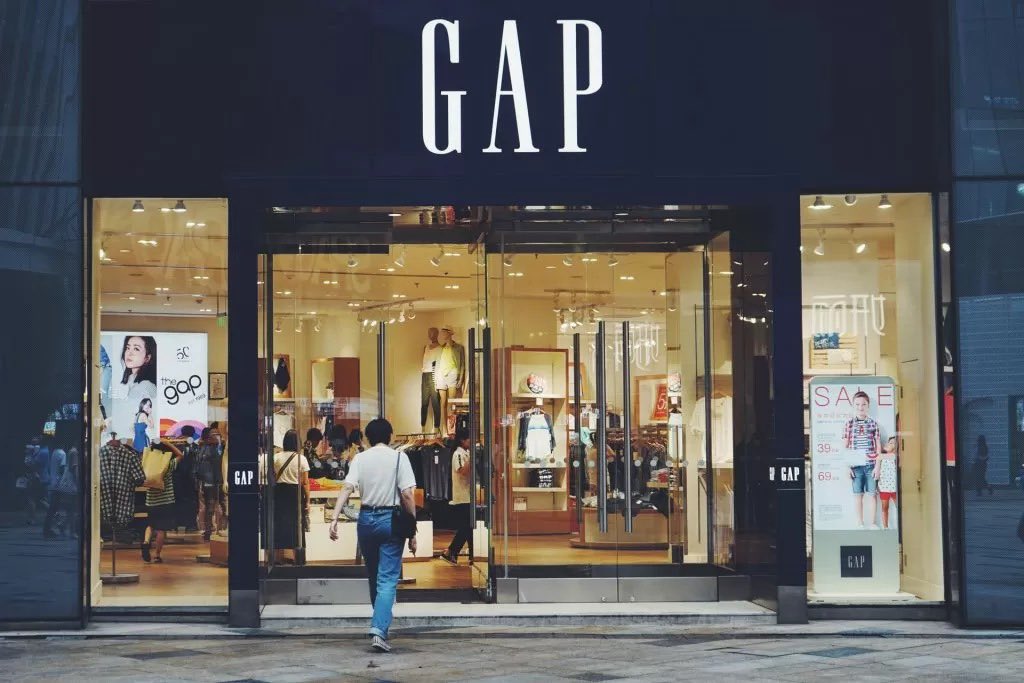
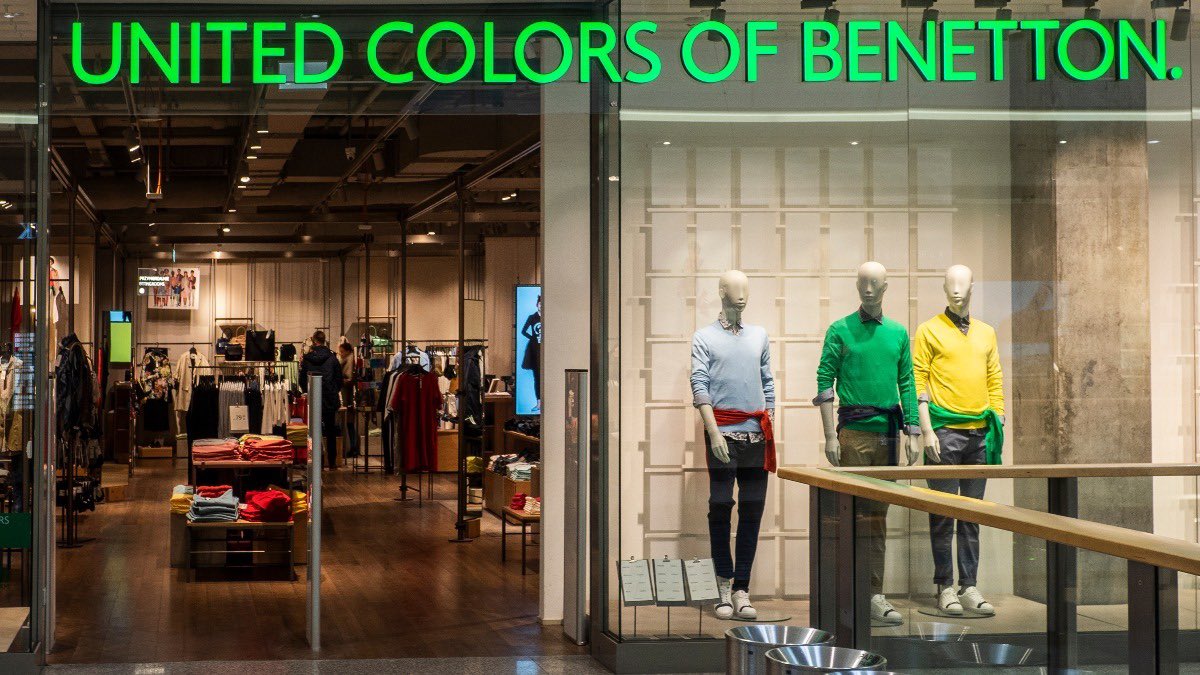
He was very inspired by big western companies like GAP and Benetton.
He wanted to bring the casual apparel system from the western world to Japan and other Asian countries.
And he successfully did that.
He used all the tricks of a business book and made his vision a reality.
He wanted to bring the casual apparel system from the western world to Japan and other Asian countries.
And he successfully did that.
He used all the tricks of a business book and made his vision a reality.
1️⃣ CHEAP PRODUCTION
— Tadashi outsourced his production from China due to the availability of cheap labour and raw material.
— And due to the high volume of production, he was able to negotiate a better price.
— Tadashi outsourced his production from China due to the availability of cheap labour and raw material.
— And due to the high volume of production, he was able to negotiate a better price.
2️⃣ VERTICAL INTEGRATION & SPA BUSINESS MODEL
— Uniqlo owns & controls its suppliers, distributors, and retail locations to control the entire supply chain.
— They designed their SPA business model for their core operations.
— This model enabled them to grow exponentially.
— Uniqlo owns & controls its suppliers, distributors, and retail locations to control the entire supply chain.
— They designed their SPA business model for their core operations.
— This model enabled them to grow exponentially.
— They manage all their operations from product planning, designing, manufacturing, inventory management, distribution, and marketing to final sales.
— This reduces their overall cost of operations and increases their profitability.
— This reduces their overall cost of operations and increases their profitability.
3️⃣ QUALITY >>>>> QUANTITY
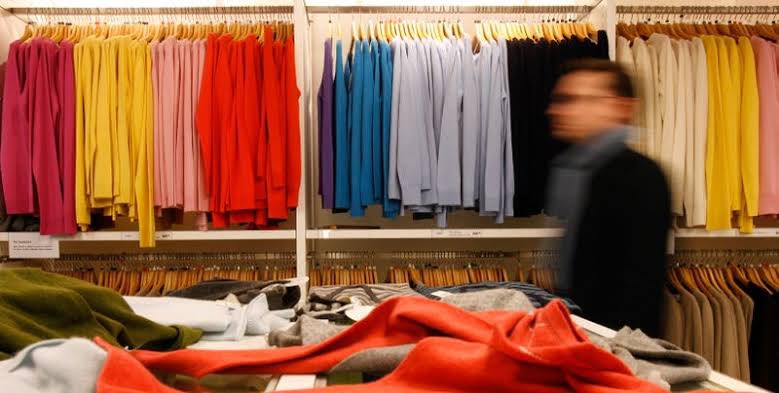
— One key factor that makes UNIQLO different is the quality of its clothing.
— Most fashion brands are trend-based, so they compromise on their product quality.
— But UNIQLO produces a few styles of urban practical basics with top-notch quality.
— One key factor that makes UNIQLO different is the quality of its clothing.
— Most fashion brands are trend-based, so they compromise on their product quality.
— But UNIQLO produces a few styles of urban practical basics with top-notch quality.
— But now it plans its production a year in advance, unlike ZARA.
— There was a time when the brand had gained a bad reputation for discounted & cheap products.
— But Tadashi quickly revamped UNIQLO's image and pledged to stop making low-priced & low-quality garments.
— There was a time when the brand had gained a bad reputation for discounted & cheap products.
— But Tadashi quickly revamped UNIQLO's image and pledged to stop making low-priced & low-quality garments.
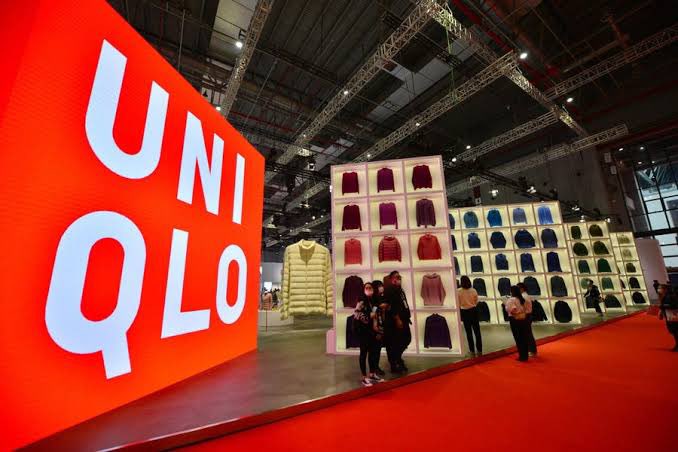
4️⃣ TECHNOLOGY
— Tadashi proudly claimed that, "It's not a fashion company, it's a technology company."
— Tadashi proudly claimed that, "It's not a fashion company, it's a technology company."
— They're leveraging tech at all levels: manufacturing, supply chain, and in-store experience.
— They invested heavily to make its production process more efficient and also monitor the inventory in real-time.
— They invested heavily to make its production process more efficient and also monitor the inventory in real-time.
5️⃣ INNOVATION
— They're creating innovative fabrics like HeatTech which keeps people warm and AIRsm which is soft & breathable along.
— They're creating innovative fabrics like HeatTech which keeps people warm and AIRsm which is soft & breathable along.

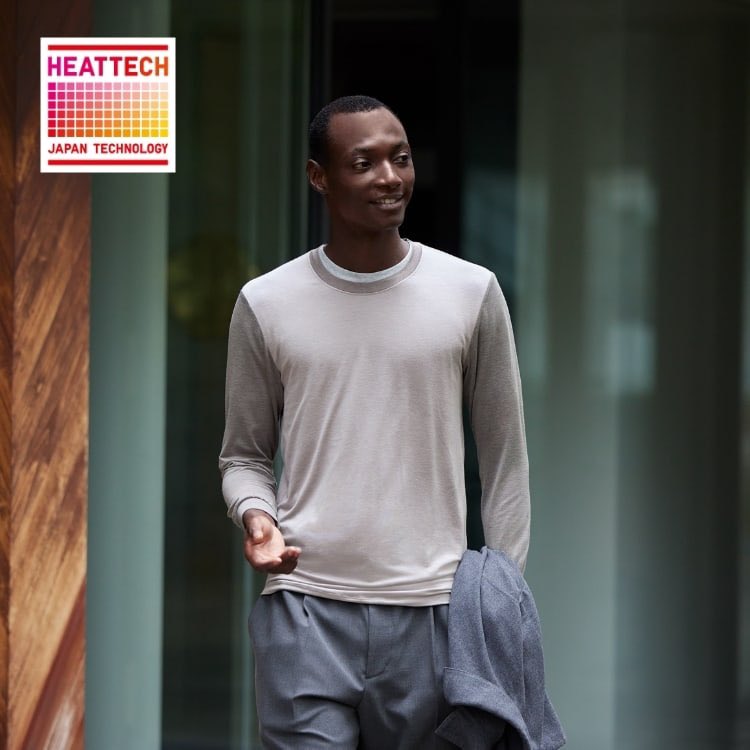
— UNIQLO stores are also designed with a digital customer-first approach.
— Customers can explore and learn about the tech that goes behind creating these fabrics.
— Customers can explore and learn about the tech that goes behind creating these fabrics.
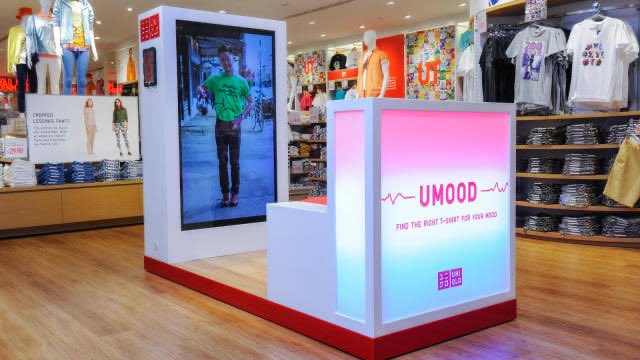
6️⃣ IN-STORE EXPERIENCE
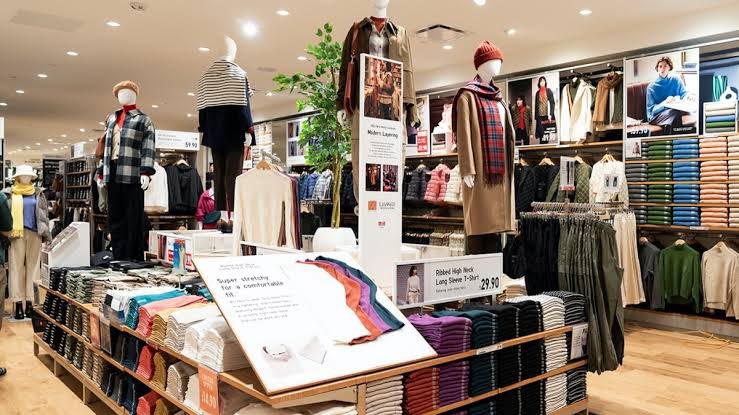
— Tadashi wanted to make their store experience like a bookstore’s, where all the books are stacked neatly.
— Their stores are designed on the principles of simplicity and essentialism: wide aisles, bright lights, beautiful displays, and friendly staff.
— Tadashi wanted to make their store experience like a bookstore’s, where all the books are stacked neatly.
— Their stores are designed on the principles of simplicity and essentialism: wide aisles, bright lights, beautiful displays, and friendly staff.
— They distract consumers from the lack of options by stacking their apparel from floor to ceiling.
— Every element of their store effectively communicates the brand philosophy.
— They also trained their staff to be friendly, ensured that they speak English & collect feedback.
— Every element of their store effectively communicates the brand philosophy.
— They also trained their staff to be friendly, ensured that they speak English & collect feedback.
7️⃣ MARKETING & BRAND COMMUNICATION
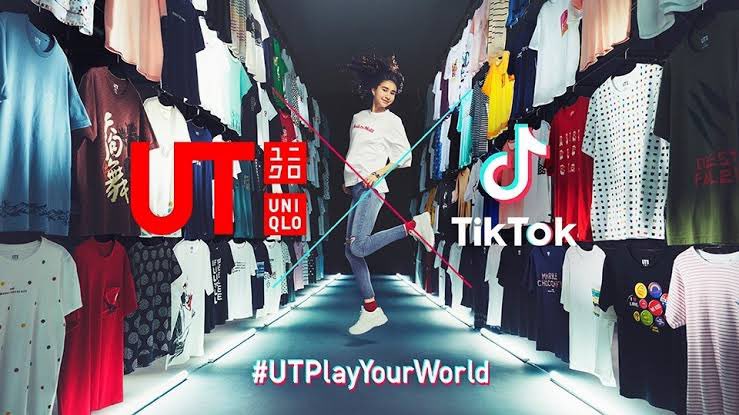
— Initially, the company relied on big Flyers and TV ads.
— But as the technology progressed, they invested in digital & social media marketing, brand campaigns, celebrity endorsements, and collaborations with big designers.
— Initially, the company relied on big Flyers and TV ads.
— But as the technology progressed, they invested in digital & social media marketing, brand campaigns, celebrity endorsements, and collaborations with big designers.
8️⃣ INTERNATIONAL EXPANSION
— UNIQLO became unbeatable in Japan and China in the early 2000s, but they wanted to leave their mark on the western world as well.
— There was tough competition with big established brands. But Tadashi hired a Japanese designer Kashiwa Sato.
— UNIQLO became unbeatable in Japan and China in the early 2000s, but they wanted to leave their mark on the western world as well.
— There was tough competition with big established brands. But Tadashi hired a Japanese designer Kashiwa Sato.
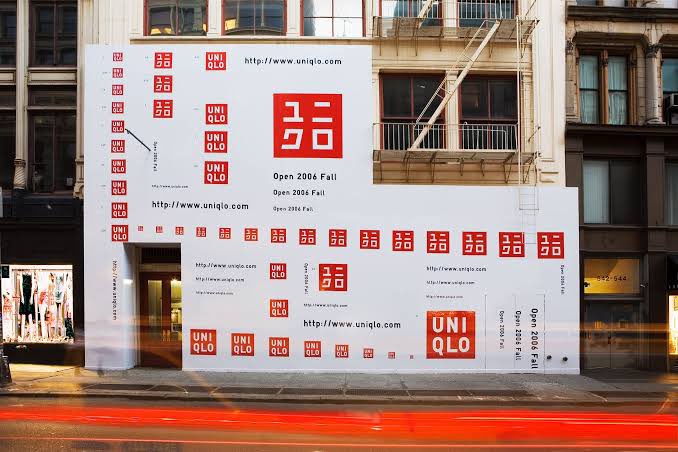
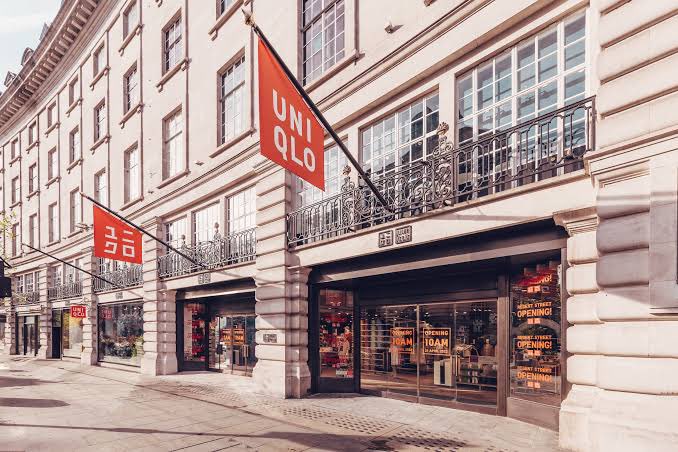
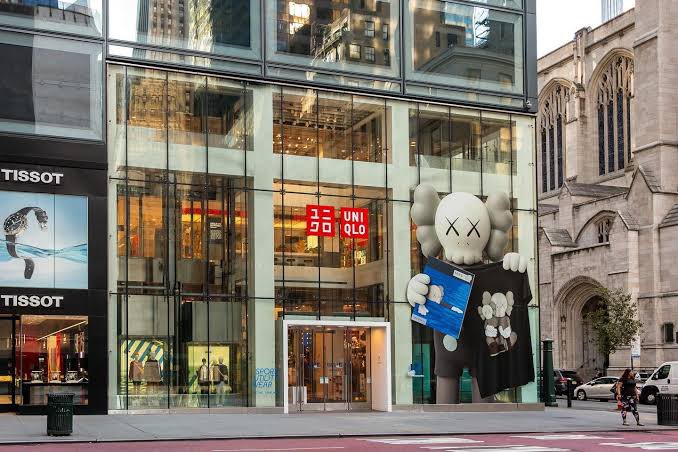
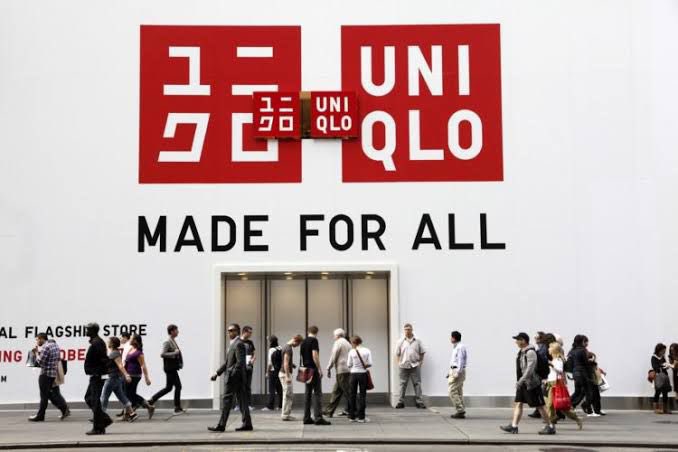
— They opened flagship stores in prime locations like New York and London.
— And they also partnered up with international designers to lure customers into their stores.
The result?
— A few kilometres long line in front of the store.
— And they also partnered up with international designers to lure customers into their stores.
The result?
— A few kilometres long line in front of the store.
9️⃣ INCLUSIVITY & RETAIL FASHION
— In a world where every entrepreneur is trying to sell "Exclusivity", Tadashi made UNIQLO sell "Inclusivity".
— Their slogan represents everything: “MADE FOR ALL”
— In a world where every entrepreneur is trying to sell "Exclusivity", Tadashi made UNIQLO sell "Inclusivity".
— Their slogan represents everything: “MADE FOR ALL”
— The company makes clothes with few patterns and does not follow any trend.
— But the clothes are designed to be consistent for all shoppers that come from different demographics, income levels, and ages.
— But the clothes are designed to be consistent for all shoppers that come from different demographics, income levels, and ages.
UNIQLO is the 3rd largest clothing company in the world after ZARA and H&M.
But it's not a fast fashion company.
It's a high-quality private-label casual-wear brand that "totally ignores fashion".
But it's not a fast fashion company.
It's a high-quality private-label casual-wear brand that "totally ignores fashion".
UNIQLO is a company with "SOUL" built by one of the most passionate entrepreneurs of all time.
The journey of Tadashi is an inspiration to budding entrepreneurs that even the big ideas & the commitment of a small clothes salesman could make a huge impact on society.
The journey of Tadashi is an inspiration to budding entrepreneurs that even the big ideas & the commitment of a small clothes salesman could make a huge impact on society.
If you liked this read, do RePost🔄 the 1st post
and follow us @FinFloww for such reads every Monday, Wednesday and Friday!
and follow us @FinFloww for such reads every Monday, Wednesday and Friday!
Join the 22,000+ members who have subscribed to our WhatsApp Newsletter: whatsapp.com

Subscribe to WHAT THE FLOWW?, our weekly email newsletter where we dive deeper into such concepts: soshals.app

Loading suggestions...