

PM Modi was sad that farmers had to stand in long queues to get Urea
So he set out to make India self-sufficient in it
The crazy part? India SHOCKED the world by cutting its purchase in half, down from 724KMT to 340KMT
THREAD: how he’s making India ATMANIRBHAR in Urea🧵
So he set out to make India self-sufficient in it
The crazy part? India SHOCKED the world by cutting its purchase in half, down from 724KMT to 340KMT
THREAD: how he’s making India ATMANIRBHAR in Urea🧵

With 46% Nitrogen content, Urea is the most favored form of solid nitrogen fertilizer in the developing world.
According to a report by S&P Global, more than 40% of all food grown in the world is fertilized by urea!
According to a report by S&P Global, more than 40% of all food grown in the world is fertilized by urea!
Nitrogen is a vital macronutrient for a plant as
- it helps them build proteins & enzymes, and
- it's a key component of amino acid & chlorophyll.
It enables plants to capture sunlight by photosynthesis and helps them grow.
- it helps them build proteins & enzymes, and
- it's a key component of amino acid & chlorophyll.
It enables plants to capture sunlight by photosynthesis and helps them grow.
Now before moving forward, let's just simply understand the manufacturing process of Urea: the Haber-Bosch process.
First, Ammonia gas is produced by reacting nitrogen gas with hydrogen gas under high temperatures and pressure in the ammonia synthesis reactor.
First, Ammonia gas is produced by reacting nitrogen gas with hydrogen gas under high temperatures and pressure in the ammonia synthesis reactor.
Then, the ammonia gas is reacted with carbon dioxide to produce urea in liquid form, which is later concentrated and sent to a granulation plant,
— where it is dried and granulated (called prills) to make it suitable for transportation and application as fertilizer.
— where it is dried and granulated (called prills) to make it suitable for transportation and application as fertilizer.
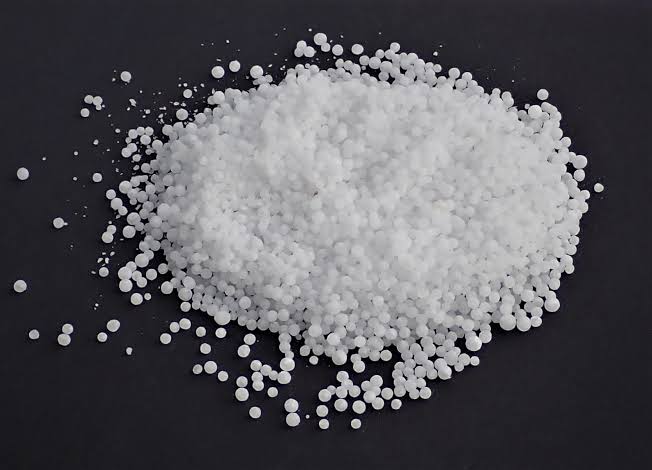
And finally, an additional coating is applied to the urea granules to improve their handling, storage, and performance characteristics.
Now let's turn our focus on India's agricultural landscape.
Now let's turn our focus on India's agricultural landscape.
Our country is the most populated on this planet, and our economy is highly dependent on agriculture.
We're one of the largest producers of crops such as rice, wheat, and sugarcane, which require a lot of nitrogen for optimal growth.
We're one of the largest producers of crops such as rice, wheat, and sugarcane, which require a lot of nitrogen for optimal growth.
However, according to a CSE report, soil samples of 27 states and UTs had nitrogen deficiency which limits their crop yields.
So that's why Indian farmers are highly dependent on nitrogen fertilizers to improve their crop productivity and meet the food demand.
So that's why Indian farmers are highly dependent on nitrogen fertilizers to improve their crop productivity and meet the food demand.
There are many nitrogen-rich fertilizers available in the market, like ammonium sulfate and ammonium nitrate,
but they are quite expensive and less readily available than urea.
but they are quite expensive and less readily available than urea.
Our current demand for urea is 350 lakh tons. At present, we're producing 260 lakh tons of conventional Urea
— and we're importing the remaining 30% (around 90 lakh tons) from the rest of the world.
Govt. of India addressed this substantial need as well as the utility of Urea.
— and we're importing the remaining 30% (around 90 lakh tons) from the rest of the world.
Govt. of India addressed this substantial need as well as the utility of Urea.
And to become Atma-nirbhar, it took various steps.
👉 New Urea Policy (NUP) 2015:
The Ministry of Chemicals and Fertilizers announced NUP to
- maximize the indigenous urea production,
- promote energy efficiency in urea production, and
- rationalize subsidy burden on the govt.
👉 New Urea Policy (NUP) 2015:
The Ministry of Chemicals and Fertilizers announced NUP to
- maximize the indigenous urea production,
- promote energy efficiency in urea production, and
- rationalize subsidy burden on the govt.
This was an essential policy to make the domestic urea sector globally competitive.
👉 100% Neem coating of Urea:
Urea is highly soluble in water which reduces its efficiency and contaminates the groundwater.
👉 100% Neem coating of Urea:
Urea is highly soluble in water which reduces its efficiency and contaminates the groundwater.
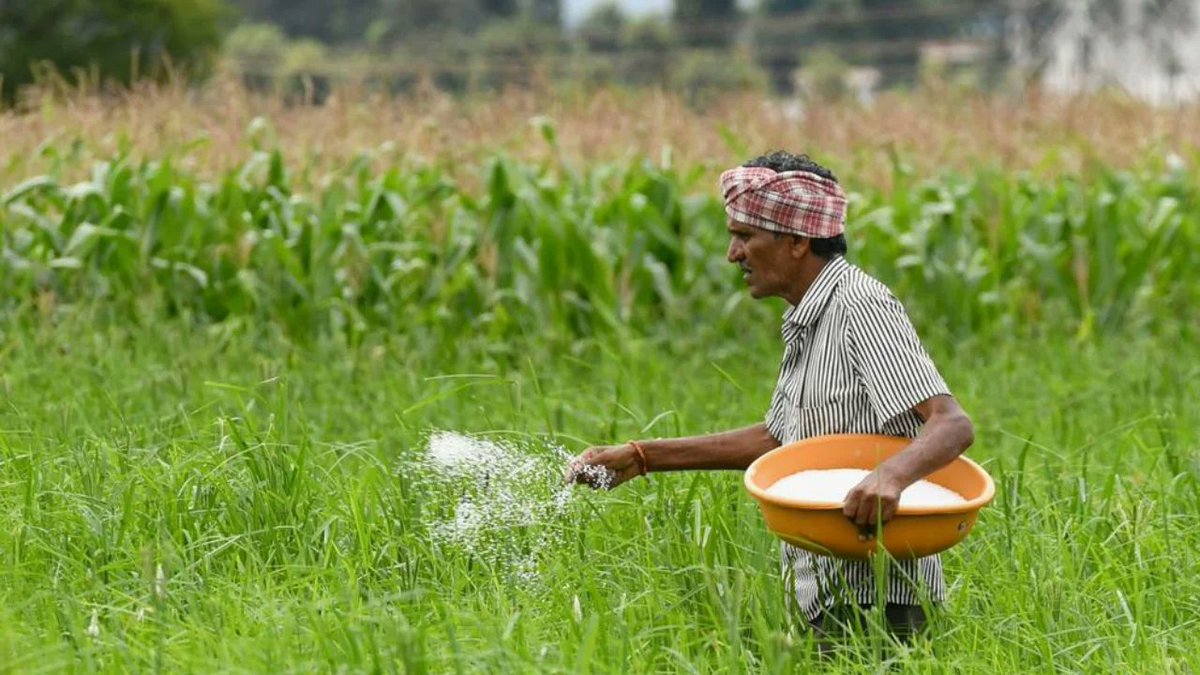
But coating of urea with neem makes it a slow release of fertilizers and keeps the contamination under control.
Govt. made it mandatory for all domestic manufacturers- claiming subsidies on production- to produce Neem Coated Urea (NCU).
Govt. made it mandatory for all domestic manufacturers- claiming subsidies on production- to produce Neem Coated Urea (NCU).
NCU is no good for non-agricultural purposes, so this decision also restrains the illegal diversion of subsidized urea.
👉 Revival & expansion of existing plants:
The govt. laid an extensive plan to revive and re-modernize 5 closed fertilizer plants in Barauni, Ramagundam, Gorakhpur, Sindri, & Talchar.
The combined production capacity of these 5 mega plants is 65 lakh tons of conventional urea.
The govt. laid an extensive plan to revive and re-modernize 5 closed fertilizer plants in Barauni, Ramagundam, Gorakhpur, Sindri, & Talchar.
The combined production capacity of these 5 mega plants is 65 lakh tons of conventional urea.
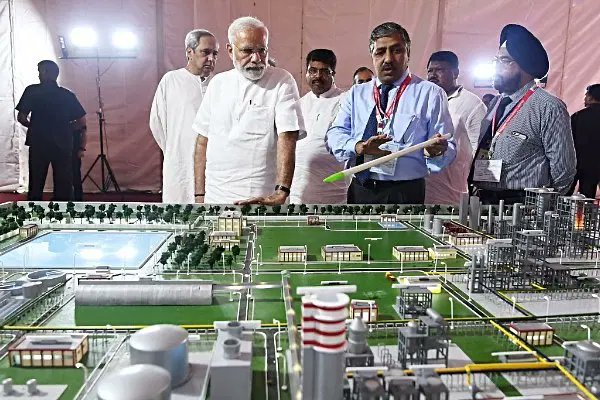
4 of these plants are now operational, while the Talchar unit is expected to be up & running by 2024.
This upcoming unit will be the first and the largest coal gasification-based urea plant.
This upcoming unit will be the first and the largest coal gasification-based urea plant.
It means that this unit will rely on domestic coal with non-volatile prices rather than imported natural gas, which will bring down our import bills.
👉 Nano Urea push:
Nano Urea, developed and patented by IFFCO, is an innovative nano fertilizer — developed domestically.
👉 Nano Urea push:
Nano Urea, developed and patented by IFFCO, is an innovative nano fertilizer — developed domestically.
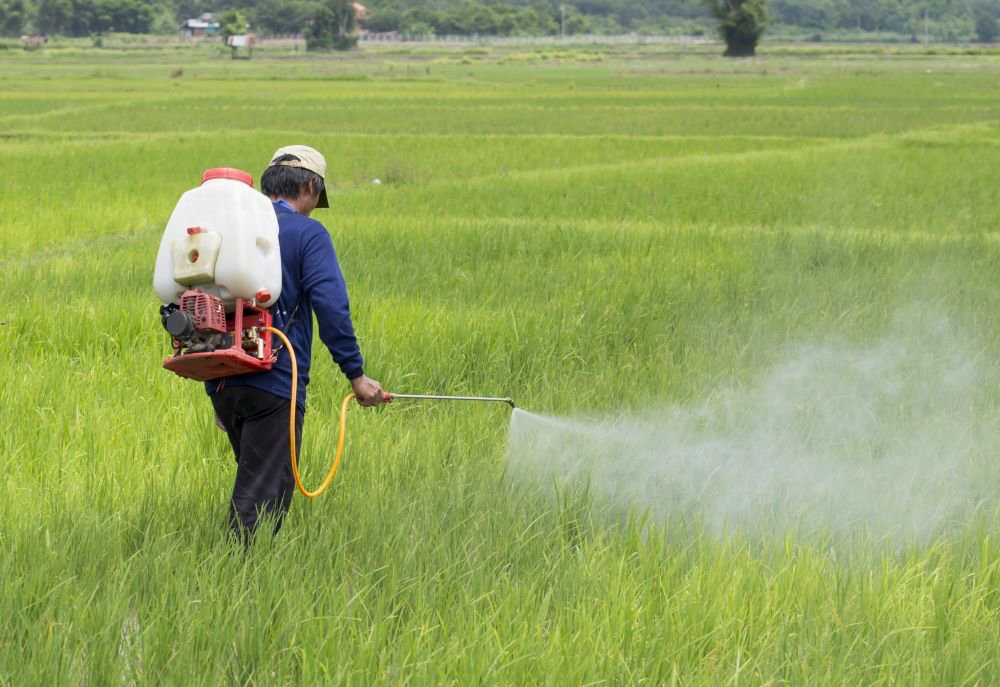
It comes in a liquid state, in bottles and it's highly effective. Application of 500ml of Nano Urea can effectively replace at least 50kg of urea.
PM Modi inaugurated the world's first Nano urea plant in Kalol Gujurat with a capacity to produce 1.5 lac bottles of nano urea/day.
PM Modi inaugurated the world's first Nano urea plant in Kalol Gujurat with a capacity to produce 1.5 lac bottles of nano urea/day.
And the govt. has already decided to have 8 such plants by 2025.
This additional investment in nano urea will help our nation to export fertilizers to other countries as well.
This additional investment in nano urea will help our nation to export fertilizers to other countries as well.
👉 Single Pan-India brand ‘Bharat Brand’:
In Oct 2022, a new scheme was launched - 'One Nation, One Fertilizer'.
Under this scheme, all types of fertilizers including DAP, NPK, and Urea, will be sold under the brand name of "BHARAT".
In Oct 2022, a new scheme was launched - 'One Nation, One Fertilizer'.
Under this scheme, all types of fertilizers including DAP, NPK, and Urea, will be sold under the brand name of "BHARAT".
It won't matter which company is manufacturing the fertilizer.
Everything will be standardized to ensure the availability of affordable quality fertilizer to the farmers.
Everything will be standardized to ensure the availability of affordable quality fertilizer to the farmers.
Enhancing the production capacity of urea in our country will reduce our import dependency, enhance food security, and save us some dollar bills after all.
If you liked this read, do RePost🔄 the 1st post
and follow us @FinFloww for such reads every Monday, Wednesday and Friday!
and follow us @FinFloww for such reads every Monday, Wednesday and Friday!
Join the 22,098 members who have subscribed to our WhatsApp Newsletter: whatsapp.com

Subscribe to WHAT THE FLOWW?, our weekly email newsletter where we dive deeper into such concepts: soshals.app

Loading suggestions...