

The secret to success that no one tells you about...
Avoiding the Compound Mistake:
(thread)
Avoiding the Compound Mistake:
(thread)

Let's begin by referencing the image made famous by Atomic Habits.
While most of the dialogue focuses on the 1% better every day, which results in a ~38x improvement, the 1% worse every day is just as important:
It effectively zeroes you out—it knocks you out of the game...
While most of the dialogue focuses on the 1% better every day, which results in a ~38x improvement, the 1% worse every day is just as important:
It effectively zeroes you out—it knocks you out of the game...
When I was playing baseball at Stanford, the coaches had a metric they liked to track for pitchers called the Compound Mistake.
The idea was simple:
The idea was simple:

After a bad on-field event happens (a hit, walk, error, or hit batter), what did the pitcher do next?
Did he let the bad event spiral out of control or did he control the situation and get the next batter out?
Did he let the bad event spiral out of control or did he control the situation and get the next batter out?
When looking at all of the data, the coaches found that avoiding the compound mistake was the most important metric for success.
You didn't need to be flashy, you just needed to avoid stacking negatives. Do that and you would find a way to win.
The realization here is powerful:
You didn't need to be flashy, you just needed to avoid stacking negatives. Do that and you would find a way to win.
The realization here is powerful:
After a failure, the next decision has elevated importance—it's where you stop the negative compounding and start a move in the right direction.
Great metaphor for life:
We can't always control the first bad event, but we are in control of how we let it impact us going forward.
Great metaphor for life:
We can't always control the first bad event, but we are in control of how we let it impact us going forward.
3 steps to avoid the dark side of compounding:
1. Create Space
Our power is in the space that we can create between stimulus and response.
Most Compound Mistakes are the result of a rushed process, of allowing the situation to speed up on you.
Pause, breathe, slow it down.
1. Create Space
Our power is in the space that we can create between stimulus and response.
Most Compound Mistakes are the result of a rushed process, of allowing the situation to speed up on you.
Pause, breathe, slow it down.
2. Evaluate the New Situation
Fighter pilots use the OODA Loop framework to make great decisions in the heat of battle.
The most important part of that framework is the "loop"—new data and evidence from the prior decision is used it to orient for the next decision to be made.
Fighter pilots use the OODA Loop framework to make great decisions in the heat of battle.
The most important part of that framework is the "loop"—new data and evidence from the prior decision is used it to orient for the next decision to be made.
3. Execute
You can't get anywhere without taking the first step.
If you've created space and evaluated the new situation, it's time to act. Execute on the chosen course of action and monitor new incoming data to assess the result.
You can't get anywhere without taking the first step.
If you've created space and evaluated the new situation, it's time to act. Execute on the chosen course of action and monitor new incoming data to assess the result.
The beautiful thing about life is that no matter where you are today—no matter how deep in the darkness—you are always just one good decision away from being in a better place tomorrow.
Just focus on the next decision.
Just focus on the next decision.
Failures, mistakes, and slips are inevitable on the journey, but if you can avoid the Compound Mistake—avoid stacking negatives—you'll always find a way to win.
Enjoy this? Share the below with your friends and follow me @SahilBloom for more in future. x.com
Enjoy this? Share the below with your friends and follow me @SahilBloom for more in future. x.com
The Two Arrows:
The first arrow is the negative event. You cannot control it. It hits and it hurts.
The second arrow is governed by our response to the first. It is optional.
"Between stimulus and response, there is a space. In that space is our power to choose our response."
The first arrow is the negative event. You cannot control it. It hits and it hurts.
The second arrow is governed by our response to the first. It is optional.
"Between stimulus and response, there is a space. In that space is our power to choose our response."
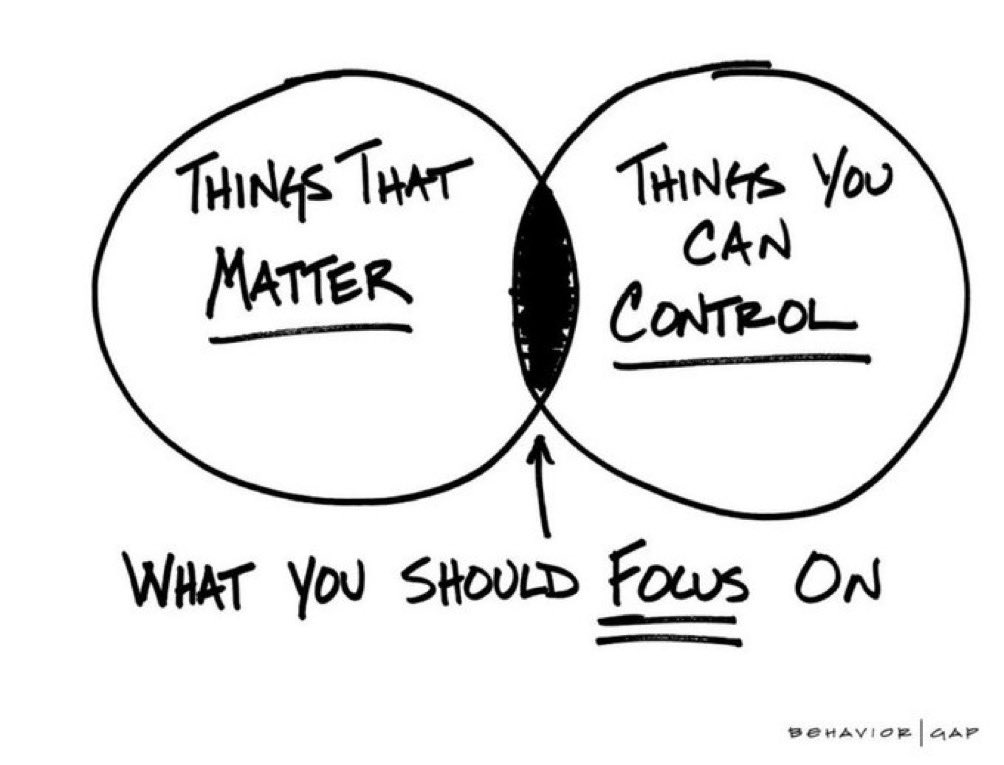
Stanford pitchers actually had to log our compound mistakes after each appearance.
The reflection process:
- What happened?
- What went wrong?
- Why did it go wrong?
- How could it have been avoided?
An interesting "After Action Review" to consider in our business lives.
The reflection process:
- What happened?
- What went wrong?
- Why did it go wrong?
- How could it have been avoided?
An interesting "After Action Review" to consider in our business lives.
Loading suggestions...