

PM Modi was sad that India is the 3rd largest generator of e-waste
So he set out to solve it by increasing repair & recycling of e-waste
The crazy part? This will generate over $20 bn per annum & create 5 mn jobs!
THREAD: How India can become a global Refurbishment Hub🧵
So he set out to solve it by increasing repair & recycling of e-waste
The crazy part? This will generate over $20 bn per annum & create 5 mn jobs!
THREAD: How India can become a global Refurbishment Hub🧵
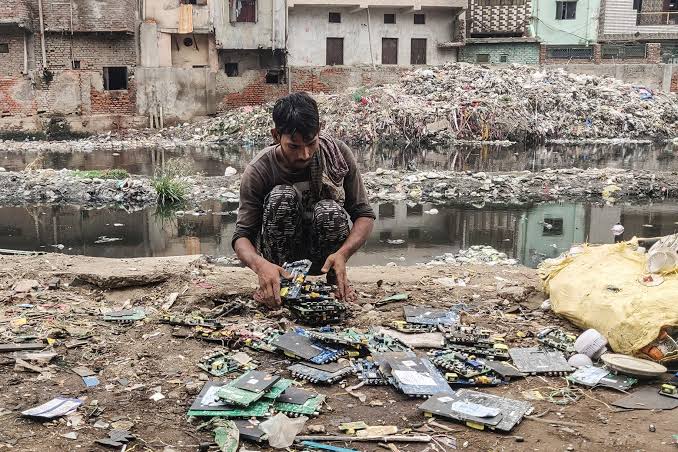
We've generated over 1.6 million tonnes of e-waste in the year 2021-22 and with that, India is heading towards a catastrophe, if not contained on time.
The substantial generation of electronic waste is a result of our inflated consumption
The substantial generation of electronic waste is a result of our inflated consumption
— led by various factors such as Growing Population, Rising Disposable Income, Availability of Inexpensive Products, Rapid Digitization and Planned Obsolescence.
Planned Obsolescence, often perpetuated by big tech companies such as- Apple, Samsung & Microsoft
Planned Obsolescence, often perpetuated by big tech companies such as- Apple, Samsung & Microsoft
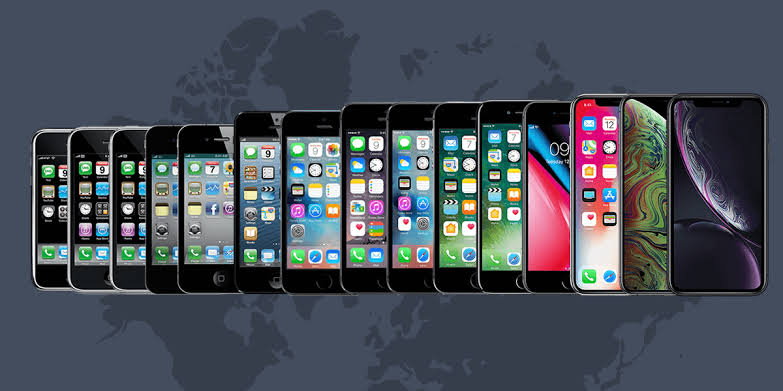
as a strategy to stimulate frequent consumer purchases for new products.
By intentionally designing devices with limited lifespans, they encourage consumers to upgrade to newer models more frequently.
When our products malfunction, we actively seek to get them repaired.
By intentionally designing devices with limited lifespans, they encourage consumers to upgrade to newer models more frequently.
When our products malfunction, we actively seek to get them repaired.
This practice not only drives sales but also leads to a significant increase in electronic waste.
India has long adopted practices of repairing products, before disposing them permanently.
That’s why crafting & repair skills have been an essential component of our culture,
India has long adopted practices of repairing products, before disposing them permanently.
That’s why crafting & repair skills have been an essential component of our culture,
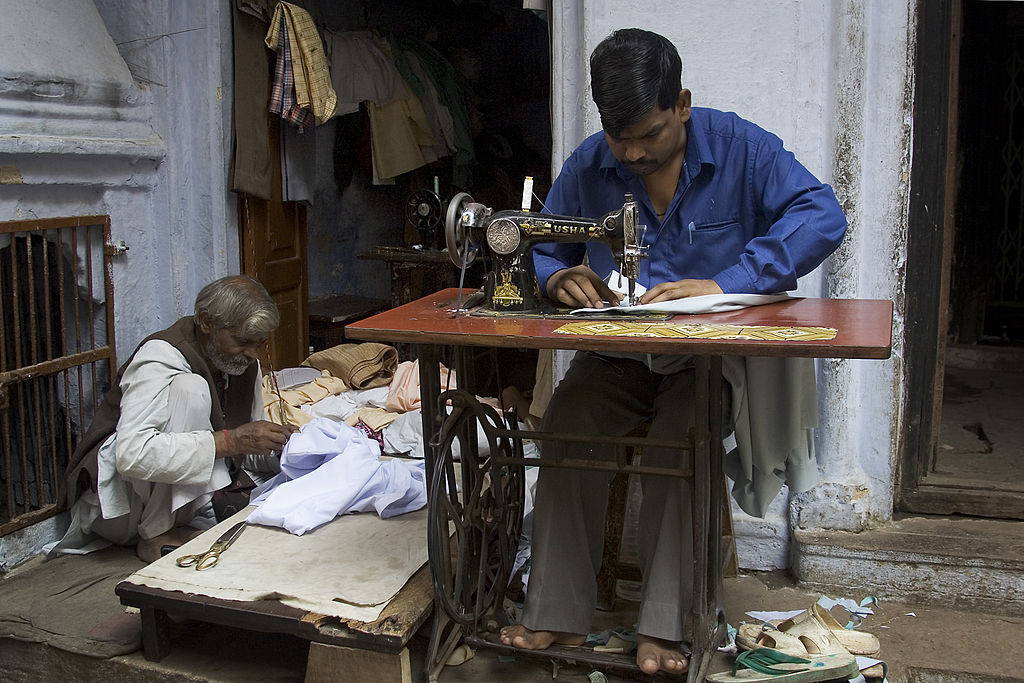
— meanwhile, a network of tailors, cobblers, and mechanics established the foundation of a strong repair economy.
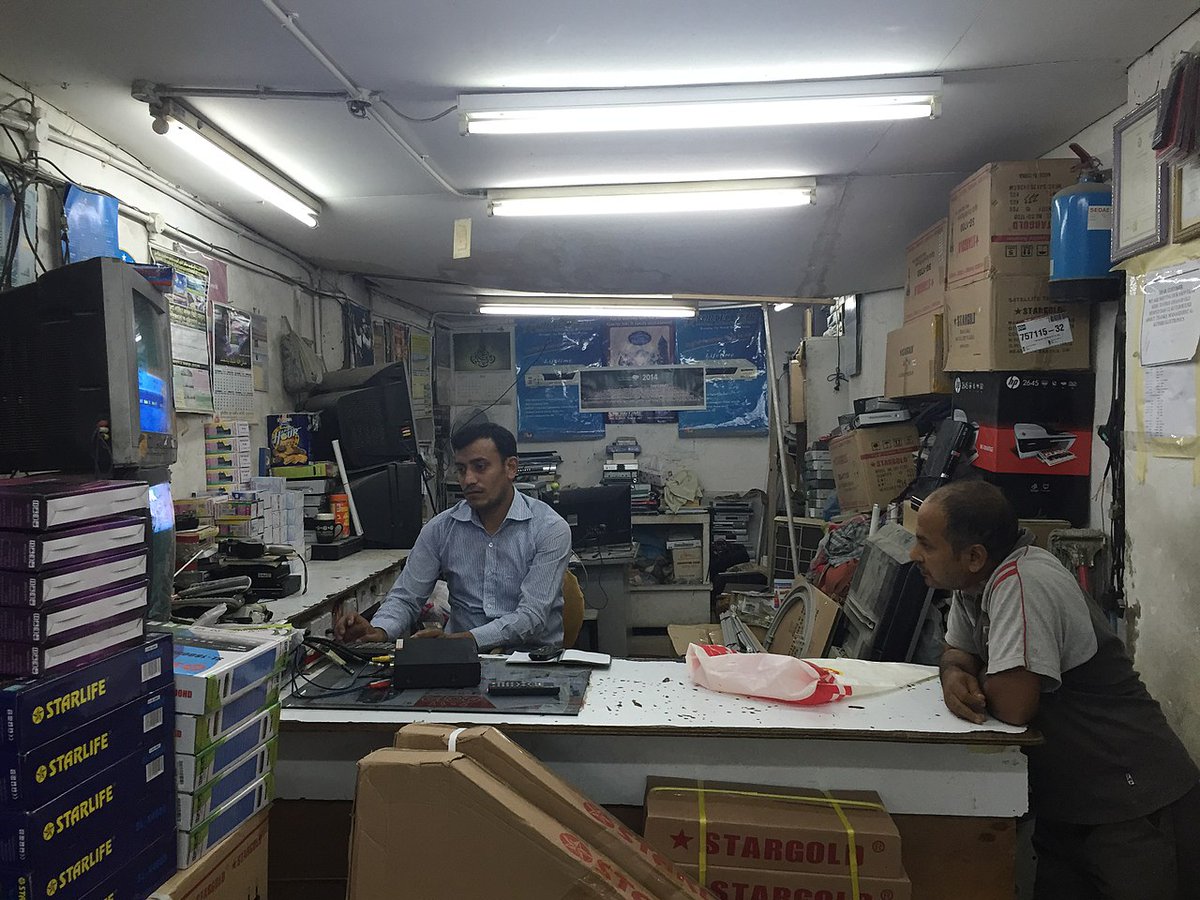
But do you know that the cost-effective informal sector which includes our local repair shops and big markets like Nehru Place in Delhi, repair 60% of these devices!
But do you know that the cost-effective informal sector which includes our local repair shops and big markets like Nehru Place in Delhi, repair 60% of these devices!
Now when these gadgets become beyond repair, we opt to discard them.
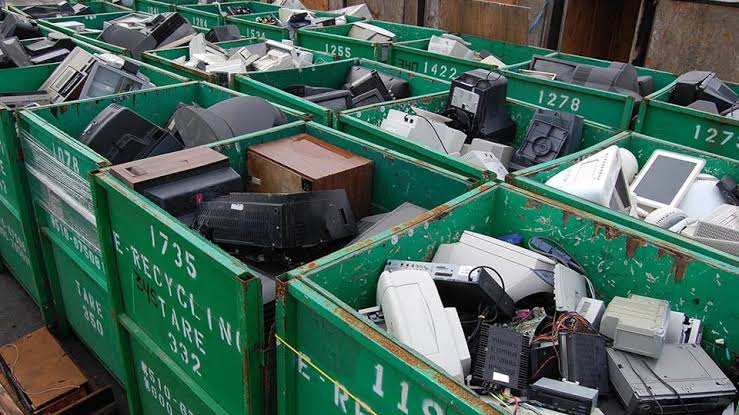
Very little of that waste gets to be formally recycled.
They ultimately find their way to unorganized e-waste markets, populated by local traders and scrap dealers.
Very little of that waste gets to be formally recycled.
They ultimately find their way to unorganized e-waste markets, populated by local traders and scrap dealers.
90% of e-waste collection and 70% of recycling is being managed by a competitive informal sector.
The informal sector successfully salvage older electronic devices for spare parts and resale it in the market.
Moradabad in western UP is one of those cities
The informal sector successfully salvage older electronic devices for spare parts and resale it in the market.
Moradabad in western UP is one of those cities
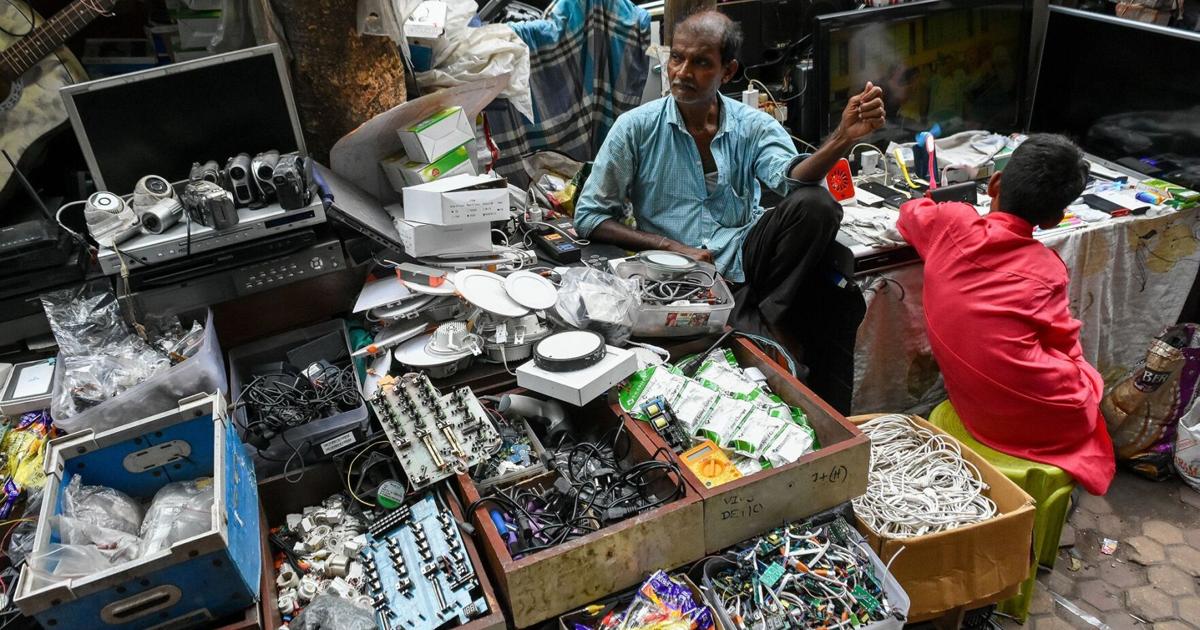
— where discarded PCBs are processed to extract valuable materials like Gold, Silver and Copper.
The prevailing dominance of an unregulated informal sector has given rise to 2 unintended consequences:
The prevailing dominance of an unregulated informal sector has given rise to 2 unintended consequences:
👉 Environmental impact- Workers involved in recycling processes don’t know the right way to dispose hazardous substances such as lead, mercury, and barium into the environment.
Due to which they end up opting processes such as acid leaching and open-air cable burning
Due to which they end up opting processes such as acid leaching and open-air cable burning
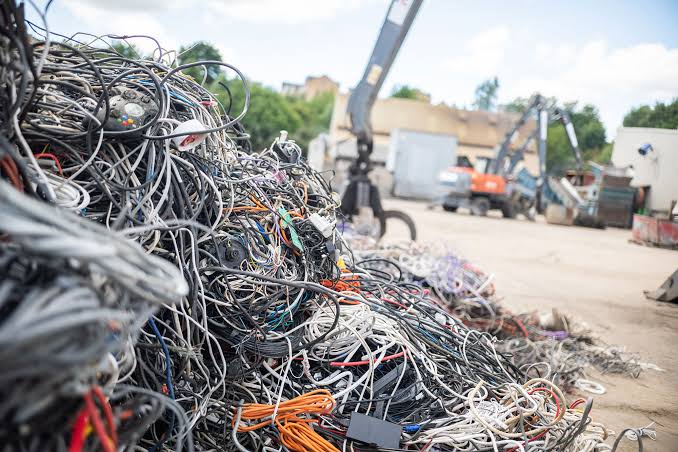
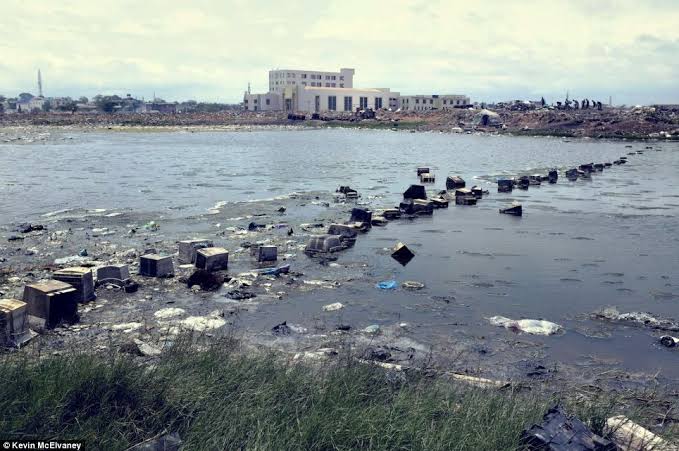
which results in the water, soil and air contamination as they’re not officially trained.
👉 Social Issues- We observed numerous individuals, particularly children, going through piles and piles of garbage, gathering anything valuable.
The hazardous components found in e-waste
👉 Social Issues- We observed numerous individuals, particularly children, going through piles and piles of garbage, gathering anything valuable.
The hazardous components found in e-waste
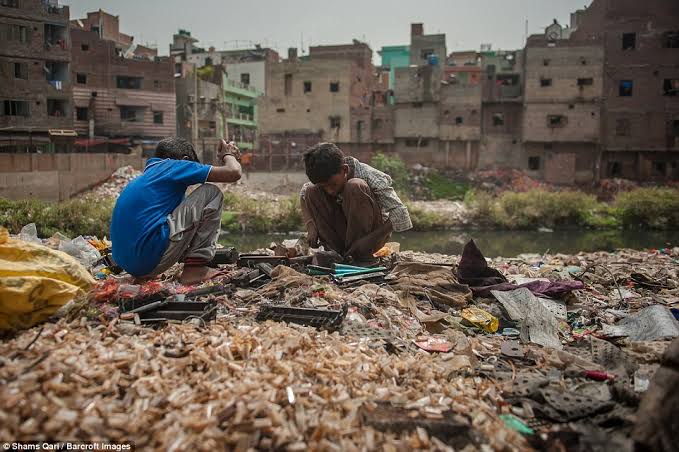
— such as lead and cadmium are known to result in severe health issues like liver & lung damage, cancer, and various other skin conditions.
Now e-waste management is crucial from an economic perspective for generating revenue, employment and fostering socioeconomic growth.
Now e-waste management is crucial from an economic perspective for generating revenue, employment and fostering socioeconomic growth.
However, the dominance of the unregulated informal sector in e-waste management results in lost potential on multiple fronts.
Effective e-waste management enables the extraction of valuable resources, promoting a circular economy model through recycling and refurbishment.
Effective e-waste management enables the extraction of valuable resources, promoting a circular economy model through recycling and refurbishment.
In order to successfully manage e-waste, we don’t need to take some foreign approach and follow their model.
So we need to build one-on-our-own and that’s why we need to do 2 things:
• leverage the existing strengths of our informal sector including small unorganized players,
So we need to build one-on-our-own and that’s why we need to do 2 things:
• leverage the existing strengths of our informal sector including small unorganized players,
• while working on our weaknesses like underdeveloped formal infrastructure.
In order to unleash our full potential, we need a more holistic India-centric approach.
1️⃣Repair & Refurbishment Hub
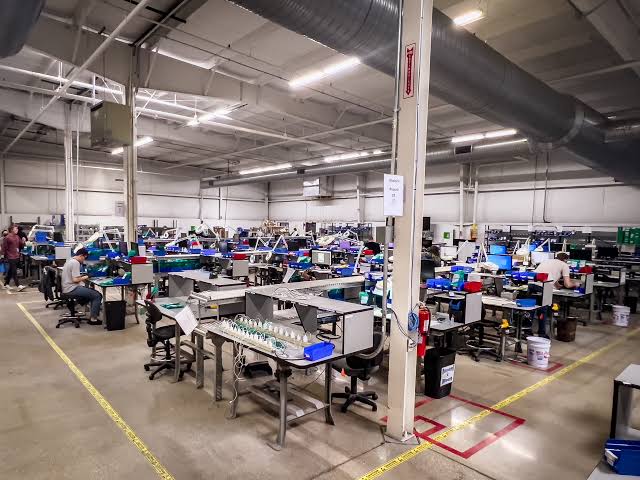
With a large repair skill pool, proximity to major markets in Asia & Europe,
In order to unleash our full potential, we need a more holistic India-centric approach.
1️⃣Repair & Refurbishment Hub
With a large repair skill pool, proximity to major markets in Asia & Europe,
rapid adoption of tech such as automation & AI along with increasing focus on sustainability and circular economy principles
— India has the potential to become a global hub for the electronics repair market.
— India has the potential to become a global hub for the electronics repair market.
2️⃣ Formalizing the informal sector
India needs to implement regulations and create legal frameworks including laws for collection, recycling and disposal of e-waste along with licensing and registration requirements for businesses involved in e-waste management.
India needs to implement regulations and create legal frameworks including laws for collection, recycling and disposal of e-waste along with licensing and registration requirements for businesses involved in e-waste management.
3️⃣ Electronic Repair Service Outsourcing (ESRO) start-ups
ESRO startups are businesses that provide electronic repair services on an outsourced basis to clients. These startups specialize in repairing a wide range of electronic devices and equipment.
ESRO startups are businesses that provide electronic repair services on an outsourced basis to clients. These startups specialize in repairing a wide range of electronic devices and equipment.
Given the significantly lower electronic repair cost in our country due to competitive labor expenses, we should strive to build ESRO startups.
4️⃣ Infrastructure Development
Investing in the development of e-waste recycling infrastructure including
4️⃣ Infrastructure Development
Investing in the development of e-waste recycling infrastructure including
• collection centers,
• recycling facilities & disposal sites,
• to provide formal alternatives for informal sector workers
• and businesses to manage e-waste effectively.
5️⃣ Reducing Turn Around Time (TAT)
The speed at which a product can be imported, repaired, & shipped
• recycling facilities & disposal sites,
• to provide formal alternatives for informal sector workers
• and businesses to manage e-waste effectively.
5️⃣ Reducing Turn Around Time (TAT)
The speed at which a product can be imported, repaired, & shipped
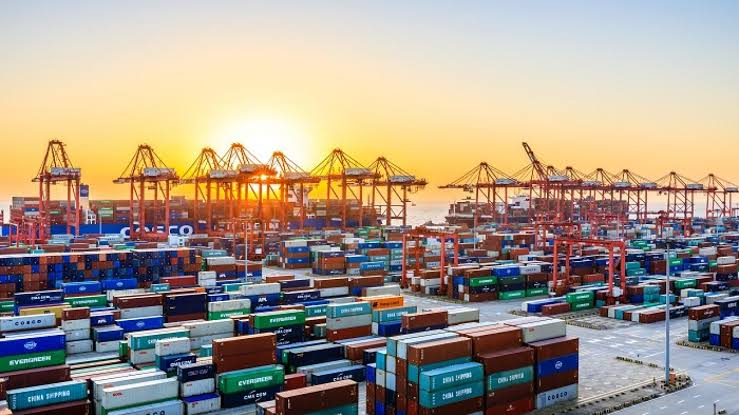
— to a customer will ultimately decide which destination emerges as a global repair hub.
In order to achieve a TAT of 5-6 days, the government should invest in essential infrastructure, including dedicated cargo ports, and improve shipping efficiency.
In order to achieve a TAT of 5-6 days, the government should invest in essential infrastructure, including dedicated cargo ports, and improve shipping efficiency.
6️⃣ Assured buy-back programs
There should be a policy framework to standardize the 'assured buy-back & trade-up programs' like cash vouchers which can be used to purchase a new device.
This will enable consumers to sell their old devices back to the retailers and
There should be a policy framework to standardize the 'assured buy-back & trade-up programs' like cash vouchers which can be used to purchase a new device.
This will enable consumers to sell their old devices back to the retailers and
Original Equipment Manufacturers (OEM).
Now let’s turn our focus on the existing initiatives taken by the govt in the last few years.
👉 E-waste (Management) Rules, 2016
These rules were introduced by the Govt of India to address the growing environmental and health hazards
Now let’s turn our focus on the existing initiatives taken by the govt in the last few years.
👉 E-waste (Management) Rules, 2016
These rules were introduced by the Govt of India to address the growing environmental and health hazards
— associated with the improper handling and disposal of electronic waste.
The key provisions include:
1. Extended Producer Responsibility (EPR): Producers of electronic & electrical equipment are responsible for the environmentally sound management of their products.
The key provisions include:
1. Extended Producer Responsibility (EPR): Producers of electronic & electrical equipment are responsible for the environmentally sound management of their products.
2. Collection Targets: The rules mandate collection targets for producers to ensure a certain percentage of their electronic products sold are collected back for recycling or proper disposal.
3. Authorized E-Waste Recyclers: Only authorized recyclers are permitted to collect,
3. Authorized E-Waste Recyclers: Only authorized recyclers are permitted to collect,
dismantle, or recycle electronic waste. These recyclers must adhere to environmental standards and obtain necessary licenses from regulatory authorities.
Right to Repair
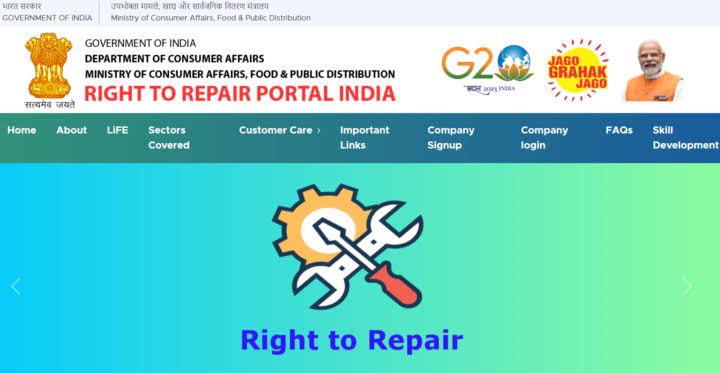
Govt launched a portal in 2023 to ensure our ”Right to Repair”. It is providing consumers with access to affordable repair mobile phones, appliances and other electronic devices by OMEs and third party repairers.
Govt launched a portal in 2023 to ensure our ”Right to Repair”. It is providing consumers with access to affordable repair mobile phones, appliances and other electronic devices by OMEs and third party repairers.
👉 Creation of an e-waste catalog on the I-STEM portal
The catalog aims to provide a unified platform for all research and development endeavors related to e-waste management. Its goal is to foster collaboration among various stakeholders and prevent redundant research efforts.
The catalog aims to provide a unified platform for all research and development endeavors related to e-waste management. Its goal is to foster collaboration among various stakeholders and prevent redundant research efforts.
you liked this read, do RePost🔄 the 1st post
and follow us @FinFloww for such reads every Monday, Wednesday and Friday!
and follow us @FinFloww for such reads every Monday, Wednesday and Friday!
Get our WhatsApp newsletter: whatsapp.com

Subscribe to WHAT THE FLOWW?, our weekly email newsletter where we dive deeper into such concepts: [soshals.app](soshals.app)

Loading suggestions...