

BookMyShow built a monopoly in India over 10 yrs
Until Paytm broke the monopoly by launching movie bookings inside its app
The crazy part? On top of that, Paytm even ate up 44% of its events booking market with Paytm Insider
THREAD: How BookMyShow fought & survived the storm🧵
Until Paytm broke the monopoly by launching movie bookings inside its app
The crazy part? On top of that, Paytm even ate up 44% of its events booking market with Paytm Insider
THREAD: How BookMyShow fought & survived the storm🧵
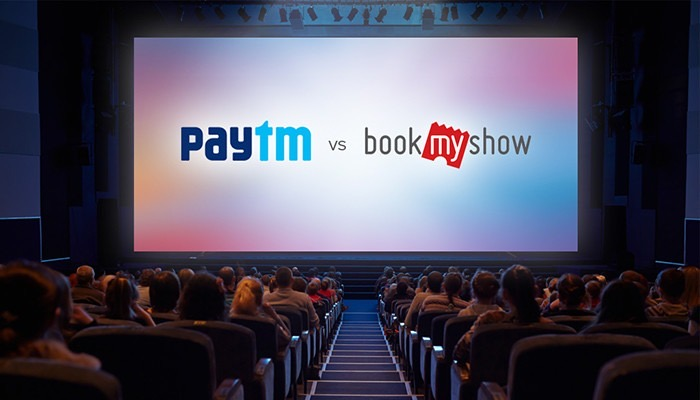
When it comes to online movie & event ticketing business, BookMyShow had a near monopoly in India.
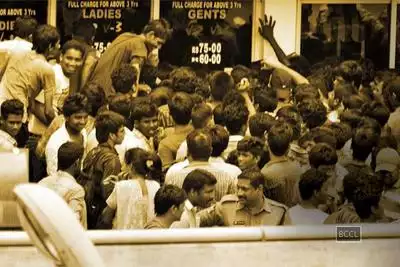
They broke apart the old notion that you have to stand in a queue and wait for hours to get a ticket.
They broke apart the old notion that you have to stand in a queue and wait for hours to get a ticket.
Now you could easily pick your preferred show, select your seats, choose the timing that suits you, and make payments online within a minute or two without breaking a sweat.
It became one of the top 3 e-commerce websites in India.
It became one of the top 3 e-commerce websites in India.
On 31 March 2015, BookMyShow had an average of 42 million visits & 4.5 million tickets sold per month.
Now mind you, this was the time before Jio Boom hit India & internet became easily accessible everywhere.
In 2017, 9 out of 10 IPL teams’ tickets were available on BookMyShow.
Now mind you, this was the time before Jio Boom hit India & internet became easily accessible everywhere.
In 2017, 9 out of 10 IPL teams’ tickets were available on BookMyShow.
BookMyShow was at its peak. Fast forward to 7 years later, in 2024’s IPL season,
— out of the 10 teams, 5 have partnered with Paytm Insider, 4 with BookMyShow and 1 with TicketGenie.
But how did Paytm come out of nowhere in the entertainment ticketing business?
— out of the 10 teams, 5 have partnered with Paytm Insider, 4 with BookMyShow and 1 with TicketGenie.
But how did Paytm come out of nowhere in the entertainment ticketing business?
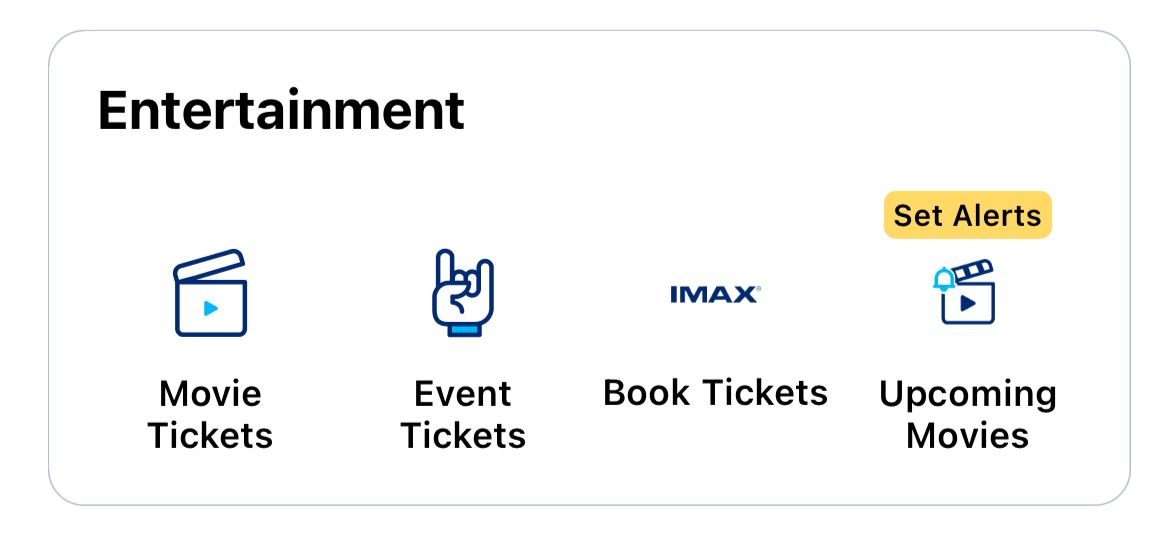
You see, Paytm already had a presence in hotel and flight ticketing business, but the use case for movies and events with wallets was much more.
That’s because people may not travel more than 3-4 times a year, but go to movies or events twice a month or so.
That’s because people may not travel more than 3-4 times a year, but go to movies or events twice a month or so.
So, the repeat use case and uncrowded market became a reason for Paytm to go all in on the online entertainment ticketing business.
When Paytm entered the movie ticketing business in 2016, the market in India was estimated to be worth nearly $2 billion.
When Paytm entered the movie ticketing business in 2016, the market in India was estimated to be worth nearly $2 billion.
And it was growing at 10% annually.
However, the ONLINE movie ticketing market was only 15% of the overall domestic market.
Even with BookMyShow, the market was underserved.
However, the ONLINE movie ticketing market was only 15% of the overall domestic market.
Even with BookMyShow, the market was underserved.
So in 2016, Paytm tapped into its existing 122 million user base, and used its tried & tested driver of marketability
— DISCOUNTS!
See, BookMyShow also used the same tactic when the business was new and people hadn’t tried the product.
— DISCOUNTS!
See, BookMyShow also used the same tactic when the business was new and people hadn’t tried the product.
But they eventually stopped giving heavy discounts once the monopoly was achieved.
So with the entry of Paytm, they had to start giving discounts again to keep the competition at bay.
2016-17 became the year where people got heavy discounts on both BookMyShow and Paytm.
So with the entry of Paytm, they had to start giving discounts again to keep the competition at bay.
2016-17 became the year where people got heavy discounts on both BookMyShow and Paytm.

But giving discounts isn’t a viable strategy, as a fine line between price and quality has to be maintained.
From there on, Paytm focused on getting new users and BookMyShow focused on other high margin businesses.
From there on, Paytm focused on getting new users and BookMyShow focused on other high margin businesses.
You see, the average transaction value is quite low on a movie ticket, so BookMyShow needed to diversify into high margin businesses.
The advantage of non-movie entertainment segments (sports and live events) is that the average ticket prices are much higher
The advantage of non-movie entertainment segments (sports and live events) is that the average ticket prices are much higher
— ₹200 for a movie ticket VS a minimum of ₹2,000 for a sports event.
Hence, BookMyShow shifted its strategy from just solving the niche concern of the crowded movie ticket counter,
to making it easier for people to show up at anything from a sports event to a live concert.
Hence, BookMyShow shifted its strategy from just solving the niche concern of the crowded movie ticket counter,
to making it easier for people to show up at anything from a sports event to a live concert.
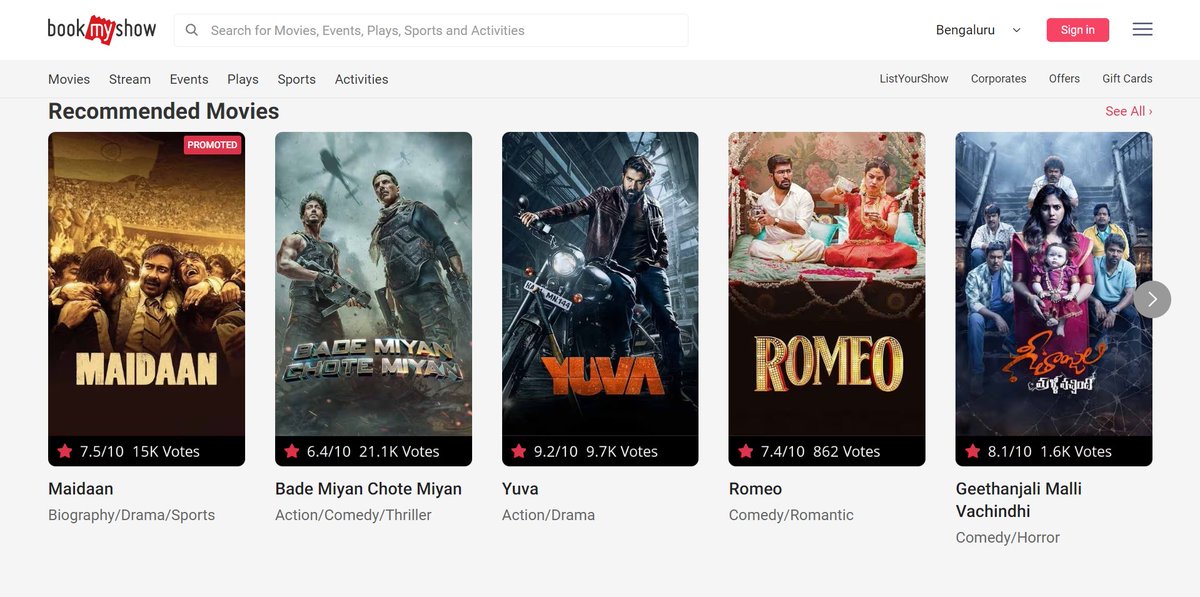
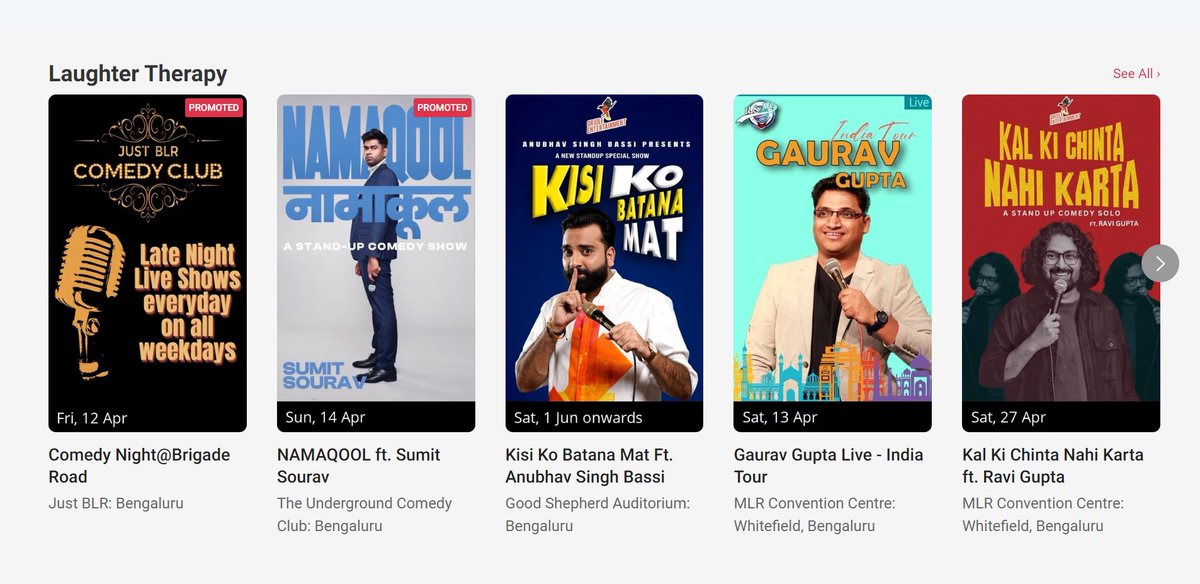
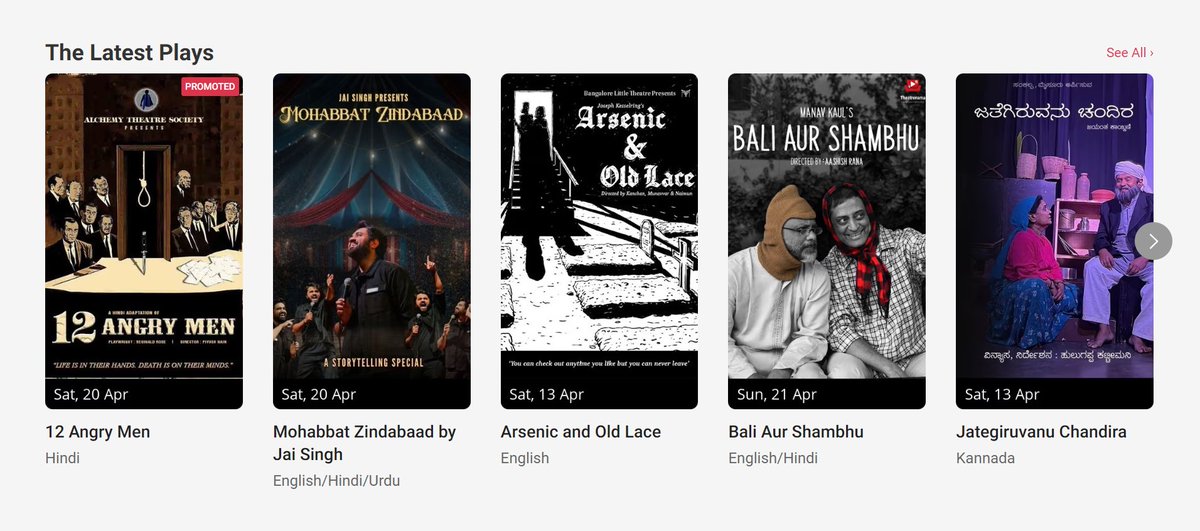
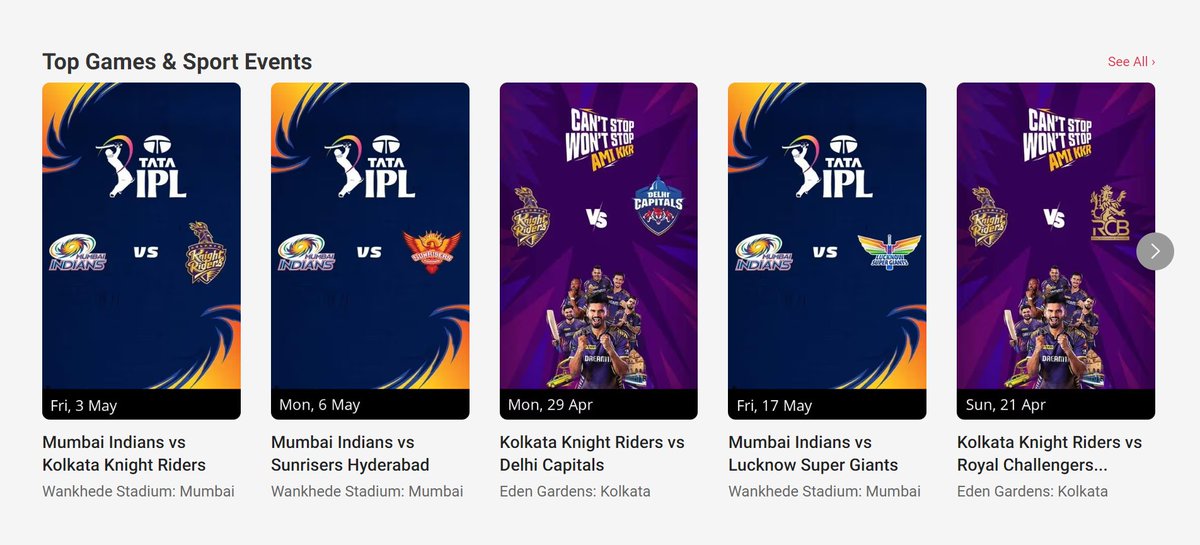
They wanted to become a one-stop gateway to any kind of entertainment.
But what if there are no live events and movie shows to go to? How would an entertainment ticketing company survive then?
When pandemic hit in 2020, the entertainment industry was hit hard.
But what if there are no live events and movie shows to go to? How would an entertainment ticketing company survive then?
When pandemic hit in 2020, the entertainment industry was hit hard.
BookMyShow needed a fresh lease of life to survive.
So, they introduced virtual in-home entertainment offering.
They started a pay-per-view model where users can pay for content from the BookMyShow library, offering over 2000 movie titles.
So, they introduced virtual in-home entertainment offering.
They started a pay-per-view model where users can pay for content from the BookMyShow library, offering over 2000 movie titles.
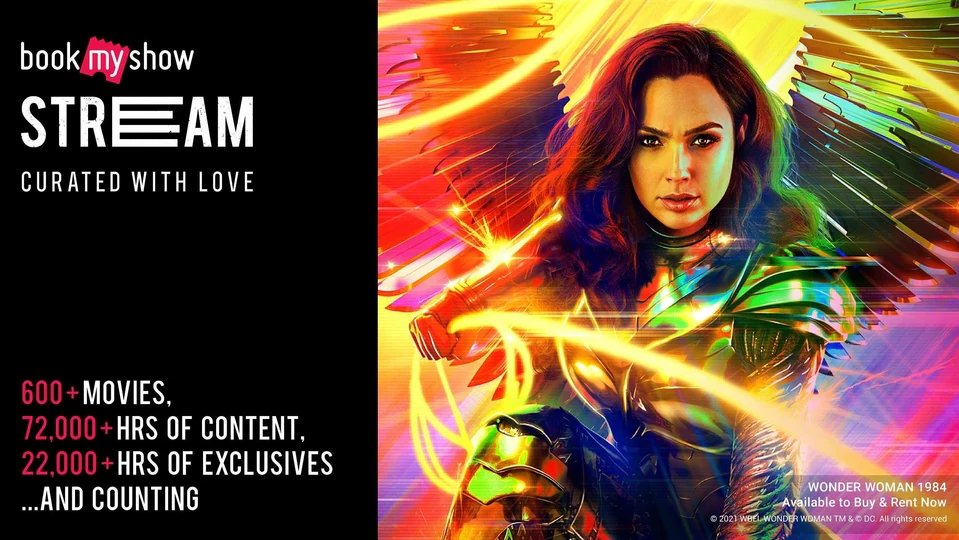
The service is called BookMyShow Stream.
In 2020, BookMyShow Stream became the fastest Transactional-Video-On-Demand (TVoD) platform in India to cross 100,000 streams
— sold within just one and a half month since its launch.
In 2020, BookMyShow Stream became the fastest Transactional-Video-On-Demand (TVoD) platform in India to cross 100,000 streams
— sold within just one and a half month since its launch.
It now competes with Apple TV & Google Play for streaming theatrical releases in India.
And at the end of the day, all the diversification and people going back to attending live shows and events seems to have paid off for BookMyShow.
And at the end of the day, all the diversification and people going back to attending live shows and events seems to have paid off for BookMyShow.

In FY23, BookMyShow had a net profit of ₹85.72 Cr compared to a loss of ₹92.2 Cr in FY22.
The operating revenue increased threefold to ₹976 Cr in FY23 from ₹277 Cr in FY22.
In FY22, 62% of the revenue came from online ticketing & 24% from its live event business.
The operating revenue increased threefold to ₹976 Cr in FY23 from ₹277 Cr in FY22.
In FY22, 62% of the revenue came from online ticketing & 24% from its live event business.
But after pandemic, when people started going out, BookMyShow expanded on its live events business.
And the revenue generated from this business went from only ₹25 Cr in FY22 to ₹237 Cr in FY23.
And the revenue generated from this business went from only ₹25 Cr in FY22 to ₹237 Cr in FY23.
The entry of Paytm surely disrupted the market of BookMyShow.
But the market is way too big and BookMyShow wasn’t going to lose because of some competitor's entry.
But the market is way too big and BookMyShow wasn’t going to lose because of some competitor's entry.
Take fashion for example.
The industry is so big that even with all the big brands like Myntra, Ajio, Amazon, and Flipkart, it falls short of fulfilling the demand.
The industry is so big that even with all the big brands like Myntra, Ajio, Amazon, and Flipkart, it falls short of fulfilling the demand.
Paytm diversified into fashion, electronics, sports, and more as well, a couple of years ago
What happened to the Flipkarts and Amazons of the world? They kept on growing!
As of now, BookMyShow is operating in 650+ towns and cities, and 5,000+ screens in India.
What happened to the Flipkarts and Amazons of the world? They kept on growing!
As of now, BookMyShow is operating in 650+ towns and cities, and 5,000+ screens in India.
And Paytm Insider commands a 44.76% market share, while BookMyShow holds 55.24% in live events for FY23.
BookMyShow has faced many knockdowns since its inception.
But it has always survived by keeping customer needs the priority.
BookMyShow has faced many knockdowns since its inception.
But it has always survived by keeping customer needs the priority.
If you liked this read, do RePost🔄 the 1st post
and follow us @FinFloww for such reads every Monday, Wednesday and Friday!
and follow us @FinFloww for such reads every Monday, Wednesday and Friday!
Get our WhatsApp newsletter: whatsapp.com

Subscribe to WHAT THE FLOWW?, our email newsletter where we dive deeper into such concepts: soshals.app

CORRECTION:
In FY22, 91% of the revenue came from online ticketing & only 9% from its live event business.
And in FY23 (after the pandemic), 62% of the revenue came from online ticketing & 24% from its live event business.
In FY22, 91% of the revenue came from online ticketing & only 9% from its live event business.
And in FY23 (after the pandemic), 62% of the revenue came from online ticketing & 24% from its live event business.
Loading suggestions...