

Income inequality is important for India
Everyone thinks that addressing it alone would spur development
But most nations transitioning from developing to developed status experience high levels of income inequality
THREAD: Why income inequality is a necessary evil for India🧵
Everyone thinks that addressing it alone would spur development
But most nations transitioning from developing to developed status experience high levels of income inequality
THREAD: Why income inequality is a necessary evil for India🧵
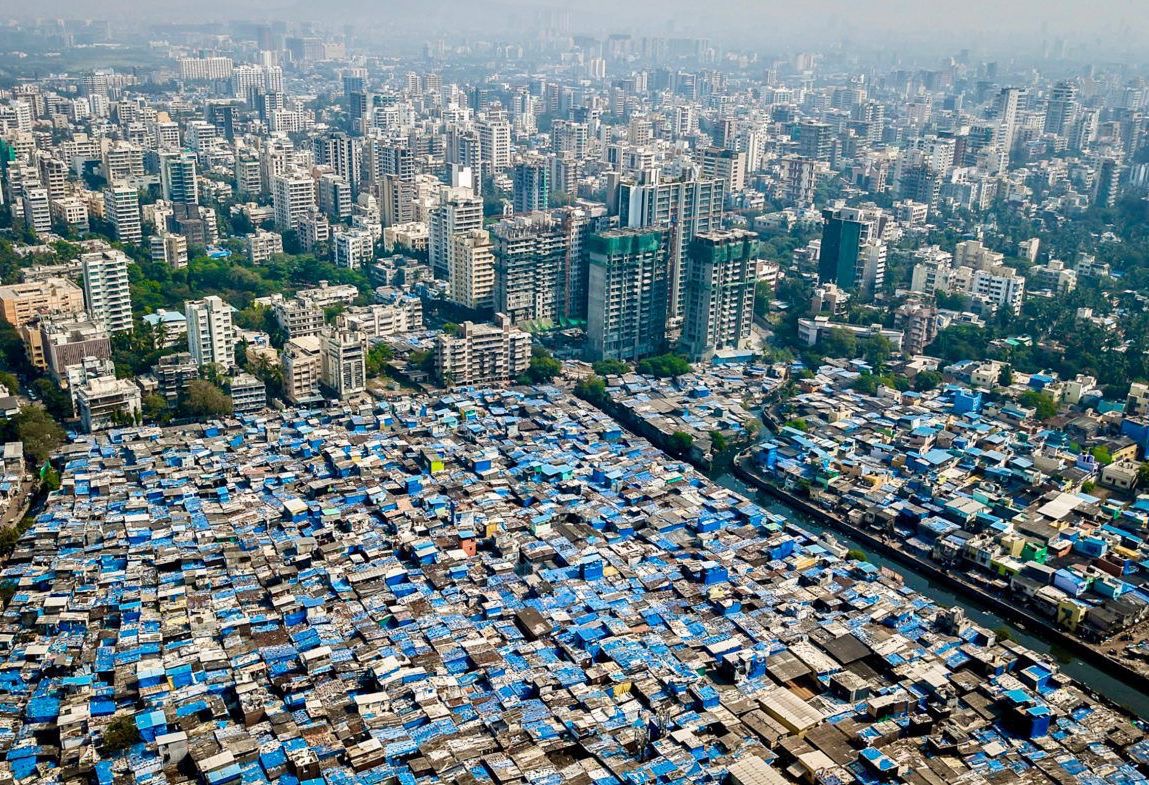
People have been saying that income inequality is now worse in contemporary India than it was under the British rule.
This oversimplifies the complex historical data and socio-economic development in both — colonial & post-independence period.
Although it’s a major issue today,
This oversimplifies the complex historical data and socio-economic development in both — colonial & post-independence period.
Although it’s a major issue today,
but claiming that it's worse than during the British rule ignores the pervasive poverty, exploitation, and misery endured by Indians.
There were discriminatory taxations, exploitive labor practices, debt bondages, marginalied communities, numerous famines & food shortages
There were discriminatory taxations, exploitive labor practices, debt bondages, marginalied communities, numerous famines & food shortages

— which led to impoverishment of millions.
As we all know that economic inequality is widespread and to some extent, inevitable.
Irrespective of ideology, culture, & religion, we care about it.
It disrupts social strata and continues the cycle of poverty & marginalization.
As we all know that economic inequality is widespread and to some extent, inevitable.
Irrespective of ideology, culture, & religion, we care about it.
It disrupts social strata and continues the cycle of poverty & marginalization.
Now this rise can be attributed to several factors:
1️⃣Technological Change
Technological advancement has led to higher demand of skills like interpersonal communication & organizational skills
— which are typically carried out by highly educated workers.
1️⃣Technological Change
Technological advancement has led to higher demand of skills like interpersonal communication & organizational skills
— which are typically carried out by highly educated workers.

Simultaneously, it has devalued or automated many repetitive tasks which were commonly carried out by workers in offices & production lines.
As a result, the range of job opportunities with better pay & social security, available to non-college-educated workers, has diminished.
As a result, the range of job opportunities with better pay & social security, available to non-college-educated workers, has diminished.
They have been pushed towards lower paying jobs like personal & food services, cleaning, security, transportation, and repair.
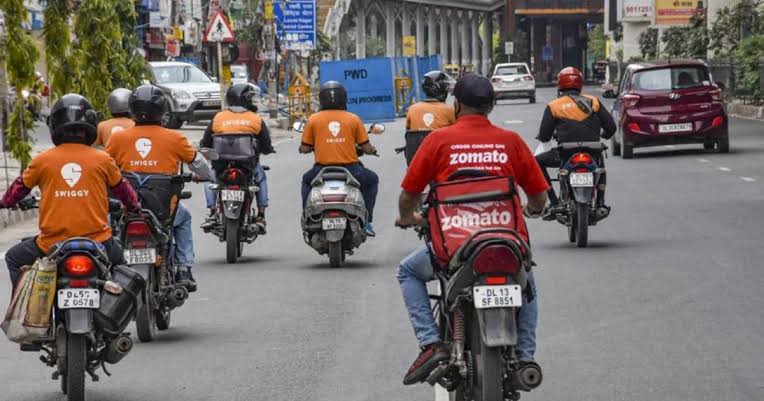
2️⃣Globalization
Ever-increasing competition from global markets such as China and Vietnam has put pressure on our small-scale industries & agriculture,
— leading to job losses and reduced incomes for the most vulnerable segments of society.
Ever-increasing competition from global markets such as China and Vietnam has put pressure on our small-scale industries & agriculture,
— leading to job losses and reduced incomes for the most vulnerable segments of society.
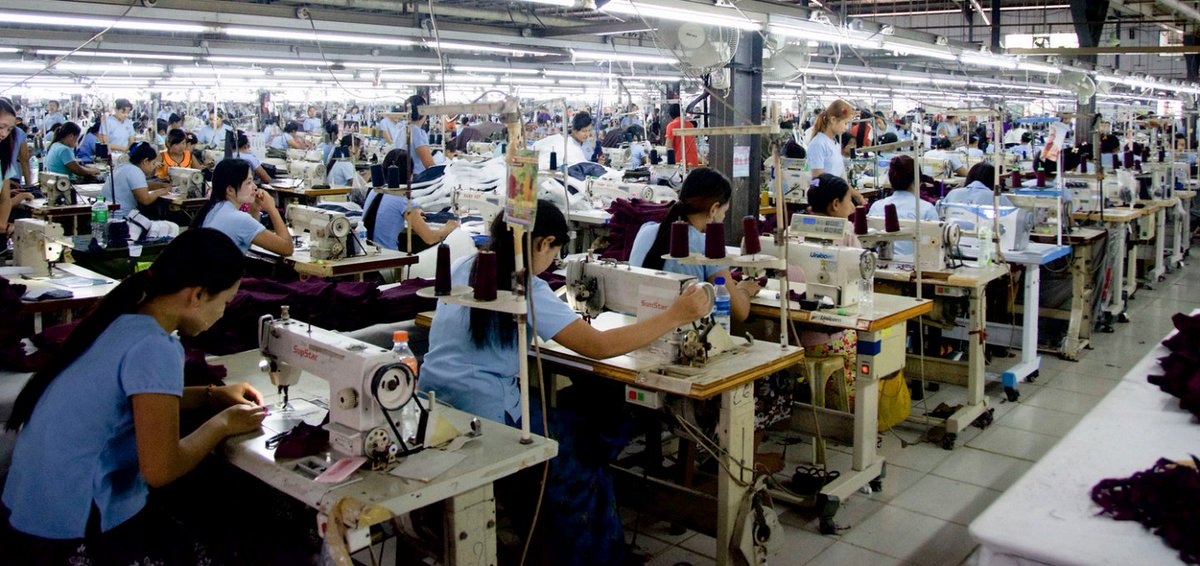
Moreover, globalization has led to the rise of MNCs, which often exploit cheap labor & evade taxes, further widening the gap.
3️⃣ Dominance of Neoliberal Ideology
👉 Stricter Budgetary Discipline: This approach promotes fiscal responsibility by reducing govt spending & deficits.
3️⃣ Dominance of Neoliberal Ideology
👉 Stricter Budgetary Discipline: This approach promotes fiscal responsibility by reducing govt spending & deficits.
However, this discipline is often carried out by reducing funding of social welfare programs & public services like healthcare, education, and social assistance,
— that serve as vital safety nets for vulnerable populations.
— that serve as vital safety nets for vulnerable populations.
👉 Welfare State Retrenchment: Neoliberalism advocates relying more on the market & less on govt involvement.
It means cutting back on social welfare programs & protections for workers, along w/ privatizing public services.
So, instead of the govt stepping in to provide things,
It means cutting back on social welfare programs & protections for workers, along w/ privatizing public services.
So, instead of the govt stepping in to provide things,
like healthcare or education, it's more about letting the market handle it, which can sometimes mean less support for those who need it most.
As a result, people who are unemployed, elderly, and disabled bear the burnt of these cuts leading to widened income disparities.
As a result, people who are unemployed, elderly, and disabled bear the burnt of these cuts leading to widened income disparities.
👉 Deregulation of Markets (including the labor market): Liberalization of markets to stimulate the economic growth & efficiency leads to the erosion of labor rights
— weakening collective bargaining power and flexible work arrangement.
— weakening collective bargaining power and flexible work arrangement.
This polarizes the labor market and widens the divide between high-paying, secure jobs and low-paying, insecure jobs.
4️⃣Imperfect Credit Market
In an imperfect credit market, certain groups and individuals face barriers to accessing credit.
Wealthier individuals or households have an easier time securing favorable loan terms by leveraging their assets to generate additional wealth.
In an imperfect credit market, certain groups and individuals face barriers to accessing credit.
Wealthier individuals or households have an easier time securing favorable loan terms by leveraging their assets to generate additional wealth.
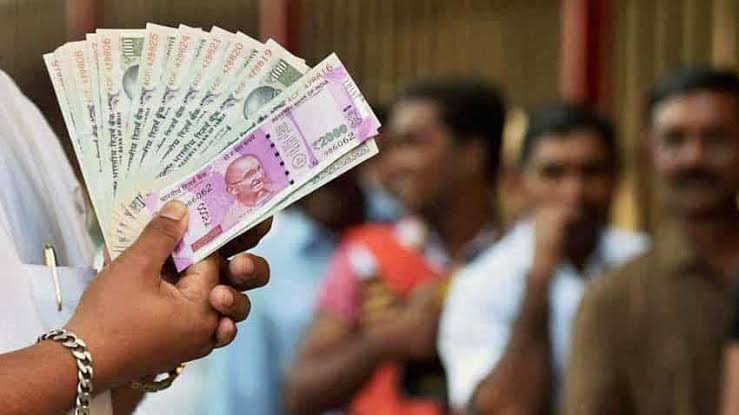
Now that we’ve explored the factors contributing to the rising income inequality, let’s understand why it’s a natural outcome of economic development of a nation.
For that, let’s delve into a fascinating concept of development economics known as Kuznets Curve
For that, let’s delve into a fascinating concept of development economics known as Kuznets Curve
— proposed by economist Simon Kuznets.
The theory offers a unique perspective and suggests that income inequality tends to increase in the early stages of development, and eventually decreases as the economy matures.
The theory offers a unique perspective and suggests that income inequality tends to increase in the early stages of development, and eventually decreases as the economy matures.
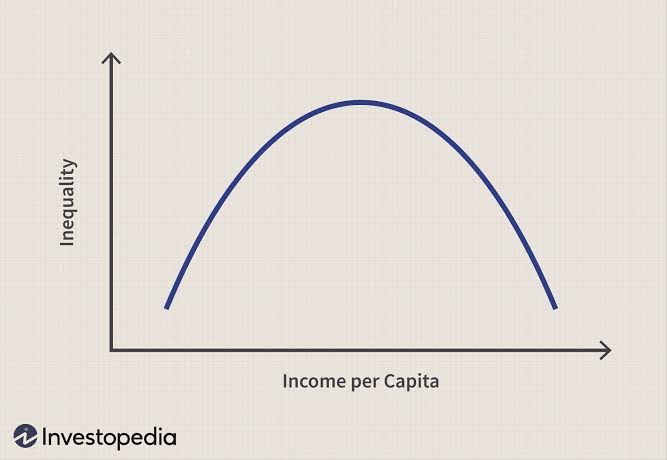
Developed nations like the US & the UK, experienced a significant increase in income inequality in their early phases of development.
In the early 19th and 20th century, rapid industrialization led to the emergence of industries such as manufacturing, steel, and railroads.
In the early 19th and 20th century, rapid industrialization led to the emergence of industries such as manufacturing, steel, and railroads.

It created vast wealth for a small number of elites while most of the masses endured low wages and poor working conditions.
But things changed in the mid-20th century when inequality stabilized a bit.
But things changed in the mid-20th century when inequality stabilized a bit.
This shift occurred when these nations implemented a set of New Deal Policies that involved safety nets for vulnerable populations.
So, on the basis of this, we can perceive this rise in income inequality as an indication that India is developing the right way.
So, on the basis of this, we can perceive this rise in income inequality as an indication that India is developing the right way.
Now don’t get us wrong here. We’re not suggesting that this is the definitive or the only path to follow for development.
As this phenomenon is rolling out, we shouldn’t immediately enter panic mode because as evidence suggests, this is a common occurrence in developing nations.
As this phenomenon is rolling out, we shouldn’t immediately enter panic mode because as evidence suggests, this is a common occurrence in developing nations.
But if our policymakers fail to intervene in what could be seen as a mere transitional phase right now, then it’ll inflate the social tension and perpetuate cycles of poverty & exclusion.
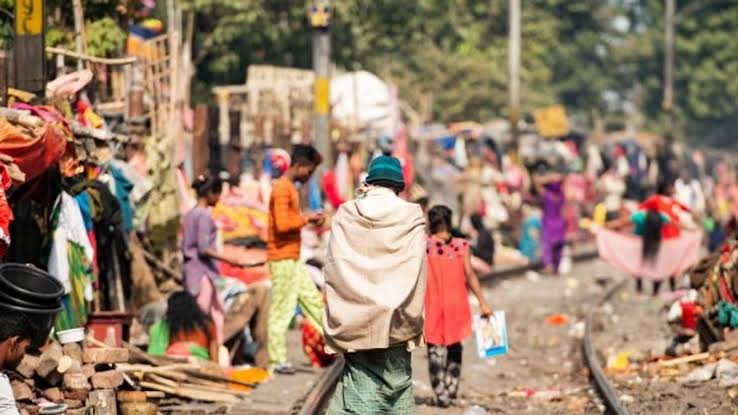
There are many effective strategies and policy frameworks which produced remarkable results in many nations grappling with extreme levels of income inequality.
1️⃣Progressive Taxation: India already has progressive tax system in place where higher-income individuals are taxed at a higher rates.
It is a promising tool for curbing extreme wealth concentration and generating much needed revenues for our govt.
It is a promising tool for curbing extreme wealth concentration and generating much needed revenues for our govt.
But through practices like tax haven & tax evasion, multinational companies easily escape paying corporate taxes
— reducing the overall impact of the tax system.
But just as every coin has two sides, this taxing the wealthy thing also has 2 aspects.
— reducing the overall impact of the tax system.
But just as every coin has two sides, this taxing the wealthy thing also has 2 aspects.
On the flip side, tax cuts & deregulation incentivize risk-taking behavior, ultimately fostering capital formation and job creation
— part of trickle-down economics.
This promotes entrepreneurship and small business development, resulting in long-term economic growth.
— part of trickle-down economics.
This promotes entrepreneurship and small business development, resulting in long-term economic growth.
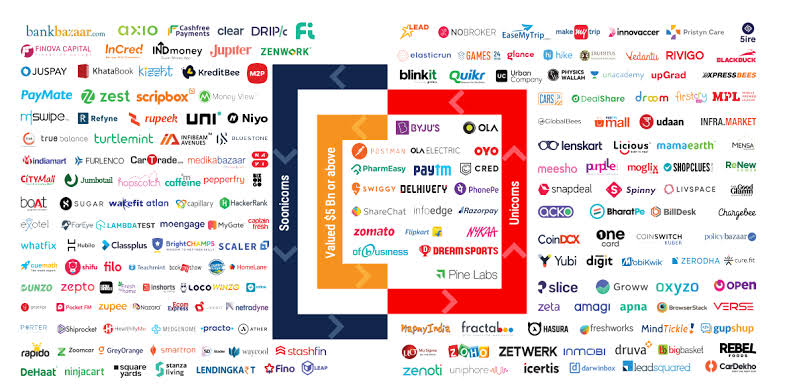
2️⃣Social Welfare Programs:
Allocating resources to social welfare programs like universal healthcare, unemployment benefits, and social security can create a safety net for vulnerable populations and mitigate income disparities.
Allocating resources to social welfare programs like universal healthcare, unemployment benefits, and social security can create a safety net for vulnerable populations and mitigate income disparities.
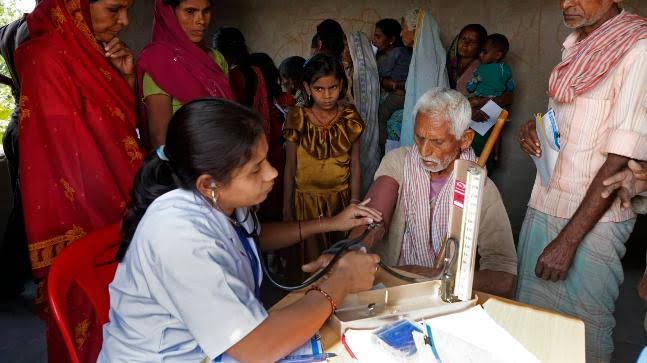
3️⃣Education and Skill Development:
Investing in accessible & high-quality education is very crucial for lowering income inequality.
Nordic nations like Finland, Denmark, and Norway place a high value on education along with offering extensive vocational training opportunities.
Investing in accessible & high-quality education is very crucial for lowering income inequality.
Nordic nations like Finland, Denmark, and Norway place a high value on education along with offering extensive vocational training opportunities.
That’s how they keep their youth unemployment rates lower as well.
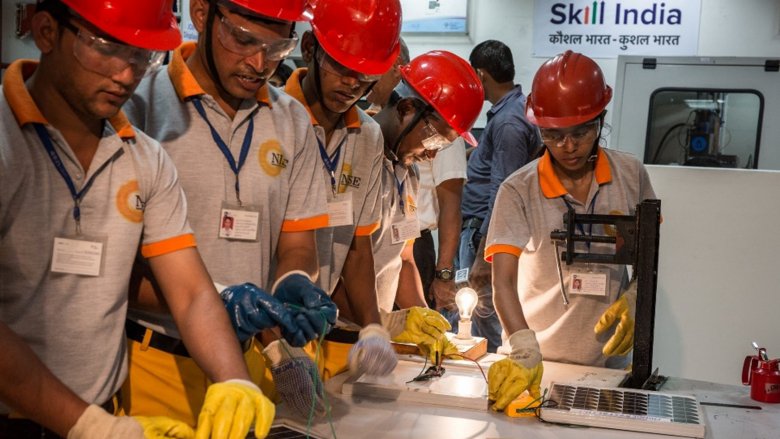
Similarly, India is now placing an increased emphasis on developing essential skills by
→ launching initiatives like Skill India Mission, and
→ fostering partnerships between govt & educational institutions.
Similarly, India is now placing an increased emphasis on developing essential skills by
→ launching initiatives like Skill India Mission, and
→ fostering partnerships between govt & educational institutions.
4️⃣Labor Market Policies:
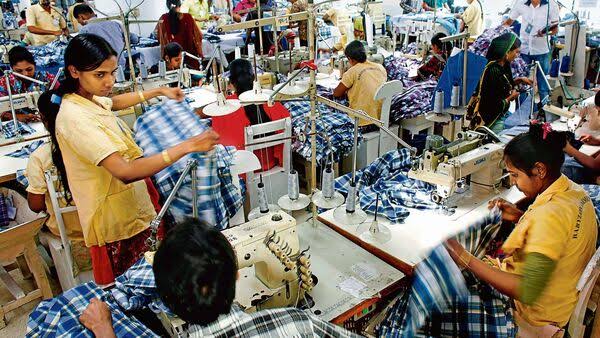
India is aiming to create more inclusive and equitable labor market by enforcing policies like
→ minimum wage laws,
→ granting collective bargaining rights, and
→ implementing regulations to ensure workplace safety & prevent exploitation.
India is aiming to create more inclusive and equitable labor market by enforcing policies like
→ minimum wage laws,
→ granting collective bargaining rights, and
→ implementing regulations to ensure workplace safety & prevent exploitation.
5️⃣Targeted Employment Programs:
These are specifically designed within the labor market to focus on providing job opportunities, training, & supporting marginalized groups.
Pradhan Mantri Kaushal Vikas Yojana, Deen Dayal Upadhyaya Grameen Kaushalya Yojana, & Startup India,
These are specifically designed within the labor market to focus on providing job opportunities, training, & supporting marginalized groups.
Pradhan Mantri Kaushal Vikas Yojana, Deen Dayal Upadhyaya Grameen Kaushalya Yojana, & Startup India,

— are a few programs which are promoting inclusive growth in our nation.
Inequality runs deep within our society and economic systems.
We do not treat each other equally, & this pervasive inequality could become a significant factor leading to the collapse of the world economy.
Inequality runs deep within our society and economic systems.
We do not treat each other equally, & this pervasive inequality could become a significant factor leading to the collapse of the world economy.
To avoid this, it is imperative for our systems to take immediate action to address this issue.
If you liked this read, do RePost🔄 the 1st post
and follow us @FinFloww for such reads every Monday, Wednesday and Friday!
If you liked this read, do RePost🔄 the 1st post
and follow us @FinFloww for such reads every Monday, Wednesday and Friday!
Join the 21,234 people who read our WhatsApp Newsletter: whatsapp.com
Subscribe to WHAT THE FLOWW?, our weekly email newsletter where we dive deeper into such concepts: soshals.app

Loading suggestions...