

This is the Rongorongo script of Easter Island. Rongorongo lacks an accepted decipherment but is generally presumed to encode an earlier stage of Rapa Nui, the contemporary Polynesian language of the island. It is possible that it represents an independent invention of writing. 1/

Hundreds of tablets written in Rongorongo existed as late as 1864 but most were lost or destroyed in that period and only 26 of undoubted authenticity remain today; almost all inscribed on wood. Each text has between two and over two thousand glyphs (some have what appear to be compound glyphs). 2/

The longest surviving text is that on the ‘Santiago Staff’: around 2,500 glyphs, depending upon how the characters are divided. The glyph-types are a mixture of geometric figures and standardized representations of living organisms; each glyph is around one centimetre in height. 3/

This is a *wonderful* piece on the Rongorongo script. It gives a brief but accurate overview of the linguistic work on the script, but more importantly explores the importance, mystery and magic of this enigmatic and fascinating writing system. 4/
cabinetmagazine.org
cabinetmagazine.org

It's important to note that the hypothesis advanced in this article - that the Rongorongo script originated after the islanders had initial exposure to Western writing in 1770 - is by no means universally accepted by scholars in the field, and there is significant evidence that contradicts it. 5/
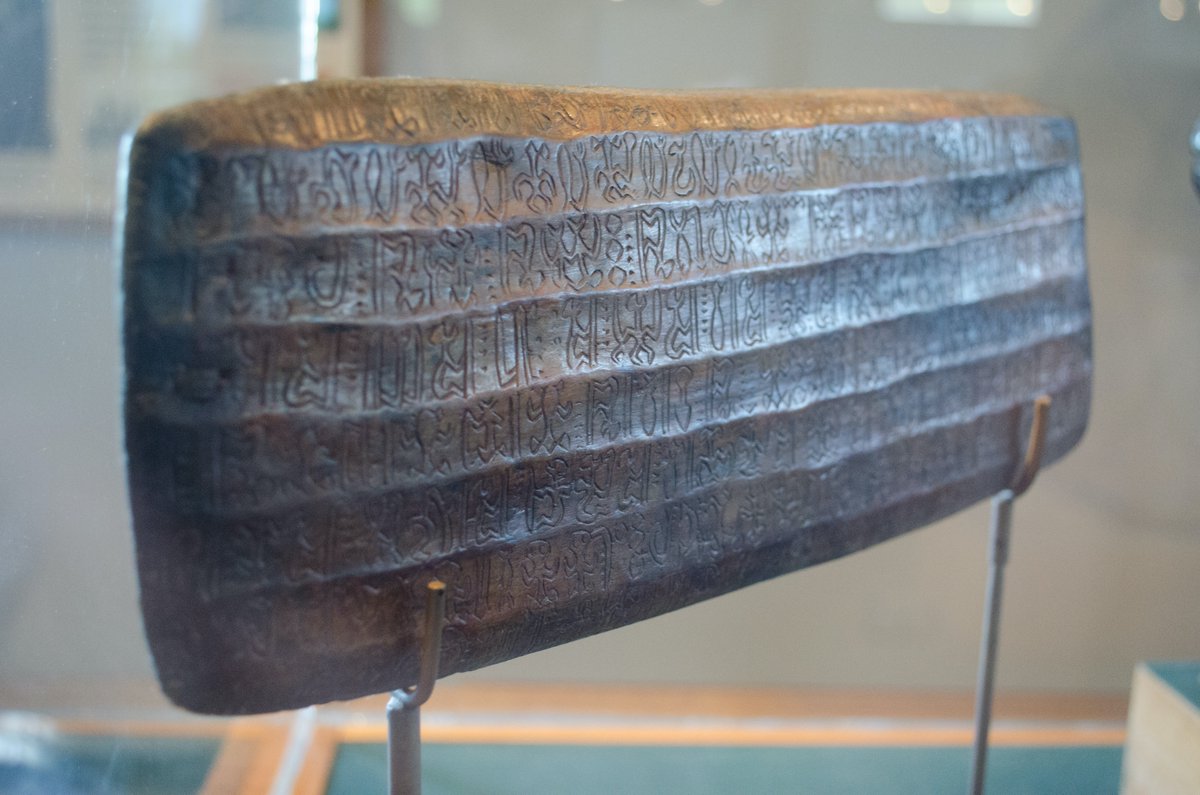
This distinction really matters: if the Rongorongo script predates any Western contact (as the Rapa Nui islanders themselves believe, and which some evidence indicates), and if it fully encodes speech, it would make it only the 5th indisputably independent origination of writing on earth. 6/

My own view is that the script is certainly far older than the "1770" hypothesis claims. There's no other recorded incidence in history where a single, very limited, one-off exposure to Western writing has inspired the creation of a new script in any 'pre-script' population. 7/
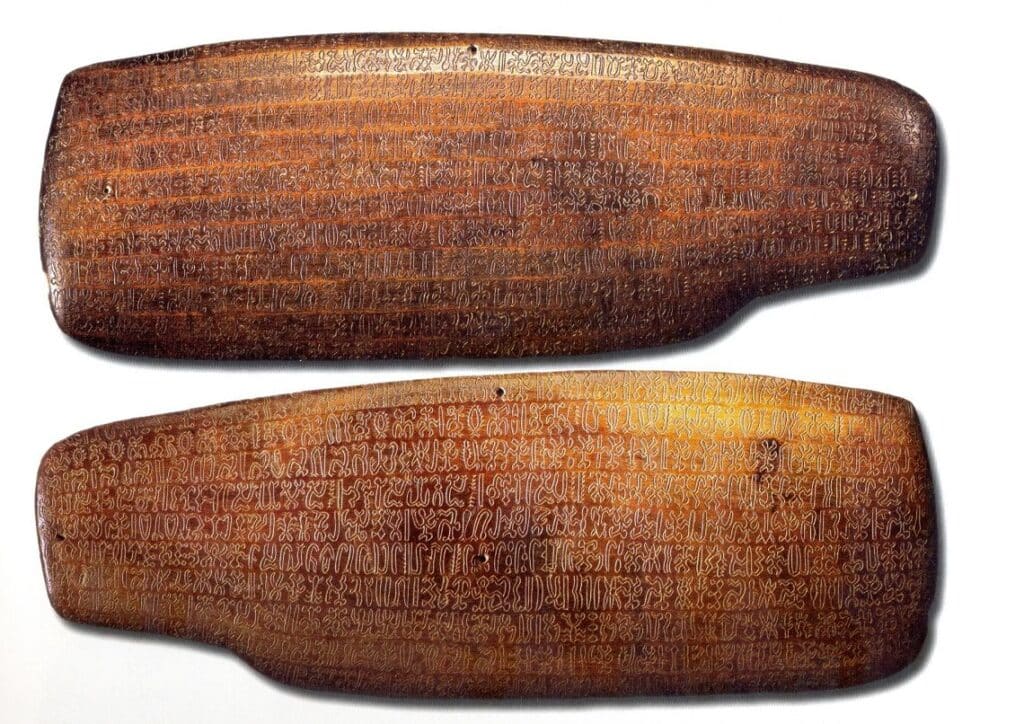
And since we know the Rongorongo script was already dying or dead by the 1870's, the "1770" hypothesis asks us to believe that a script was orignated, refined, used widely, declined and died in the space of a century - again, something which has never been recorded elsewhere. 8/
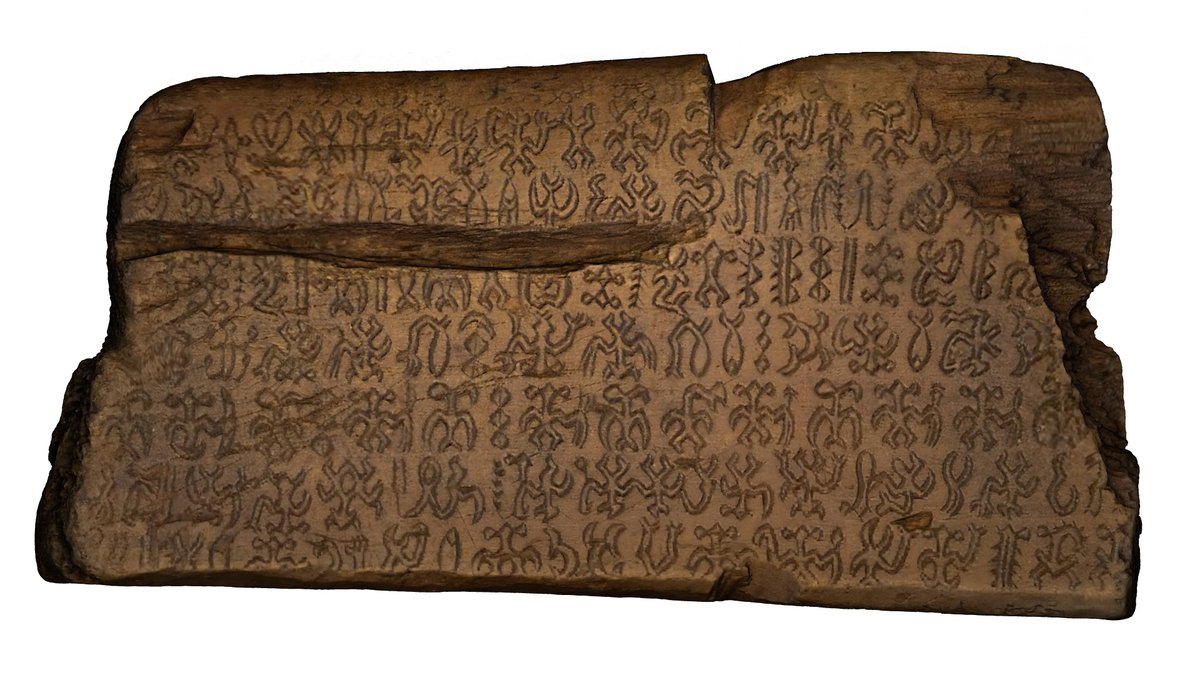
A recent paper by Sylvia Ferrara et al documents the results of radiocarbon dating on four Rongorongo tablets preserved in Rome: one of them is securely dated to the mid 15th century, 300 years before Western contact. Of course, this confirms the age only of the wooden tablet itself, not the age of the writing on it. 9/
nature.com
nature.com
The Language Log blog has an interesting commentary and at least partial rebuttal to Ferrara's paper. 10/
languagelog.ldc.upenn.edu
languagelog.ldc.upenn.edu

Loading suggestions...