

In 1993, Baskin Robbins entered India after conquering the world
Everyone thought it’ll FAIL to sell expensive icecream in a price sensitive India where Amul rules
But to their SHOCK, it became the No.1 premium icecream in the country!
THREAD: Why Baskin didn’t fail in India🧵
Everyone thought it’ll FAIL to sell expensive icecream in a price sensitive India where Amul rules
But to their SHOCK, it became the No.1 premium icecream in the country!
THREAD: Why Baskin didn’t fail in India🧵
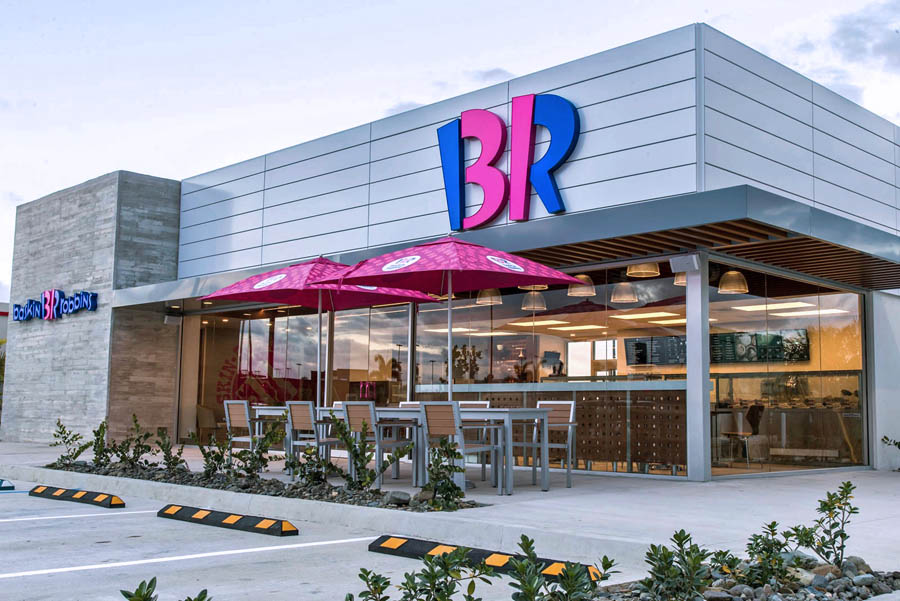
The ice cream market in India is a tough nut to crack.
Firstly, ice cream is a highly perishable item that needs a 24x7 refrigeration facility.
Then it has to be handled with care during transportation and delivery.
Firstly, ice cream is a highly perishable item that needs a 24x7 refrigeration facility.
Then it has to be handled with care during transportation and delivery.
And lastly, when it reaches the end customers, it depends on the customer’s mood and impulse if they want to buy it.
In India, 60% of ice cream sales in the organised market (₹15,000 crore) happens through impulse purchases from vending carts and street shops.
In India, 60% of ice cream sales in the organised market (₹15,000 crore) happens through impulse purchases from vending carts and street shops.
35% of the sales is accounted by the take-home segment where larger packs are sold in supermarkets and malls.
And only 5% of sales happens through ice cream parlours where people sit in a cafe or restaurant-like setting and have their ice cream.
And only 5% of sales happens through ice cream parlours where people sit in a cafe or restaurant-like setting and have their ice cream.
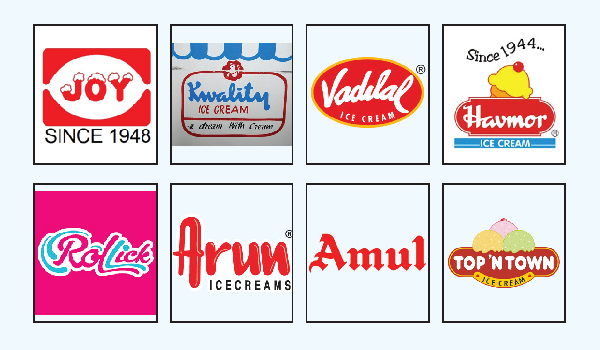
Now, because there’s a huge demand for on-the-way ice cream, the market is filled with affordable ice cream brands like Amul (35%), Kwality Walls (17%), Vadilal (15%), and Mother Dairy (8%).
These brands offer ice creams at a starting cost of ₹10 or 20.
These brands offer ice creams at a starting cost of ₹10 or 20.
On the other hand, Baskin Robbins offers a single scoop of ice cream starting at ₹165.
On top of that, Baskin Robbins’ half of the turnover in India comes from ice cream parlours!
On top of that, Baskin Robbins’ half of the turnover in India comes from ice cream parlours!
When they first came to India in 1993, they created a culture of eating ice cream in a cafe-like setting in metro cities like Mumbai and Delhi.
They crafted their niche in the premium segment and separated themselves from other readily available brands.
They crafted their niche in the premium segment and separated themselves from other readily available brands.
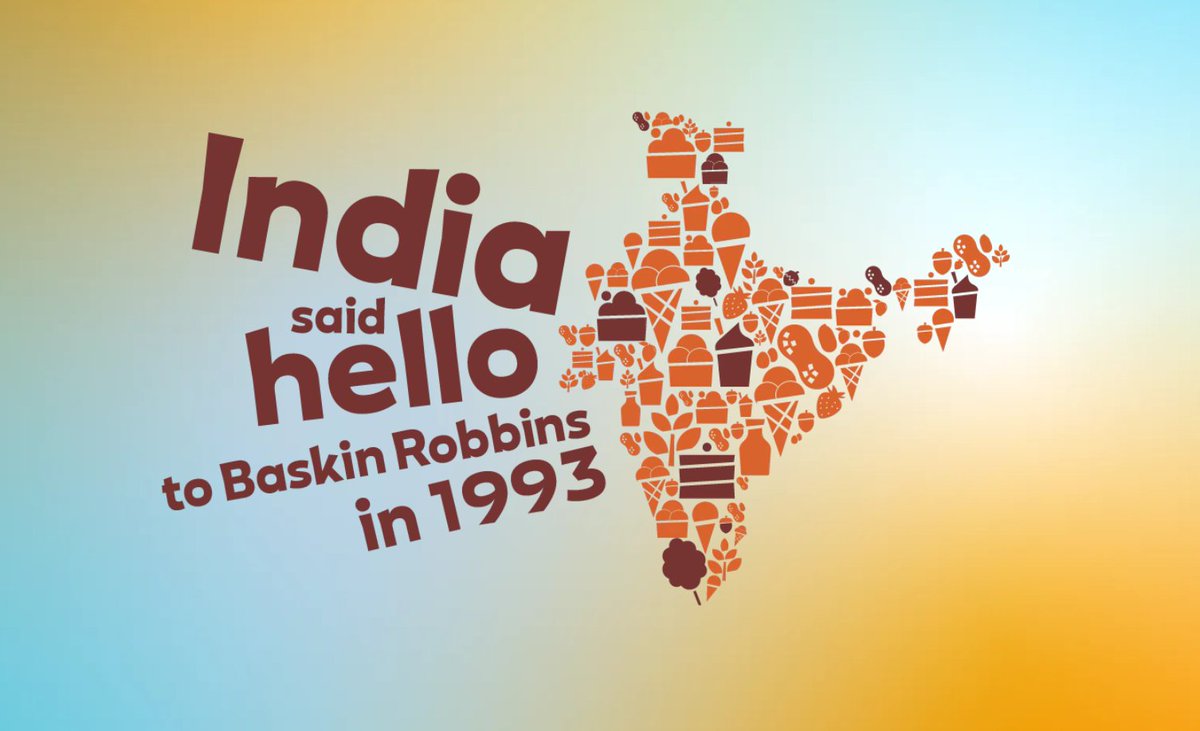
And they take pride in the fact that they don’t just sell ice creams, they sell experiences and the joy of having an ice cream.
Also, according to Blendhub, India's per capita ice cream consumption is around 400 millilitres per year.
Also, according to Blendhub, India's per capita ice cream consumption is around 400 millilitres per year.
This is low compared to the United States, which consumes 22,000 millilitres per year, and China, which consumes 3,000 millilitres per year.
In India, people love ice cream but it is still seen as an occasional luxury item in most parts of the country.
In India, people love ice cream but it is still seen as an occasional luxury item in most parts of the country.
So, when you bring in premium ice creams in such a price-sensitive market, they are prone to failure.
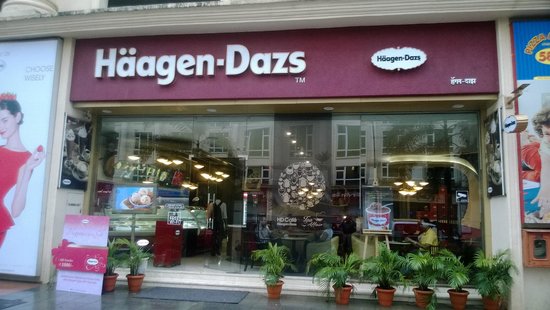
This is why international brands like Häagen-Dazs failed to capture the Indian market.
This is why international brands like Häagen-Dazs failed to capture the Indian market.
But Baskin Robbins stood the test of time.
It took them 10 years to become profitable. But they stuck it out and now they have 25% YOY growth in India.
In the last 30 years, they have iterated their marketing strategy multiple times and innovated their products and flavours.
It took them 10 years to become profitable. But they stuck it out and now they have 25% YOY growth in India.
In the last 30 years, they have iterated their marketing strategy multiple times and innovated their products and flavours.
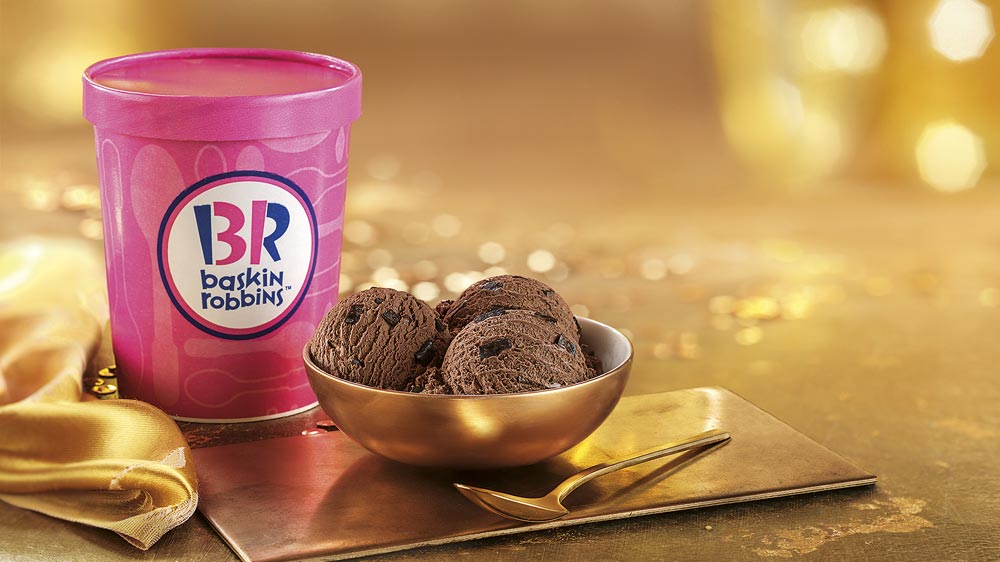
When they first came to India they had gelatine and marshmallows in their ice creams which has animal fat in it.
This wasn’t well received by the Indian audience.
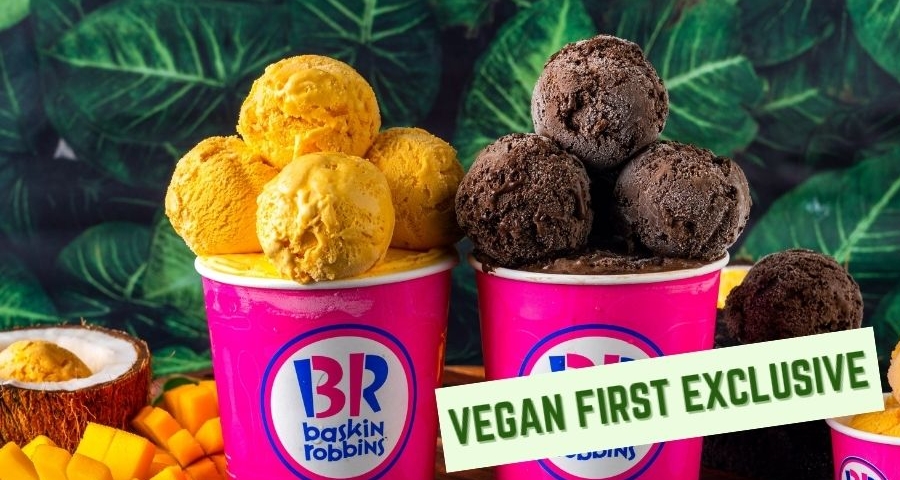
Learning from their mistake, they focused on using only cow’s milk and making their ice creams 100% vegetarian.
This wasn’t well received by the Indian audience.
Learning from their mistake, they focused on using only cow’s milk and making their ice creams 100% vegetarian.
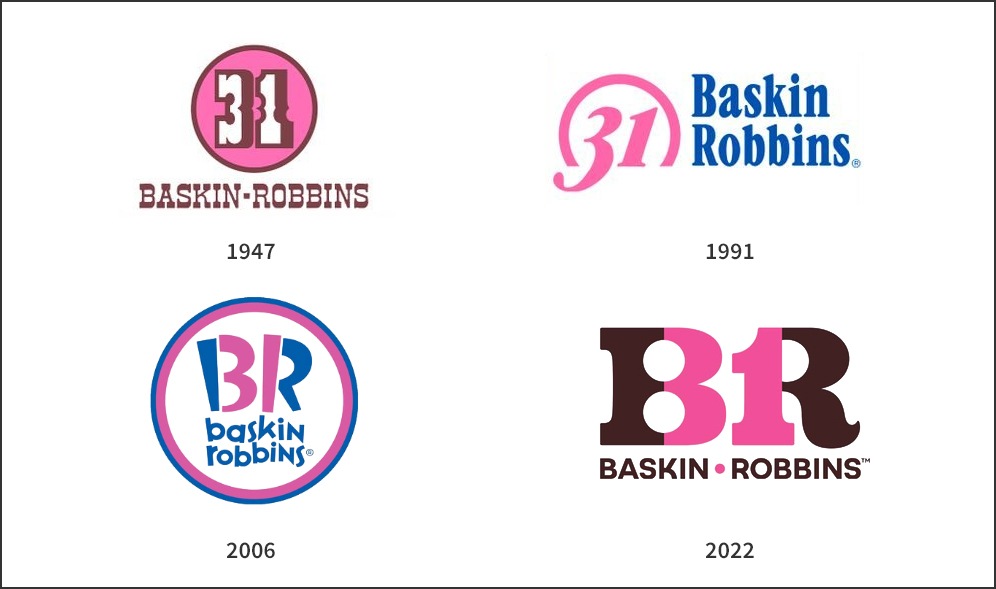
Baskin Robbins was founded in 1945 by two brothers-in-laws, Burt Baskin and Irv Robbins.
They freezed their success via franchising.
And it became the first ever ice cream franchise in the world.
Baskin Robbins is famously known for its 31 flavours and pink spooons.
They freezed their success via franchising.
And it became the first ever ice cream franchise in the world.
Baskin Robbins is famously known for its 31 flavours and pink spooons.
The concept of 31 flavours is that a person can have a different flavour of ice cream, every day for a month.
And, the iconic pink spoons are used to offer free samples to the customers to help them decide which flavour they want to buy.
And, the iconic pink spoons are used to offer free samples to the customers to help them decide which flavour they want to buy.
Baskin Robbins is known for its flavours because other than the conventional flavours like vanilla and chocolate, they also have creative flavours like:
🍨 Coffee Almond Fudge
🍨 Very Berry Strawberry
🍨 Gold Medal Ribbon
🍨 Honey nut crunch
🍨 Coffee Almond Fudge
🍨 Very Berry Strawberry
🍨 Gold Medal Ribbon
🍨 Honey nut crunch
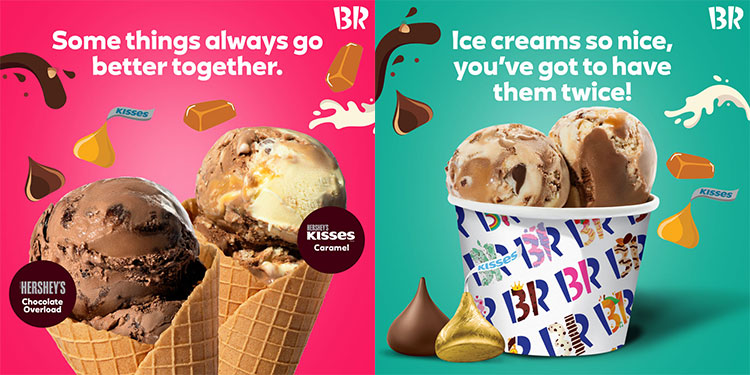
Till date, Baskin Robbins has introduced more than 1000 flavours across the globe, adapting and localising their products according to the taste buds of the local market.
They used the ‘hit and trial’ method as their localisation tool and introduced several flavours.
They used the ‘hit and trial’ method as their localisation tool and introduced several flavours.
But not all of them took up, and they had to face a lot of failures.
Some famous disastrous flavours were “Ketchup ice cream”, “Grape Britain” etc.
A flavour called “Gummy Gummy Gum Drops”, was such a failure that it broke people’s teeth off.
Some famous disastrous flavours were “Ketchup ice cream”, “Grape Britain” etc.
A flavour called “Gummy Gummy Gum Drops”, was such a failure that it broke people’s teeth off.
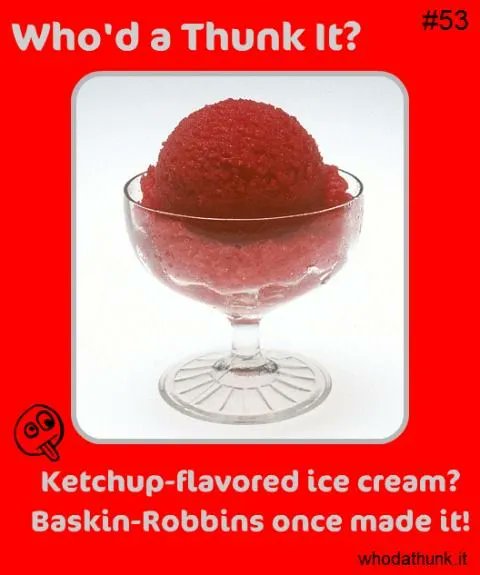
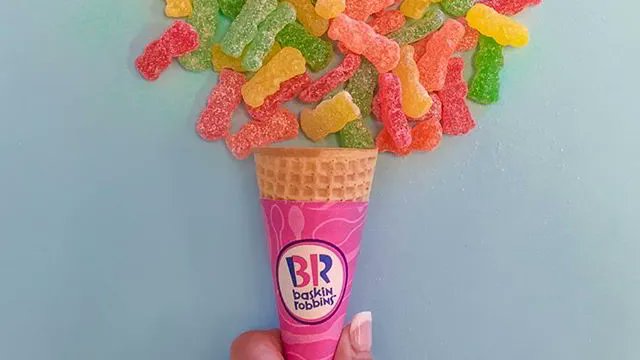
They also released successful ice cream flavours in honour of certain celebrities like the Beatle-nut was released for when Beatles were touring in the L.A
Cheesecake was released to honour Neil’s Armstrong landing on the moon.
Cheesecake was released to honour Neil’s Armstrong landing on the moon.
Similarly, Baskin Robbins’ marketing in India is focused on suiting India’s culture and monetising its products in sync with certain special days.
They introduced Diwali treats such as carrot halwa sundaes, cheesecake sundaes, and gulab jamun sundaes.
They introduced Diwali treats such as carrot halwa sundaes, cheesecake sundaes, and gulab jamun sundaes.
For Valentine’s Day there was a scheme where every ice cream flavor described a relationship according to which customers bought those ice creams to give it to their loved ones.

Baskin Robbins also considered their diet-conscious customers and introduced low-fat milk products and gluten-free products.
The company today operates more than 800+ exclusive ice cream parlours across 230+ cities.
The company today operates more than 800+ exclusive ice cream parlours across 230+ cities.
Making it one of the largest exclusive ice cream retail chains in India.
They also targeted all the premium chain hotels and restaurants.
It is sold in institutions such as the Taj Hotel, the Oberoi group, The ITC group, The Hyatt group, and Le Meridien Hotels.
They also targeted all the premium chain hotels and restaurants.
It is sold in institutions such as the Taj Hotel, the Oberoi group, The ITC group, The Hyatt group, and Le Meridien Hotels.
Baskin Robbins likes to penetrate deeper and denser into the market.
Its strategy has always been to expand the number of outlets in cities where it is already present, covering areas where it is not there.
Its strategy has always been to expand the number of outlets in cities where it is already present, covering areas where it is not there.
Baskin Robbins also broadened its niche from ice creams to serving waffles, desserts, and thick shakes because in India, beverages are a profitable venture along with edibles.
Also if you notice, Dunkin’ and Baskin Robbins are often placed next to each other.
Also if you notice, Dunkin’ and Baskin Robbins are often placed next to each other.
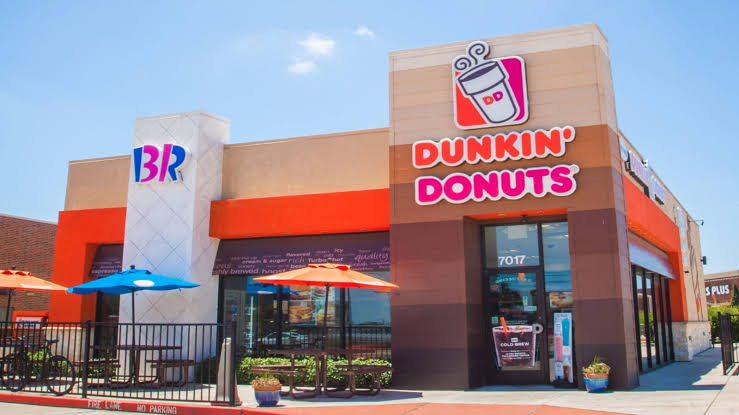
This is because Dunkin’ and BR are owned by the Dunkin’ Brand Inc.
And they are placed together to increase the customer appeal because of the easy accessiblity of both beverages and ice creams.
And they are placed together to increase the customer appeal because of the easy accessiblity of both beverages and ice creams.
Baskin Robbins didn’t ever try to find its place in the Indian market. They created it.
And that’s what makes them so successful.
And that’s what makes them so successful.
If you liked this read, do RePost🔄 the 1st post and follow us @FinFloww for such reads every Monday, Wednesday and Friday!
Get our WhatsApp newsletter: whatsapp.com

Subscribe to WHAT THE FLOWW?, our weekly email newsletter where we dive deeper into such concepts: soshals.app

Loading suggestions...