

Did you know?
The brightest star in our sky is called Sirius & is mentioned in the Qur’an by name in the chapter "The Star".
A thread on stars & the of art of astronomy in Islamic history…
The brightest star in our sky is called Sirius & is mentioned in the Qur’an by name in the chapter "The Star".
A thread on stars & the of art of astronomy in Islamic history…
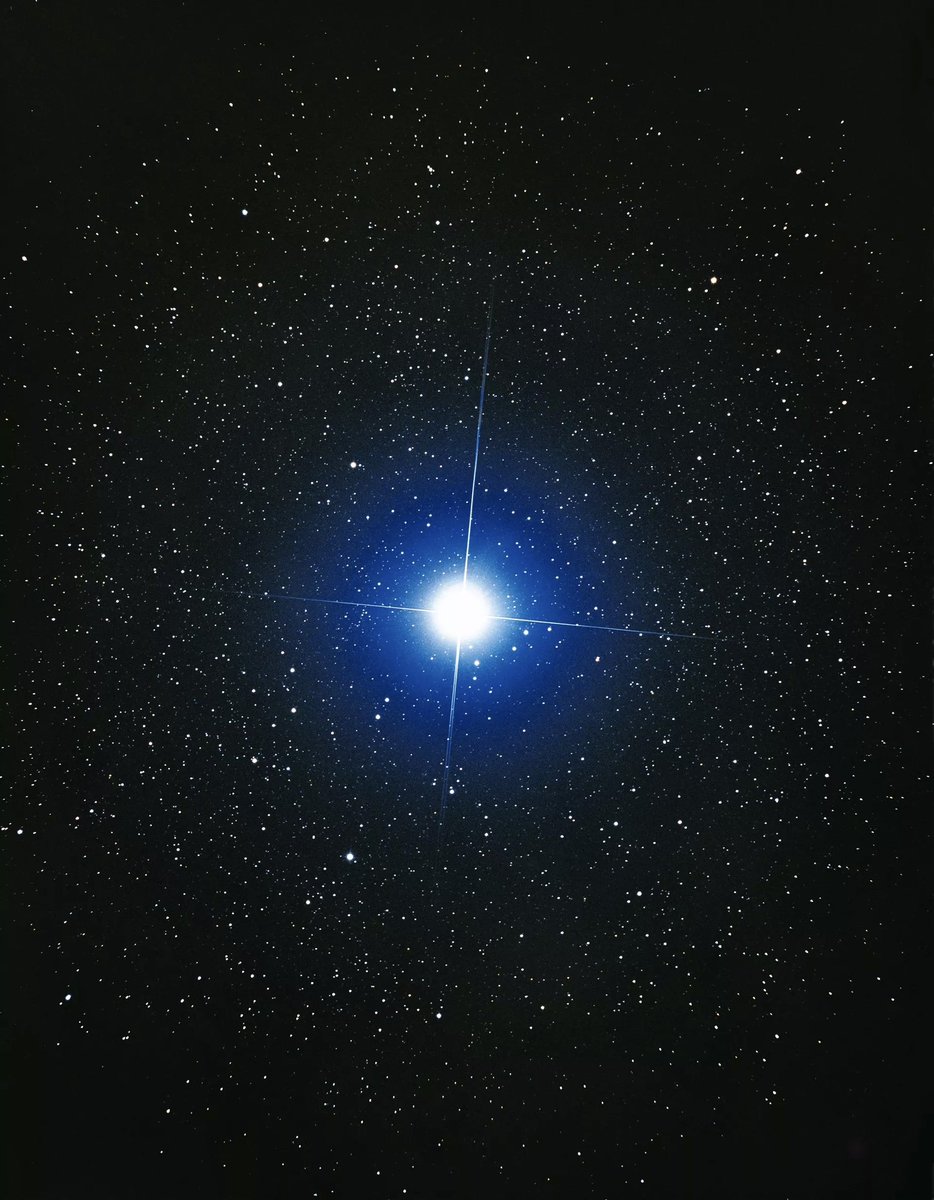
1/ Sirius is mentioned in the Quran by name in chapter "The Star"
And that it is He who is the Lord of Sirius
٤٩ وَأَنَّهُ هُوَ رَبُّ الشِّعْرَىٰ
Quran 53:49
1400 years ago people knew the brightest star in the night sky, Sirius, however nobody knew the distance to this star
And that it is He who is the Lord of Sirius
٤٩ وَأَنَّهُ هُوَ رَبُّ الشِّعْرَىٰ
Quran 53:49
1400 years ago people knew the brightest star in the night sky, Sirius, however nobody knew the distance to this star
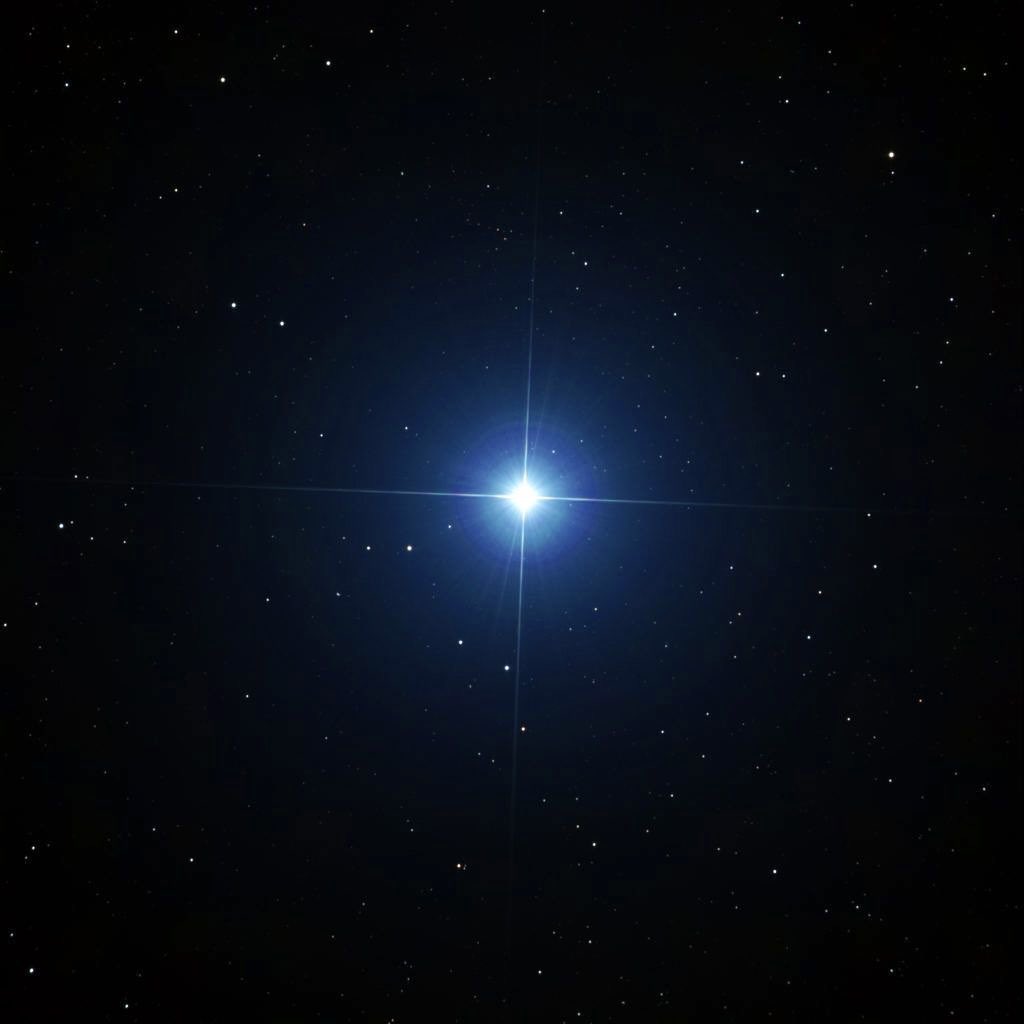
2/ The word "Star" & word "Earth" are separated by 861 letters. Today we know that Sirius is 861 centi light-years away from Earth. 8.61 light-years is equivalent to 861 centi light-years. The distance to Sirius is 861 centi light-years.
3/ Astronomy is an important science in Islam.
Over two thirds of prominent stars known in the night sky have Arabic names. This is due to the stellar navigational skills of Muslim astronomers 1000 years ago, who made considerable advances in the study of astronomy
Over two thirds of prominent stars known in the night sky have Arabic names. This is due to the stellar navigational skills of Muslim astronomers 1000 years ago, who made considerable advances in the study of astronomy
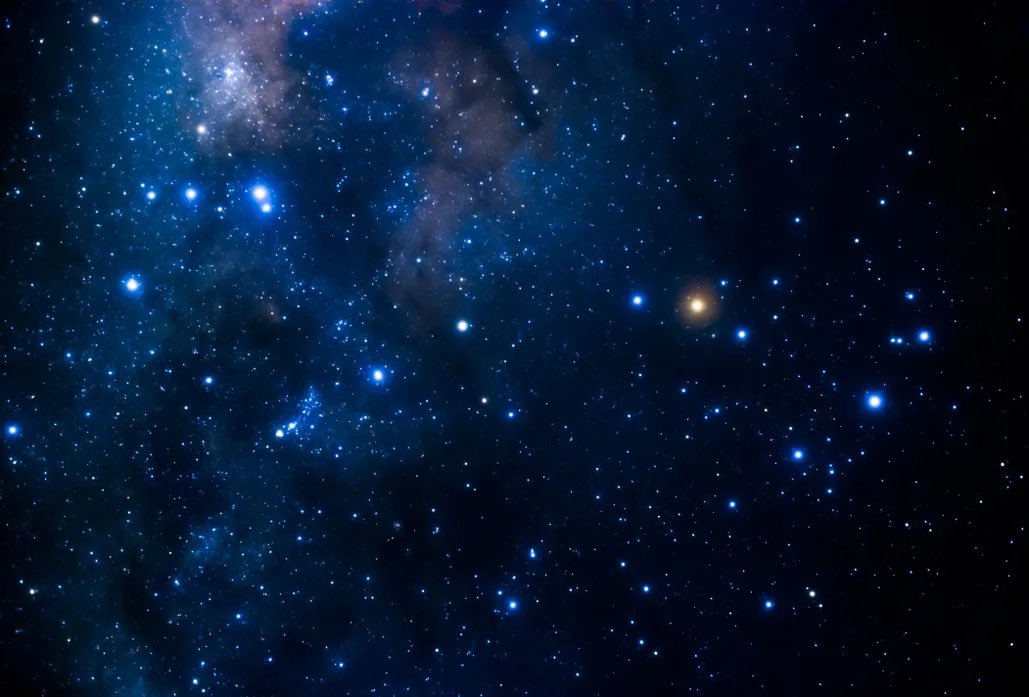
4/ Regardless of origin, almost all star names belong to old traditions. Kept alive for centuries by mariners, explorers & other stargazers, Arabic star names are a living testimony to Arab–Islamic astronomy. More than 200 stars names are derived from Arabic
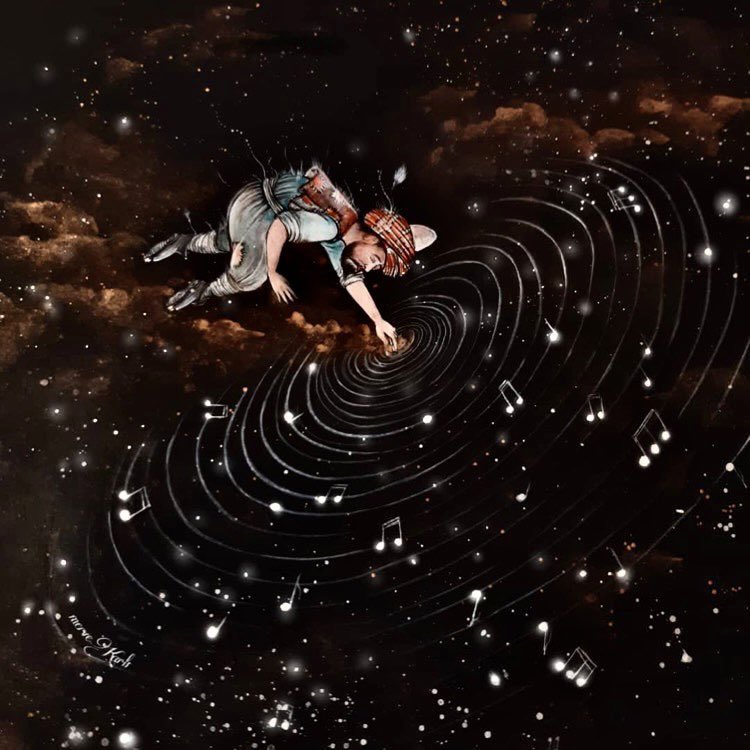
Artwork @nesliekinci
Artwork @nesliekinci
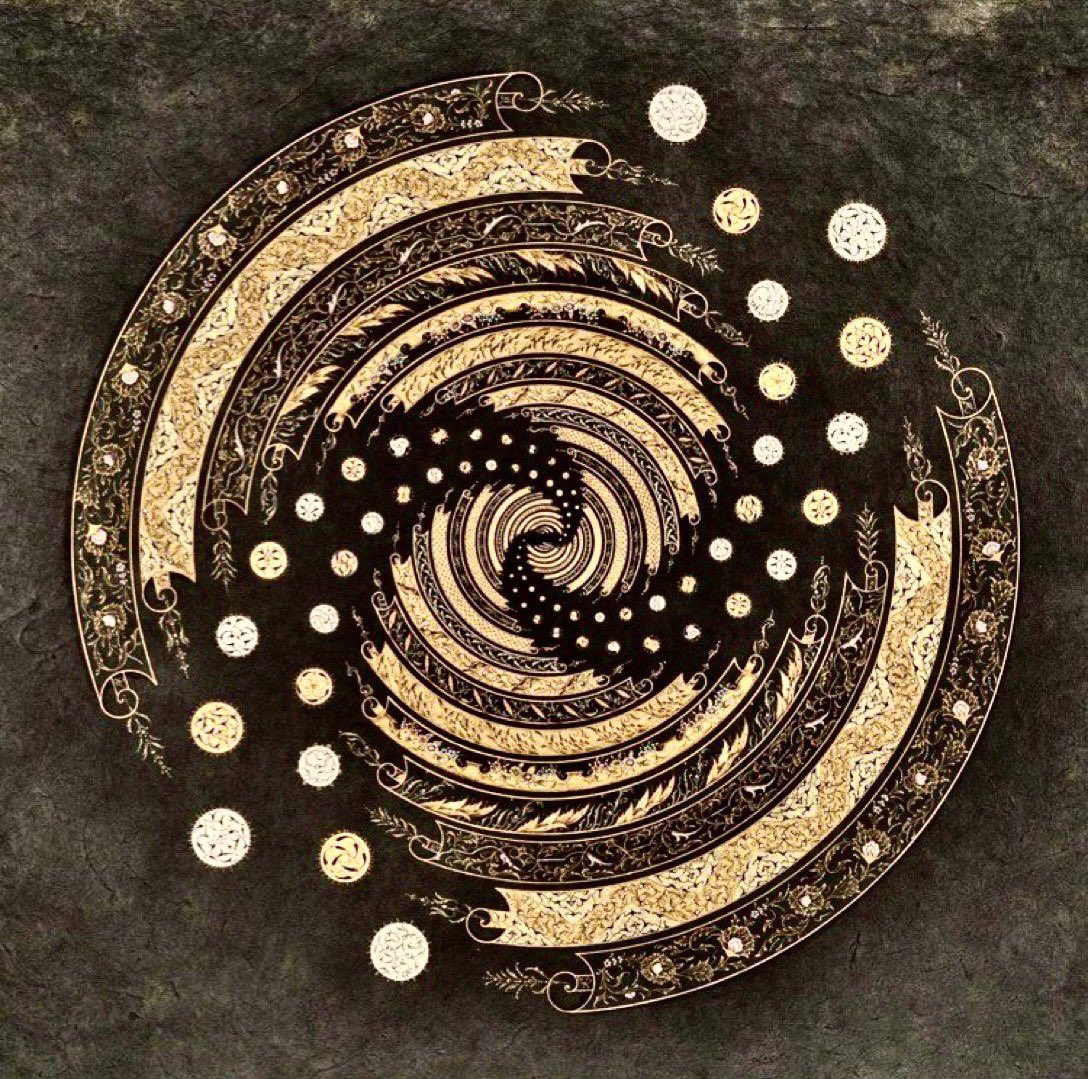
@nesliekinci 5/ From the 9th to the 15th century, scientists working in the Arabic language, in a region stretching from Islamic Spain across North Africa & the Middle East to India, dominated worldwide scientific endeavor. Astronomy was one of the greatest of these pursuits
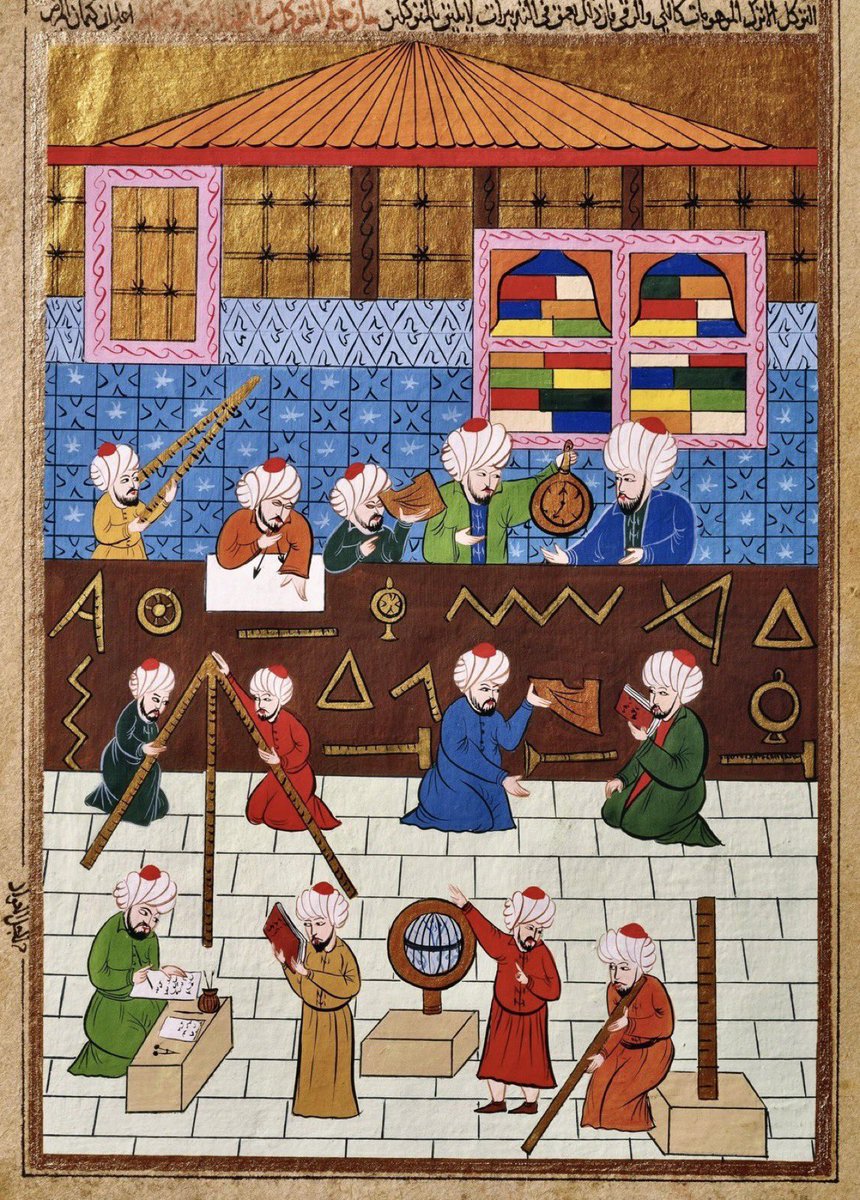
@nesliekinci 6/ In the 10th century, the Muslim Persian astronomer ‘Abd al-Raḥmān al- Ṣūfī wrote a text called ‘The Book of Fixed Stars.’ ✨
Beautiful drawings of the constellations Pegasus & Taurus by ‘Abd al-Raḥmān al- Ṣūfī in ‘The Book of Fixed Stars.’
Beautiful drawings of the constellations Pegasus & Taurus by ‘Abd al-Raḥmān al- Ṣūfī in ‘The Book of Fixed Stars.’
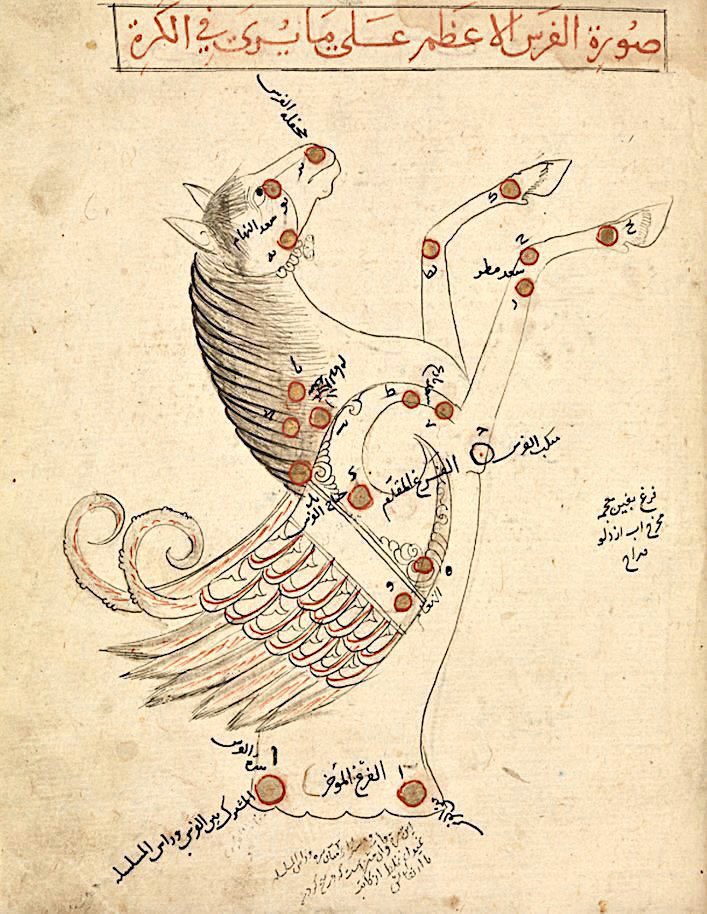
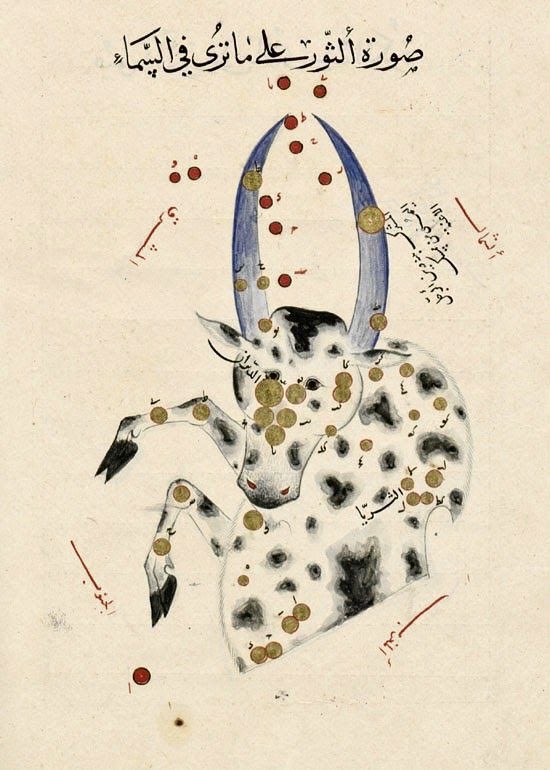
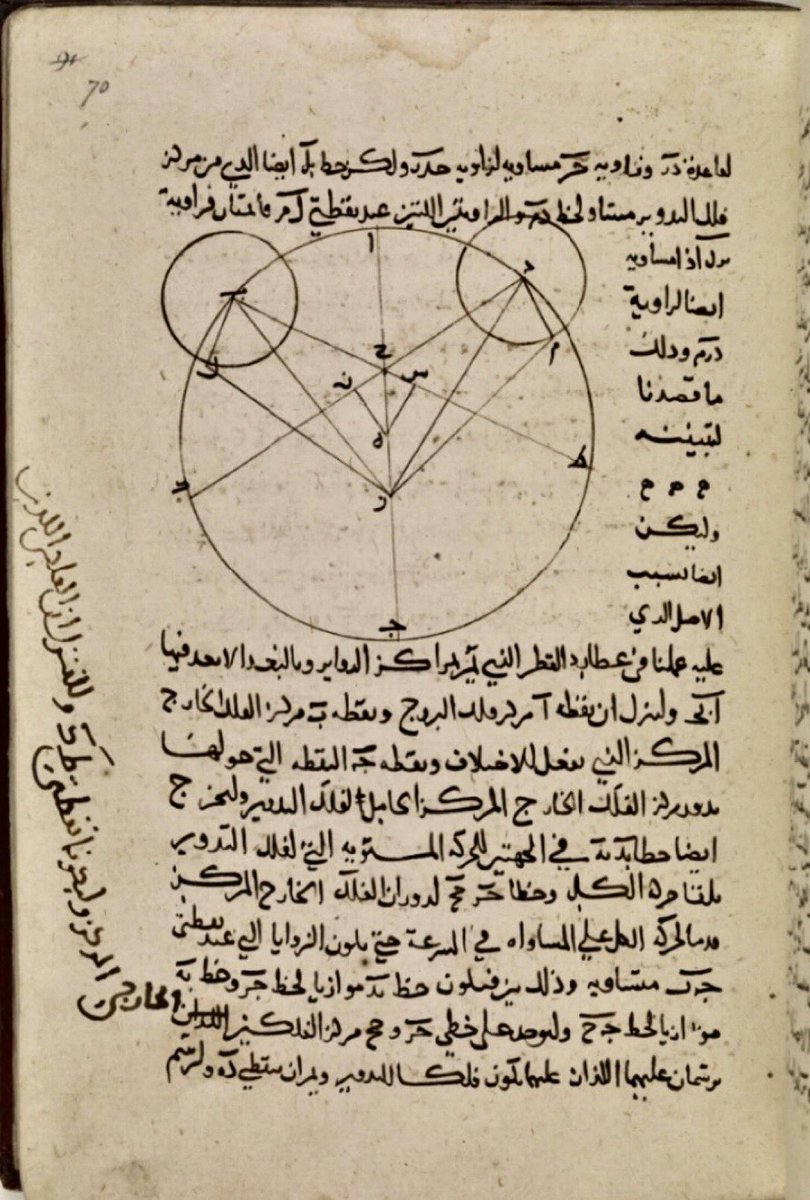
@nesliekinci 7/ ‘Abd al-Raḥmān al- Ṣūfī translated the work of Ptolemy into Arabic - whose book the ‘Almagest’, written almost 1000 years earlier, is still the foundation on which our system of constellations rests
10th century Arabic translation of Ptolemy's "Almagest"
10th century Arabic translation of Ptolemy's "Almagest"
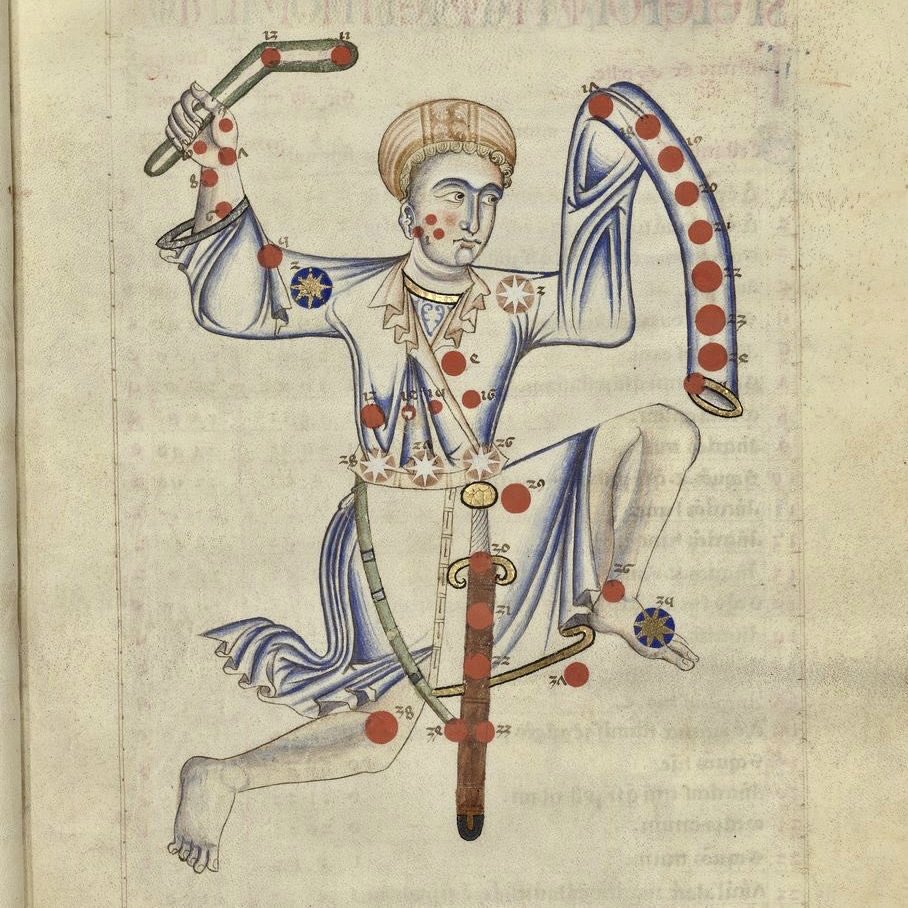
@nesliekinci 8/ Constellation of Orion in a Latin translation of al-Ṣūfī's (fl. 10thC) Catalog of the Fixed Stars (copy from Bologna, 1250-1275)
@GallicaBnF
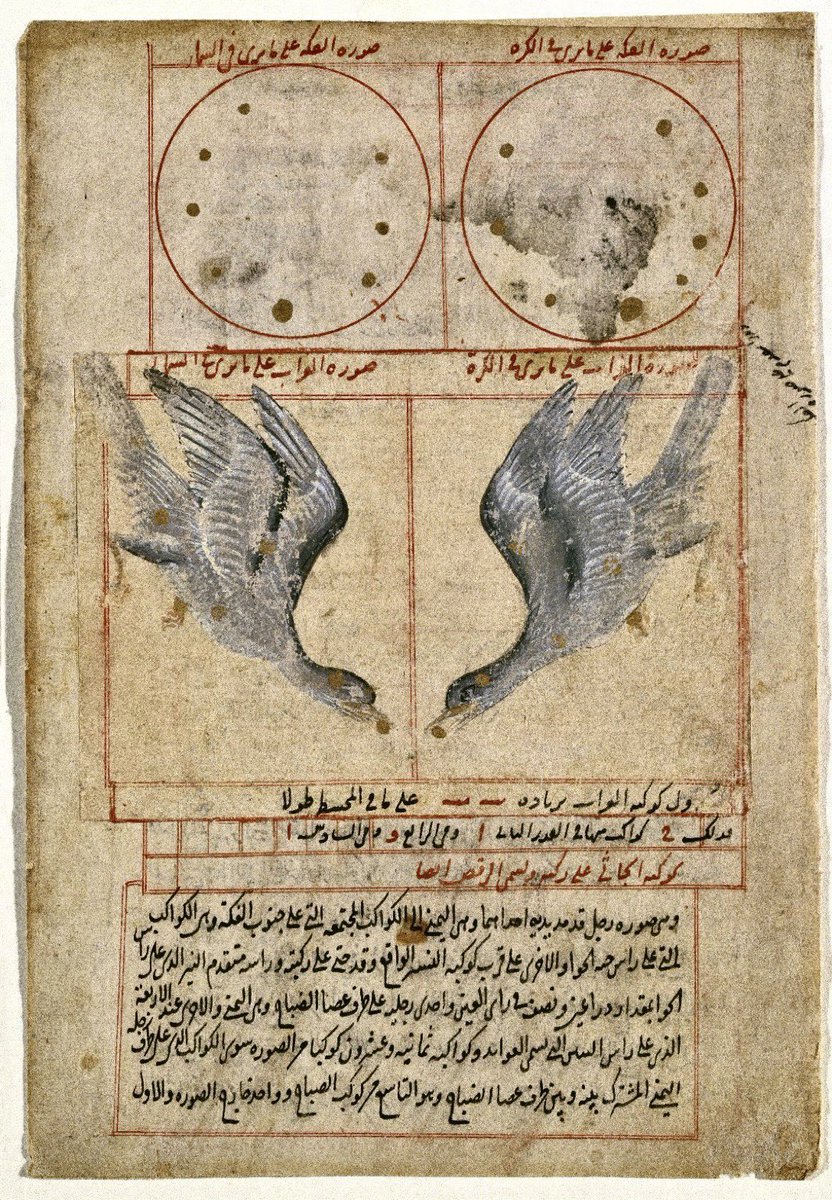
The constellation of Corvus the Raven, a folio from The Book of Fixed Stars by al-Sufi (903-986 CE) @brooklynmuseum
@GallicaBnF
The constellation of Corvus the Raven, a folio from The Book of Fixed Stars by al-Sufi (903-986 CE) @brooklynmuseum
@nesliekinci @GallicaBnF @brooklynmuseum 9/ Scholars in Muslim civilisation made considerable advances in the study of astronomy.
They made important discoveries, developed instruments observatories and planetariums, leaving a legacy of accurate observations and astronomical tables
They made important discoveries, developed instruments observatories and planetariums, leaving a legacy of accurate observations and astronomical tables
@nesliekinci @GallicaBnF @brooklynmuseum 10/ The celestial globe & the astrolabe, a two-dimensional representation of the sky, were among the most widespread of scientific instruments in the Islamic world, from Muslim Andalusia to Mughal India. They were favored for both their artistic and their symbolic value
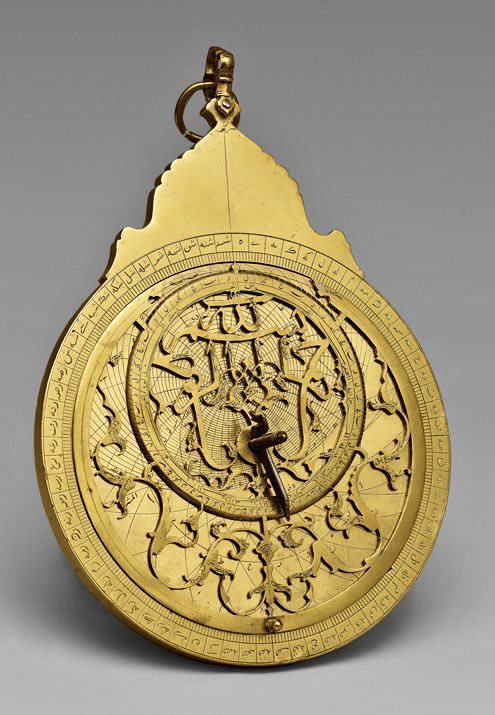
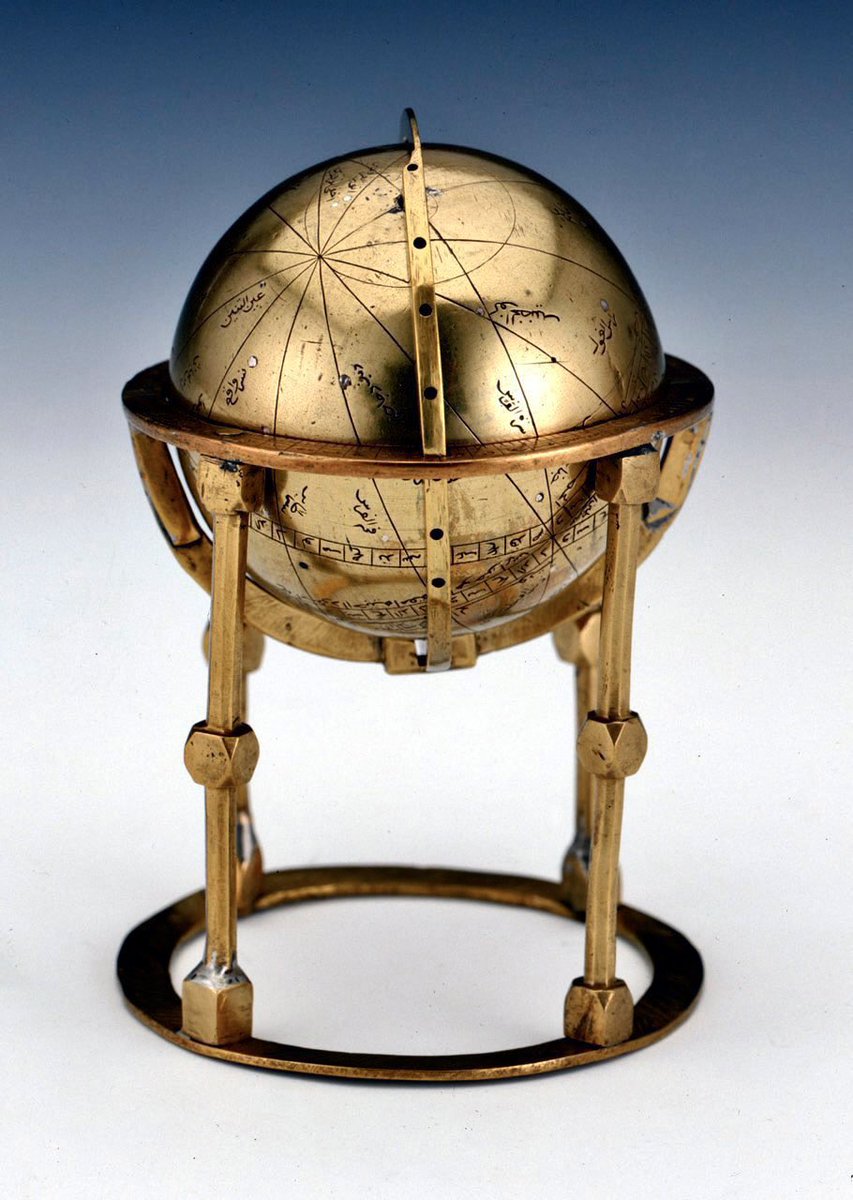
@nesliekinci @GallicaBnF @brooklynmuseum 11/ In the 10th century, Al-Sufi estimated that there were around a thousand possible applications for an astrolabe, ranging from the position of the stars or the direction of Mecca to the height of a building.
Astrolabe, from Spain, Toledo, 14th century @AgaKhanMuseum
Astrolabe, from Spain, Toledo, 14th century @AgaKhanMuseum
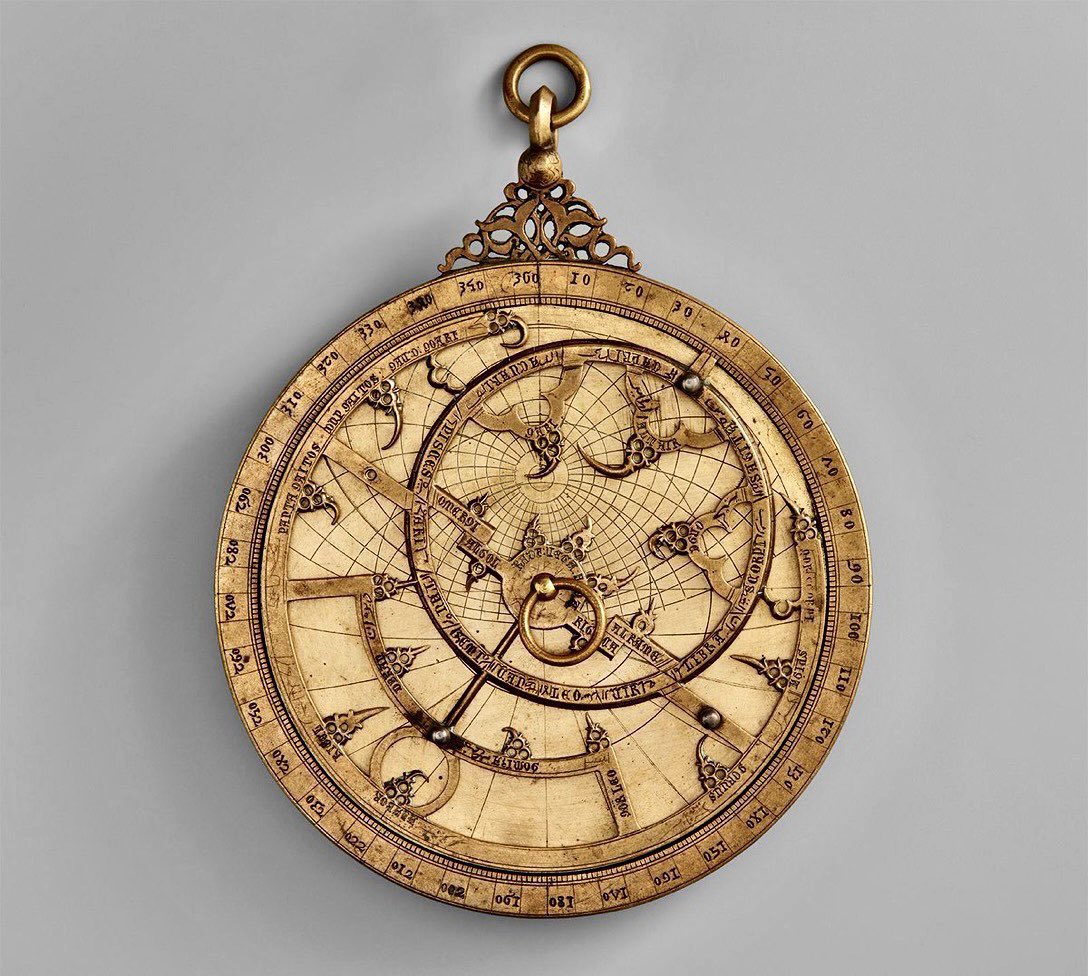
@nesliekinci @GallicaBnF @brooklynmuseum @AgaKhanMuseum 12/Astrolabes are complex devices which use several moving parts to turn raw data provided by the user into practical information –they were the computers of their time, used to solve problems relating to the position of the sun, stars, planets & timekeeping
Astrolabe @HSMOxford
Astrolabe @HSMOxford
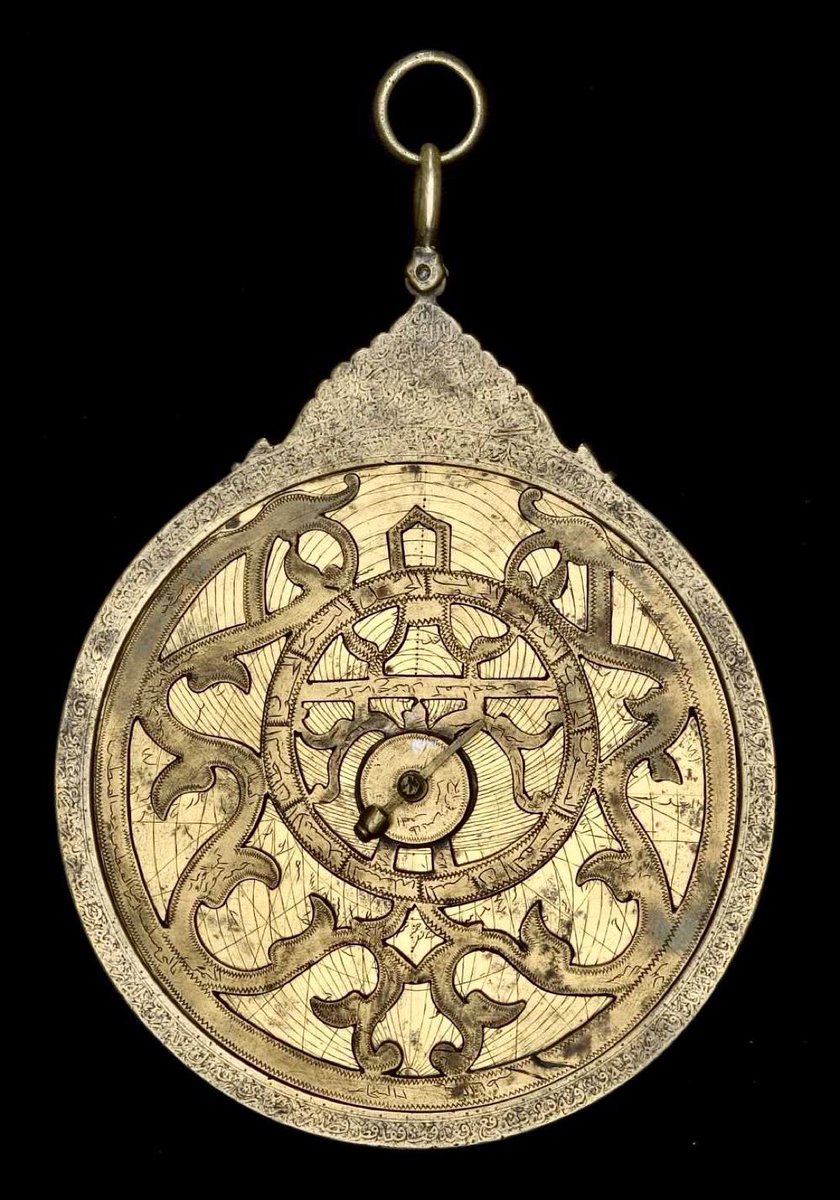
@nesliekinci @GallicaBnF @brooklynmuseum @AgaKhanMuseum @HSMOxford 13/ Mariam Al Astrulabi was born in 950 AD in Aleppo, Syria. She is credited for developing the first 'complex' astrolabe, with her invention akin to a GPS navigation tool for the stars.
This astrolabe relates to a group of 6 Western Islamic astrolabes from 1060 @RMGreenwich
This astrolabe relates to a group of 6 Western Islamic astrolabes from 1060 @RMGreenwich
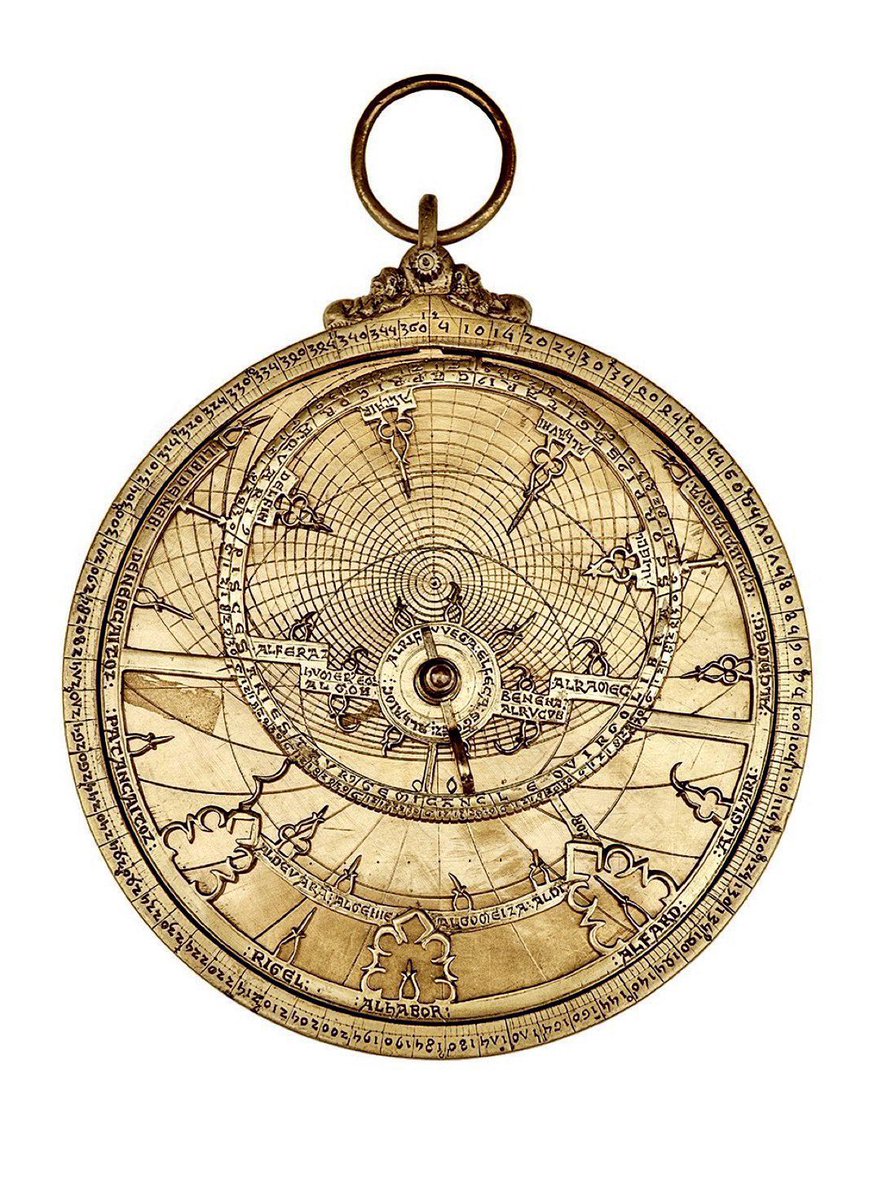
@nesliekinci @GallicaBnF @brooklynmuseum @AgaKhanMuseum @HSMOxford @RMGreenwich 14/ The astrolabe is thought to have originated in Ancient Greece. While the origin may have been Greek, it is generally agreed that the design was perfected in the Islamic world – the name Astrolabe comes from the Arabic version of the Greek term ‘Star holder’
@sciencemuseum
@sciencemuseum
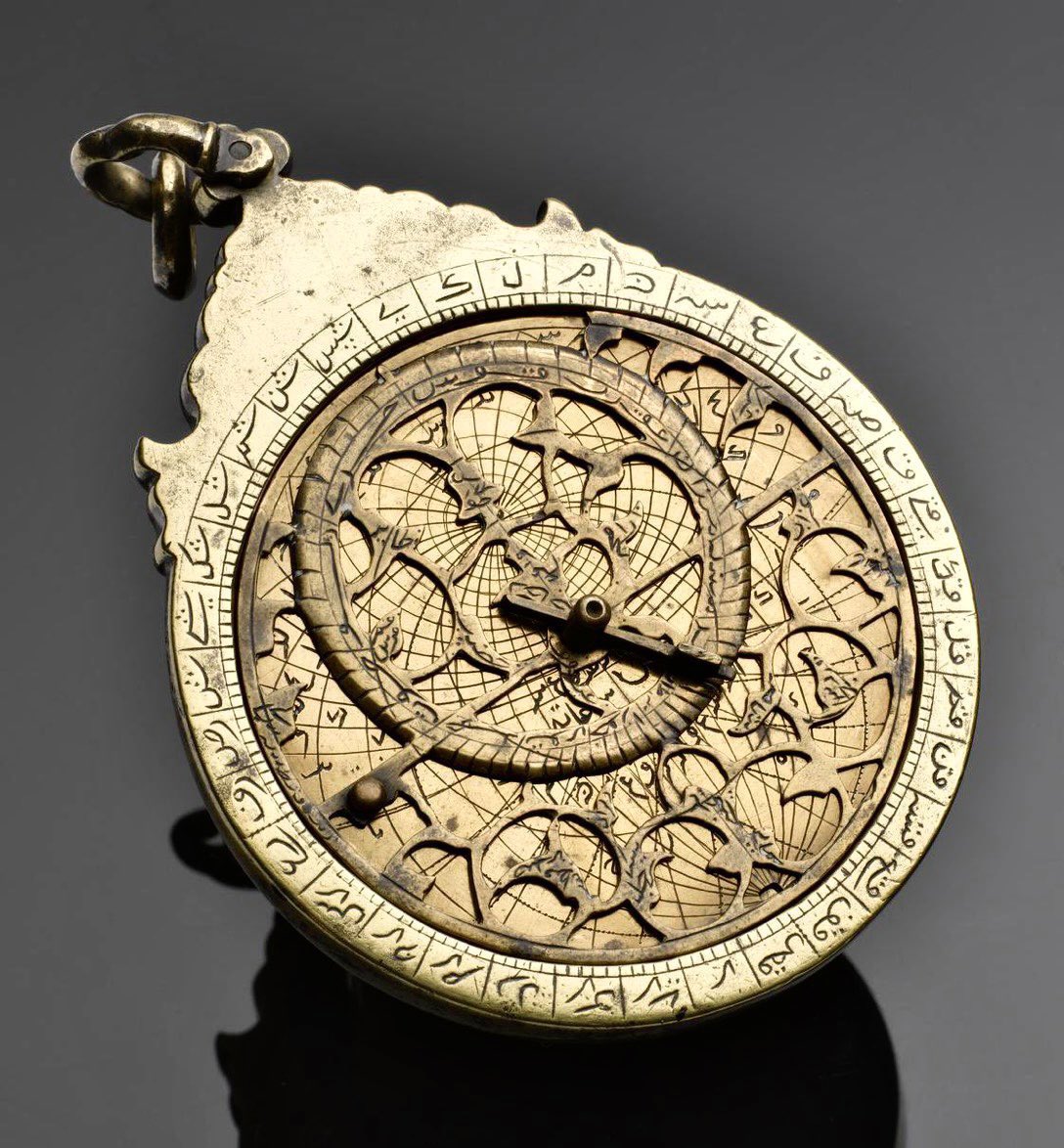
@nesliekinci @GallicaBnF @brooklynmuseum @AgaKhanMuseum @HSMOxford @RMGreenwich @sciencemuseum 15/ An astrolabe is made up of 4 main pieces:
– the mater or base plate
– the rete shows the fixed stars, the ecliptic & certain naked eye stars
– the plates, each of which is made for a different latitude
– the alidade or rule with sights used for making observations
@HSMOxford
– the mater or base plate
– the rete shows the fixed stars, the ecliptic & certain naked eye stars
– the plates, each of which is made for a different latitude
– the alidade or rule with sights used for making observations
@HSMOxford
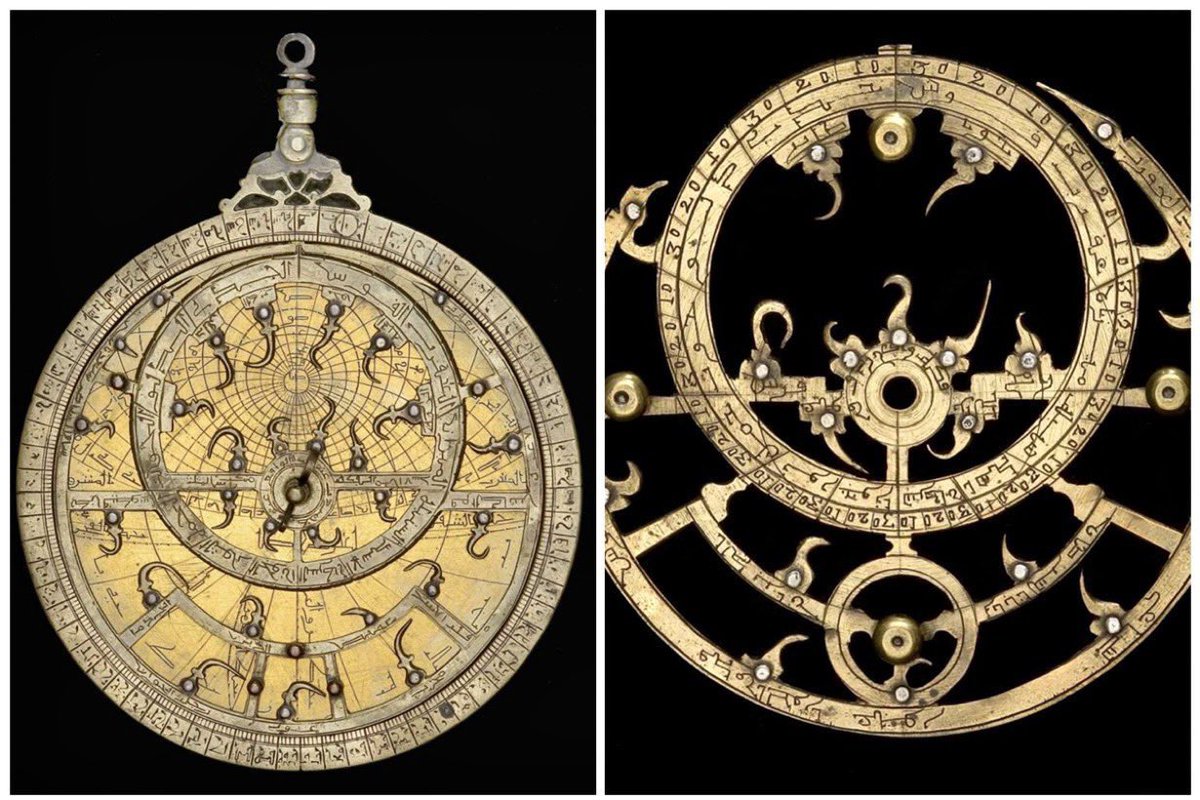
@nesliekinci @GallicaBnF @brooklynmuseum @AgaKhanMuseum @HSMOxford @RMGreenwich @sciencemuseum 16/ An indication we find on many Islamic astrolabes, which gives them a religious dimension is the inscriptions. On many Islamic astrolabes we find passages from the Quran, dedications, religious verses & of course the date given according to the Hijra calendar
@KhaliliOnline
@KhaliliOnline
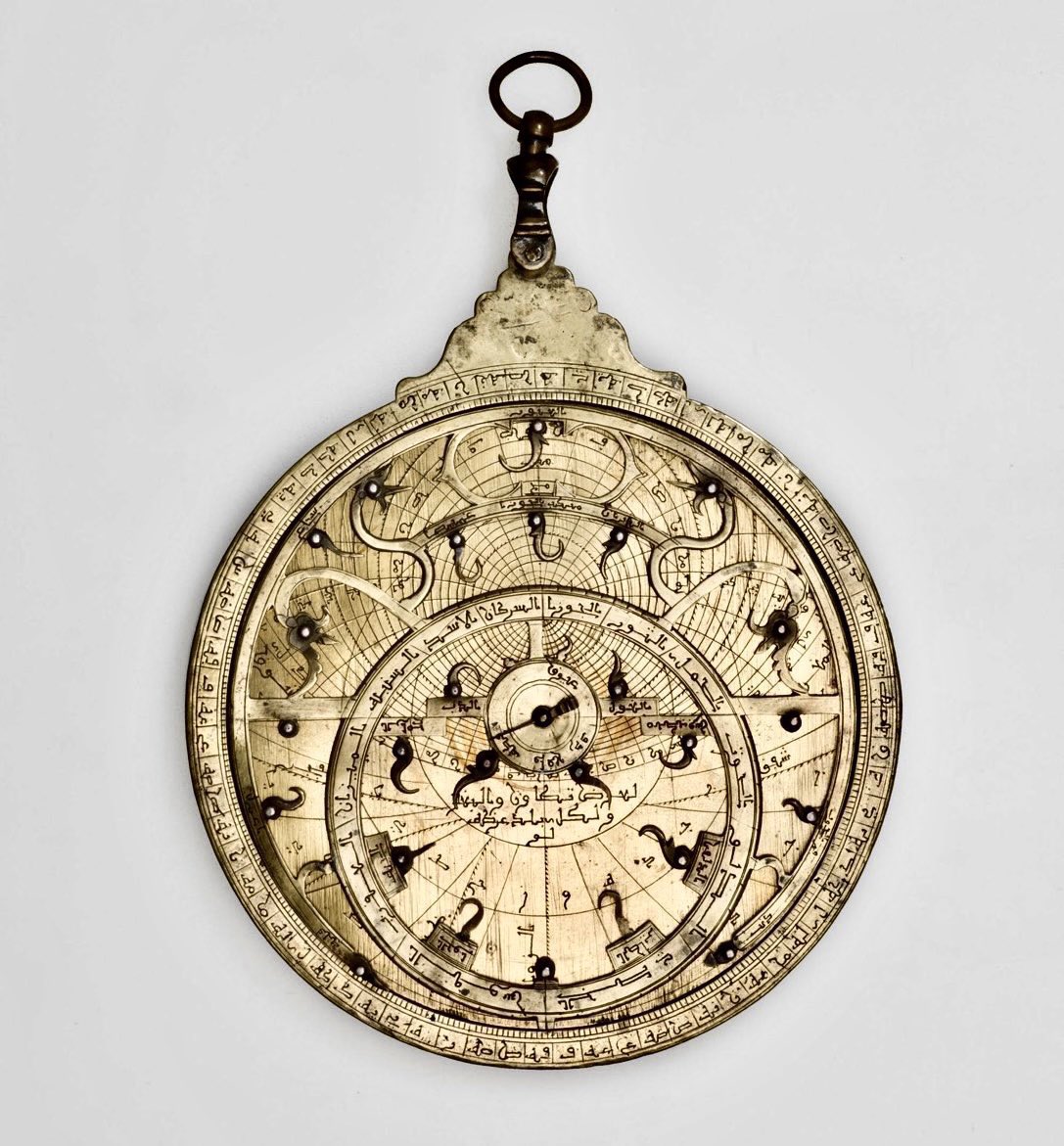
@nesliekinci @GallicaBnF @brooklynmuseum @AgaKhanMuseum @HSMOxford @RMGreenwich @sciencemuseum @KhaliliOnline 17/ Celestial globes show the positions of the stars in the sky. They omit the Sun, Moon & planets because the positions of these bodies vary relative to those of the stars, but the ecliptic, along which the Sun moves, is indicated
Celestial Globe, 684 AH, Iran
@KhaliliOnline
Celestial Globe, 684 AH, Iran
@KhaliliOnline
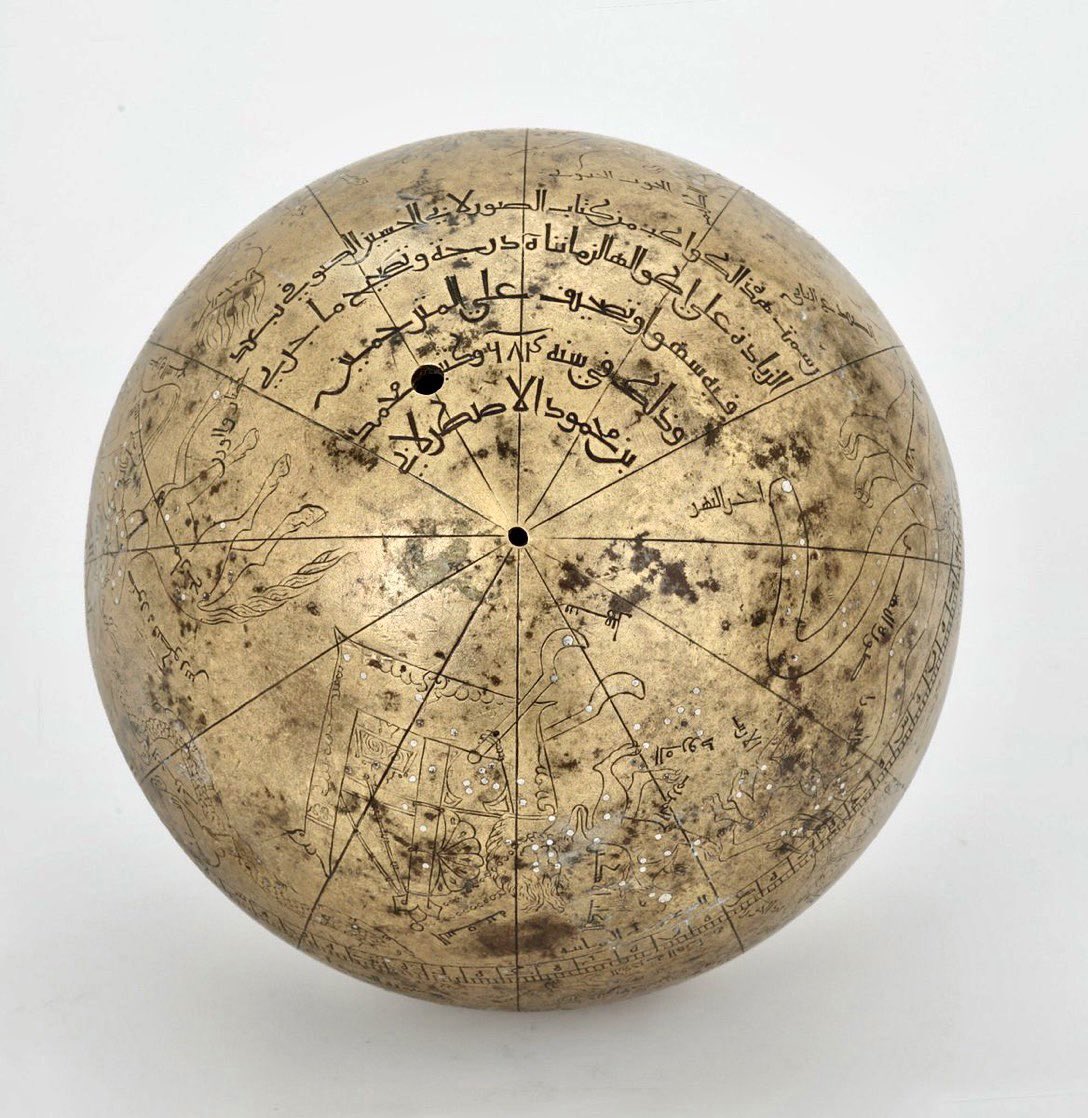
@nesliekinci @GallicaBnF @brooklynmuseum @AgaKhanMuseum @HSMOxford @RMGreenwich @sciencemuseum @KhaliliOnline 18/ To explain this difference between a constellation as seen from the Earth & as seen on a celestial globe in ‘The Book of Fixed Stars’ Abd al-Raḥmān al- Ṣūfī drew two pictures for each constellation
Celestial Globe, Iran (764 AH)
Engraved with 48 constellations
@HSMOxford
Celestial Globe, Iran (764 AH)
Engraved with 48 constellations
@HSMOxford
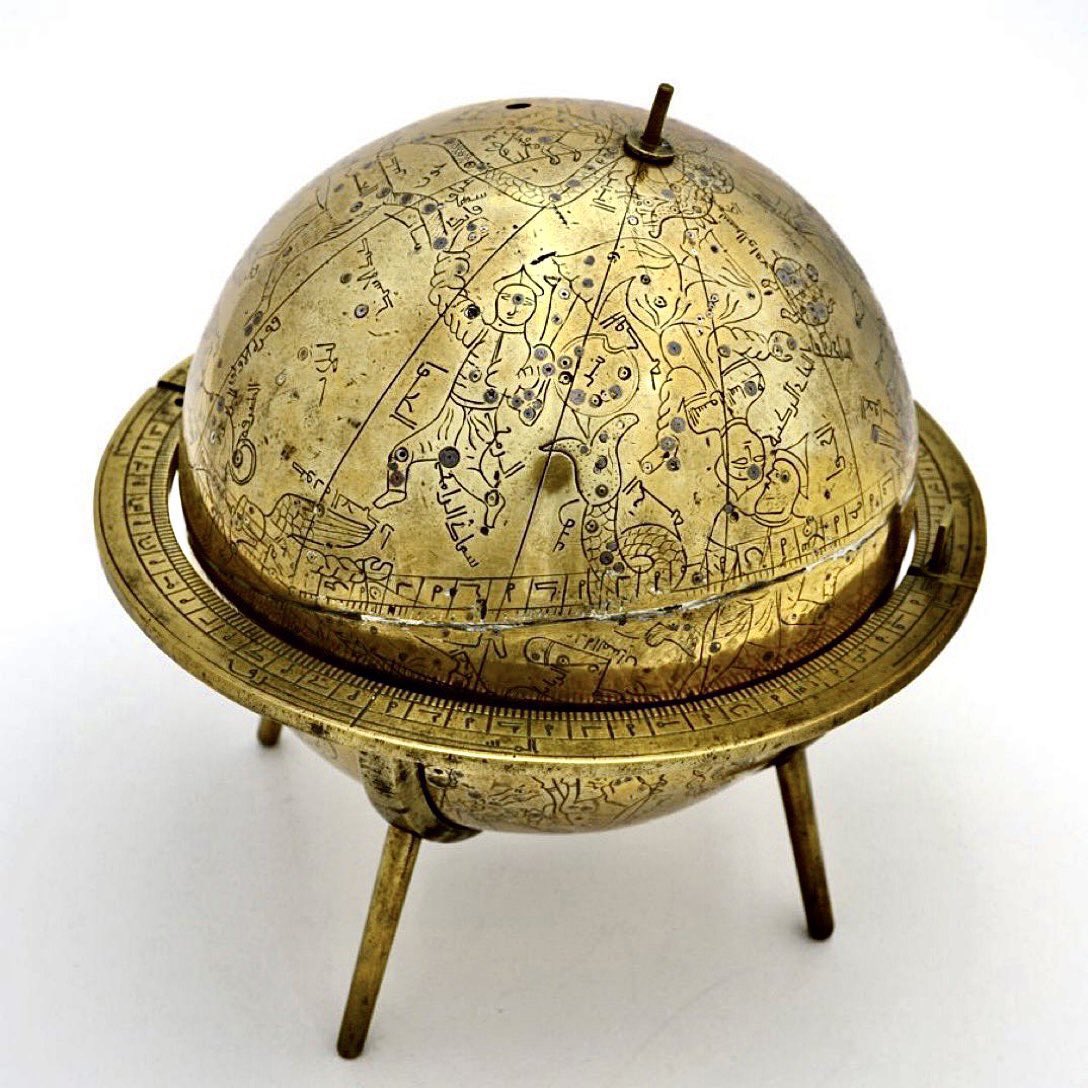
@nesliekinci @GallicaBnF @brooklynmuseum @AgaKhanMuseum @HSMOxford @RMGreenwich @sciencemuseum @KhaliliOnline 19/Celestial globes are more than astronomical tools & teaching instruments. The technical skill and artistry used to engrave the stars & zodiac signs mean they stand as artworks in their own right
Celestial Globe, 3rd oldest surviving in the world, 1144-1145, Iran @MuseeLouvre
Celestial Globe, 3rd oldest surviving in the world, 1144-1145, Iran @MuseeLouvre

@nesliekinci @GallicaBnF @brooklynmuseum @AgaKhanMuseum @HSMOxford @RMGreenwich @sciencemuseum @KhaliliOnline @MuseeLouvre 20/ Here are a few of the brightest stars in the sky with Arabic names:
Betelgeuse – إبط الجوزاء
Betelgeuse, translates as "the armpit of Orion" or "hand of Orion." It comes from the Arabic name ‘Ibṭ ul-Jawzā’.
Betelgeuse – إبط الجوزاء
Betelgeuse, translates as "the armpit of Orion" or "hand of Orion." It comes from the Arabic name ‘Ibṭ ul-Jawzā’.
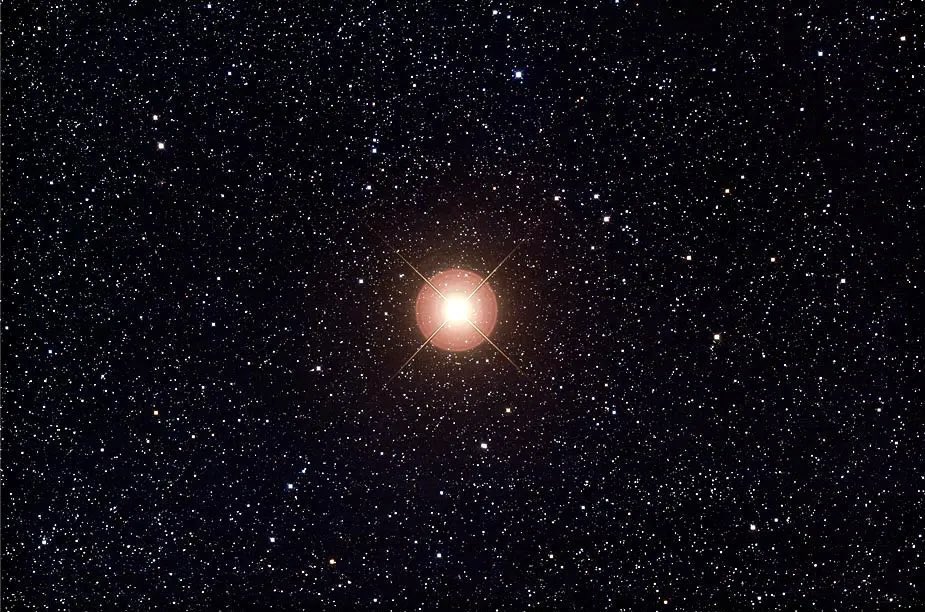
@nesliekinci @GallicaBnF @brooklynmuseum @AgaKhanMuseum @HSMOxford @RMGreenwich @sciencemuseum @KhaliliOnline @MuseeLouvre 21/ Rigil Kentaurus – رجل القنطورس
Rigil Kentaurus, derives from ‘Rijl ul-Qanṭūris. Translated, this would be Foot of the Centaur.
Rigil Kentaurus, derives from ‘Rijl ul-Qanṭūris. Translated, this would be Foot of the Centaur.
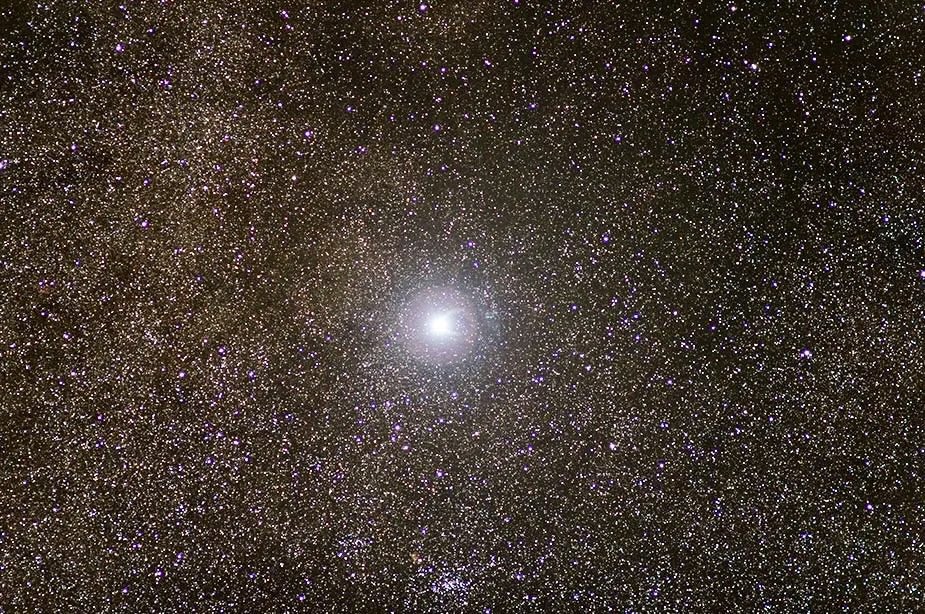
@nesliekinci @GallicaBnF @brooklynmuseum @AgaKhanMuseum @HSMOxford @RMGreenwich @sciencemuseum @KhaliliOnline @MuseeLouvre 22/ Deneb – ذنب الدجاجة
Deneb is a shortened version of ‘Dhanab ud-Dajājah‘, meaning tail of the hen.
Deneb is a shortened version of ‘Dhanab ud-Dajājah‘, meaning tail of the hen.
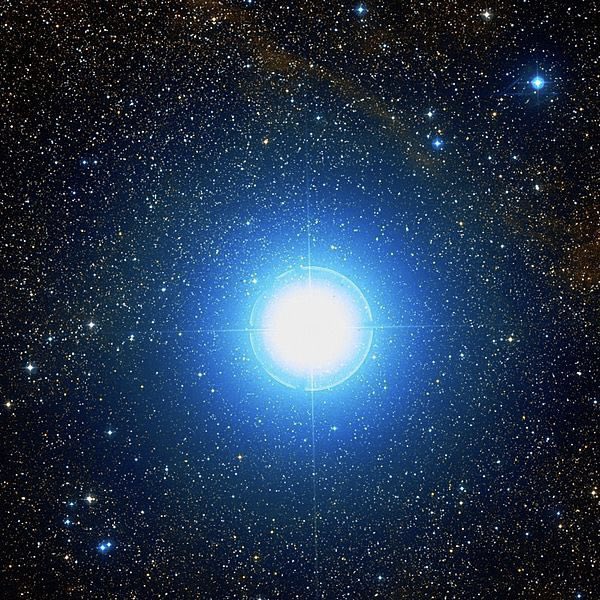
@nesliekinci @GallicaBnF @brooklynmuseum @AgaKhanMuseum @HSMOxford @RMGreenwich @sciencemuseum @KhaliliOnline @MuseeLouvre 23/ Alnitak – النطاق
Having the meaning of the girdle, this star is named Alnitak, originating from the Arabic word ‘an-Niṭāq’.
Having the meaning of the girdle, this star is named Alnitak, originating from the Arabic word ‘an-Niṭāq’.

@nesliekinci @GallicaBnF @brooklynmuseum @AgaKhanMuseum @HSMOxford @RMGreenwich @sciencemuseum @KhaliliOnline @MuseeLouvre 24/ Fomalhaut – فم الحوت
This star was given the name ‘Fum al-Hul’ in Arabic, meaning mouth of the Whale. It is known as the star Fomalhaut.
This star was given the name ‘Fum al-Hul’ in Arabic, meaning mouth of the Whale. It is known as the star Fomalhaut.

@nesliekinci @GallicaBnF @brooklynmuseum @AgaKhanMuseum @HSMOxford @RMGreenwich @sciencemuseum @KhaliliOnline @MuseeLouvre 25/ Algol – رأس الغول
Ancient astrologers thought Algol was the most dangerous star in the heavens. It's name comes from the Arabic 'ra's al-ghūl', meaning 'head of the demon', due to its position as the eye in the severed head of Medusa in the constellation Perseus
Ancient astrologers thought Algol was the most dangerous star in the heavens. It's name comes from the Arabic 'ra's al-ghūl', meaning 'head of the demon', due to its position as the eye in the severed head of Medusa in the constellation Perseus
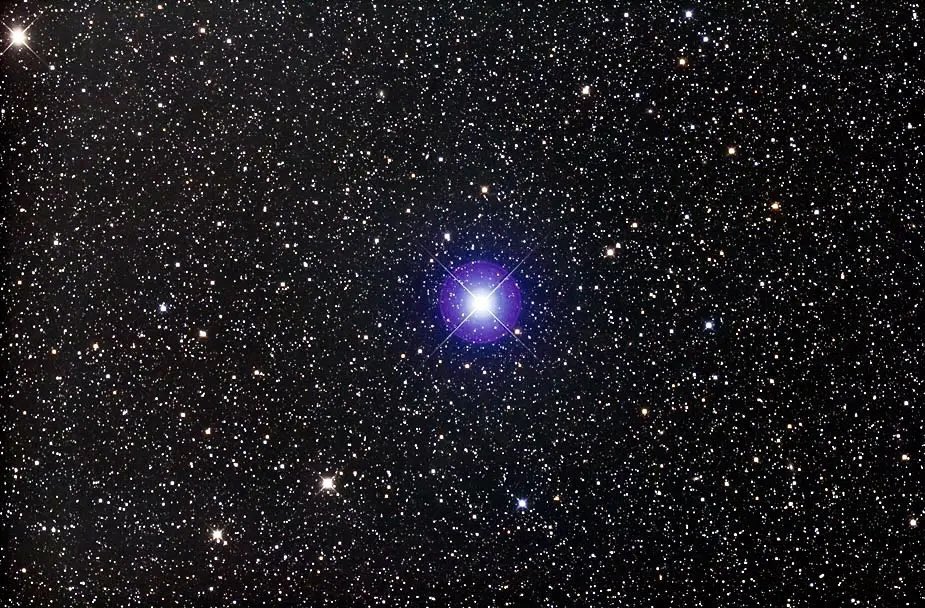
@nesliekinci @GallicaBnF @brooklynmuseum @AgaKhanMuseum @HSMOxford @RMGreenwich @sciencemuseum @KhaliliOnline @MuseeLouvre Discover more about Stars and the Art of Astronomy in Islamic History: baytalfann.com.

Loading suggestions...