

Paris & New York have become the beauty capitals of the world
But Seoul is on its way to destroy them!
The crazy part? This turned South Korea from one of the poorest economies, to Asia’s 4th Largest in the last decade!
THREAD: How beauty is building & breaking South Korea🧵
But Seoul is on its way to destroy them!
The crazy part? This turned South Korea from one of the poorest economies, to Asia’s 4th Largest in the last decade!
THREAD: How beauty is building & breaking South Korea🧵

The South Korean economy traditionally relied on automobiles and electronics, but over time Korean Beauty has played a transformative role in diversifying its economy.
And it began to make a substantial contribution to economic growth and export earnings.
And it began to make a substantial contribution to economic growth and export earnings.
But how did it happen?
In Eastern cultures (China, Japan, Korea), skincare has a rich history rooted in cultural traditions & beauty practices.
Korean beauty standards are grounded in the relationship of skincare and selfcare.
In Eastern cultures (China, Japan, Korea), skincare has a rich history rooted in cultural traditions & beauty practices.
Korean beauty standards are grounded in the relationship of skincare and selfcare.

They emphasize the use of natural ingredients, holistic approaches, and rituals promoting physical health and inner harmony.
South Korea has not only preserved its beauty traditions but has also merged them with science and technology to forge a new path: K-Beauty.
South Korea has not only preserved its beauty traditions but has also merged them with science and technology to forge a new path: K-Beauty.
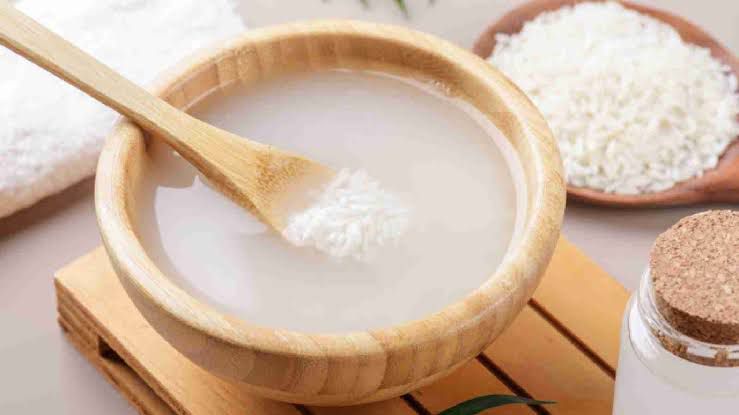
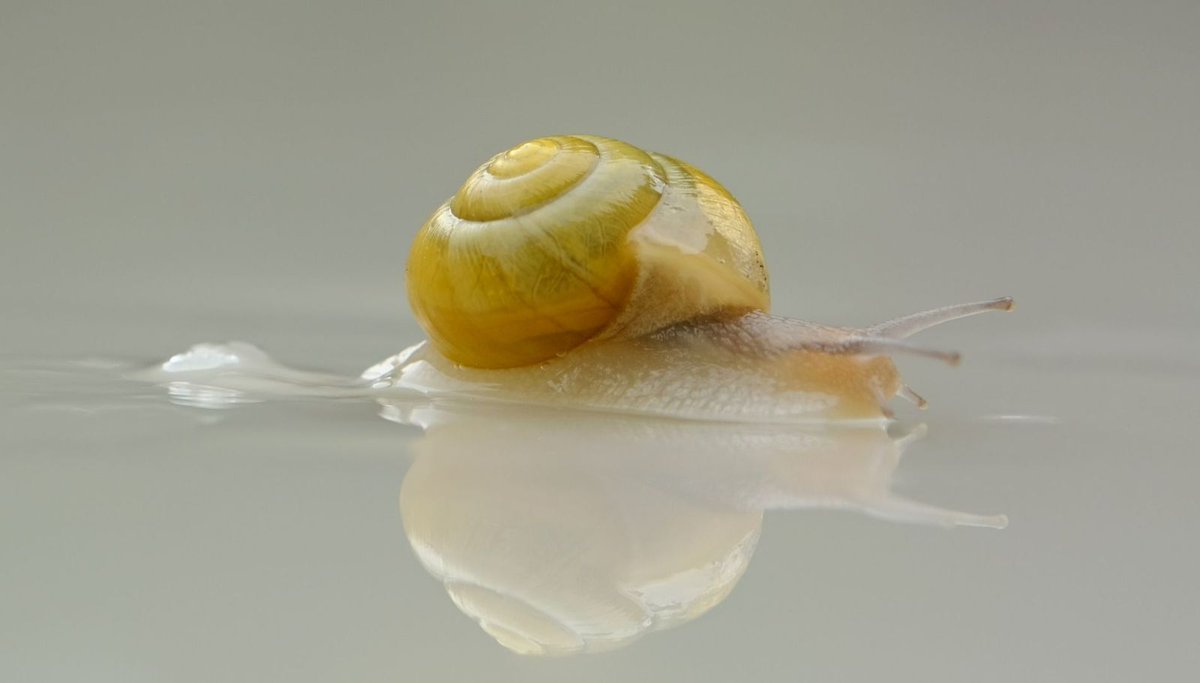
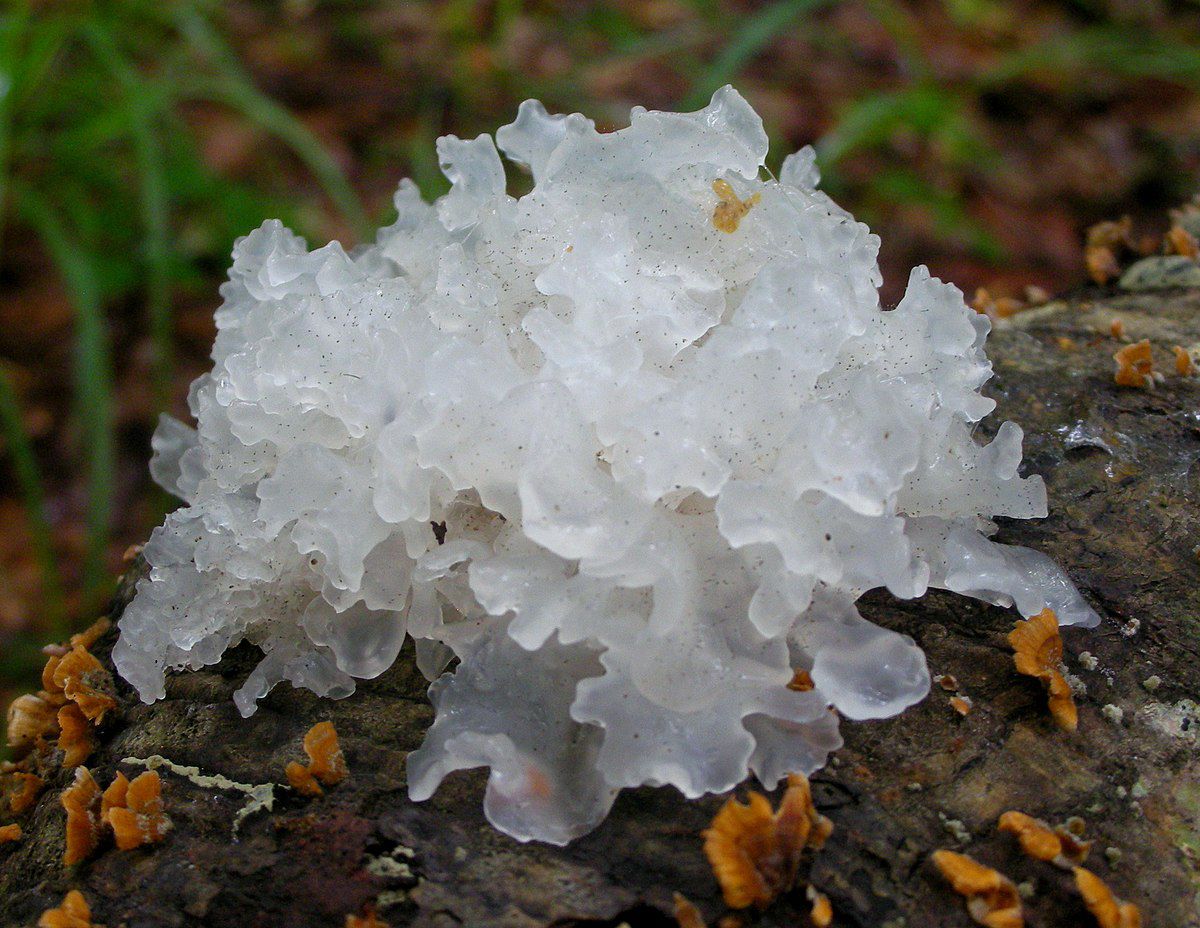

The K-Beauty industry heavily relies on standards like pale glass skin, a V-shaped face, and a slim figure, which have evolved over time.
During the Joseon Dynasty (1392-1910), pale skin signified aristocracy and nobility, symbolizing wealth, privilege, and beauty
During the Joseon Dynasty (1392-1910), pale skin signified aristocracy and nobility, symbolizing wealth, privilege, and beauty
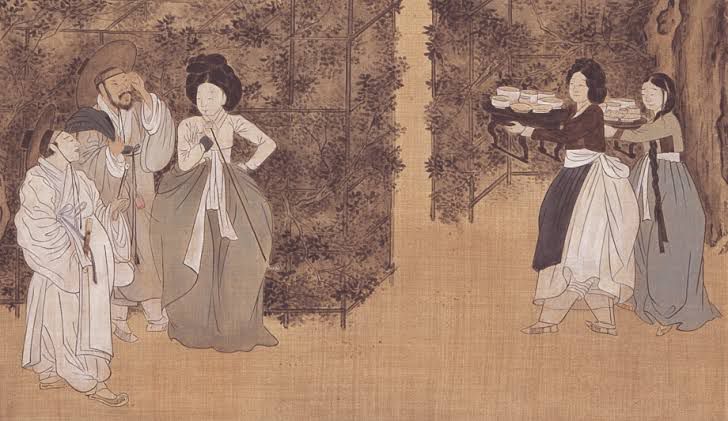
— as it indicated a person did not have to work outside under the sun.
Over time, mass media—TV, films, and magazines—influenced the general public, with celebrities and models setting beauty benchmarks.
Over time, mass media—TV, films, and magazines—influenced the general public, with celebrities and models setting beauty benchmarks.

The rise of social media platforms has further amplified these influences, spreading these standards across borders and cultures.
The growing prominence of Korean culture, known as the Hallyu wave, has created an opportunity for big beauty brands,
The growing prominence of Korean culture, known as the Hallyu wave, has created an opportunity for big beauty brands,

— with Hallyu fans numbering 156.6M across 116 countries as of March 2022.
Brands understood that people are intrigued by the beauty norms of Korean society and realized that they can change this fascination into demand.
How? By commencing skincare education initiatives
Brands understood that people are intrigued by the beauty norms of Korean society and realized that they can change this fascination into demand.
How? By commencing skincare education initiatives
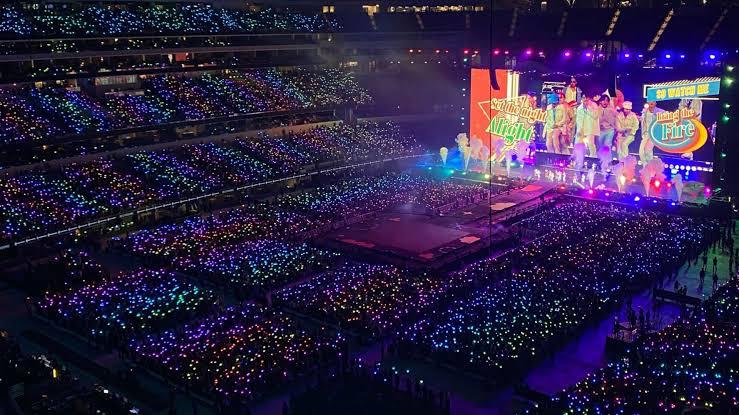
— because knowledge is power in the consumer market.
Brands help people understand the existing market gap, then provide a tailored solution with features that meet their specific needs.
Now K-beauty brands took some specific steps like:
Brands help people understand the existing market gap, then provide a tailored solution with features that meet their specific needs.
Now K-beauty brands took some specific steps like:
👉 Promoting Ingredient Transparency
They built trust and boost confidence in consumers by educating them about various ingredients, their benefits and how they tackle different skincare conditions.
Brands like COSRX and The Face Shop are spreading awareness
They built trust and boost confidence in consumers by educating them about various ingredients, their benefits and how they tackle different skincare conditions.
Brands like COSRX and The Face Shop are spreading awareness
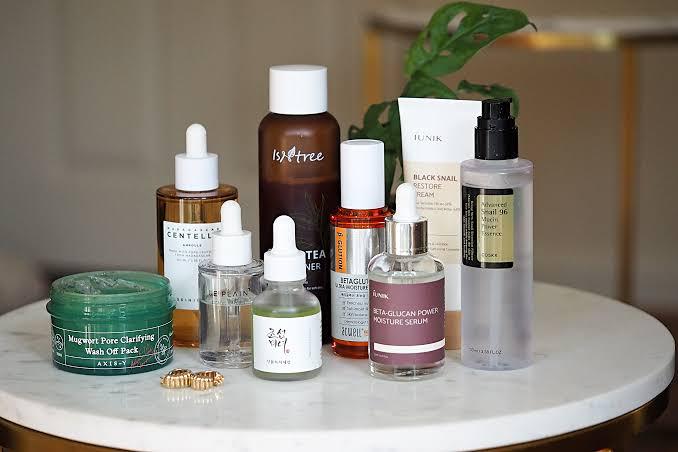
— about various natural ingredients like Snail Mucin & Ginseng.
👉 Highlighting Unique Features
By highlighting product’s advanced formulations (like niacinamide, hyaluronic & glycolic acid), and specialized techniques, brands differentiate themselves from their competition.
👉 Highlighting Unique Features
By highlighting product’s advanced formulations (like niacinamide, hyaluronic & glycolic acid), and specialized techniques, brands differentiate themselves from their competition.

👉 Sharing Skincare Routines and Techniques
Korean skincare routines are known for their multi-step approach.
So sharing tips & techniques for proper application inspire consumers to adopt these products and inculcate them into their daily regime.
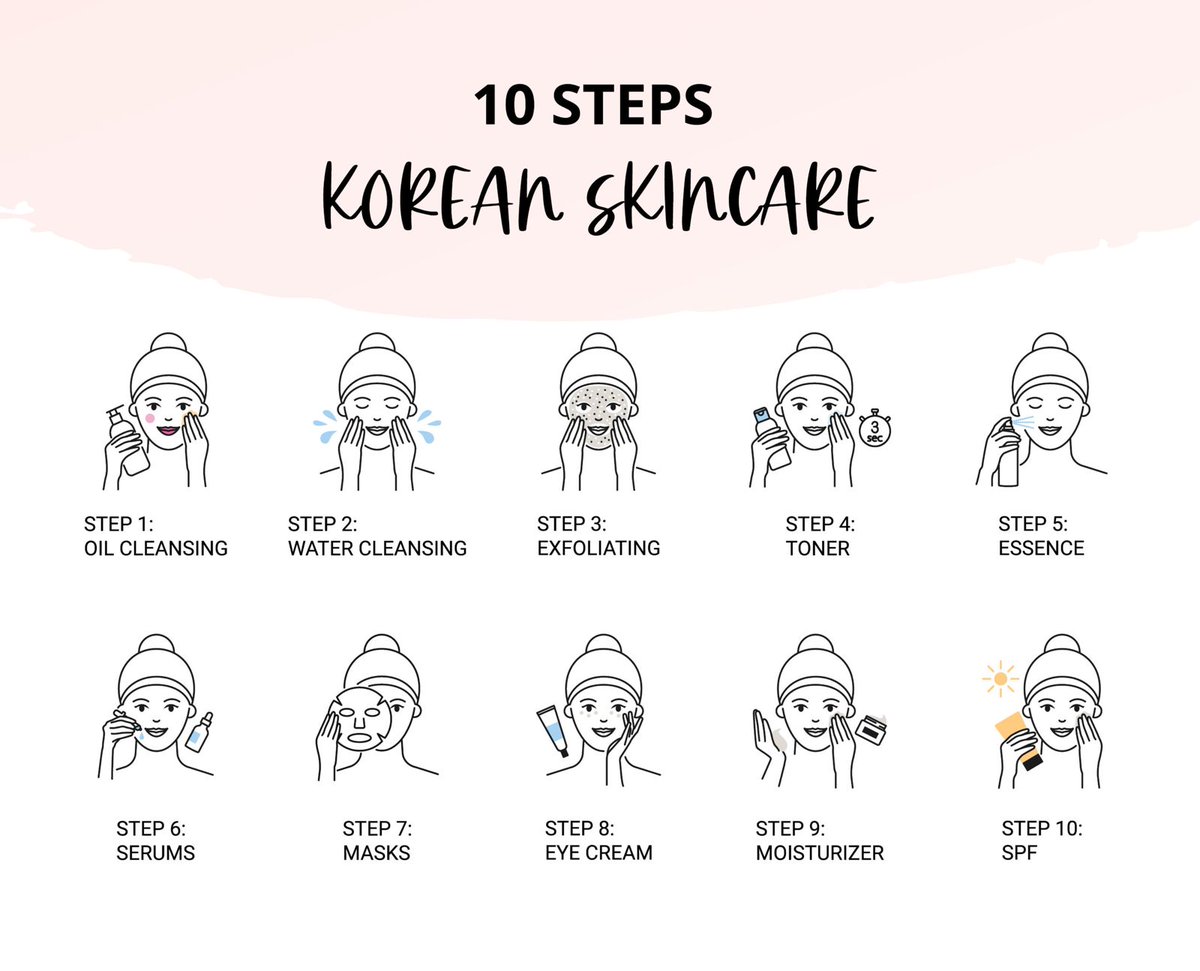
Korean skincare routines are known for their multi-step approach.
So sharing tips & techniques for proper application inspire consumers to adopt these products and inculcate them into their daily regime.
This fascination with glass skin and the ease of availability of cheap procedures have also made South Korea
— the beauty tourism capital of the world.
The country is renowned for cosmetic procedures like Plastic Surgeries, Skin Booster Facelift, Botox, laser facial & whatnot.
— the beauty tourism capital of the world.
The country is renowned for cosmetic procedures like Plastic Surgeries, Skin Booster Facelift, Botox, laser facial & whatnot.
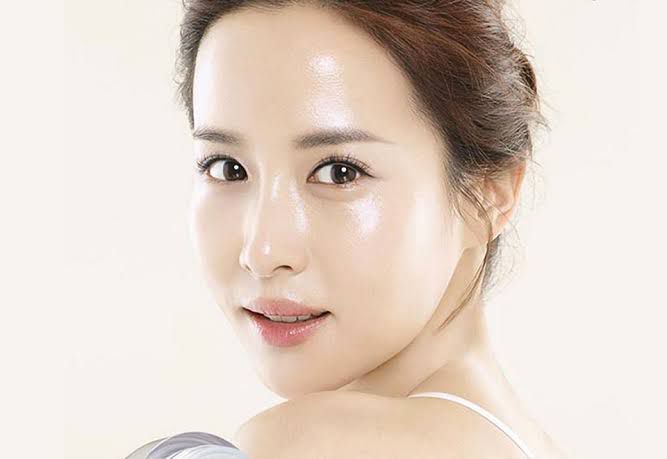
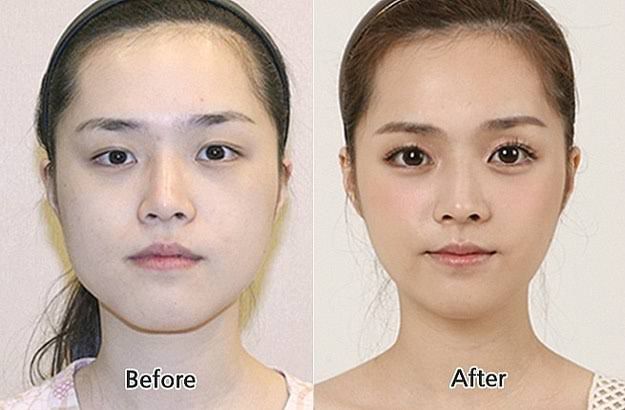
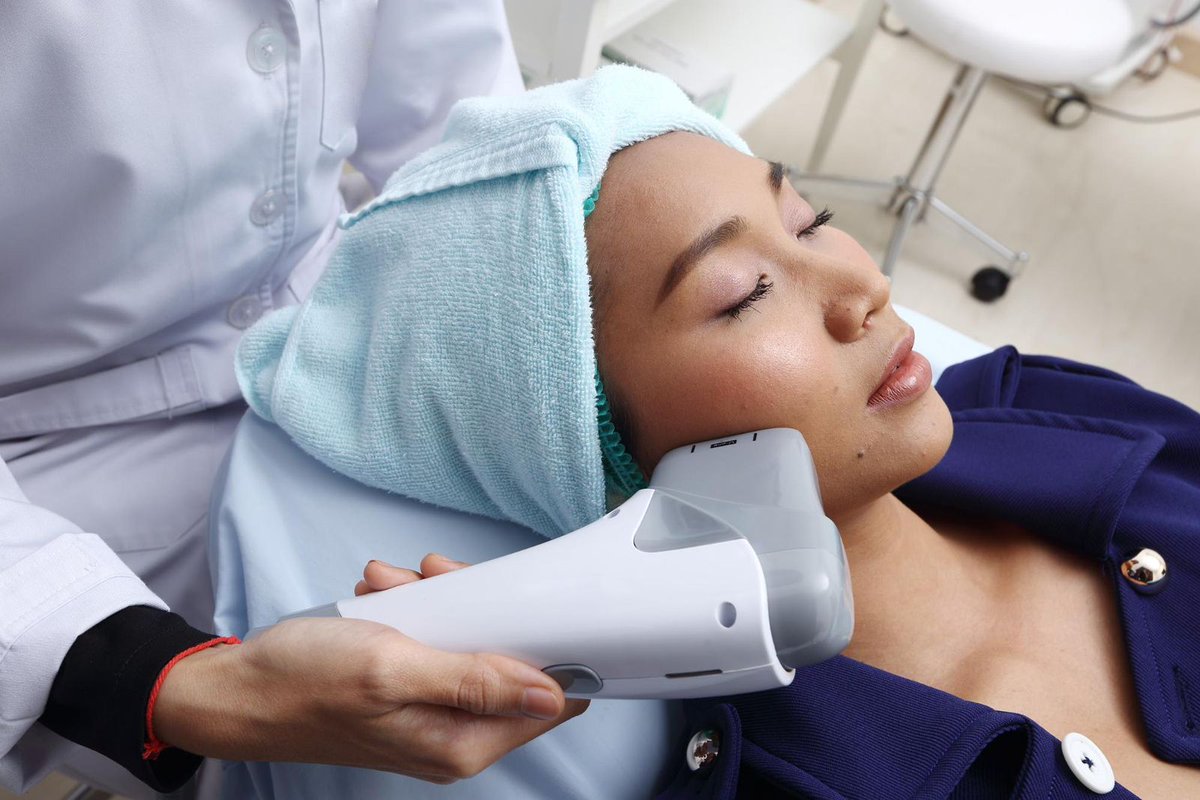
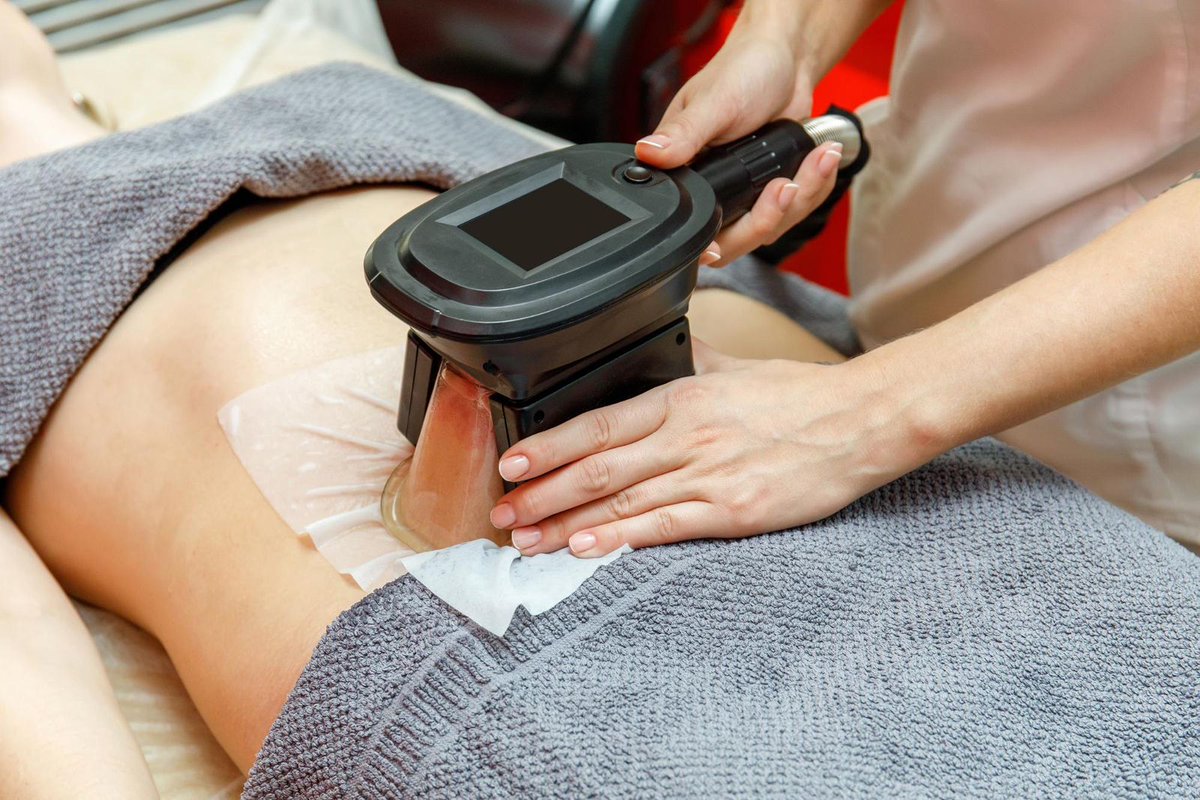
People feel more confident about getting skincare treatments in SK than anywhere else in the world because:
• Practitioners are highly trained. Moreover, skin treatments are very common there and that means more experience for practitioners.
• Practitioners are highly trained. Moreover, skin treatments are very common there and that means more experience for practitioners.
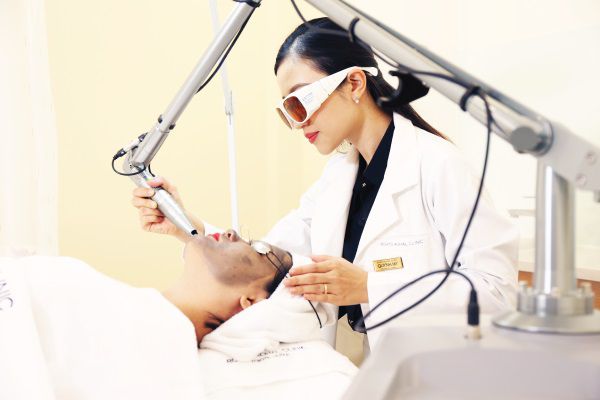
• Clinics adhere to strict safety standards, and many of the products & tech used there are FDA-approved.
But the sheer volume of clients they’ve been getting has only been possible because of South Korea’s hyper fixation with beauty.
But the sheer volume of clients they’ve been getting has only been possible because of South Korea’s hyper fixation with beauty.

This culture creates significant pressure, especially for women, to conform to societal expectations.
From housewives to K-pop idols, all have suffered because of these unrealistic and harmful beauty standards.
Celebrities and idols go into strict health routines
From housewives to K-pop idols, all have suffered because of these unrealistic and harmful beauty standards.
Celebrities and idols go into strict health routines
— and diets to lose weight as fast as possible, in order to achieve slim waists and thin legs with thigh gaps.
All of this impacts where women stand in the hierarchical system and their success in society.
And this has a huge impact on South Korea’s economic future. How?
All of this impacts where women stand in the hierarchical system and their success in society.
And this has a huge impact on South Korea’s economic future. How?
Failing to conform to traditional beauty standards results in discrimination for Korean women seeking employment.
And South Korea has the world’s lowest fertility rate thanks to this rampant economic & gender inequality.
And South Korea has the world’s lowest fertility rate thanks to this rampant economic & gender inequality.

Because of the feminine and masculine ideals embedded in Korean culture, both men & women are losing interest in marriage.
Men are expected not to show their weak side and bear the primary responsibility of providing for the family.
Men are expected not to show their weak side and bear the primary responsibility of providing for the family.
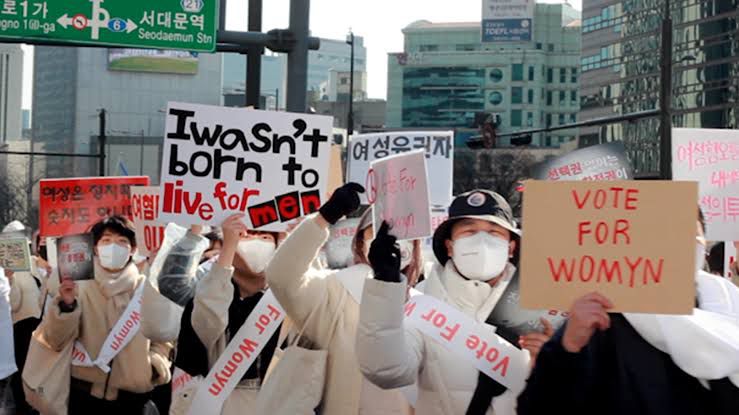
On the other hand, women are expected not to look strong and focus mainly on childcare, even when working.
And this reflected in the fact that, in 2023, South Korea ranked 105th out of 146 countries surveyed by the gender gap index.
And this reflected in the fact that, in 2023, South Korea ranked 105th out of 146 countries surveyed by the gender gap index.
This indicates that while the K-Beauty industry addresses global imperfections, it has fallen short in resolving its own significant societal issues.
If you liked this read, do RePost🔄 the 1st post
and follow us @FinFloww for such reads every Monday, Wednesday and Friday!
and follow us @FinFloww for such reads every Monday, Wednesday and Friday!
Get our WhatsApp newsletter: whatsapp.com

Subscribe to WHAT THE FLOWW?, our weekly email newsletter where we dive deeper into such concepts: soshals.app

Loading suggestions...