

Battery Energy Storage (BESS) potential in India. What is BESS and why India needs it? #Waaree #WaareeTech
A thread why this could be an opportunity of the decade🧵
A thread why this could be an opportunity of the decade🧵

🔌⚡️ Today's energy challenge: balancing supply & demand, especially with weather-dependent renewables like solar & wind. Grid stability is critical, making energy storage a must. Enter BESS - Battery Energy Storage Systems - promising solutions for power & energy needs! #BESS
BESS stores the excess electricity produced by renewables and supplies them to the grid at the time of peak or high power demand. These systems act as grid balancers in simple words
Picture this: It's a sunny day, solar panels are soaking up rays, but demand is low. Instead of letting that excess energy go to waste, BESS stores it for use when the sun sets or during cloudy days, ensuring a consistent and reliable power supply. ☀️🔋 #SolarEnergy
Similarly, when the wind is blowing strong but demand is low, BESS steps in to store that excess wind energy. Then, when demand peaks or the wind dies down, BESS kicks in to provide power, keeping the grid stable and resilient. 🌬️🔄 #WindEnergy
Moreover, BESS enhances grid flexibility and reliability by providing fast response times to sudden changes in supply or demand. This helps balance the grid and integrate more renewables, paving the way for a cleaner and more sustainable energy future. 🌍💚 #CleanEnergy
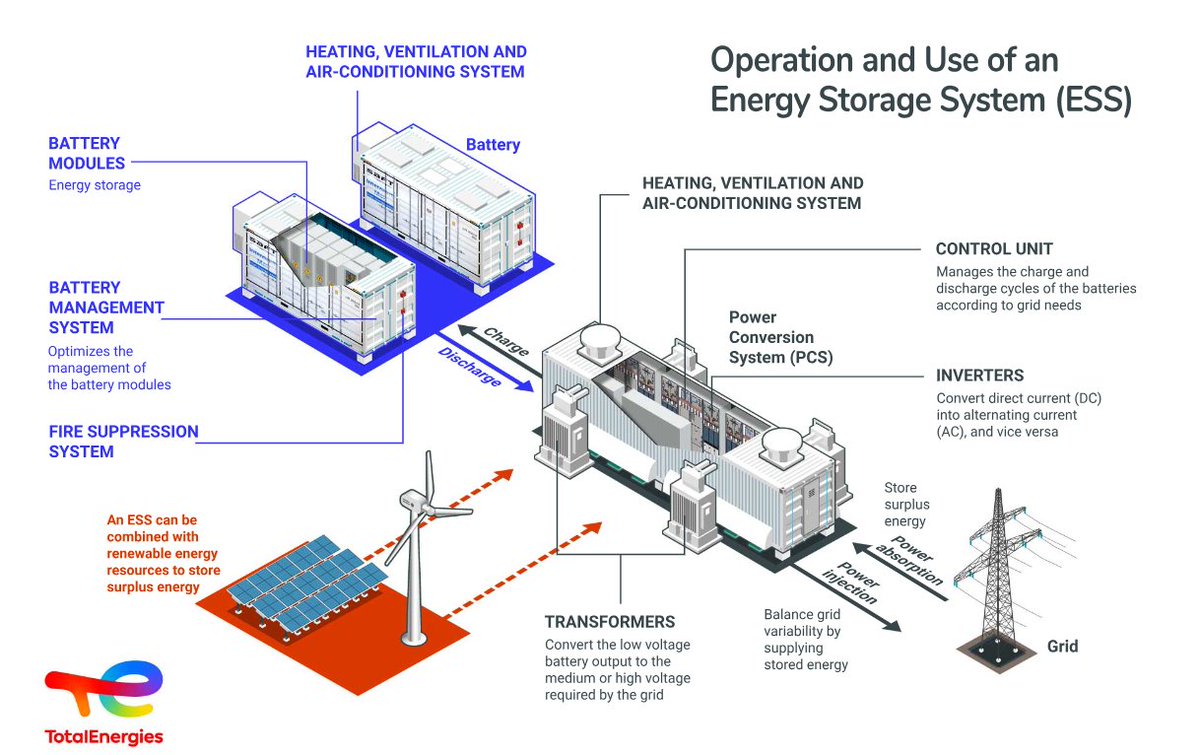
Ever wondered what goes into making those giant rechargeable batteries that keep our grids resilient and our lights on? Let's break down the process of creating Battery Energy Storage Systems (BESS)! #EnergyStorage
At the heart of a BESS are the batteries themselves. These are typically lithium-ion batteries, similar to those found in smartphones and electric vehicles, but on a much larger scale. They're chosen for their high energy density, long lifespan, and fast charging capabilities.
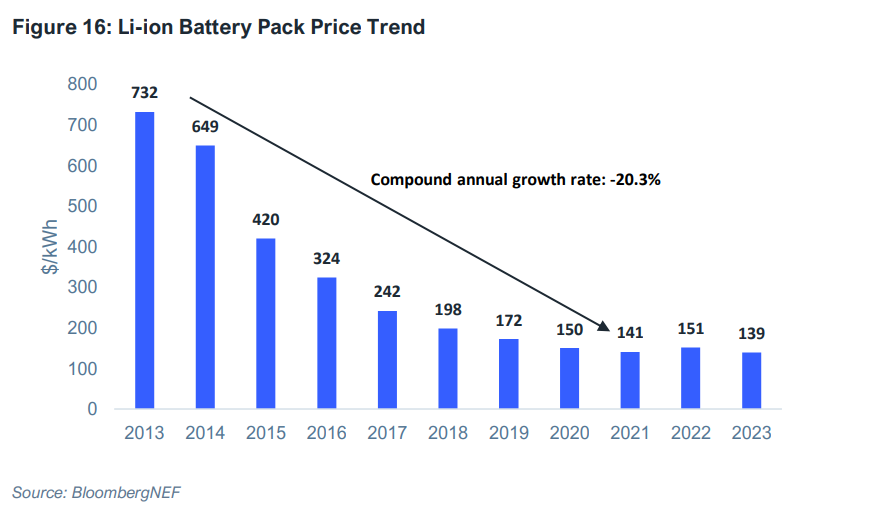
Lithium battery pack prices have been falling hence BESS setup costs are reducing making this viable. (Remember India is dependent on imports majorly for battery cells)
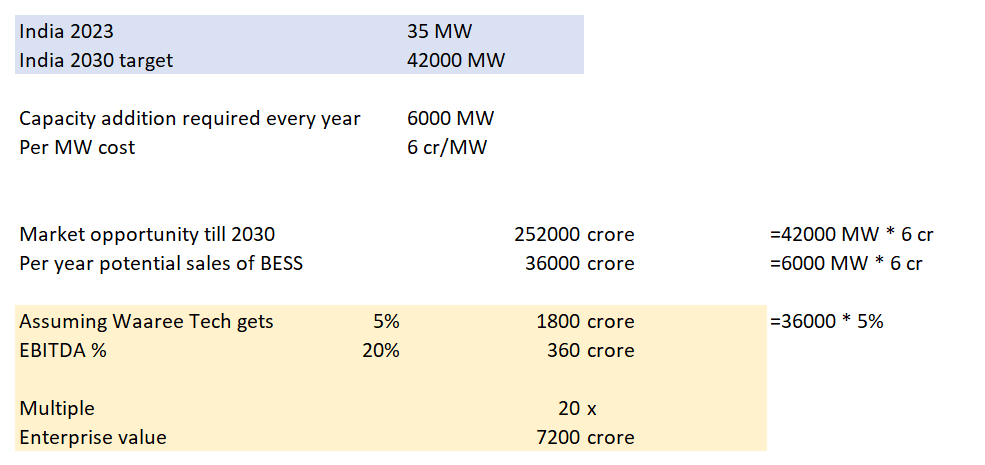
India's BESS installed capacity as of March 2023: ~35 MW ⚡️
Target BESS capacity by 2030: 42 GW (208 GWh) 💡
Huge CAGR Growth: Approximately 105% 📈
Target BESS capacity by 2030: 42 GW (208 GWh) 💡
Huge CAGR Growth: Approximately 105% 📈
According to the Power Ministry, the cost of a Battery Energy Storage System (BESS) is expected to be ₹5-6 crore per MW between 2023–2026
Around 6GW of BESS needs to be installed every year for next 7 years to meet the 2030 target. Immense opportunity lies for the companies in BESS play.
The cost of the BESS is reducing in an unprecedented way making it as one of the preferred options for deployment. BESS has various advantages of balancing the grid against load fluctuations, intermittency in generation etc
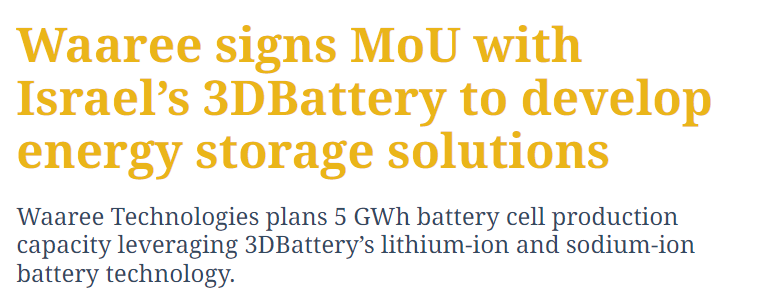

How BESS developers will profit?
- With smart grid (after deployment of smart meters), the demand supply for power can be projected
- The power prices will be dynamic (which are fixed now)
- BESS developers can sell power at high prices during peak demand, incentivizing them
- With smart grid (after deployment of smart meters), the demand supply for power can be projected
- The power prices will be dynamic (which are fixed now)
- BESS developers can sell power at high prices during peak demand, incentivizing them
Do let me know your views. Also share the companies you know who are providing BESS solutions.
Back of the envelope valuation calculation for #WaareeTech #WaareeTechnologies
Request you to exercise own due diligence.
Request you to exercise own due diligence.
Loading suggestions...