

Nicolas Darvas and his Box Theory ❣️ - An In-Depth Exploration
-Thread🧵
-Thread🧵
Nicolas Darvas-
Embark on a journey through the life and strategies of Nicolas Darvas, the professional dancer turned self-taught stock trader. His fascinating story unfolds with a deep-seated interest in market dynamics, ignited when he received stocks as a gift.
Embark on a journey through the life and strategies of Nicolas Darvas, the professional dancer turned self-taught stock trader. His fascinating story unfolds with a deep-seated interest in market dynamics, ignited when he received stocks as a gift.

Armed with essential readings like 'The Battle for Investment Survival' and 'Tape Reading and Market Tactics,' Darvas delved into market study through newspapers and literature.
📚 His Favorite Readings:
- 'The Battle for Investment Survival'
- 'Tape Reading and Market Tactics'
- Author of "How I Made $2,000,000 in the Stock Market"
- 'The Battle for Investment Survival'
- 'Tape Reading and Market Tactics'
- Author of "How I Made $2,000,000 in the Stock Market"

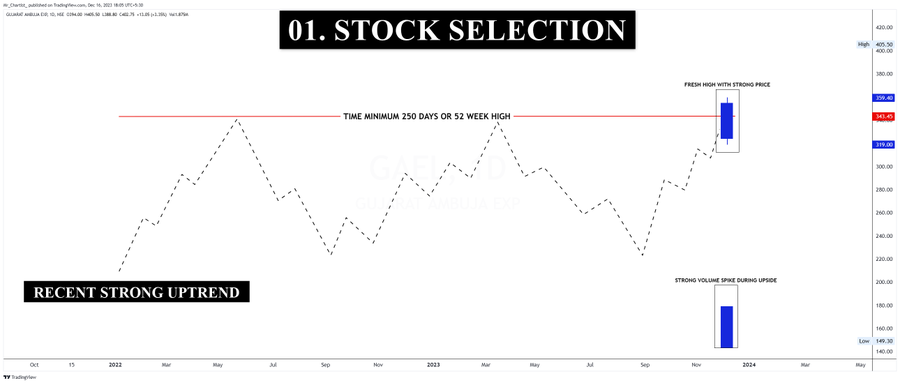
1️⃣ Stock Selection-
- Darvas meticulously tracked stocks making new highs.
- Confirmed uptrends and breakout patterns served as his entry points.
- His strategy thrived in bull markets, emphasizing the significance of market conditions.
- Darvas meticulously tracked stocks making new highs.
- Confirmed uptrends and breakout patterns served as his entry points.
- His strategy thrived in bull markets, emphasizing the significance of market conditions.
2️⃣ Darvas Box Rules:
- The foundation of Darvas's strategy was grounded in specific rules.
- A stock hitting a new 52-week high marked the beginning.
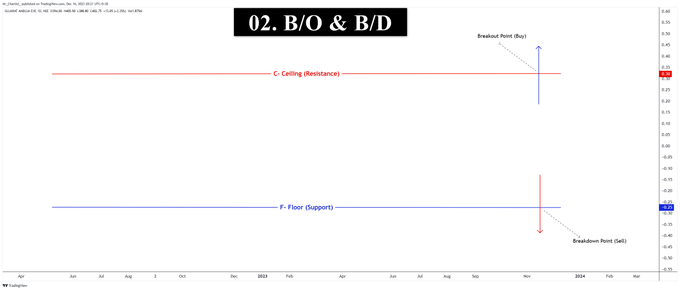
- Three consecutive days without exceeding the high set of the box.
- The breakout above the box signaled a buy.
- If the box's low was breached, it triggered a sell.
- The strategy encouraged adding to positions as the trade moved favorably.
- The foundation of Darvas's strategy was grounded in specific rules.
- A stock hitting a new 52-week high marked the beginning.
- Three consecutive days without exceeding the high set of the box.
- The breakout above the box signaled a buy.
- If the box's low was breached, it triggered a sell.
- The strategy encouraged adding to positions as the trade moved favorably.
3️⃣ Box Formation:
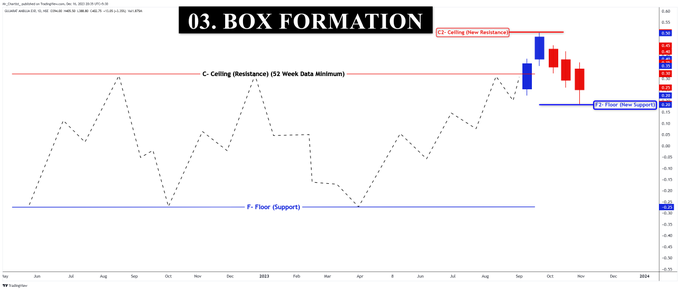
- The Darvas Box formation was a meticulous process.
- C2 New Resistance: An unbroken high after three days.
- F2 New Support: The low of the candle is not breached for the next three sessions.
- C becomes the Ceiling/Resistance, F the Floor/Support—forming the Darvas Box.
- The concept of the box is a visual representation of market sentiment and stability.
- The Darvas Box formation was a meticulous process.
- C2 New Resistance: An unbroken high after three days.
- F2 New Support: The low of the candle is not breached for the next three sessions.
- C becomes the Ceiling/Resistance, F the Floor/Support—forming the Darvas Box.
- The concept of the box is a visual representation of market sentiment and stability.
4️⃣ Box Breakout:
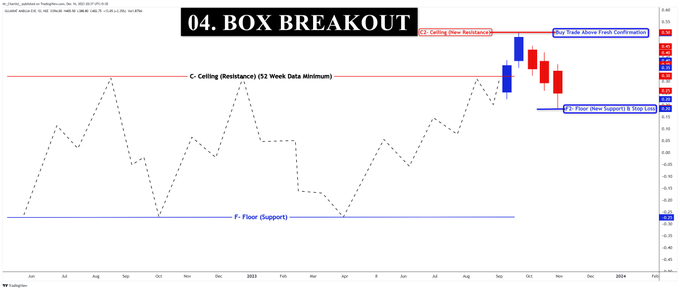
- Buy when the price closes above the ceiling (C).
- Set a stop-loss below the floor (F).
- This breakout principle emphasizes the importance of confirmation & risk management.
- Strategy encourages disciplined entry & exit points, reducing emotional decisions.
- Buy when the price closes above the ceiling (C).
- Set a stop-loss below the floor (F).
- This breakout principle emphasizes the importance of confirmation & risk management.
- Strategy encourages disciplined entry & exit points, reducing emotional decisions.
5️⃣ Pilot Buying:
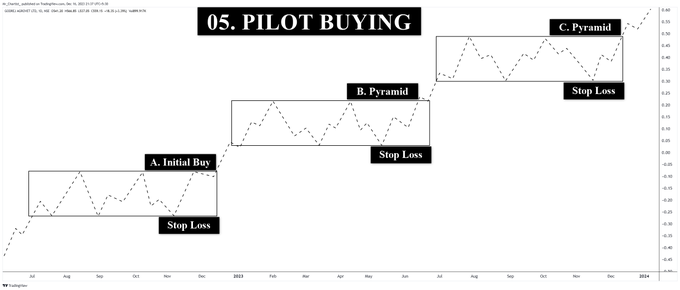
- Darvas employed a pilot buying method.
- Small initial buys, adding to winners—believing in pyramiding.
- This gradual approach allows traders to build positions as the trend strengthens.
- It aligns with the concept of letting winners run.
- Darvas employed a pilot buying method.
- Small initial buys, adding to winners—believing in pyramiding.
- This gradual approach allows traders to build positions as the trend strengthens.
- It aligns with the concept of letting winners run.
6️⃣ Trail Stop-Loss:
- After a box breakout, trail stop-loss to the floor of the latest box.
- Keep trailing on subsequent floors.
- Exit when the price falls below the floor of the recent box.
- Trailing SL mechanism helps capture gains while protecting profits during reversals.
- After a box breakout, trail stop-loss to the floor of the latest box.
- Keep trailing on subsequent floors.
- Exit when the price falls below the floor of the recent box.
- Trailing SL mechanism helps capture gains while protecting profits during reversals.
7️⃣ Box Characteristics:
- No rigid rules for box height and width.
- Stocks can remain within the box for any number of days after forming the C.
- The flexibility in box characteristics accommodates various market conditions and trading styles.
- Darvas's adaptive approach makes his strategy applicable in different market scenarios.
- No rigid rules for box height and width.
- Stocks can remain within the box for any number of days after forming the C.
- The flexibility in box characteristics accommodates various market conditions and trading styles.
- Darvas's adaptive approach makes his strategy applicable in different market scenarios.
8️⃣ Ideal Market Conditions:
- Darvas Box thrives in strong bull markets.
- Profit potential is high in a trending market.
- Risky under bearish or sideways market conditions.
- Recognizing ideal market conditions is crucial for successful implementation, showcasing the strategy's sensitivity to the overall market environment.
- Darvas Box thrives in strong bull markets.
- Profit potential is high in a trending market.
- Risky under bearish or sideways market conditions.
- Recognizing ideal market conditions is crucial for successful implementation, showcasing the strategy's sensitivity to the overall market environment.
9️⃣ Common Pitfalls:
- Avoid buying breakouts into stocks not near highs.
- Caution against applying the strategy during bear markets.
- Beware of excessive scaling when adding to positions.
- Use the Darvas Box judiciously within sideways markets.
- These pitfalls underscore the importance of contextual awareness and highlight potential pitfalls that traders may encounter during implementation.
- Avoid buying breakouts into stocks not near highs.
- Caution against applying the strategy during bear markets.
- Beware of excessive scaling when adding to positions.
- Use the Darvas Box judiciously within sideways markets.
- These pitfalls underscore the importance of contextual awareness and highlight potential pitfalls that traders may encounter during implementation.
📈 Key Takeaways:
- Darvas Box is a simple yet powerful strategy for trending markets.
- Adapt the strategy to prevailing market conditions for optimal results.
- Understanding box formation and breakout rules is crucial for effective trading.
- The strategy's success lies in its adaptability, disciplined execution, and risk management principles.
Happy trading! 📈💼
#DarvasBox #StockMarket #TechincalAnalysis #Trading #Investing
- Darvas Box is a simple yet powerful strategy for trending markets.
- Adapt the strategy to prevailing market conditions for optimal results.
- Understanding box formation and breakout rules is crucial for effective trading.
- The strategy's success lies in its adaptability, disciplined execution, and risk management principles.
Happy trading! 📈💼
#DarvasBox #StockMarket #TechincalAnalysis #Trading #Investing
Loading suggestions...