
𝗔 𝗛𝗶𝘀𝘁𝗼𝗿𝗶𝗰𝗮𝗹 𝗧𝗵𝗿𝗲𝗮𝗱:
In ancient India, temples and other sacred sites like vihāras had a deep association with the personal power and sovereignty of individual rulers.
Before the coming of Islam to the Indian mainland - a process which began through trade along India’s western coastline - local rulers were vying to outdo each other in pillaging, looting, desecrating and destroying the most vital and important symbols of their respective power structures.
Thus, Muslim rulers merely integrated these long practised standards of political militarism into their own interactions with their non-Muslim rivals:
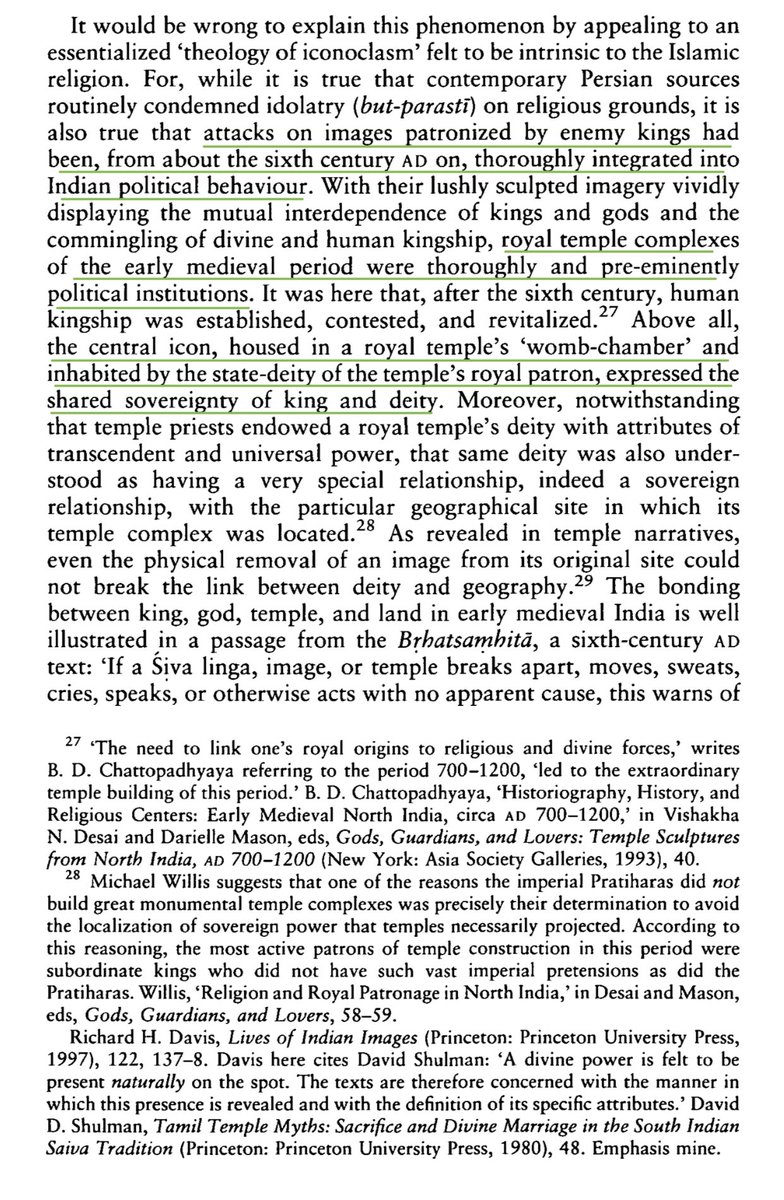
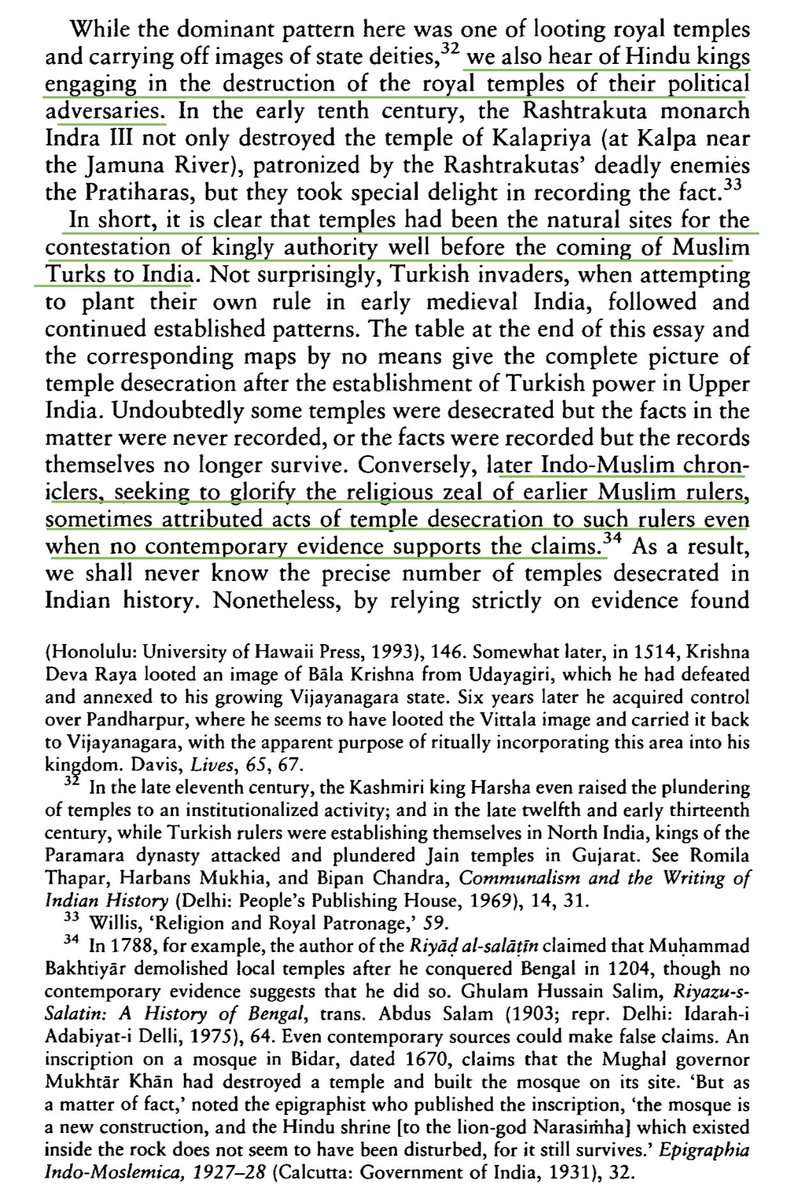
“𝘐𝘯 𝘴𝘩𝘰𝘳𝘵, 𝘪𝘵 𝘪𝘴 𝘤𝘭𝘦𝘢𝘳 𝘵𝘩𝘢𝘵 𝘵𝘦𝘮𝘱𝘭𝘦𝘴 𝘩𝘢𝘥 𝘣𝘦𝘦𝘯 𝘵𝘩𝘦 𝘯𝘢𝘵𝘶𝘳𝘢𝘭 𝘴𝘪𝘵𝘦𝘴 𝘧𝘰𝘳 𝘵𝘩𝘦 𝘤𝘰𝘯𝘵𝘦𝘴𝘵𝘢𝘵𝘪𝘰𝘯 𝘰𝘧 𝘬𝘪𝘯𝘨𝘭𝘺 𝘢𝘶𝘵𝘩𝘰𝘳𝘪𝘵𝘺 𝘸𝘦𝘭𝘭 𝘣𝘦𝘧𝘰𝘳𝘦 𝘵𝘩𝘦 𝘤𝘰𝘮𝘪𝘯𝘨 𝘰𝘧 𝘔𝘶𝘴𝘭𝘪𝘮 𝘛𝘶𝘳𝘬𝘴 𝘵𝘰 𝘐𝘯𝘥𝘪𝘢.”
This thread examines some of the examples of iconoclasm outlined by Prof. Richard Eaton in his seminal lecture: “𝗧𝗲𝗺𝗽𝗹𝗲 𝗗𝗲𝘀𝗲𝗰𝗿𝗮𝘁𝗶𝗼𝗻 𝗮𝗻𝗱 𝗜𝗻𝗱𝗼-𝗠𝘂𝘀𝗹𝗶𝗺 𝗦𝘁𝗮𝘁𝗲𝘀”.
In ancient India, temples and other sacred sites like vihāras had a deep association with the personal power and sovereignty of individual rulers.
Before the coming of Islam to the Indian mainland - a process which began through trade along India’s western coastline - local rulers were vying to outdo each other in pillaging, looting, desecrating and destroying the most vital and important symbols of their respective power structures.
Thus, Muslim rulers merely integrated these long practised standards of political militarism into their own interactions with their non-Muslim rivals:
“𝘐𝘯 𝘴𝘩𝘰𝘳𝘵, 𝘪𝘵 𝘪𝘴 𝘤𝘭𝘦𝘢𝘳 𝘵𝘩𝘢𝘵 𝘵𝘦𝘮𝘱𝘭𝘦𝘴 𝘩𝘢𝘥 𝘣𝘦𝘦𝘯 𝘵𝘩𝘦 𝘯𝘢𝘵𝘶𝘳𝘢𝘭 𝘴𝘪𝘵𝘦𝘴 𝘧𝘰𝘳 𝘵𝘩𝘦 𝘤𝘰𝘯𝘵𝘦𝘴𝘵𝘢𝘵𝘪𝘰𝘯 𝘰𝘧 𝘬𝘪𝘯𝘨𝘭𝘺 𝘢𝘶𝘵𝘩𝘰𝘳𝘪𝘵𝘺 𝘸𝘦𝘭𝘭 𝘣𝘦𝘧𝘰𝘳𝘦 𝘵𝘩𝘦 𝘤𝘰𝘮𝘪𝘯𝘨 𝘰𝘧 𝘔𝘶𝘴𝘭𝘪𝘮 𝘛𝘶𝘳𝘬𝘴 𝘵𝘰 𝘐𝘯𝘥𝘪𝘢.”
This thread examines some of the examples of iconoclasm outlined by Prof. Richard Eaton in his seminal lecture: “𝗧𝗲𝗺𝗽𝗹𝗲 𝗗𝗲𝘀𝗲𝗰𝗿𝗮𝘁𝗶𝗼𝗻 𝗮𝗻𝗱 𝗜𝗻𝗱𝗼-𝗠𝘂𝘀𝗹𝗶𝗺 𝗦𝘁𝗮𝘁𝗲𝘀”.
7𝘁𝗵 𝗖𝗲𝗻𝘁𝘂𝗿𝘆:
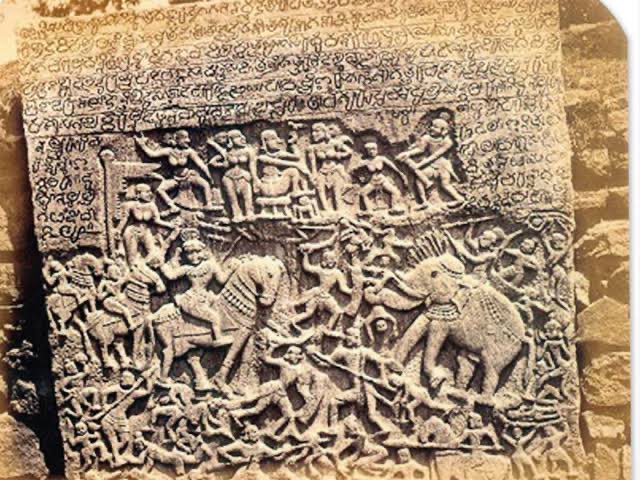
In 642 AD, traditions indicate Narasimhavarman I the Pallava king looted the image of Ganesa from Vatapi, the Chalukyan capital, in present day Karnataka.
In 692 AD, the Chalukyas launched an invasion of northern India returning with icons of Ganga and Yamuna.
In 642 AD, traditions indicate Narasimhavarman I the Pallava king looted the image of Ganesa from Vatapi, the Chalukyan capital, in present day Karnataka.
In 692 AD, the Chalukyas launched an invasion of northern India returning with icons of Ganga and Yamuna.
8𝘁𝗵 𝗖𝗲𝗻𝘁𝘂𝗿𝘆:
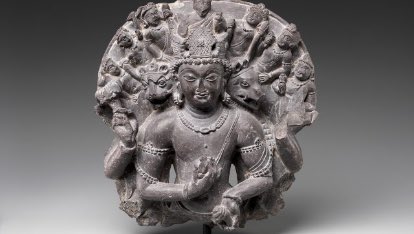
Armies from Bengal sought revenge on king Lalitaditya by destroying what they thought was the image of Visnu Vaikuntha, the state deity of Lalitaditya's kingdom in Kashmir.
Armies from Bengal sought revenge on king Lalitaditya by destroying what they thought was the image of Visnu Vaikuntha, the state deity of Lalitaditya's kingdom in Kashmir.
9𝘁𝗵 𝗖𝗲𝗻𝘁𝘂𝗿𝘆:
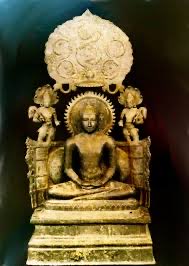
In the early ninth century the Pandyan king Srimara Snvallabha invaded Sri Lanka and returned to his capital with a golden Buddha image that signified the integrity of Sinhalese polity and one that had laterally been installed in the kingdom's Jewel Palace.
In the early ninth century the Pandyan king Srimara Snvallabha invaded Sri Lanka and returned to his capital with a golden Buddha image that signified the integrity of Sinhalese polity and one that had laterally been installed in the kingdom's Jewel Palace.
10𝘁𝗵 𝗖𝗲𝗻𝘁𝘂𝗿𝘆:
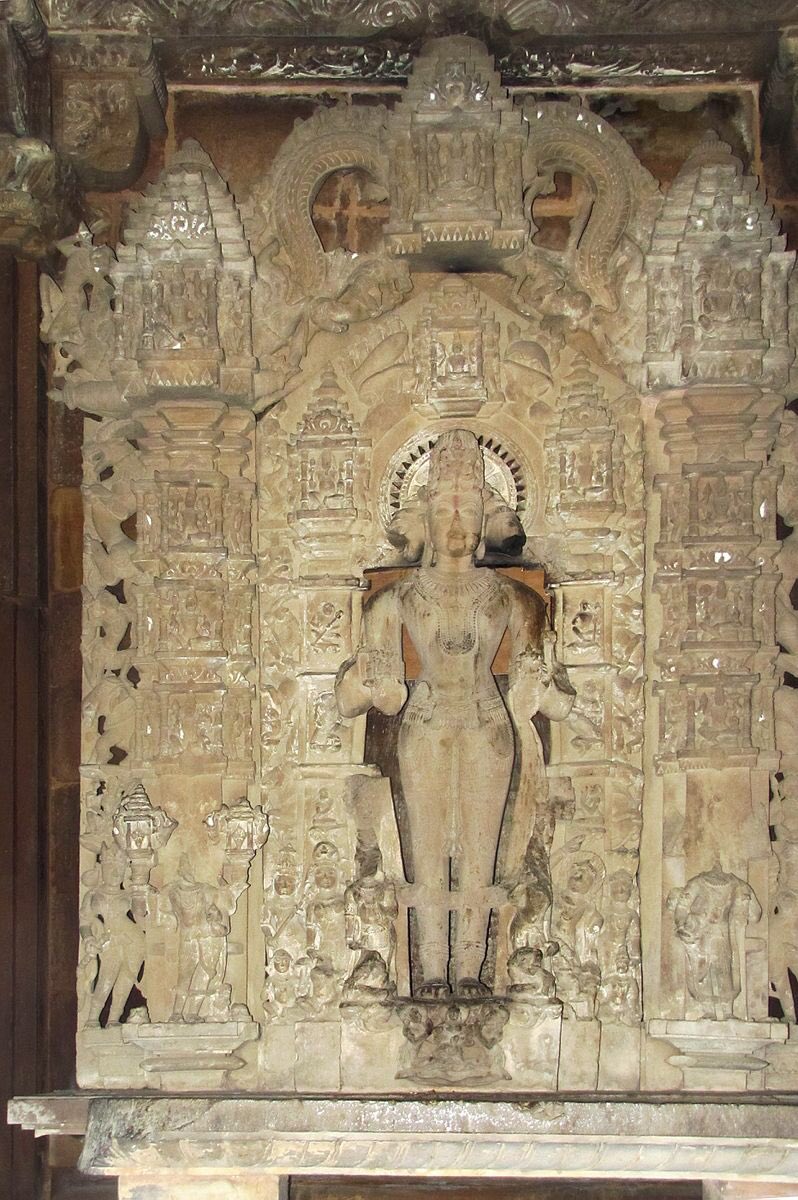
In the early tenth century the Pratihara king Herambapala looted a solid gold image of Vishnu after defeating the king of Kangra.
Some years later, the same image was seized from the Pratiharas by the Chandela king Yasovarman and installed in the Lakshmana temple of Khajuraho.
In the early tenth century the Pratihara king Herambapala looted a solid gold image of Vishnu after defeating the king of Kangra.
Some years later, the same image was seized from the Pratiharas by the Chandela king Yasovarman and installed in the Lakshmana temple of Khajuraho.
11𝘁𝗵 𝗖𝗲𝗻𝘁𝘂𝗿𝘆:
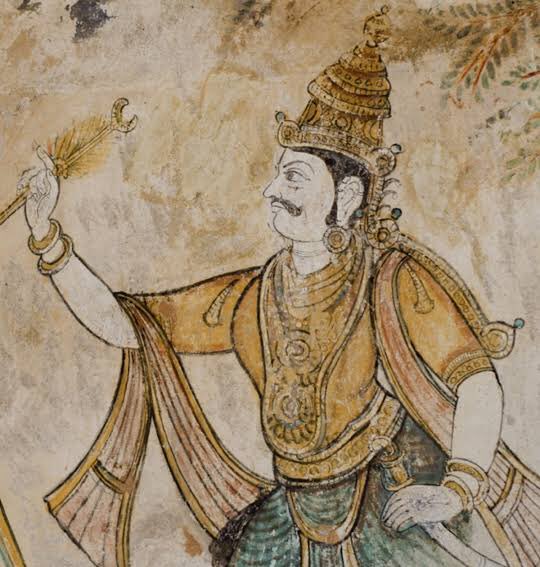
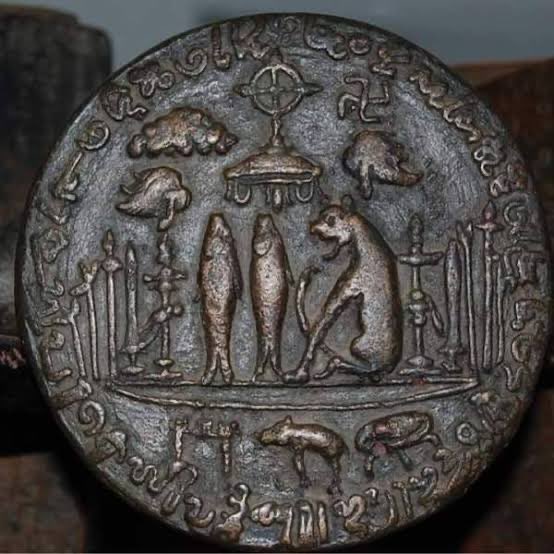
In the early eleventh century the Chola king Rajendra I decorated his capital with images he had seized from prominent neighbouring kings.
These included:
• Durga and Ganesa images from the Chalukyas.
• Bhairava, Bhairav and Kali images from the Kalingas of Orissa.
• Nandi image from the Chalukyas.
• Bronze Shiva image from the Palas of Bengal.
In the early eleventh century the Chola king Rajendra I decorated his capital with images he had seized from prominent neighbouring kings.
These included:
• Durga and Ganesa images from the Chalukyas.
• Bhairava, Bhairav and Kali images from the Kalingas of Orissa.
• Nandi image from the Chalukyas.
• Bronze Shiva image from the Palas of Bengal.
11𝘁𝗵 𝗖𝗲𝗻𝘁𝘂𝗿𝘆:
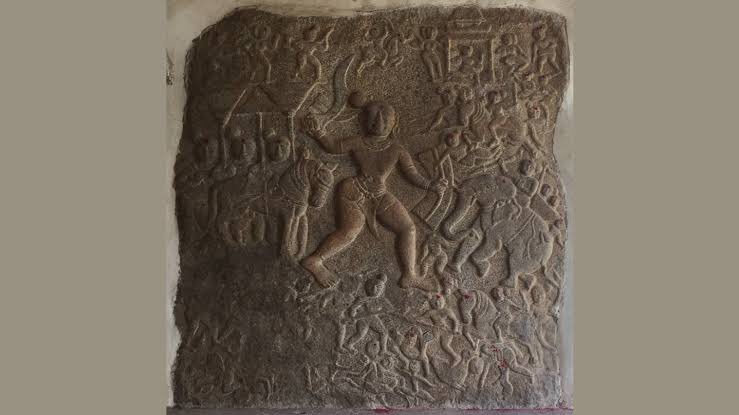
In the mid-eleventh century the Chola king Rajadhiraja defeated the Chalukyas and plundering Kalyani, took a large black stone door guardian to his capital in Thanjavur, displaying it to his subjects as a war trophy along-with other booty.
In the mid-eleventh century the Chola king Rajadhiraja defeated the Chalukyas and plundering Kalyani, took a large black stone door guardian to his capital in Thanjavur, displaying it to his subjects as a war trophy along-with other booty.
These are just a handful examples mentioned by Prof. Richard Eaton in his paper delivered to the Oxford Centre for Islamic Studies, in October 1999. The paper titled, “𝗧𝗲𝗺𝗽𝗹𝗲 𝗗𝗲𝘀𝗲𝗰𝗿𝗮𝘁𝗶𝗼𝗻 𝗮𝗻𝗱 𝗜𝗻𝗱𝗼-𝗠𝘂𝘀𝗹𝗶𝗺 𝗦𝘁𝗮𝘁𝗲𝘀”, can be sourced online and is a reliable rebuttal of nascent ethno-Fascist narratives that seek to perpetuate the myth of some long-lost civilisational unity prevailing in ancient India.
For further reading also see:
“Political Violence in Ancient India”. Prof. Upinder Singh, Harvard University Press, 2017.
For further reading also see:
“Political Violence in Ancient India”. Prof. Upinder Singh, Harvard University Press, 2017.
Loading suggestions...