

On 14th Feb 2019, a military convoy was blown up by terrorists in Pulwama
Learning from that, India accelerated modernising its forces
The crazy part? We aim to reduce 1 lakh personnel & increase robots in the forces by 2027
THREAD: How India is preparing for wars of future🧵
Learning from that, India accelerated modernising its forces
The crazy part? We aim to reduce 1 lakh personnel & increase robots in the forces by 2027
THREAD: How India is preparing for wars of future🧵
5 years ago, on 14th Feb, a convoy of trucks carrying the paramilitary forces blew up in a suicide bombing in Pulwama.
The Indian Airforce responded to that attack by flying into Pakistan and firing airstrikes near the town of Balakot.
The Indian Airforce responded to that attack by flying into Pakistan and firing airstrikes near the town of Balakot.
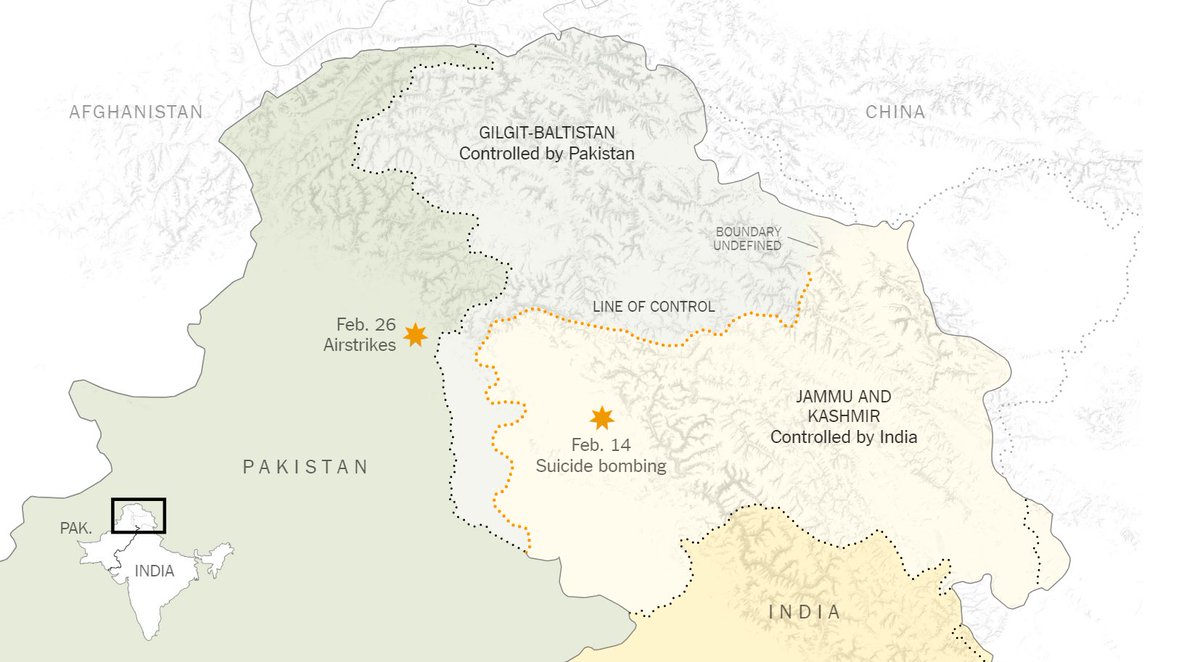
Next day, Pakistan and India’s fighter jets engaged in a clash where Pakistani forces downed an Indian aircraft and captured its pilot.
The aircraft was a Soviet-era Mig 21
— an aircraft whose last production was in 1985.
The aircraft was a Soviet-era Mig 21
— an aircraft whose last production was in 1985.

As of 2022, over half of India’s military equipment is either of Soviet or Russian origin, followed by American & French.
India has to spend about 2% of its GDP every year on importing arms & weapons because of its long-standing geopolitical tensions with Pakistan & China.
India has to spend about 2% of its GDP every year on importing arms & weapons because of its long-standing geopolitical tensions with Pakistan & China.
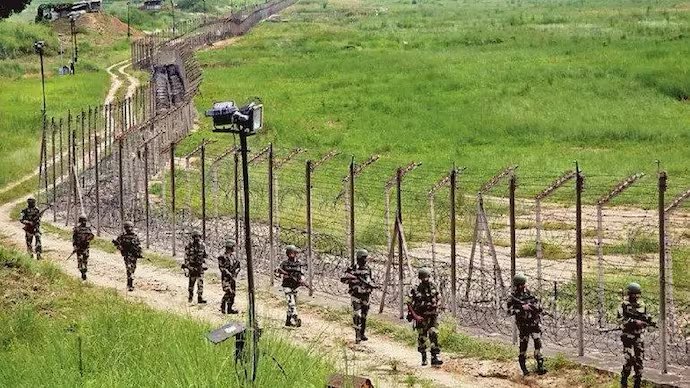
In fact, India is the largest importer of arms and weapons in the world since 1993.
And this puts us in a vulnerable position during war time.
Why?
If you remember, in the Kargil War, India was denied vital GPS data by the US.
And this puts us in a vulnerable position during war time.
Why?
If you remember, in the Kargil War, India was denied vital GPS data by the US.
The Indian Air Force had to buy laser-guided bombs & ammunition on an emergency basis from Israel.
And in the 1962, 1965, & 1971 Wars, India mostly fought with outdated weapons.
It was primarily due to the bravery and innovation of our soldiers that India won in 1965 & 1971.
And in the 1962, 1965, & 1971 Wars, India mostly fought with outdated weapons.
It was primarily due to the bravery and innovation of our soldiers that India won in 1965 & 1971.
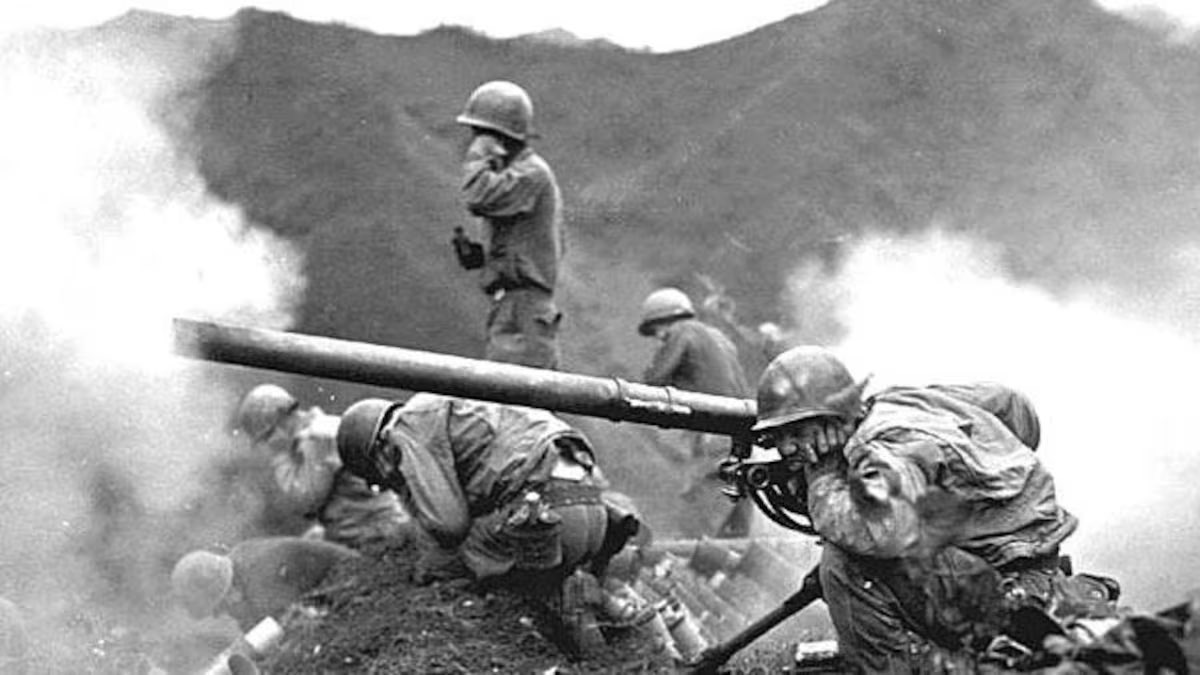
But bravery alone won’t be able to help us win the wars of FUTURE.
In 2020, when clashes happened with China in the Galwan Valley, Ladakh, China used drones to track down Indian soldiers.
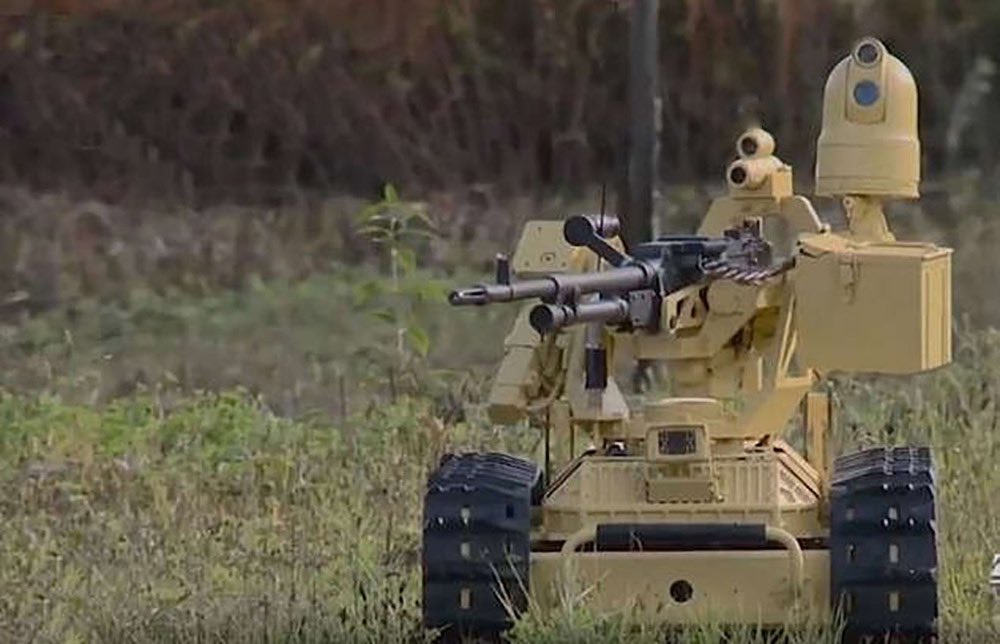
And deployment of robot soldiers along the border was also discussed.
In 2020, when clashes happened with China in the Galwan Valley, Ladakh, China used drones to track down Indian soldiers.
And deployment of robot soldiers along the border was also discussed.
These robots had a camera and machine guns attached to them, which could be remotely controlled.
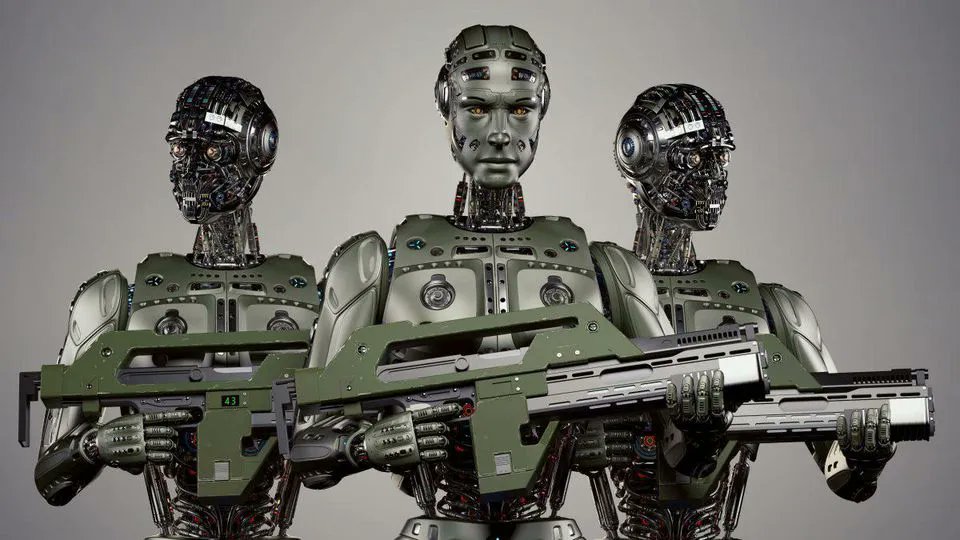
How long do you think will it take China to build autonomous robots that will function with minimal to no human intervention?
And will be able to select and engage targets by themselves through pattern recognition and algorithms?
And will be able to select and engage targets by themselves through pattern recognition and algorithms?

How long do you think will it take China to build autonomous robots that will function with minimal to no human intervention?
And will be able to select and engage targets by themselves through pattern recognition and algorithms?
And will be able to select and engage targets by themselves through pattern recognition and algorithms?
So, you can see why in such a war, conventional armed forces will be at a huge disadvantage, nuclear weapons will have no role to play, and the courage of individual soldiers will be of no consequence.
Because when robot soldiers would be shooting at us, there wouldn’t be any blood loss on their end.
In fact, for every robot soldier destroyed, China would be manufacturing 10 more by every hour.
In fact, for every robot soldier destroyed, China would be manufacturing 10 more by every hour.
The keyword here is ‘manufacturing’.
A nation can’t aspire to be a global power without a strong military.
And there cannot be a strong military without a manufacturing system in place that churns out advanced weapons, as and when required by the armed forces.
A nation can’t aspire to be a global power without a strong military.
And there cannot be a strong military without a manufacturing system in place that churns out advanced weapons, as and when required by the armed forces.
If India doesn’t manufacture its own weapons, ammunition, technology & strategy, and keeps on importing, then it will be difficult for us to win wars.
As the future wars won’t be happening only in the physical domains of land, air, and sea.
It will be happening in 7 domains
As the future wars won’t be happening only in the physical domains of land, air, and sea.
It will be happening in 7 domains
— air, land, sea, outer space, cyber space, the electromagnetic spectrum, and near space.
The government understands that the war with China is inevitable and India needs military modernization & indigenous infrastructure to better secure its national interests.
The government understands that the war with China is inevitable and India needs military modernization & indigenous infrastructure to better secure its national interests.
Until now, India has been skipping steps in transitioning from developing to developed country.
Weapons need manufacturing units, but India as a whole doesn’t have a hardware startup culture.
Most defence startups are either working on software or UAVs (drones).
Weapons need manufacturing units, but India as a whole doesn’t have a hardware startup culture.
Most defence startups are either working on software or UAVs (drones).
— and those drones aren’t weaponised, they are just for monitoring & night vision purposes.
We skipped steps and directly jumped to software-based companies for easy access to funding and scalability.
We skipped steps and directly jumped to software-based companies for easy access to funding and scalability.
The reason startups even focus on UAVs is because they have shorter development times and faster deployments.
The lack of domestic defence production & innovation capabilities has been forcing India to rely on foreign suppliers for its military hardware.
The lack of domestic defence production & innovation capabilities has been forcing India to rely on foreign suppliers for its military hardware.
And this dependence has become a twofold burden.
India has to deflect international pressure from the West in isolating Russia, as Russia is our largest military supplier.
India has to keep paying for high-value imports every year.
India has to deflect international pressure from the West in isolating Russia, as Russia is our largest military supplier.
India has to keep paying for high-value imports every year.
So, why is that a strong manufacturing system for defence hasn’t already been built?
For decades, what stood in the way of an indigenous military-industrial complex was India’s political leadership keeping the private sector out of the defence sector.
For decades, what stood in the way of an indigenous military-industrial complex was India’s political leadership keeping the private sector out of the defence sector.
The Public Sector Undertakings (PSUs) would promise to develop weapons required by the forces, but would never deliver.
This would necessitate emergency imports, thereby benefiting the middlemen and the politicians who got kickbacks from the defence deals.
This would necessitate emergency imports, thereby benefiting the middlemen and the politicians who got kickbacks from the defence deals.
It was a complex rabbit hole where funds would enter into the system, but no one would know if they find the exit too.
And that’s why in 2019, the position of Chief of Defence Staff was created — to restructure the Indian Armed Forces from a top-down approach.
And that’s why in 2019, the position of Chief of Defence Staff was created — to restructure the Indian Armed Forces from a top-down approach.
And standardize weapons procurement strategies.
India has also banned the import of 900+ weapons, parts & systems over the last few years to boost ‘Make in India’.
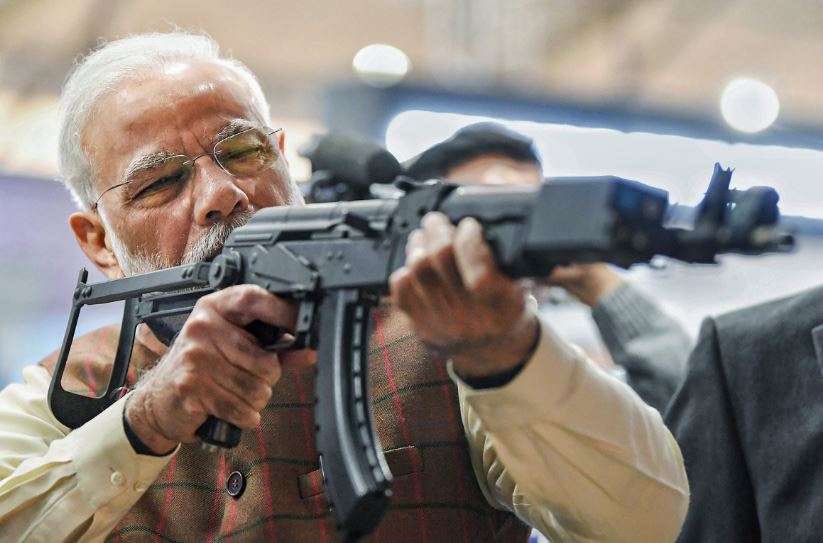
At the start, we mentioned that India is also deploying robots that will streamline our forces
India has also banned the import of 900+ weapons, parts & systems over the last few years to boost ‘Make in India’.
At the start, we mentioned that India is also deploying robots that will streamline our forces
— and reduce the manpower by 1 lakh personnel by 2027.
Well, these robots aren’t meant to be used as a weapon, they are meant to aid our soldiers in transport & surveillance.
These are robotic mules that will transport weapons in hard terrains.
Well, these robots aren’t meant to be used as a weapon, they are meant to aid our soldiers in transport & surveillance.
These are robotic mules that will transport weapons in hard terrains.
Now, let’s take a look at what more the govt has been actively working on to develop advanced technologies & products for the modernization of the military:
👉DRDO has established 5 DRDO Young Scientist Laboratories (DYSLs) to provide solutions in advanced technology areas like
👉DRDO has established 5 DRDO Young Scientist Laboratories (DYSLs) to provide solutions in advanced technology areas like
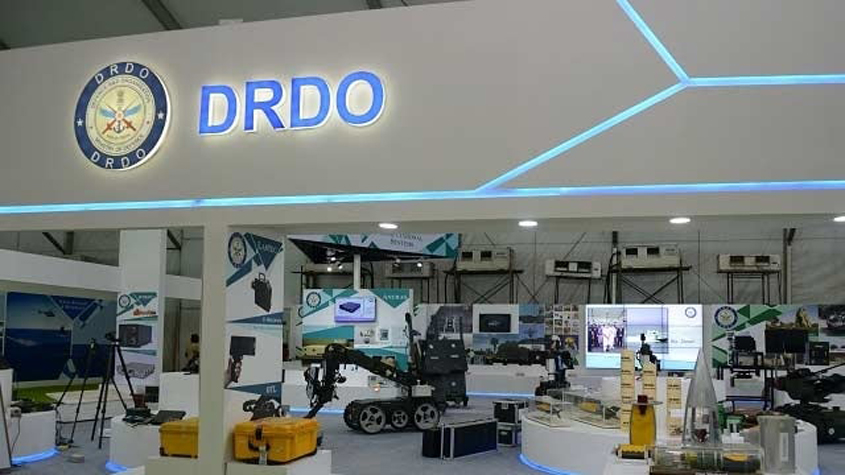
— artificial intelligence, quantum technologies, cognitive technologies, asymmetric technologies, and smart materials to tackle emerging challenges in military warfare.
👉 Launch of innovations for Defence Excellence (iDEX) scheme involving startups and Micro, Small & (MSMEs).
👉 Launch of innovations for Defence Excellence (iDEX) scheme involving startups and Micro, Small & (MSMEs).
👉 Launched a portal named SRIJAN, to facilitate indigenisation by Indian industry including MSMEs.
👉 Opening up of Defence Research & Development (R&D) for industry, startups and academia with 25% of the defence R&D budget.
This is just the start and we have miles to go.
👉 Opening up of Defence Research & Development (R&D) for industry, startups and academia with 25% of the defence R&D budget.
This is just the start and we have miles to go.
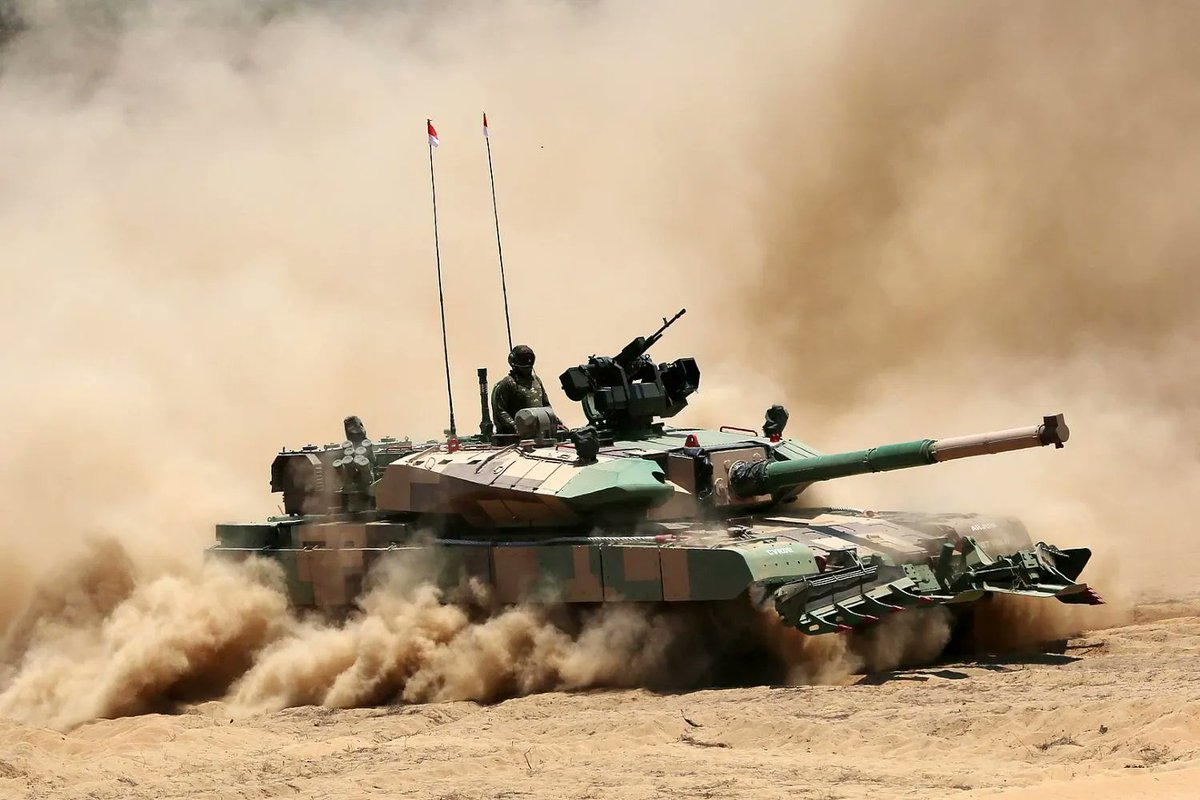
We not only have to build a solid in-house manufacturing infrastructure but we have to do it fast, so that the research institutions can focus on building new technologies and the private sector can focus on mass producing them.
If you liked this read, do RePost🔄 the 1st post and follow us @FinFloww for such reads every Monday, Wednesday and Friday!
Get our WhatsApp newsletter: whatsapp.com

Subscribe to WHAT THE FLOWW?, our weekly email newsletter where we dive deeper into such concepts: soshals.app

Loading suggestions...