

In 1999, Coca-Cola launched Diet Coke in India after it beat classic Coke in US
Everyone thought it’s going to be a hit in India too, since we’ve started being diet conscious
But to their SHOCK, Diet Coke is being discontinued in India
THREAD: Why Diet Coke failed in India🧵
Everyone thought it’s going to be a hit in India too, since we’ve started being diet conscious
But to their SHOCK, Diet Coke is being discontinued in India
THREAD: Why Diet Coke failed in India🧵
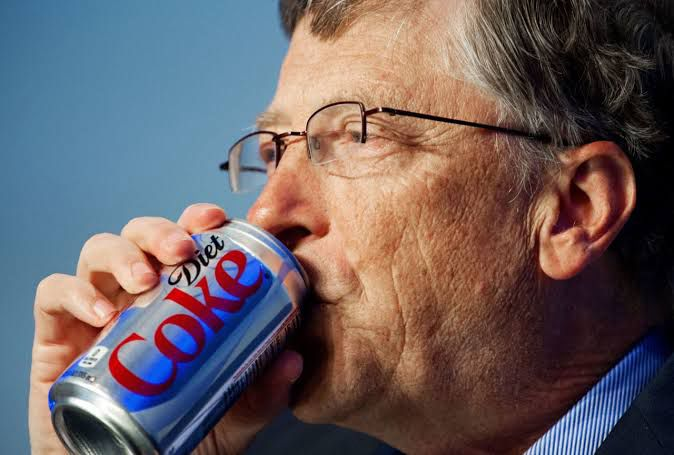
Westernization has always influenced the Indian market and the Indian consumption patterns.
We’ve adapted all sorts of things from the western world — from education to cutlery, from style of dressing to foods & beverages.
We’ve adapted all sorts of things from the western world — from education to cutlery, from style of dressing to foods & beverages.
And speaking of beverages, in 2022, the market share of Diet Coke in the US was 7.8%, thus making Diet Coke among the top four leading brands of Coca-Cola.
But in India, the entire “diet soft drinks” market contributes less than 2% to the soft drinks market!
But in India, the entire “diet soft drinks” market contributes less than 2% to the soft drinks market!
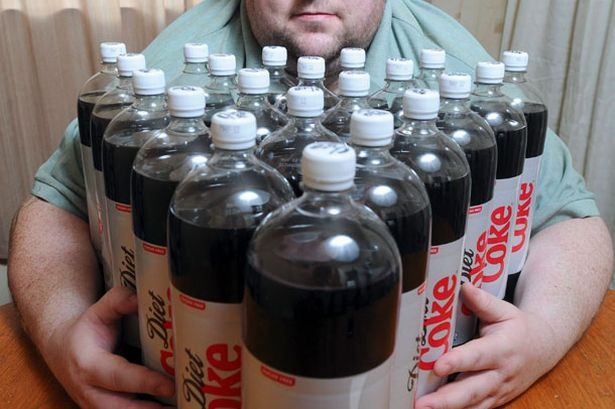
And now, the Diet Coke known and loved by millions around the world since 1982, is rumored to be shutting down in India.
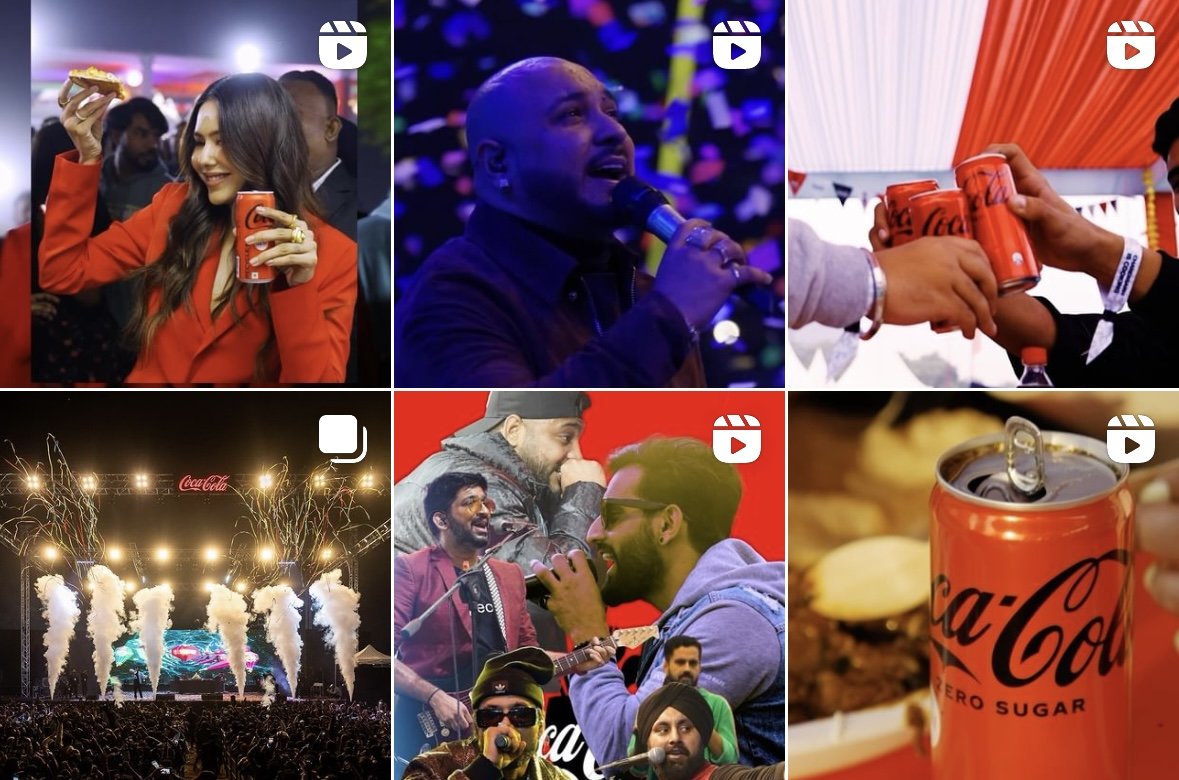
In fact, if you take a look at Coca-Cola India’s social media, it seems like that they aren't even marketing it anymore.
In fact, if you take a look at Coca-Cola India’s social media, it seems like that they aren't even marketing it anymore.
Instead, their pages are filled with traditional Coca-Cola and Coca-Cola Zero Sugar (Coke Zero).
Let’s try and understand why the Indian subcontinent is not adapting America’s top-selling zero-calorie sparkling beverage:
Let’s try and understand why the Indian subcontinent is not adapting America’s top-selling zero-calorie sparkling beverage:
A 300ml can of classic Coke contains 34 mg of caffeine, whereas Diet Coke has 11 mg more.
Moreover, Diet Coke also experimented with Aspartame as an artificial sweetener, and that gave it a major success in the US.
Moreover, Diet Coke also experimented with Aspartame as an artificial sweetener, and that gave it a major success in the US.
The reason? Artificial sweeteners are only half as rewarding as regular sugar, and that keeps people wanting more.
Simply put — once you start consuming Diet Coke, it’s hard to quit because of the addiction to sweetness and to caffeine.
Simply put — once you start consuming Diet Coke, it’s hard to quit because of the addiction to sweetness and to caffeine.
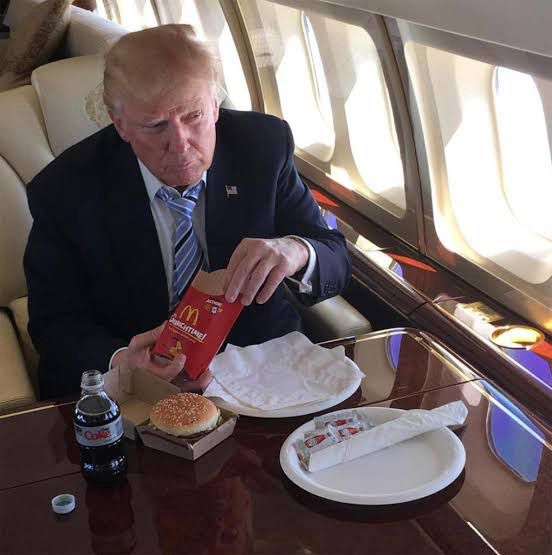
In the US, Diet Coke became the go-to choice for people due to concerns about obesity, and this brand loyalty played a pivotal role in its success.
But the same can’t be said for India, as “Indians” and “Diet” don’t go hand in hand.
But the same can’t be said for India, as “Indians” and “Diet” don’t go hand in hand.
We can never see a diet soft drink in the same light, as our perception of healthy is vastly different from the US.
Indians will always prefer traditional and flavorful drinks over carbonated soft drinks when making health conscious decisions.
Indians will always prefer traditional and flavorful drinks over carbonated soft drinks when making health conscious decisions.
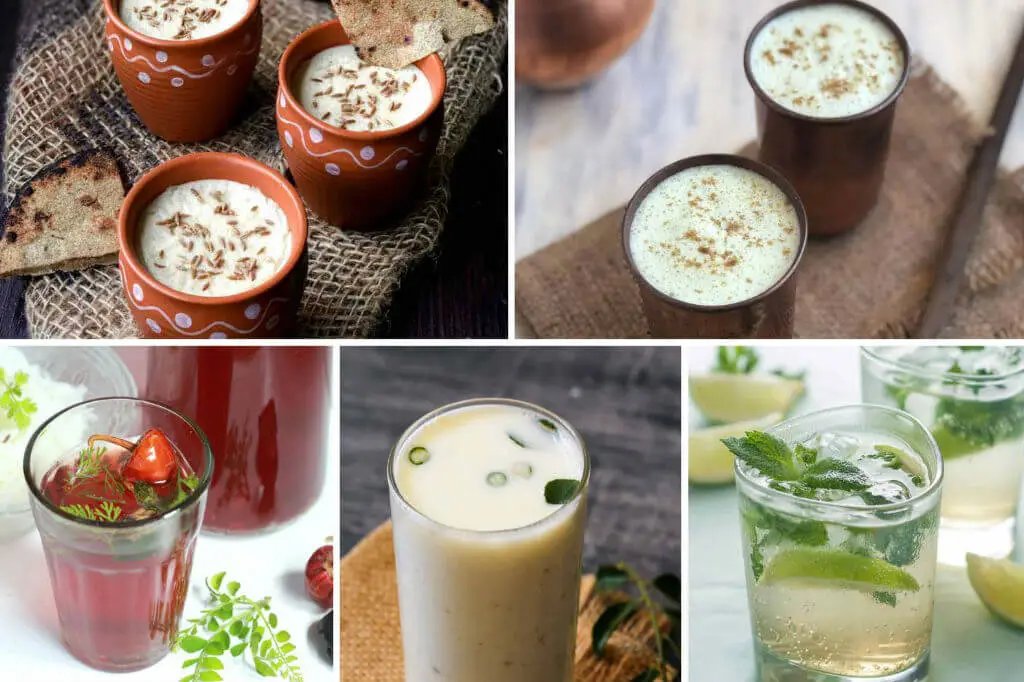
And at the end of the day, Diet Coke is just another soft drink and has also been marketed as such.
But even the soft drinks market hasn’t embraced it because in India, soft drinks are usually opened on the occasion of celebration.
But even the soft drinks market hasn’t embraced it because in India, soft drinks are usually opened on the occasion of celebration.
They are seen as a beverage to enjoy and share.
And in this space of social gathering, there doesn't seem to be a space for a “diet” drink that tastes worse that the usual soft drinks.
All in all, Diet Coke seems to be a market misfit in India,
And in this space of social gathering, there doesn't seem to be a space for a “diet” drink that tastes worse that the usual soft drinks.
All in all, Diet Coke seems to be a market misfit in India,
— stuck between the soft drink market and the health conscious market.
But that’s not it. Diet Coke’s own taste and branding further destroyed its case.
But that’s not it. Diet Coke’s own taste and branding further destroyed its case.
In an interview to ET Now, Harish Bijoor explained that typically you need to taste a new cola 8 consequent times on a day-to-day basis to become a fan of that taste.
This is basically a reference to the MERE EXPOSURE EFFECT.
This is basically a reference to the MERE EXPOSURE EFFECT.
It is a psychological effect in which you start preferring something just because you’re familiar with it.
But it’s not that simple. To hit the mark where mere exposure effect kicks in, you need solid marketing + branding to make consumers taste it 8 times.
But it’s not that simple. To hit the mark where mere exposure effect kicks in, you need solid marketing + branding to make consumers taste it 8 times.
And this is the reason why Coca-Cola is ditching Diet Coke in India and replacing it with Coke Zero.
Coke Zero has a very similar brand packaging as wells as taste to classic Coke, but Diet Coke doesn’t.
Coke Zero has a very similar brand packaging as wells as taste to classic Coke, but Diet Coke doesn’t.
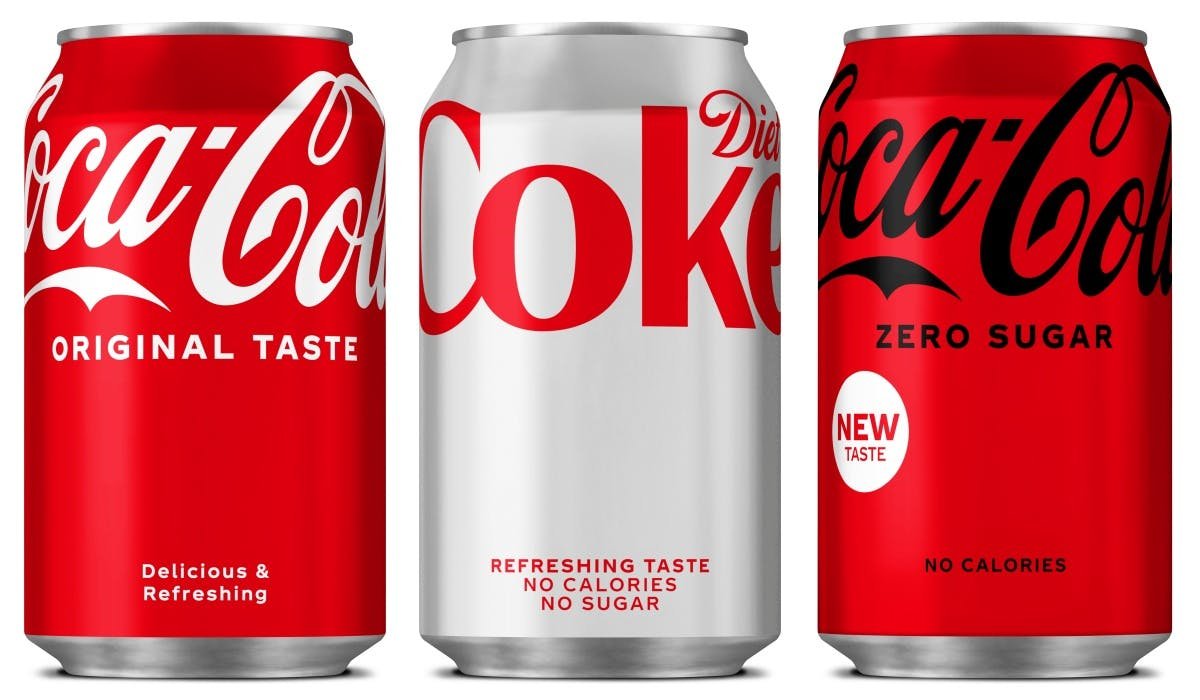
And this is hard to register and familiarize with.
So, when it comes to the subconscious choice, people prefer Coke or Coke Zero.
In this read, we emphasized on Diet Coke but even Diet Pepsi and other diet sodas have met the same fate.
So, when it comes to the subconscious choice, people prefer Coke or Coke Zero.
In this read, we emphasized on Diet Coke but even Diet Pepsi and other diet sodas have met the same fate.
And even Pepsi is replacing Diet Pepsi with Pepsi Zero Sugar.
In fact, while the global diet soft drinks market was valued at $4.8 billion in 2022 and is expected to grow at a CAGR of 5.2% from 2023 to 2032
— they’re a big no-no in India.
In fact, while the global diet soft drinks market was valued at $4.8 billion in 2022 and is expected to grow at a CAGR of 5.2% from 2023 to 2032
— they’re a big no-no in India.
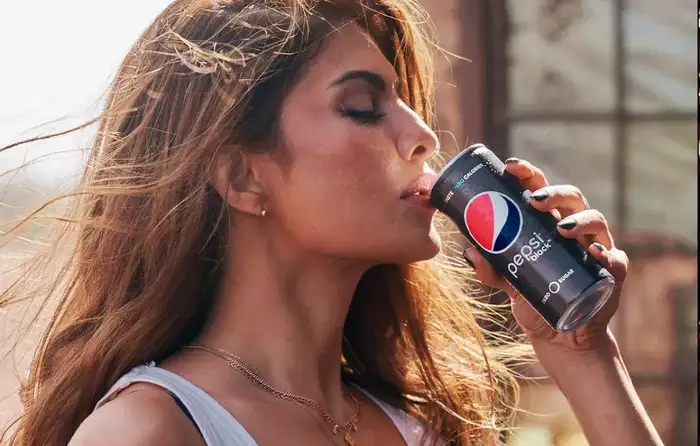
But now the question is — if diet soft drinks failed in India, why are companies betting big on zero sugar soft drinks?
It’s a subtle change for the customers that want to consume the classics, but feel guilty about calories or consuming sugar.
It’s a subtle change for the customers that want to consume the classics, but feel guilty about calories or consuming sugar.
This way, the brands won’t have to entirely let go of the health conscious customer segment.
And zero sugar soft drinks could become a great driver from them in future, as consumers have already started cutting back on sugar intake and this is affecting the soft drinks market.
And zero sugar soft drinks could become a great driver from them in future, as consumers have already started cutting back on sugar intake and this is affecting the soft drinks market.
If you liked this read, do RePost🔄 the 1st post
and follow us @FinFloww for such reads every Monday, Wednesday and Friday!
and follow us @FinFloww for such reads every Monday, Wednesday and Friday!
Get our WhatsApp newsletter: whatsapp.com

Subscribe to WHAT THE FLOWW?, our weekly email newsletter where we dive deeper into such concepts: soshals.app

Loading suggestions...