

Knowing how to analyze a balance sheet is a MUST to make good investment decisions.
I'll teach you everything you need to know:
I'll teach you everything you need to know:
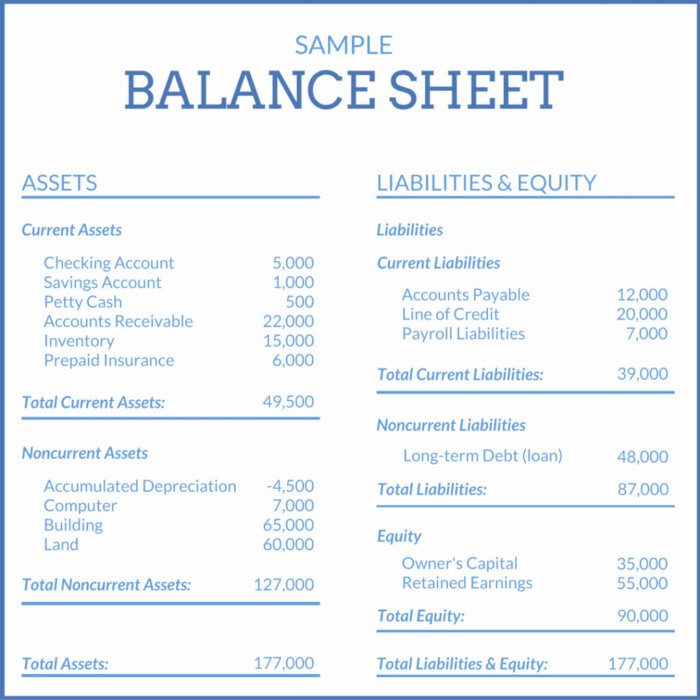
The balance sheet shows you 3 things:
1️⃣ Assets
2️⃣ Liabilities
3️⃣ Shareholders equity
1️⃣ Assets
2️⃣ Liabilities
3️⃣ Shareholders equity
1️⃣ Assets: what does the company own?
A distinction can be made between current assets and non-current assets.
Current assets: assets that can be converted into cash within 1 year
Non-current assets: assets that are harder to convert into cash
A distinction can be made between current assets and non-current assets.
Current assets: assets that can be converted into cash within 1 year
Non-current assets: assets that are harder to convert into cash
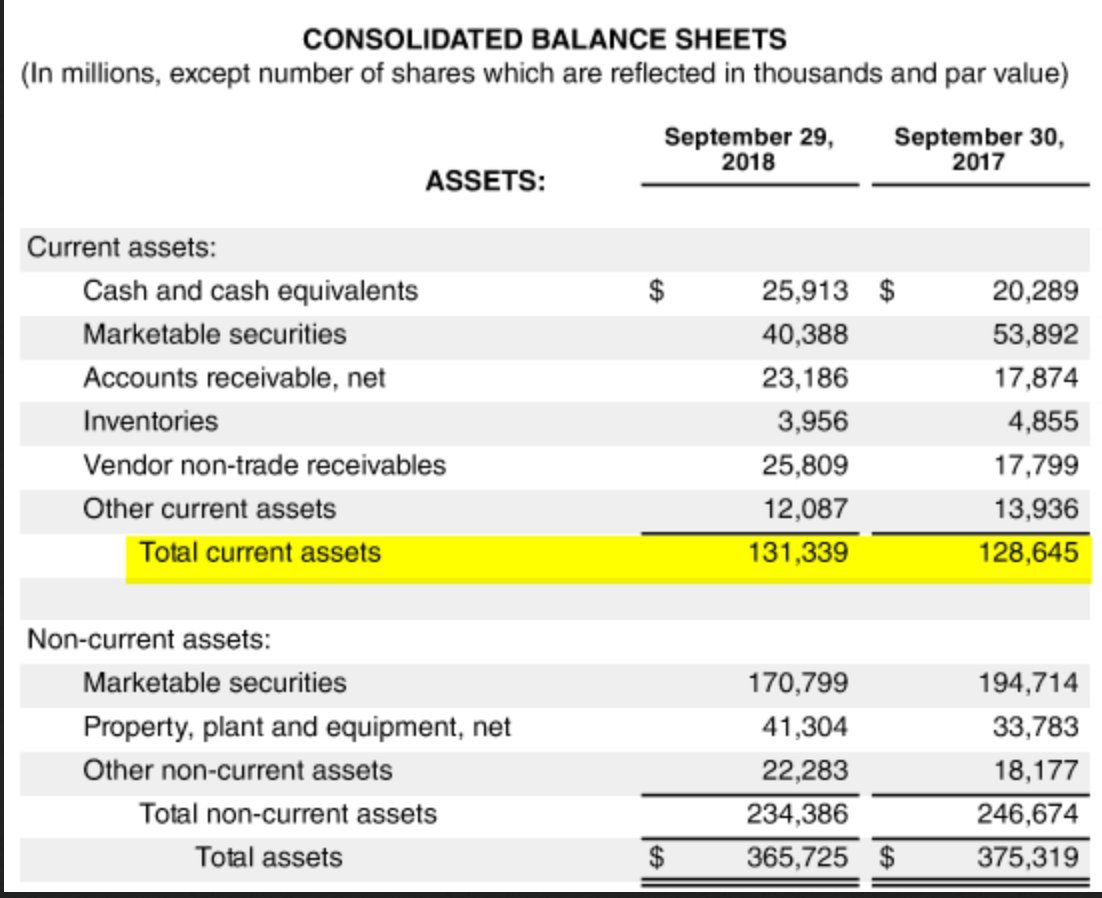
Questions to ask yourself about the company's assets:
1️⃣ How much cash and cash equivalents does the company have?
2️⃣ How much goodwill does the company have?
3️⃣ Does the company have a lot of intangible assets?
1️⃣ How much cash and cash equivalents does the company have?
2️⃣ How much goodwill does the company have?
3️⃣ Does the company have a lot of intangible assets?
2️⃣ Liabilities: what does the company owe?
A distinction can be made between short-term liabilities and long-term liabilities.
ST Liabilities: a financial obligation that has to be paid within 1 year
LT Liabilities: debt that has to be paid > 1 year
A distinction can be made between short-term liabilities and long-term liabilities.
ST Liabilities: a financial obligation that has to be paid within 1 year
LT Liabilities: debt that has to be paid > 1 year
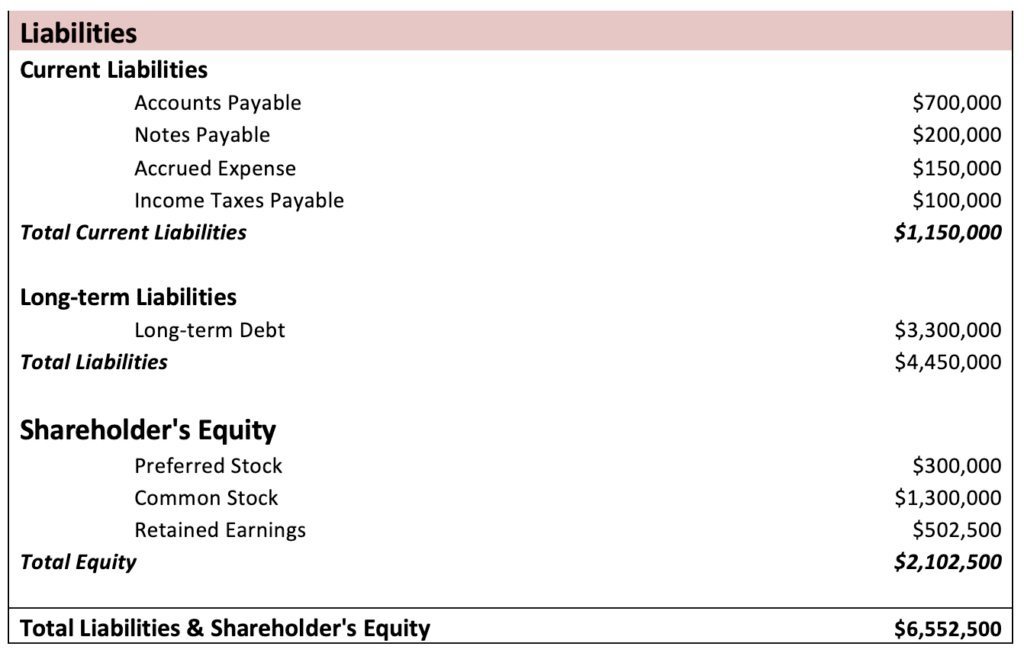
Questions to ask yourself about the company's liabilities:
1️⃣ Does the company have more ST or LT liabilities?
2️⃣ Does the company have more cash than short-term debt?
3️⃣ Are total liabilities increasing or decreasing? And why?
1️⃣ Does the company have more ST or LT liabilities?
2️⃣ Does the company have more cash than short-term debt?
3️⃣ Are total liabilities increasing or decreasing? And why?
3️⃣ Shareholders equity: The value the owners (shareholders) have in the company.
Shareholders equity = Total assets - total liabilities
Shareholders equity = Total assets - total liabilities
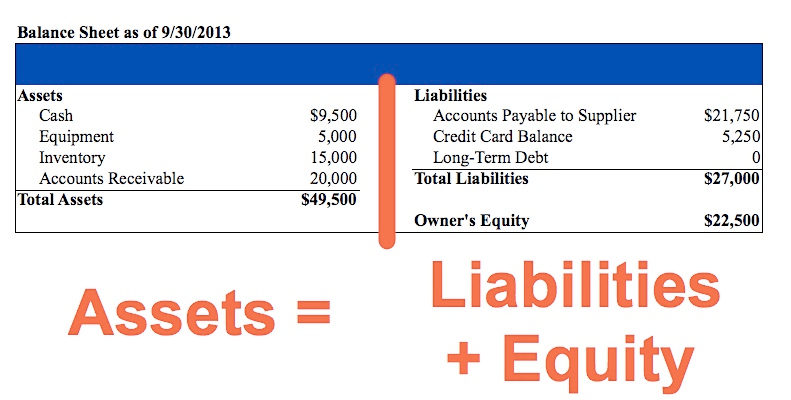
Questions to ask yourself about the company's shareholders equity:
1️⃣ Does the company have retained earnings?
2️⃣ Are there a lot of preferred stocks?
3️⃣ Does the company buy back shares?
1️⃣ Does the company have retained earnings?
2️⃣ Are there a lot of preferred stocks?
3️⃣ Does the company buy back shares?
That's it for today.
If you liked this, you'll love my free Financial Analysis course.
Grab it here: compounding-quality.ck.page
If you liked this, you'll love my free Financial Analysis course.
Grab it here: compounding-quality.ck.page

Loading suggestions...