
1/
How much can be learned from a single case?
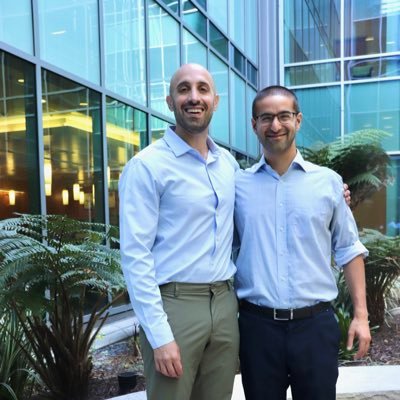
Well let's go on a journey w/ RR (@rabihmgeha and his older brother)
How much can be learned from a single case?
Well let's go on a journey w/ RR (@rabihmgeha and his older brother)
2/
43 yo M was baking cake for his wife.
Him in the kitchen. Her in the living room.
Then suddenly she hears a thud. She runs into the kitchen. Blood oozed down from his forehead.
"What happened?" She asked.
"I don't know. I was up but next moment I am on the ground."
43 yo M was baking cake for his wife.
Him in the kitchen. Her in the living room.
Then suddenly she hears a thud. She runs into the kitchen. Blood oozed down from his forehead.
"What happened?" She asked.
"I don't know. I was up but next moment I am on the ground."
3/
Before even thinking of a possible diagnosis we must frame the problem. Wrong frame we promise the wrong diagnosis.
Before even thinking of a possible diagnosis we must frame the problem. Wrong frame we promise the wrong diagnosis.
4/
The problem is transient loss of consciousness. Before we tackle TLOC. Episodic symptoms should reflexively make you search for a possible trigger. Most often it's exertional or positional. The one that gets us is environmental. Maybe I'll share the story about the pigeon or fancy water.
The problem is transient loss of consciousness. Before we tackle TLOC. Episodic symptoms should reflexively make you search for a possible trigger. Most often it's exertional or positional. The one that gets us is environmental. Maybe I'll share the story about the pigeon or fancy water.
5/
TLOC often is d/t syncope (heart) or seizure (brain). I don't care who you are but it can be difficult to tease these apart by history and exam. And rarely the two can co-exist.
Risk factors, pre-event, event, and post-event will guide you.
TLOC often is d/t syncope (heart) or seizure (brain). I don't care who you are but it can be difficult to tease these apart by history and exam. And rarely the two can co-exist.
Risk factors, pre-event, event, and post-event will guide you.
6/
A few tips -
Pre-TLOC presyncope -> syncope
Pre-TLOC deja vu -> seizure
Jerking movements after TLOC -> syncope
Jerking movement before TLOC -> seizure
Tongue biting -> seizure
Urinary incontinence -> not as helpful
Head turned -> seizure
Post-TLOC confusion -> seizure
Post-TLOC fatigue, n/v -> vasovagal
A few tips -
Pre-TLOC presyncope -> syncope
Pre-TLOC deja vu -> seizure
Jerking movements after TLOC -> syncope
Jerking movement before TLOC -> seizure
Tongue biting -> seizure
Urinary incontinence -> not as helpful
Head turned -> seizure
Post-TLOC confusion -> seizure
Post-TLOC fatigue, n/v -> vasovagal
7/
This patient did not have post-TLOC confusion. But he had h/o of both CAD and primary seizure d/o. Both were possible. CV, neuro, and tongue exams were normal. He had a laceration above the left eyebrow. Labs, EKG, CT-head normal.
Do you admit the patient?
This patient did not have post-TLOC confusion. But he had h/o of both CAD and primary seizure d/o. Both were possible. CV, neuro, and tongue exams were normal. He had a laceration above the left eyebrow. Labs, EKG, CT-head normal.
Do you admit the patient?
8/
There is no right answer here. The laceration above the forehead points away from the commonest cause of syncope which is vasovagal (usually benign) as these patients, especially if younger, usually have warning signs. But before we continue a few more facts for you.
There is no right answer here. The laceration above the forehead points away from the commonest cause of syncope which is vasovagal (usually benign) as these patients, especially if younger, usually have warning signs. But before we continue a few more facts for you.
9/
1% of presentations to ED are for syncope.
50% of the time we don't figure out an etiology.
The goal is to identify high-risk patients - meaning patients that might have an adverse outcome, including death, without prompt diagnoses of cause.
1% of presentations to ED are for syncope.
50% of the time we don't figure out an etiology.
The goal is to identify high-risk patients - meaning patients that might have an adverse outcome, including death, without prompt diagnoses of cause.
10/
This patient is high-risk based on his h/o CAD and seizure. Couple that with the laceration (no warning symptoms before TLOC) admission is likely the right move. This is despite scoring zero on the SF syncope rule.
This patient is high-risk based on his h/o CAD and seizure. Couple that with the laceration (no warning symptoms before TLOC) admission is likely the right move. This is despite scoring zero on the SF syncope rule.
11/
An important pearl shared by @rabihmgeha is that patients often don't recall the event perfectly and a mimicker of syncope or even seizure is a mechanical fall w/ head trauma leading to concussion.
An important pearl shared by @rabihmgeha is that patients often don't recall the event perfectly and a mimicker of syncope or even seizure is a mechanical fall w/ head trauma leading to concussion.
12/
CT head, spot EEG, and ECHO are all normal. You don't need echo in most - recall the commonest cause of syncope is vasovagal - BUT in this high-risk patient, it is warranted. In other words, I wouldn't trust my exam to rule out low EF, valvulopathy, pericardial path, or pHTN.
CT head, spot EEG, and ECHO are all normal. You don't need echo in most - recall the commonest cause of syncope is vasovagal - BUT in this high-risk patient, it is warranted. In other words, I wouldn't trust my exam to rule out low EF, valvulopathy, pericardial path, or pHTN.
13/
Briefly, CORe causes of syncope include Cardiac (structure, rhythm), Orthostatic (autonomic, meds, hypovolemia), and reflex (vasovagal, situation, carotid sinus)
Briefly, CORe causes of syncope include Cardiac (structure, rhythm), Orthostatic (autonomic, meds, hypovolemia), and reflex (vasovagal, situation, carotid sinus)
14/
He is discharged w/a zio patch. And though his other studies were normal they were normal when he was NORMAL. In fact, EKG only leads to a dx in syncope <5% of the time. Spot EEG is not that helpful. Ziopatch shows 70 seconds of complete heart block w/ junctional escape. I wish I could show you b/c it is not easy to dx CHB w/ junctional escape. I have been fooled before. But RR interval was regular and PR interval was variable. He was totally asymptomatic probably b/c of his structurally normal heart and junctional escape rhythm.
He is discharged w/a zio patch. And though his other studies were normal they were normal when he was NORMAL. In fact, EKG only leads to a dx in syncope <5% of the time. Spot EEG is not that helpful. Ziopatch shows 70 seconds of complete heart block w/ junctional escape. I wish I could show you b/c it is not easy to dx CHB w/ junctional escape. I have been fooled before. But RR interval was regular and PR interval was variable. He was totally asymptomatic probably b/c of his structurally normal heart and junctional escape rhythm.
15/
Now we can talk about CHB. The most common cause includes fibrosis of the conduction system (Lenègre-Lev disease) and ischemia (ACS, CAD). But low-hanging fruits include hyperkalemia, hypothyroidism, and meds. Always have to consider Lyme and sarcoidosis.
This step is CRITICAL b/c if there is a reversible etiology then you probably won't insert a permanent pacemaker.
Now we can talk about CHB. The most common cause includes fibrosis of the conduction system (Lenègre-Lev disease) and ischemia (ACS, CAD). But low-hanging fruits include hyperkalemia, hypothyroidism, and meds. Always have to consider Lyme and sarcoidosis.
This step is CRITICAL b/c if there is a reversible etiology then you probably won't insert a permanent pacemaker.
16/
MRI w/ gad was normal. But PET/CT did showed focus of inflammation at cardiac apex.
Pet = metabolic activity, CT = anatomical view
Cardiac sarcoidosis must be considered in young patients w/ CHB w/o clear etiology. The lack of pulmonary sarcoid does not rule it out.
MRI w/ gad was normal. But PET/CT did showed focus of inflammation at cardiac apex.
Pet = metabolic activity, CT = anatomical view
Cardiac sarcoidosis must be considered in young patients w/ CHB w/o clear etiology. The lack of pulmonary sarcoid does not rule it out.
17/
Endomyocardial biopsy is invasive and sarcoidosis is patchy so might miss the path. I am not sure what the right answer is here but am sure it involves shared decision making. Positive biopsy clinches dx but negative doesn't rule it out.
We opted for a pacemaker w/ ICD and outpatient follow-up.
Endomyocardial biopsy is invasive and sarcoidosis is patchy so might miss the path. I am not sure what the right answer is here but am sure it involves shared decision making. Positive biopsy clinches dx but negative doesn't rule it out.
We opted for a pacemaker w/ ICD and outpatient follow-up.
18/
One case - TLOC, Syncope vs Seizure, CORe causes of Syncope, CHB, and cardiac sarcoidosis.
Be proud of yourself.
Rabih and Reza aka RLR
One case - TLOC, Syncope vs Seizure, CORe causes of Syncope, CHB, and cardiac sarcoidosis.
Be proud of yourself.
Rabih and Reza aka RLR
Loading suggestions...