

Know Your Shri Ram ( Sage Valmiki enquiring Devarshi Narada)
#LongThread #AyodhyaRamTemple
#AyodhyaTransforms #Ayodhya
Opening verse of Valmiki Ramayana introduces Saga Narada with following four attributes:
1) तपः निरताम् Eternally engaged in 'Tapah' i.e. 'thinking of the Absolute', Contemplating upon the Brahm/Absolute is called 'Tapah'.
2) स्वाध्याय निरताम् : Swadhyay (always engaged in the study and recitation of vedas)
3) वाग्विदाम् वरम् : also being sublime enunciator of Vedas among all expert enunciators
4) मुनि पुंगवम् : the one that stood tall among all the Munis (sages).
Having these four attributes, Devarshi Narada was a proper sage for Sage Valmiki to discuss and enquire, by virtue of being sublime enunciator of Vedas among all expert enunciators, and a constant thinker of the Absolute.
He is also one of the manas-putras of Lord Brahma. In Narada Purana, Vyutpatti of word 'narada' is as given नारदीये- 'नारदो नाशयन्नेति नृणामज्ञानजं तम:' the one who destroys the jnana of men is called Narada.
तपः स्वाध्याय निरताम् तपस्वी वाग्विदाम् वरम् ।
नारदम् परिपप्रच्छ वाल्मीकिः मुनि पुंगवम् ॥ (Valmiki Ramayana 1.1.1)
A thoughtful-meditator, an eternally studious sage in scriptures about the Truth and Untruth, a sagacious thinker, and a sublime enunciator among all expert enunciators is Narada, and with such a Divine Sage Narada, the Sage-Poet Valmiki is inquisitively enquiring (about a purusha who is Sarva-Guna-Sampann i.e. a composite for all merited endowments in his form and calibre).
Sage Valmiki ernestly inquired with Narada about such a purusha who is Sarva-guna-Sampann (mine of all auspicious qualities) in his 16 questions indicative of 16 attributes (qualities) of that Purusha.
It is on the pattern of enquiry we find into Upanishad about 'Shodashkala-Purusa' as well as enquiry into Brahman (Athato Brahma Jijnasa) in Brahm-sutra. First there is an enquiry and then there is description of such personality.
A brahm-realised sage like Valmiki need not to enquire and attempt to author about some king, however great that king might be, He needs such a hero for his epic who has 16 attributes (Shodashkala-Purusa - indicative of the supreme) and completely Absolute-like in his traits.
These sixteen attributes are attributed to the sixteen phases of the Full Moon, this indicates Hero of Valmiki Ramayana, Shri Rama is pleasing like the full moon having 16-Kalas.
Since an emperor cannot be expected to possess all these great qualities mentioned in Valmiki’s questions, it eventually culminates in the Supreme God alone who came down to this world in the human form for his divine play.
The cause of rapture of Narada is the opportunity that he luckily got to analogize the excellencies of the supreme Lord. Thus by asking 16 questions, Valmiki indicated Shri Ram is the supreme being in just opening verses of Ramayana. Those sixteen questions asked by Valmiki are:
कोन्वस्मिन्साम्प्रतं लोके गुणवान्कश्च वीर्यवान् ।
धर्मज्ञश्च कृतज्ञश्च सत्यवाक्यो दृढव्रतः ॥
Who really is that person in this world, who is
1) of adorable and admirable character and having all excellent qualities (गुणवान् ),
2) of great valor (वीर्यवान् ),
3) of acute discernment about right and wrong (धर्मज्ञ ),
4) that appreciates, and is grateful (कृतज्ञ ), remembers good things done to him, but never remembers any number of bad things done to him,
5) always truthful in his statements (सत्यवाक्यो ),
6) and firm in his vows (till such time he achieves the results) (दृढव्रतः )
चारित्रेण च को युक्तः सर्वभूतेषु को हितः ।
विद्वान्कः कः समर्थश्च कश्चैकप्रियदर्शनः ॥ (Valmiki Ramayana 1.1.2)
who is he
7) conduct-wise blent with good conduct and reputation (चरित्रवान् ) ,
#LongThread #AyodhyaRamTemple
#AyodhyaTransforms #Ayodhya
Opening verse of Valmiki Ramayana introduces Saga Narada with following four attributes:
1) तपः निरताम् Eternally engaged in 'Tapah' i.e. 'thinking of the Absolute', Contemplating upon the Brahm/Absolute is called 'Tapah'.
2) स्वाध्याय निरताम् : Swadhyay (always engaged in the study and recitation of vedas)
3) वाग्विदाम् वरम् : also being sublime enunciator of Vedas among all expert enunciators
4) मुनि पुंगवम् : the one that stood tall among all the Munis (sages).
Having these four attributes, Devarshi Narada was a proper sage for Sage Valmiki to discuss and enquire, by virtue of being sublime enunciator of Vedas among all expert enunciators, and a constant thinker of the Absolute.
He is also one of the manas-putras of Lord Brahma. In Narada Purana, Vyutpatti of word 'narada' is as given नारदीये- 'नारदो नाशयन्नेति नृणामज्ञानजं तम:' the one who destroys the jnana of men is called Narada.
तपः स्वाध्याय निरताम् तपस्वी वाग्विदाम् वरम् ।
नारदम् परिपप्रच्छ वाल्मीकिः मुनि पुंगवम् ॥ (Valmiki Ramayana 1.1.1)
A thoughtful-meditator, an eternally studious sage in scriptures about the Truth and Untruth, a sagacious thinker, and a sublime enunciator among all expert enunciators is Narada, and with such a Divine Sage Narada, the Sage-Poet Valmiki is inquisitively enquiring (about a purusha who is Sarva-Guna-Sampann i.e. a composite for all merited endowments in his form and calibre).
Sage Valmiki ernestly inquired with Narada about such a purusha who is Sarva-guna-Sampann (mine of all auspicious qualities) in his 16 questions indicative of 16 attributes (qualities) of that Purusha.
It is on the pattern of enquiry we find into Upanishad about 'Shodashkala-Purusa' as well as enquiry into Brahman (Athato Brahma Jijnasa) in Brahm-sutra. First there is an enquiry and then there is description of such personality.
A brahm-realised sage like Valmiki need not to enquire and attempt to author about some king, however great that king might be, He needs such a hero for his epic who has 16 attributes (Shodashkala-Purusa - indicative of the supreme) and completely Absolute-like in his traits.
These sixteen attributes are attributed to the sixteen phases of the Full Moon, this indicates Hero of Valmiki Ramayana, Shri Rama is pleasing like the full moon having 16-Kalas.
Since an emperor cannot be expected to possess all these great qualities mentioned in Valmiki’s questions, it eventually culminates in the Supreme God alone who came down to this world in the human form for his divine play.
The cause of rapture of Narada is the opportunity that he luckily got to analogize the excellencies of the supreme Lord. Thus by asking 16 questions, Valmiki indicated Shri Ram is the supreme being in just opening verses of Ramayana. Those sixteen questions asked by Valmiki are:
कोन्वस्मिन्साम्प्रतं लोके गुणवान्कश्च वीर्यवान् ।
धर्मज्ञश्च कृतज्ञश्च सत्यवाक्यो दृढव्रतः ॥
Who really is that person in this world, who is
1) of adorable and admirable character and having all excellent qualities (गुणवान् ),
2) of great valor (वीर्यवान् ),
3) of acute discernment about right and wrong (धर्मज्ञ ),
4) that appreciates, and is grateful (कृतज्ञ ), remembers good things done to him, but never remembers any number of bad things done to him,
5) always truthful in his statements (सत्यवाक्यो ),
6) and firm in his vows (till such time he achieves the results) (दृढव्रतः )
चारित्रेण च को युक्तः सर्वभूतेषु को हितः ।
विद्वान्कः कः समर्थश्च कश्चैकप्रियदर्शनः ॥ (Valmiki Ramayana 1.1.2)
who is he
7) conduct-wise blent with good conduct and reputation (चरित्रवान् ) ,
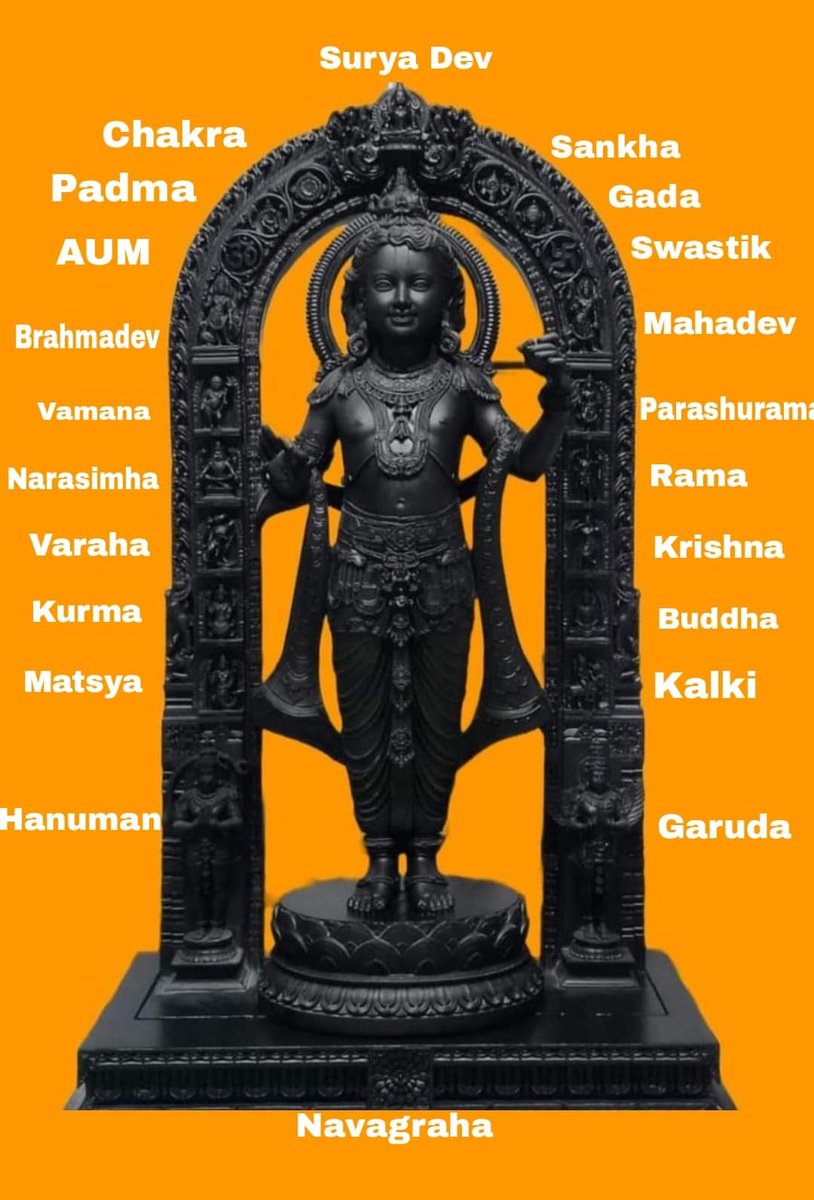
8) who always wishes and does good to all beings (सर्वभूतेषु हितः ),
9) who is knower of everything which is to be known (विद्वान् ),
10) who is the ablest one, (capable of doing things which can't be done by others or is impossible for others) (समर्थः ),
11) who is solely delightful in appearance (causing happiness to everyone) at all times (एक प्रियदर्शनः in whole world such an attractive one who can entice all beings)
आत्मवान्को जितक्रोधो द्युतिमान्कोऽनसूयकः ।
कस्य बिभ्यति देवाश्च जातरोषस्य संयुगे ॥ (Valmiki Ramayana 1.1.3)
Who is a person
12) of exemplary courage (आत्मवान् ),
13) of conquered anger (जितक्रोधो ) ,
14) of great splendour (splendorous) (द्युतिमान् ) ,
15) that is unbiased and non-jealous (अनसूयकः ),
16) and Who is that, when excited to wrath, even the devatas are afraid of (let alone foes) (बिभ्यति देवाः )
एतदिच्छाम्यहं श्रोतुं परं कौतूहलं हि मे ।
महर्षे त्वं समर्थोऽसि ज्ञातुमेवंविधं नरम् ॥ (Valmiki Ramayana 1.1.4)
O Maharshi (Narada), you would assuredly be aware of such a person if one ever existed. Indeed my inquisitiveness is immense and I long to know about such a person from you.
श्रुत्वा च एतत् त्रिलोकज्ञो वाल्मीकेः नारदो वचः ।
श्रूयताम् इति च आमंत्र्य प्रहृष्टो वाक्यम् अब्रवीत् ॥ (Valmiki Ramayana 1.1.5)
On listening these words of Valmiki, Sage Narada who is knower of everything that happened in all the three worlds, having invited him to sit before him said with delight Listen to me and spoke -
Here sage Narada delighted from the enquiry by Sage Valmiki as He was on visit for the same purpose to inform him about Shri Rama alone.
बहवो दुर्लभाश्चैव ये त्वया कीर्तिता गुणाः ।
मुने वक्ष्याम्यहं बुद्ध्वा तैर्युक्तः श्रूयतां नरः ॥ (Valmiki Ramayana 1.1.6)
Oh! Sage Valmiki, the merits which you have extolled are many, and very rare and unattainable (for any Prakrut-Purusha एते प्राकृतपुरुषमात्रे दुर्लभा) !
It is indeed difficult to find a person with the admirable and such rare qualities that you mentioned. However, there is one such person with all these qualities that I know; Let me tell you about him.
The idea behind words बहवो दुर्लभाः गुणाः is - such many or infinite and unattainable attributes is not possible even for great gods, let alone men (Prakrut-Purusha) on earth, It is possible in supreme being alone, none else. So if there is a man on earth with such unattainable attributes then he is supreme being alone.
इक्ष्वाकु वंश प्रभवो रामो नाम जनैः श्रुतः ।
नियत आत्मा महावीर्यो द्युतिमान् धृतिमान् वशी ॥ (Valmiki Ramayana 1.1.7)
He is known to all by the name Rama, emerged from the Ikshwaku dynasty. He is Niyat-Aatma (having steady nature - meaning thereby of immutable form i.e. the Absolute one), Mahaa-veer (possessing incomprehensible prowess), Dyutimaan (self-effulgent), Dhritimaan (self-commanding or sublime bliss - as per Vedanta) and Vashii (subjecting senses under his control or the one who keeps whole cosmos under his control).
In this verse (1.1.8), there are four attributes given to Sri Rama by Narada, these are also given by Vedanta to Supreme being, the Absolute one. 'Niyat-Aatmaa' - means 'the immutable Absolute' : Sri Rama is the Niyat-Aatma (the immutable Absolute) in his nature.
'Mahaa-viiryah' - means 'of incomprehensible prowess' : Supreme being is Mahaa-viir.
'Dhritimaan' - धृतिमान् निरतिशयानन्दः। "धृतिस्तु तुष्टिः सन्तोषः" इति वैजयन्ती। "आनन्दो ब्रह्म" इति श्रुतेः।
dhritiman means 'sublime bliss' - Sri Rama is the very form of sublime bliss.
9) who is knower of everything which is to be known (विद्वान् ),
10) who is the ablest one, (capable of doing things which can't be done by others or is impossible for others) (समर्थः ),
11) who is solely delightful in appearance (causing happiness to everyone) at all times (एक प्रियदर्शनः in whole world such an attractive one who can entice all beings)
आत्मवान्को जितक्रोधो द्युतिमान्कोऽनसूयकः ।
कस्य बिभ्यति देवाश्च जातरोषस्य संयुगे ॥ (Valmiki Ramayana 1.1.3)
Who is a person
12) of exemplary courage (आत्मवान् ),
13) of conquered anger (जितक्रोधो ) ,
14) of great splendour (splendorous) (द्युतिमान् ) ,
15) that is unbiased and non-jealous (अनसूयकः ),
16) and Who is that, when excited to wrath, even the devatas are afraid of (let alone foes) (बिभ्यति देवाः )
एतदिच्छाम्यहं श्रोतुं परं कौतूहलं हि मे ।
महर्षे त्वं समर्थोऽसि ज्ञातुमेवंविधं नरम् ॥ (Valmiki Ramayana 1.1.4)
O Maharshi (Narada), you would assuredly be aware of such a person if one ever existed. Indeed my inquisitiveness is immense and I long to know about such a person from you.
श्रुत्वा च एतत् त्रिलोकज्ञो वाल्मीकेः नारदो वचः ।
श्रूयताम् इति च आमंत्र्य प्रहृष्टो वाक्यम् अब्रवीत् ॥ (Valmiki Ramayana 1.1.5)
On listening these words of Valmiki, Sage Narada who is knower of everything that happened in all the three worlds, having invited him to sit before him said with delight Listen to me and spoke -
Here sage Narada delighted from the enquiry by Sage Valmiki as He was on visit for the same purpose to inform him about Shri Rama alone.
बहवो दुर्लभाश्चैव ये त्वया कीर्तिता गुणाः ।
मुने वक्ष्याम्यहं बुद्ध्वा तैर्युक्तः श्रूयतां नरः ॥ (Valmiki Ramayana 1.1.6)
Oh! Sage Valmiki, the merits which you have extolled are many, and very rare and unattainable (for any Prakrut-Purusha एते प्राकृतपुरुषमात्रे दुर्लभा) !
It is indeed difficult to find a person with the admirable and such rare qualities that you mentioned. However, there is one such person with all these qualities that I know; Let me tell you about him.
The idea behind words बहवो दुर्लभाः गुणाः is - such many or infinite and unattainable attributes is not possible even for great gods, let alone men (Prakrut-Purusha) on earth, It is possible in supreme being alone, none else. So if there is a man on earth with such unattainable attributes then he is supreme being alone.
इक्ष्वाकु वंश प्रभवो रामो नाम जनैः श्रुतः ।
नियत आत्मा महावीर्यो द्युतिमान् धृतिमान् वशी ॥ (Valmiki Ramayana 1.1.7)
He is known to all by the name Rama, emerged from the Ikshwaku dynasty. He is Niyat-Aatma (having steady nature - meaning thereby of immutable form i.e. the Absolute one), Mahaa-veer (possessing incomprehensible prowess), Dyutimaan (self-effulgent), Dhritimaan (self-commanding or sublime bliss - as per Vedanta) and Vashii (subjecting senses under his control or the one who keeps whole cosmos under his control).
In this verse (1.1.8), there are four attributes given to Sri Rama by Narada, these are also given by Vedanta to Supreme being, the Absolute one. 'Niyat-Aatmaa' - means 'the immutable Absolute' : Sri Rama is the Niyat-Aatma (the immutable Absolute) in his nature.
'Mahaa-viiryah' - means 'of incomprehensible prowess' : Supreme being is Mahaa-viir.
'Dhritimaan' - धृतिमान् निरतिशयानन्दः। "धृतिस्तु तुष्टिः सन्तोषः" इति वैजयन्ती। "आनन्दो ब्रह्म" इति श्रुतेः।
dhritiman means 'sublime bliss' - Sri Rama is the very form of sublime bliss.
'Vashii' (वशी) - means 'the omnipotent on the entire universe or supreme controller' e.g. 'एको वशी सर्वभूतान्तरात्मा. एकं रूपं बहुधा यः करोति ।’ (Kathaupanishad 2/2/12).
Katha Upanishad says ‘The one Controller, the inner self of all beings who makes his one form manifold;’ (Katha Upanishad).
बुद्धिमान् नीतिमान् वाङ्ग्मी श्रीमान् शत्रु निबर्हणः ।
He (Sri Rama) is an adept one great intellectual, learned in moral philosophy, proficient in speeches (in all kinds of knowledge), possessing vast auspiciousness, destroyer of foes (sins).
After explaining bhagavan's nature, sage Narad explains godly physical aspect of Bhagavan:
विपुलांसो महाबाहु: कम्बुग्रीवो महाहनु: ॥
महोरस्को महेष्वासो गूढ जत्रुः अरिन्दमः ।
आजानु बाहुः सुशिराः सुललाटः सुविक्रमः ॥
He is broad-shouldered, strong armed, possessing conch-shaped neck and has prominent and strong cheeks. He is lion-chested, is armed with a great bow, knee-length are his arms, He is the destroyer of foes (sins), and his emperor's countenance is with a crowning-head with an ample forehead, and his pacing is lion-like (Valmiki Ramayana 1.1.9-10).
Here, while extolling physique of Shri Ram, sage Narad mentions Sri Ram has a long bow in his arms. It means Shri Ram always wields bow as his weapon.
समः समविभक्ताङ्गः स्निग्धवर्णः प्रतापवान् ।
पीनवक्षा विशालाक्षो लक्ष्मीवान् शुभलक्षणः ॥
Mighty and powerful Sri Ram has a well-proportioned body, neither tall nor short, with limbs poised symmetrically, bluish-hued skin, complexioned glossily, well-developed chest, wide-eyes, lustrous body and of auspicious qualities (Valmiki Ramayana 1.1.11).
This way sage Narada explained godly physical aspect which is Sarvangsundar (with transcendental beauty from head to toe) and perceptible by his adherents as said in Chhandogya-Upanishad.
य एषो ऽन्तरादित्ये हिरण्मयः पुरुषो दृश्यते हिरण्यश्मश्रुर्हिरण्यकेशः आप्रणखात्सर्व एव सुवर्णस्तस्य यथा कप्यासं पुण्डरीकमेवमक्षिणी । (Chhandogya-Upanishad १.६.६) इत्यन्तरादित्यविद्योदितं सर्वाङ्गसुन्दरविग्रहं दर्शयति- विपुलांस इत्यादिना सार्द्धश्लोकद्वयेन ।
Now, that Purusha (person), effulgent as gold, who is seen within the sun (effulgence), is exceedingly effulgent even to the very tips of his nails. His eyes are bright like a red lotus.
Now, sage Narada explains the qualities which are reassuring for the devotees:
धर्मज्ञः सत्यसन्धः च प्रजानाम् च हिते रतः ।
यशस्वी ज्ञान संपन्नः शुचिः वश्यः समाधिमान् ॥
Sri Rama is the knower of Dharma, He always honors his words, He is constantly engaged in the welfare and well-being of the people. He is glorious whose unblemished reputation is renowned in all the worlds. He is omniscient and pure (clean in his conduct). He is obedient to elders (or accessible to those who are dependent on him) and ever meditating on the means of protecting those who take refuge in him (Valmiki Ramayana 1.1.12)
After describing Sri Rama's essential nature of Niyat-Aatma (immutable Brahm), bliss, omniscient, etc as well as his Sarvang-sundar bodily aspect, Sage Narada extolls Shri Ram by giving him the similes of the best qualities present in great deities like Prajapati, Indra, Moon, Samudra, Vishnu, fire etc. It means these all deities including Lord Vishnu are all Upmaans (similes) and Shri Ram is the Upameya (the subject of comparision).
प्रजापतिसमश्श्रीमान् धाता रिपुनिषूदनः ।
रक्षिता जीवलोकस्य धर्मस्य परिरक्षिता ॥
He equals the Prajapati, and He surpasses the entire world in auspiciousness. He is Dhaataa i.e. He is sustainer of all the worlds, and he eliminates enemies completely. He is the protector (a guardian) of all living beings, and he guards probity, in its entirety (Valmiki Ramayana 1.1.13).
रक्षिता स्वस्य धर्मस्य स्व जनस्य च रक्षिता ।
वेद वेदाङ्ग तत्त्वज्ञो धनुर् वेदे च निष्ठितः ॥
Katha Upanishad says ‘The one Controller, the inner self of all beings who makes his one form manifold;’ (Katha Upanishad).
बुद्धिमान् नीतिमान् वाङ्ग्मी श्रीमान् शत्रु निबर्हणः ।
He (Sri Rama) is an adept one great intellectual, learned in moral philosophy, proficient in speeches (in all kinds of knowledge), possessing vast auspiciousness, destroyer of foes (sins).
After explaining bhagavan's nature, sage Narad explains godly physical aspect of Bhagavan:
विपुलांसो महाबाहु: कम्बुग्रीवो महाहनु: ॥
महोरस्को महेष्वासो गूढ जत्रुः अरिन्दमः ।
आजानु बाहुः सुशिराः सुललाटः सुविक्रमः ॥
He is broad-shouldered, strong armed, possessing conch-shaped neck and has prominent and strong cheeks. He is lion-chested, is armed with a great bow, knee-length are his arms, He is the destroyer of foes (sins), and his emperor's countenance is with a crowning-head with an ample forehead, and his pacing is lion-like (Valmiki Ramayana 1.1.9-10).
Here, while extolling physique of Shri Ram, sage Narad mentions Sri Ram has a long bow in his arms. It means Shri Ram always wields bow as his weapon.
समः समविभक्ताङ्गः स्निग्धवर्णः प्रतापवान् ।
पीनवक्षा विशालाक्षो लक्ष्मीवान् शुभलक्षणः ॥
Mighty and powerful Sri Ram has a well-proportioned body, neither tall nor short, with limbs poised symmetrically, bluish-hued skin, complexioned glossily, well-developed chest, wide-eyes, lustrous body and of auspicious qualities (Valmiki Ramayana 1.1.11).
This way sage Narada explained godly physical aspect which is Sarvangsundar (with transcendental beauty from head to toe) and perceptible by his adherents as said in Chhandogya-Upanishad.
य एषो ऽन्तरादित्ये हिरण्मयः पुरुषो दृश्यते हिरण्यश्मश्रुर्हिरण्यकेशः आप्रणखात्सर्व एव सुवर्णस्तस्य यथा कप्यासं पुण्डरीकमेवमक्षिणी । (Chhandogya-Upanishad १.६.६) इत्यन्तरादित्यविद्योदितं सर्वाङ्गसुन्दरविग्रहं दर्शयति- विपुलांस इत्यादिना सार्द्धश्लोकद्वयेन ।
Now, that Purusha (person), effulgent as gold, who is seen within the sun (effulgence), is exceedingly effulgent even to the very tips of his nails. His eyes are bright like a red lotus.
Now, sage Narada explains the qualities which are reassuring for the devotees:
धर्मज्ञः सत्यसन्धः च प्रजानाम् च हिते रतः ।
यशस्वी ज्ञान संपन्नः शुचिः वश्यः समाधिमान् ॥
Sri Rama is the knower of Dharma, He always honors his words, He is constantly engaged in the welfare and well-being of the people. He is glorious whose unblemished reputation is renowned in all the worlds. He is omniscient and pure (clean in his conduct). He is obedient to elders (or accessible to those who are dependent on him) and ever meditating on the means of protecting those who take refuge in him (Valmiki Ramayana 1.1.12)
After describing Sri Rama's essential nature of Niyat-Aatma (immutable Brahm), bliss, omniscient, etc as well as his Sarvang-sundar bodily aspect, Sage Narada extolls Shri Ram by giving him the similes of the best qualities present in great deities like Prajapati, Indra, Moon, Samudra, Vishnu, fire etc. It means these all deities including Lord Vishnu are all Upmaans (similes) and Shri Ram is the Upameya (the subject of comparision).
प्रजापतिसमश्श्रीमान् धाता रिपुनिषूदनः ।
रक्षिता जीवलोकस्य धर्मस्य परिरक्षिता ॥
He equals the Prajapati, and He surpasses the entire world in auspiciousness. He is Dhaataa i.e. He is sustainer of all the worlds, and he eliminates enemies completely. He is the protector (a guardian) of all living beings, and he guards probity, in its entirety (Valmiki Ramayana 1.1.13).
रक्षिता स्वस्य धर्मस्य स्व जनस्य च रक्षिता ।
वेद वेदाङ्ग तत्त्वज्ञो धनुर् वेदे च निष्ठितः ॥
Sri Rama the champion of his own self-righteousness and also champions for adherent's welfare in the same righteousness, and he is a scholar in the essence of Veda-s and their ancillaries, too. He is an expert in dhanur Veda, the Art of Archery (Valmiki Ramayana 1.1.14).
सर्वशास्त्रार्थतत्त्वज्ञस्स्मृतिमान्प्रतिभानवान् ।
सर्वलोकप्रियस्साधुरदीनात्मा विचक्षणः ॥
Sri Rama knows the true meaning of all scriptures and has infalliable retentive memory. He is talented (possessing brightness of conception). He is beloved and well-disposed towards all people (and courteous even towards those who have done harm). He has an unperturbed mind even in times of extreme grief and is circumspect in doing right things at the right time (Valmiki Ramayana 1.1.15).
सर्वदाभिगतस्सद्भिस्समुद्र इव सिन्धुभिः ।
आर्यस्सर्वसमश्चैव सदैकप्रियदर्शनः॥
Like an ocean that is reached by many rivers accesbly, that reverential one, Sri Rama too is always accessible and reachable men of virtue, and He has equal disposition towards all. He is ever a feast to eye (Valmiki Ramayana 1.1.16)
स च सर्वगुणोपेतः कौसल्यानन्दवर्धनः ।
समुद्र इव गाम्भीर्ये धैर्येण हिमवानिव ॥
In summary, Shri Rama who enhances the happiness of his mother Kausalya is an embodiment of all noble qualities and attributes, one can ask for. In profundity he is like an unfathomable ocean, and by fortitude he is unalterable like the Himalayas, the king among mountains (Valmiki Ramayana 1.1.17).
विष्णुना सदृशो वीर्ये सोमवत्प्रियदर्शनः ।
कालाग्निसदृशः क्रोधे क्षमया पृथिवीसमः ।
धनदेन समस्त्यागे सत्ये धर्म इवापरः ॥
In valour Sri Rama is equal to Vishnu, and in his looks he is attractive like full-moon, he equals the earth in his perseverance, but he is matchable with era-end-fire in his wrath... and in benevolence he is identical to Kubera, God of Wealth-Management, and in his candour he is like Dharma itself, the other God Probity on earth (Valmiki Ramayana 1.1.18, 19a)
Thus, following references in the Moola-Ramayana shows Shri Rama is the most superior personality, the absolute one himself:
समर्थः - The ablest one , who is capable of doing things which can't be done by others or is impossible for others)
सर्वभूतेषु हितः - Who wishes welfare and well-being of all beings (like a true eternal friend)
बिभ्यति देवाः - From whom even Gods fear, let alone foes
सदैकप्रियदर्शनः - who is solely delightful in appearance (causing happiness to everyone) at all times (एक प्रियदर्शनः in whole world)
बहवो दुर्लभाः च एव ये त्वया कीर्तिता गुणाः
His qualities and virtues are infinite (many) and the most rare and unattainable.
नियत आत्मा - the immutable absolute
महावीर्यो - Of incomprehenssible prowess
द्युतिमान् - Self-resplendent (in Ayodhya-Kanda, Sri Rama is said to be illuminator of all Gods)
धृतिमान् - The sublime bliss
वशी - the supreme controller of entire cosmos
धाता - He is sustainer of all the worlds. The word 'dhaataa' in sanskrit is used for supreme being
रक्षिता जीवलोकस्य - He is the protector of all living beings in the world
सर्वलोकप्रिय - He is very dear to all the worlds
सर्वगुणोपेतः - He is abode of anant Kalyan-gun-ganas (auspicious and excellent qualities)
प्रजापति समः - He is a guardian equal to Prajapati (people's God)
विष्णुना सदृशो वीर्ये - His valor is equal to Vishnu, however Shri Rama is said to be promoter of even Vishnu's strength
सोमवत्प्रियदर्शनः - in his looks Shri Rama is attractive like full-moon. Since full-Moon is renowned for pleasing the world, so Rama is given simile of full-moon
काल अग्नि सदृशः क्रोधे - He is the era-end fire in his anger
क्षमया पृथ्वी समः - He is as patient and forbearing as Mother Earth
सत्ये धर्म इव अपरः - He is the Dharma on the earth
पाद अंगुष्टेन चिक्षेप संपूर्णम् दश योजनम् ॥ (Valmiki Ramayana 1-1-65)
सर्वशास्त्रार्थतत्त्वज्ञस्स्मृतिमान्प्रतिभानवान् ।
सर्वलोकप्रियस्साधुरदीनात्मा विचक्षणः ॥
Sri Rama knows the true meaning of all scriptures and has infalliable retentive memory. He is talented (possessing brightness of conception). He is beloved and well-disposed towards all people (and courteous even towards those who have done harm). He has an unperturbed mind even in times of extreme grief and is circumspect in doing right things at the right time (Valmiki Ramayana 1.1.15).
सर्वदाभिगतस्सद्भिस्समुद्र इव सिन्धुभिः ।
आर्यस्सर्वसमश्चैव सदैकप्रियदर्शनः॥
Like an ocean that is reached by many rivers accesbly, that reverential one, Sri Rama too is always accessible and reachable men of virtue, and He has equal disposition towards all. He is ever a feast to eye (Valmiki Ramayana 1.1.16)
स च सर्वगुणोपेतः कौसल्यानन्दवर्धनः ।
समुद्र इव गाम्भीर्ये धैर्येण हिमवानिव ॥
In summary, Shri Rama who enhances the happiness of his mother Kausalya is an embodiment of all noble qualities and attributes, one can ask for. In profundity he is like an unfathomable ocean, and by fortitude he is unalterable like the Himalayas, the king among mountains (Valmiki Ramayana 1.1.17).
विष्णुना सदृशो वीर्ये सोमवत्प्रियदर्शनः ।
कालाग्निसदृशः क्रोधे क्षमया पृथिवीसमः ।
धनदेन समस्त्यागे सत्ये धर्म इवापरः ॥
In valour Sri Rama is equal to Vishnu, and in his looks he is attractive like full-moon, he equals the earth in his perseverance, but he is matchable with era-end-fire in his wrath... and in benevolence he is identical to Kubera, God of Wealth-Management, and in his candour he is like Dharma itself, the other God Probity on earth (Valmiki Ramayana 1.1.18, 19a)
Thus, following references in the Moola-Ramayana shows Shri Rama is the most superior personality, the absolute one himself:
समर्थः - The ablest one , who is capable of doing things which can't be done by others or is impossible for others)
सर्वभूतेषु हितः - Who wishes welfare and well-being of all beings (like a true eternal friend)
बिभ्यति देवाः - From whom even Gods fear, let alone foes
सदैकप्रियदर्शनः - who is solely delightful in appearance (causing happiness to everyone) at all times (एक प्रियदर्शनः in whole world)
बहवो दुर्लभाः च एव ये त्वया कीर्तिता गुणाः
His qualities and virtues are infinite (many) and the most rare and unattainable.
नियत आत्मा - the immutable absolute
महावीर्यो - Of incomprehenssible prowess
द्युतिमान् - Self-resplendent (in Ayodhya-Kanda, Sri Rama is said to be illuminator of all Gods)
धृतिमान् - The sublime bliss
वशी - the supreme controller of entire cosmos
धाता - He is sustainer of all the worlds. The word 'dhaataa' in sanskrit is used for supreme being
रक्षिता जीवलोकस्य - He is the protector of all living beings in the world
सर्वलोकप्रिय - He is very dear to all the worlds
सर्वगुणोपेतः - He is abode of anant Kalyan-gun-ganas (auspicious and excellent qualities)
प्रजापति समः - He is a guardian equal to Prajapati (people's God)
विष्णुना सदृशो वीर्ये - His valor is equal to Vishnu, however Shri Rama is said to be promoter of even Vishnu's strength
सोमवत्प्रियदर्शनः - in his looks Shri Rama is attractive like full-moon. Since full-Moon is renowned for pleasing the world, so Rama is given simile of full-moon
काल अग्नि सदृशः क्रोधे - He is the era-end fire in his anger
क्षमया पृथ्वी समः - He is as patient and forbearing as Mother Earth
सत्ये धर्म इव अपरः - He is the Dharma on the earth
पाद अंगुष्टेन चिक्षेप संपूर्णम् दश योजनम् ॥ (Valmiki Ramayana 1-1-65)
Just by mere Tip of his toe, he thrown 'the skeleton of Dudumbhi' resembling a great mountain wholly to a ten yojana-lengths (Sri Krishna's leela of lifting Govardhana is almost similar to this).
नित्यम् प्रमुदिताः सर्वे यथा कृत युगे तथा । (Valmiki Ramayana 1-1-94)
people lived in high gladness during the earlier Krita era, likewise people will live in Rama's period also with the same gladness!
यः पठेत् राम चरितम् सर्व पापैः प्रमुच्यते ॥ (Valmiki Ramayana 1-1-98 )
whoever reads this Legend of Rama, he will be verily liberated of all his sins...
Now at several places in Moola-Ramayana, Bhagavan Sri Ram has been given similes of the best qualities present in deities like Prajapati, Indra, Moon, Samudra etc, it means these all deities along with Vishnu are all his Upmaans (similes) and Sri Ram is the Upameya, the one who has everything (the best qualities present in others) and thus completely incomparable to any other personality, because other personality is best in one, yet Shri Ram is the best in all his Kalyan-gun-ganas (which are infinite in number).
So, whatever best is available in the whole cosmos from divam (from Vaikuntha) to Vibhuti Loka, they all are (in existence in those deities as) mere parts of the supreme glory of Bhagavan Sri Rama! Sri Ram is the original divinity, the original Parambrahman who is the source of all the best qualities, and powers present in other deities.
When Someone is the most superior personality, so we have to find the second-best one to give similes to him, as there is none other in similitude for the most superior e.g. Sri Ram is pleasing like moon. Moon is the best known in the world for pleasing people, hence no other similitude is possible to denote the pleasing countenance of Sri Rama.
But definitely moon is not as pleasing as Sri Ram, because 'Ramo Ramaytam Varam' - Rama is the best in delighting people. Sri Rama is valorous like Vishnu (as Vishnu is widely renowned for his valor, but he is not as valorous as Sri Ram!). As there is none other in similitude, so Sri Rama is compared with Vishnu.
Similarly in forbearance there is none as renowned as Goddess Earth in whole world, Earth personally does not grieve when people tread on it, trample, dig, cut, or whatever is done to her.
Similarly, Sri Rama personally gets unaffected, whatever harm is done to him, He doesn't remember any number of bad done to him, so He is comparaed with the entity who has the highest degree of forbearance, however Sri Rama becomes wrathful, if that harm is committed to dharma or his devotees and then he becomes like the era-end fire.
Thus in a way sage Narada is extolling Oh Bhagavan Sri Rama is the most superior personality in cosmos from divam to Vibhuti Loka. One may memorise moola-Ramayana for recitation.
Jai Sita Rama
#RamMandirAyodhya #Ramanama #अयोध्या #RamMandir #ayodhyarammandirnirman #RamTemple #ramayana #sitaram #AyodhyaRamTemple #ayodhyamandir #IncredibleIndia
नित्यम् प्रमुदिताः सर्वे यथा कृत युगे तथा । (Valmiki Ramayana 1-1-94)
people lived in high gladness during the earlier Krita era, likewise people will live in Rama's period also with the same gladness!
यः पठेत् राम चरितम् सर्व पापैः प्रमुच्यते ॥ (Valmiki Ramayana 1-1-98 )
whoever reads this Legend of Rama, he will be verily liberated of all his sins...
Now at several places in Moola-Ramayana, Bhagavan Sri Ram has been given similes of the best qualities present in deities like Prajapati, Indra, Moon, Samudra etc, it means these all deities along with Vishnu are all his Upmaans (similes) and Sri Ram is the Upameya, the one who has everything (the best qualities present in others) and thus completely incomparable to any other personality, because other personality is best in one, yet Shri Ram is the best in all his Kalyan-gun-ganas (which are infinite in number).
So, whatever best is available in the whole cosmos from divam (from Vaikuntha) to Vibhuti Loka, they all are (in existence in those deities as) mere parts of the supreme glory of Bhagavan Sri Rama! Sri Ram is the original divinity, the original Parambrahman who is the source of all the best qualities, and powers present in other deities.
When Someone is the most superior personality, so we have to find the second-best one to give similes to him, as there is none other in similitude for the most superior e.g. Sri Ram is pleasing like moon. Moon is the best known in the world for pleasing people, hence no other similitude is possible to denote the pleasing countenance of Sri Rama.
But definitely moon is not as pleasing as Sri Ram, because 'Ramo Ramaytam Varam' - Rama is the best in delighting people. Sri Rama is valorous like Vishnu (as Vishnu is widely renowned for his valor, but he is not as valorous as Sri Ram!). As there is none other in similitude, so Sri Rama is compared with Vishnu.
Similarly in forbearance there is none as renowned as Goddess Earth in whole world, Earth personally does not grieve when people tread on it, trample, dig, cut, or whatever is done to her.
Similarly, Sri Rama personally gets unaffected, whatever harm is done to him, He doesn't remember any number of bad done to him, so He is comparaed with the entity who has the highest degree of forbearance, however Sri Rama becomes wrathful, if that harm is committed to dharma or his devotees and then he becomes like the era-end fire.
Thus in a way sage Narada is extolling Oh Bhagavan Sri Rama is the most superior personality in cosmos from divam to Vibhuti Loka. One may memorise moola-Ramayana for recitation.
Jai Sita Rama
#RamMandirAyodhya #Ramanama #अयोध्या #RamMandir #ayodhyarammandirnirman #RamTemple #ramayana #sitaram #AyodhyaRamTemple #ayodhyamandir #IncredibleIndia
Source. Anadi Sahoo Ji (FB)
Loading suggestions...