
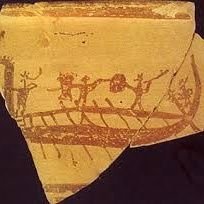
1/ In the middle of the 14th century BC, a fierce conflict between local city-states breaks out in the Levant as a result of the intense aggression of an emerging military power, the kingdom of Amurru, which challenged Egyptian strategic interests in the region.
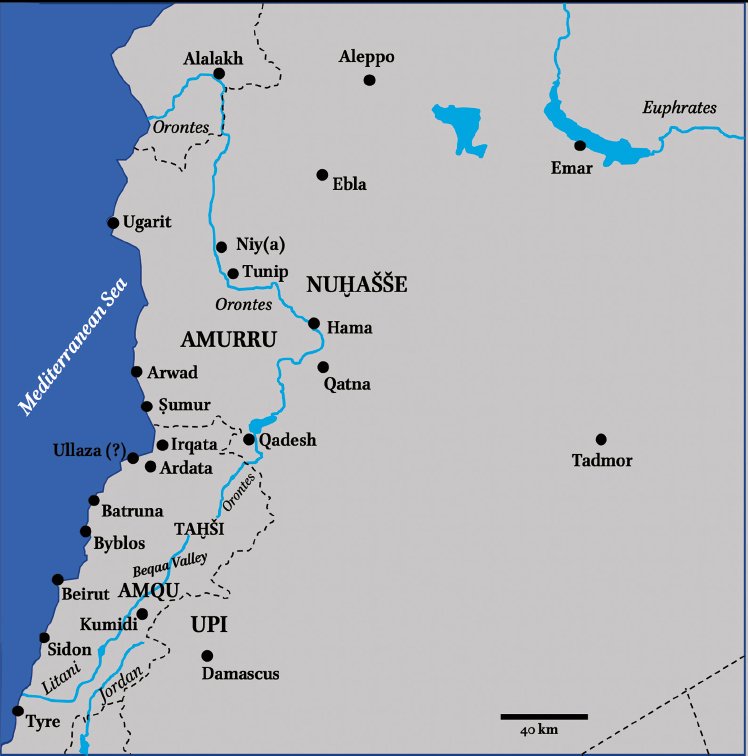
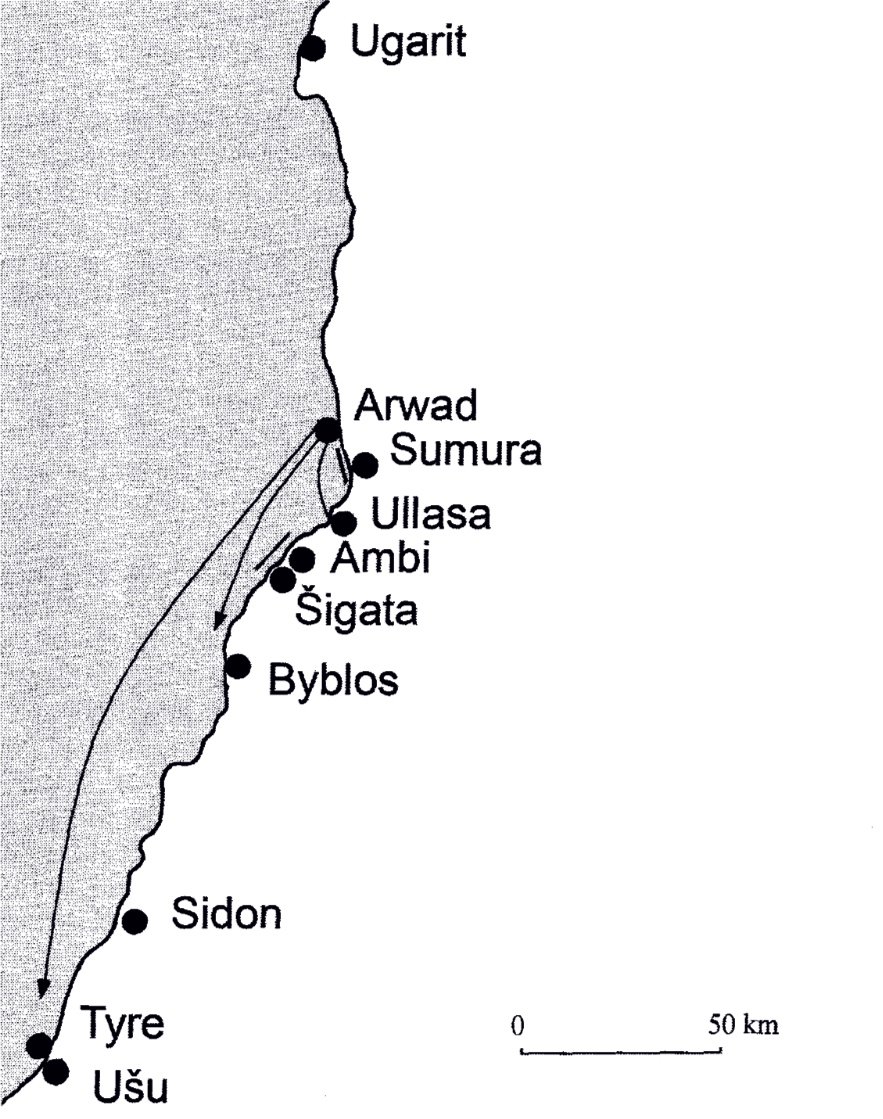
2/ The Amarna Letters describe the events that took place, emphasizing the important role played by the naval forces of Arwad, a small obscure island off the Phoenician coastal zone, whose men acted as mercenaries for the kingdom of Amurru.
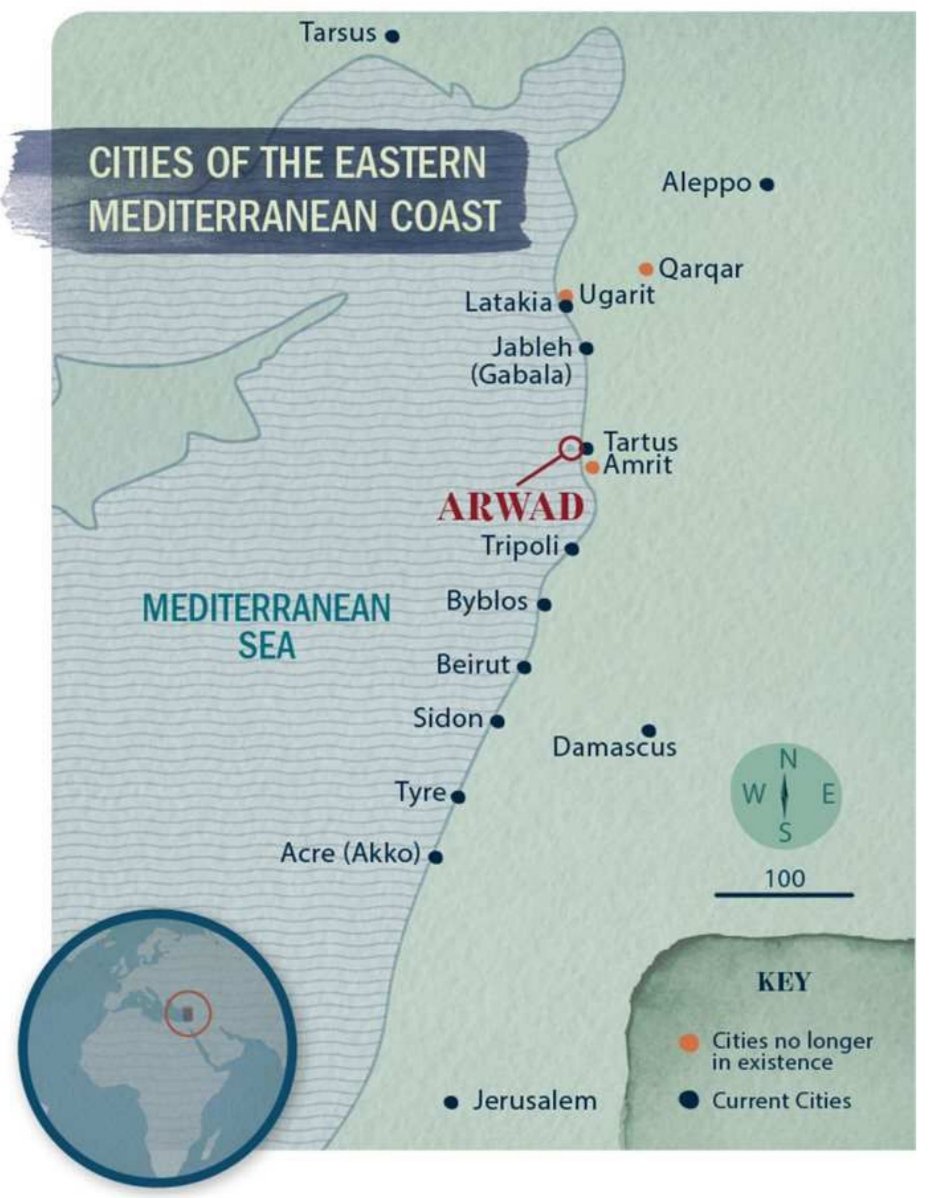
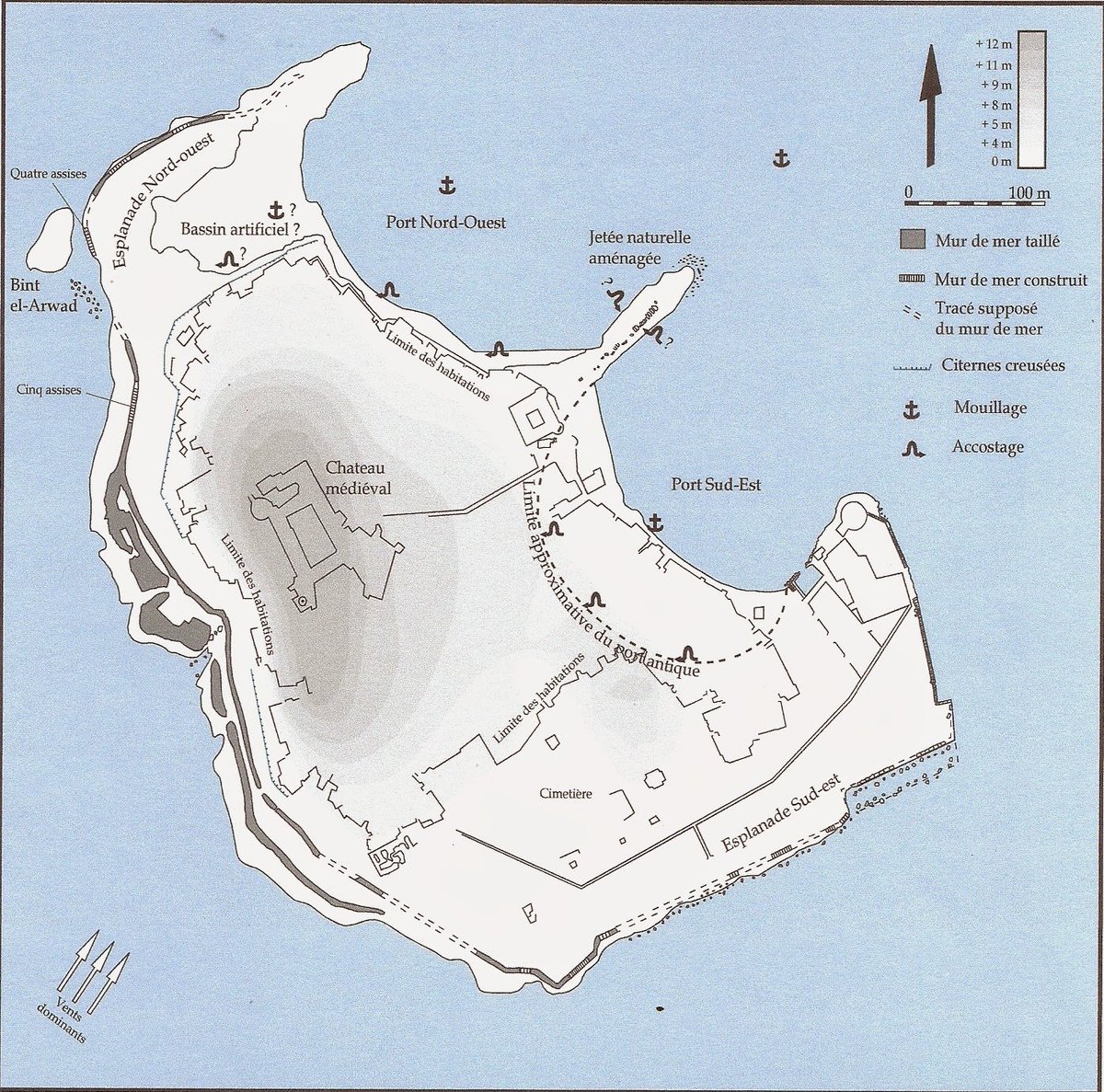
3/ During the Late Bronze Age the island of Arwad was of great importance for international trade due to its strategic location: it was only 2.5 km from the northern shores of the Levant and was a key anchorage for ships heading from Ugarit to Egypt and vice versa.
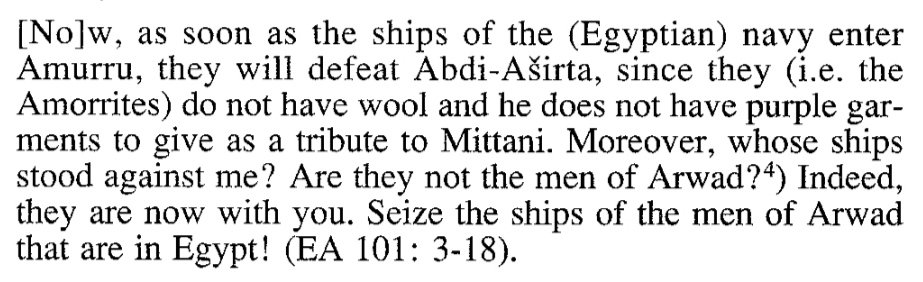
4/ Five Amarna letters refer to Arwad: EA 98, 101, 104, 105 and 149. In EA 101, Rib-Adda, the vassal ruler of the Byblos, asks the pharaoh of Egypt, Amenhotep III, for his military intervention against of hostile ruler Abdi-Ašîrta of Amurru. 👉

👉 Rib-Adda also asks Amenhotep III to take action against Arwad's enemy ships, preventing them from engaging in hostilities against Byblos.
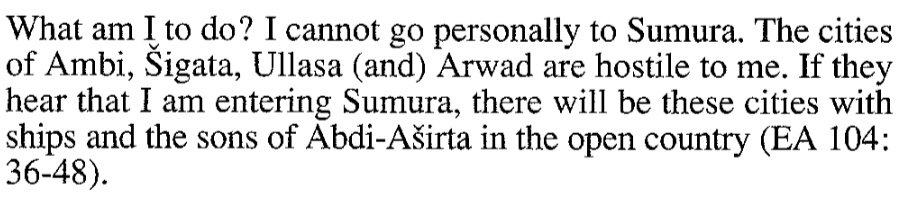
5/ In EA 104, Rib-Adda probably addressing to the new Pharaoh Amenhotep IV refers to the events related to the conquest of a port in the area of Tripoli (Ullasa) by one of the sons of Abdi-Ašîrta of Amurru. 👉
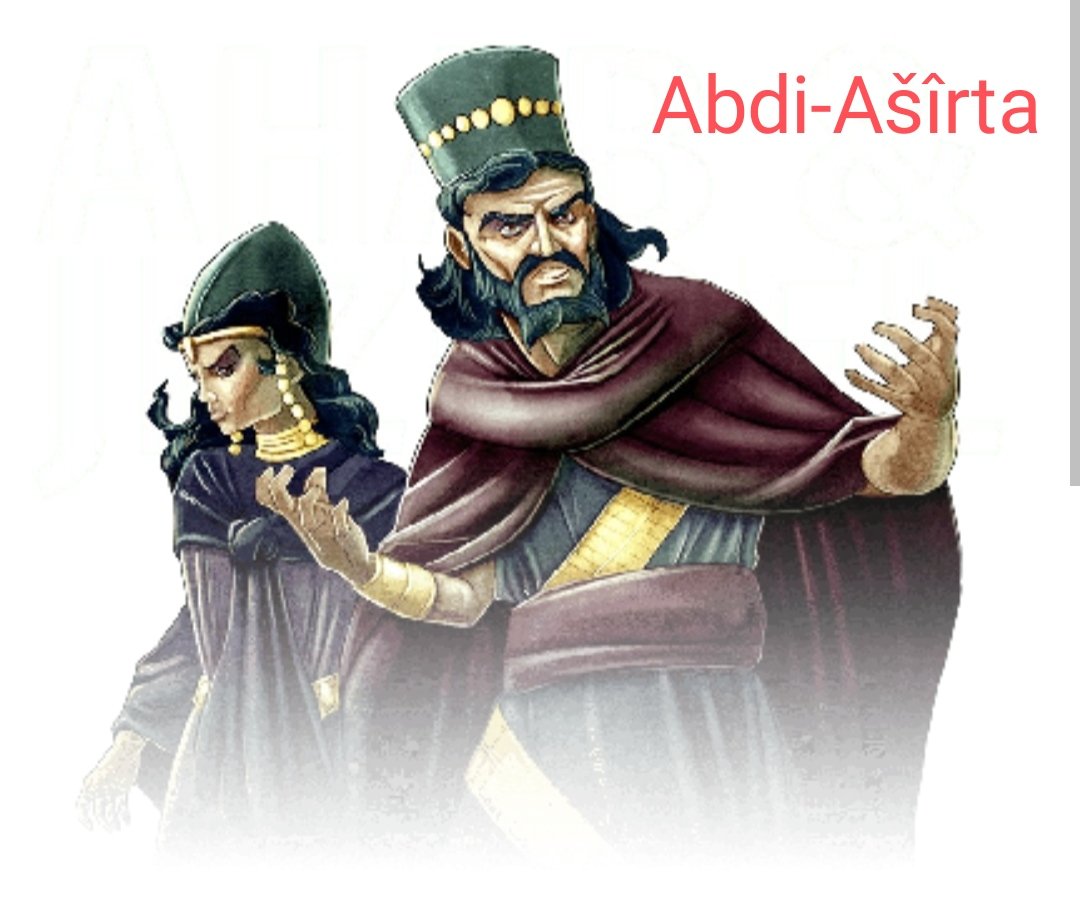
👉 In a passage of the letter referring to the actions of the Amorites against of the important port of Sumura, he pointed out that hostile local naval forces in which Arwad's fleet also participated prevented Rib-Adda's forces from approaching the threatened harbour.
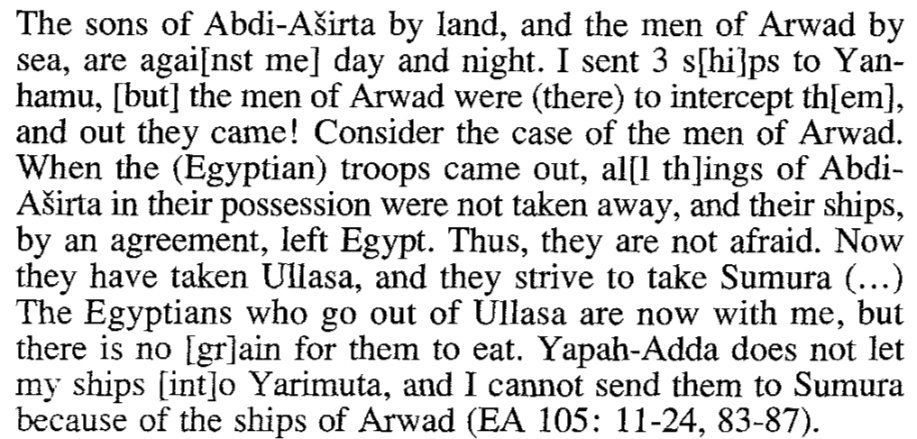
6/ In EA 105, Rib-Adda describes to Amenhotep IV a joint attack by the Amorites and Arwad against Byblos itself, soon after the fall of Ullasa. The Amorites attacked with land forces, while Arwad's naval forces prevented the arrival of the Byblian ships at Sumura.
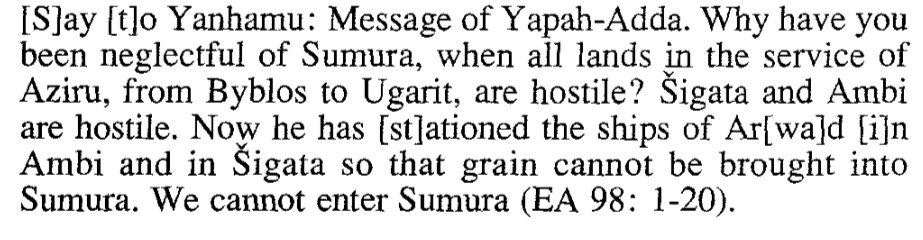
7/ In EA 98, Yapah-Hadda, ruler of Biruta (Beirut) asks the Egyptian commissioner of Sumura for Egyptian military intervention to defend the city from Amorite attacks,where Arwad's naval forces are headed by his son Abdi-Ašîrta, preventing the arrival of grain supplies to Sumura.
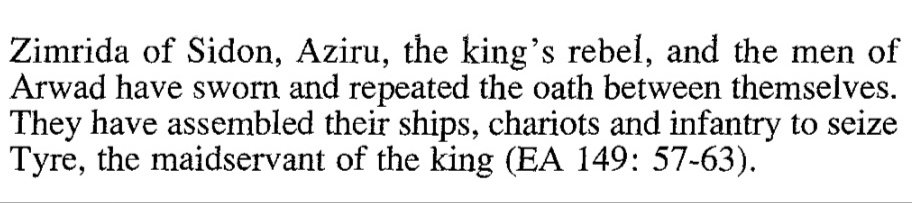
8/ In EA 149, Abi-Milki, the ruler of Tyre, addressing Amenhotep IV, refers to the dispute between Tire and Sidon for control of the lands south of the Litani River, with the fleet of Arwad and the army of Amurru to participate in the conflict, supporting Sidon.
9/ All of the above describes a chaotic situation in the Levant of the mid-14th century BC, in which Arwad's fleet always acts on the side of the Amorites. A crucial element in understanding the role played by Arwad, but especially the nature of its relationship with Amurru, 👉
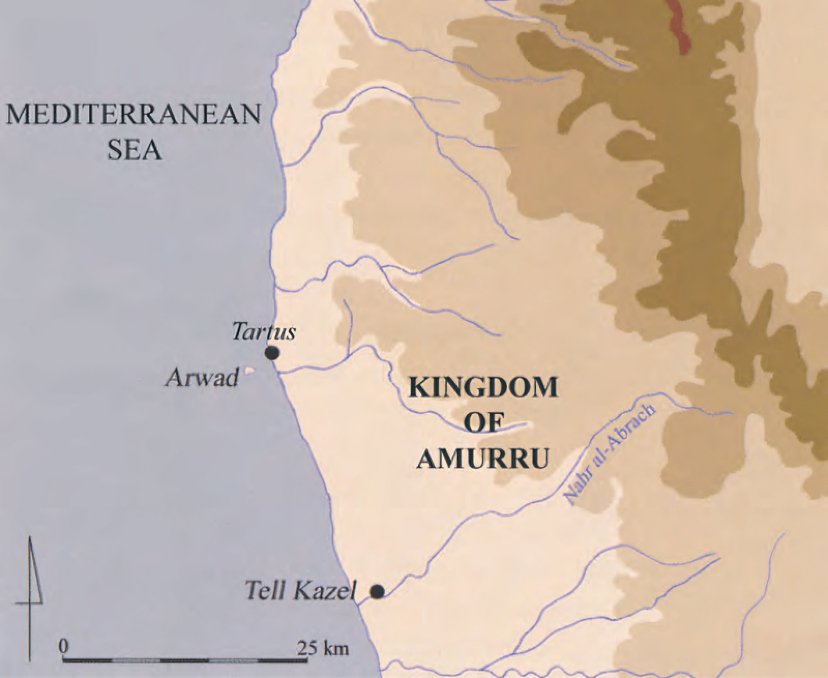
👉 is the fact that in the Amarna texts the military forces of Arwad are referred to as the "men of Arwad", the "ships of Arwad" or the "ships of the men of Arwad", without any mention of any ruler or military leader of Arwad.
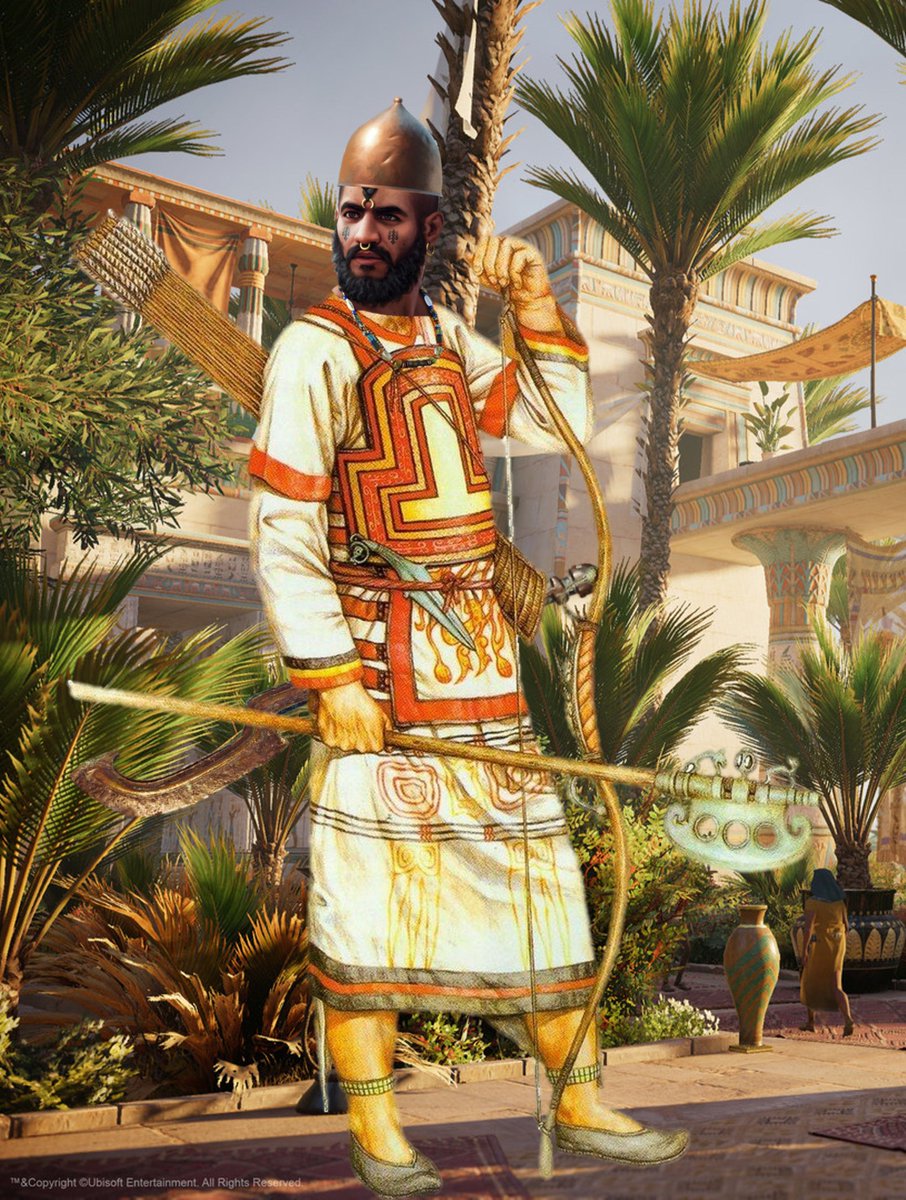
10/ The absence of any leading figure was not the result of some internal political anomaly or temporary situation, but an established feature of Arwad society, while later evidence shows that it was ruled by some local aristocracy or collective political entity.
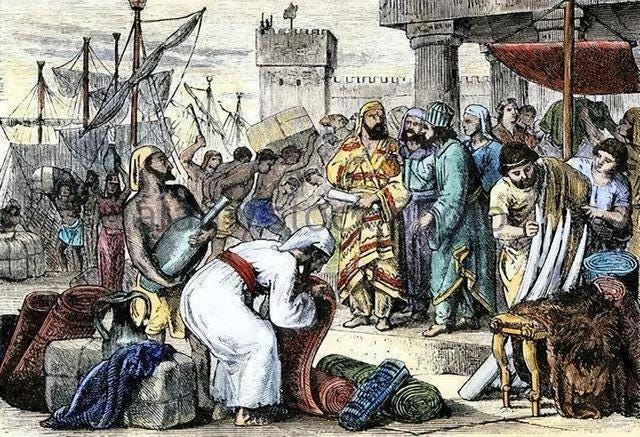
11/ The evidence shows a small island with few productive means of subsistence, without owning agropastoral lands on the opposite mainland and the survival of its inhabitants is decisively linked to international trade due to its strategic location (commercial intermediaries).
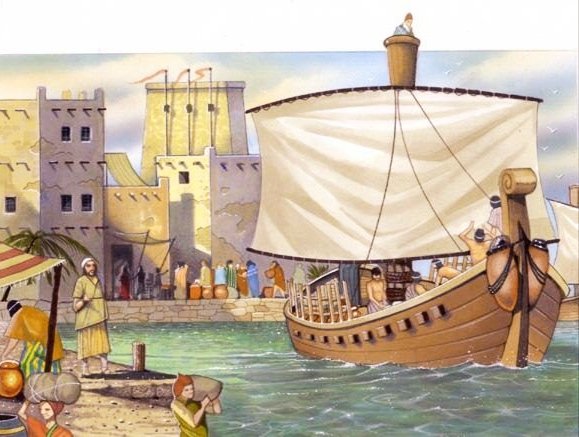
12/But the Egyptian conquest of Levant and the upgrading of the neighboring Sumura into an important port and trade center seem to have had a particularly negative effect on Arwad, with the result that the locals readjusted their lives by turning to piracy and the mercenary life.
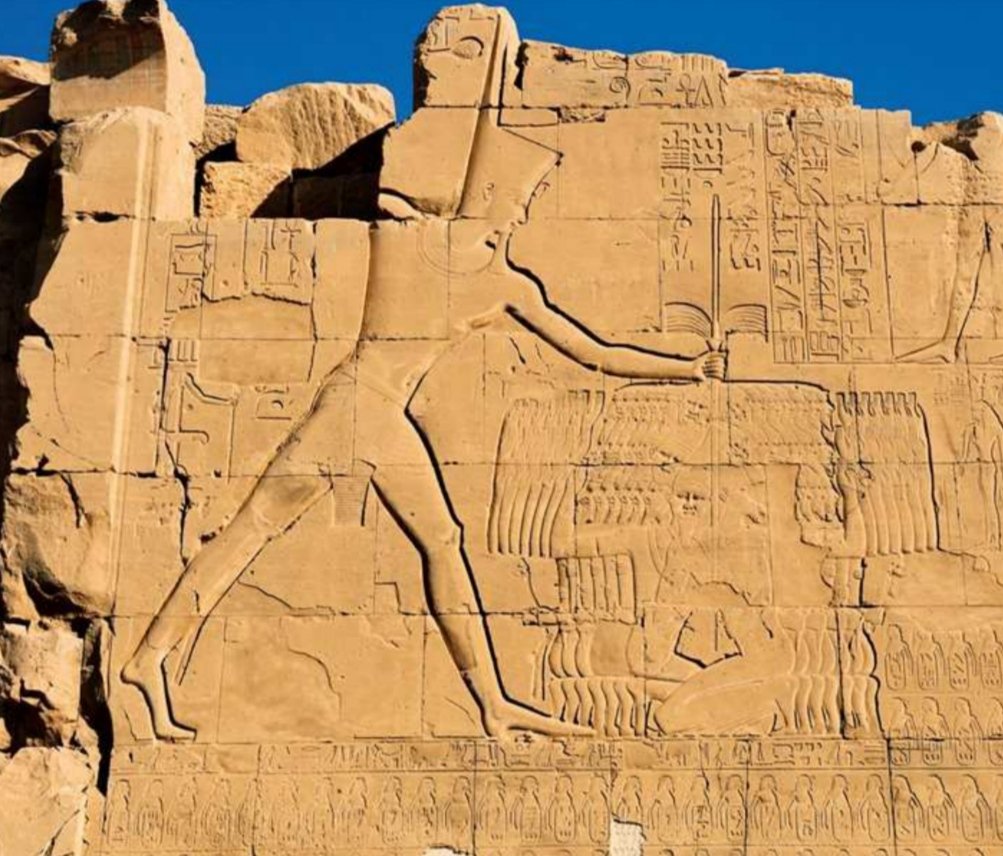
13/ Their shift to the sea raids in coastal areas gave them a useful specialization for the major land players in the region, such as the Amurru, who had no relevant naval tradition. 👉
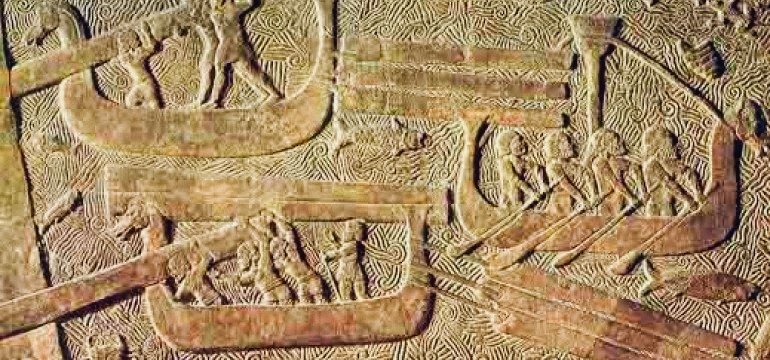
👉 The naval blockade of the port of Sumura, the capture of Ullasa, and the control of sea routes to prevent grain supplies from reaching Sumura epitomize this naval knowledge. Alongside, the involvement of Arwad's fleet in the naval blockade of Tyre, is implied.
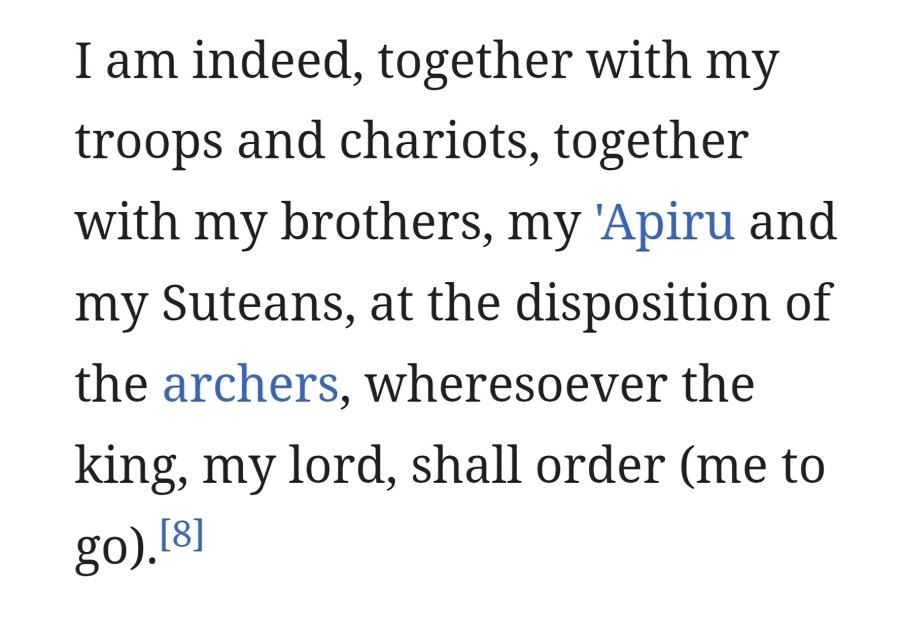
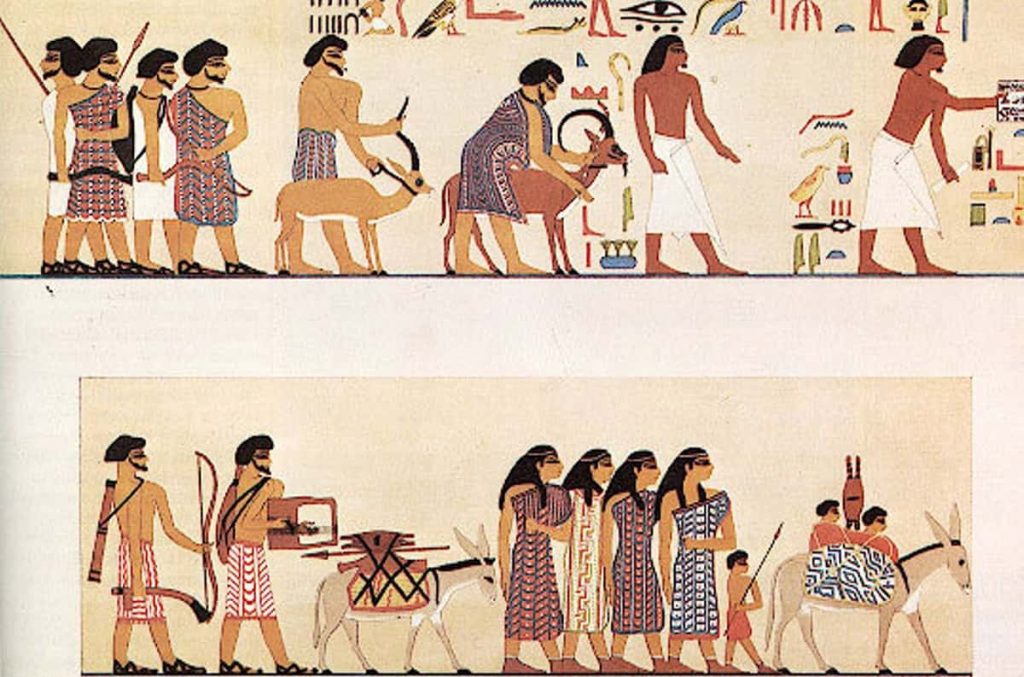
14/ Thus it is very tempting to imagine a client relation between Amurru and Arwad in which both sides are served. After all, the Amarna texts indicate to us that the hiring of mercenaries was a common practice for the rich courts of the Middle East (Šardana, Habiru, Suteans).
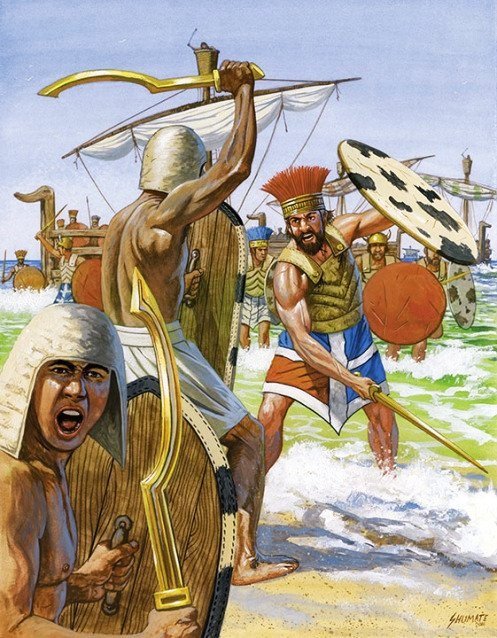
15/The conclusion is that for many years the reservoir of feeding with sea raiders and mercenaries was the poor and marginal populations living in areas on the fringes of the developed systemic world of the Late Bronze Age. At that time their activity was relatively controlled.👉
👉But when the crisis hit central areas of the power system,such as the Mycenaean Aegean and Anatolia,then numerous groups of experienced warriors turned to sea raids and piracy as a strategy for survival as well as social advancement,leading the Eastern Mediterranean into chaos.
Loading suggestions...