
🧵 🧵Thread for today's generation in both #India 🇮🇳and #Maldives 🇲🇻: The 1988 Maldives Coup Attempt & India's #OperationCactus 🧵🧵
Good to refresh your memory or know your country's history!
Good to refresh your memory or know your country's history!


1/ Dive into one of South Asia's gripping yet less discussed chapters - the 1988 coup in the Maldives and India's remarkable military intervention, Operation Cactus. #OperationCactus #SouthAsianHistory
2/ Let's start with the backdrop. The Maldives, a tranquil island nation, was rocked by political turmoil in 1988. At the center was Abdullah Luthufi, a Maldivian businessman who was managing a farm in Sri Lanka, which likely helped him forge ties with militant groups in #lka.
3/ Luthufi's dissatisfaction with President Maumoon Abdul Gayoom's rule pushed him towards plotting a coup. He wasn't alone in this endeavor (Ahmed "Sagaru" Nasir) - he had powerful allies.
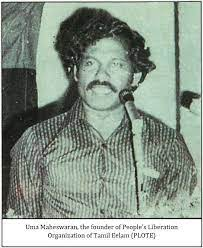
4/ Enter PLOTE - the People's Liberation Organisation of Tamil Eelam, a Sri Lankan Tamil militant group headed by Uma Maheswaran. Engaged in the Sri Lankan Civil War, PLOTE found a curious partner in Luthufi for their own reasons.
5/ November 3, 1988, marked the start of the dramatic coup. Luthufi and around 180-200 PLOTE mercenaries landed in Malé, aiming to overthrow Gayoom's government.
6/ The rebels swiftly captured key locations - the airport, government buildings, even the national broadcasting station. The Maldivian government was caught off-guard.
7/ Amidst chaos, President Gayoom managed to avoid capture and made a distress call for international help. This is where India's role becomes pivotal.
8/ While the President escaped capture, his ministers were not so lucky. President Gayoom requested military intervention from nearby countries like Srilanka, Singapore etc but they all refused help owing to limitations.
9/ The USA was ready to help but will take 2-3 days minimum to reach the shores of Maldives.
It was the UK Prime Minister, Margaret Thatcher, who suggested Gayoom reach out to India, and PM Rajiv Gandhi obliged.
It was the UK Prime Minister, Margaret Thatcher, who suggested Gayoom reach out to India, and PM Rajiv Gandhi obliged.
10/ Indian PM Rajiv Gandhi, understanding the strategic implications and the plea from a neighboring ally, decided to intervene. Thus, Operation Cactus was set into motion.
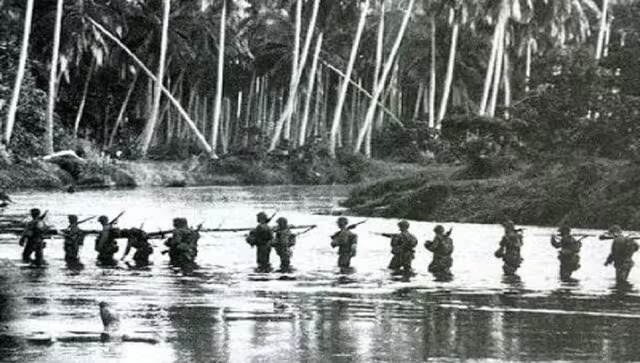
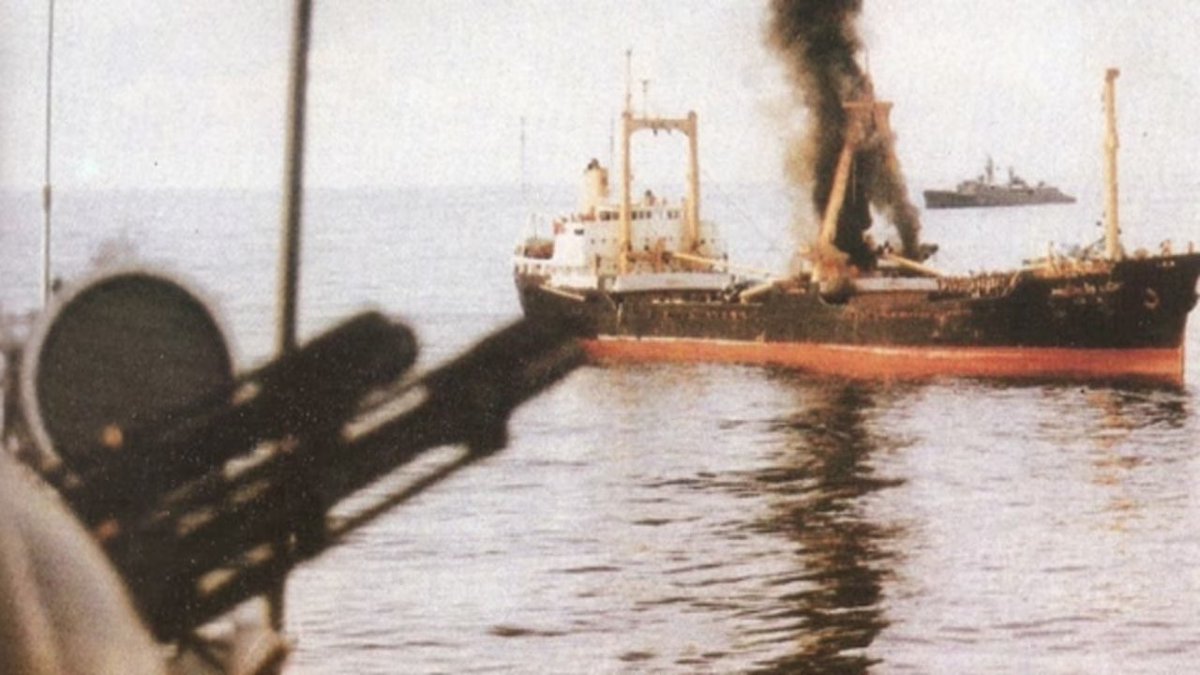
11/ India's response was notably rapid. Within hours, the Indian Army's Parachute Regiment and the Indian Navy were en route to Maldives. A daring night-time operation with the primary task of rescuing the President within 4 hours of its landing and completed the whole operation in 16 hours.
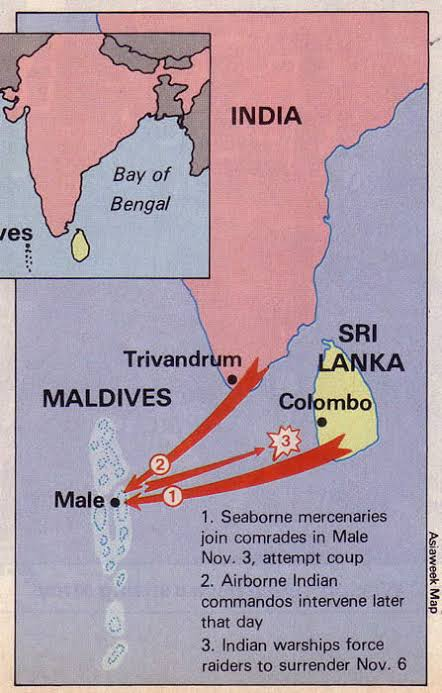
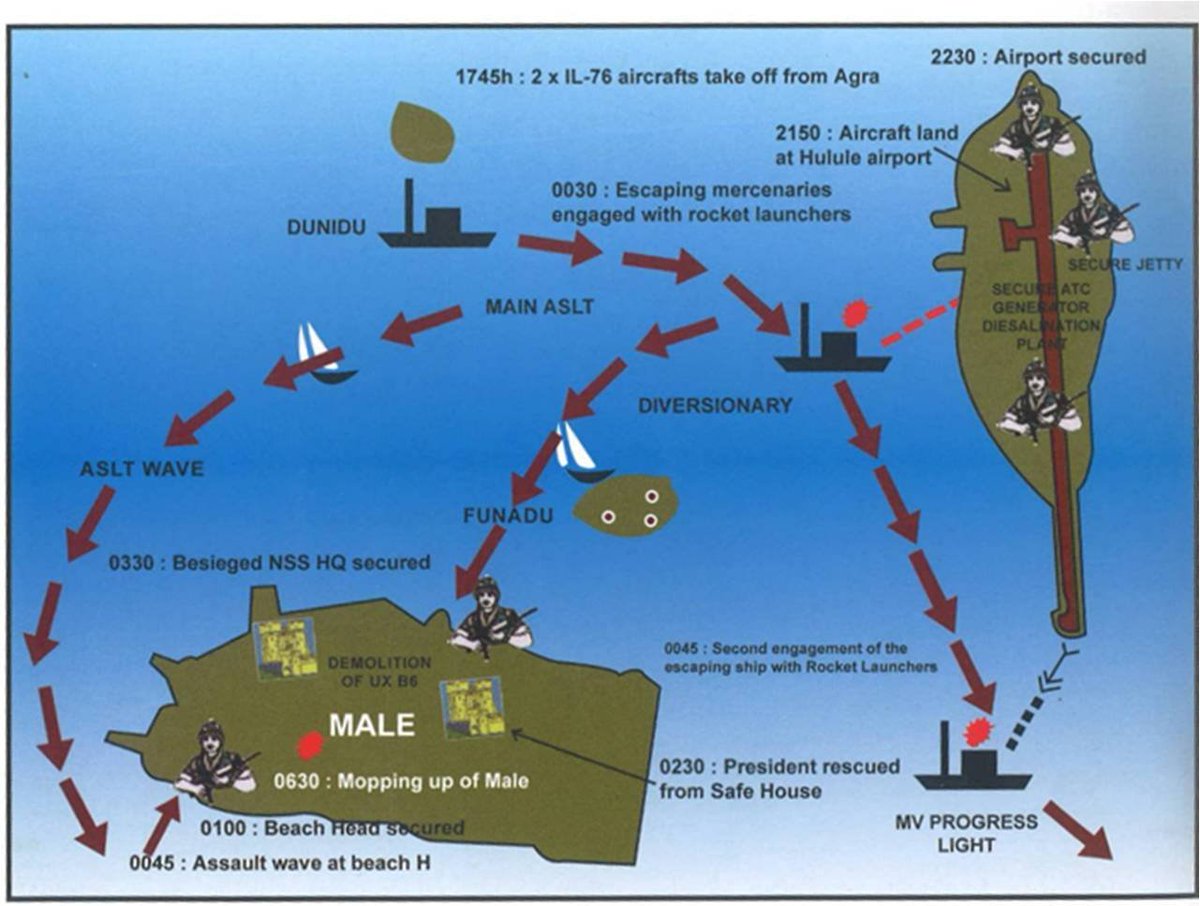
12/ Indian forces landed in Malé, quickly securing the airport and key government facilities. Their efficiency and speed were crucial in swinging the momentum against the coup plotters.

13/ The Indian intervention was surgical and effective, leading to the quick downfall of the coup. The PLOTE mercenaries, including Luthufi, found themselves overwhelmed and eventually captured.
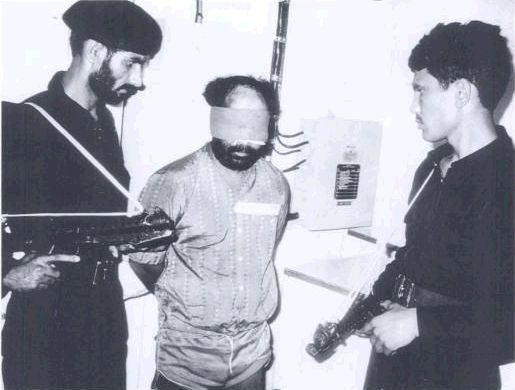
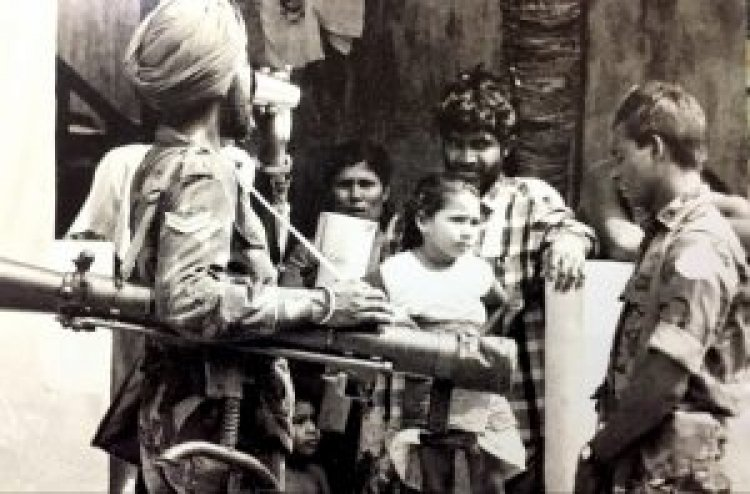
14/ The aftermath of Operation Cactus was significant. President Gayoom's government was restored, and the sovereignty of the Maldives was upheld. India's role was applauded internationally.
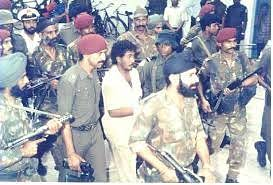
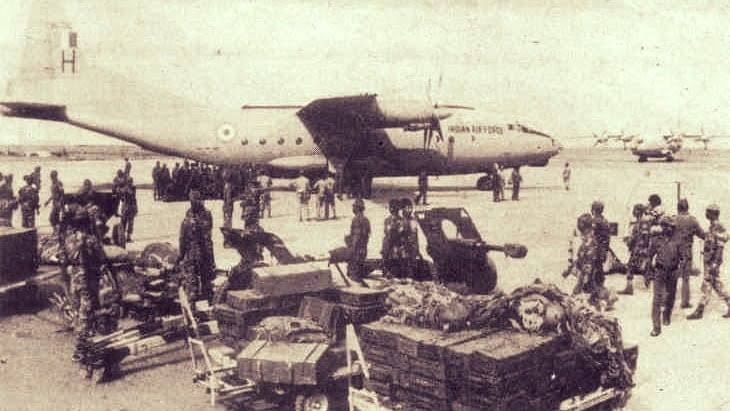
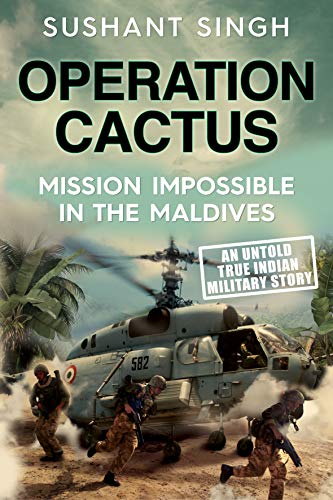
15/ The book Operation Cactus: Mission Impossible in the Maldives notes that the Indian military did not even have a decent map of the areas they were going to. It had to use tourist maps and coffee-table books to operate.
16/ Operation Cactus had broader implications. It highlighted India's military capabilities and its willingness to act as a regional stabilizer. It also marked a defining moment in India-Maldives bilateral relations.
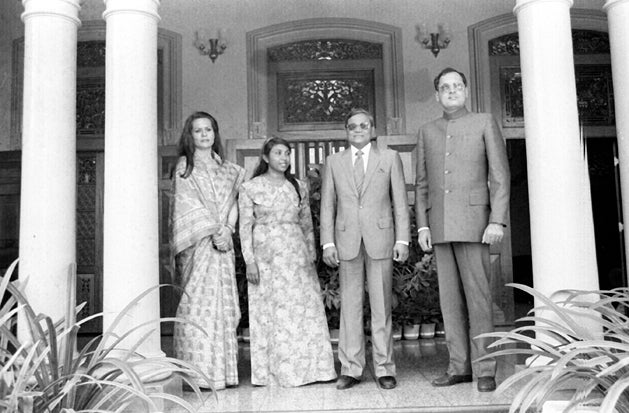
17/ The 1988 coup attempt in the Maldives and the subsequent Indian intervention are more than just historical events. They represent the complex interplay of regional politics, power dynamics, and the role of international allies.
18/ In retrospect, #OperationCactus stands as a testament to India's strategic foresight and military prowess. It's a compelling case study in international relations and crisis management.
#India #Maldives
#India #Maldives
Loading suggestions...