
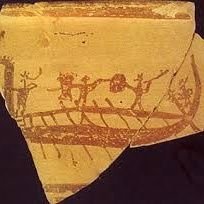
1/ The Sherden are the most interesting case of the so-called Sea Peoples and they actively participated in several important events that took place during the Late Bronze Age Collapse. But who were these mysterious guys and where did they come from?
#Sherden
#Sherden
2/ First of all, they are mentioned in various texts and inscribed reliefs of the Eastern Mediterranean, mainly Egyptian. The first record of the Sherden occurs in three Amarna letters in the mid-14th century BC, when they appear serving as members of the Egyptian garrison 👉
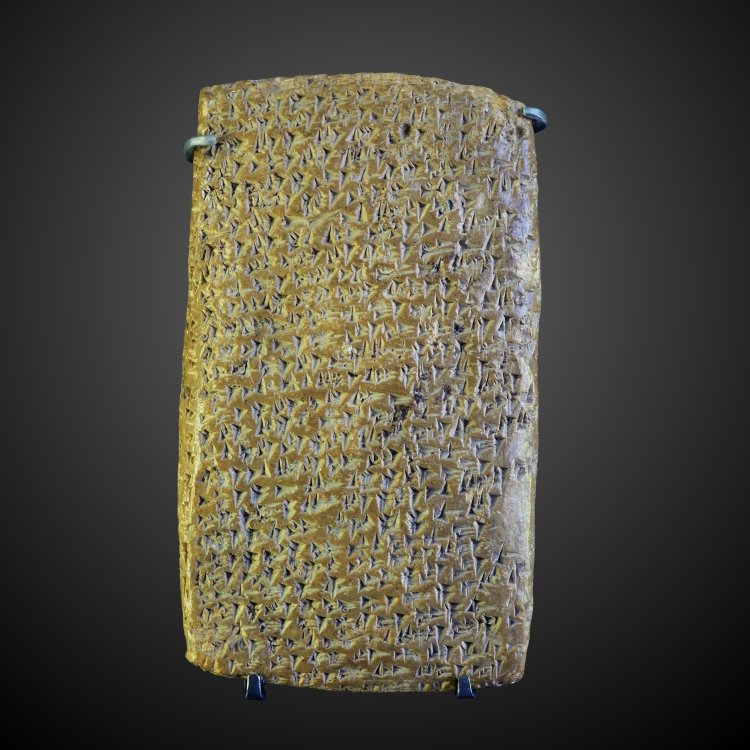
👉 in the vassal city-state of the Biblos (Gubla), providing their services to the local ruler Rib Hadda. They are referred to by the term Srdn-w, rendered as širdanu - people, without giving any further information about them.
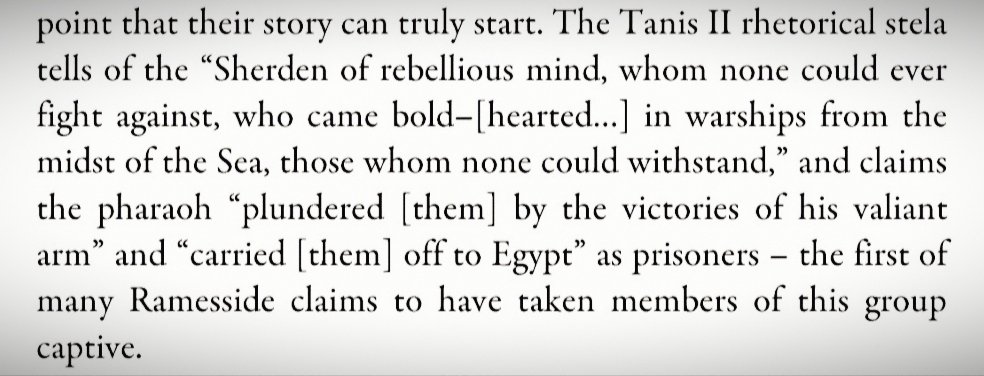
3/Several years later, in the first years of Ramses II's reign,they make their first essentially historical appearance. The Tanis II Stela states that warlike groups of Sherden from the Middle of the Sea attempted sea raids on Egypt, but were defeated and captured by the pharaoh.
4/ The Egyptians give the impression that they are surprised by the tactics and especially the new flexible ships used by the Sherden, designed to carry out sudden sea raids and then withdraw in a flash before they can mobilize significant military forces.
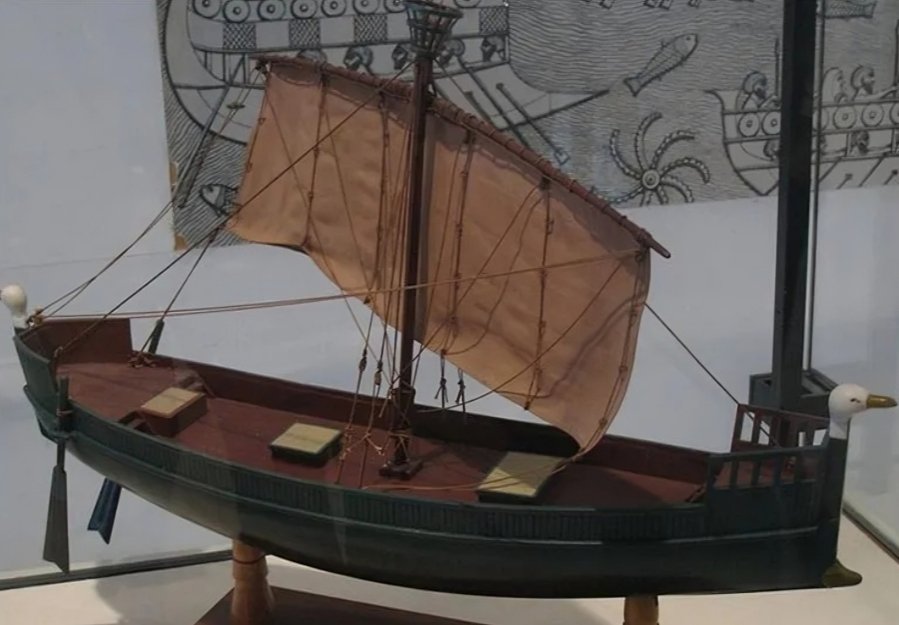
5/ So the Sherden are presented at this early stage as active pirates, who infested the sea trade routes and ports of the Eastern Mediterranean, as did the Lukka, and indeed for a long time before this reference, 👉
👉 while at the same time it would be tempting the scenario of the recruitment of such armed groups by the rich courts of the region to protect their commercial harbours from piracy activity.
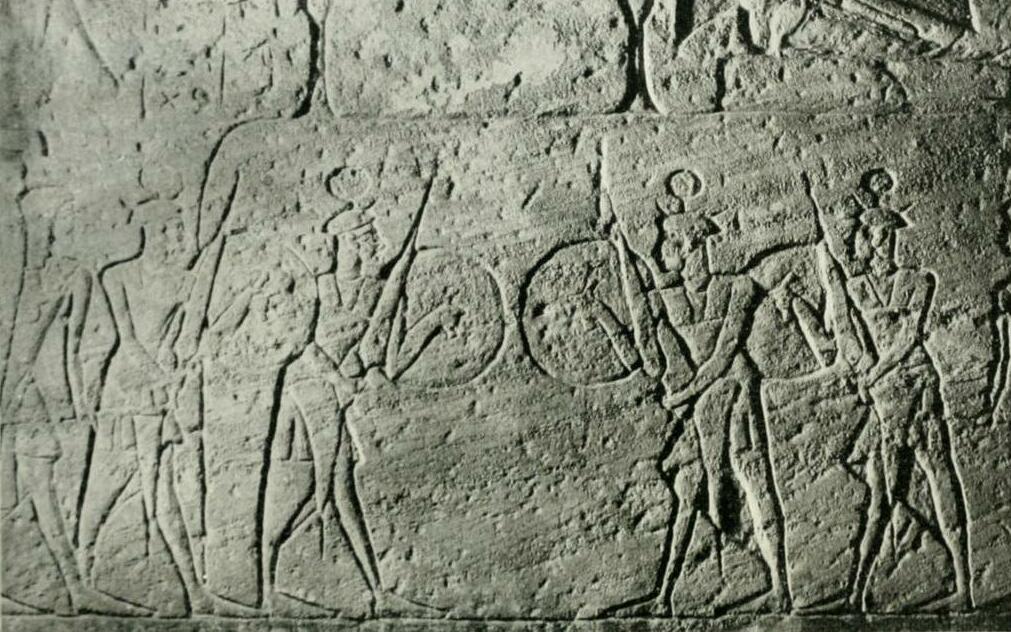
6/ The Egyptian successes against piracy led to the capture of Sherden groups and then to their systematic integration into the ranks of the pharaonic army, becoming over time a typical element of the expeditionary corps and at the same time manning coastal forts 👉
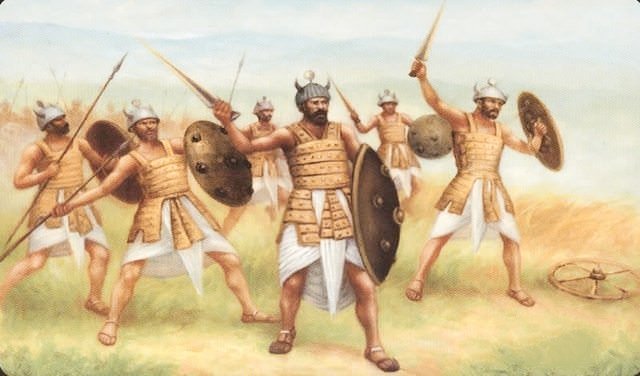
👉 In fact, the Sherden appear in the Battle of Kadesh in a more upgraded and elite role, as some of them staffed the royal guard of Ramses II. Nevertheless the Sherden continued to pose a threat to the northern coastal areas of Egypt.
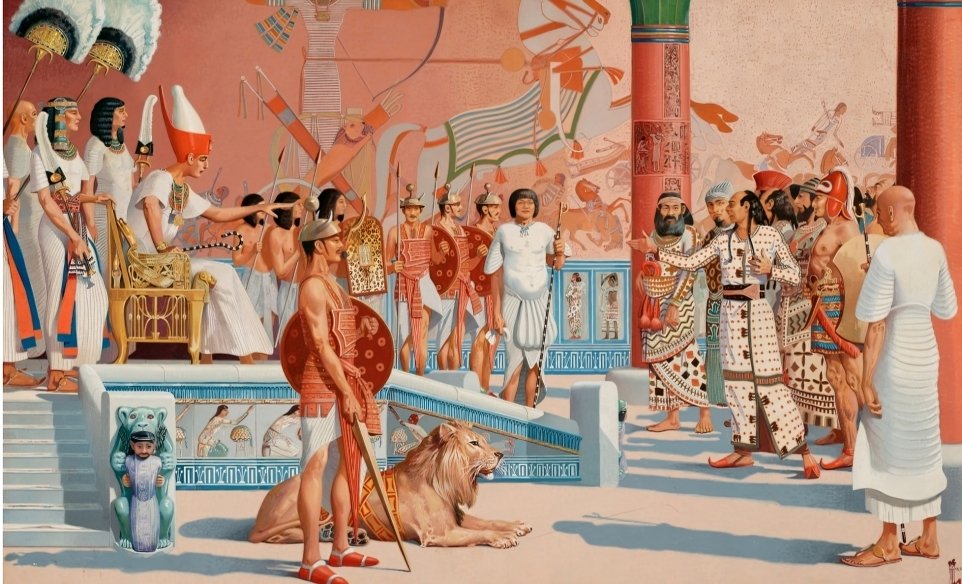
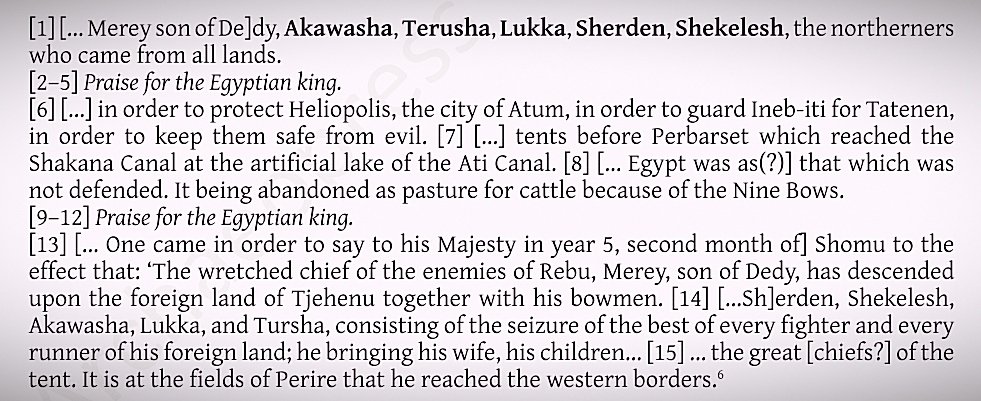
7/The Sherden appear again in the fifth year of Merneptah reign when they join a coalition of Sea Peoples and Libyans in an unsuccessful attack on W. Egypt. Of particular interest is the fact that while the Karnak relief inscription includes the Sherden among the four peoples👉
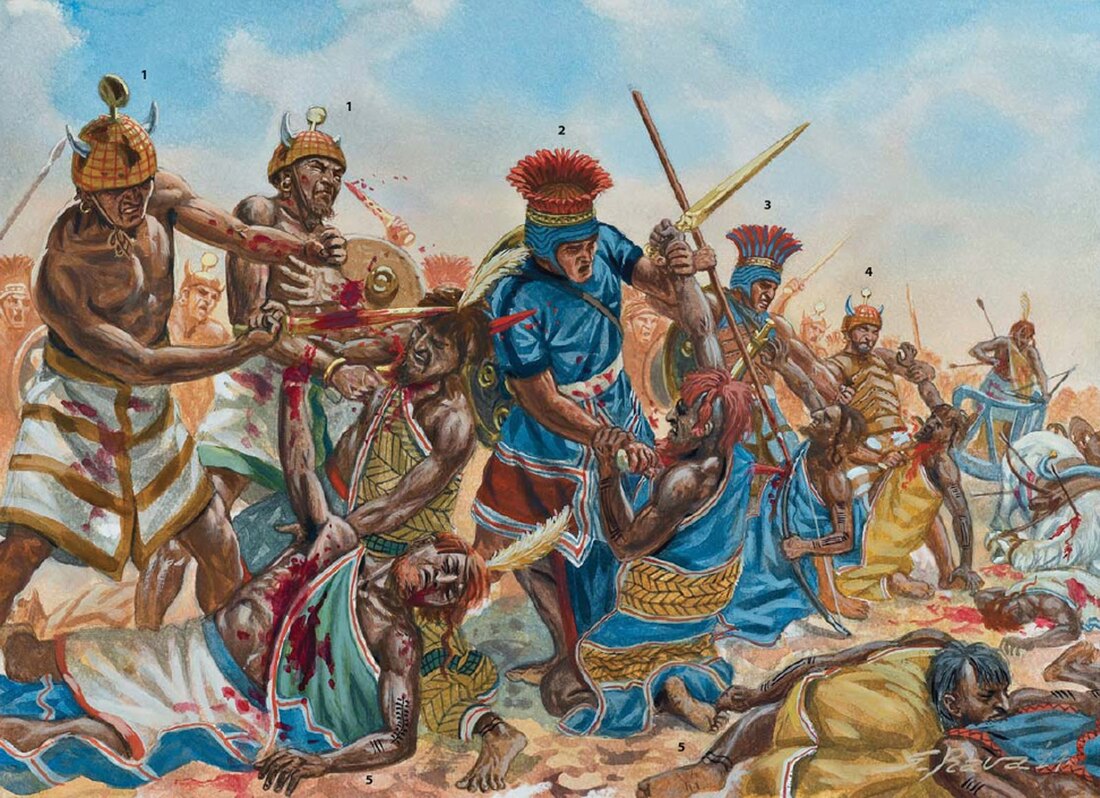
👉 of the coalition coming from foreign lands, the Athribis Stela mentions only the Ekwesh as foreigners. In addition let us note that the Great Karnak inscription mentions that the Sherden mercenary invaders were circumcised, a characteristic feature of the Semitic peoples.
8/ The Sherden were involved in the great sea and land raids of the Sea Peoples in the Nile Delta during the reign of Ramses III in the early 12th century BC. They are depicted in the Medinet Habu reliefs fighting alongside the Peleset against the pharaonic army, but 👉
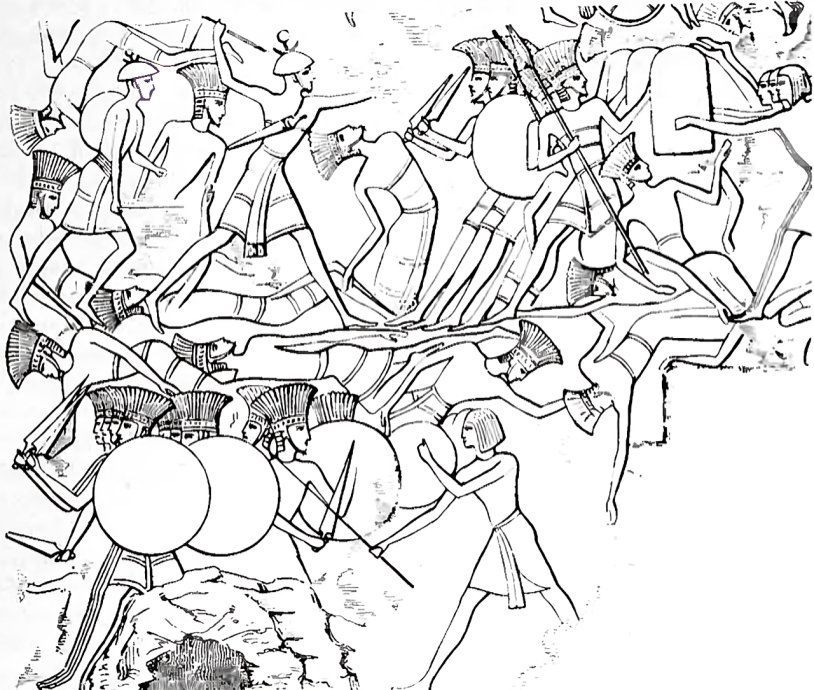
👉at the same time Sherden armed groups are also depicted as mercenaries in the ranks of the Egyptian army. It is noteworthy that the Sherden are not mentioned in any inscriptions of the time of Ramesses III as enemies of Egypt,except in the famous naval battle in the Nile Delta.
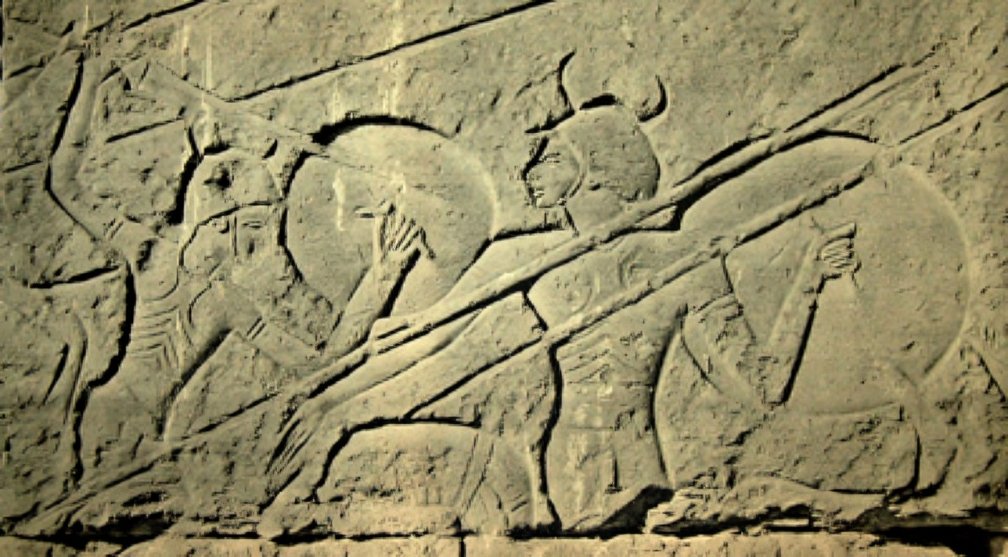
9/ In conclusion we observe that Egyptian textual and pictorial references sometimes identify the Sherden as mercenary detachments of the Egyptian army and sometimes as harmful to the pharaonic administration mainly due to their pirate activity 👉
👉 with the first relevant references dating back to the early years of the reign of Ramses II. This particular long-lived Pharaoh seems to have been diligently engaged in combating their action, but also in integrating them into Egyptian society.
10/ It has been argued that the Sherden were mercenaries without stable alliances with several scholars associating them with the Hittite term SHARDIA, which identified the military forces that provided allied and vassal kingdoms to the Hittite imperial army. 👉
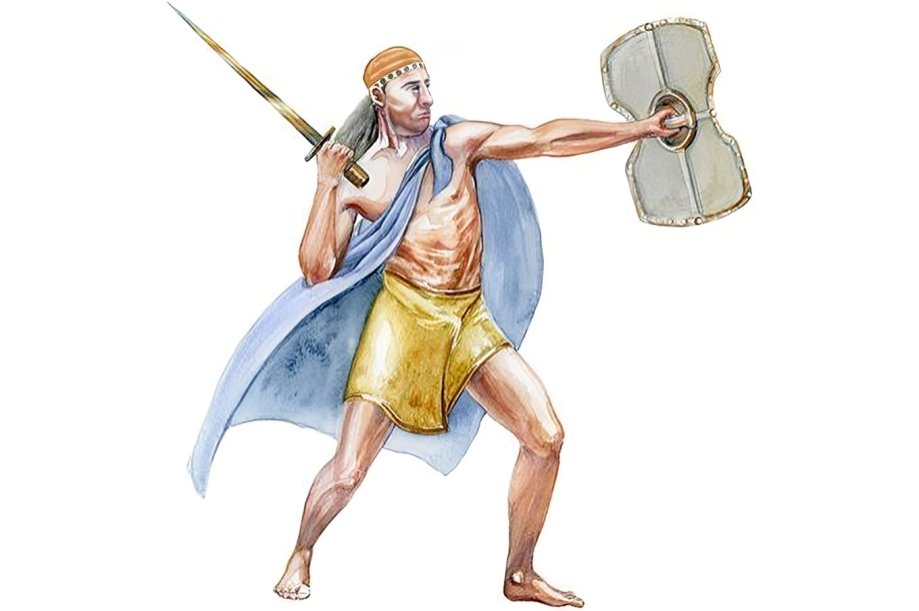
👉 Thus it was considered that the word Sherden did not identify a specific population group, but had a general meaning of mercenary. I personally believe that the elements identify a certain people.
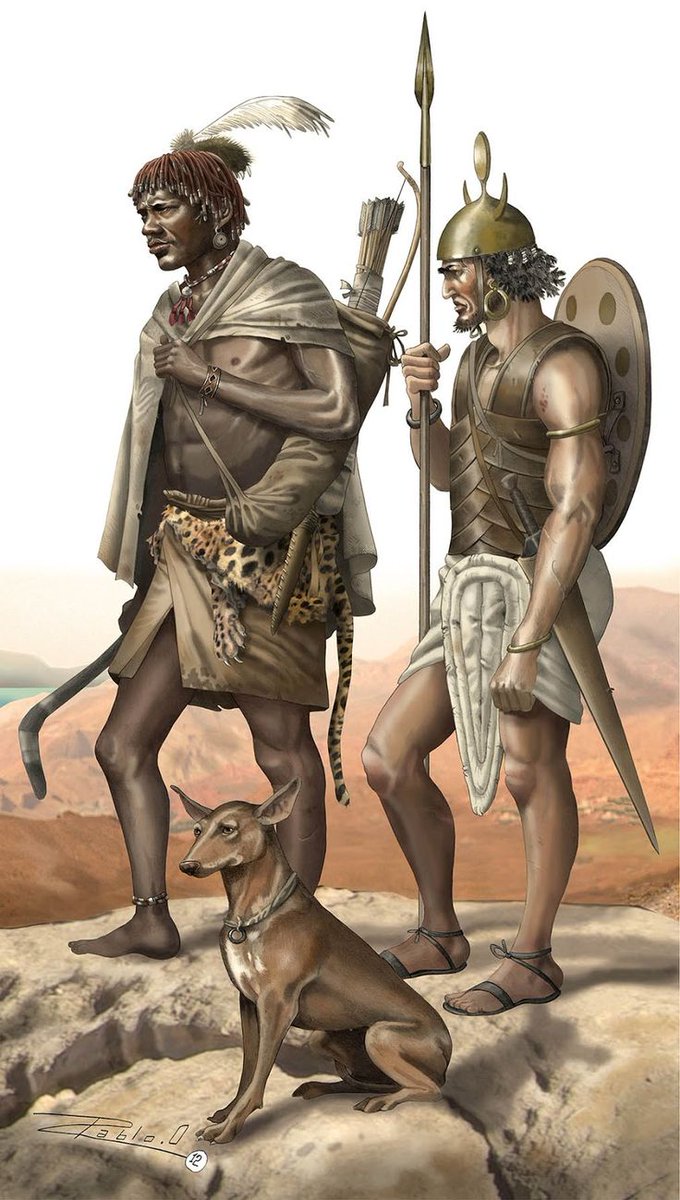
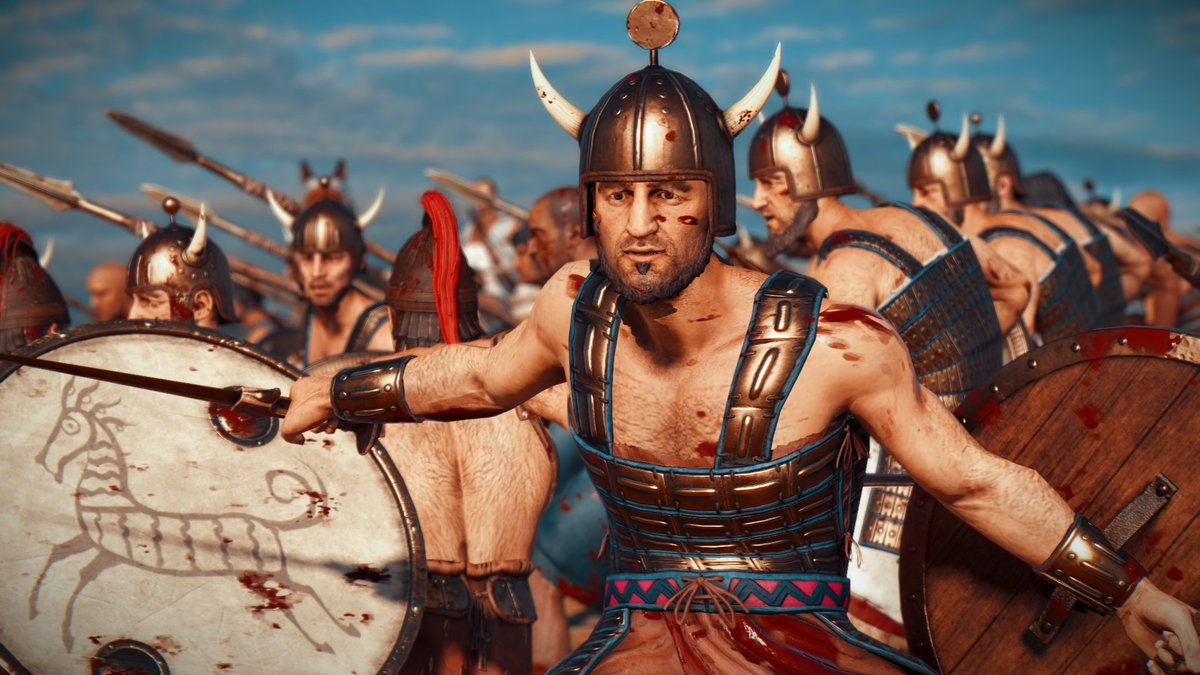
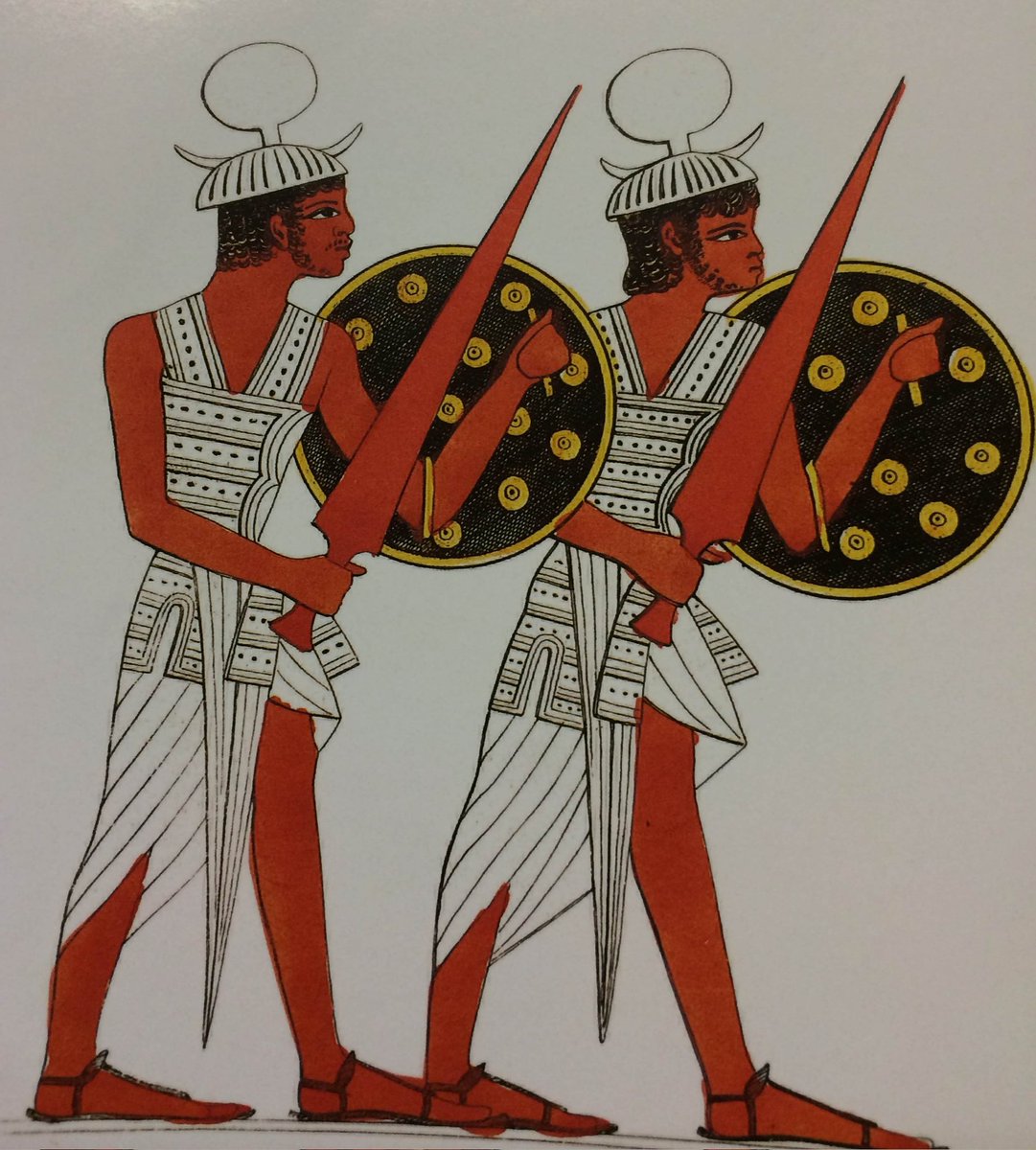
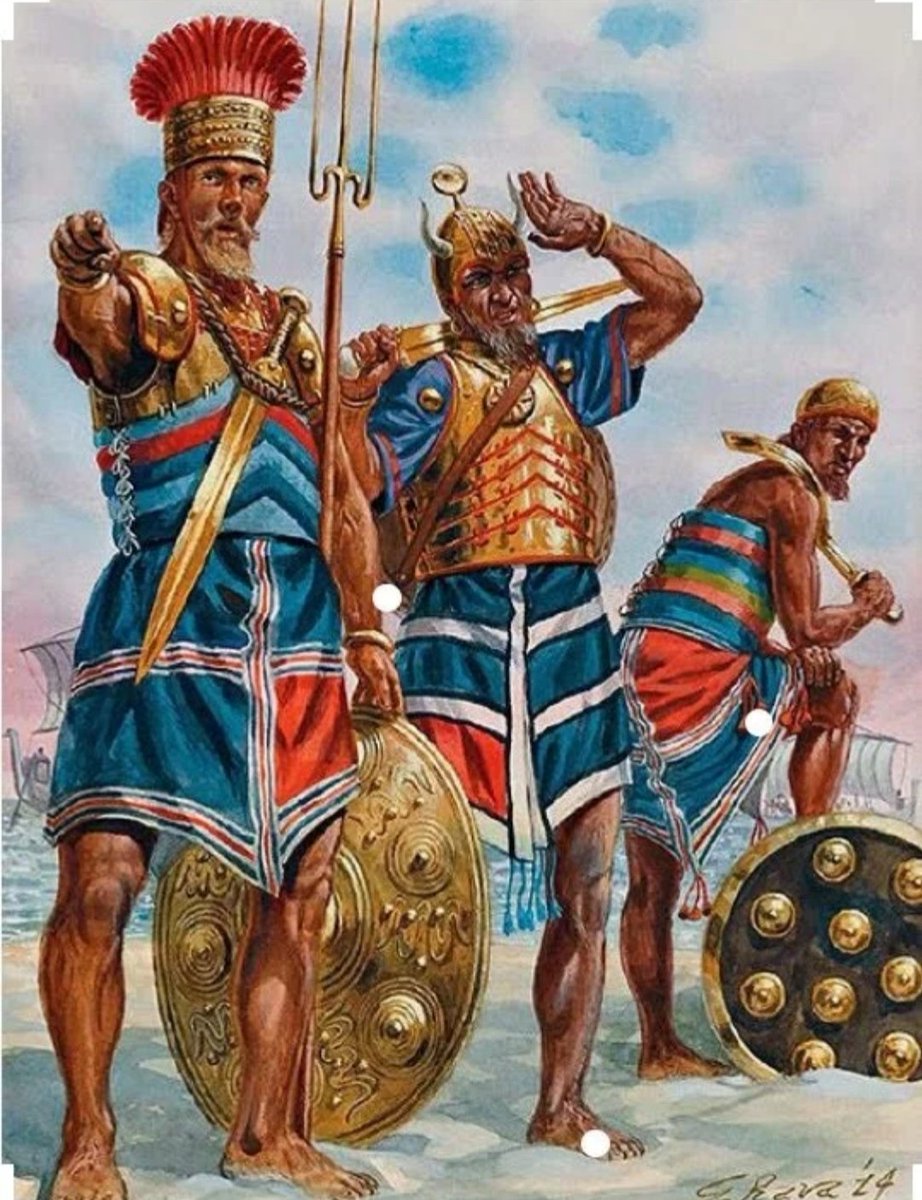
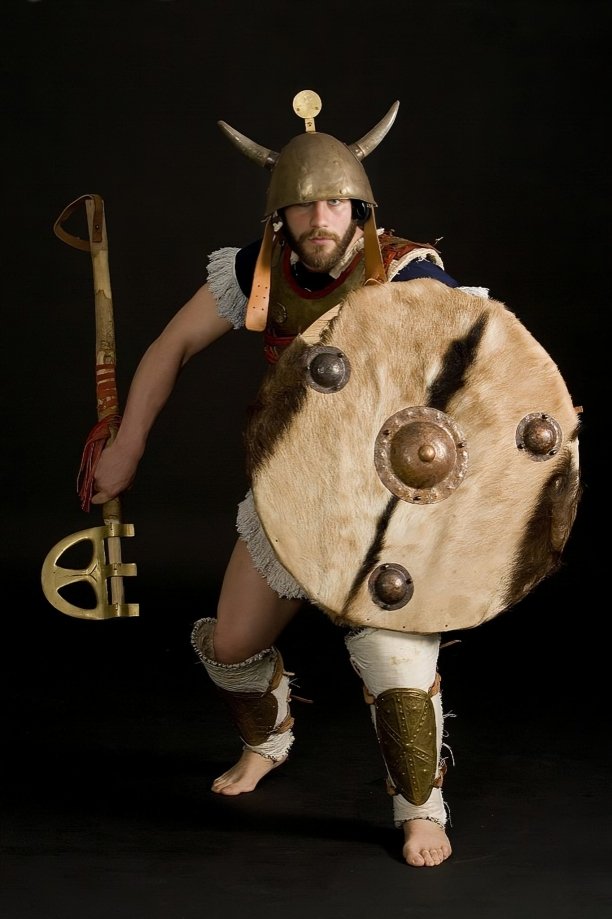
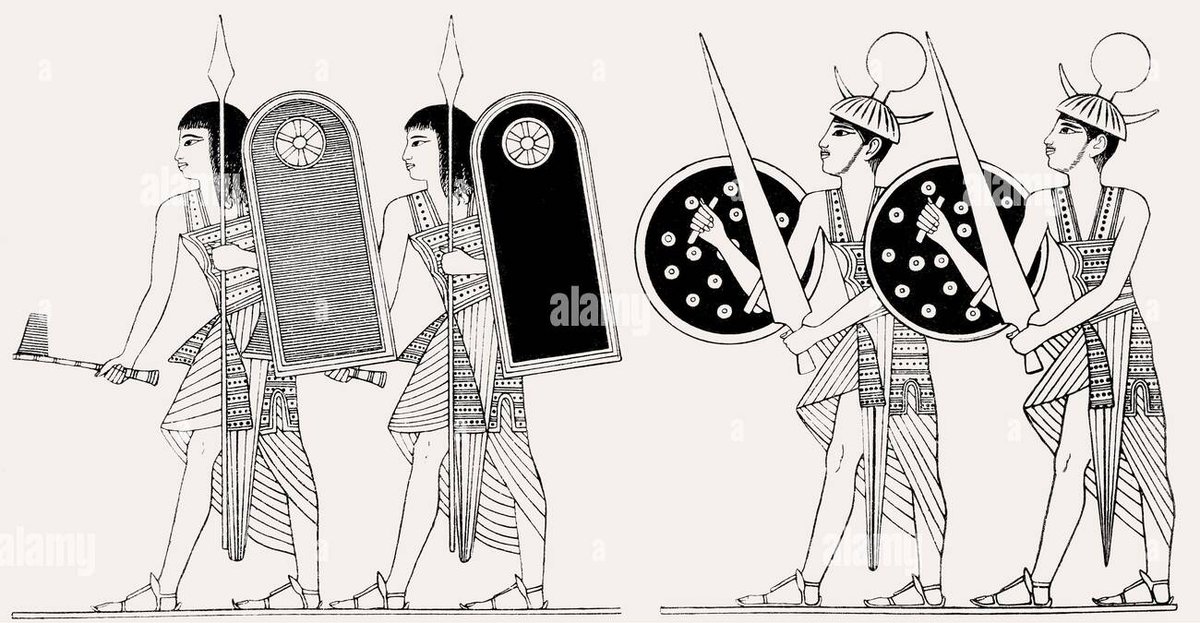
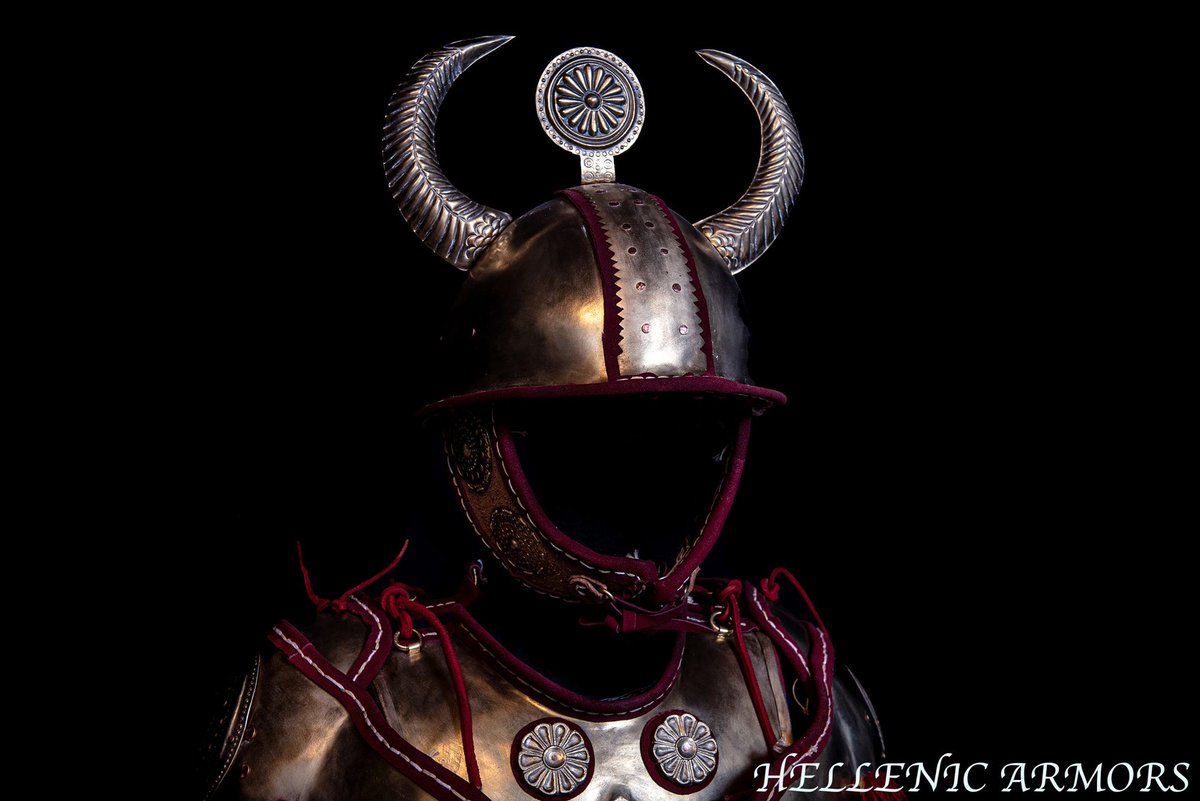
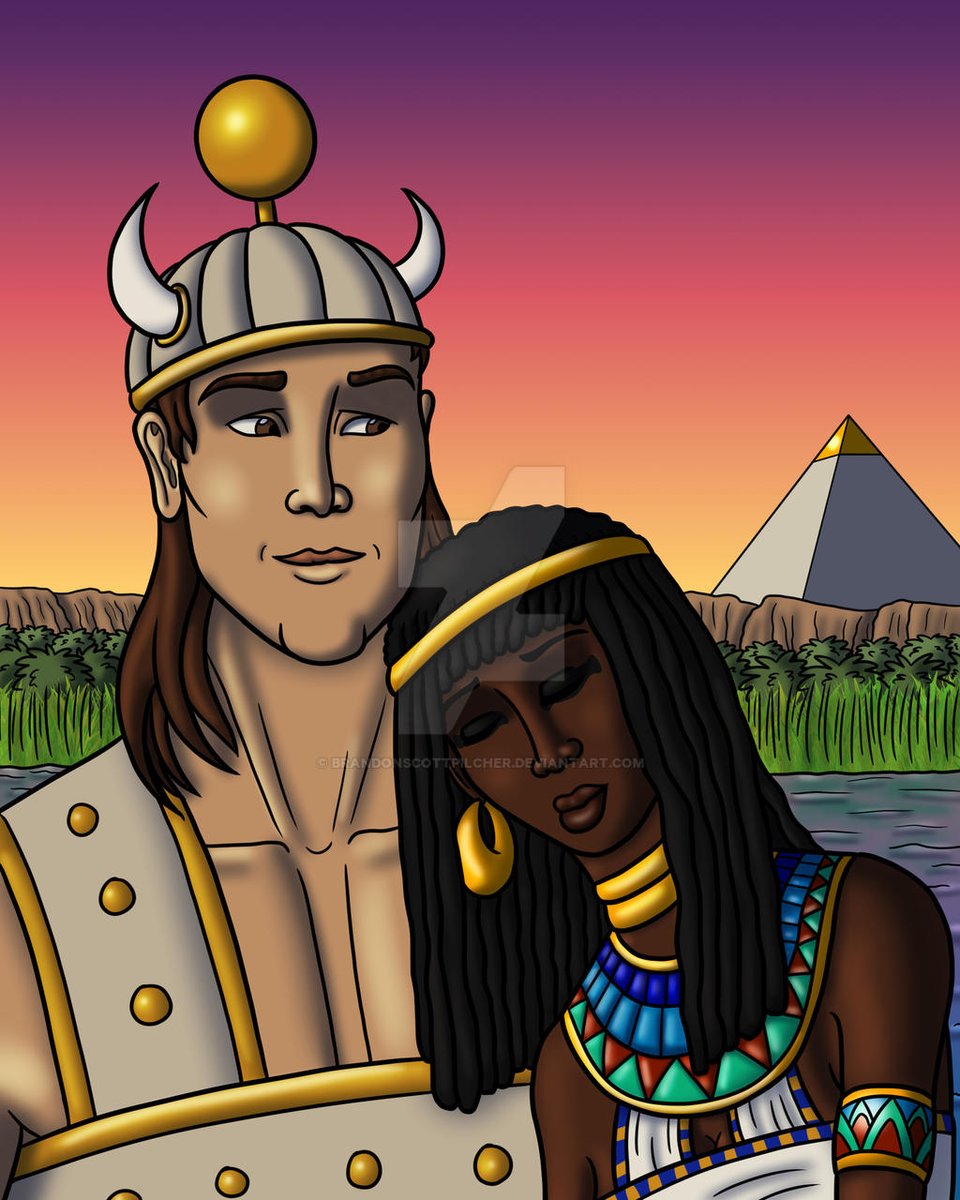
11/ In the triumphal reliefs from the Battle of Kadesh the Egyptians depict the Sherden wearing a light tunic, holding a medium-sized round shield and protecting their head with a simple helmet with two horns and a central disc. 👉
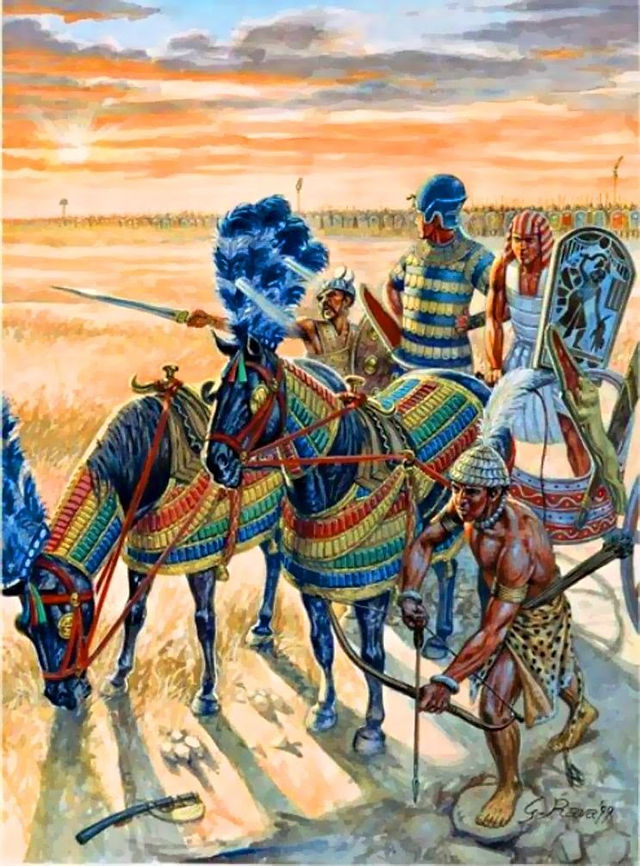
👉 Almost a century later during the sea and land raids of the Sea Peoples in the Nile Delta the Sherden are depicted carrying a medium-sized round shield with a central handle, a two-horned helmet, a characteristic long sword and corselet.
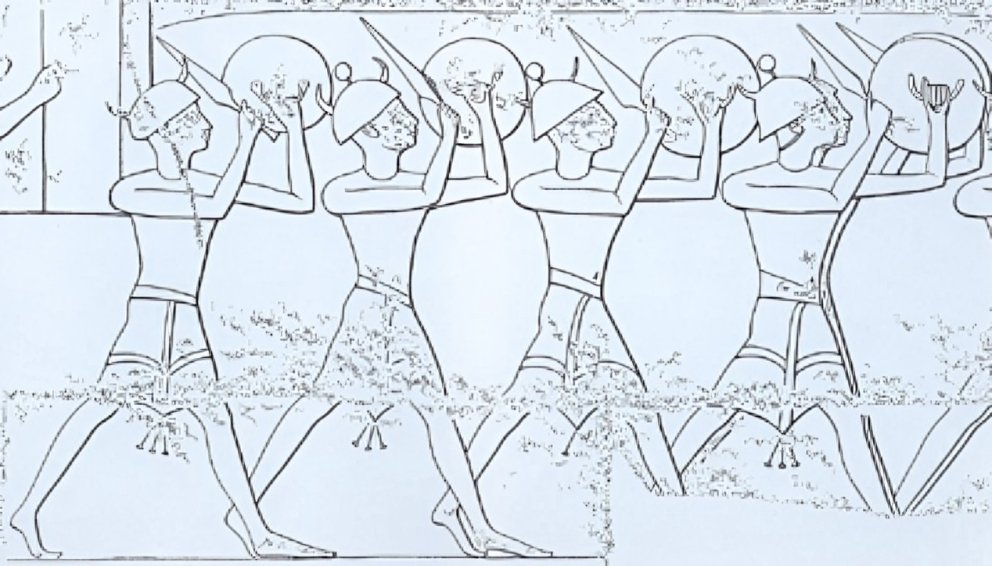
12/ In general the weapons carried by the Sherden are the standard armament of the warrior of the 13th century BC in the wider Mediterranean area (Aegean,Anatolia,Levant, Sardinia) with unclear origin, although elements of highly innovative Central European metallurgy is evident.
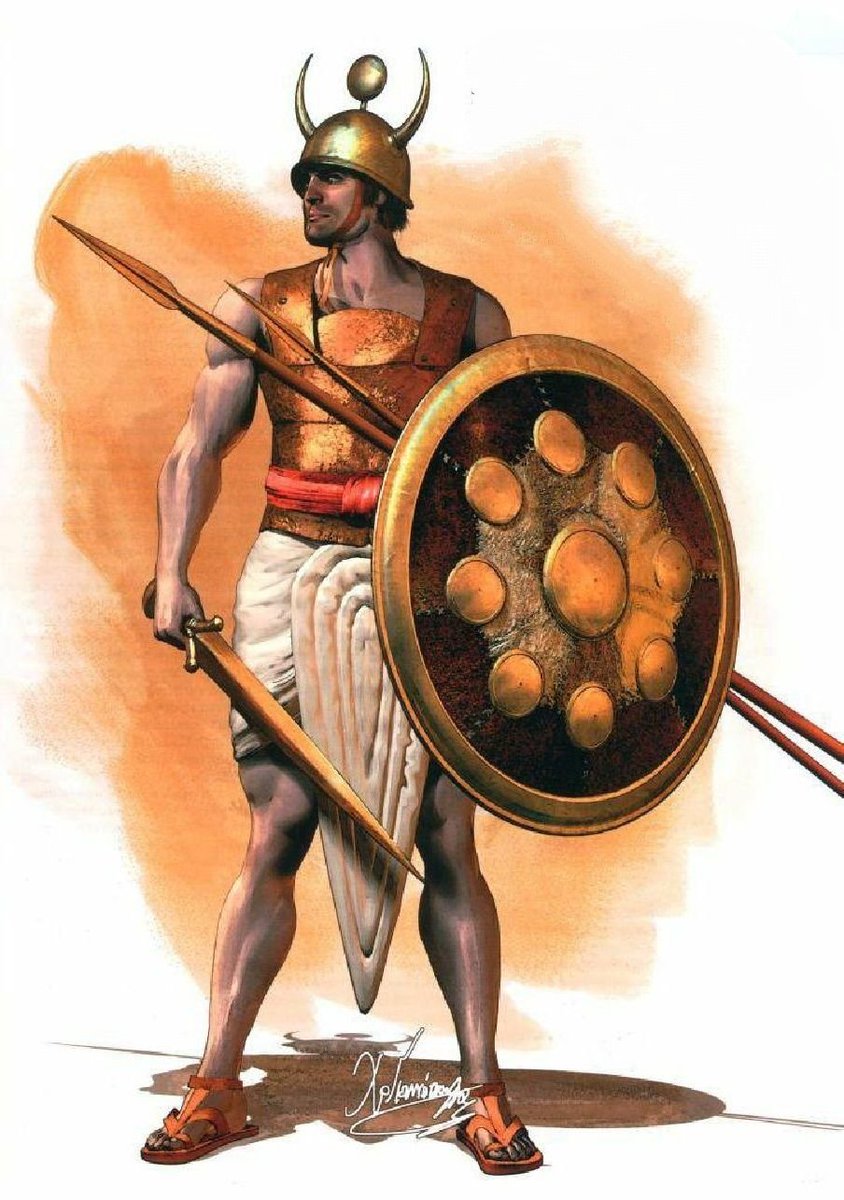
13/ The same ambiguity prevails with the horned helmets, which appear with slight variations in the Aegean, Anatolia, Central - Northern Europe and Italy. The central disc of the Sherden helmets appears only when they serve in the pharaonic army associated with the solar God Re.
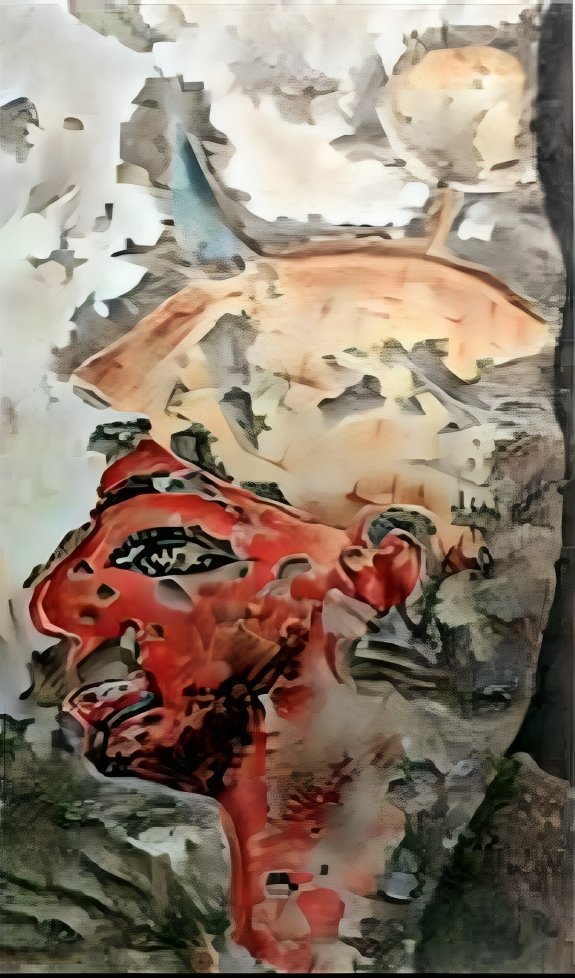
14/ However, the inscribed relief of Medinet Habu shows a Sherden chieftain as a prisoner of the pharaoh wearing a horned helmet with a central disc, testifying that rebel Sherden mercenaries of the Egyptian army joined the invading ranks. 👉
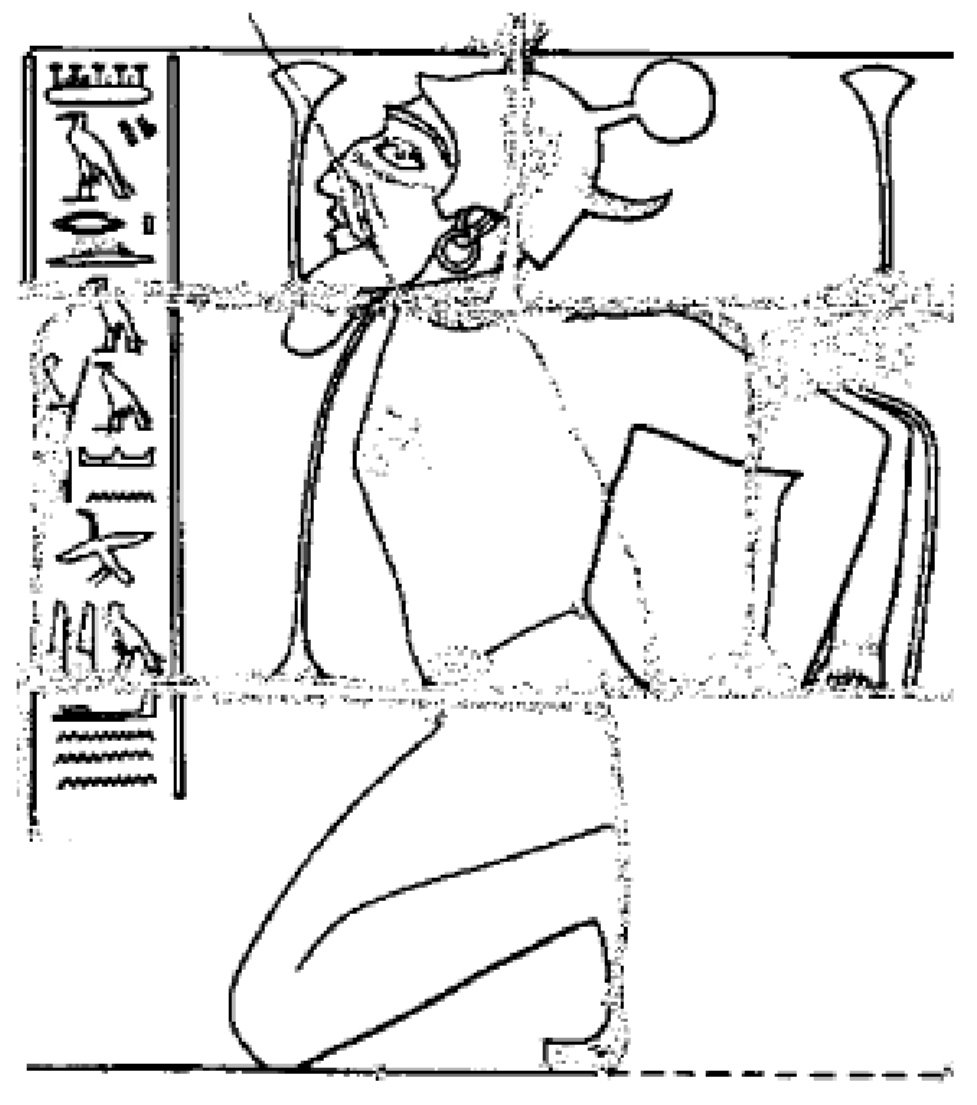
👉 The interesting thing is that the Sherden chieftain is depicted with the same features that the Egyptians depicted the Semites, a fact that may indicate a Near Eastern origin for the Sherden. 👉
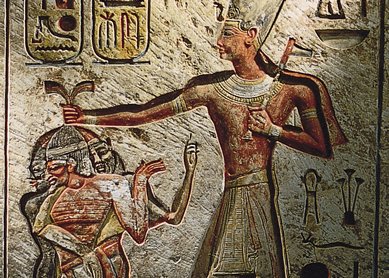
👉 This scenario is reinforced by the Great Karnak inscription of Merneptah, where the Sherden mercenary invaders are reported to have been circumcised. Finally, in a Ugaritic tablet the father of a Sherden is mentioned by the Semitic name Mut-Baal.
15/ After the storm of the failed invasion of the Sea Peoples in Egypt textual references appear that speak of permanent settlement of Sherden populations in various Egyptian provinces through allotment of land, a practice which seems to have had its roots 👉
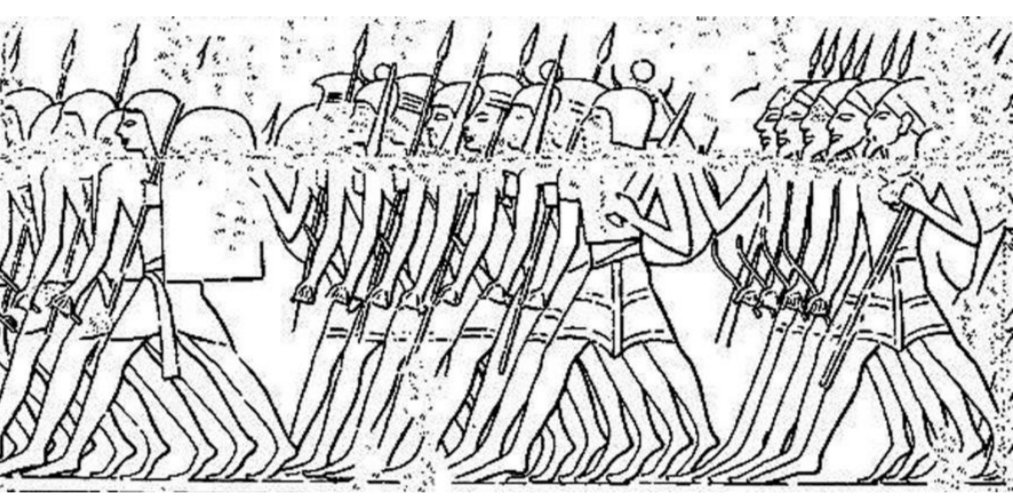
👉 during the reign of Ramses II, when Sherden mercenaries received lands as compensation for their military services. Sherden "cities," "wives," and "children" are mentioned, suggesting a process of incorporation through intermarriage.
جاري تحميل الاقتراحات...