

China has monopolized the EV industry by controlling 78% lithium-ion battery production
But India is about to stop them in their tracks
We've already invested $2.5 Bn in ACC Battery technology to cut our dependence on China
THREAD: How it will charge India's energy future🧵
But India is about to stop them in their tracks
We've already invested $2.5 Bn in ACC Battery technology to cut our dependence on China
THREAD: How it will charge India's energy future🧵
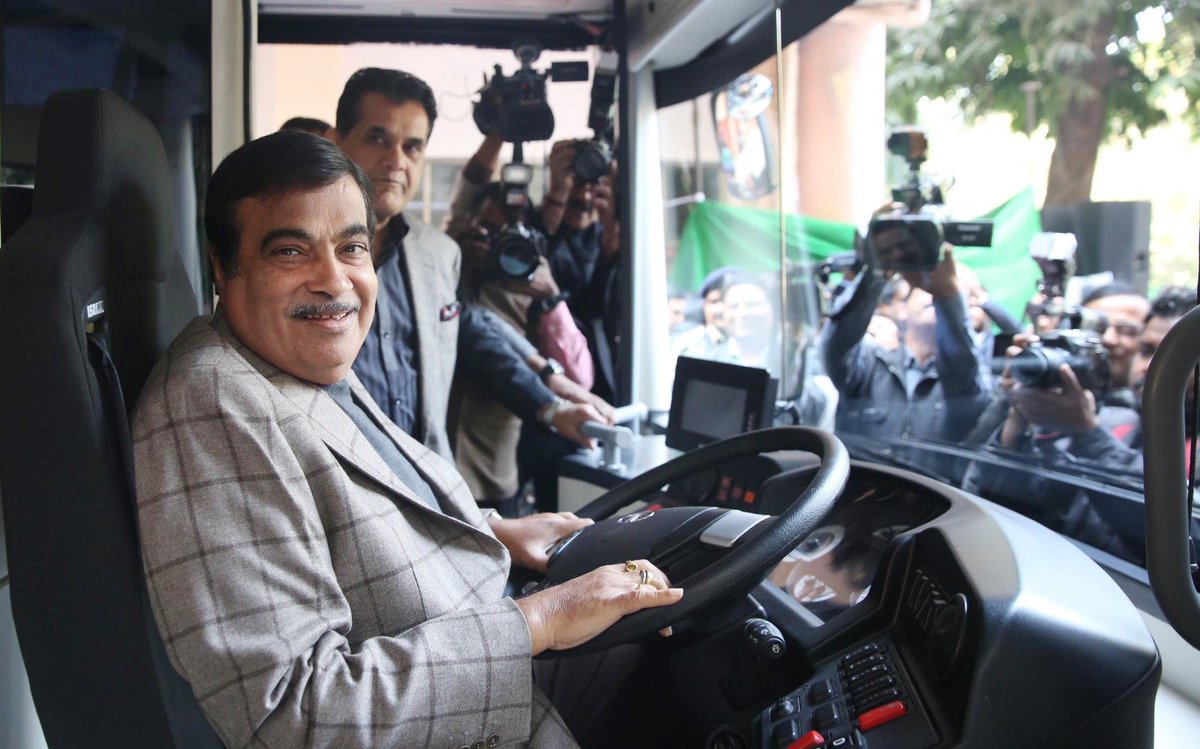
In 2021, the PLI Scheme for National Programme on Advanced Chemistry Cell (ACC) Battery Storage was approved with an outlay of ₹18,100 crores for 7 years, in order to improve India's manufacturing capabilities of lithium-ion cells and other advanced battery technologies.
The winners for the scheme are — Rajesh Exports, Ola Electric, and Reliance New Energy Solar.
Now, ACC Batteries have a diverse range of applications across:
Now, ACC Batteries have a diverse range of applications across:
1️⃣ ELECTRICAL VEHICLES
The EV boom is taking off and batteries are a critical component of the EV supply chain. They currently account for 25%–50% of the total cost of an EV depending on range and performance.
But a recent study from IIT Kanpur showed that...
The EV boom is taking off and batteries are a critical component of the EV supply chain. They currently account for 25%–50% of the total cost of an EV depending on range and performance.
But a recent study from IIT Kanpur showed that...
— most electricity needed for EV charging originates from coal-powered plants,
— producing & manufacturing EV batteries is itself highly carbon intensive, &
— hybrid vehicles emit the least CO2 overall but still remain the most expensive alternative & shouldn’t be overlooked.
— producing & manufacturing EV batteries is itself highly carbon intensive, &
— hybrid vehicles emit the least CO2 overall but still remain the most expensive alternative & shouldn’t be overlooked.
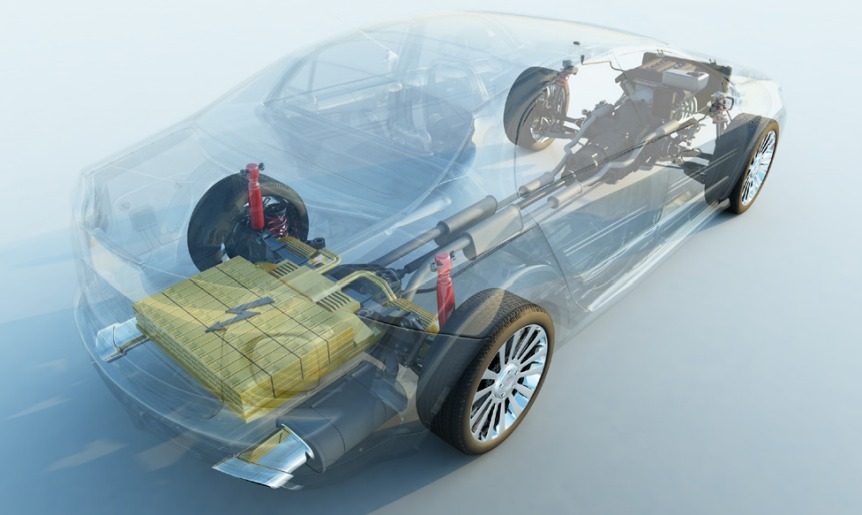
However, as costs come down and specific energy densities continue to increase, & as we continue to decarbonize our grids and look for better ACC alternatives,
the performance & cost competitiveness of EVs will continue to improve and will soon become the more attractive choice.
the performance & cost competitiveness of EVs will continue to improve and will soon become the more attractive choice.
In which case, EVs are expected to drive 40% of battery storage demand by 2030.
2️⃣ STATIONARY ENERGY STORAGE SYSTEMS
Stationary ESS use batteries to store energy and release it in the form of electricity when it is needed.
These systems are becoming increasingly important as the world transitions towards a more sustainable and decentralized energy system.
Stationary ESS use batteries to store energy and release it in the form of electricity when it is needed.
These systems are becoming increasingly important as the world transitions towards a more sustainable and decentralized energy system.
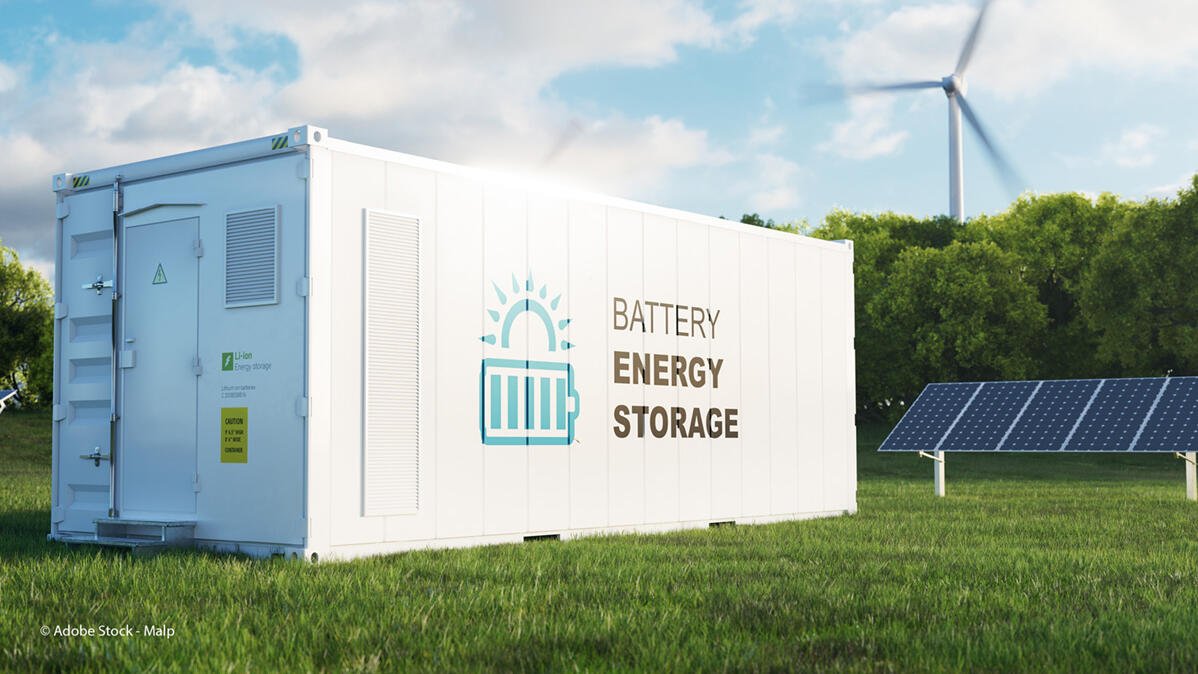
The market will experience significant growth as the need for grid flexibility will rise to integrate 500 GW of renewable energy at the national grid level by 2030.
3️⃣ CONSUMER ELECTRONICS
Batteries are essential for various electronics, including mobile phones, power banks, IT hardware, telecom devices, smart agriculture, defense electronics, & other portable devices whose demand is naturally growing with increasing digitization in India.
Batteries are essential for various electronics, including mobile phones, power banks, IT hardware, telecom devices, smart agriculture, defense electronics, & other portable devices whose demand is naturally growing with increasing digitization in India.
Now that we’ve understood their usage and importance, let’s understand why the ACC PLI program and other advancements in this direction are important.
See, India is mostly dependent on imports from Russia and China for much of its energy needs...
See, India is mostly dependent on imports from Russia and China for much of its energy needs...
— mainly crude oil and natural gas, but also products like solar panels and lithium-ion batteries which are also key to achieving our target of 500 GW of non-fossil fuel energy capacity by 2030.
But with 50 GWh capacity under the ACC programme that will be implemented till 2030,
But with 50 GWh capacity under the ACC programme that will be implemented till 2030,
our import bill could be reduced by ~ ₹1.7 lakh crores from the 3.5 lakh crores without the programme!
Now, speaking of the most dominant battery technology today
— lithium-ion batteries (LiB), these rely heavily on scarce minerals such as lithium, cobalt, nickel,
Now, speaking of the most dominant battery technology today
— lithium-ion batteries (LiB), these rely heavily on scarce minerals such as lithium, cobalt, nickel,
and graphite whose production entails high CO2 production 👀
Moreover, India has negligible natural reserves of these materials and has minimal control over the supply chain
— currently dominated by China (78%), EU (7%), and the US (8%).
Moreover, India has negligible natural reserves of these materials and has minimal control over the supply chain
— currently dominated by China (78%), EU (7%), and the US (8%).
Which is why, alternative and advanced cell chemistries are the need of the hour for India’s growing energy storage needs.
These include technologies that maximize the use of resources abundant in India, such as sodium-ion, aluminium air, liquid metals, and zinc hybrid.
These include technologies that maximize the use of resources abundant in India, such as sodium-ion, aluminium air, liquid metals, and zinc hybrid.
No doubt that LiB will have a strong market share for at least the next 5-10 yrs given the large investments & progress, but other ACCs might emerge as better alternatives for India because
— The metals used are often common & cheaper which could lead to economies of scale.
— The metals used are often common & cheaper which could lead to economies of scale.
— As they capture a larger share of the market, the demand for LiB will go down.
Thus bringing down the costs of EVs, ESS and renewables, and consumer electronics.
— Most have a longer life than LiB and are safer unlike fires from LiBs which are not manufactured in India.
Thus bringing down the costs of EVs, ESS and renewables, and consumer electronics.
— Most have a longer life than LiB and are safer unlike fires from LiBs which are not manufactured in India.
These LiBs are not exposed to Indian conditions during the R&D process, leading to safety issues due to overheating.
So, all in all, boosting domestic ACC battery manufacturing, be it LiBs or others, is critical to:
👉 innovation and R&D in this sunrise sector,
So, all in all, boosting domestic ACC battery manufacturing, be it LiBs or others, is critical to:
👉 innovation and R&D in this sunrise sector,
👉 capturing a significant global export market,
👉 inviting foreign companies to set units in India,
👉 reducing our extreme reliance on importations, and thus
👉 ensuring a greater degree of energy security for the country.
👉 inviting foreign companies to set units in India,
👉 reducing our extreme reliance on importations, and thus
👉 ensuring a greater degree of energy security for the country.
Of course, there are just as many risks as opportunities involved in bringing long-term success to India’s nascent battery manufacturing sector.
But the time for major movement is now.
But the time for major movement is now.
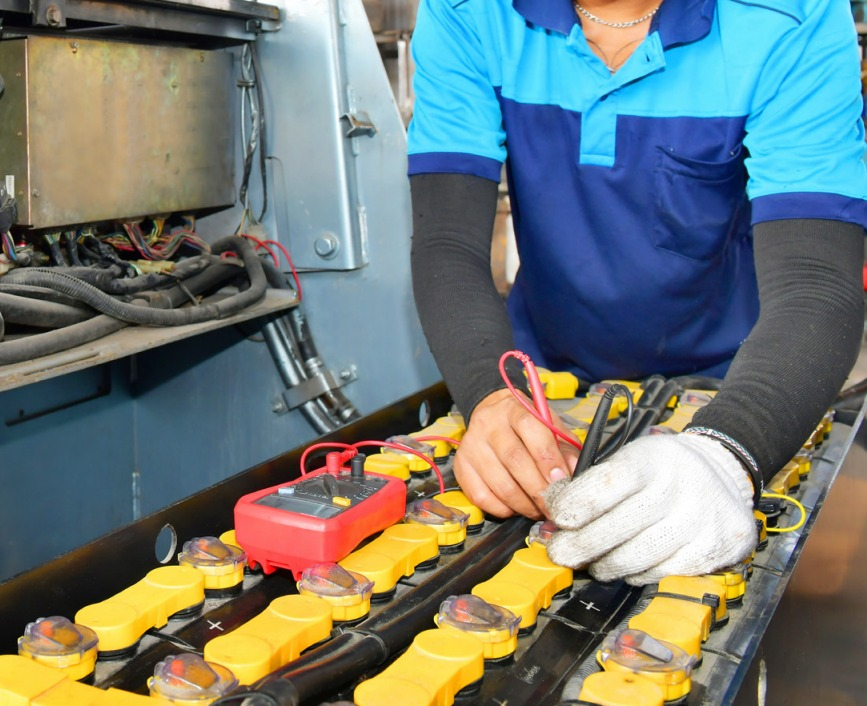
The world market could already be cementing.
Any delay in entering the market is likely to mean ceding it to foreign manufacturers.
Any delay in entering the market is likely to mean ceding it to foreign manufacturers.
If you liked this read do RePost🔄 the 1st post
and follow us @FinFloww for such threads every Monday, Wednesday, and Friday!
and follow us @FinFloww for such threads every Monday, Wednesday, and Friday!
Get our WhatsApp newsletter: whatsapp.com

Subscribe to WHAT THE FLOWW?, our weekly email newsletter where we dive deeper into such concepts:
finfloww.bio.link
finfloww.bio.link

Loading suggestions...