
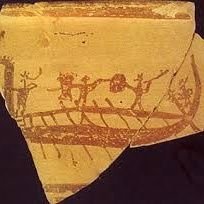
1/ 1700 BC: A series of violent earthquakes causes great destructions in the main Minoan palatial centers resulting in the collapse of the Minoan society of the Old Palaces. The powerful Minoan economic and trade power kneels with negative implications for the E. Mediterranean.
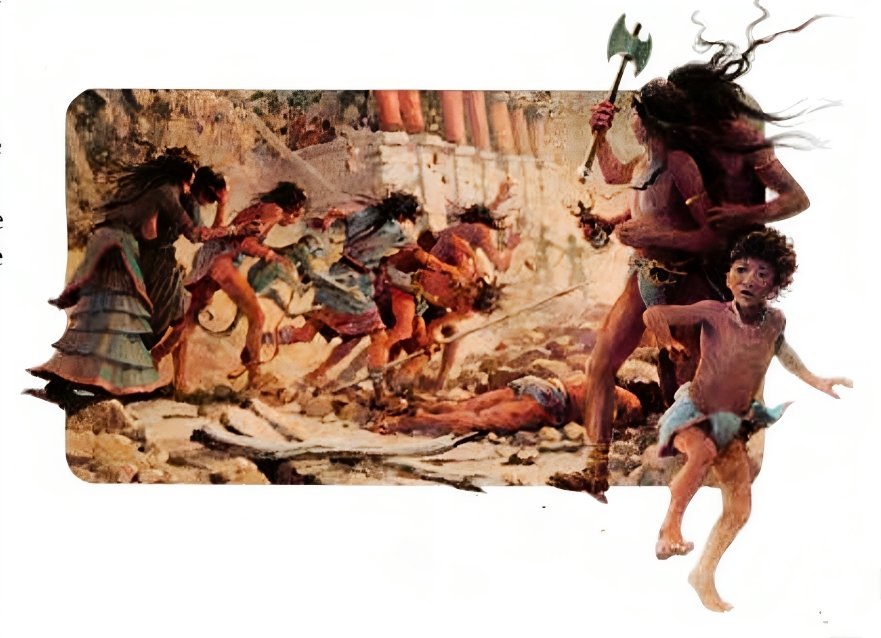
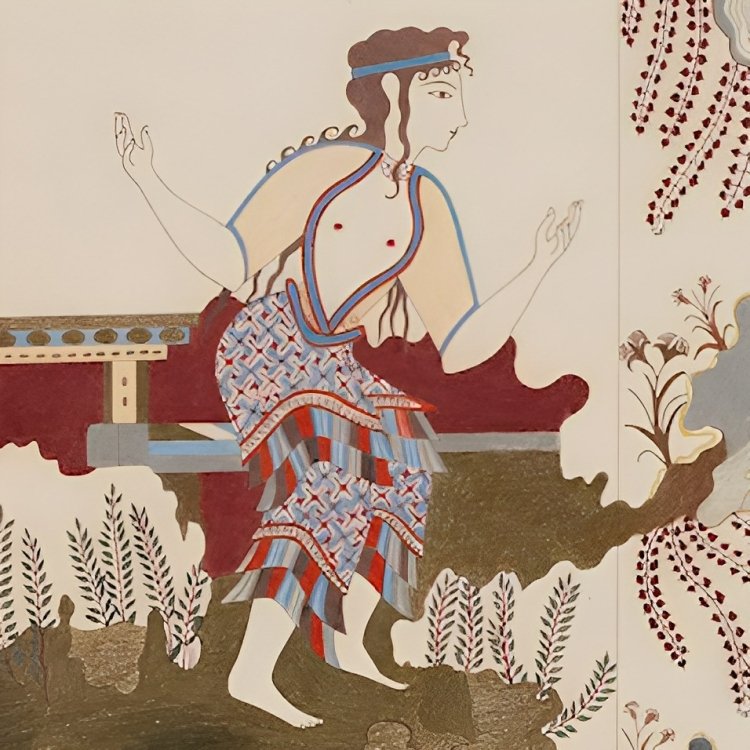
2/ However, the Minoans quickly recovered and by the middle of the 17th century BC the first signs appear of the gradual rise of a new Minoan elite, which promoted a political, religious and military centralization, an economic and trade flourishing and a cultural renaissance.
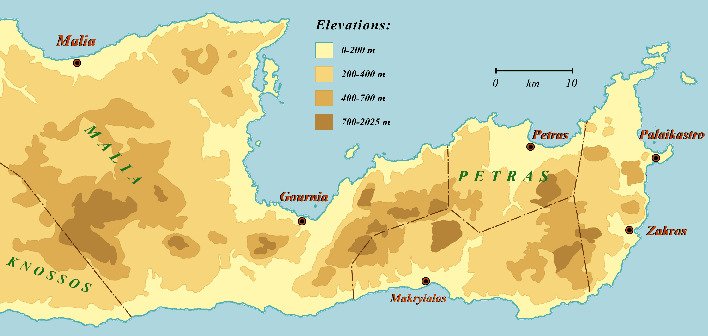
3/ The extension of a closer palatial control in Eastern Crete in this particular period is a clear indication that the new Minoan rulers put their relations with Egypt in a new context of further strengthening them, since this region was already a major trade gateway to Egypt.
4/ And while Minoan Crete was in a transitional period of transformations, in Egypt, an event took place that would leave an indelible mark on pharaonic Egyptian society. The Canaanite Hyksos seize power, 👉
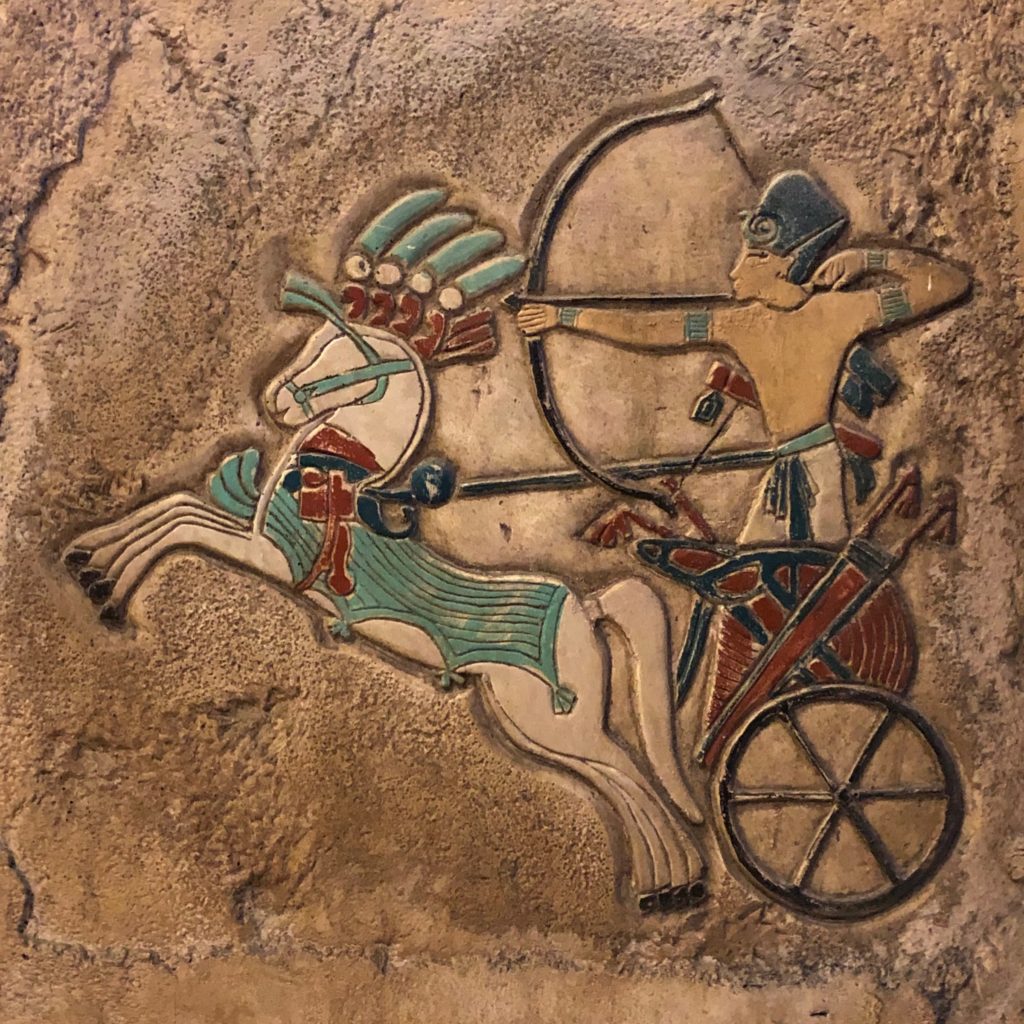
👉 creating a kingdom in Lower Egypt with Avaris as its capital, while at the same time the Egyptian pharaohs moving to Upper Egypt where they establish their center in Thebes, beginning an ongoing struggle to reunite Egypt under their full control.
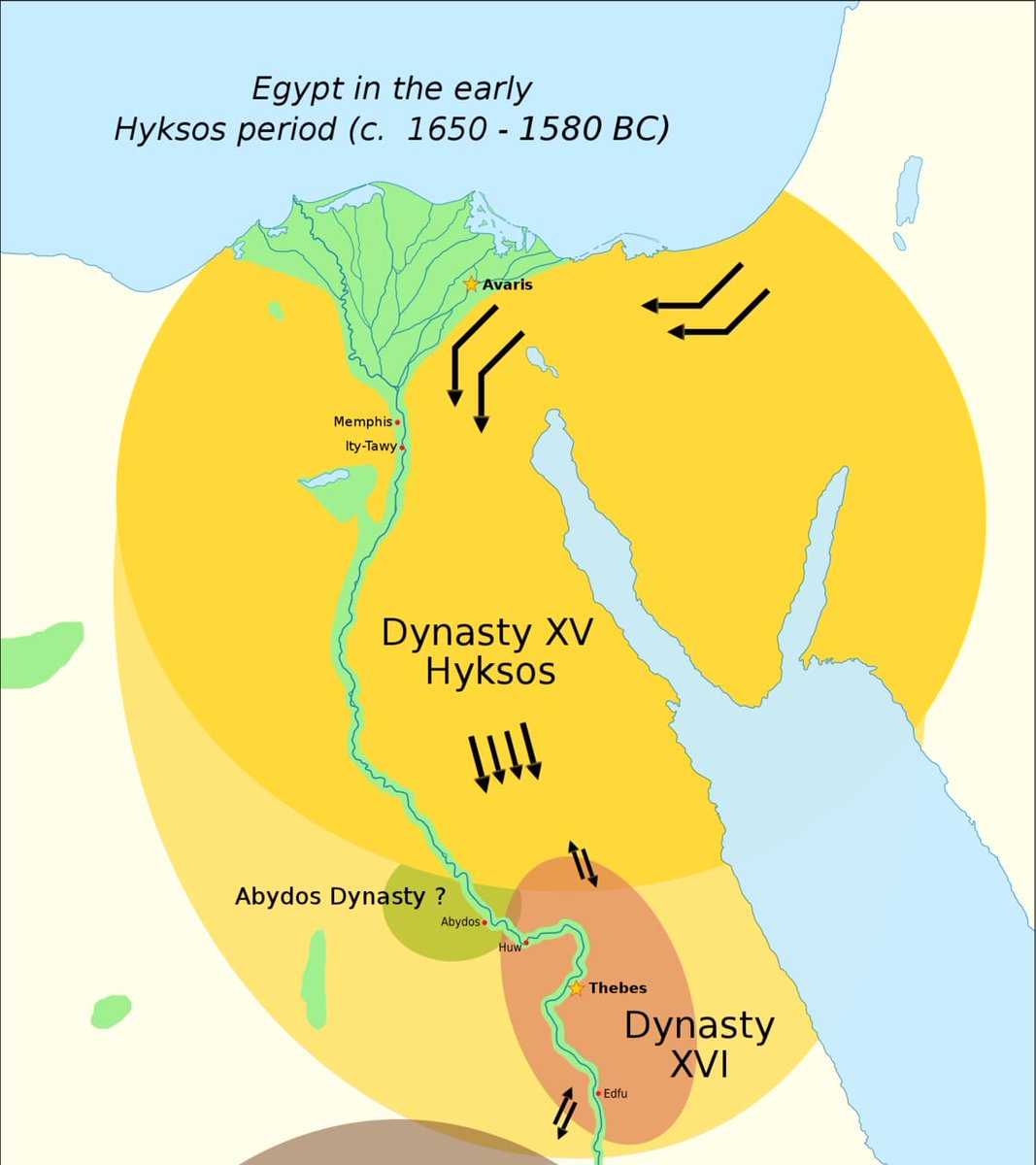
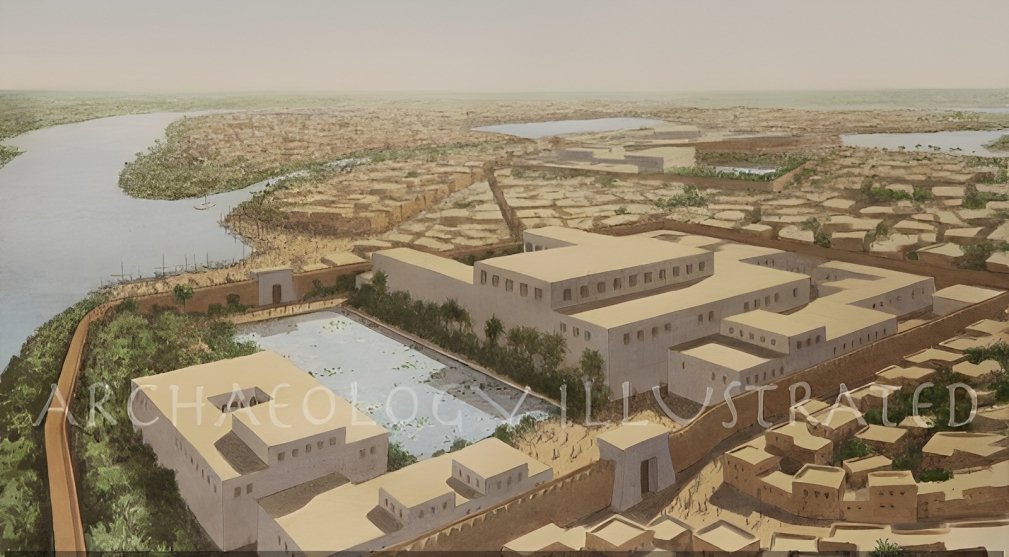
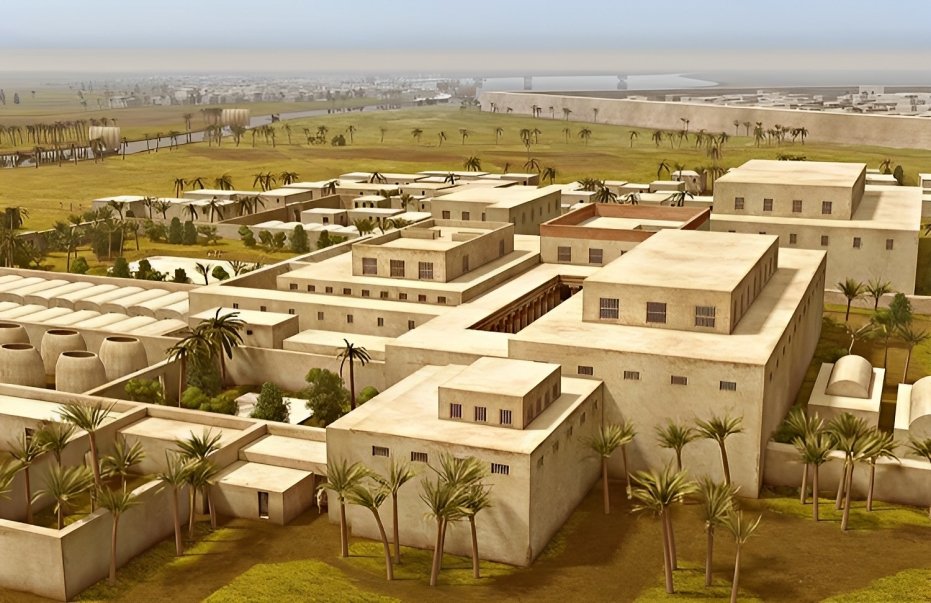
5/ Although in ancient sources it is mentioned that the Hyksos treated the local Egyptian element harshly, the new rulers expanded Avaris, creating the largest financial and commercial center of the then known world, giving it a strongly cosmopolitan character. 👉
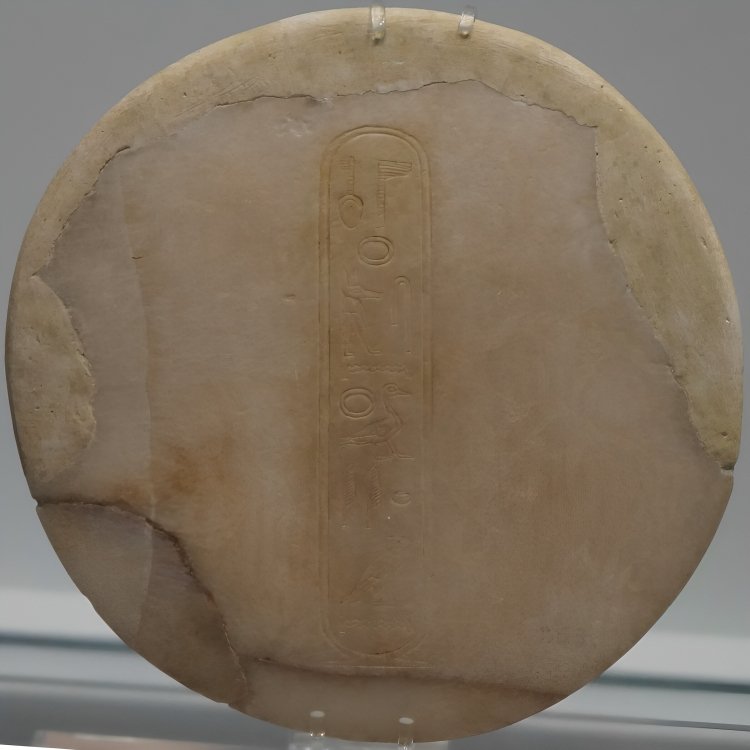
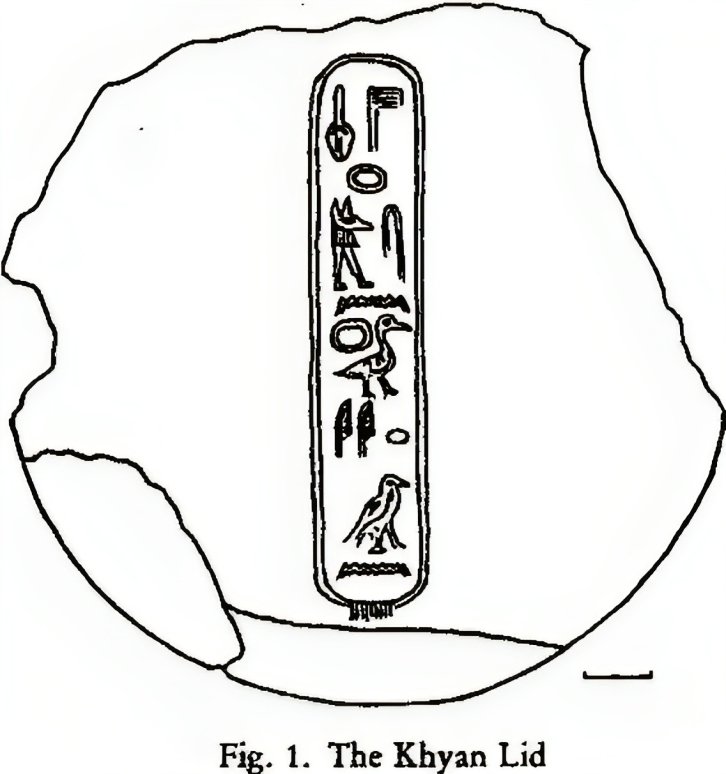
👉Within this context,strong diplomatic relations were developed with the Levant and Cyprus,but also with Minoan Crete,as evidenced by the alabaster lid with the cartouche of Khyan,the first of the six Hyksos rulers (1648-1630 BC), found in a storeroom of the palace of Knossos.👉
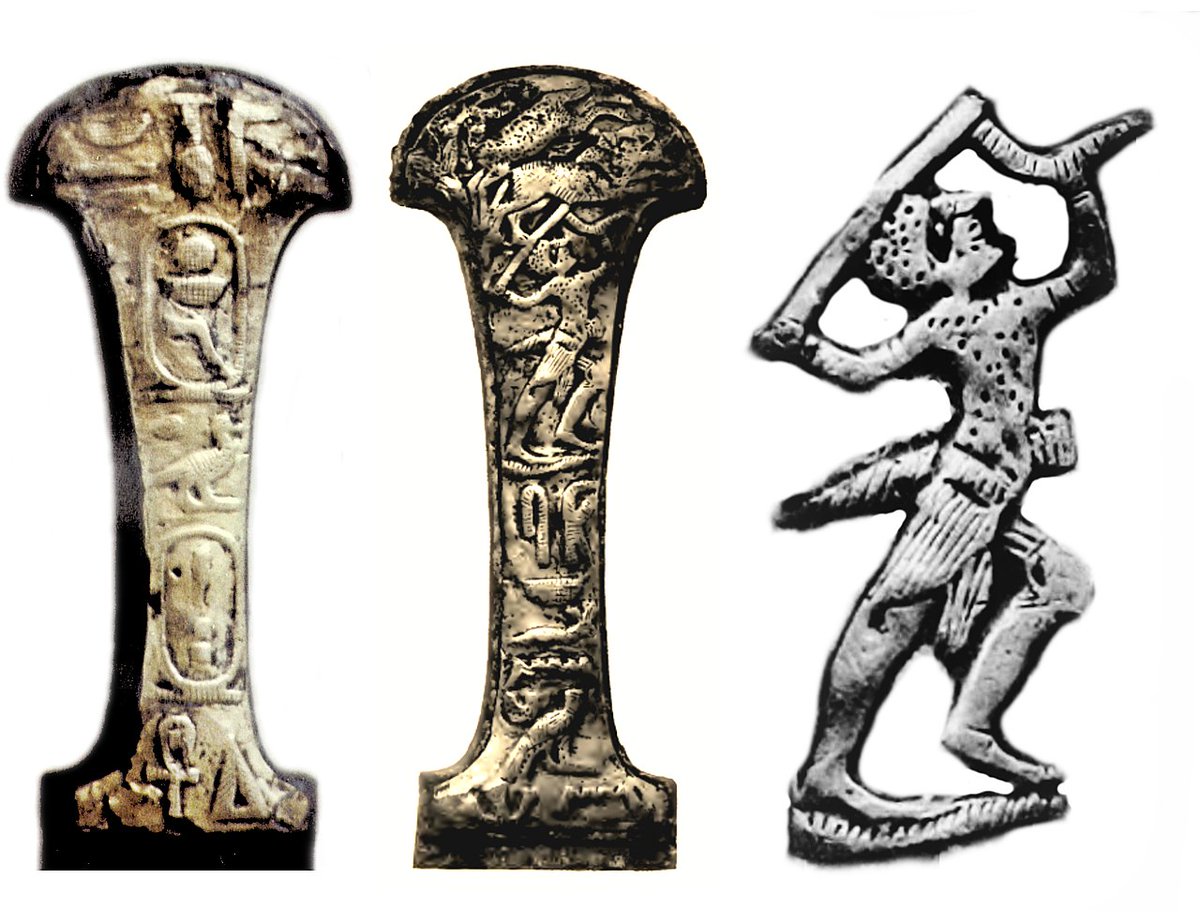
👉 At Lower Egypt the gilded grip of the Hyksos King Apophis manual contains an Aegean-style depiction (flying galloping animals attacked by a human figure) impressed on it.
6/ The exchange of gifts between local rulers was part of this process resulting in the presence of Minoan pottery at Avaris (Several fragments of a Kamares MM IIB cup and one MM IIIA/B post-Kamares sherd). 👉
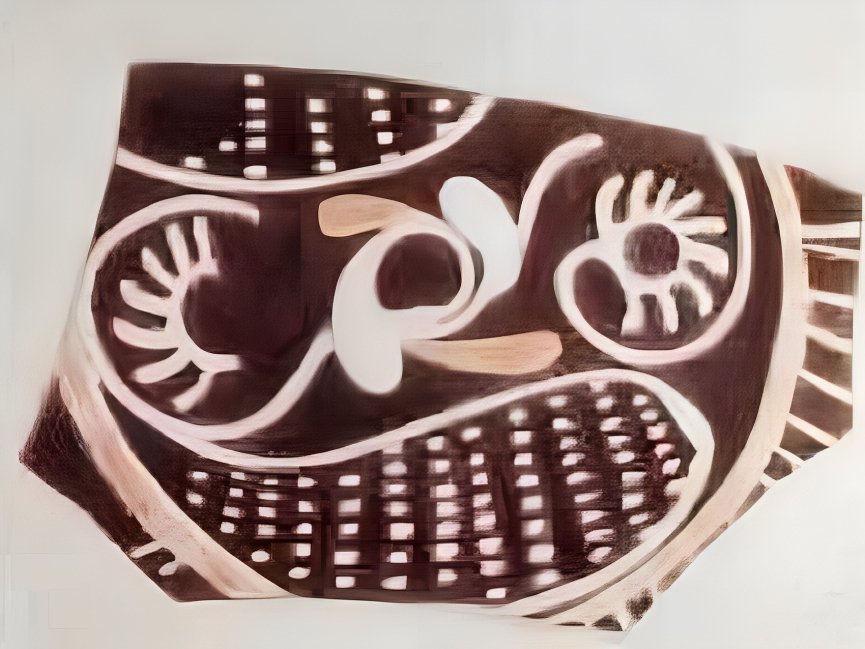
👉 The elaborate Kamares and post-Kamares ware makes its presence felt in Egypt of the Second Intermediate Period, identifying an intensification of Minoan exports through intermediaries or foreign commercial agents, 👉
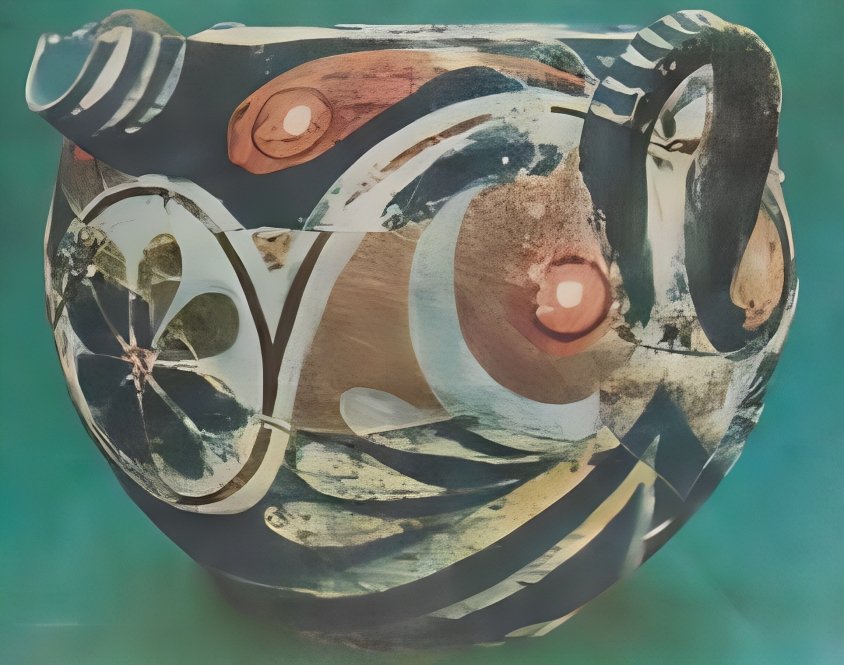
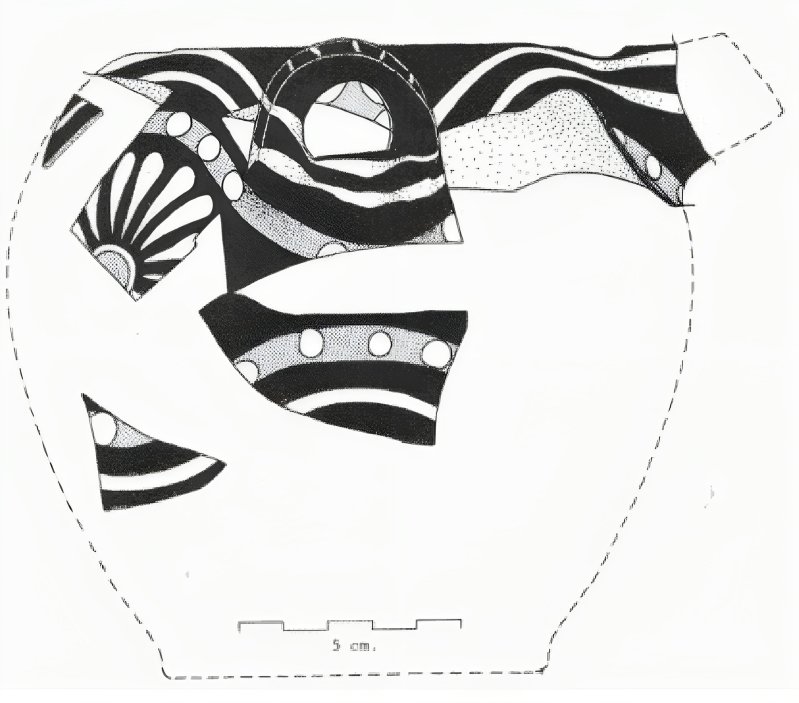
👉 while at the same time the first Egyptian imitations of Minoan ceramics are created. The main traded goods are essential oils, textiles and leather products. The Nile Delta and Avaris are benchmarks of Minoan trading activities in Egypt.
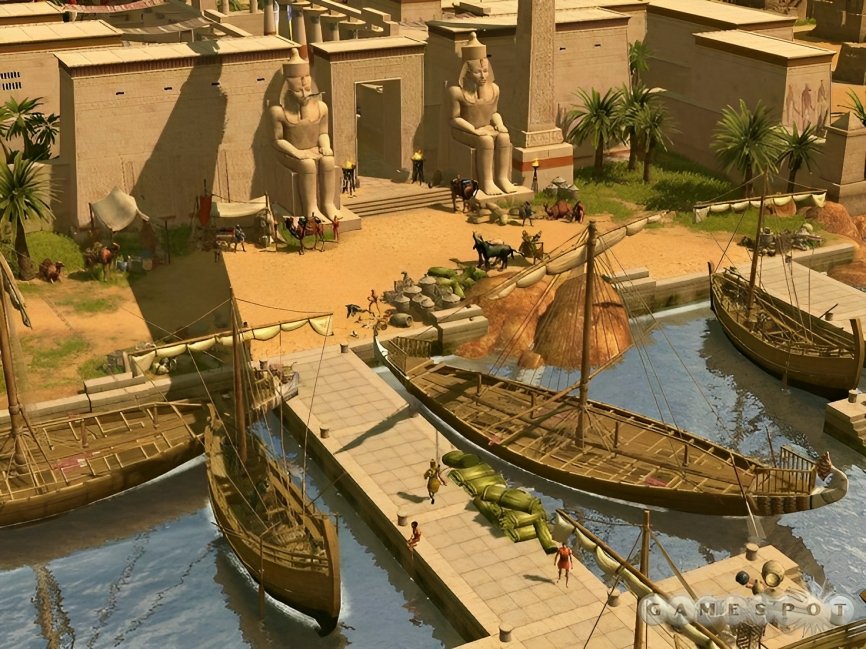
7/ It has been argued that the Hyksos settled in Avaris settlers from Canaan and the Aegean offering them tracts of land and privileges, being for the local Egyptians the dynasty of foreigners. This fact combined with trade contacts led to the exchange of intercultural loans. 👉
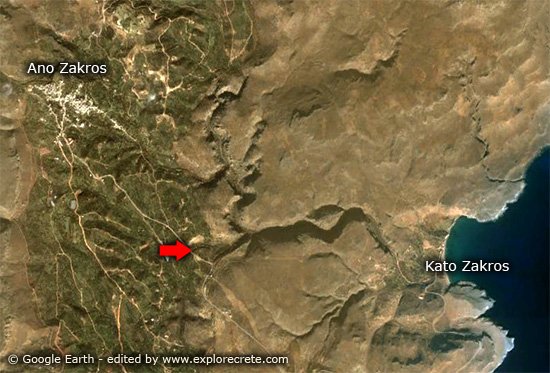
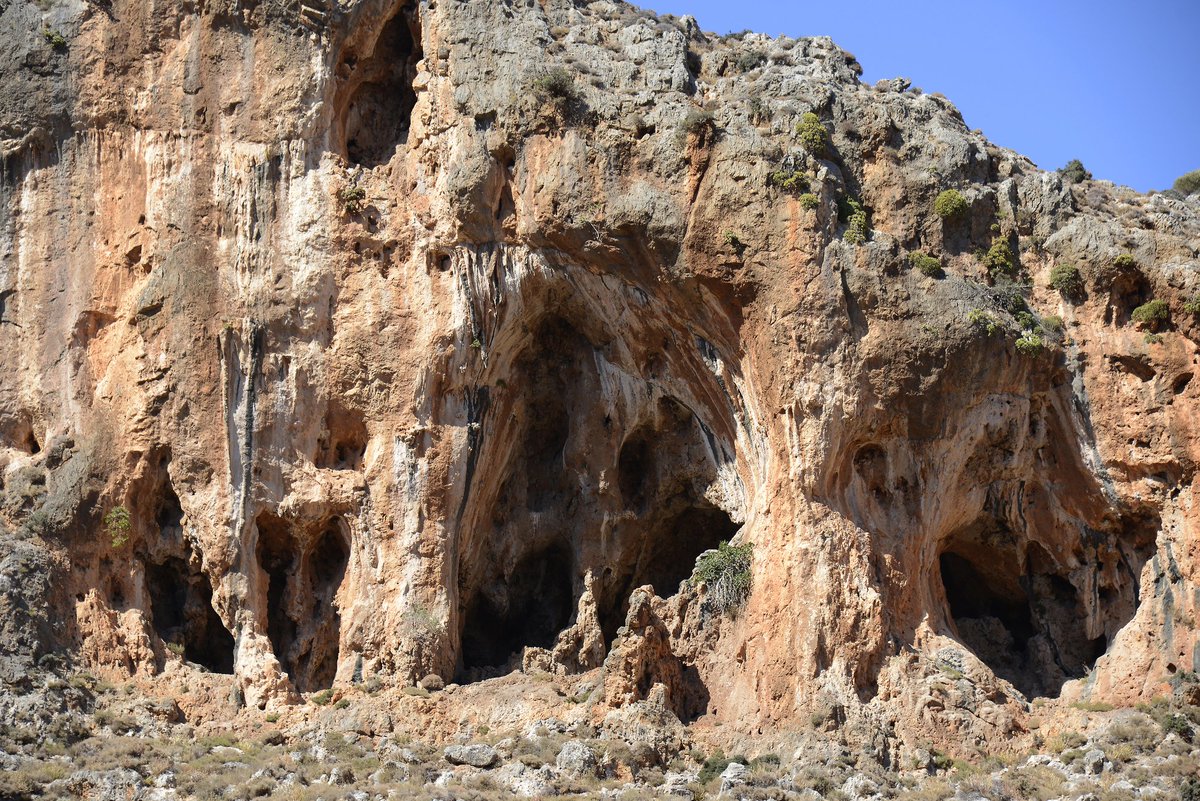
👉 For example, the Minoans seem to have been quite influenced by the warlike Hyksos, as demonstrated by the introduction of the composite bow, while in Kato Zakros the Egyptian burial practice of burying the dead in valleys (Gorge of the Dead) is introduced.
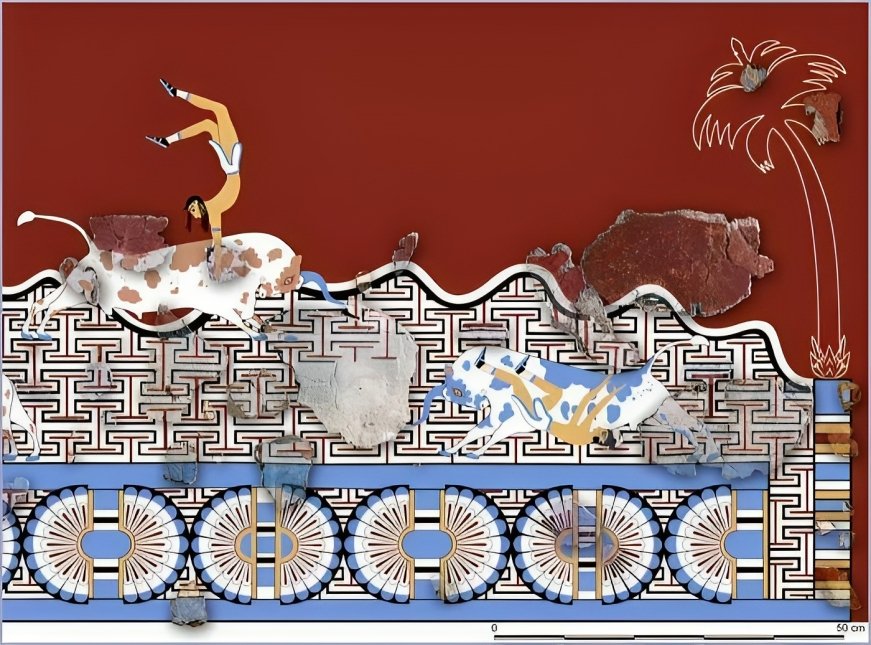
8/ With the fall of the Hyksos and the rise of the 18th Dynasty, Minoan Crete becomes Egypt's main trading partner with the result that diplomatic missions are sent to the Aegean, and Minoan artists produce various artefacts in Egypt, such as the famous frescoes of Avaris.
Loading suggestions...