

Family Tree of the Wadiyar Dynasty - Kingdom of Mysore - 1399-1947
The Kingdom of Mysore was one of the Largest Princely State in Pre-Independent India covering vast areas of present day Karnataka, AP, TN & Kerala
Load the image in 4K
#GenealogyandChronology #History #India
[1]
The Kingdom of Mysore was one of the Largest Princely State in Pre-Independent India covering vast areas of present day Karnataka, AP, TN & Kerala
Load the image in 4K
#GenealogyandChronology #History #India
[1]
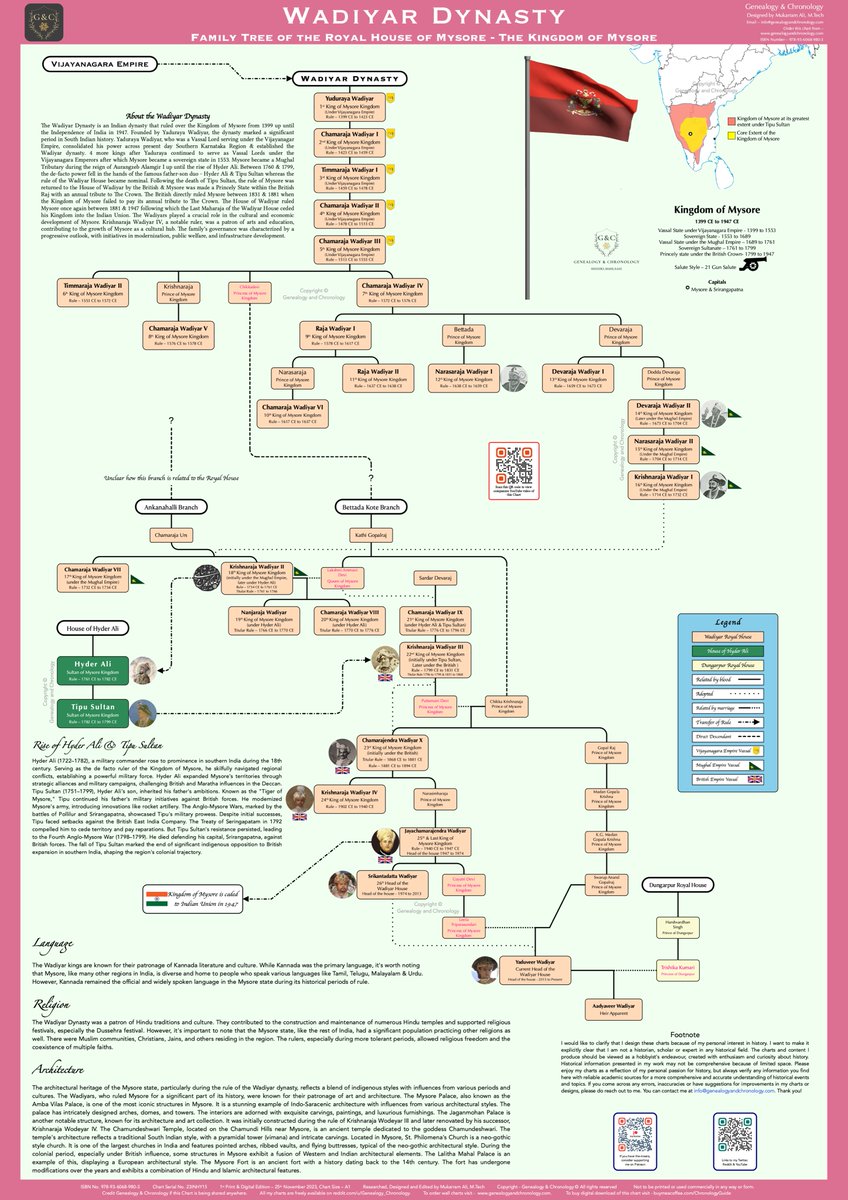
Companion YouTube video for this chart is up on my youtube channel. Consider subscribing to my channel to support my work
youtu.be
[2]
youtu.be
[2]
Wadiyar Dynasty is only of the oldest surviving dynasty of Medieval India which ruled over Mysore under various capacities from 1399 to 1947. The Princely State of Mysore was one of the five Largest Princely States in British India with a Gun Salute rank of 21.
[4]
[4]
The origins of the Wadiyar dynasty can be traced back to the Vijayanagar Era. In those days the Wadiyars served as feudatories under the Vijayanagara Empire. Yaduraya Wadiyar is considered as the 1st king from this dynasty with Mysore as his seat.
[5]
[5]
Four more Kings succeeded Yaduraya Wadiyar who continued to accept the overlordship of Vijayanagara Empire. In 1553 when Timmaraja Wadiyar succeeded his father as the 6 King, he declared independence from the Vijayanagara Empire & started ruling over Mysore autonomously.
[6]
[6]
Timmaraja died without an heir and was hence succeeded by his brother Chamaraja Wadiyar IV. But when Chamaraja Wadiyar IV passed away in 1576, the throne went to his nephew Chamaraja Wadiyar V for two years before it was returned to his son Raja Wadiyar I in 1578.
[7]
[7]
Raja Wadiyar I reigned until 1617 & was initially succeeded by his grandson Chamaraja Wadiyar VI & later by his son Raja Wadiyar II. Raja Wadiyar II was poisoned to death by the commanders of his own army and he was replaced with his cousin Narasaraja Wadiyar I.
[8]
[8]
After a reign of over 20 years, Narasaraja Wadiyar I passed away & was succeeded by his cousin Devaraja Wadiyar I. Devaraja ruled for a little over 14 years & he too left behind no male heirs like his 3 previous predecessors. He was followed by his nephew Devaraja Wadiyar II
[9]
[9]
Devaraja Wadiyar II's reign saw the onset of the Mughals into the Deccan region. Instead of seeking direct conflict with the Mughals, Devaraja Wadiyar II recognised Mughal overlordship & became a vassal state of the Mughal Empire with an Annual Tribute to the emperor.
[10]
[10]
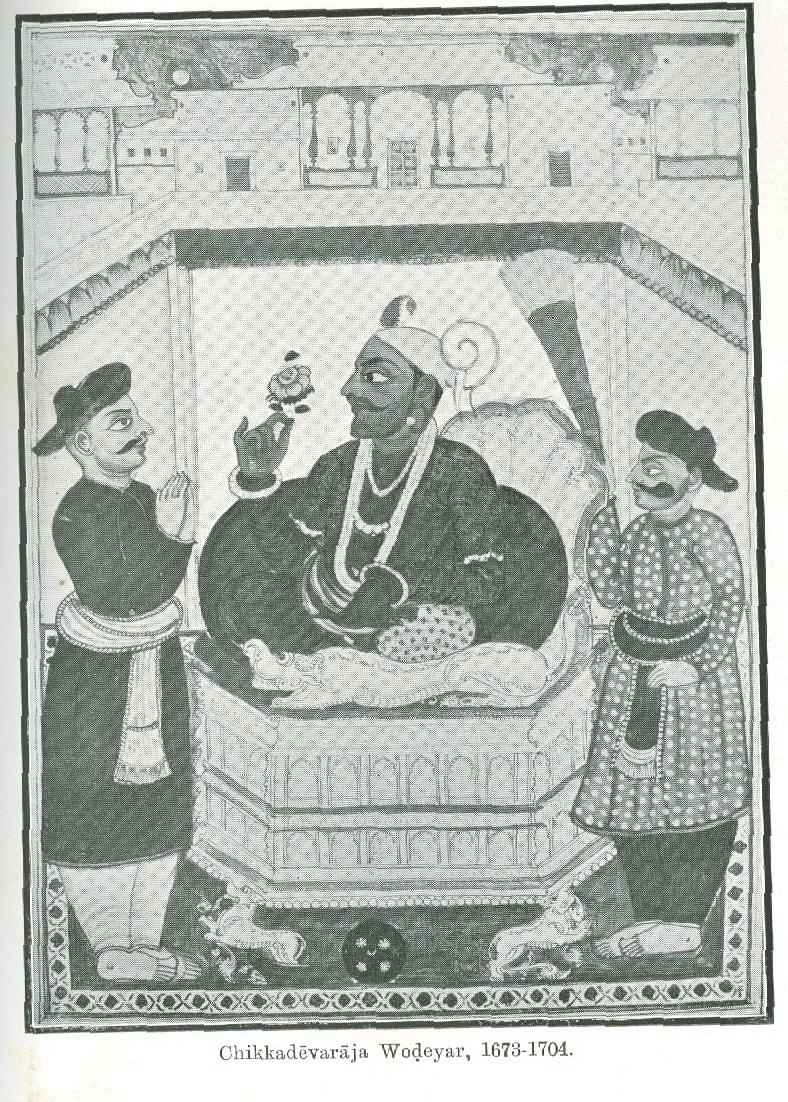
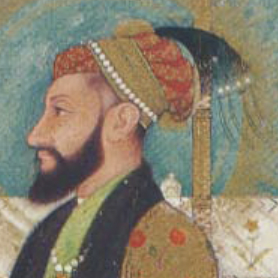
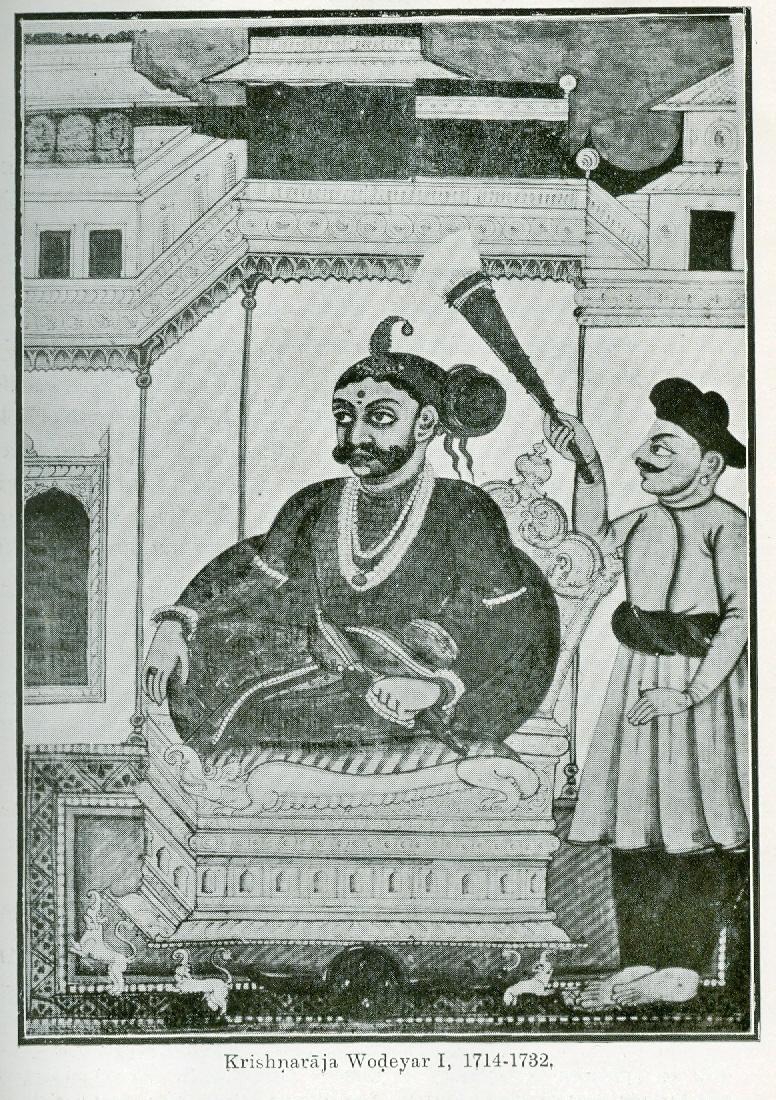
Aurangzeb recognised the rule of Devaraja Wadiyar II & allowed him to ruled Mysore as a Vassal King. Devaraja Wadiyar II was succeeded by his son Narasaraja Wadiyar II & later by his grandson Krishnaraja Wadiyar I.
[11]
[11]
In 1732 Krishnaraha Wadiyar I passed away without any male heir and hence he is considered as the last male heir of the Yaduraya Wadiyar. He was succeeded by a relative Chamaraja Wadiyar VII. It remains unclear how Chamaraja Wadiyar VII is related to the royal house.
[12]
[12]
Chamaraja Wadiyar VII was deposed by the Dalvoys and was succeeded by his brother Krishnaraja Wadiyar II. Krishnaraja Wadiyar II’s rule was also nominal like his predecessors under the Dalvoys. His reign saw the rise of a Military Commander - Hyder Ali.
[13]
[13]
Hyder Ali's father had served in the Mughal Army and Hyder Ali himself rose to high prominence in the Mysore Army to a point where he became the de-facto ruler of Mysore. Hyder Ali skilfully navigated regional conflicts, establishing Mysore as a powerful military force.
[14]
[14]
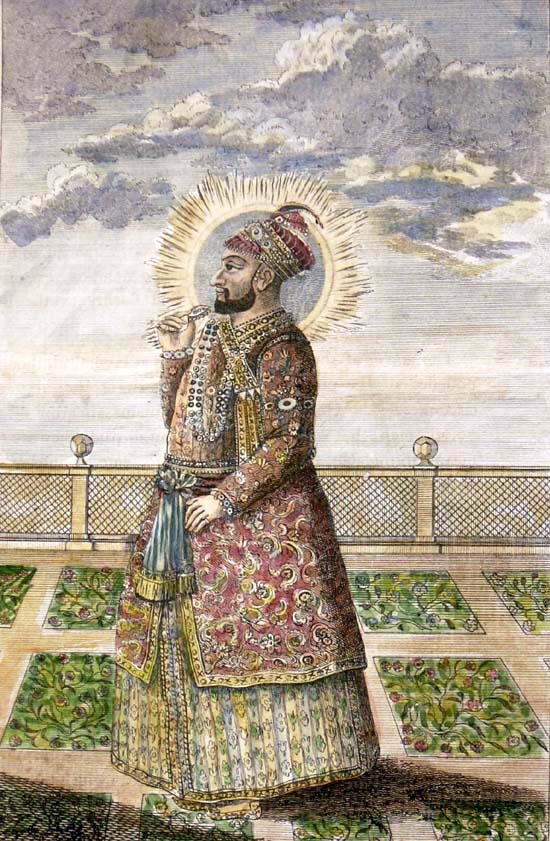
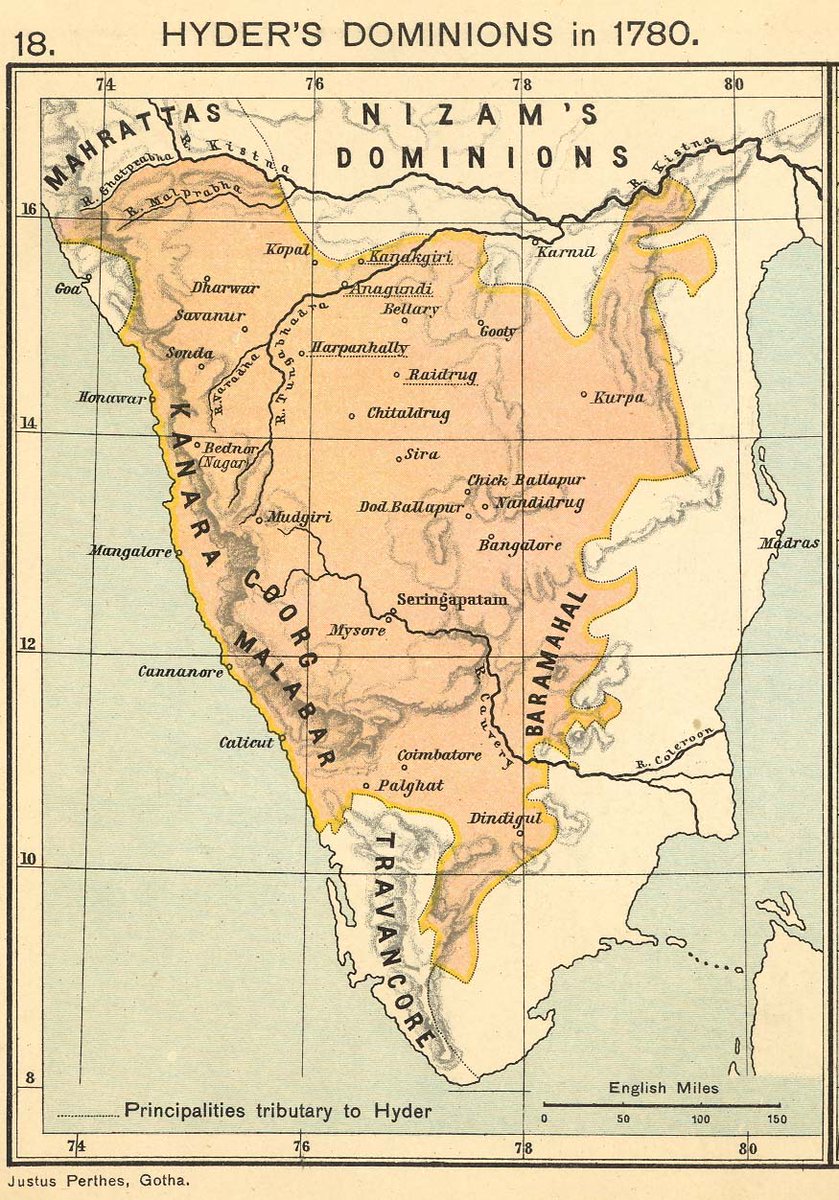
Hyder Ali expanded Mysore's territories through strategic alliances & military campaigns, challenging the British & Marathas in Deccan. He greatly expanded the kingdoms to extents that were never before ruled by any King of Mysore. He took the title of the Sultan of Mysore.
[15]
[15]
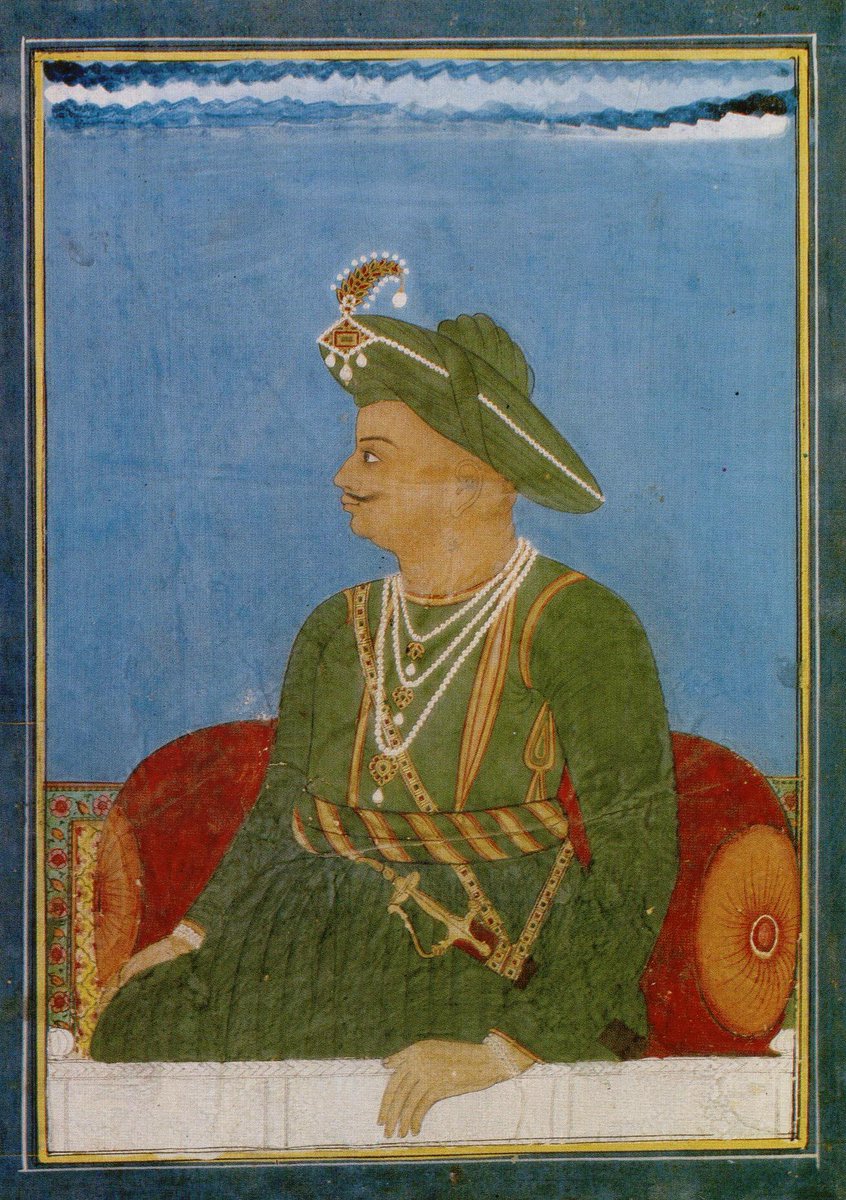
Hyder Ali passed away in 1782 & Tipu Sultan inherited his father's ambitions. Known as the "Tiger of Mysore," Tipu continued his father's military initiatives against British forces. He is among the most notable Muslim rebels from the South who opposed the British expansion
[16]
[16]
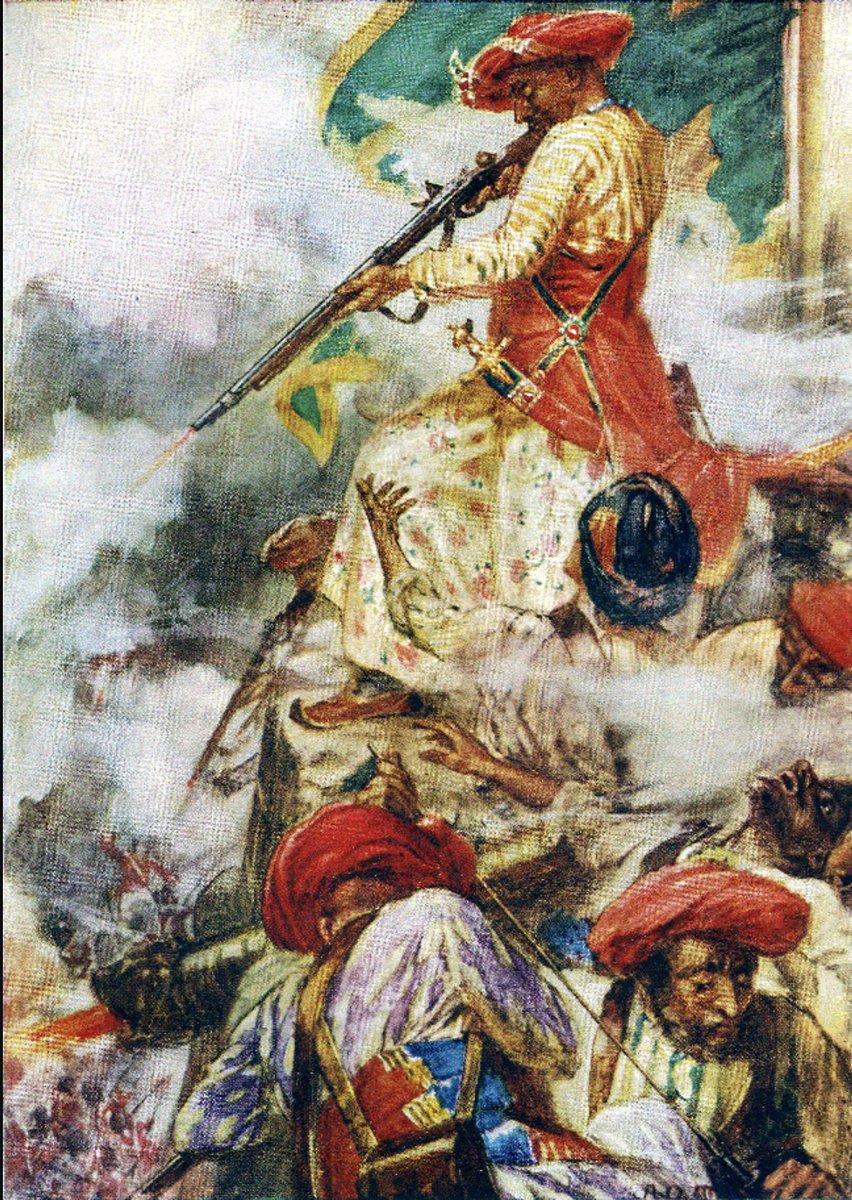
He modernized Mysore's army, introducing innovations like rocket artillery. The Anglo-Mysore Wars, marked by the battles of Pollilur and Srirangapatna, showcased Tipu's military prowess. Despite initial successes, Tipu faced setbacks against the British East India Company.
[17]
[17]
Tipu Sultan's resistance persisted leading to Fourth Anglo-Mysore War. He died defending his capital, Srirangapatna. The fall of Tipu Sultan marked the end of significant indigenous opposition to British expansion in southern India, shaping the region's colonial trajectory
[18]
[18]
During the reigns of Hyder Ali & Tipu Sultan, the throne of the Wadiyar Dynasty passed down from the Ankanahalli branch to the Bettada Kote Branch. Bettada Kote Branch traces its ancestry to princess Chikkadevi daughter of 5th Wadiyar King Chamaraja Wadiyar III.
[19]
[19]
Krishnaraja Wadiyar II & both his sons served as nominal kings under Hyder Ali & when they passed away, Queen Lakshmi Ammani Devi adopted Chamaraja Wadiyar IXth who was her relative. Chamaraja Wadiyar IX & His son Krishnaraja Wadiyar III served under Tipu Sultan.
[20]
[20]
When Tipu Sultan died in 1799, the British restored the rule of the Wadiyars by making Mysore a princely state within the British Raj. When Krishanaraja Wadiyar III failed to pay tribute in 1831, the British directly ruled Mysore under Mysore Commission for next 50 years.
[21]
[21]
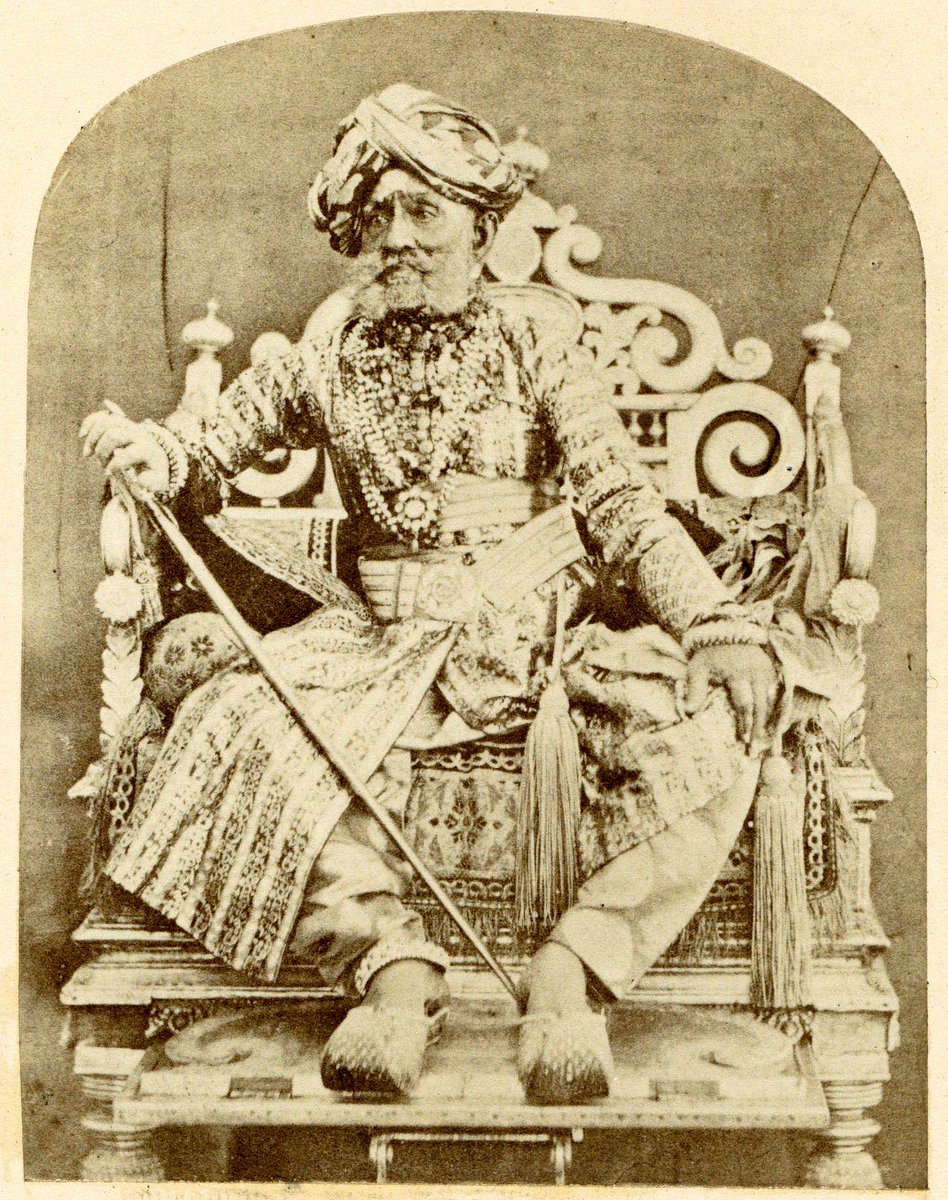
Krishnaraja Wadiyar had no male heirs and hence he adopted his maternal grandson Chamaraja Wadiyar X who was also a descendant of Bettada-Kote Branch from his paternal side. The rule of Mysore Commission continued until 1881 when Chamarajendra Wadiyar X became a major.
[22]
[22]
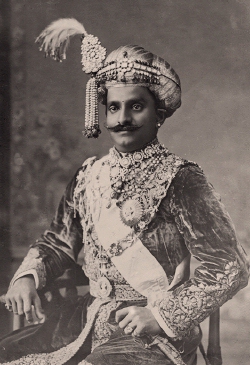
he rule of Chamarajendra Wadiyar X saw the Mysore State undertakingmany infrastructural projects. Art & Music also saw an increase in patronage from the Royal Court. Chamarajendra Wadiyar X died unexpectedly at the age of only 31 years & was succeeded by his son.
[23]
[23]
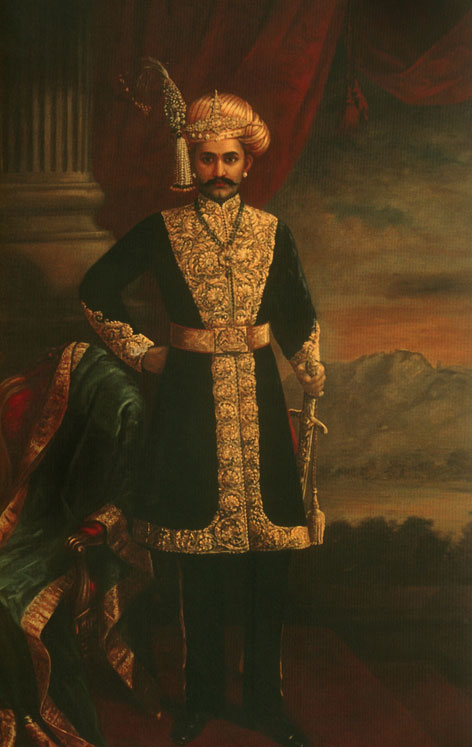
Krishnaraja Wadiyar IV became the 24th King of Mysore at the age of only 10 years. His mother Kemparajammanni Devi served as regent for him until the young king came of age. Krishnaraja Wadiyar IVth is attributed to more development to Mysore State.
[24]
[24]
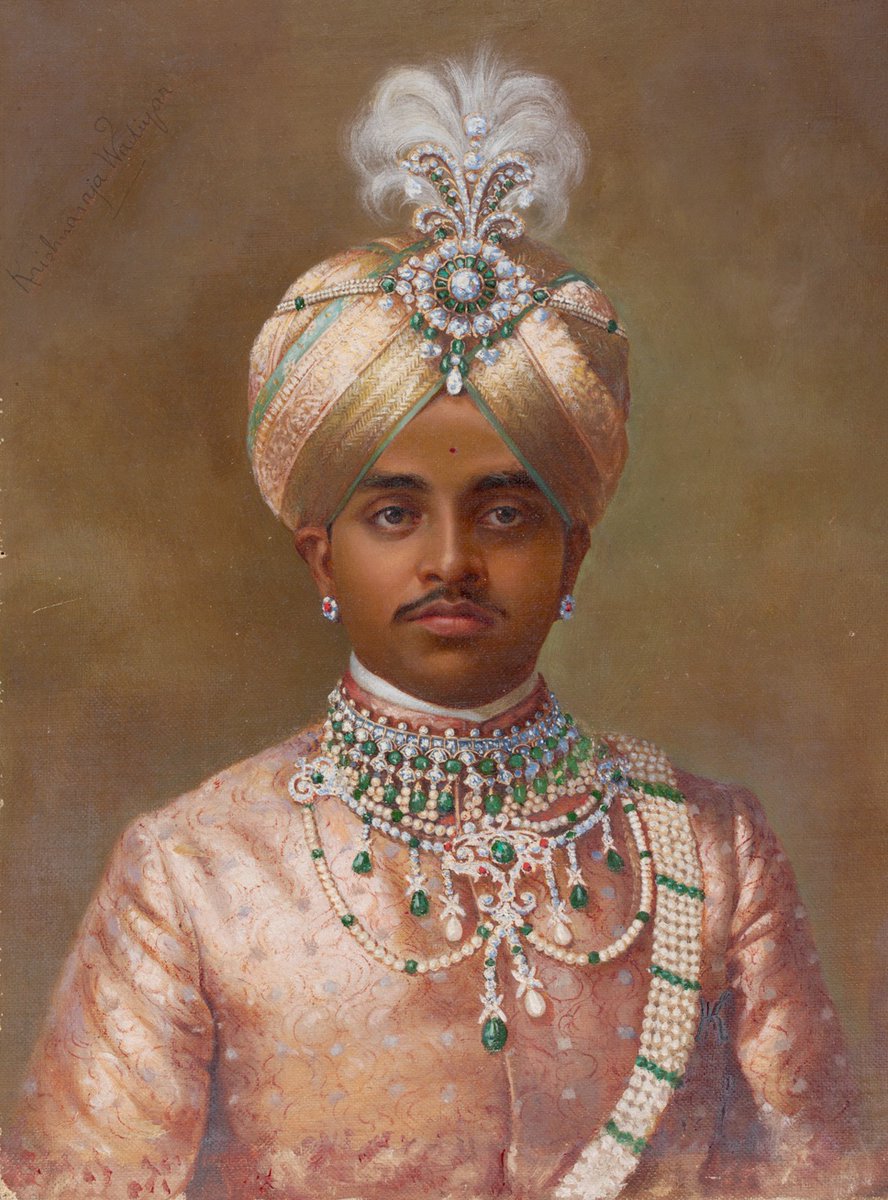
Krishnaraja Wadiyar did not have any issues at the time of his death and would have been succeeded by his younger brother Prince Narasimharaja but unfortunately Narasimharaja passed away just five months before the death of his elder brother.
[25]
[25]
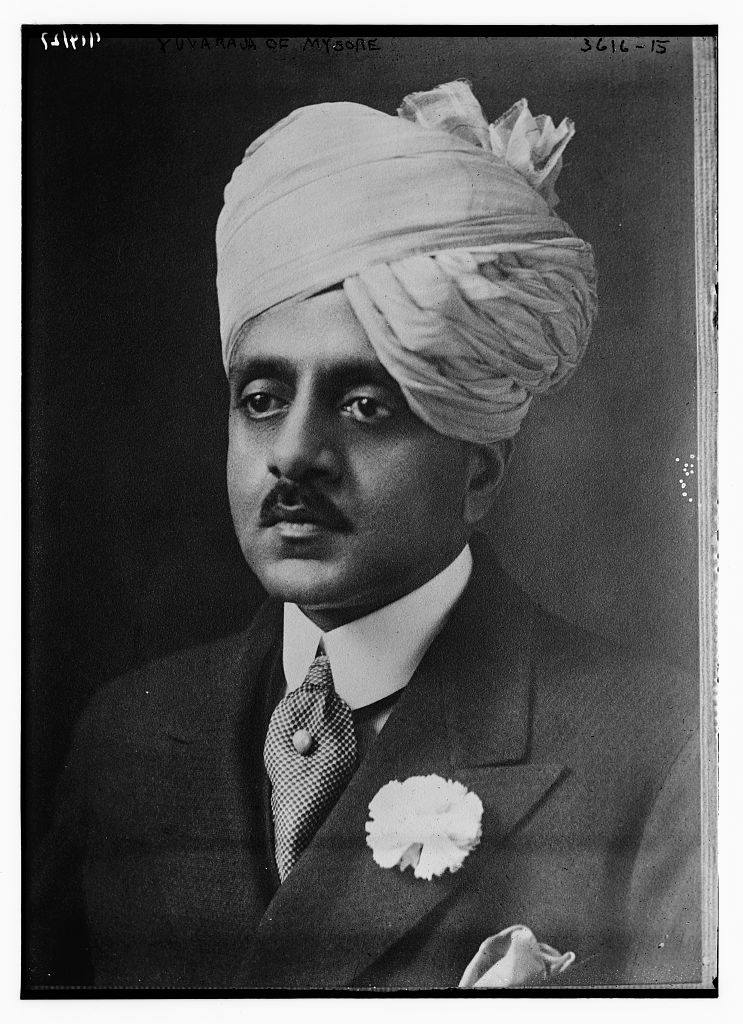
Thus Krishnaraja Wadiyar IV was succeeded by his nephew Jayachamarajendra Wadiyar. The reign of Jayachamarajendra saw the peak of the Indian Independence movement.
[26]
[26]
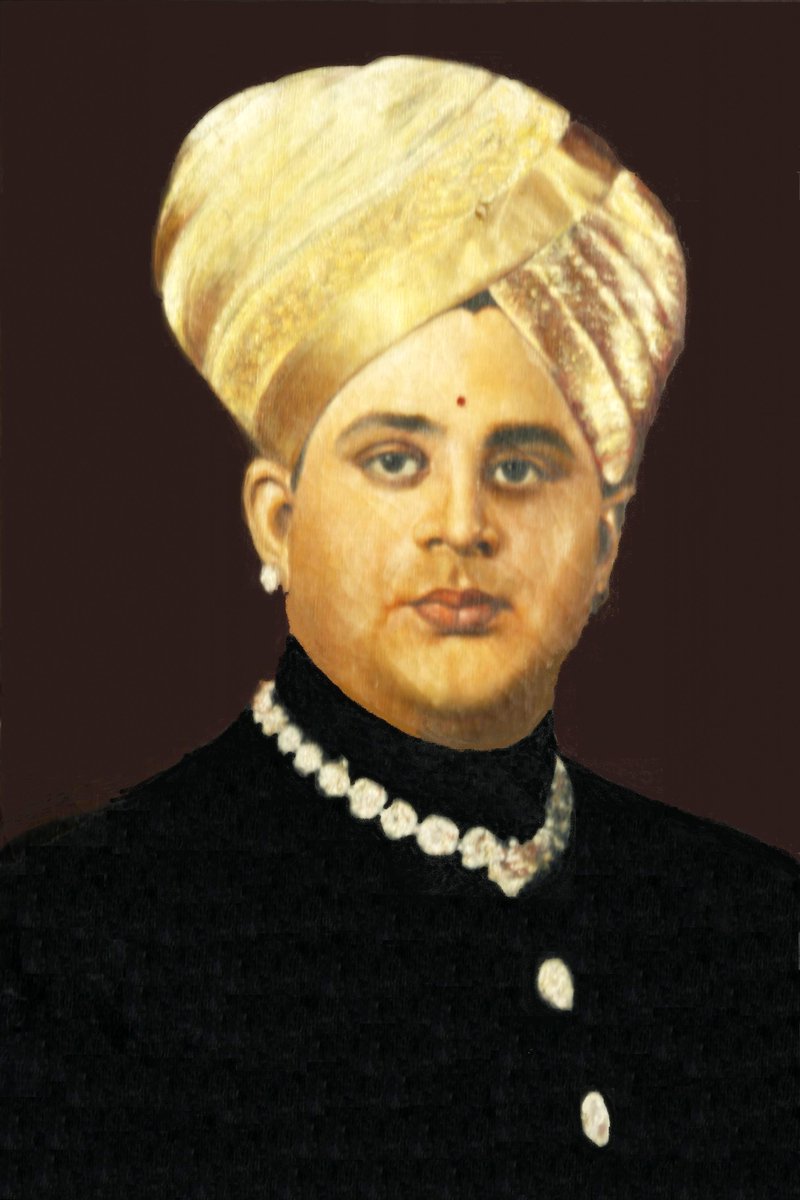
Jayachamarajendra was one of the first kings to cede his kingdom into Indian Union by signing the instrument of accession. He continued to serve as Nominal head of the state until 1950 following which he was made the Raj Pramukh of Mysore State from 1950 to 1956.
[27]
[27]
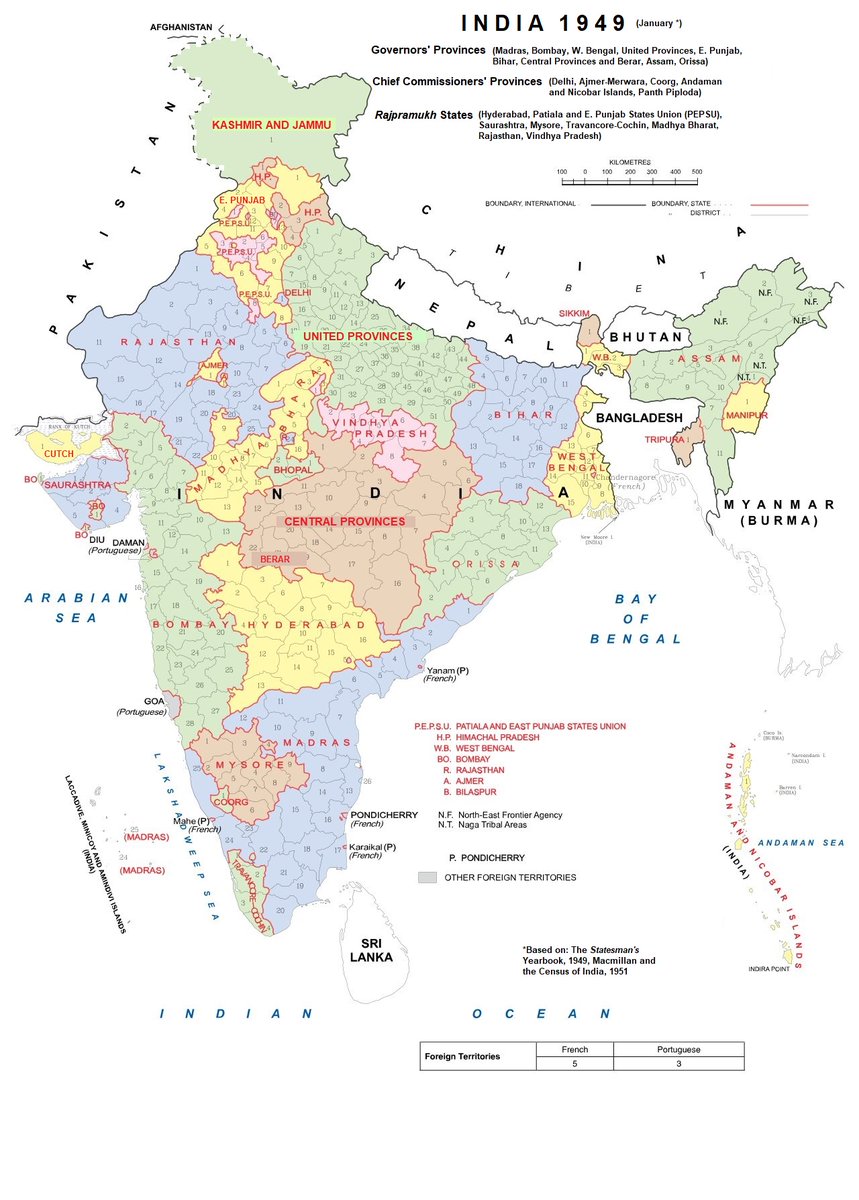
He then served as the Governor of Mysore State from 1956 to 1964 and lastly the Governor Madras State from 1964 to 1966. Jayachamarajendra Wadiyar passed away in 1974 & was succeeded by his son Srikanthdutta Narasimharaja Wadiyar.
[28]
[28]
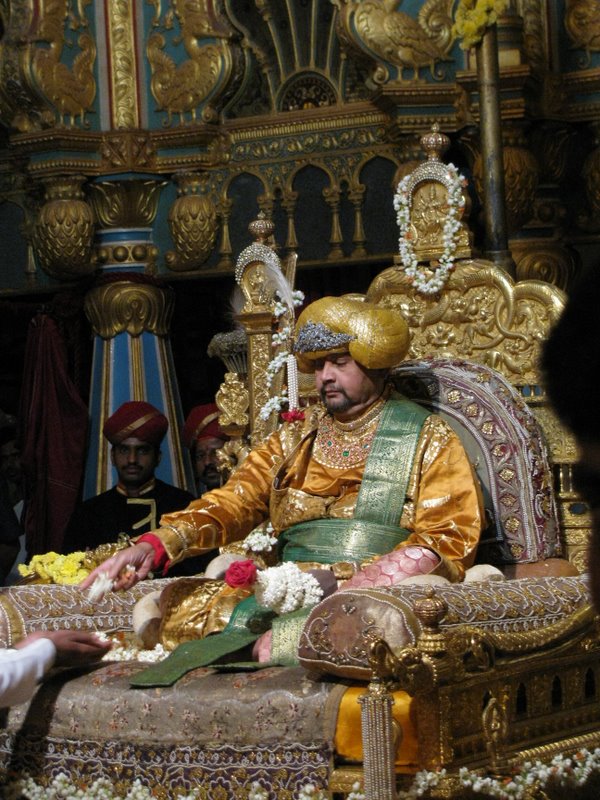
Srikanthdutta served as a Member of Parliament for 4 terms being elected to the Mysore seat in 1984, 1989, 1996 and 1999, all four times representing the @INCIndia. In 2013 Srikanthdutta passed away leaving behind no children.
[29]
[29]
In 2015 His Wife Pramoda Devi adopted the grand nephew of late Srikanthdutta - Yaduveer Wadiyar and he became the 27th head of the Wadiyar House. Yaduveer Wadiyar is the great grand son of the Last reigning King of Mysore, Jayachamarajendra Wadiyar.
[30]
[30]
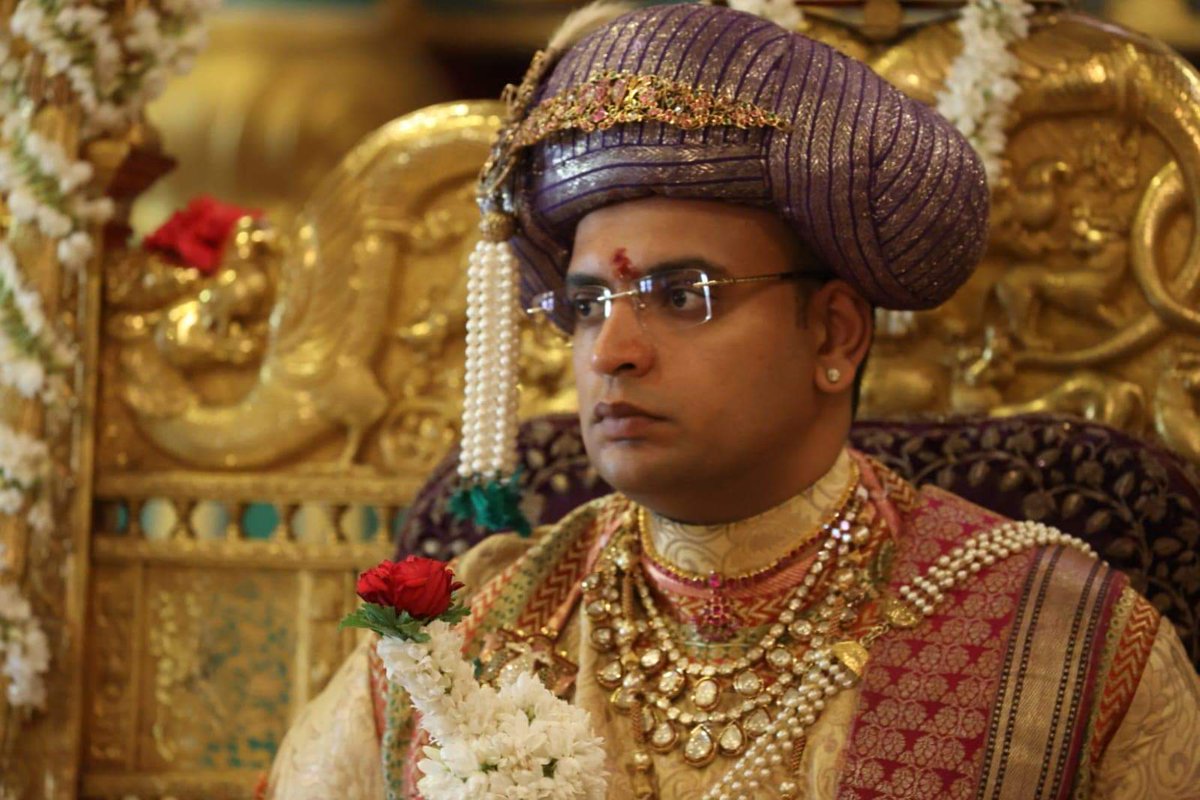
He is also a direct male line descendant of Chamarajendra Xth brother Gopal Raj & hence belongs to the Bettada Kote branch on both sides of his ancestry. He married Princess Trishika Kumari of the Dungarpur Royal House in 2016. Their son Aadyaveer Wadiyar is Heir Apparent.
[31]
[31]
I hope you liked this complete overview of the Royal House of Mysore. This chart is part of a larger series focusing on the History of South India. More Dynasties are in works & will be release in coming months.
Links to my socials - bio.site
[32]
Links to my socials - bio.site
[32]

If you have the means consider becoming a patreon member at patreon.com
[33]
[33]


Loading suggestions...